Stop Wasting Old Potting Soil In North Carolina And Do This With It Instead
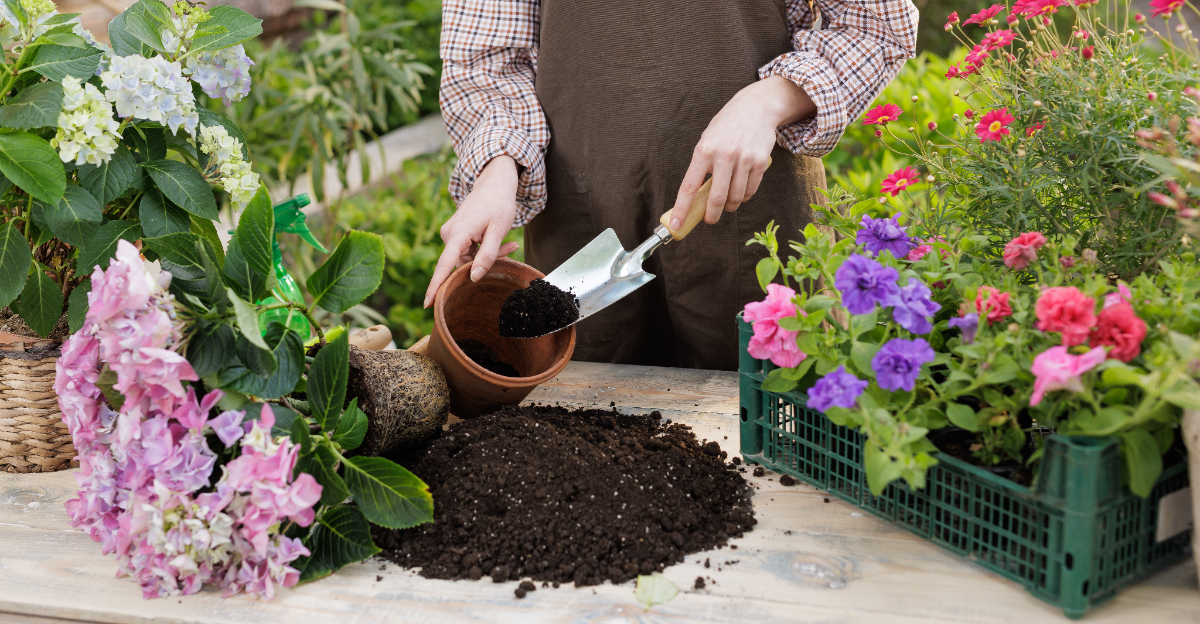
Old potting soil gets tossed out or left to sit in bags at the end of every growing season, and most North Carolina gardeners treat it as spent material without much thought. That assumption wastes something with real value left in it.
Potting soil that has been through a season still holds organic matter, some residual nutrients, and a structure that can be improved and put back to work rather than discarded.
North Carolina’s long growing season and warm climate actually make refreshed potting soil more viable here than in shorter season states, because there is enough growing time remaining to get real use out of a container mix that has been properly amended.
A few straightforward steps transform last season’s soil into something productive again, saving money and reducing the waste that piles up every time container season winds down.
1. Old Potting Soil Still Works Well As A Compost Booster
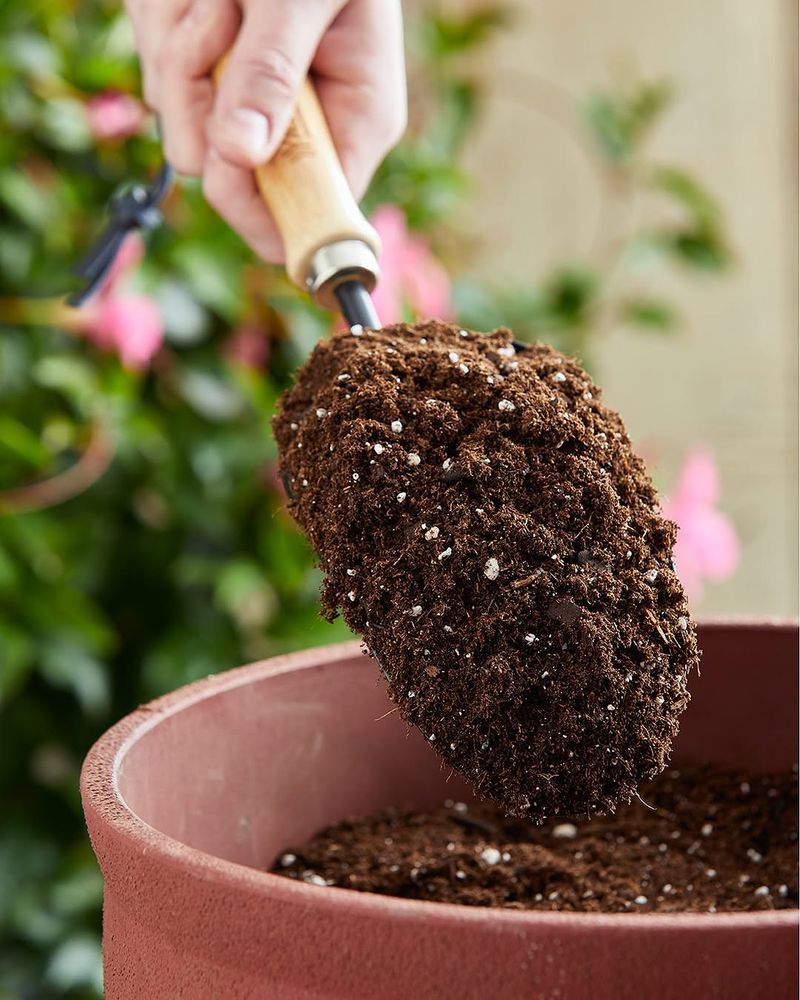
Here is something most gardeners overlook: used potting mix is actually a fantastic addition to a backyard compost pile. Even after a full growing season, old potting soil still contains organic matter, beneficial microbes, and bits of decomposed plant material.
That leftover structure gives your compost pile something solid to work with right away. North Carolina summers are warm and humid, which speeds up the composting process nicely.
When you blend old potting soil with shredded leaves, grass clippings, or kitchen scraps like vegetable peels and coffee grounds, the mix balances out moisture levels and improves airflow through the pile.
The old soil acts almost like a sponge, helping the pile stay moist without getting soggy during rainy spells.
Shredded mulch is another great partner for old potting mix in the compost bin. Adding it alongside the soil gives the pile carbon-rich material that breaks down steadily over time.
Aim for roughly equal layers of green materials and brown materials, with old potting soil spread throughout to bind everything together. Turn the pile every couple of weeks to keep things moving.
Within a few months, you will have rich, dark compost that your garden beds will absolutely love. Nothing gets wasted, and your plants get fed naturally.
2. Gardeners Can Refresh Old Potting Soil Instead Of Replacing It Completely
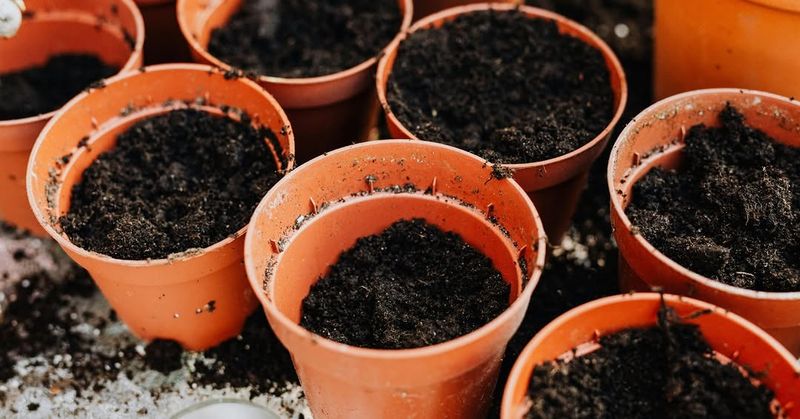
Buying fresh bags of potting mix every single season adds up fast. The good news is that most old potting soil does not need to be replaced entirely.
With a few smart additions, you can bring it back to life and reuse it for another round of container gardening without spending a lot of money.
Start by removing any old roots, clumps, or debris from the used soil. Then blend it with fresh compost, a small amount of new potting mix, and a slow-release organic fertilizer.
This combination restores both the physical structure of the soil and the nutrients that container plants used up during the previous season. Perlite or vermiculite can also be stirred in if the old mix feels dense or compacted.
One important thing to keep in mind is that not all old potting soil is safe to reuse. If your containers had plants that struggled with fungal disease, root rot, or a serious pest infestation, it is smarter to discard that batch and start fresh.
Your North Carolina Garden Changes Every Week. Your Plan Should Too.
Gardening in North Carolina changes quickly throughout the season. Every Friday you’ll receive a simple weekly plan showing exactly what to plant, prune, fertilize, harvest, and protect so you never miss the right timing.
Reusing infected soil risks spreading those same problems to your next round of plants. But for containers that grew healthy plants last season, refreshing is a practical and cost-effective choice that North Carolina gardeners can feel good about doing year after year.
3. Old Potting Soil Helps Improve Heavy Clay Soil In Raised Beds
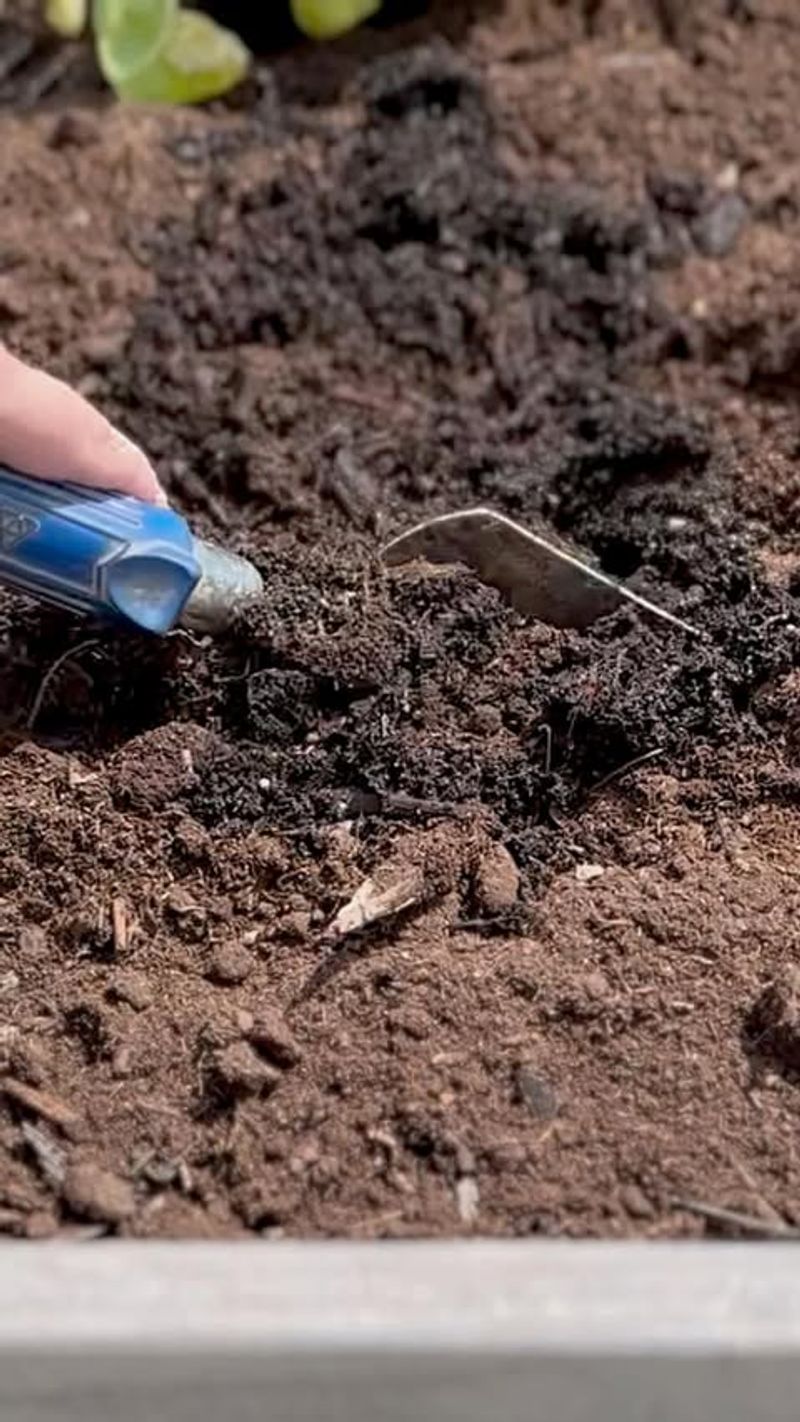
Anyone who gardens in the Piedmont or coastal plain regions of North Carolina knows the struggle of working with heavy clay soil. It gets sticky when wet, rock-hard when dry, and drains poorly no matter the season.
Old potting soil, while not a miracle fix, can genuinely help loosen things up when blended into raised beds and garden borders.
Used potting mix typically contains peat moss, coir, or aged bark, all of which help break apart dense clay particles when worked into the top several inches of soil.
Mixing old potting soil with compost before adding it to clay beds gives you an even better result, since compost adds biology and structure at the same time.
Spread the blend evenly and work it in with a garden fork rather than a tiller to avoid damaging soil layers.
Keep your expectations realistic, though. One application of old potting soil will not permanently change clay soil structure.
Clay improvement is a gradual process that requires consistent additions of organic matter over multiple seasons. Think of each batch of old potting mix as one more helpful layer building toward better soil over time.
Combine it with mulching and regular compost additions, and you will notice real improvements in drainage and workability within a season or two in your North Carolina raised beds.
4. Used Potting Soil Makes A Good Base Layer In Large Outdoor Containers
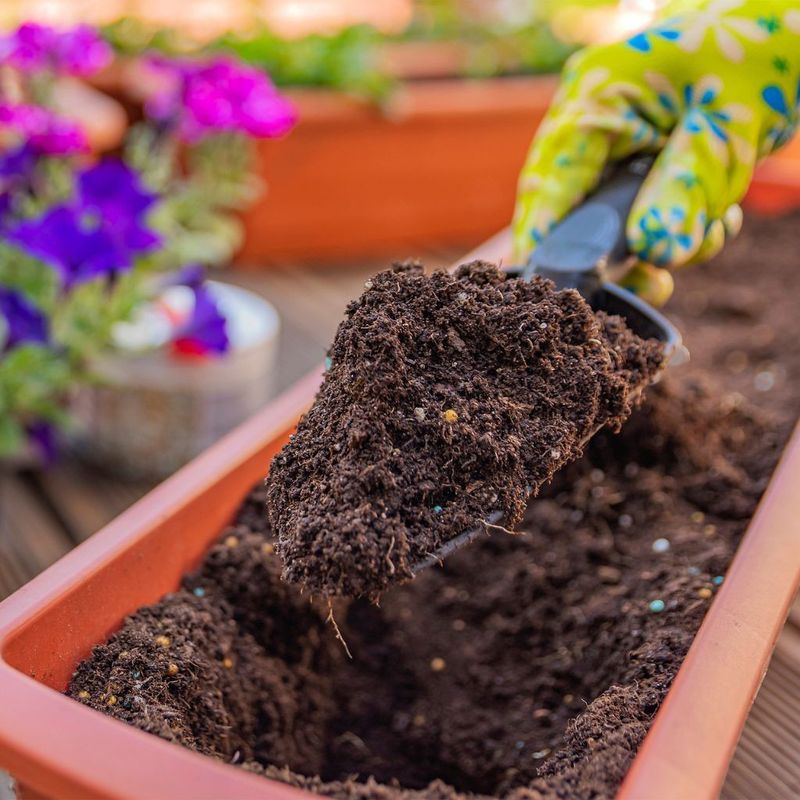
Large patio containers look amazing but can cost a fortune to fill entirely with fresh potting mix every season.
A clever trick that experienced North Carolina gardeners use is filling the lower portion of deep containers with refreshed old potting soil, then topping it with fresh mix in the upper root zone where plants actually feed and grow.
Most annual flowers, herbs, and vegetables only push their roots into the top twelve to fourteen inches of a container. That means the bottom third of a deep planter can hold older, slightly depleted soil without hurting plant performance much at all.
Just make sure the old soil you use at the base is free of disease and has been loosened so it does not form a compacted layer that blocks drainage.
Drainage matters a lot in North Carolina summers when afternoon thunderstorms can dump heavy rain in short bursts.
Avoid using old potting soil that has broken down into a fine, muddy texture at the base of containers, as this can slow drainage and lead to root problems.
Also consider that large containers filled with old soil weigh significantly less than those packed with wet fresh mix, making them easier to move around your patio or deck.
Topping with fresh potting mix keeps the root zone productive while stretching your gardening budget further throughout the season.
5. Old Potting Soil Can Be Reused Around Non-Picky Landscape Plants
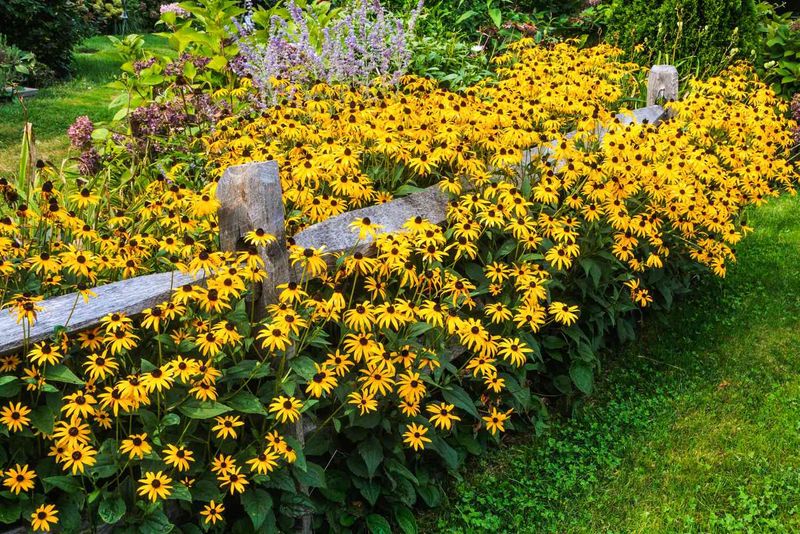
Not every plant in your yard demands perfect, freshly mixed growing conditions.
Tough native plants, established shrubs, and hardy perennials are far more forgiving than vegetables or delicate annual flowers, and they can handle refreshed old potting soil blended into their planting beds without missing a beat.
North Carolina is home to a wonderful range of rugged native plants like beautyberry, switchgrass, black-eyed Susans, and inkberry holly.
These plants evolved to thrive in all kinds of soil conditions, which makes them ideal candidates for receiving old potting mix worked into the surrounding bed.
The organic matter in the used soil still adds value even when nutrients are partially depleted, because it improves moisture retention and feeds soil microbes that support root health.
The key is blending, not piling. Spread old potting soil thinly and mix it into existing bed soil rather than dumping it straight from the container in a concentrated mound.
A thick layer of straight old potting mix around plant stems can trap moisture and create conditions that encourage fungal growth, especially during humid North Carolina summers.
Work it into the top few inches of bed soil with a hand cultivator, add a light layer of compost on top, and finish with mulch to lock in moisture. Your landscape plants will benefit quietly and steadily throughout the growing season.
6. Gardeners Can Solarize Old Potting Soil To Reduce Problems
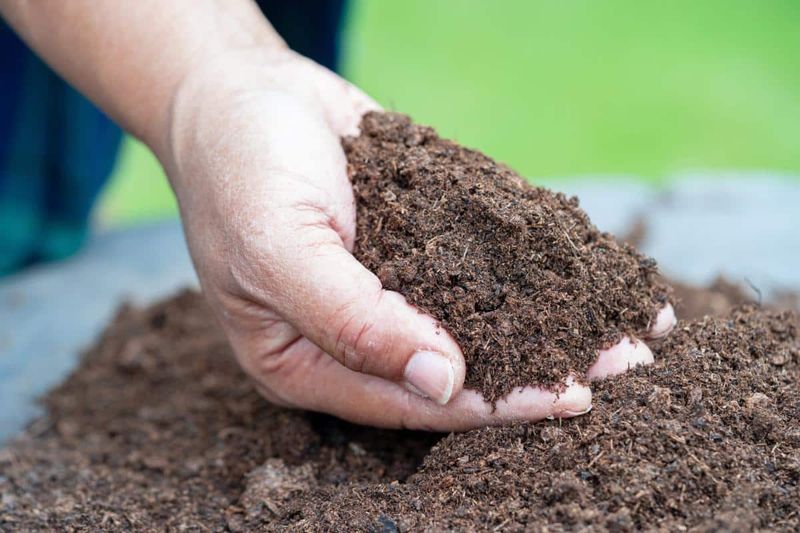
Solarization sounds fancy, but the process is surprisingly simple and works beautifully in North Carolina summers.
All it takes is spreading old potting soil in a shallow layer, covering it tightly with clear plastic sheeting, and letting the intense summer sun do its job for four to six weeks straight.
The heat trapped under the plastic can reach temperatures high enough to reduce weed seeds, fungal spores, and certain soil pests lurking in the used mix.
July and August are the best months to solarize in North Carolina because daytime temperatures regularly climb into the upper eighties and nineties. Place your plastic-covered soil in the sunniest part of your yard with no shade from trees or structures.
Seal the edges of the plastic with soil or rocks so heat stays trapped inside and does not escape. The goal is to get the top two to three inches of soil as hot as possible for as long as possible.
Be realistic about what solarization can accomplish, though. It reduces problems rather than eliminating them entirely.
Deeply embedded fungal issues or persistent pests may not be fully addressed by heat alone, especially in humid conditions where the plastic can trap moisture as well as warmth.
After solarization, mix the treated soil with fresh compost before reusing it to restore beneficial microbial activity.
Solarized soil that sat in wet conditions for too long may still carry some risk, so use your best judgment before reintroducing it to valuable containers or beds.
7. Old Potting Soil Works Well For Filling Empty Spots In Landscape Beds
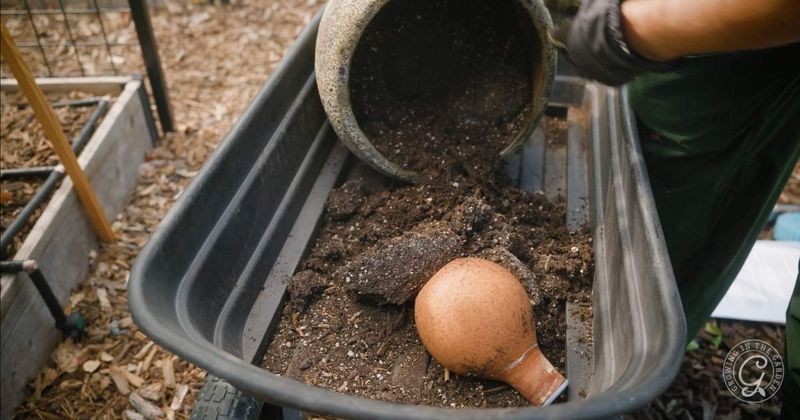
Every garden has those low, uneven spots in flower beds where soil has settled or washed away over time.
Old potting soil turns out to be a surprisingly practical fix for those areas, adding organic matter and improving moisture retention right where the bed needs it most.
It is a free solution sitting in your old containers just waiting to be put to use.
Lightly depleted potting mix still holds enough organic material to make a noticeable difference when spread thinly across bare or low spots in a landscape bed.
Work it into the top couple of inches of existing soil with a hand rake or cultivator, then top the area with a thin layer of compost and fresh mulch.
This combination helps the old soil blend in naturally rather than sitting on top as a separate, disconnected layer.
One important warning every North Carolina gardener should follow is to never pile old potting soil up against plant stems, tree trunks, or woody shrub bases.
Even a small buildup of moist soil against bark can encourage rot and invite fungal issues over time, especially during the warm, wet months that are so common here.
Keep the soil level slightly lower right around plant bases and feather it outward instead. Used wisely and spread carefully, old potting mix fills gaps in your landscape beds in a way that genuinely helps the whole bed perform better through the season.
8. Used Potting Soil Helps Build New Garden Beds Over Time
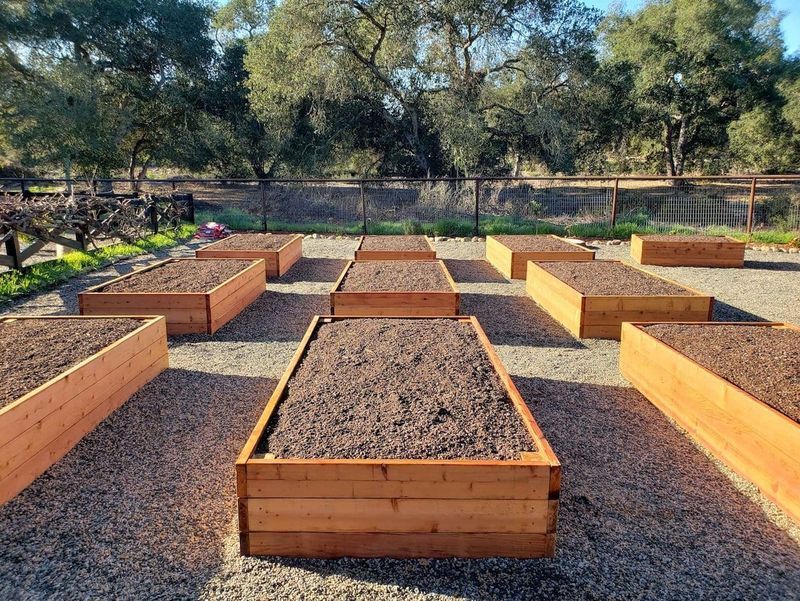
Building a brand new garden bed from scratch can feel overwhelming, but it does not have to happen all at once.
Saving old potting soil from season to season and layering it gradually into a new bed area is one of the most practical approaches North Carolina gardeners can take, especially in areas with challenging soil like sandy coastal ground or compacted Piedmont clay.
The layering method works by adding thin amounts of old potting mix combined with compost and shredded mulch over time, allowing each layer to break down and blend naturally with the existing soil below.
This slow buildup improves organic matter content, encourages earthworm activity, and gradually shifts the soil biology toward something that supports healthy plant roots.
Think of it like feeding the ground a little at a time rather than trying to fix everything in one big effort.
Sandy soils along the North Carolina coast benefit from the moisture-holding organic material in old potting mix, which helps water stay available to roots longer instead of draining away immediately.
Heavy Piedmont clay soils benefit from the improved aeration and lighter texture that old potting mix introduces when worked in consistently.
Neither soil type transforms overnight, but both improve meaningfully with patient, steady layering over two or three growing seasons.
Old potting soil you might have tossed away becomes a genuine long-term investment in a garden bed that keeps getting better year after year.
9. Throwing Away Potting Soil Wastes Organic Matter Gardens Can Still Use
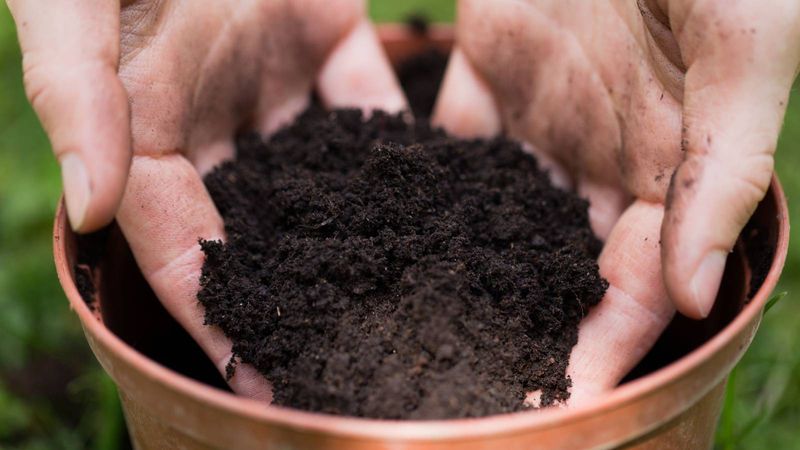
Tossing old potting soil in the trash at the end of the season is one of the most common gardening habits that quietly costs more than people realize.
Even after a full growing season of feeding container plants, used potting mix still contains organic material that breaks down into valuable matter for soil, compost, and raised beds.
Nutrients may be depleted, but organic structure does not just disappear.
That leftover organic content, things like decomposed bark, coir fiber, or peat moss, still improves soil texture, helps retain moisture, and feeds the microbes that make garden soil come alive.
Blending old potting mix into compost piles, raised beds, or landscape borders puts that material back to work instead of sending it to a landfill.
Over a whole gardening season, the amount of old potting soil a typical North Carolina gardener generates can add up to several cubic feet of reusable material.
There are situations where discarding old potting soil is absolutely the right call. Soil from containers where plants showed signs of serious fungal disease, persistent root rot, or invasive weed infestations like nutsedge or oxalis should not be reused.
Spreading contaminated soil risks spreading those same problems across your entire garden. Outside of those specific situations, most old potting mix still earns its keep.
Give it a second life, and your North Carolina garden will be richer, healthier, and more productive for it.