These Pennsylvania Perennials Divide Themselves And Fill Your Garden Free Every Year
Some of the best things in a garden cost nothing after the first season, and these perennials are proof of that.
Instead of spending money every spring filling in gaps or buying new plants to expand your beds, certain perennials do the work for you by spreading, clumping, and multiplying on their own schedule.
Pennsylvania’s climate is actually ideal for a long list of these plants, giving them the cool winters and warm summers they need to come back stronger and more spread out each year.
Over time, one small plant becomes several, and several become enough to fill a bed, line a path, or share with a neighbor.
The trick is knowing which perennials divide themselves reliably without taking over completely, because there is a real difference between a plant that spreads generously and one that becomes a problem. This list lands squarely on the right side of that line.
1. Bee Balm
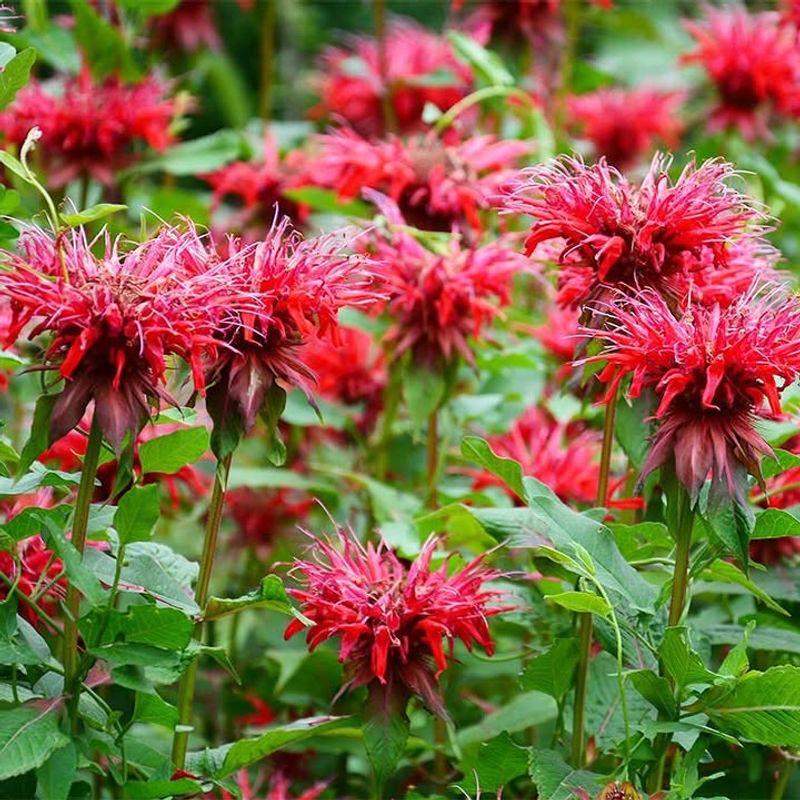
Walk past a patch of bee balm in midsummer and you will instantly understand why gardeners love it.
The spiky, firework-shaped flowers burst open in shades of red, pink, purple, and white, and they attract bees, butterflies, and hummingbirds like nothing else in the garden. It is one of the showiest native plants you can grow in Pennsylvania.
Bee balm spreads steadily underground using rhizomes, which are root-like stems that creep outward beneath the soil. Each year, the clump gets wider and wider.
After two or three years, you will notice new shoots popping up several inches away from the original plant. That is your cue to divide it and move those extra plants wherever you want more color.
Dividing bee balm is simple and takes only a few minutes. Just dig up the outer sections in early spring when the shoots are just a few inches tall.
Replant them in a new spot or share them with a neighbor. Bee balm grows best in full sun but handles partial shade well, especially in Pennsylvania’s hot summers.
Keep the soil moist and give plants good air circulation to prevent powdery mildew, which is a common issue with this plant. Cutting back the stems after blooming encourages a second flush of flowers.
Bee balm is also deer resistant, which is a huge bonus for Pennsylvania gardeners dealing with hungry wildlife throughout the growing season.
2. Black-Eyed Susan
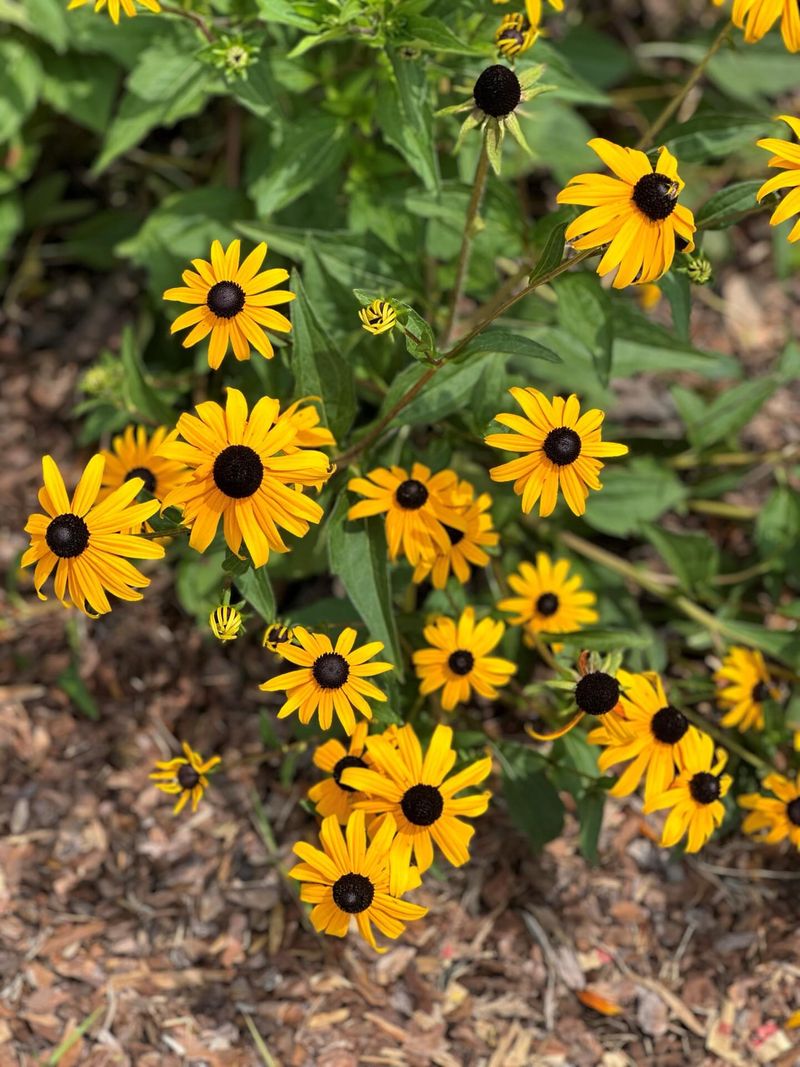
Few flowers are as cheerful and dependable as the black-eyed Susan. Those bright golden-yellow petals surrounding a dark brown center have become a symbol of late summer in Pennsylvania.
Roadsides, meadows, and backyard gardens all seem brighter when these happy blooms show up in July and August.
What makes black-eyed Susans so special for budget-minded gardeners is how freely they reseed. Each flower head holds dozens of tiny seeds that drop to the ground in fall.
By the following spring, you will find new seedlings sprouting up all around the original plants. Over time, one small plant can turn into a full, dense patch without any extra effort from you.
Your Pennsylvania Garden Changes Every Week. Your Plan Should Too.
Gardening in Pennsylvania changes quickly throughout the season. Every Friday you’ll receive a simple weekly plan showing exactly what to plant, prune, fertilize, harvest, and protect so you never miss the right timing.
Black-eyed Susans prefer full sun and well-drained soil, making them ideal for Pennsylvania’s open garden beds and sunny borders.
They are remarkably tough and handle dry spells better than many other perennials. Once established, they rarely need watering unless there is a long drought.
To keep them from spreading into places you do not want them, simply deadhead some flowers before the seeds fully ripen. Leave a few flower heads standing through winter because birds like goldfinches love to eat the seeds.
This also adds beautiful texture to your garden during the colder months. If seedlings pop up in unwanted spots, they transplant easily when they are still small.
Black-eyed Susans are truly one of Pennsylvania’s most generous and low-maintenance garden plants.
3. Creeping Phlox
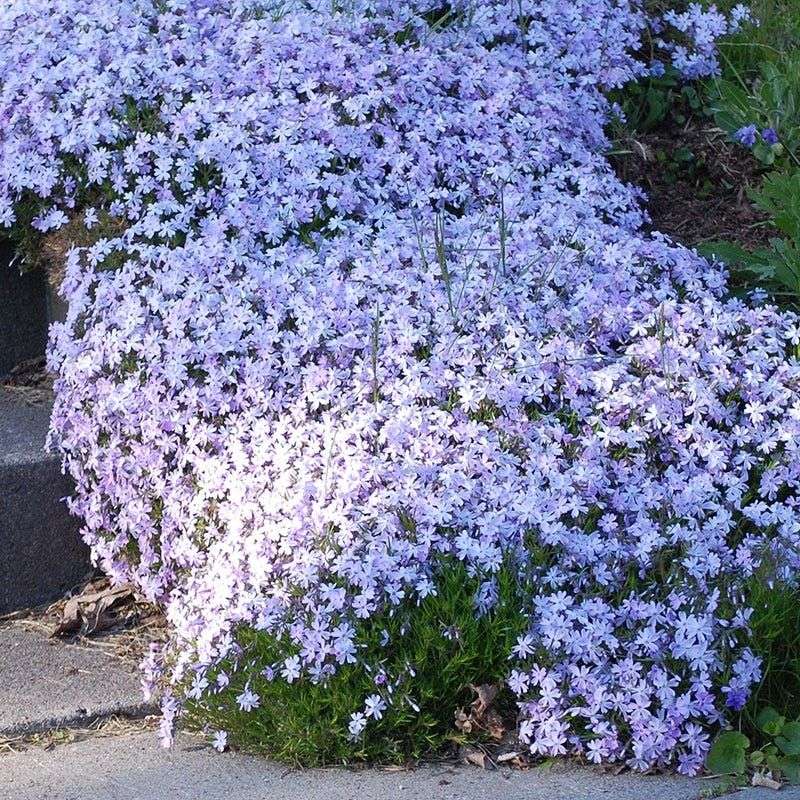
Every spring in Pennsylvania, creeping phlox puts on one of the most stunning shows in the entire garden. Imagine a thick, colorful carpet of tiny flowers in shades of purple, pink, lavender, and white flowing over rocks, hillsides, and garden edges.
It looks like something out of a magazine, and the best part is that it grows this way all on its own.
Creeping phlox spreads slowly but steadily by sending out trailing stems that root wherever they touch the soil. Over several years, a single plant can expand several feet in every direction.
It forms a dense mat that is excellent at smothering weeds, which saves you extra time and effort in the garden. It stays low to the ground, usually only four to six inches tall, so it never overwhelms nearby plants.
After the blooms fade in late spring, you can trim back the stems to keep the plant tidy and encourage bushier growth.
To create new plants for free, simply cut off a trailing stem that has already started to root, dig it up carefully, and replant it somewhere new. This is called layering, and it works beautifully with creeping phlox.
Creeping phlox thrives in full sun and well-drained soil, making it a perfect choice for slopes, rock gardens, and front borders. It is also drought tolerant once established.
Pennsylvania gardeners love it because it handles cold winters without any special protection and comes back reliably every single year looking fuller than before.
4. Goldenrod
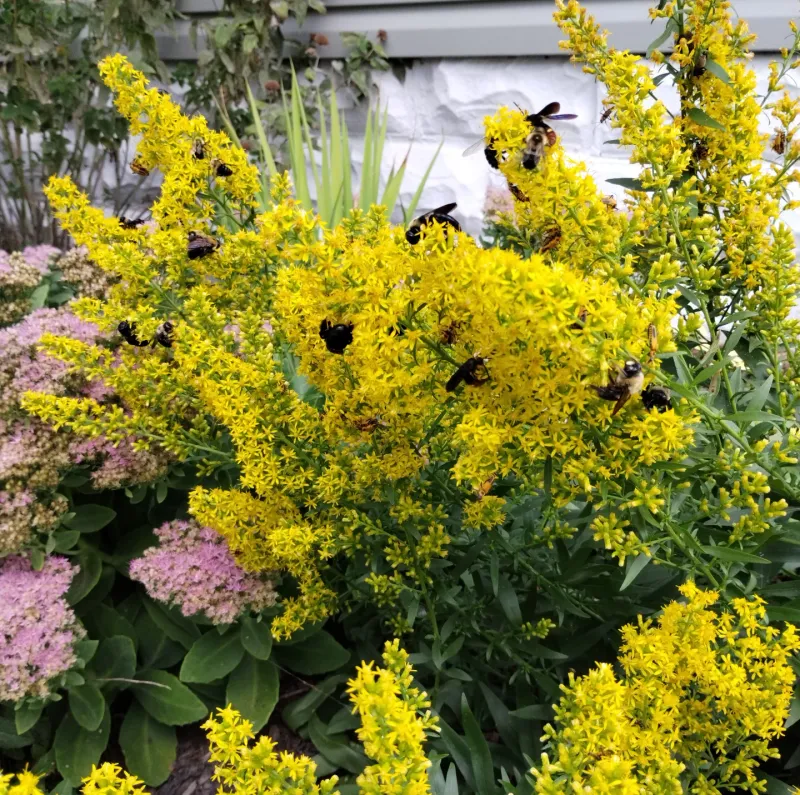
Goldenrod gets a bad reputation that it does not deserve. Many people blame it for causing hay fever, but the real culprit is ragweed, which blooms at the same time.
Goldenrod is actually one of the most important native plants for Pennsylvania’s pollinators, supporting over 100 species of bees, butterflies, and beetles during its late summer bloom.
For gardeners, goldenrod is a dream plant because it spreads reliably without any help. Some varieties spread through underground runners, forming wider clumps each year, while others reseed generously.
Either way, you end up with more plants for free. The tall, arching stems topped with clusters of golden-yellow flowers add incredible color to the garden from August through October, right when many other perennials are winding down.
Pennsylvania has several native goldenrod species worth growing, including stiff goldenrod and showy goldenrod. Stiff goldenrod stays more compact and is less aggressive, making it a better choice for smaller garden spaces.
Showy goldenrod has beautiful arching stems and works wonderfully in larger, wilder garden areas or meadow plantings.
Goldenrod grows best in full sun and adapts to a wide range of soil types, including poor, dry soils where other plants struggle. To keep spreading varieties in check, simply dig up and remove extra clumps in spring.
The divided sections transplant easily and establish quickly. Leaving the seed heads standing through winter also provides food for birds and adds natural beauty to your garden during Pennsylvania’s cold months.
5. Foamflower
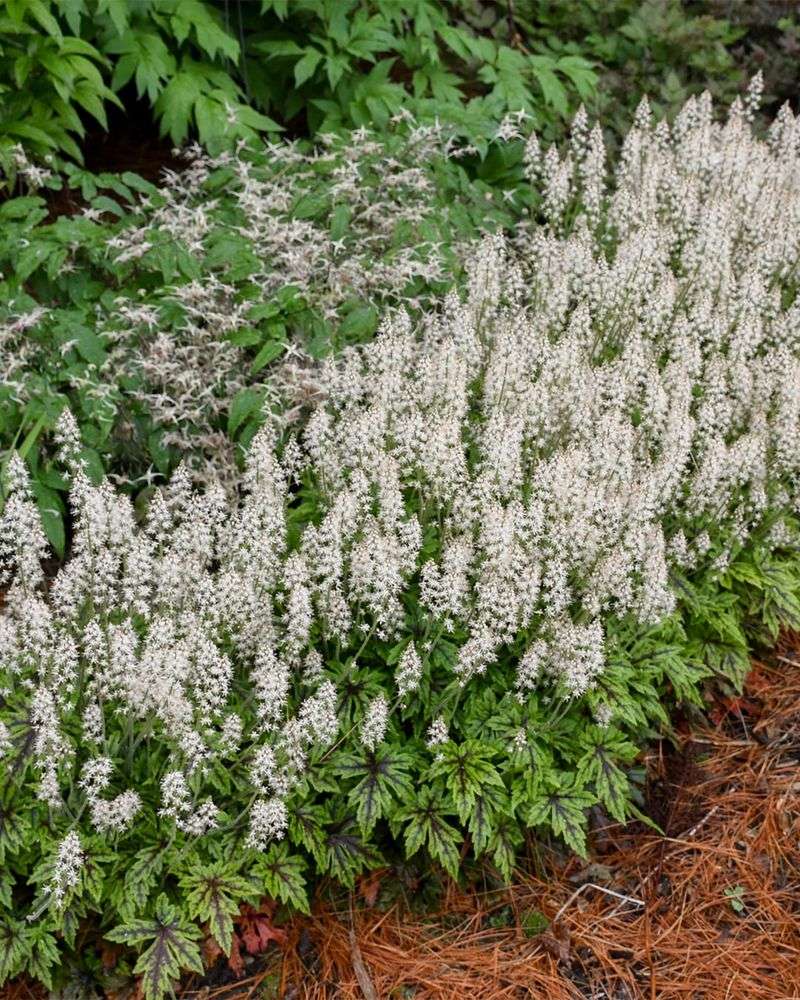
Step into a shaded Pennsylvania woodland garden in spring and you might spot foamflower’s delicate, feathery blooms rising above heart-shaped leaves.
The tiny white or pale pink flowers cluster together on slender stalks and look almost like a cloud of foam floating above the ground. It is a quietly beautiful plant that does not shout for attention but always earns it.
Foamflower is a native Pennsylvania plant that spreads gently through stolons, which are short stems that creep along the soil surface and root at their tips.
Over time, it forms a thick, lush groundcover that is perfect for filling in bare areas under trees and shrubs.
It never becomes aggressive or invasive, so you can trust it to stay manageable even in smaller garden spaces.
One of the best things about foamflower is how well it handles deep shade. Many plants struggle under dense tree canopies, but foamflower actually thrives there.
It pairs beautifully with hostas, ferns, and wild ginger, creating a layered woodland look that feels completely natural and effortless.
To multiply your foamflower plants, simply cut the rooted stolons away from the mother plant in early spring or early fall. Each rooted section becomes a new, independent plant that establishes quickly with regular watering.
Keep the soil moist and rich in organic matter for the best results. Foamflower is also resistant to most pests and diseases, which makes it one of the easiest and most rewarding native plants for Pennsylvania shade gardens.
6. Daylily
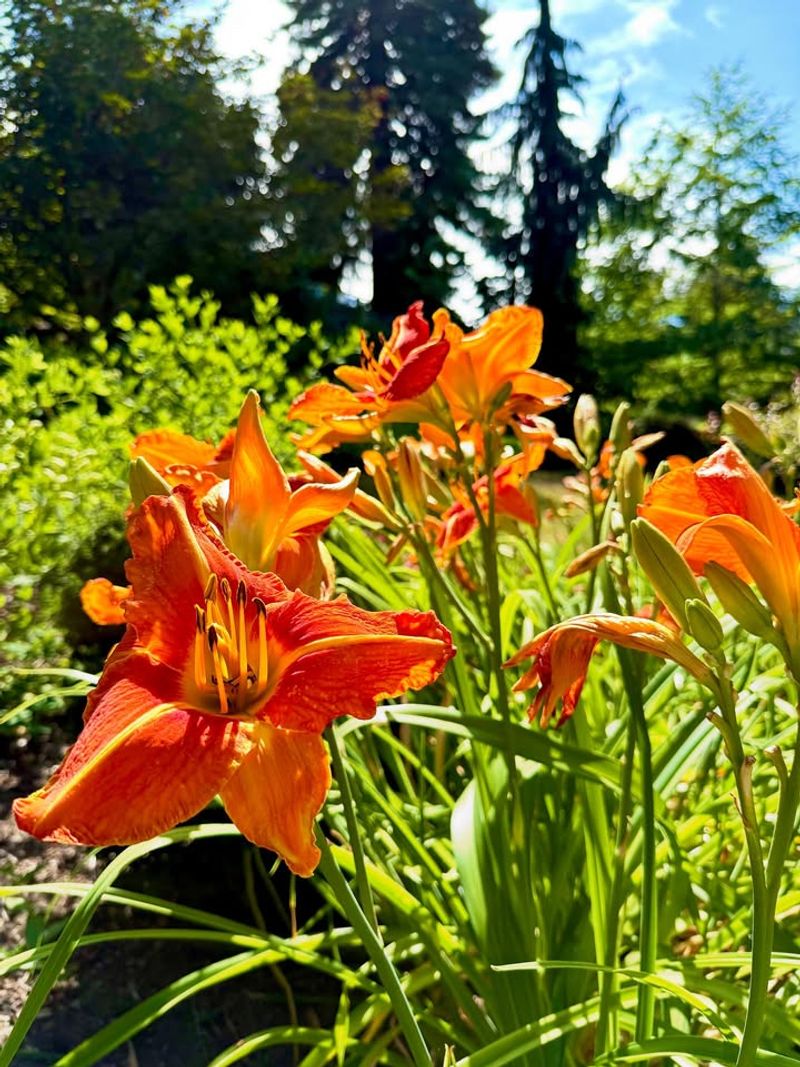
Chances are you have already seen daylilies growing somewhere in Pennsylvania, maybe along a roadside, in an old farmhouse garden, or spilling over a neighbor’s fence.
These tough, cheerful plants have been a garden staple for generations because they are nearly impossible to neglect and reward even the most forgetful gardener with armfuls of color every summer.
Daylilies multiply by forming larger and larger clumps over time. Each clump produces more fans of foliage and more flower stalks each year.
After three to four years, the clump can become quite crowded, and that is exactly when you step in and divide it. Dividing daylilies is one of the easiest gardening tasks you will ever do.
Just dig up the whole clump, pull or cut the fans apart, and replant them wherever you want more flowers.
The best time to divide daylilies in Pennsylvania is either early spring before the foliage gets tall, or in late summer after the blooming season ends. Both times work well.
Divided plants establish quickly and usually bloom again within a season or two. You can fill an entire garden border with free plants just by dividing one original clump a few times over the years.
Daylilies grow in almost any soil and tolerate both full sun and partial shade. They handle Pennsylvania’s summer heat and winter cold without complaint.
With thousands of named varieties available, you can find daylilies in nearly every color imaginable, from pale yellow to deep burgundy. They are a true gardening gift that keeps on giving year after year.
7. Blue Wood Aster
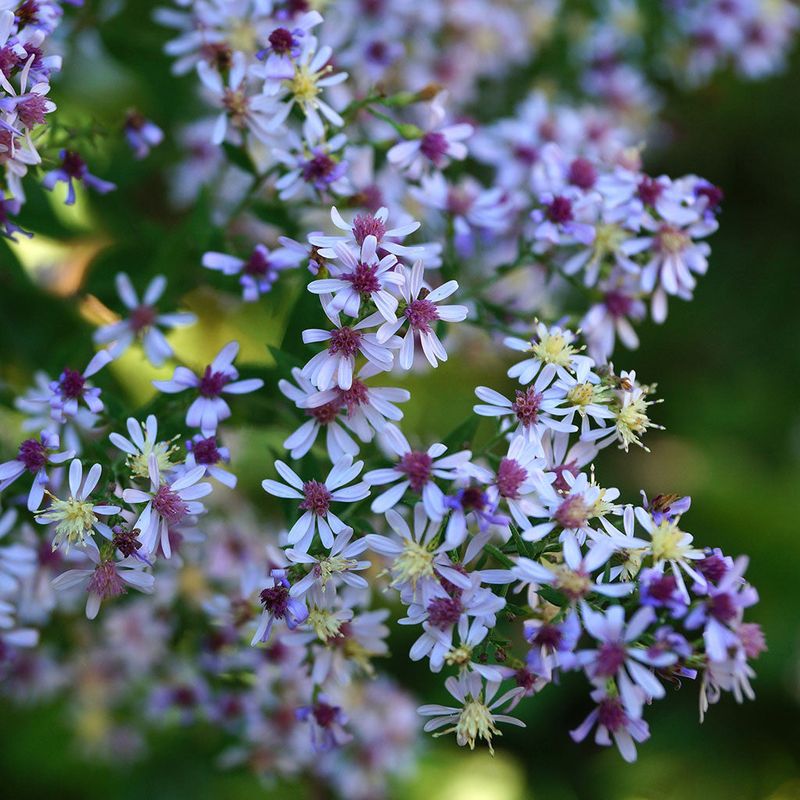
When most of the garden is winding down in September and October, blue wood aster steps up and steals the show. Its small, daisy-like flowers in soft shades of lavender-blue and white cover the plant in a cloud of color at exactly the moment you need it most.
For Pennsylvania gardeners, this native aster is like a final, generous gift from the growing season.
Blue wood aster is wonderfully adaptable. It handles partial shade to full shade better than almost any other aster, making it a perfect choice for the tricky spots under trees or along shaded fences and walls.
It also tolerates dry shade, which is one of the toughest conditions in any garden. Over time, it slowly self-seeds and spreads, quietly filling in empty spaces without becoming pushy or overwhelming.
The seedlings that appear around the mother plant are easy to identify by their heart-shaped lower leaves. You can dig them up in spring and move them to new locations, or simply let them naturalize and spread on their own.
Either approach works beautifully. Blue wood aster looks stunning when planted in drifts, creating a soft haze of color across a shaded border.
Beyond its beauty, blue wood aster is incredibly valuable for wildlife. It provides a critical late-season nectar source for migrating butterflies and native bees preparing for winter.
The seeds also attract small songbirds in late fall. Growing this plant means you are supporting Pennsylvania’s local ecosystem while also enjoying one of autumn’s most reliable and lovely native perennials.