Stop Working In Your Georgia Garden During Midday Heat: Do This Instead
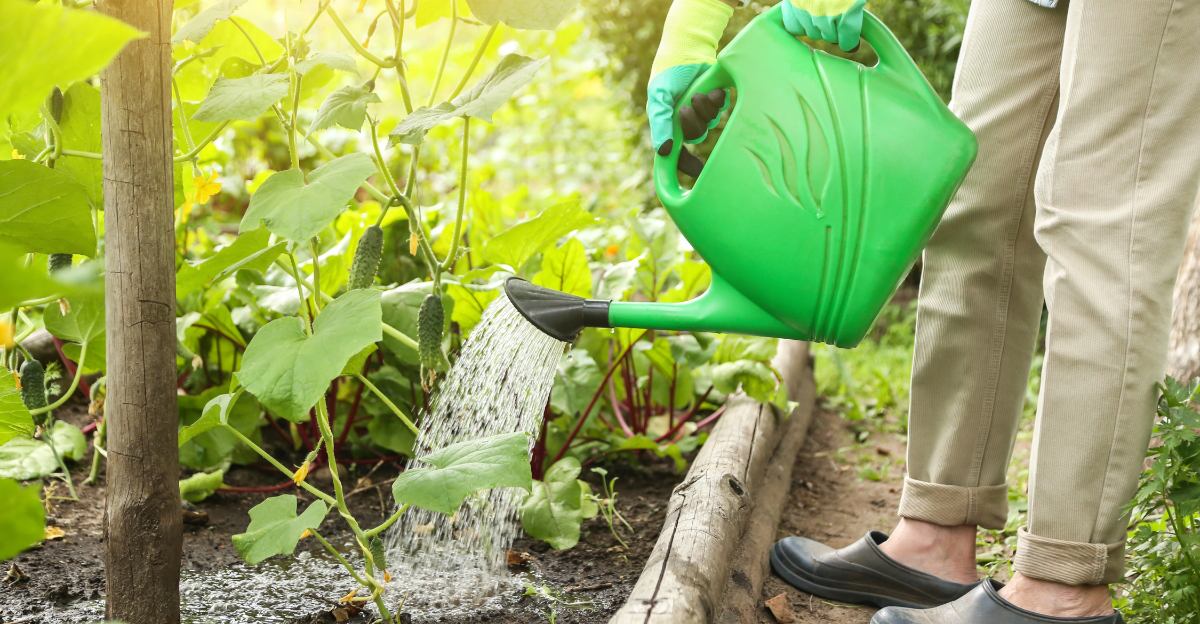
By ten in the morning, a Georgia backyard already feels like a greenhouse with the door locked shut. Sweat beads before you even reach for a trowel, and the air sits thick enough to chew.
Your body notices first. Dizziness creeps in faster than most gardeners expect, and a pounding head can turn a routine weeding session into a warning sign worth taking seriously.
Plants send their own signals too. Curled leaves and scorched stems act like a quiet distress flag, one that grows harder to ignore the longer that sun keeps hammering down.
There’s a smarter window for garden work hiding in plain sight, along with a handful of simple moves that spare both your tomatoes and your own patience.
Early Morning And Evening Are The Safer Windows
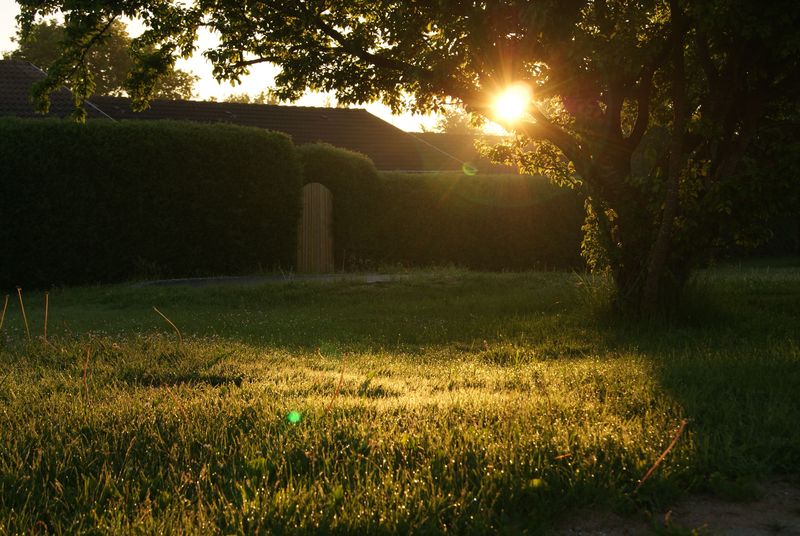
The alarm goes off at 6 a.m. and your garden is already calling your name. Early morning light in Georgia is cool, soft, and full of possibility.
Weekend gardeners fall into this trap more often than they’d like to admit. Morning hours between 6 and 9 a.m. give you the best conditions for almost every task.
Soil temperatures are lower, which means roots absorb water more efficiently. Your body also handles physical work far better when the air sits below 80 degrees.
Evening gardening, roughly from 5 to 7 p.m., offers a second solid window. The sun loses its sharpest edge, and a light breeze often rolls through.
Transplanting, weeding, and fertilizing all go smoother when the heat has backed off. Plants recover faster from disturbance when they are not already stressed by high temperatures.
One practical tip: keep your tools near the door the night before. That small habit removes the friction of getting started early.
Mornings also bring natural pest activity you can catch and address before it spreads. Slugs, caterpillars, and beetles are often easier to spot in the cooler hours.
Evening sessions work best for lighter tasks like removing spent flowers or checking for disease. Avoid heavy digging in the evening since disturbed soil can attract pests overnight.
The golden rule is simple: plan your hardest garden work for the coolest hours. Your body and your plants will both reward you for it.
Watering Then Loses Less Moisture To Evaporation
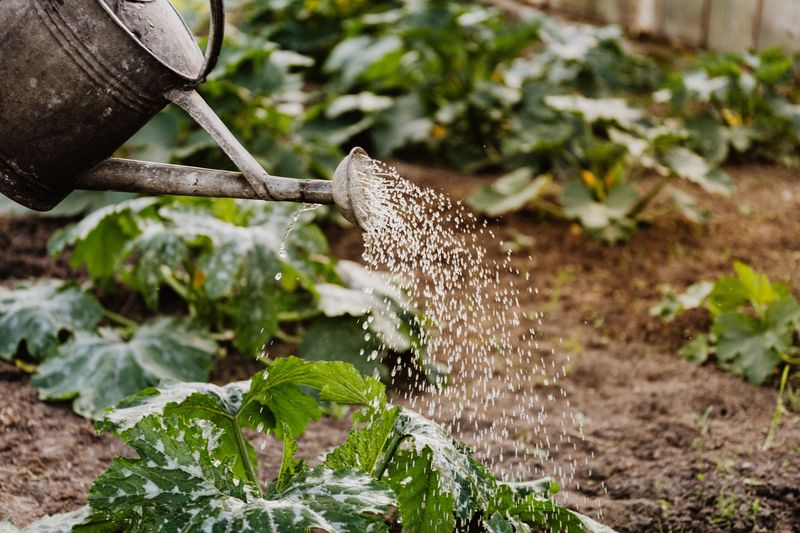
Watering at noon is basically pouring money down the drain. Up to 30 percent of water applied during peak heat evaporates before roots can absorb it.
Morning watering, done between 5 and 9 a.m., lets moisture sink deep into the soil. Roots get a long drink before the sun turns aggressive.
Deep watering also encourages roots to grow downward rather than staying shallow. Deeper roots mean stronger, more drought-resistant plants all season long.
Evening watering works too, but it comes with a trade-off worth knowing. Wet foliage overnight can invite fungal diseases like powdery mildew and leaf spot.
The fix is simple: aim your water at the base of each plant, not the leaves. A soaker hose or drip line makes this almost effortless.
Your Georgia Garden Changes Every Week. Your Plan Should Too.
Gardening in Georgia changes quickly throughout the season. Every Friday you’ll receive a simple weekly plan showing exactly what to plant, prune, fertilize, harvest, and protect so you never miss the right timing.
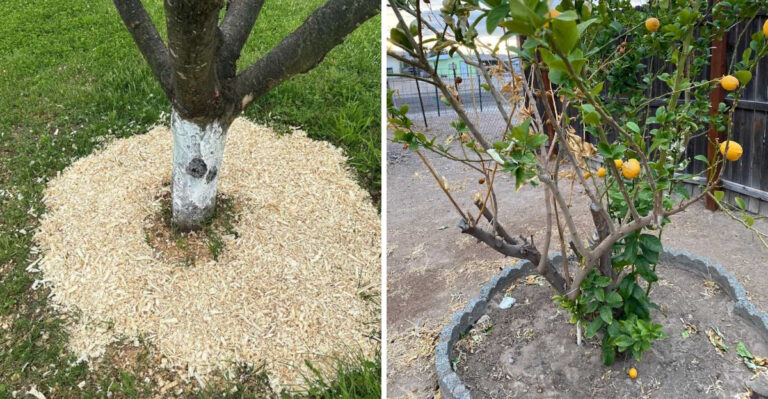
Mulching right after morning watering locks in the moisture you just applied. A two-inch layer of straw or wood chips can cut water loss by nearly half.
Clay-heavy Georgia soils can hold water well but also crack and repel moisture when bone dry. Watering slowly and deeply helps break that cycle over time.
Sandy soils in some parts of the state drain fast, so they need more frequent but still early watering. Checking soil moisture with a finger test takes about three seconds and tells you everything.
Smart watering timing is one of the easiest changes you can make. The garden stays healthier, and your water bill quietly shrinks at the same time.
Pruning At Midday Leaves Plants Vulnerable To Scorch
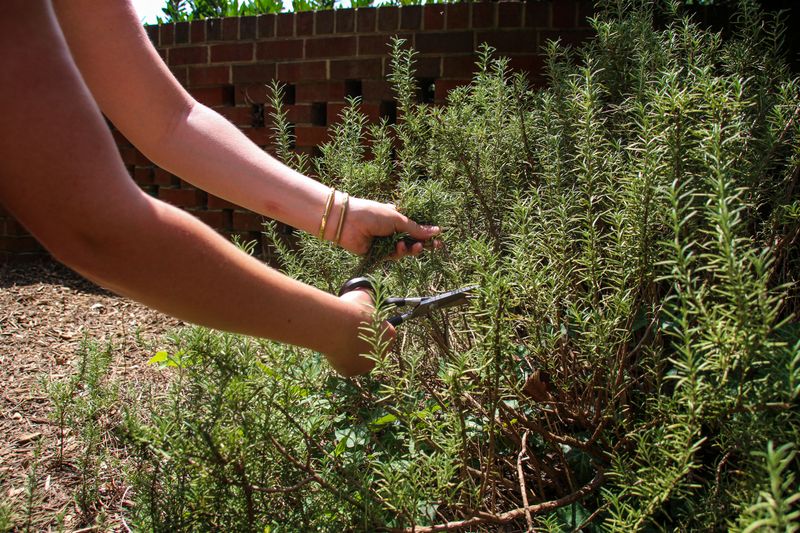
Cutting into a plant at noon is like performing surgery in a sauna. The plant is already under stress, and fresh cuts make it even harder to cope.
When you prune during peak heat, the exposed tissue dries out almost instantly. That rapid moisture loss can cause tip burn, browning edges, and slow healing wounds.
Morning pruning, ideally before 9 a.m., gives cut surfaces time to begin sealing before the sun peaks. The plant has a full day ahead to redirect energy toward healing.
Evening pruning can also work, but watch the moisture levels afterward. Wet cuts sitting overnight in humid Georgia air can develop fungal problems quickly.
Clean, sharp tools make a real difference no matter what hour you prune. Dull blades tear tissue rather than cutting cleanly, and torn tissue heals much more slowly.
Tomatoes, peppers, and roses are especially sensitive to midday cuts. These plants push a lot of energy through their stems, and heat stress doubles the damage from pruning.
Fruit trees like peaches and figs, common across Georgia, also benefit from morning pruning sessions. Cutting them early reduces the chance of sun scald on newly exposed bark.
A good rule of thumb: if the temperature is above 85 degrees, put the pruning shears away. Waiting just a few hours makes a real difference in how well your plants bounce back.
Healthy pruning habits protect your investment in every plant. The timing costs you nothing but pays off in stronger growth all season.
Protecting Yourself From Heat Stress While You Work
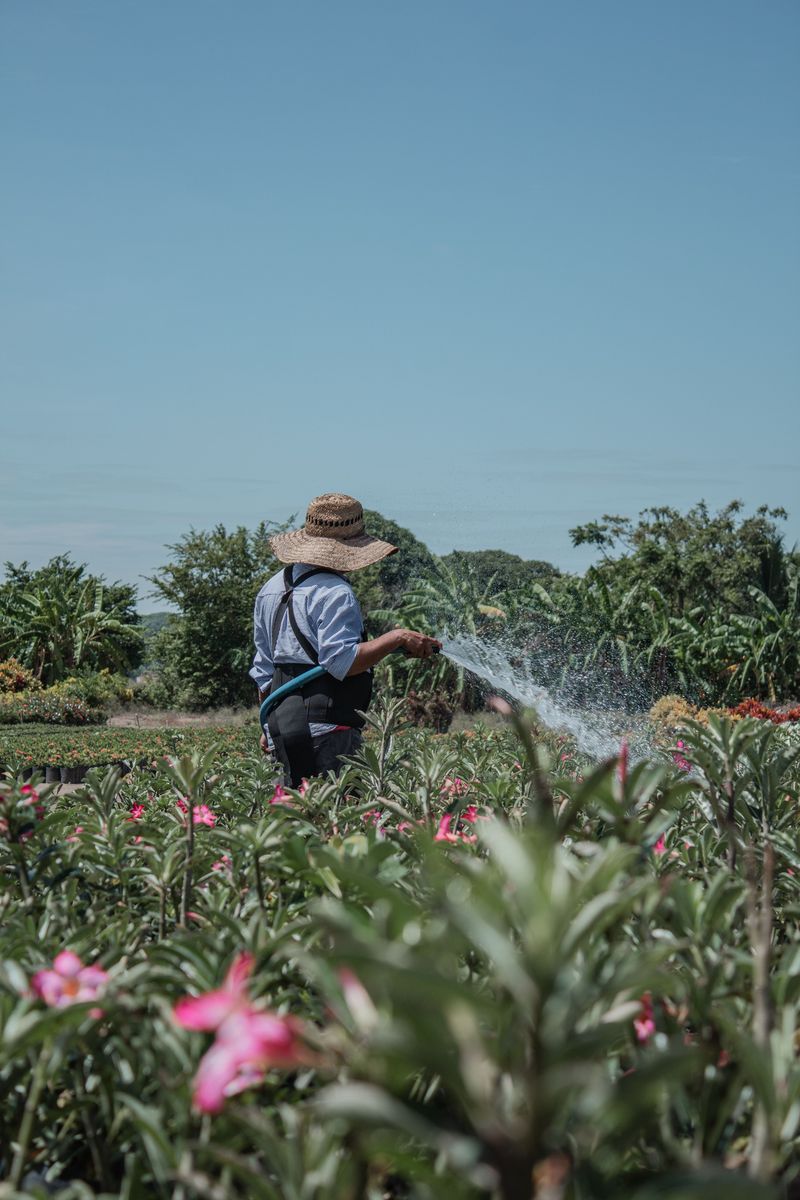
Heat exhaustion does not announce itself politely before it arrives. One minute you feel fine, and the next you are dizzy, nauseous, and sitting on the ground.
Pushing through the hottest hours puts your body at serious risk, especially from June through August. Temperatures regularly hit the mid-90s, and humidity pushes the real-feel even higher.
Hydration is your first line of defense, and most people underestimate how much they need. Drink at least eight ounces of water every 20 minutes when working outdoors in summer.
Wear lightweight, light-colored, and loose-fitting clothing to reflect heat away from your body. A wide-brimmed hat shades your neck and face, which are two of the most vulnerable spots.
Take shade breaks every 30 minutes without negotiating with yourself about it. Your productivity drops sharply when your core temperature rises, so breaks actually help you get more done.
Sunscreen on exposed skin is non-negotiable, even on cloudy days in July. Reapply every two hours if you’re out longer than a quick task.
Watch for warning signs like headache, rapid heartbeat, or skin that stops sweating. Any of these signals means it is time to go inside immediately.
Cooling towels soaked in cold water and worn around the neck work surprisingly well. Many experienced Southern gardeners swear by them for keeping cool during early morning tasks.
Protecting yourself is not optional, it is the foundation of a long gardening season. A healthy gardener shows up again tomorrow.
Tasks That Are Actually Fine During The Hottest Hours
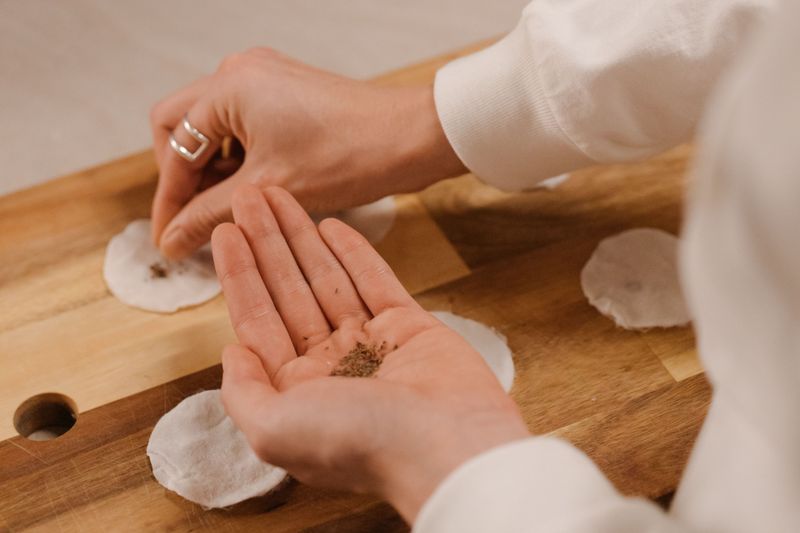
Not everything garden-related requires kneeling in the sun. Some of the most valuable gardening work happens indoors, in the shade, or on the porch.
Planning your fall garden layout is a perfect midday task. Georgia gardeners can plant a second round of crops like kale, broccoli, and carrots starting in late summer.
Seed organizing and inventory checks are satisfying, practical, and heat-free. Pull out your seed packets, check expiration dates, and make a shopping list for what you need.
Sharpening and cleaning your tools is another productive option that takes zero sun exposure. Sharp tools make every outdoor task faster and easier once you head back outside.
Research is genuinely useful during the hottest hours of the afternoon. Reading about companion planting, soil amendments, or pest identification sharpens your skills without costing you energy.
Watering container plants on a covered porch or patio is one exception to the midday rule. Pots dry out faster than ground soil and sometimes need a midday drink to survive the heat.
Journaling about what is working in your garden builds a record you will treasure next year. Note bloom times, pest problems, and which varieties thrived or struggled.
Watching your garden from a shaded chair is not laziness, it is observation. You will notice pest damage, wilting patterns, and drainage issues that you would miss while rushing around.
The hottest hours can make you a smarter gardener. Use them well, and your outdoor hours become twice as effective.
Setting Up Shade Cloth For The Toughest Afternoons
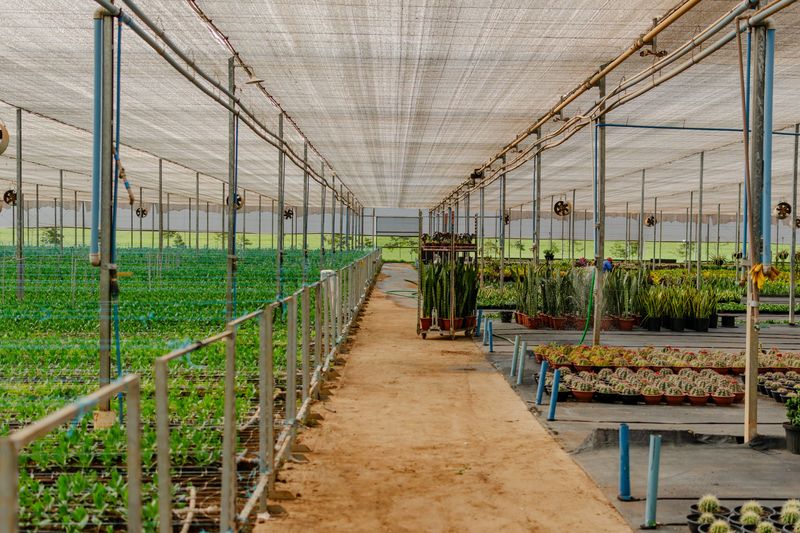
Shade cloth is one of the most underused tools in Southern gardening. A single afternoon of installation can protect your plants for the entire brutal summer.
A 30 to 50 percent shade cloth blocks enough sun to drop soil temperature by up to 10 degrees. That difference keeps cool-season crops like lettuce and spinach alive well into July.
Shade cloth also reduces water evaporation from the soil surface beneath it. Less evaporation means less frequent watering, which saves both time and money over a long season.
Installing it is straightforward with a few stakes and zip ties or clips. Position it high enough above plants to allow airflow, at least 12 inches above the tallest leaves.
Black and green shade cloths are the most common options at garden centers. Green blends into the landscape more naturally, while black tends to hold up slightly longer in direct sun.
Shade cloth does not block all light, so photosynthesis continues normally underneath. Plants still grow, flower, and fruit, they just do it without the added stress of scorching afternoon rays.
You can also use shade cloth over seedling trays to protect young transplants. New plants have shallow roots and almost no tolerance for intense midday sun exposure.
Remove the cloth in the fall when temperatures drop and cooler crops can handle full sun. Storing it folded in a dry place keeps it ready for next summer without any issues.
That damage becomes far less likely once your plants are shielded. Shade cloth is a small investment that pays back all season long.