Georgia Gardeners Should Prepare Garlic Beds Now Instead Of Waiting Until Planting Day
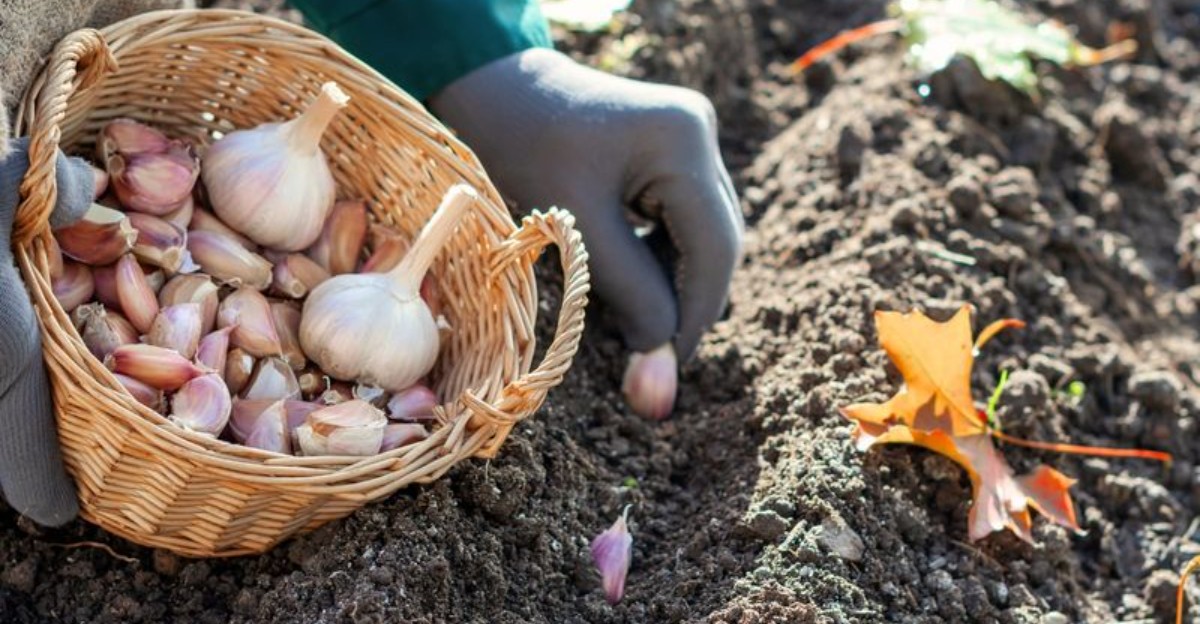
Garlic planting day becomes much easier when the bed is ready before you ever separate the first cloves. Waiting until the last minute can create unnecessary work.
Good preparation starts with the place where those bulbs will spend the next several months.
Garlic needs conditions that support steady root development without leaving bulbs sitting in poorly drained ground. Georgia gardeners can use this time to correct the bed before planting begins.
That means you can solve site problems without rushing around with cloves already waiting.
Check the location now and decide what the soil needs before planting day arrives. Preparation gives you a cleaner starting point.
When the proper planting window arrives, you can focus on setting the garlic correctly instead of fixing a bed that was never ready.
1. Good Garlic Starts Before The Cloves Go Into The Ground
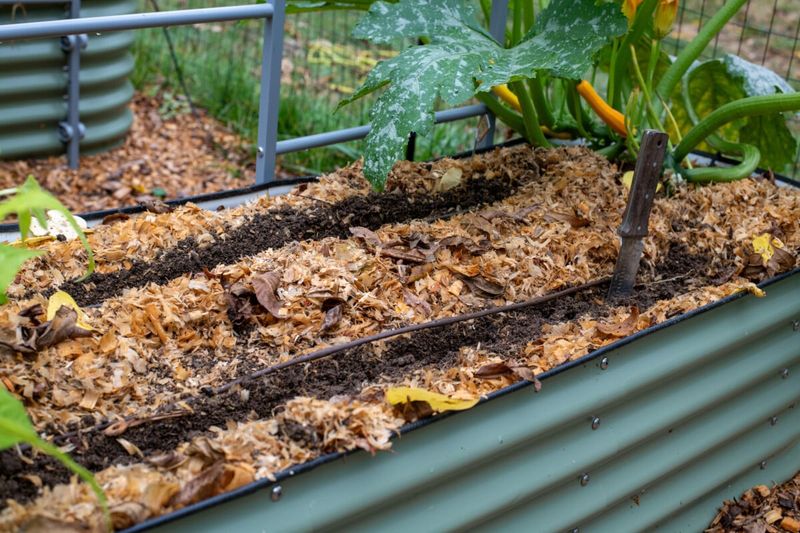
Great garlic is usually won weeks before the first clove is tucked into the ground. Soil that gets loosened, fed, and settled early gives roots a real head start.
Beds thrown together in a hurry tend to stay lumpy and uneven all season.
Plenty of gardeners in Georgia wait until October, then scramble with a shovel in one hand and a bag of cloves in the other. Splitting those two jobs makes both of them easier.
Working the soil early also lets amendments break down before roots ever arrive.
Compost needs time to blend with clay. Lime or fertilizer, if a soil test calls for it, works better with a few weeks of rain behind it.
Weeds get a chance to sprout too, which is more useful than it sounds.
Pull that first flush before planting and the bed stays cleaner through winter. Garlic competes poorly, especially during its first month.
Early prep also uncovers problems while there is still time to fix them.
Maybe the spot puddles after a storm, or the soil turns to brick once it dries out. Better to learn that in September than while kneeling there with cloves in hand.
Prepared ground tends to drain and warm more predictably, though weather still gets the final say.
None of this takes long, and the payoff shows up at harvest.
2. Fall Planting Gives Garlic The Cool Growing Period It Needs
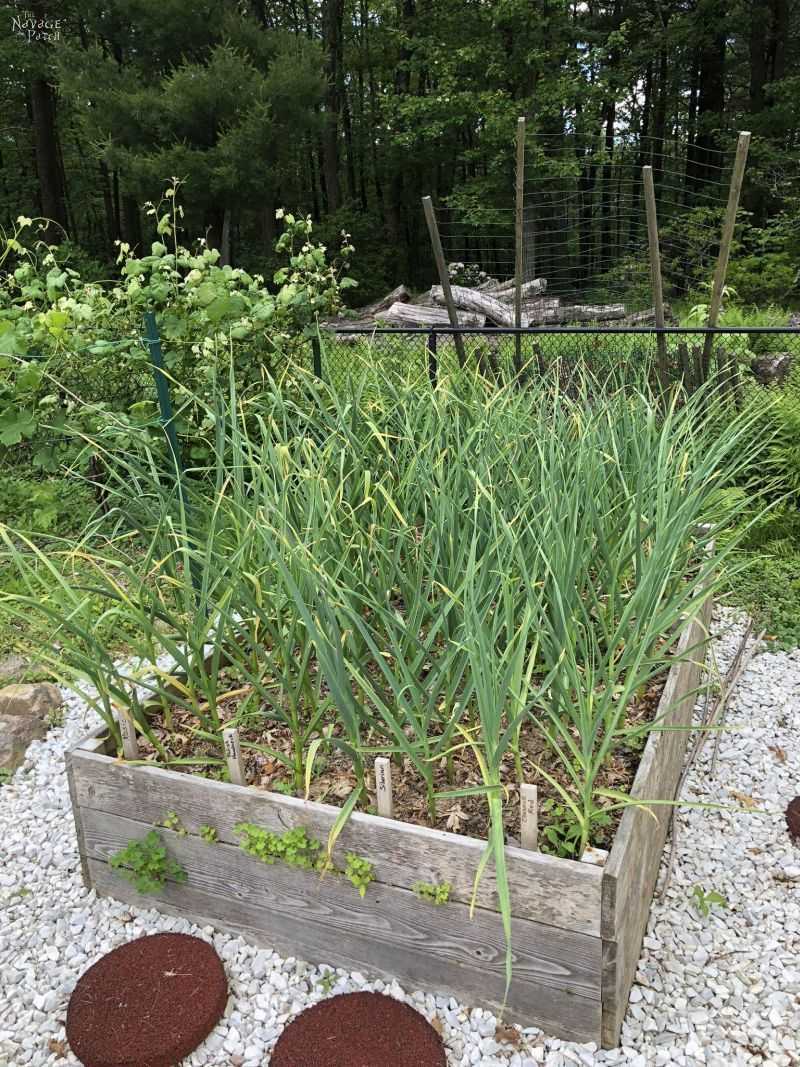
Garlic is one of the few crops that wants to sit through winter. Cool weeks signal the bulb to divide into separate cloves later on.
Planting in spring often gives you one round bulb instead of a proper head.
Across most of Georgia, mid October through late November lands in the right window. Warmer coastal counties can often stretch into early December without trouble.
Roots want a few weeks of mild soil before the first hard freeze arrives.
Top growth may stay short through the cold months, and that is normal. Energy goes underground while the shoots wait.
Softneck types such as Inchelium Red or the silverskins generally suit mild southern winters better than hardnecks.
Hardnecks can still work up in the mountain counties, where cold hangs around longer. Results shift with variety, elevation, and the kind of winter you get.
Your Georgia Garden Changes Every Week. Your Plan Should Too.
Gardening in Georgia changes quickly throughout the season. Every Friday you’ll receive a simple weekly plan showing exactly what to plant, prune, fertilize, harvest, and protect so you never miss the right timing.
Beds finished ahead of time let you plant the moment conditions cooperate.
Warm spells in November are common, and holding off a week is sometimes the smarter call. That decision feels a lot easier when the soil work is already behind you.
Timing matters, but flexibility matters just as much.
Fall planting also means bulbs finish before summer heat sets in, usually by late May or June.
Waiting too long can shorten that root window and shrink the final bulb.
3. Full Sun Is Worth Choosing Before Preparing The Bed
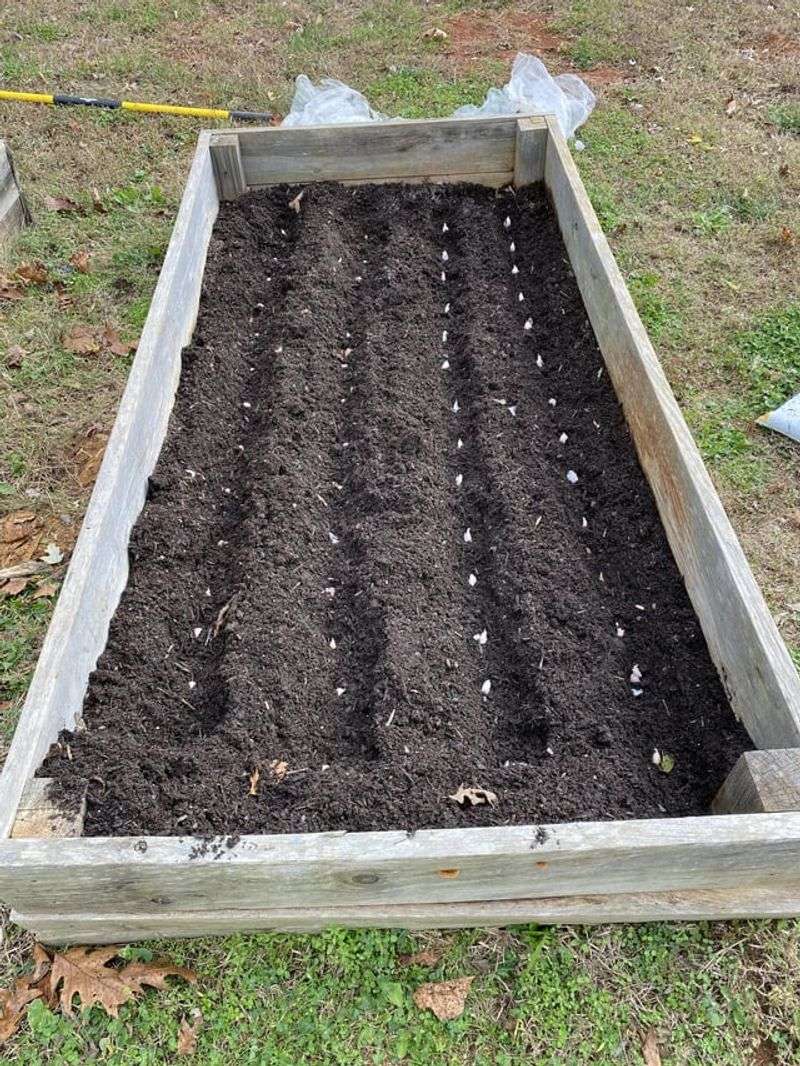
Sunlight decides bulb size more than any fertilizer ever will. Six hours is the floor, and eight is better.
Shade patterns in fall look nothing like the ones you remember from July.
Sun sits lower by November, so fences and rooflines throw much longer shadows. Walk the yard midafternoon and pay attention to where the light lands.
Pines keep casting shade all winter, even after nearby hardwoods have dropped their leaves.
Oaks and maples open up nicely once bare, which helps. Evergreens do not, so plan the bed away from them.
Morning light helps dry dew off the leaves, and that cuts down on foliage problems.
A bed along the south side of a house often stays a touch warmer. That small edge can nudge growth along during a mild Georgia February.
Avoid tucking garlic under a shrub line where roots fight over water.
Pick the sunniest open spot first, then build the bed right there. Relocating a finished bed later is a chore nobody signs up for twice.
Container growing is an option if the only sunny space is a driveway or patio.
Deep pots hold enough soil for a small crop. Just expect to water more often than you would in the ground.
Sun should win over convenience when you choose the spot.
4. Loose Soil Gives Developing Bulbs Room To Expand
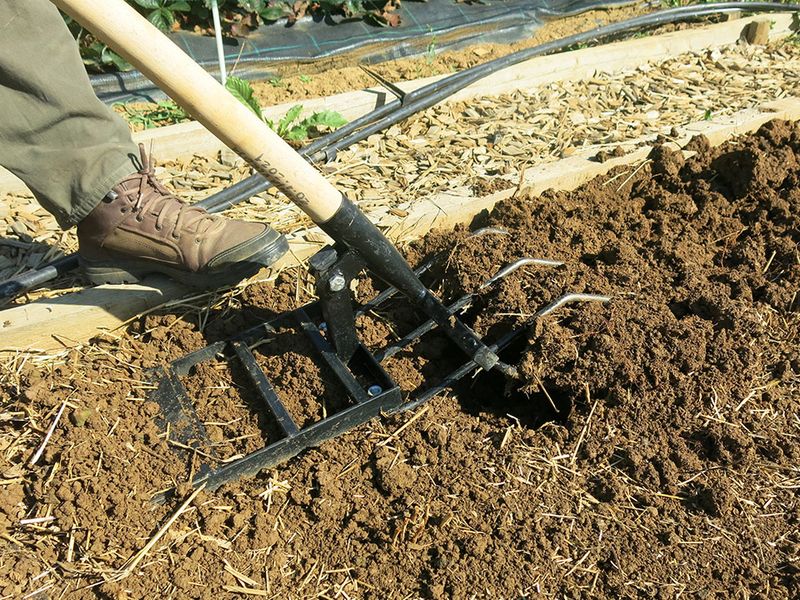
Bulbs push outward as they swell, and packed ground fights back.
Loosen the top eight to ten inches if the soil lets you. Going deeper than that is rarely necessary for garlic.
A digging fork beats a tiller for breaking up tight red clay.
Tillers can leave a slick, compacted layer just under the blades. Roots reach it and stall out.
Leave the fork in the shed when the ground is soggy.
Wet clay smears, then bakes into hard clods you cannot break apart later. Gardeners across Georgia usually learn that lesson exactly once.
Squeeze a handful of soil; if it ribbons instead of crumbling, wait a few more days.
Rake the surface smooth once the digging is finished. Cloves then sit at an even depth, and they sprout more evenly too.
Loose soil pays off again at harvest.
Bulbs lift out with a fork instead of tearing free. Fewer torn wrappers means better storage through the fall.
Stepping on the bed undoes the work, so keep paths separate.
Boards or stepping stones help if the bed is wide. Reaching from the edge is simpler when beds stay around four feet across.
Sandy soils in the southern part of the state need less digging and more organic matter.
Either way, the goal is soil that crumbles in your hand.
5. Good Drainage Keeps Excess Water Away From The Roots
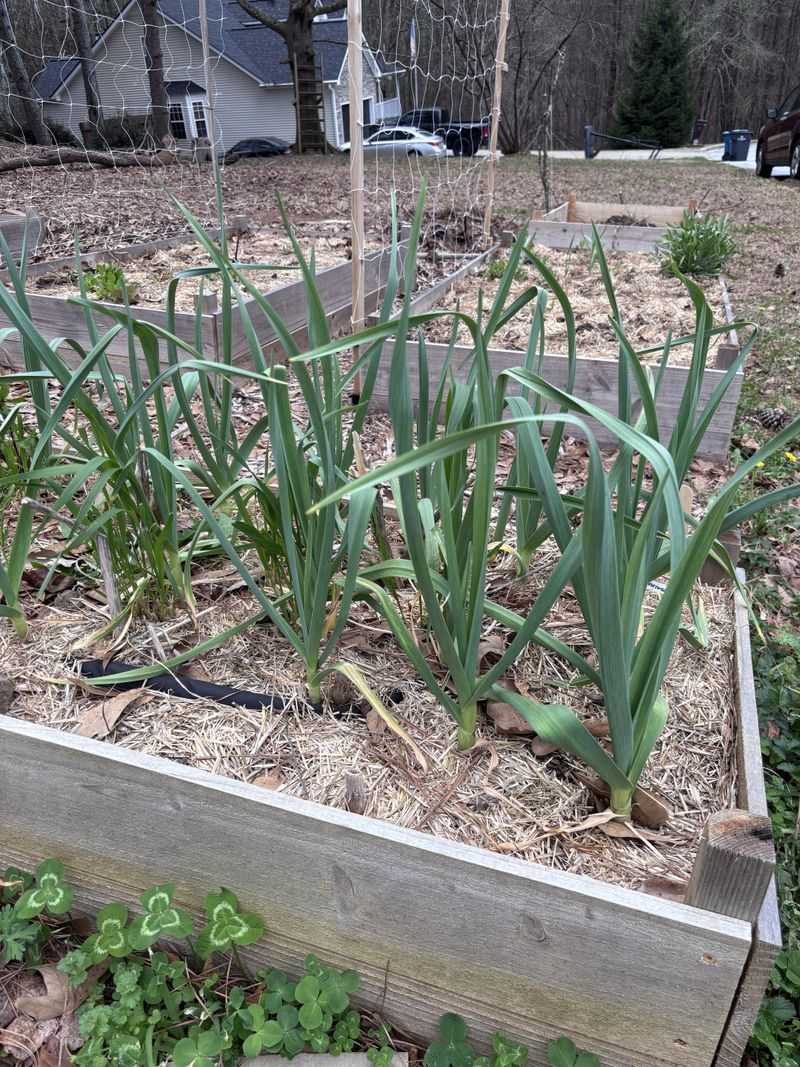
Winter rain causes more garlic trouble than winter cold. Cloves sitting in saturated soil rot long before spring.
Watch where water gathers after the next heavy storm.
Puddles that vanish within an hour are nothing to worry about. Water still standing the next morning is a clear warning.
Raised beds fix most of it, and even six inches of lift helps.
Mounded rows work too, if building frames is not your thing. Shape them a few inches higher down the center.
Sandy coastal soils drain quickly, sometimes faster than gardeners want in a dry spell.
Piedmont clay does the opposite and holds moisture for days. Elevation and compost matter more in that kind of ground.
Skip the low corner of the yard where runoff naturally collects.
Check your downspouts while you are looking around. Redirecting one pipe can save an entire bed from a soggy winter.
Georgia winters bring plenty of rain, so drainage deserves attention before planting.
Mulch helps too, though it works both ways. Keep it fluffy rather than packed, so water moves through instead of sitting.
Drainage problems seldom fix themselves.
Handling them while the bed is empty is far easier than digging around growing plants.
A simple test helps: dig a hole a foot deep, fill it with water, and see how long it takes to empty.
6. Organic Matter Can Improve Heavy Garden Soil
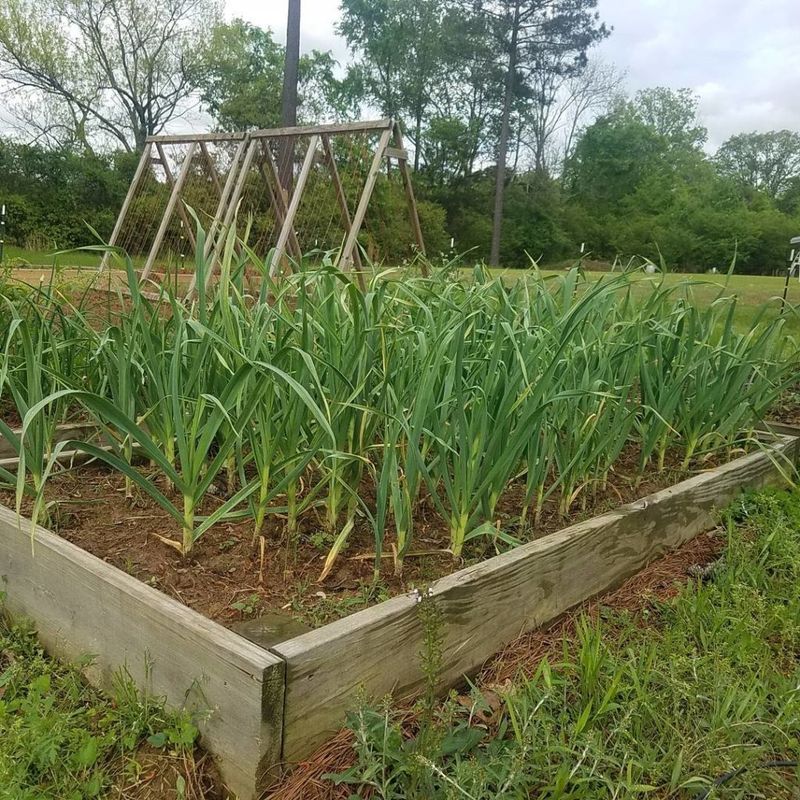
Compost does more for heavy soil than anything sold in a bottle.
Spread two to three inches across the bed and mix it into the top several inches. Repeat each year and the improvement stacks up.
Leaf mold costs nothing in autumn and turns into wonderful soil food.
Shredded leaves from a mower bag break down fast. Whole leaves mat together and take much longer.
Aged manure is useful, while fresh manure can burn roots and bring in weed seed.
Give manure several months to mellow before planting. Finished compost that looks crumbly and smells like earth is the safer bet.
Organic matter helps clay hold air and helps sandy soil hold water, which is handy in Georgia where gardeners deal with both.
A soil test through your county Extension office removes the guesswork. Garlic generally grows well when pH sits somewhere between 6.0 and 7.0.
Go easy on nitrogen in fall and save the bigger feeding for late winter.
Pushing lush top growth before cold weather is not the goal. Steady root establishment matters more at this stage.
Worms show up as organic matter builds, and that is a good sign.
Cover crops are another option if the bed is empty for a while. Just cut them down and let them break down a few weeks before planting.
7. Preparing Everything Now Makes Planting Day Much Simpler
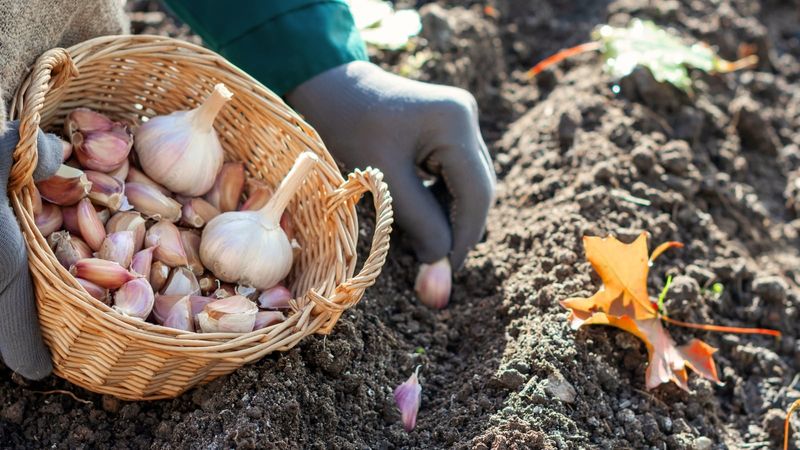
Planting day should take an hour, not an entire weekend.
Order seed garlic early, since popular varieties sell out by late summer. Grocery store bulbs are often treated to resist sprouting, so results can disappoint.
Stack your mulch near the bed before a single clove goes in.
Pine straw and wheat straw both work well in Georgia gardens. Two to four inches steadies soil temperature and slows weeds down.
Sketch the spacing ahead of time, roughly six inches between cloves and a foot between rows.
Split bulbs into cloves the same day you plant them. Cloves separated too early dry out along the cut edges.
Set out the trowel, labels, and watering can the night before.
Water once after planting if no rain is on the way. Settling soil around each clove helps roots take hold quickly.
Keep the pointy end up and plant about two inches deep.
Labels matter more than people expect with garlic. Two varieties look identical in the ground, and memory fades by June.
Finished beds also let you plant during a short break in the weather.
Autumn schedules fill up fast between holidays, ball games, and yard cleanup. Garlic keeps better in a paper bag than in a rushed, half dug bed.
Do the prep now and planting turns into the easy part.