8 Storm Damage Checks New Yorkers Should Do in Their Yard This Weekend
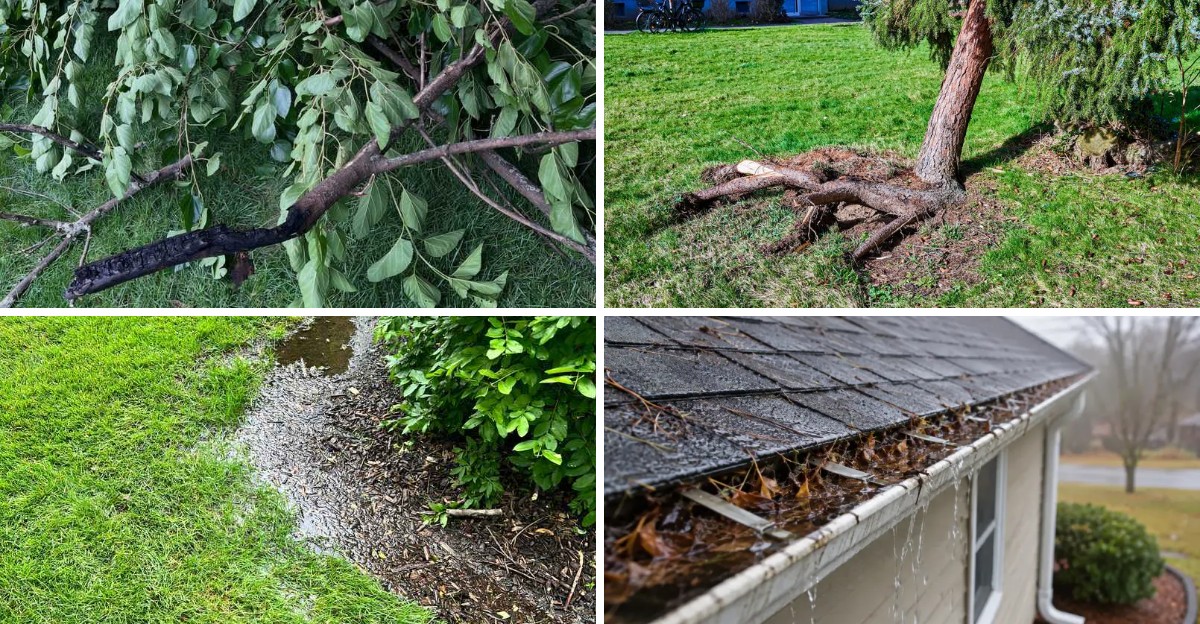
Hurricane Sandy toppled thousands of street trees across New York City during one wild October night in 2012. Many of those trees had looked perfectly fine the week before, with hidden weak spots nobody had noticed.
Storms here hit gardens in sneaky ways, like loosened roots under the soil and cracked limbs high overhead. Some of that damage shows up right away, while some waits weeks before causing real trouble in your yard.
I have to admit that I once ignored a cracked maple branch after a summer storm in New York. It held on for a month, then crashed onto my raised beds during a perfectly calm afternoon.
A careful walk around your yard takes about an hour and can spare you some costly repairs later. So which hidden problems deserve your attention first when the gray clouds finally clear this weekend?
1. Downed Power Lines Come First Before Any Cleanup
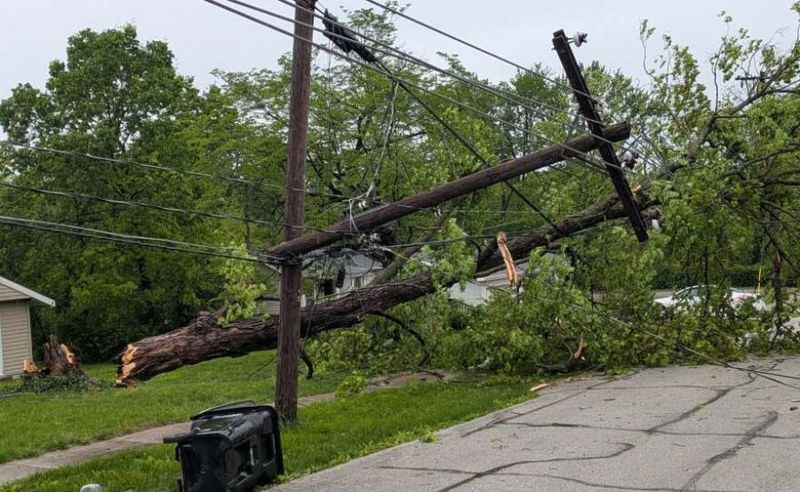
A single fallen wire can look harmless, lying in the grass like a lazy garden hose after rain. Treat every downed line as live, because there is no safe way to tell just by looking.
Utility guidance across the region asks people to stay at least thirty feet away from any fallen line. That distance also covers any puddles or metal fences the wire might be touching in your yard.
Before you grab a rake, walk your property slowly and scan the trees and the ground first. Look up at the spot where service lines connect to your house, since branches love to snag there.
If you spot trouble, call your local utility right away and keep kids and pets indoors. Con Edison customers can report downed wires at 1-800-75-CONED, and other utilities list numbers on their bills.
I learned to wait for full daylight before inspecting anything, because shadows hide a lot after storms. Morning light also shows you which branches are hanging by a thread over paths and patios.
Wear sturdy boots and thick gloves, since storm debris often hides nails and jagged splinters of wood. Skip the chainsaw work near any wires, and leave tangled limbs for trained utility crews to handle.
Feeling uneasy about a situation is reason enough to step back and call in a professional. Your tomatoes can wait a day, but a shock from a hidden live wire is not worth the risk.
2. Cracked Tree Limbs Hanging Over Your Lawn
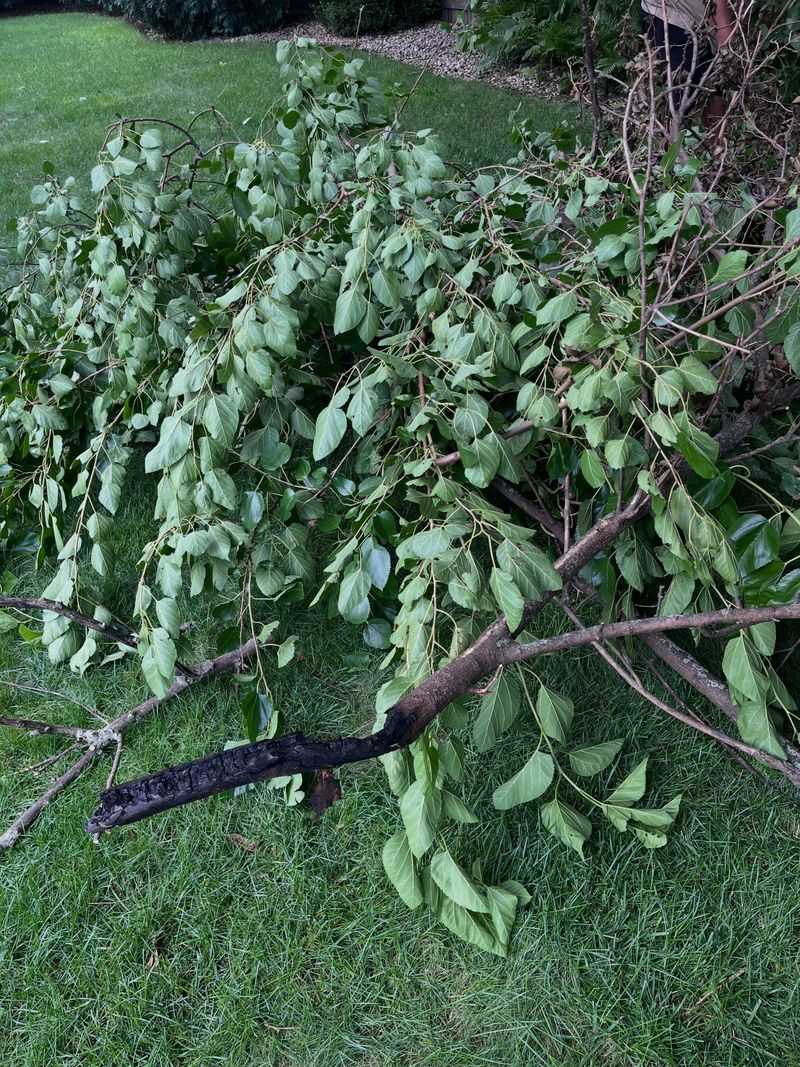
Arborists have a grim nickname for broken branches dangling high in a canopy, and it is widow-makers. Those hangers can sit quietly for days, then drop without warning when a light breeze shifts them.
Start your check by walking a full circle around each large tree and looking straight up. Binoculars help a lot here, especially with tall oaks and silver maples that tower over the house roof.
Watch for limbs with fresh pale wood showing, since that bright color usually means a recent crack. Splits where two big branches meet deserve extra attention, because that joint carries a heavy load.
Small broken twigs on shrubs are easy fixes you can handle yourself with a pair of clean, sharp pruners. Cut just outside the branch collar, that slightly swollen ring where a limb joins the trunk.
Extension experts generally advise skipping wound paint, since trees seal clean cuts better without it. Avoid topping a storm-damaged tree, because that harsh cut invites weak sprouts and decay in later years.
Large limbs hanging near the roof belong to a certified arborist with proper climbing gear and insurance. The International Society of Arboriculture runs a free online search to find certified pros near you.
In New York City, cracked street trees can be reported to 311 for a Parks inspection. I made that call once, and a crew showed up much faster than I expected on a busy weekend.
3. Leaning Trees With Lifted Soil At The Base
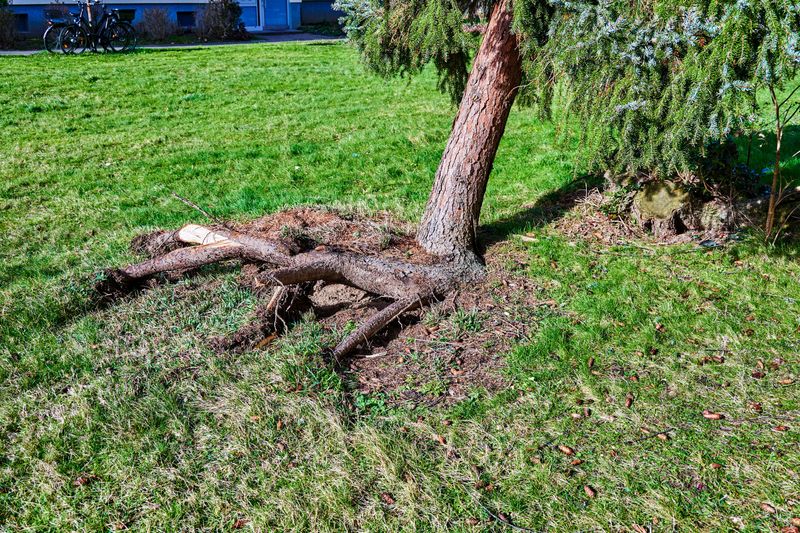
Soil around a tree trunk should sit flat, so a bulging mound on one side is a loud warning. That raised, cracked earth often means the root plate shifted while wind pushed hard against the crown.
Soaked ground makes the problem worse, because wet soil grips roots far more loosely than firm, dry soil. That is why big trees topple more often when heavy rain soaks the ground before strong gusts arrive.
Compare the tree to your old photos, since a gradual lean from years of reaching toward sunlight is normal. A sudden new tilt after one storm is different, and it calls for a professional opinion quickly.
Look closely at the base for exposed roots, torn bark, or mushrooms sprouting near the trunk. Fungi at the base can signal internal decay that weakens a tree long before the canopy shows trouble.
Keep people and parked cars out of the fall zone until an arborist has taken a careful look. A rough rule says that zone stretches at least as far as the tree stands tall.
Young trees sometimes bounce back if you gently straighten them and stake them loosely for one growing season. Cover any exposed roots with soil or mulch quickly, since roots dry out fast in the open air.
My garden taught me that patience beats panic with leaning trees, but delay is not the answer either. Booking an inspection this week gives you real answers before the next round of wind rolls through.
4. Flattened Perennials And Shrubs In Garden Beds

Rain-flattened perennials look tragic at first, like someone sat on your entire border during the night. Most of them perk up within a few days, as long as their stems stayed in one piece.
Gently lift each bent plant and run your fingers along the stem, feeling for kinks or tears. Bent stems can be propped up with a bamboo stake and soft twine tied in a loose figure eight.
Snapped stems are a different story, so trim them just below the break with clean, sharp scissors. Wipe your blades with a household disinfectant between plants to avoid spreading any lurking plant disease around.
Next, clear away soggy leaves and twigs that landed on your beds, since they trap moisture against crowns. That damp blanket invites rot and mold, especially on low plants like hostas and coral bells.
Coastal gardeners on Long Island should rinse salt spray off foliage with fresh water soon after a storm. Salt left sitting on leaves can cause brown, scorched edges that often show up several days later.
Check for washed-out soil around roots, and top up bare spots with compost rather than plain fill. Then spread mulch about two to three inches deep, keeping it a few inches away from stems.
If you ask me, slugs are the real winners after a soggy week in the garden. Head out with a flashlight after dark, and you may be surprised by how many are munching away.
5. Soggy Lawn Patches And Standing Water
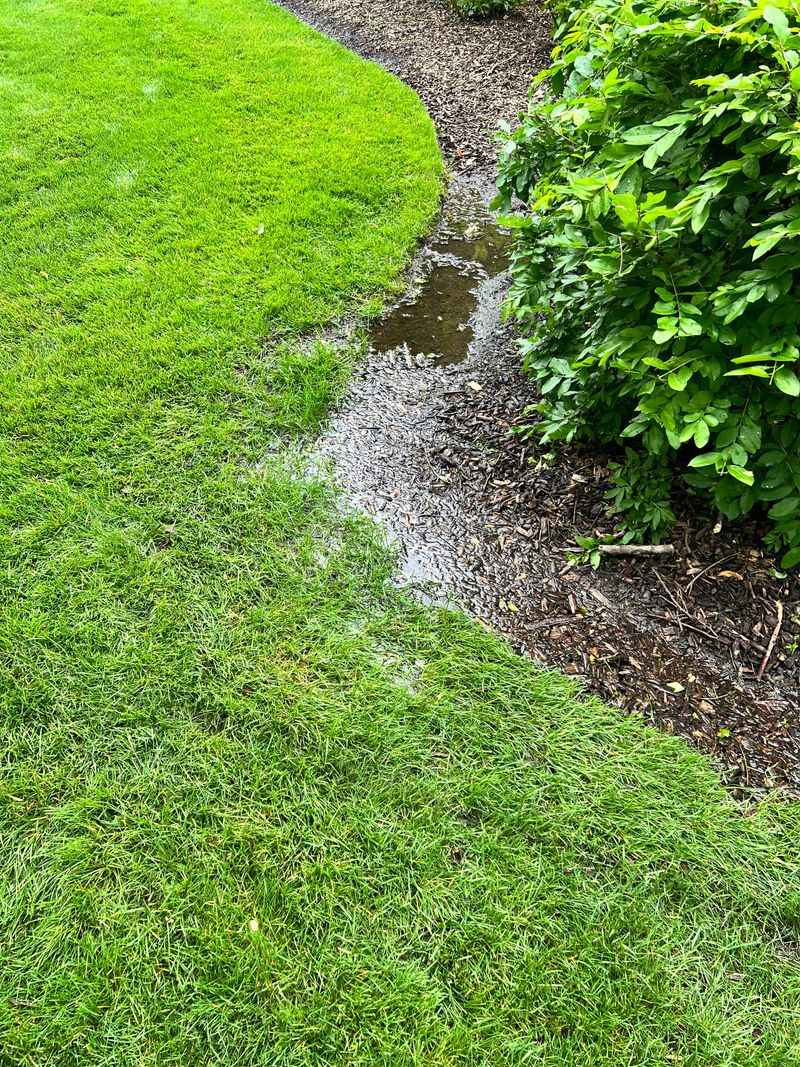
Squishy grass that sinks under your sneakers is your lawn politely asking you to stay off it. Walking on soaked turf squeezes air out of the soil, and compacted ground drains even worse next time.
Start by picking up branches and leaf piles from the grass, working from the edges when possible. Heavy debris left for days can smother turf and leave yellow patches shaped like fallen limbs.
Pay attention to puddles that hang around longer than a day after the rain finally stops. Those spots point to a drainage problem, often caused by low areas or heavy clay soil below.
Heavy downpours can also leave a thin layer of silt or mud across the grass blades. Rake it lightly once it dries, so sunlight can reach the turf again and help it recover.
Hold off on mowing until the lawn dries, because wet clippings clump and mower wheels leave ruts. Skip fertilizer for now as well, since rain can wash it straight into storm drains and local streams.
Core aeration can help compacted lawns breathe and drain, and cool-season grasses respond well to it in early fall. Fill shallow low spots with a thin layer of topsoil so water stops collecting there after storms.
I’m still learning that a lawn forgives a lot more than I expect after a rough storm. A little patience now usually leads to greener grass and fewer muddy footprints tracked into the house.
6. Wobbly Fence Posts And Garden Sheds
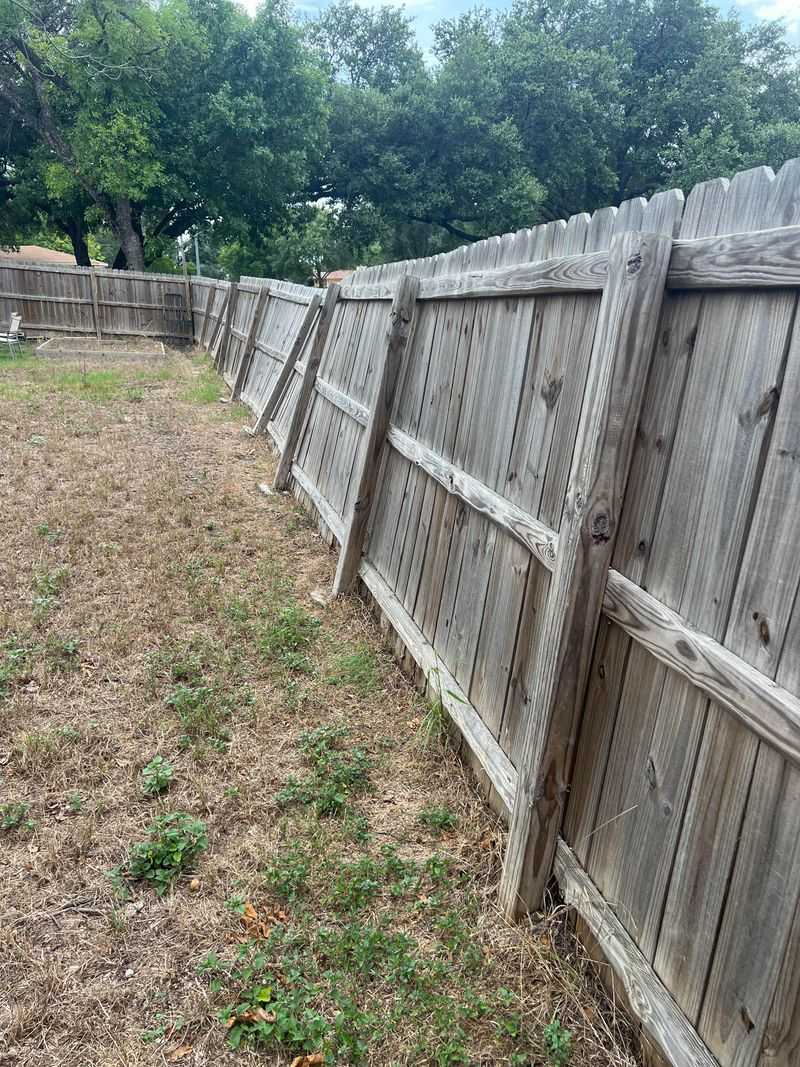
Fence posts act like sails anchored in the ground, so strong gusts put enormous pressure on their footings. A post can look straight from the kitchen window yet wobble like a loose tooth up close.
Walk the full fence line, then step back every few sections and check whether the top still looks level. Push each post firmly by hand, and note any that shift or lean more than the others.
Wood fences often show cracked rails or boards with nails pulled partway out after high winds. Vinyl panels can pop out of their rails, while metal pickets sometimes bend at the brackets.
Look at the base of each post for cracked concrete or soil that washed away from the footing. Water pooling around posts for days softens the ground, which lets wobbly posts lean even further.
Sheds deserve a careful lap too, especially the roof edges where shingles can lift and let rain sneak inside. Check that doors still close smoothly, since sticking doors may mean the frame or base shifted.
Trellises and arbors loaded with heavy vines catch a lot of wind, so test their anchors gently. Raised beds can bow outward after soaking rains, and a few extra stakes along the sides help.
Now that I think about it, my best fence repair cost me two bags of concrete and an afternoon. Waiting until spring would have meant replacing a whole section, so small fixes now really pay off.
7. Clogged Gutters And Downspouts Near Garden Beds
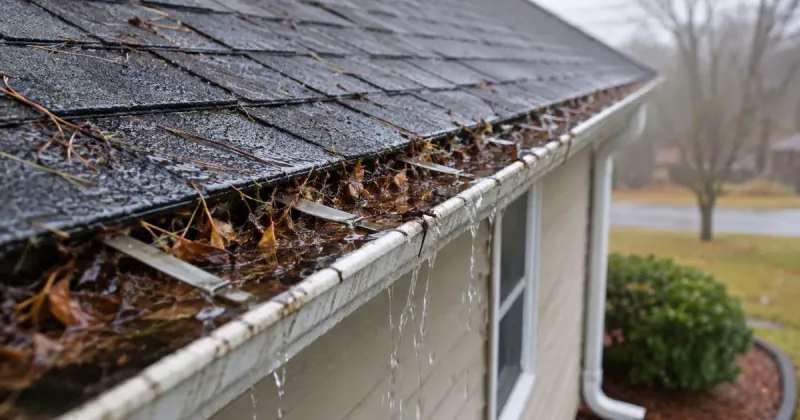
One inch of rain falling on a 1,000-square-foot roof sheds roughly 600 gallons of water toward your gutters. When that flow backs up, it spills straight into foundation plantings and can drown roots in a hurry.
Start from the ground with binoculars, looking for sagging runs or sections pulling away from the fascia board. Overflow stains or fresh trenches in the mulch below are clues that water is spilling where it should not.
If you clean gutters yourself, use a steady ladder on firm ground and have a helper hold it. Scoop out leaves and twigs, then flush each section with a garden hose to test the flow.
A pile of shingle granules at a downspout outlet can hint at roof wear worth checking soon. Dents along the metal sometimes come from hail, and a roofer can tell you whether repairs are needed.
Downspouts should carry water at least four to six feet away from your foundation and garden beds. Simple extensions or splash blocks cost little and keep your flower beds from turning into shallow ponds.
Some gardeners route downspouts into a rain barrel or rain garden, which puts storm runoff to good use. Native plants such as swamp milkweed and blue flag iris handle those wet spots beautifully in this region.
Don’t make my mistake of letting one clogged corner overflow all summer onto a bed of lavender. Those plants sulked in soggy soil until I finally fixed the gutter and redirected the water.
8. Snapped Branches Ready For Curbside Pickup
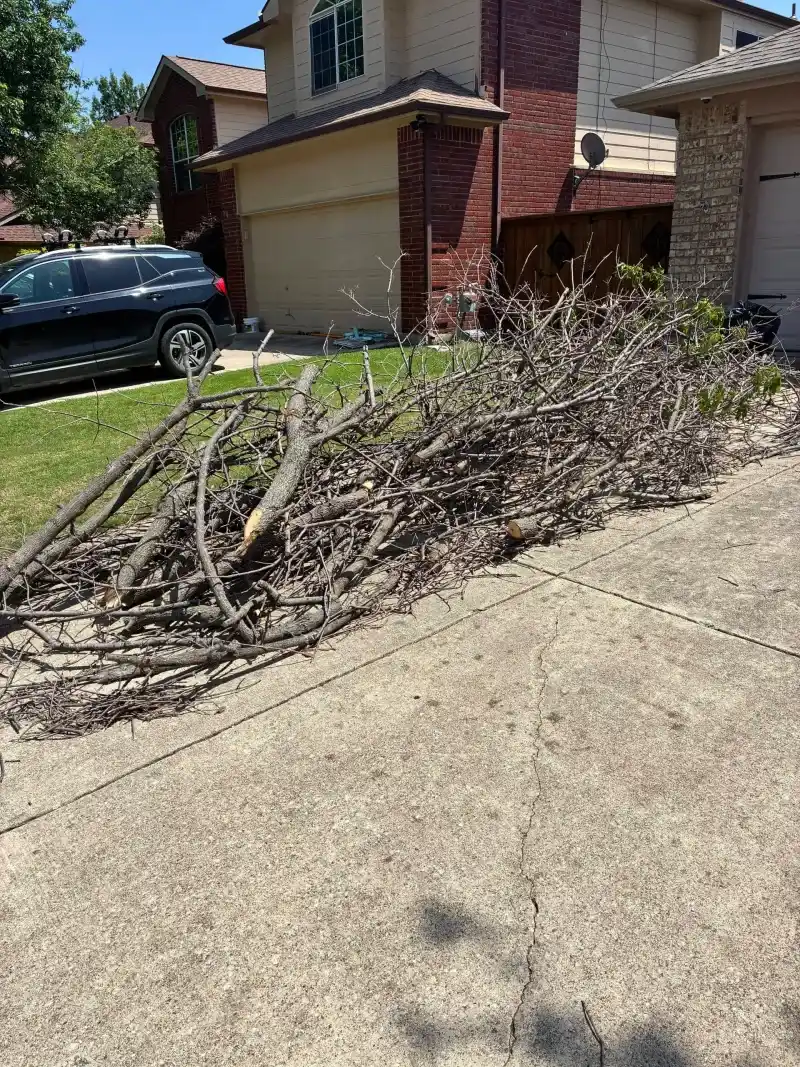
Before the first branch hits the curb, grab your phone and photograph every bit of damage you can find. Wide shots show the overall scene, while close-ups capture cracked limbs and bent fence posts in detail.
Note the date of the storm and save any weather alerts, since insurers often ask for that information. Keep damaged items until an adjuster has seen them or approved disposal, especially larger pieces of fencing.
Clearing debris works best when you start with branches blocking driveways and walkways around the house. Smaller limbs can be cut into manageable pieces with loppers or a pruning saw on solid footing.
New York City residents can set out tree branches for curbside collection if they follow sanitation rules. DSNY asks that branches be cut to four feet or shorter and tied into neat bundles with string.
Towns upstate and on Long Island set their own pickup schedules, so check your municipal website first. Many communities also run brush drop-off sites where yard debris gets turned into mulch or compost.
Chipping your own small branches into mulch is a thrifty move that feeds garden beds later on. Leave large wood for a pro, especially pieces under tension, since bent limbs can spring back hard.
Storm cleanup also attracts door-knocking contractors, and some of them disappear once a deposit is paid. Check licenses and reviews before hiring anyone, and your yard will be back in shape soon enough.