Around 70 New York Communities Now Restrict Gas Leaf Blowers. Is Yours On The List?
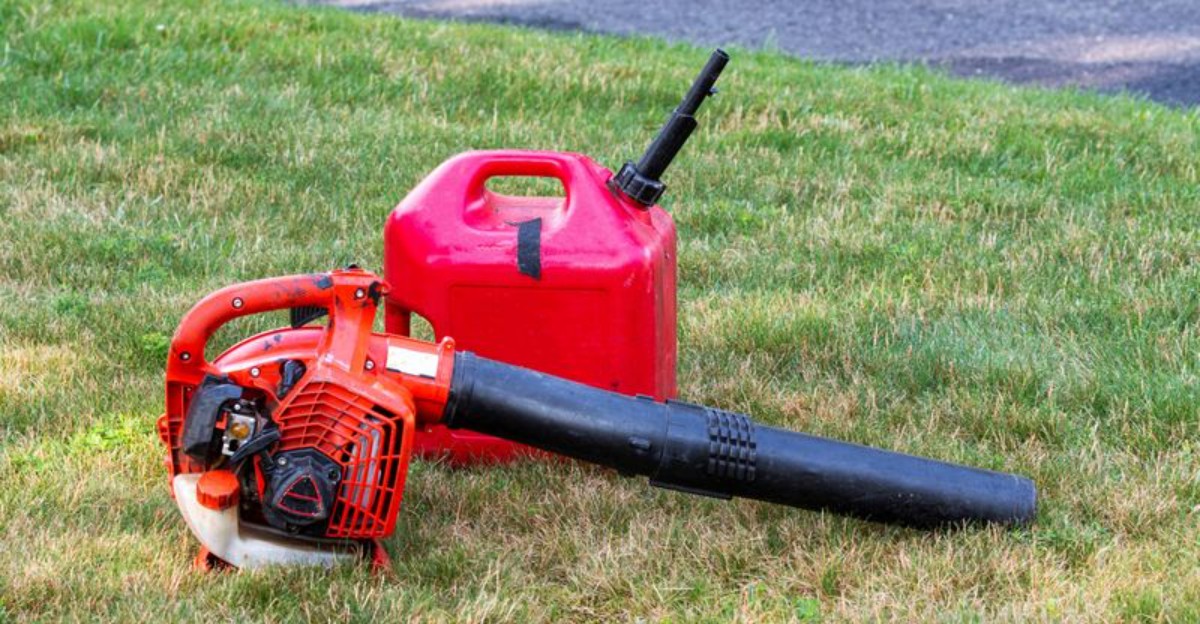
That high-pitched roar outside your window on a Saturday morning might be on its way out. In plenty of towns, it already is.
Around 70 communities across New York now limit or ban gas-powered leaf blowers. Some allow them only during short cleanup seasons, while others have pushed them out entirely.
The rules can change from one village line to the next, which leaves homeowners and landscapers guessing. Fines, allowed tools, and seasonal windows all vary widely, and few people check before firing up the engine.
Knowing what applies to your street can save you money and a few awkward chats over the fence. Plenty of easy ways to handle leaves don’t need a blower at all.
Dozens Of New York Towns Have Already Taken Action
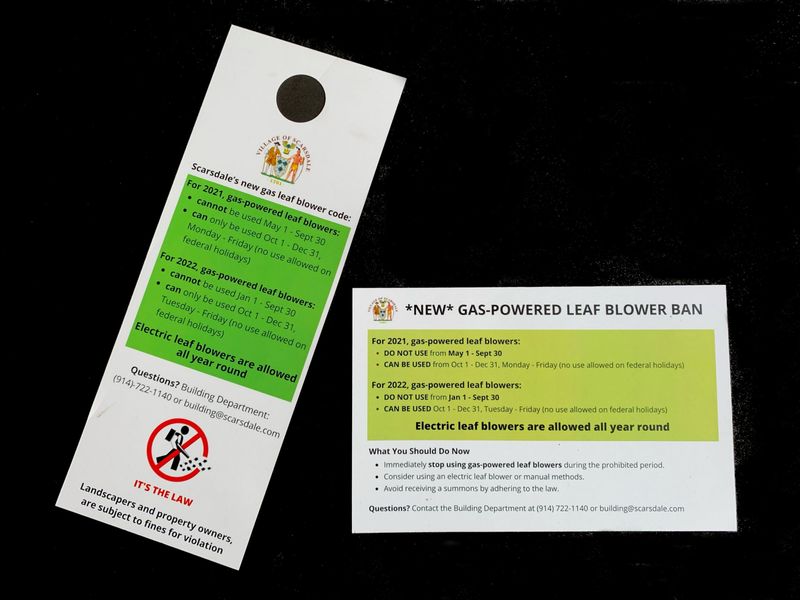
Seventy is a big number when it comes to local laws. Around that many New York communities now restrict gas leaf blowers in some way.
Westchester County leads the pack with many of these towns. Villages there began passing rules years ago, and neighbors took notice quickly.
Why the sudden wave of action? Gas blowers are loud, smelly, and tough on the air we breathe.
Many older models use two-stroke engines that burn oil and gas together. Those engines release more pollution than you might expect from such a small tool.
Noise is another huge complaint from residents. A gas blower can be heard far down the block, even through closed windows.
Parents with napping babies and people working from home often feel the impact most. Pets can get stressed by the sound too.
Local leaders listened to these concerns and started writing new rules. Each town shaped its law to fit its own needs and community feel.
Some places moved fast after heated public meetings. Others studied the issue for years before taking a vote.
Here is a helpful tip for curious readers. Search your town name plus the words leaf blower law to find recent news.
Local newspapers and community websites often explain new rules in plain language. Town board meeting notes can also show what changes are coming soon.
Staying informed keeps you ahead of any surprises. It also helps you join the conversation if your town considers new limits.
Rye Just Made Its Ban Year-Round

Spring cleanup in Rye now sounds a lot quieter. The city switched to a full year-round ban on gas leaf blowers.
The new law took effect on May 1, 2026. Before then, gas blowers were allowed during set spring and fall cleanup windows.
Those seasonal breaks gave homeowners a little wiggle room. Now the gas engines are off the table every single month.
Residents who backed the change wanted steady peace and cleaner air. They felt short seasons still brought weeks of constant noise.
Rye also means business when it comes to enforcement. A third violation could bring a fine of up to 10,000 dollars.
That number grabs attention for sure. Few homeowners want to risk that kind of bill over a pile of leaves.
So what should Rye households do next? Start by talking with your landscaper about the tools they plan to bring.
Your New York Garden Changes Every Week. Your Plan Should Too.
Gardening in New York changes quickly throughout the season. Every Friday you’ll receive a simple weekly plan showing exactly what to plant, prune, fertilize, harvest, and protect so you never miss the right timing.
Many crews have already switched to battery-powered equipment. Others may need a reminder that the old seasonal windows no longer apply.
Homeowners can also rethink how much leaf clearing they really need. Mowing leaves into the lawn or raking small areas works well.
Rye shows how rules can grow stricter over time. Other towns often watch neighbors like this before shaping their own laws.
If you live nearby, keep an eye on your local board. A similar change could land closer to home than you think.
Some Towns Ban Them All Year, Others Only In Certain Seasons
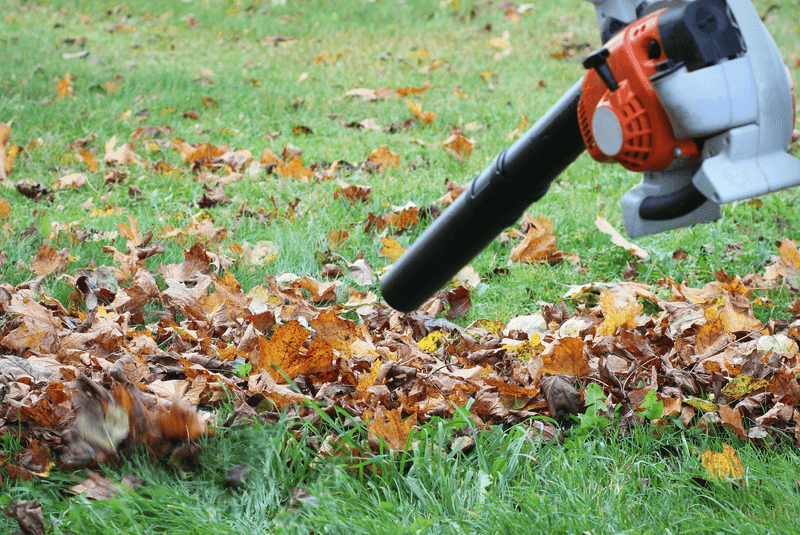
Imagine moving two miles and finding totally different rules. That happens a lot with leaf blower laws across the state.
Larchmont and White Plains keep year-round bans on gas blowers. Irvington joined the full-ban club back in December 2023.
Other towns prefer seasonal limits instead. Most of these focus on warm months when windows stay open.
Yonkers restricts gas blowers from June 1 through September 30. Pleasantville bans them from May 15 to September 30.
The Town of East Hampton blocks gas and diesel blowers from May 20 to September 20. The village inside it runs its own, slightly different season.
Bedford takes a different approach altogether. Gas blowers are allowed only during a short fall cleanup window, roughly late October into early December.
Some villages split the season into two chunks. Gas blowers are allowed only during short spring and fall cleanup windows.
See how varied these dates are? A tool that is legal in one village could earn a ticket next door.
Landscapers who work in several towns have a tricky job. Many keep a simple chart listing each town and its allowed dates.
Homeowners can try the same trick. Write your town dates on a calendar so cleanup plans stay on track.
Fun fact: many seasonal bans skip fall because of heavy leaf drop. Leaders know autumn brings the biggest cleanup jobs of the year.
Your Village Code Holds The Answer
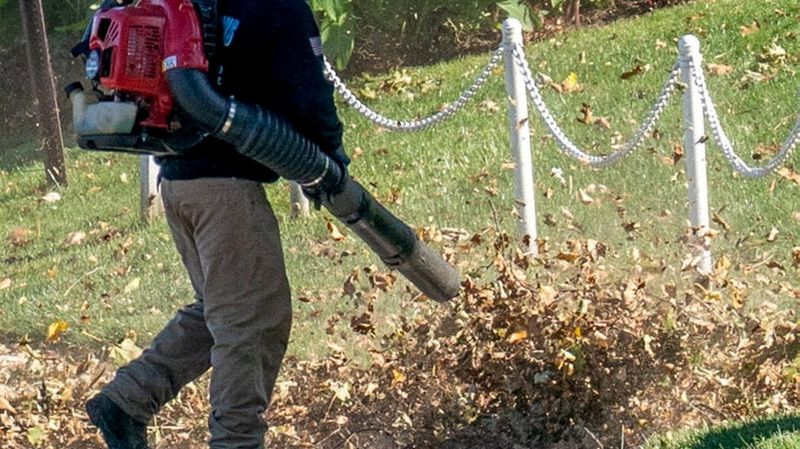
Rumors spread fast in any neighborhood. One neighbor swears blowers are banned, while another insists they are fine.
Skip the guesswork and go straight to the source. Your local village, town, or city code spells out the real rules.
Most New York communities post their codes online. Many use a site called eCode360, which makes searching pretty simple.
Once there, type leaf blower into the search box. You should see the exact law, dates, hours, and fines.
Pay close attention to the wording. Some laws mention gas only, while others limit all blowers during certain hours.
Also check the date the law was last updated. Rules change, and an old news article might be out of date.
Not sure whether you live in a village or a town? Your property tax bill usually lists your local government.
In New York, villages sit inside towns, and both can have rules. Village laws often apply first if you live within village limits.
Still confused after reading? Call your village or town clerk for help.
Clerks answer these kinds of questions all the time. They can point you to the right section in just a few minutes.
A quick check now could save you a costly fine later. It also helps you give your landscaper clear instructions.
Landscapers Usually Have To Follow The Same Rules
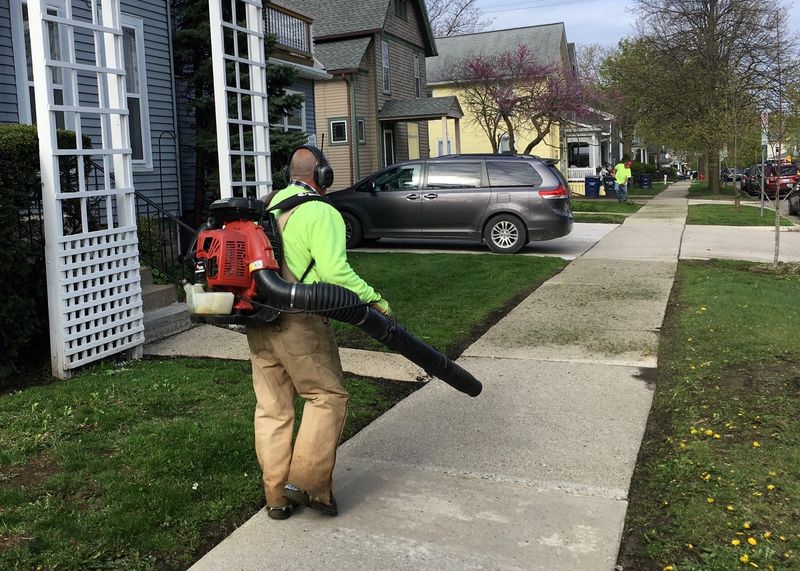
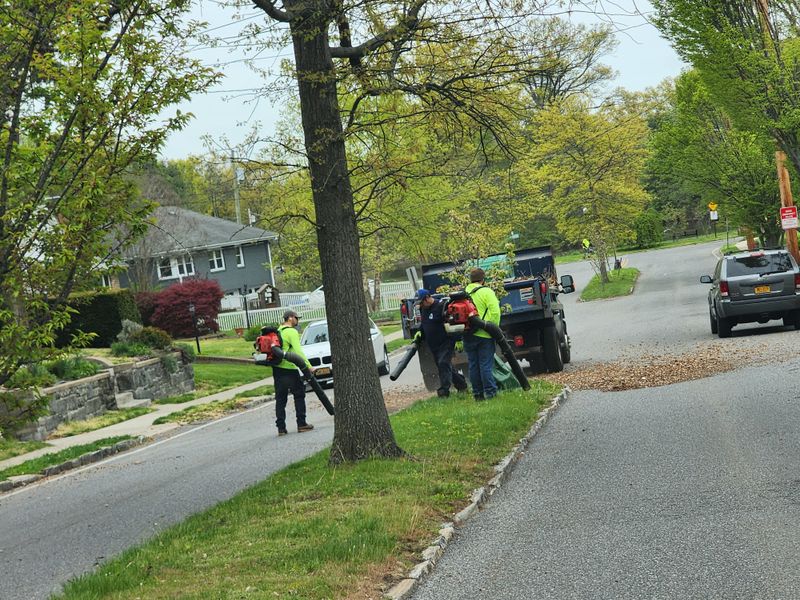
Hiring a landscaper does not hand off all the responsibility. In most New York towns, the rules cover everyone holding the blower.
Homeowners, tenants, contractors, and landscapers all share the same limits. A professional crew cannot skip the law just because it is their job.
Here is the part that surprises many people. Some towns can fine the property owner when hired crews break the rules.
That means your landscaper’s choices could land on your doorstep. A friendly conversation before the season starts can prevent trouble.
Some towns go a step further than most places. East Hampton Town, for example, requires commercial landscapers to be licensed.
Registration helps the village share rule updates directly with crews. It also makes it easier to track repeat problems.
Some towns focus their seasonal limits on commercial landscapers specifically. Homeowners there may face different rules than the pros.
Want an easy way to stay protected? Ask your landscaper in writing to follow all local blower laws.
You can even add that request to your service contract. Clear expectations help both sides avoid confusion later.
Many landscaping companies have already invested in battery gear. Some even advertise quiet service as a selling point now.
Choosing a crew that knows your town’s code is smart. It keeps your lawn tidy and your record clean.
Fines Vary Widely From Town To Town
Picture opening a letter about your leaf blower. The amount inside depends a lot on where you live.
Penalties for breaking gas blower rules differ greatly across the state. Some towns start small, while others set steep costs.
In some villages, a first offense costs a few hundred dollars. Later violations can bring higher penalties as warnings pile up.
East Hampton Town charges up to 1,000 dollars for a first offense. Multiple violations can climb all the way to 5,000 dollars.
Rye sits near the top of the scale. A third offense there can reach as high as 10,000 dollars.
Most towns follow a step-by-step system. Each new violation usually costs more than the one before it.
Some places give a warning before any fine. Others may issue a ticket right away, especially during busy seasons.
Enforcement often starts with a neighbor’s complaint. Police or code officers then visit and check what tool is running.
A smart move is to know your town’s fine schedule. Seeing the real numbers can help you decide whether a gas blower is worth it.
For many people, buying a battery model costs less than one fine. That simple math is pushing lots of families to switch.
Repeat offenders face the toughest consequences. Staying on the right side of the rules keeps your wallet happy.
Electric Blowers Are Usually Still Allowed
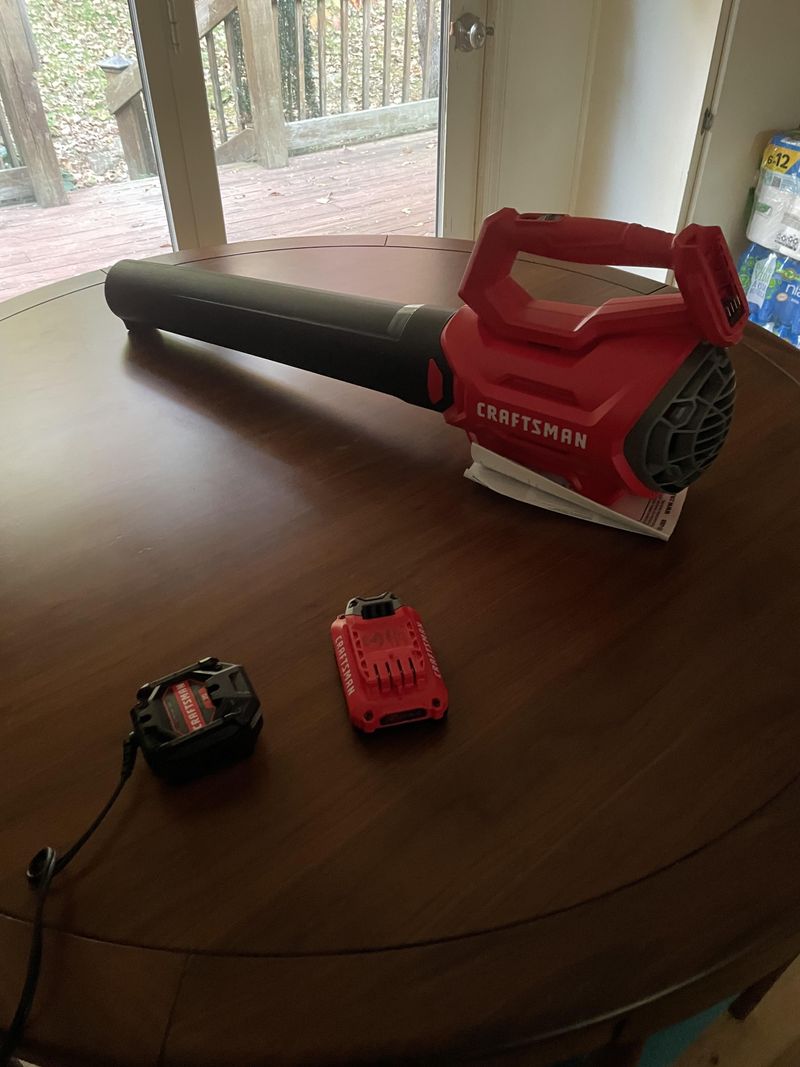
Good news for folks who love a tidy driveway. Electric and battery blowers are generally still allowed in towns with gas bans.
Most laws target gasoline engines because of their noise and fumes. Electric models run quieter and release no exhaust while working.
Battery blowers have improved a lot in recent years. Many now offer strong airflow and long run times on a single charge.
Corded electric blowers are another budget-friendly option. They work well for small yards close to an outdoor outlet.
Before you shop, check one more detail. Some towns still limit hours for every type of blower, electric included.
For example, a village might allow use only on weekday daytime hours. Weekend mornings could have stricter limits to protect sleepy neighbors.
Try these simple shopping tips. Look for a model with a decibel rating under about 65 for quieter use.
Consider buying an extra battery for bigger yards. Swapping batteries keeps you working without long charging breaks.
Some brands share batteries across mowers, trimmers, and blowers. That can save money if you plan to switch other tools too.
Owners often mention how pleasant the quieter sound feels. You can even chat with a neighbor while the blower runs.
Switching to electric lets you keep your routine and follow the rules. It feels like a win for everyone on the block.
Mulching Leaves Into The Lawn Skips The Blower Entirely
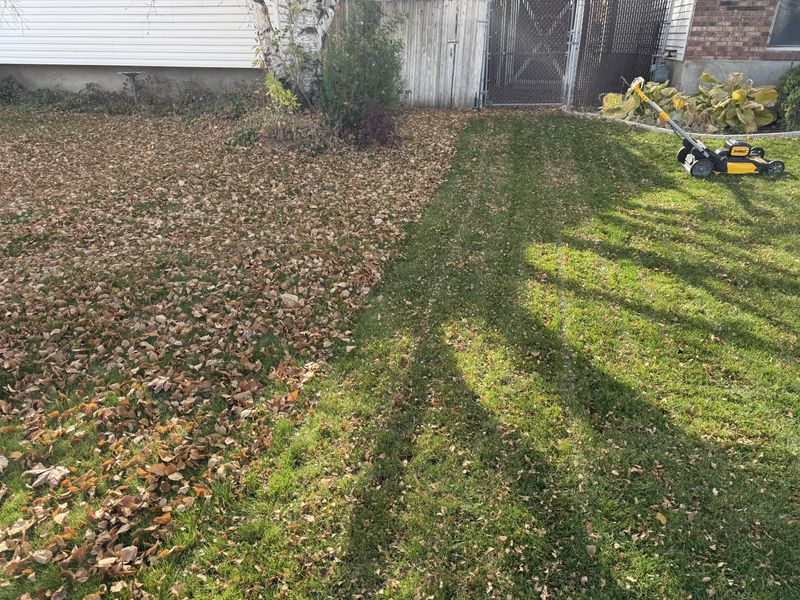
Your lawn mower might be the best leaf tool you already own. Mulching chops leaves into tiny pieces that sink right into the grass.
No blower, no bags, and far less raking. Many homeowners wonder why they did not try it sooner.
Those small leaf bits act like free fertilizer. They return nitrogen, phosphorus, and potassium back to your soil.
Mulched leaves also help soil hold moisture. Healthier soil means stronger grass and fewer weeds popping up next spring.
There is an environmental bonus too. Leaves left out of landfills create less methane, a powerful gas that warms the planet.
Mulching also keeps nutrients out of storm drains and local waterways. That helps protect streams and lakes around the state.
Ready to try it? Set your mower blade a bit higher and run over dry leaves.
Aim for leaf pieces about the size of a dime. You should still see grass peeking through when you finish.
Thick piles may need two passes. Mowing once a week during peak leaf drop keeps layers from getting too deep.
A mulching blade or leaf shredder can make the job faster. Still, a regular mower usually handles the task just fine.
Wet leaves can clump, so pick a dry afternoon. Your lawn will thank you with a greener look come spring.
Leaving Leaves In Garden Beds Helps Overwintering Wildlife
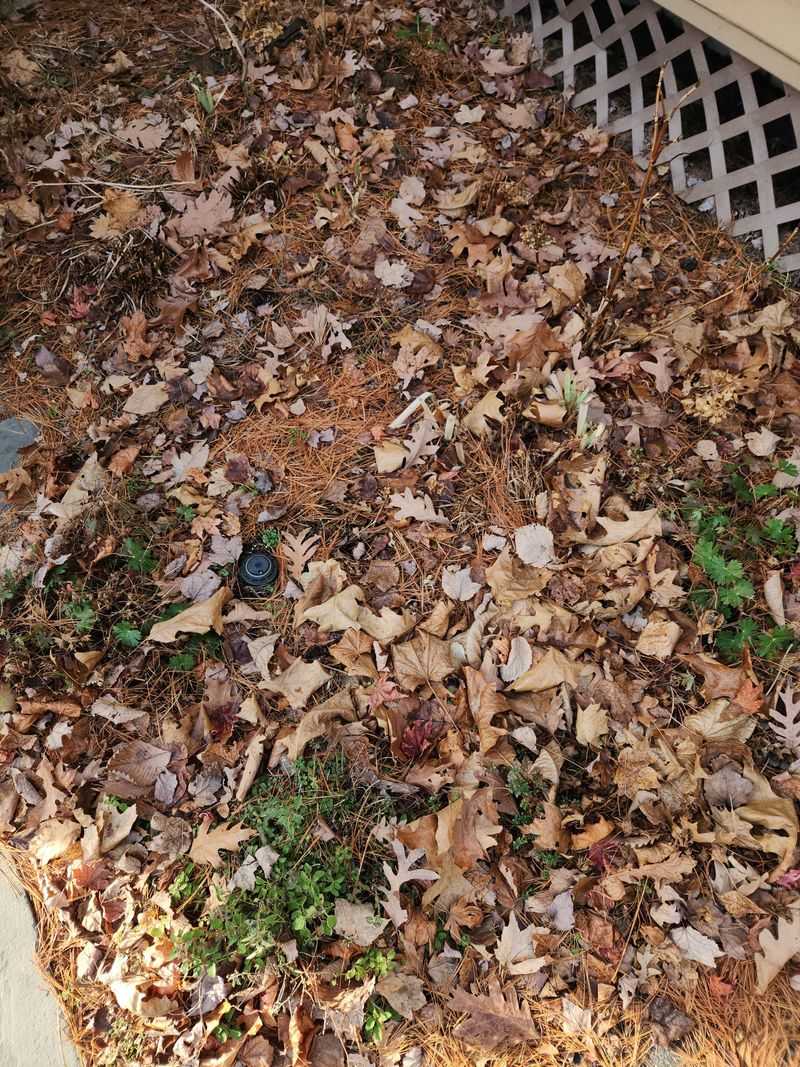
Under that cozy pile of leaves, a tiny world is getting ready for winter. Bees, moths, and butterflies often shelter there until spring.
Fireflies also spend the cold months hidden in leaf litter. Those summer night sparkles may depend on the leaves you leave behind.
Toads and salamanders appreciate the cover too. Leaves keep them safe and protected from freezing winds.
Birds benefit as well during lean winter weeks. Insects tucked in the leaves become an important food source.
Instead of hauling leaves away, rake them into garden beds. You can also spread them around the base of trees and shrubs.
A layer two to three inches deep works nicely. Leaves break down slowly and feed the soil with nutrients.
That leafy blanket protects plant roots from harsh cold. It also helps hold moisture during dry winter spells.
Worried about a messy look? Add a simple border or edging to make beds appear neat and planned.
Many gardeners call this approach leave the leaves. The idea has caught on across the state and beyond.
Wait until late spring to clean beds out. Temperatures above 50 degrees for a week give insects time to wake up.
Your garden becomes a winter shelter with almost no work. Few yard chores feel this rewarding.
More Towns Are Likely To Follow
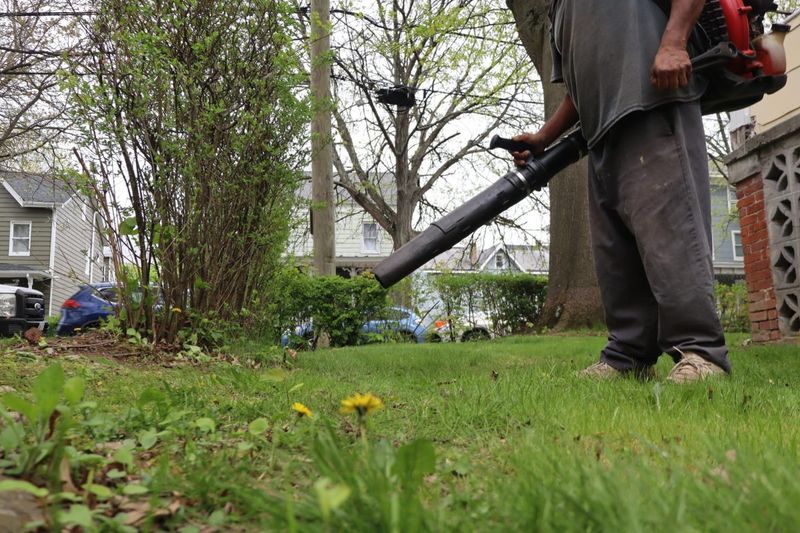
Momentum is building, and it shows little sign of slowing. More New York communities keep adding gas blower rules each year.
Even state lawmakers have taken notice. Proposed legislation would ban gas-powered leaf blowers statewide from May through September.
If passed, the law would bring one set of summer rules to every corner of the state. Towns could still add stricter limits on top.
Several concerns drive this growing trend. Noise, air pollution, health effects, and environmental damage top the list.
Landscape workers face some of the biggest health risks. Long hours near loud engines and fumes can affect hearing and breathing.
As more people learn about these issues, support tends to grow. Neighbors often share success stories from towns that already switched.
Want to have a say? Attend a local board meeting or send a short note to your officials.
Sharing your view, for or against, helps leaders make balanced choices. Landscapers and homeowners both deserve a voice in the process.
Planning ahead is a smart move too. If your gas blower is aging, consider replacing it with a battery model.
Stores often run sales on outdoor tools in early spring and late fall. Timing your purchase could save a nice chunk of money.
Change may come gradually, but it seems to be coming. Being prepared makes the shift much easier.