7 Strong Scents That Draw Foxes To Your Pennsylvania Yard
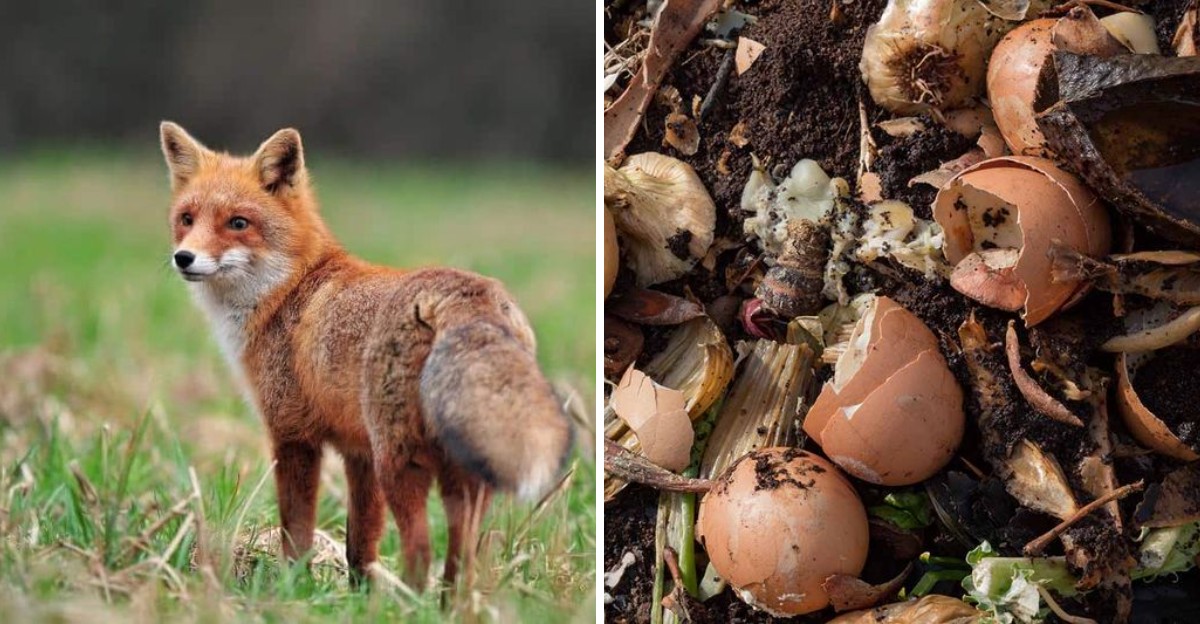
A wild neighbor sneaking through your hedges can leave behind urine that smells remarkably like a skunk. Many confused homeowners blame the striped critter, while the real culprit trots away on dainty black feet.
That powerful nose works hard every night, sniffing out supper long before your porch light clicks on each evening. Some of these crafty Pennsylvania visitors can even catch the scent of food hidden under fresh snow.
I have to admit that I learned this lesson after leaving a bag of fertilizer open overnight. You might notice tiny paw prints and freshly dug holes in your flower beds the following morning like I did.
Some of the strongest temptations sit quietly inside ordinary garages and kitchens across Pennsylvania this very season. So which everyday smells around your home are quietly sending out dinner invitations to these nighttime guests?
1. Fishy Sardines And Tuna Cans Tempt Hungry Foxes

Open a can of sardines on the patio, and every nose in the neighborhood seems to notice within minutes. Foxes have a wonderfully keen sense of smell, and oily fish sends out one of the boldest aromas around.
Red foxes and gray foxes both live across Pennsylvania, and both happily eat whatever protein they can find. They are opportunistic eaters, which means a tossed tuna can looks like a free and easy meal.
Personally, I rinse every fish can in the sink before it ever goes into the recycling bin. That quick rinse removes most of the oily smell that would otherwise drift across the yard after dark.
Fish scraps tucked into the compost pile can cause trouble too, since foxes will dig to reach them. Most extension services recommend keeping meat and fish out of backyard compost for this exact reason.
Grilling salmon outside is lovely, but greasy drippings left on the grill can linger for several days. Scrape the grates and empty the drip tray after cooking so the scent fades before nightfall.
Backyard ponds stocked with goldfish or koi may also attract curious visitors looking for an easy snack. Netting or a pond with steep sides gives your fish a better chance of staying safely underwater.
You might enjoy spotting a fox, but feeding wildlife on purpose often creates bold and pesky animals. Keeping fish smells contained is the kindest way to enjoy these clever neighbors from a distance.
2. Raw Chicken Scraps In The Trash Bring Foxes Close

Last summer I tossed chicken trimmings into an outdoor can, and the lid was knocked loose by morning. Raw meat has a rich, heavy scent that grows stronger as it warms up in the sun.
Foxes lean heavily toward meat, though they will also snack on insects and ripe fruit when hunting is slow. Slightly spoiled meat may be even more appealing, since its smell travels farther on warm and humid nights.
Pennsylvania summers bring plenty of those muggy evenings, which turns a careless trash bag into a beacon. Leftover takeout with greasy bones inside can draw foxes from surprisingly far away across open fields.
You need a trash can with a heavy, tight locking lid that stays secure even if bumped. Storing bins inside a garage or shed until pickup day helps even more during hot weather.
I also double-bag meat scraps and freeze them until the morning trash truck finally rumbles down the street. Frozen scraps barely smell at all, so curious noses rarely bother checking the bins during the night.
Rinsing bins with hot soapy water every few weeks removes the stubborn odor that soaks into plastic. A splash of vinegar afterward can help freshen the inside before you set it back outside.
Foxes that find easy meals keep returning, and they may start showing up during daylight hours too. Cutting off that buffet early teaches them to hunt mice and voles instead of raiding your bins.
3. Fox Urine Markings Signal Territory To Other Foxes
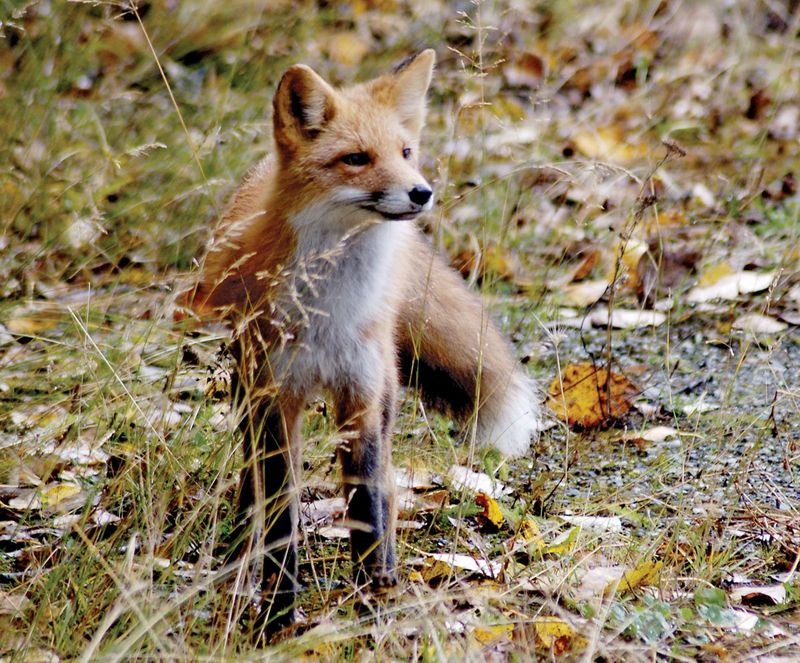
Step outside on a frosty winter morning, and you might catch a sharp, skunky whiff near your shed. That odor often comes from red fox urine, which many people mistake for a passing skunk.
Foxes use urine to mark territory and to share information about who has already passed through. The scent gets especially strong in winter, when red foxes look for mates during their breeding season.
In Pennsylvania, red foxes usually breed from January into February, so marking ramps up during cold months. Another fox sniffing that spot learns plenty about the resident animal without ever meeting it face to face.
Trappers have used fox urine and gland lures for generations because the smell pulls foxes in to investigate. Commercial fox urine is also sold as a deterrent for rabbits and groundhogs in many garden centers.
I have to admit that I found this a little funny, since the same bottle draws foxes closer. If you spray it around your vegetable beds, you may invite a fox to check things out.
Foxes also have a scent gland on top of the tail called the supracaudal gland, or violet gland. It releases oils that help each animal leave its own personal signature along regular travel routes.
Washing away strong urine spots near doorways and sheds with a garden hose can lessen repeat visits over time. Patience helps too, because territorial habits often fade once breeding season wraps up in early spring.
4. Skunk Lure Scents Drive Curious Foxes Wild
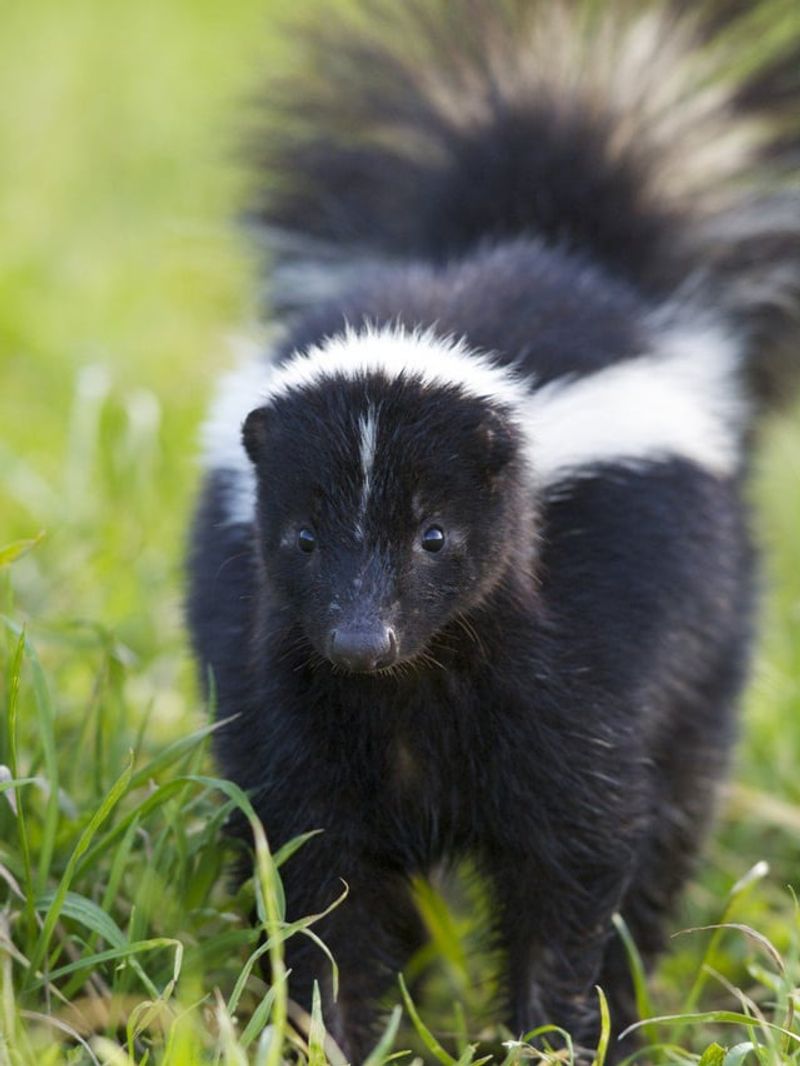
Most of us run from the smell of skunk, yet foxes seem to find it oddly fascinating. Trappers have long noted that skunk essence appeals strongly to canines, including both red and gray foxes.
Skunk-based lures are often used as call lures, meaning their powerful odor travels far on the breeze. Many trappers say these lures work especially well in warmer weather, when scents spread more easily through the air.
Nobody knows for certain why the odor intrigues foxes, though curiosity about nearby animals likely plays a role. I like how this reminds me that wild noses work very differently from ours in the garden.
You might wonder how this connects to your yard, since few people keep skunk lure in their sheds. Real skunks living under porches or decks leave lingering scents that may pull in other curious wildlife.
Pennsylvania has plenty of striped skunks, and they often den beneath decks and garden sheds near homes. Sealing those openings with sturdy wire mesh in late summer helps keep both skunks and their smells away.
Make sure no animals are trapped inside before closing a gap, especially during spring when babies arrive. Sprinkling flour near the hole overnight and checking for tracks can show whether anyone is still home.
Clearing fallen birdseed and grubby lawn areas also reduces what skunks come looking for each night.
Fewer skunks around usually means fewer lingering odors drifting toward a passing fox and its sensitive nose.
5. Cracked Eggs In The Compost Attract Sneaky Foxes

Foxes have a well-known fondness for eggs, and old stories about henhouse raids exist for good reason. Wild foxes raid ground-nesting bird nests in spring, carrying eggs away gently in their mouths to eat later.
That same craving explains why eggshells and leftover scrambled eggs can lure foxes straight to your compost bin. Shells with bits of raw egg still inside give off a sulfur smell that carries surprisingly well.
Personally, I rinse eggshells and let them dry before crushing them for the garden or compost. Clean, dry shells hold very little scent, so they rarely catch the attention of passing wildlife at night.
Backyard chickens are popular across many towns, and foxes often see a coop as an open invitation. Collect eggs every day, because a nest box full of eggs can tempt foxes to test your defenses.
You need sturdy hardware cloth rather than chicken wire, since foxes can tear through thin wire fairly easily. Burying an apron of wire about a foot out from the coop helps stop determined diggers.
Closing the coop door at dusk matters too, because foxes are most active around dawn and dusk. An automatic coop door can handle that chore for you whenever busy evenings keep you away from home.
Cracked eggs dropped near the coop should be cleaned up quickly so the smell does not linger. A little daily tidying goes a long way toward keeping your flock and your foxy visitors apart.
6. Pet Food Bowls On The Porch Invite Nighttime Foxes
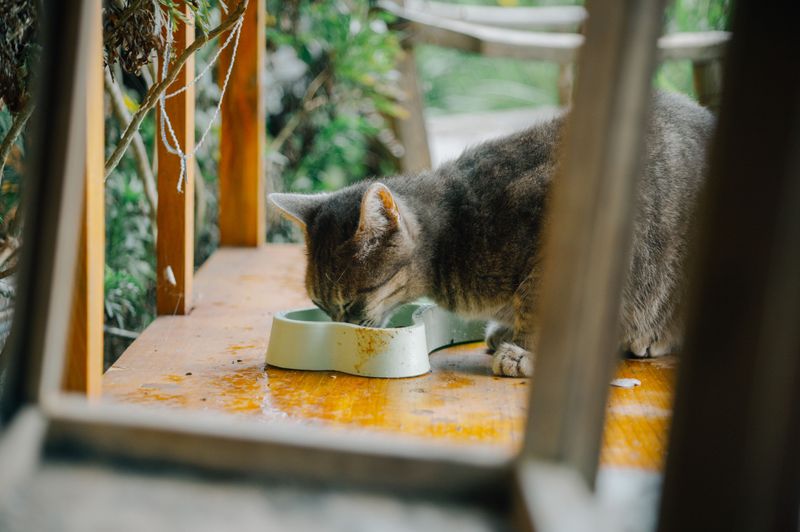
Your cat’s dinner bowl might be the most popular restaurant on the block once the sun goes down. Both canned and dry pet food give off rich, meaty smells that foxes find hard to ignore.
Wildlife experts point to outdoor pet food as one of the top reasons foxes wander into residential neighborhoods. Raccoons and opossums show up for the same snack, so one bowl can create a crowded porch.
I can’t imagine how many backyard visitors I fed by accident before I moved our cat’s bowl inside. Now we feed indoors, and the late-night clatter on our back porch has quieted down quite a bit.
The Pennsylvania Game Commission discourages feeding wildlife, since it can make animals lose their natural fear of people.
Foxes that grow too comfortable around homes may also spread mange or other illnesses to neighborhood pets.
Rabies is another concern, because foxes are among the wild animals that can carry it in the state. Keeping pet vaccinations current protects your cats and dogs if they ever cross paths with a sick fox.
If you feed outdoor cats, offer meals in the morning and pick up leftovers within about an hour. Store bags of kibble in sealed metal or heavy plastic bins rather than paper sacks in the garage.
Bird feeders can attract foxes indirectly, since spilled seed draws mice and squirrels that foxes love to hunt. Using a seed tray beneath the feeder keeps the ground cleaner and the hungry crowd much smaller.
7. Blood Meal And Bone Meal Fertilizers Lure Digging Foxes
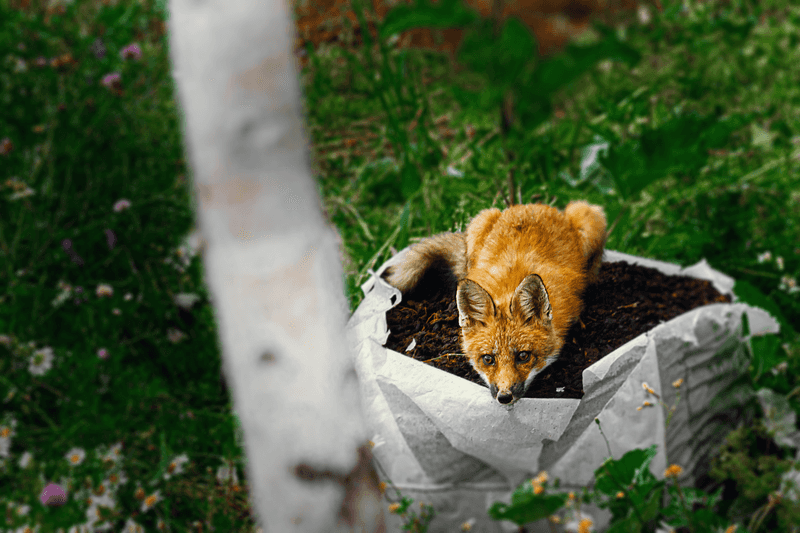
Nothing surprised me more than finding my freshly planted tulip bed dug up after a sprinkle of bone meal. Organic fertilizers made from blood, bones, or fish smell like a hidden meal to a hungry fox.
Blood meal is dried animal blood, and gardeners use it as a fast source of nitrogen for leafy crops.
Bone meal adds phosphorus and calcium, which helps support strong roots and healthy flower bulbs over time.
Fish emulsion and fish-based pellets carry a strong odor that can drift across a garden for days. Foxes and even dogs may dig eagerly, hoping to uncover the buried snack they think is waiting below.
You need to work these fertilizers deep into the soil rather than leaving them scattered on top. Watering well right after application helps wash the scent down and lowers the chance of midnight digging.
Many extension services suggest getting a soil test first, since some gardens already have plenty of phosphorus.
Skipping unneeded bone meal saves money and keeps both foxes and runoff problems out of your beds.
Synthetic or plant-based fertilizers, such as alfalfa meal or compost, usually draw much less wildlife attention.
Covering newly planted bulbs with chicken wire for a few weeks can also protect them while roots establish.
I believe a little planning lets you feed the soil without hosting a nightly excavation party. Your next planting session is a great moment to switch fertilizers and enjoy tidier flower beds afterward.