Why Florida Gardeners Love Papaya But Struggle To Grow It
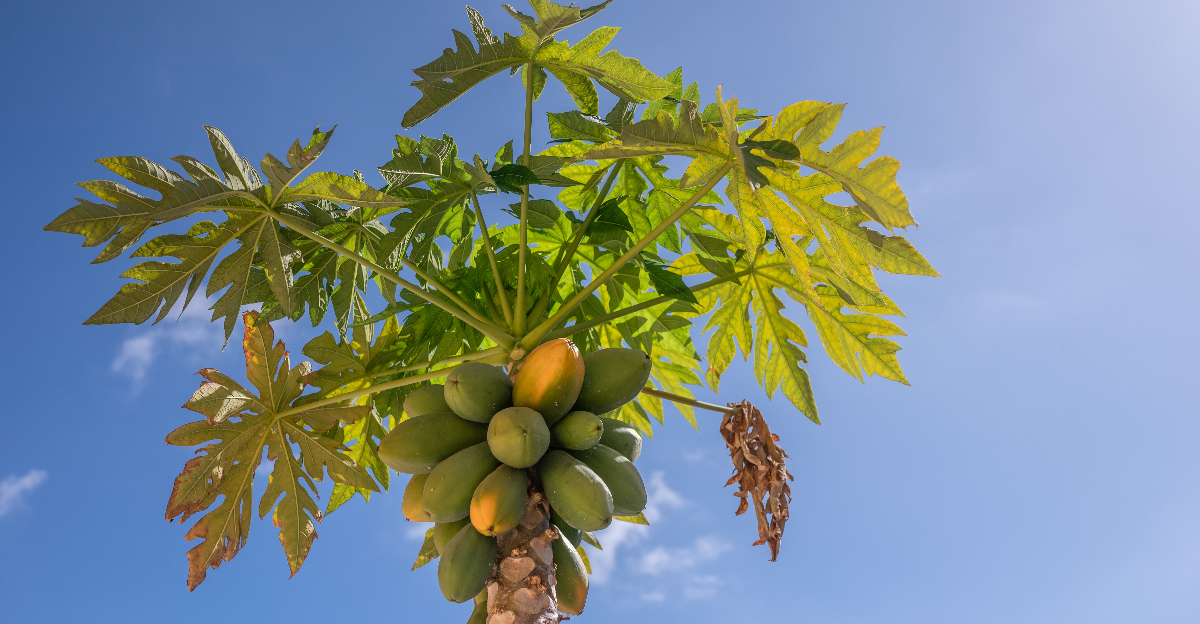
Papaya is the fruit that tricks Florida gardeners into thinking they have finally figured out tropical gardening. It grows fast. The fruit is incredible.
The whole plant looks like something from a resort in the Caribbean. So people plant it with confidence, watch it take off in the first few weeks, and assume the hard part is over.
Then something goes wrong. Florida has a very specific set of conditions that papaya tolerates well under the right circumstances, and fights against aggressively under the wrong ones.
The frustrating part is that most failures come down to a handful of specific and completely avoidable mistakes. Things that experienced papaya growers in Florida figured out over seasons of trial and error.
The difference between a tree loaded with fruit and one that never quite delivers is not luck. It comes down to a few decisions made early, before the plant even goes in the ground.
1. Florida Sun Helps Papaya Thrive, But Shade Quickly Limits Fruit
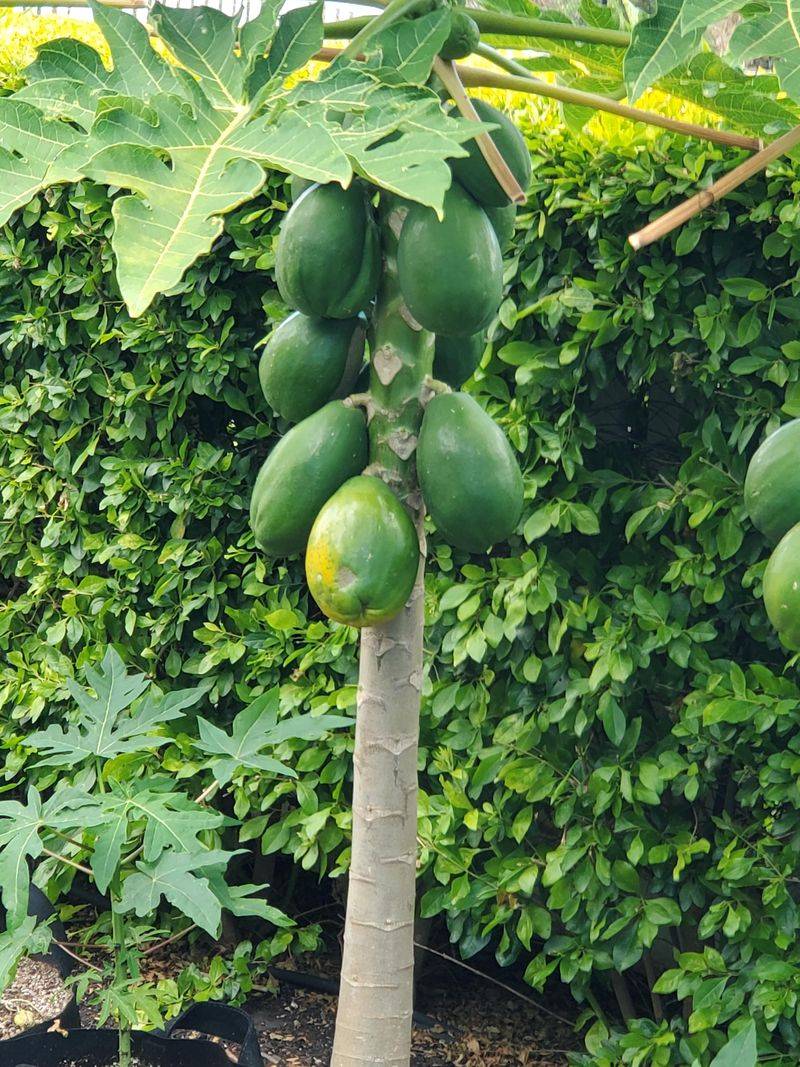
Papaya is not subtle about what it needs. Sun, and plenty of it.
Six to eight hours of direct sunlight per day is the baseline for good growth, reliable flowering, and decent fruit production. Drop below that and the plant still functions, but it does so slowly and reluctantly.
Fewer flowers, smaller fruit clusters, and a general lack of enthusiasm that no amount of fertilizer fixes.
Florida has sunshine in abundance, but shaded spots under large oaks or near tall fences can rob papaya of the light it depends on.
Even a few hours of partial shade daily can reduce performance noticeably. The plant needs the real thing, not a watered-down version of it.
South-facing locations capture the most consistent sunlight throughout the day and tend to be the best starting point for site selection. Structures that cast long afternoon shadows are worth avoiding.
Strong sun also helps the soil dry out between watering sessions. That drying cycle reduces root stress and lowers the risk of the waterlogging problems that cause so much trouble for papaya growers.
When yard space is limited, prioritize sun exposure above almost every other consideration. A slightly inconvenient location in full sun outperforms a convenient one in partial shade every single time.
2. Soggy Roots Are The Reason Most Florida Papayas Fail
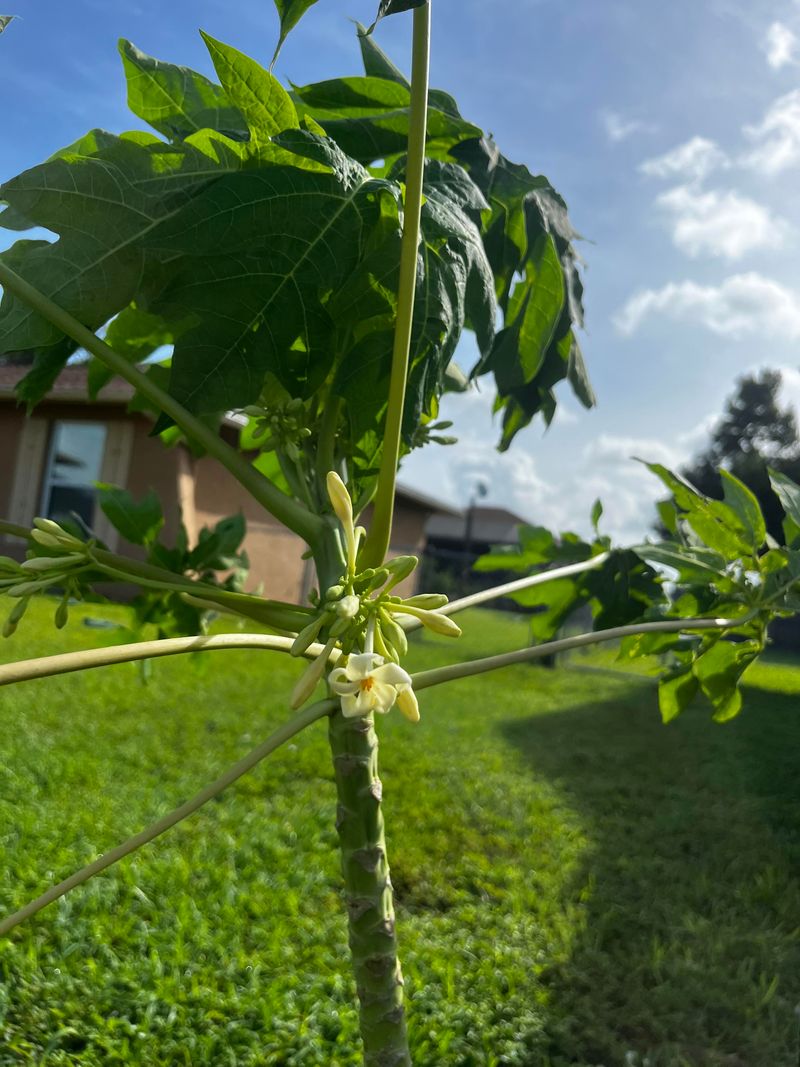
Papaya roots and standing water have a relationship that usually ends badly every time. A few days of waterlogged conditions can cause serious damage. The fix is straightforward and effective: plant on a raised mound.
Mounding the soil six to twelve inches above the surrounding grade gives roots a place to breathe. It also helps rainwater drain away from the base of the plant rather than pooling around it during heavy summer downpours.
In low-lying yards or areas with compacted clay, mounding moves from a good idea to a practical necessity. A blend of native topsoil and compost builds a solid mound. Pure sand is not the answer since it drains too fast and holds almost no nutrients.
Mulching around the mound helps retain some moisture between rains without suffocating the soil. Keep the mulch a few inches clear of the main stem to avoid rot at the base.
Your Florida Garden Changes Every Week. Your Plan Should Too.
Gardening in Florida changes quickly throughout the season. Every Friday you’ll receive a simple weekly plan showing exactly what to plant, prune, fertilize, harvest, and protect so you never miss the right timing.
Think of raised planting as building the papaya its own small island. The surrounding yard can flood during a heavy storm, and the roots stay high and dry where they belong.
This single technique prevents more papaya failures in Florida than almost anything else. Getting elevation right before planting is one of the most practical decisions a gardener can make for this fruit.
3. One Cold Night Can Undo A Whole Season Of Growth
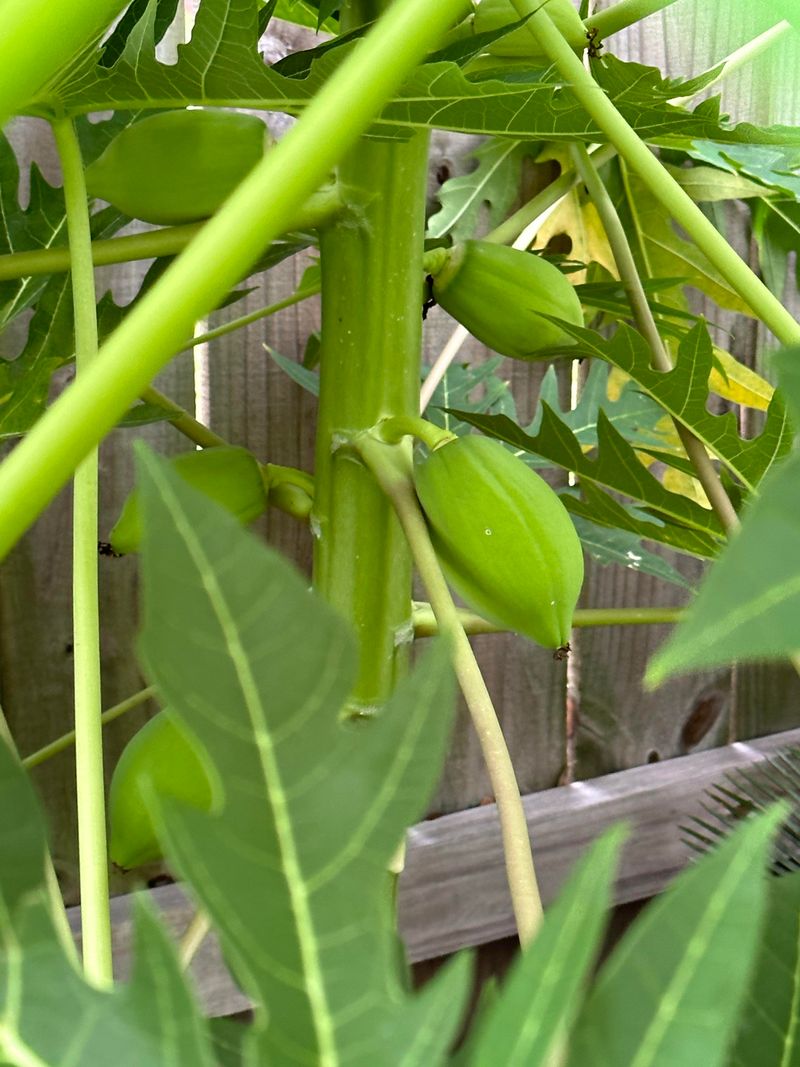
Papaya did not evolve for cold weather. It has absolutely no interest in it. Tissue damage can begin when temperatures drop below thirty-two degrees Fahrenheit, and even temperatures in the mid-thirties put real stress on the plant.
For North and Central Florida gardeners, that is not a theoretical concern. It is a January reality that shows up without much warning.
South Florida tends to escape the worst of it since hard freezes are rare. But gardeners in Gainesville, Ocala, and Orlando know that a cold front can arrive uninvited right when the papaya is looking its best.
The plant does not come with a winter coat. You have to provide one.
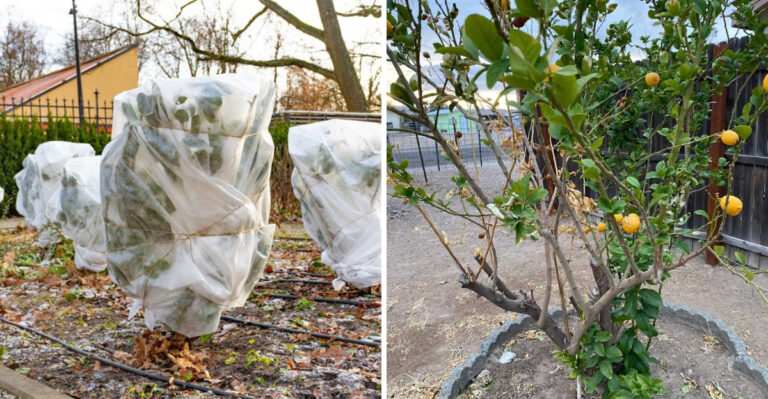
Frost cloth or old bed sheets draped over the plant on cold nights trap warmth near the foliage and can make a meaningful difference. Small string lights placed underneath the cover add a few degrees of heat on the coldest nights without much effort or expense.
Planting near a south-facing wall or fence creates a natural microclimate that runs a few degrees warmer than open ground. Structures absorb heat during the day and release it slowly after sunset.
Container-grown papaya has a significant advantage here. A pot can move indoors or into a garage when a cold front approaches.
That flexibility makes containers worth considering for anyone growing papaya in the cooler parts of the state.
Choosing protected spots is not overthinking it. It is the difference between a papaya that survives winter and one that does not.
4. Florida’s Drainage Problems Catch Papaya Growers Off-Guard
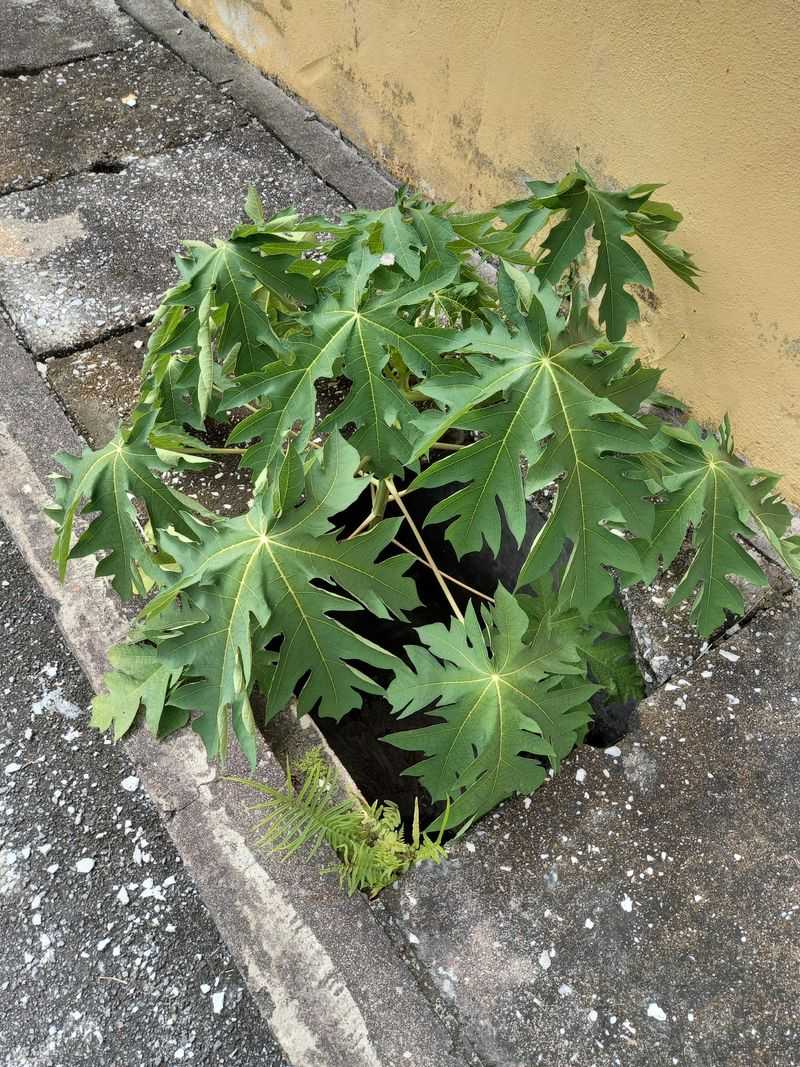
Before the papaya variety is chosen, before the fertilizer is bought, before anything else happens, check the drainage. It is the single most important factor for papaya success in Florida. Skipping it leads to predictable disappointment.
No amount of good care fixes a poorly draining planting site. The plant drowns slowly, and the gardener spends weeks wondering what went wrong.
A simple drainage test removes the guesswork. Dig a hole about twelve inches deep and fill it with water.
If it drains away within an hour, the site is likely workable. If water is still sitting there two hours later, the site needs serious intervention before any papaya goes in the ground.
Florida’s flatwoods soils and areas with hardpan layers are notorious for holding water. Raised beds and mounds are the practical solution in those spots.
Adding organic matter helps improve soil structure gradually, but it is not a rapid fix for genuinely poor drainage.
Sandy soils across much of Florida drain well naturally, which is a real advantage for papaya. The trade-off is that water moves through fast, and nutrients can leach away.
However, both soil types are manageable with the right approach. The key is understanding what you are working with before the first plant goes in the ground.
Getting drainage right is the foundation every other care decision builds on. Papaya rewards that upfront investment with dramatically better results throughout the season.
5. Getting The Watering Balance Right Is Harder Than It Looks
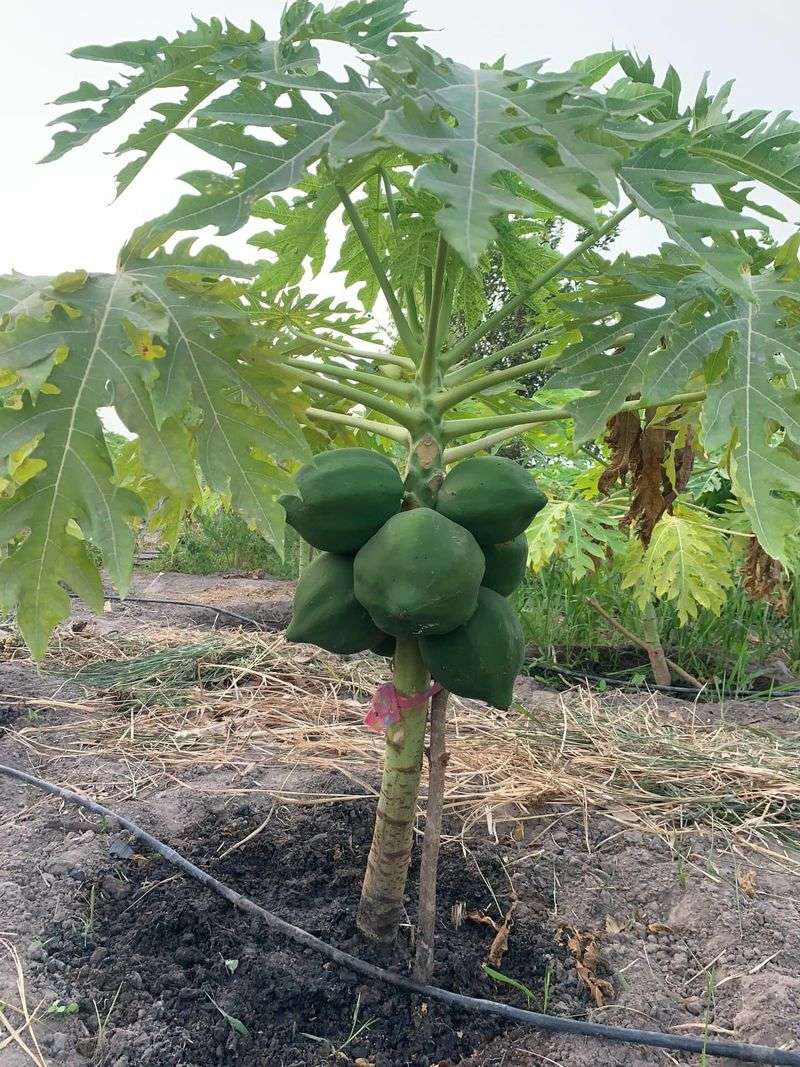
Watering papaya is a balancing act that Florida’s climate makes more complicated than it should be.
Too little and growth slows, flowering drops off, and the plant starts communicating its displeasure through wilted leaves. Too much and the roots sit in moisture they cannot escape, which is a fast path to serious damage.
During dry spells, papaya may need watering two to three times per week, depending on soil type and temperature. Sandy soils dry out faster and need more frequent attention than heavier soils.
Drip irrigation suits papaya well. It delivers water slowly and directly to the root zone without splashing onto leaves or the stem. Overhead watering increases fungal risk, particularly during humid summers.
Morning watering is the better default. The sun dries leaves quickly and reduces the window of fungal vulnerability throughout the day.
During the rainy season, the irrigation calendar often becomes irrelevant. Florida summers can deliver more than enough water on their own. Adding more on top of saturated soil does real damage.
Reading the soil rather than following a fixed schedule produces better results. If the top inch or two feels dry, water. If it still feels moist, hold off.
Papaya communicates through its leaves. A slight wilt in the afternoon heat that recovers by evening is normal.
Persistent wilting with wet soil is a warning worth taking seriously. Read those signals, and the whole watering equation is much simpler.
6. Papaya Grows Fast And Outgrows Tight Spots Quickly
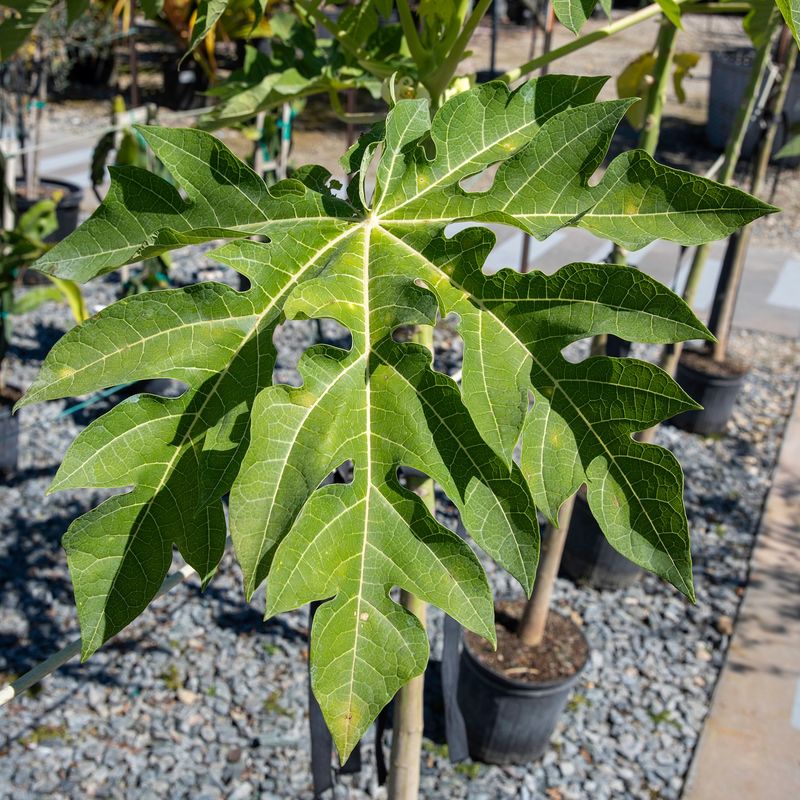
Papaya is not a plant that asks politely for more room. It simply takes it quickly.
Under good Florida conditions, papaya can grow several feet in a single year and reach ten to twenty feet at maturity. That kind of growth demands open space and deliberate planning from the beginning.
Crowding papaya near fences, walls, or other large plants creates competition for sunlight, water, and airflow. Poor airflow is particularly costly during humid summers since stagnant air around dense foliage creates ideal conditions for fungal problems.
When planting multiple trees, spacing them at least eight to ten feet apart tends to give each plant the canopy room and resource access it needs. That spacing also makes harvesting considerably easier once the trees mature and fruit starts hanging at height.
Dwarf and semi-dwarf varieties offer a practical solution for smaller yards. Varieties like Red Lady and Maradol top out at six to eight feet, making fruit more accessible and the plants easier to manage before a storm rolls through.
Wherever the papaya goes, the space above and around it matters as much as the space below. A plant that can’t spread its canopy freely tends to underperform in ways that take a full season to diagnose.
Papaya likes its personal space. Give it that, and it returns the favor in fruit.
7. That Soft Trunk Makes Papaya Vulnerable To Florida Winds
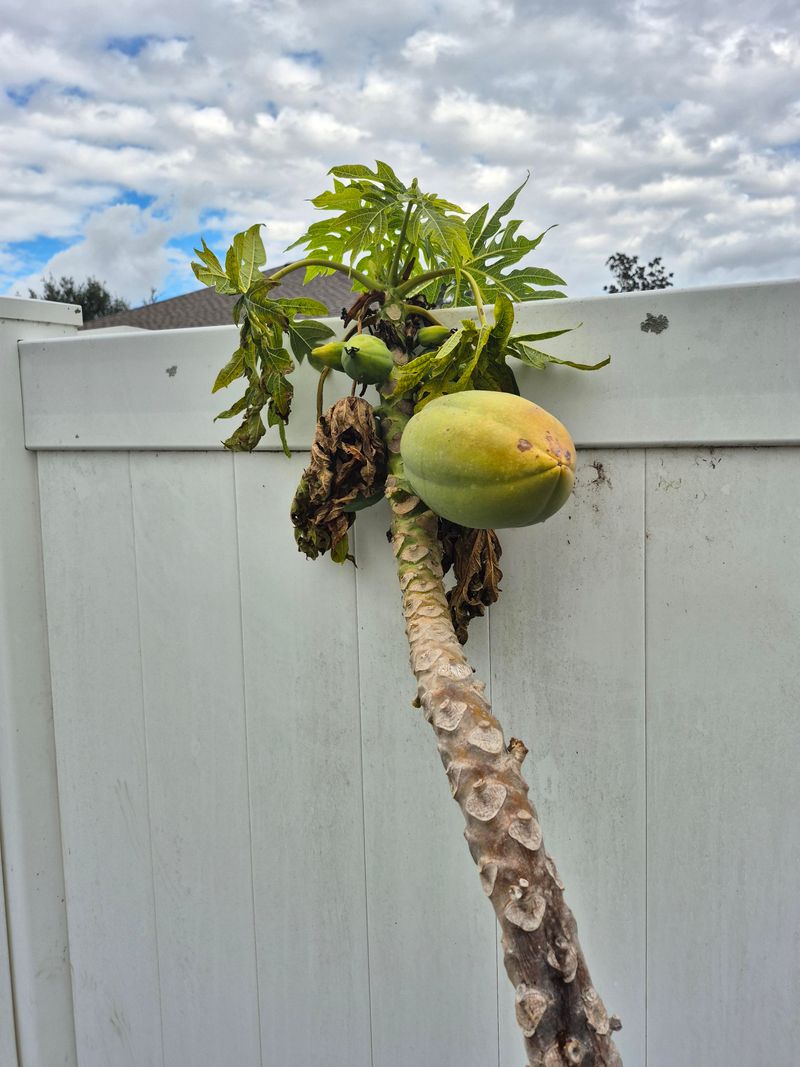
Papaya grows fast partly because its trunk is soft and spongy compared to most fruit trees. That structure is also its structural vulnerability.
Strong gusts can snap branches, shred large leaves, and topple entire trees if the root system has not had time to anchor properly. In Florida from June through November, that is not a distant possibility. It is a regular seasonal reality.
Coastal locations and open flat yards with no windbreaks put papaya at genuine risk. Even moderate afternoon sea breezes can stress the plant repeatedly over time.
The damage accumulates across a season in ways that are easy to attribute to other causes. Sheltered planting spots are worth the extra effort to find.
Hedges, wooden fences, and groups of shrubs can reduce wind exposure significantly without creating too much shade.
The windbreak must not shade the tree for most of the day, so the balance between shelter and sun requires some thought.
Staking young plants during the first growing season keeps them upright while roots develop. Soft ties that do not cut into the stem are the right choice. Remove stakes once the plant has established a strong enough root base to hold its own.
Exposed sites during the tropical storm season are a genuine gamble. A location with some natural shelter gives papaya a calmer environment and a considerably better chance of surviving the season intact.
8. The Wrong Papaya Plant Struggles From Day One In Florida
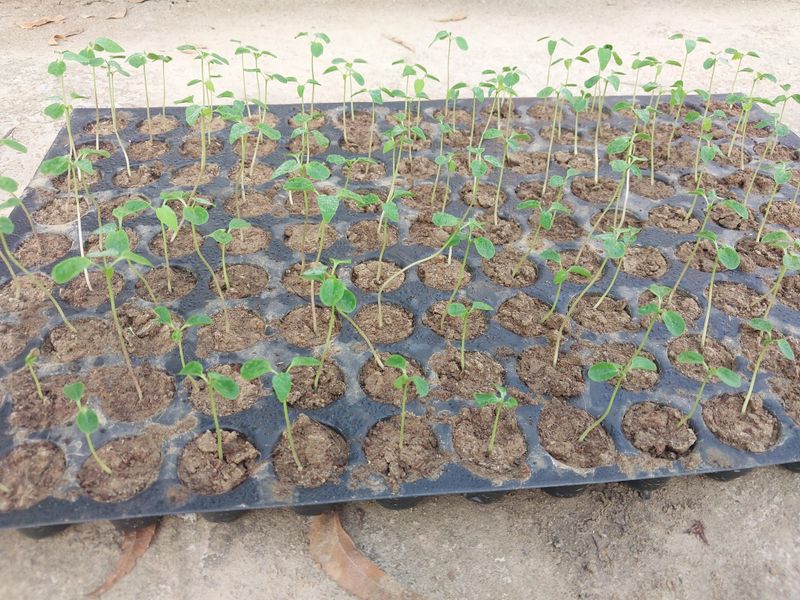
The foundation of a productive papaya tree is often set before it ever goes in the ground. Starting with a strong, healthy plant gives every other care decision a better chance of working.
A vigorous seedling from a reputable nursery comes with advantages that fertilizer and attentive watering can’t fully replicate. Weak or stressed transplants tend to struggle from the beginning, and Florida’s conditions are not forgiving toward plants that start behind.
At the nursery, look for firm, upright stems and rich green leaves. Yellow leaves, spotting, or any wilting are reasons to choose a different plant.
Check under the leaves before purchase, since spider mites and aphids travel home and can spread to other garden plants.
Root health deserves as much attention as what is visible above the soil. A plant that is slightly root-bound can still establish well after transplanting.
One that is completely pot-locked may struggle to spread roots properly once it is in the ground.
Locally grown seedlings tend to be better adapted to Florida’s specific climate conditions than plants shipped from other regions. Florida-based nurseries and tropical plant sales often carry varieties with a proven track record in the local climate.
Asking about regional performance before buying narrows the options toward plants that are likely to succeed.
A great start genuinely sets the tone for everything that follows. The best growing season begins with the right plant in hand before the hole is even dug.