Sunflower Varieties Wisconsin Gardeners Can Plant Late In July
Late July feels like the wrong moment to start a sunflower patch, yet Wisconsin gardeners keep proving otherwise. A handful of quick-maturing varieties bloom in just 50 to 60 days, leaving plenty of runway before frost settles in around late September.
That timeline changes everything for anyone who thought the season had already slipped away. A sun-drenched corner of the yard works fine, and so does a cluster of containers tucked onto a patio.
Size and setting matter less than most people assume. What actually decides success is picking the right variety, one built for speed rather than height or show, and giving it a spot that gets consistent sun through late summer.
1. Sunrich Gold Blooms In About 60 Days
Not every sunflower variety is built for a race against the calendar, though a few stand out from the crowd. Gardeners looking to plant late need something specific: speed, reliability, and blooms that hold up once the weather turns unpredictable
Sixty days sounds like a long time, but it flies by fast in a summer garden. Sunrich Gold is one of the most reliable fast-bloomers for gardeners working with a tight late-season window.
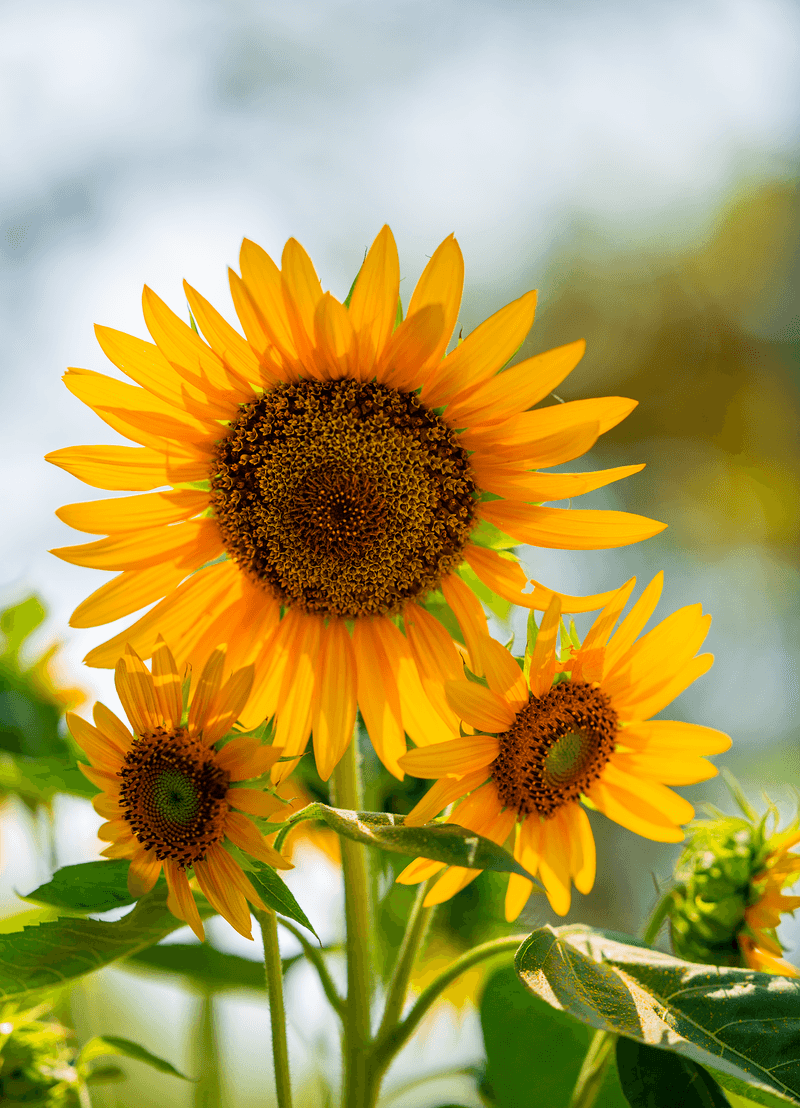
This variety produces tall, pollen-free blooms with rich golden petals surrounding a soft green center. Florists love it, and home gardeners are catching on quickly.
Sunrich Gold grows to about five feet tall, making it a striking focal point in any garden bed. Plant seeds about one inch deep and six inches apart for the best results.
Water consistently after planting, especially during the first two weeks when roots are establishing. Dry spells in August can slow germination, so keep the soil moist but not waterlogged.
One of the biggest perks of this variety is its pollen-free nature, which means no yellow dust on your hands or tablecloths. That makes it a top pick for cut flower arrangements inside your home.
Sunrich Gold also handles heat well, which is helpful during Wisconsin’s unpredictable August stretches. It thrives in full sun and well-drained soil, two things most Wisconsin gardens offer in abundance.
If you are hoping to enjoy blooms by early to mid-September, a late July planting fits perfectly. Sunflower varieties Wisconsin gardeners choose for late planting often include this one at the top of every recommended list.
Start tracking your days from the moment seeds go in the ground. Watching this golden beauty open up right before fall arrives is one of summer’s most satisfying gardening moments.
2. ProCut Series Offers Fast Single Stem Blooms
Speed is the whole point with the ProCut series, and these flowers deliver without apology. Bred specifically for cut flower production, ProCut varieties can bloom in as few as 50 to 55 days from seed.
That kind of timeline is exactly what Wisconsin gardeners need when planting in late July. A mid-September bloom is well within reach if you get seeds in the ground promptly.
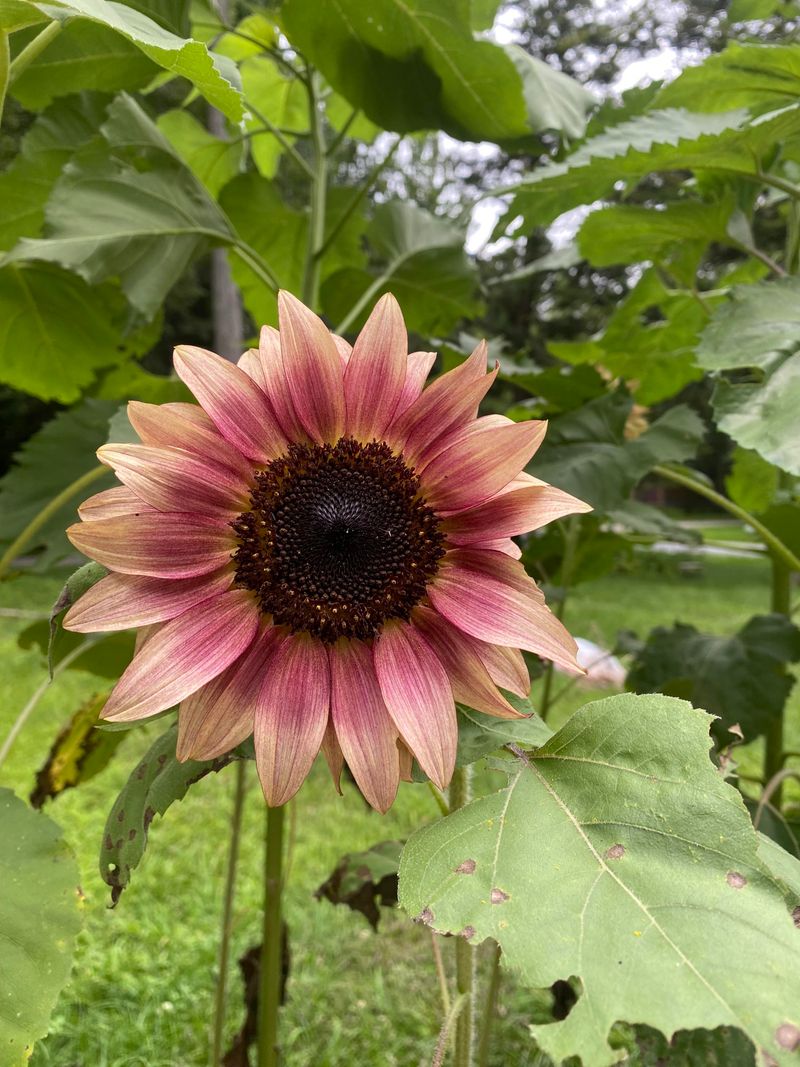
ProCut sunflowers produce one large bloom per stem, which makes them look clean and elegant in a vase. The petals range from bright lemon yellow to deep burnt orange depending on which variety in the series you choose.
Your Wisconsin Garden Changes Every Week. Your Plan Should Too.
Gardening in Wisconsin changes quickly throughout the season. Every Friday you’ll receive a simple weekly plan showing exactly what to plant, prune, fertilize, harvest, and protect so you never miss the right timing.
ProCut Orange is especially popular for fall arrangements because its warm tones pair beautifully with autumn decor. ProCut White Nite is another standout with creamy petals that feel almost luminous in late afternoon light.
These plants grow between four and six feet tall, so give them space to stretch upward. Full sun exposure and loose, well-drained soil will push them toward their fastest possible maturity.
One helpful tip is to stagger your planting by a few days if you want blooms spread across a longer window. Planting half your seeds on July 25th and the rest on July 30th can extend your bloom period nicely.
ProCut varieties are also pollen-free, making them great for allergy-sensitive households. Sunflower varieties Wisconsin growers rely on for cut flower success almost always include something from this productive and dependable series.
Few things beat cutting your own fresh flowers from the garden in September. That reward alone makes the ProCut series worth every bit of effort.
3. Teddy Bear Stays Compact And Matures Quickly
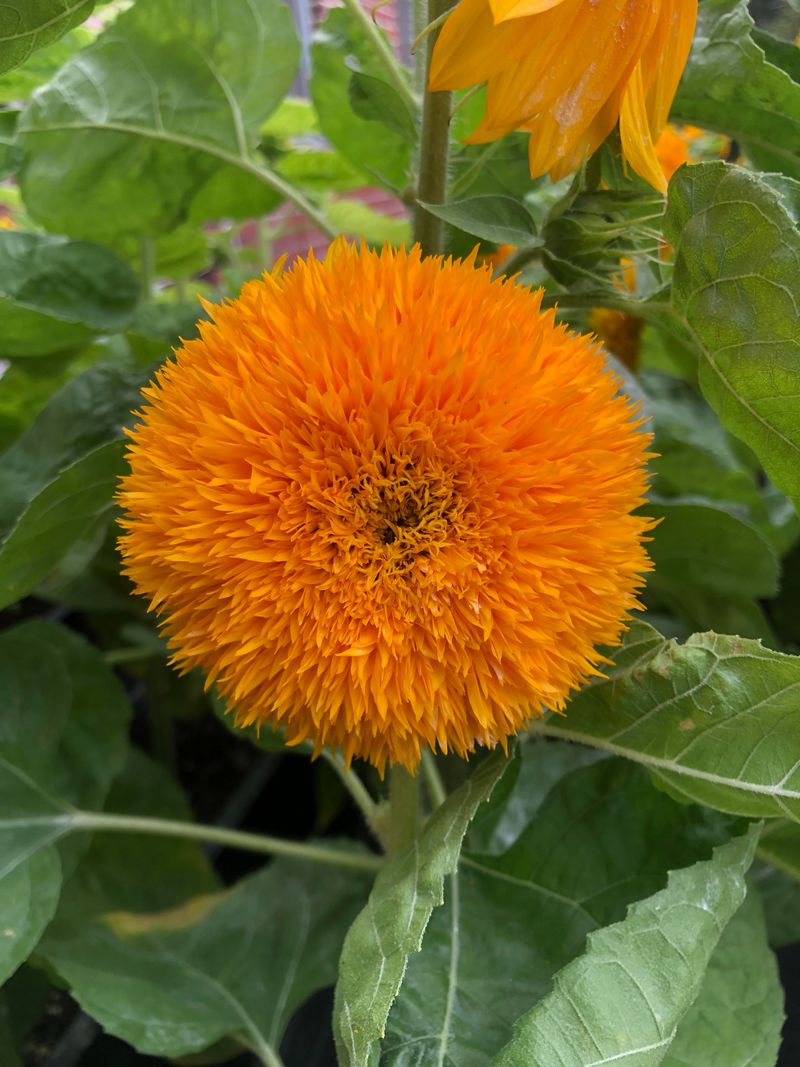
Fluffy, round, and hard to miss, the Teddy Bear sunflower has a charm that sets it apart from other varieties. Its double-petaled blooms are so thick and golden they almost resemble a chrysanthemum at first glance.
What makes Teddy Bear such a smart late-season pick is its compact size and quick maturity. This variety reaches only about two to three feet tall and blooms in around 65 to 75 days from seed.
For Wisconsin gardeners working with limited space, Teddy Bear fits beautifully in containers, raised beds, or garden borders. It typically does not need staking, which saves time and effort during busy late-summer weeks.
Plant seeds about half an inch deep in a sunny spot with good drainage. Teddy Bear handles average soil well, so you do not need to amend heavily before planting.
Kids absolutely love this variety because the blooms look soft and approachable rather than towering and intimidating. Planting a row of Teddy Bears along a fence creates a cheerful golden wall of texture and color.
One underrated quality is how long the blooms last on the plant before fading. Even after peak bloom, the flowers hold their shape and color for an impressive stretch of late summer days.
Removing spent blooms encourages the plant to push out additional flowers before the season ends. That means more golden puffballs showing off in your garden well into September.
Among sunflower varieties Wisconsin gardeners adore for small spaces, Teddy Bear consistently earns top marks. Its charm is undeniable, and its performance in a short growing window is nothing short of impressive.
4. Firecracker Fits Small Spaces And Short Timelines
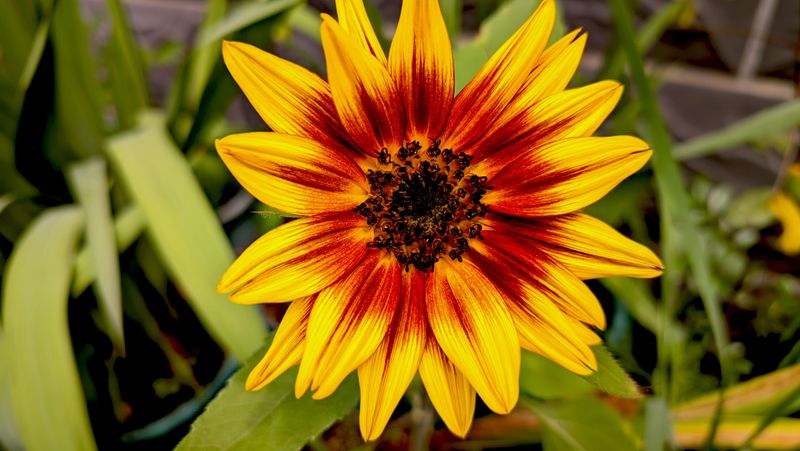
Bold, bright, and built for speed, Firecracker sunflowers bring serious drama to small garden spaces. This dwarf variety tops out around two feet tall, making it ideal for container gardening or front-of-border planting.
What sets Firecracker apart from other compact types is its striking bicolor petals. Deep red tones blend into golden yellow tips, creating a bloom that genuinely looks like a spark of color lighting up the plant.
Firecracker matures in about 55 days from seed, which makes a late July planting a smart and confident move. By mid-September, you can expect vivid blooms adding serious curb appeal to your outdoor space.
This variety branches freely, producing multiple blooms per plant rather than just one central flower. More blooms per plant means more color bang for your gardening buck.
Plant Firecracker seeds about a half inch deep in a full-sun location with well-draining soil. Spacing plants about eight inches apart encourages good airflow and reduces the chance of fungal issues in humid August weather.
One fun trick is pairing Firecracker with ornamental grasses or purple coneflowers for a late-summer color combo that looks professionally designed. The red and gold tones play off neighboring plants in a way that feels intentional and polished.
Firecracker also attracts pollinators in droves, especially bees and butterflies looking for late-season nectar. Watching your garden buzz with activity adds a whole new layer of enjoyment to the growing experience.
Among sunflower varieties Wisconsin gardeners plant late in July, Firecracker delivers maximum visual impact with minimum fuss. That combination is hard to beat.
5. Elf Is Bred For Tight Growing Windows
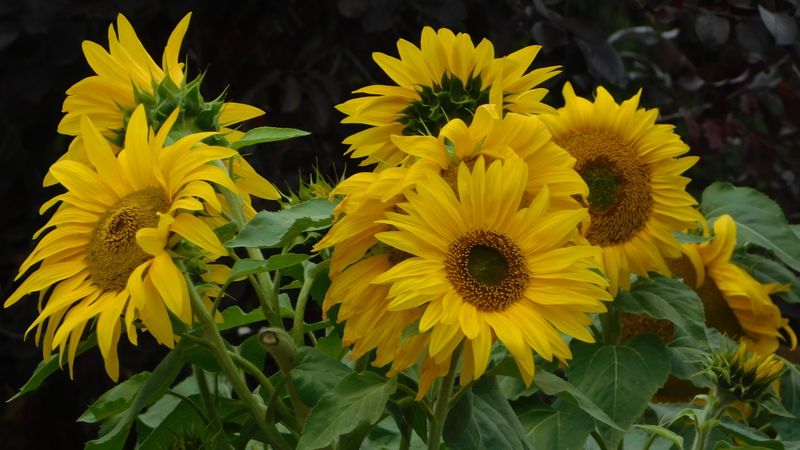
Not every sunflower needs to tower over your head to make a statement. The Elf variety proves that short plants can carry just as much visual punch as their giant cousins.
Elf sunflowers grow to about 14 to 16 inches tall, making them one of the most compact options available to home gardeners. Despite their small stature, the blooms are proportionally large and bright, typically measuring three to four inches across.
Bred with tight growing windows in mind, Elf matures in approximately 70 to 80 days from seed. That timeline makes a late July planting not just possible but genuinely promising for a September bloom.
Because of its short height, Elf works especially well in window boxes, small pots, and container arrangements on patios or balconies. It does not require staking, and its root system is manageable even in shallow containers.
Full sun makes a real difference for this variety, so choose your container placement carefully. At least six hours of direct sunlight per day keeps Elf growing strong and blooming on schedule.
One charming quality of this variety is how it looks when planted in clusters. A group of five or six Elf plants in a large pot creates a dense, cheerful display that draws compliments from every direction.
Water regularly but avoid letting containers sit in standing water, which can cause root rot quickly. A layer of mulch around outdoor planted Elf sunflowers helps retain soil moisture during hot August days.
Sunflower varieties Wisconsin gardeners grow in containers rarely perform better than Elf does in a well-chosen pot. Small plant, enormous payoff.
6. Sunspot Grows Short But Blooms On Schedule
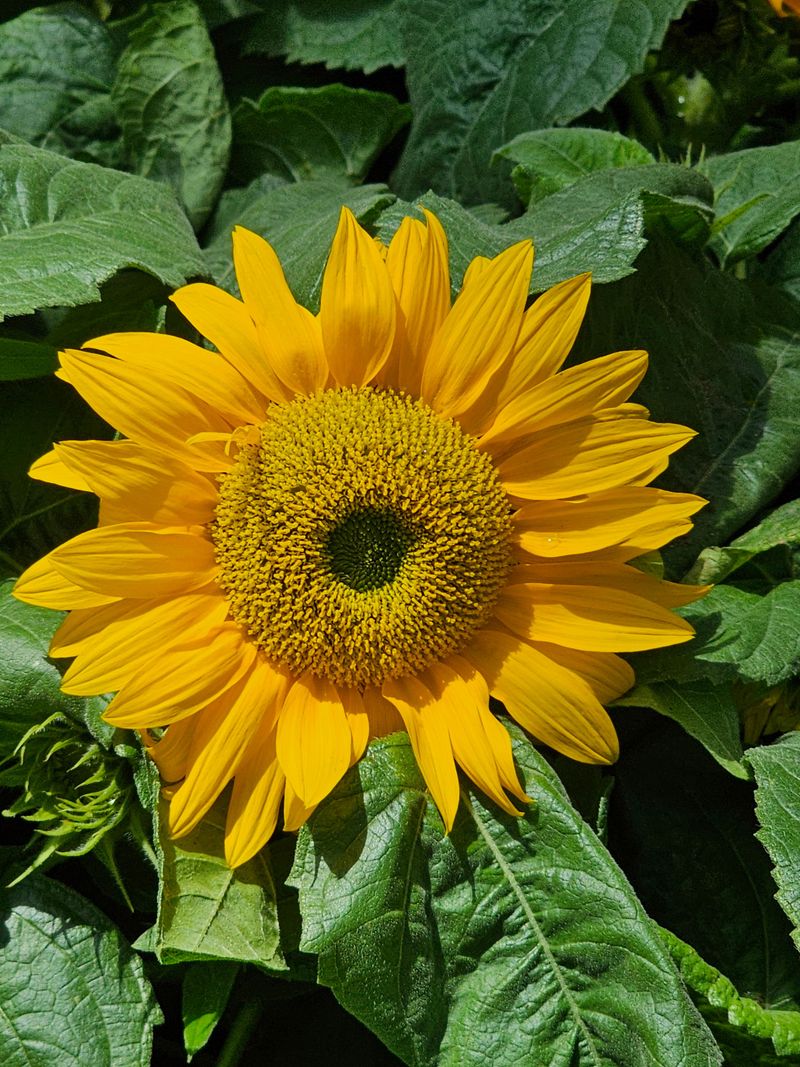
Here is a sunflower that defies expectations at every turn. Sunspot produces enormous blooms, sometimes reaching ten inches across, on plants that only grow about two feet tall.
That combination of big flowers on a short frame makes Sunspot one of the most eye-catching varieties you can plant in late July. The oversized blooms look almost cartoonishly cheerful against the late summer sky.
Sunspot matures in about 55 to 60 days from seed, putting it firmly in the safe zone for a late July planting in Wisconsin. Expect blooms to open up right around the time the back-to-school season hits full swing.
Plant seeds one inch deep in a sunny garden bed with loose, fertile soil. Adding a balanced slow-release fertilizer at planting time gives Sunspot the nutrients it needs to push out those signature giant blooms.
Because the plants stay short, Sunspot holds up well against late-summer wind and rain without flopping over. Taller sunflowers often need staking in stormy August weather, but Sunspot stands its ground on its own.
Bees go absolutely wild for Sunspot blooms, making this variety a great choice for gardeners who want to support local pollinators. Planting near vegetable gardens can actually improve crop yields by drawing more pollinators into the area.
The seeds Sunspot produces at season’s end are also a favorite of birds like finches and chickadees. Leaving a few spent heads standing through fall turns your garden into a natural wildlife feeding station.
Sunspot keeps proving itself as one of the more functional, beautiful choices for a late-season garden.
7. Autumn Beauty Rewards A Longer Growing Window
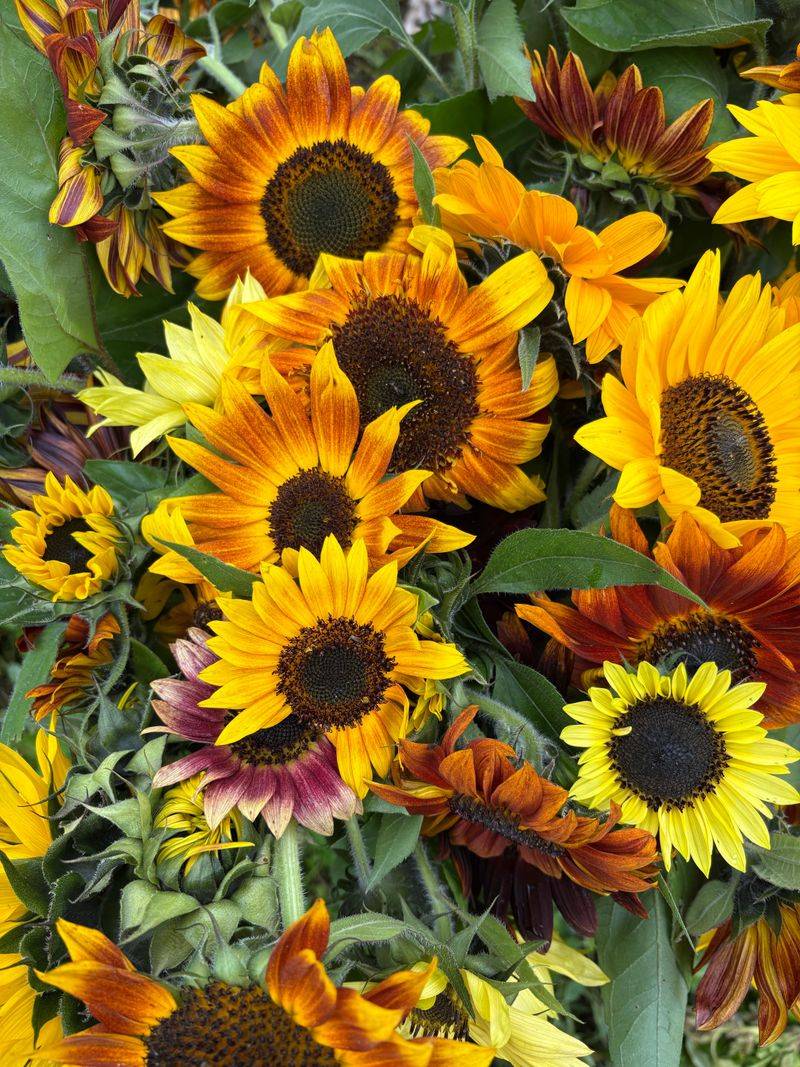
Some flowers are worth the extra patience, and Autumn Beauty falls into that category. This branching variety produces multiple blooms per plant in a striking mix of gold, bronze, deep red-purple, and russet tones.
Autumn Beauty takes about 90 to 100 days to mature, noticeably longer than most other options on this list. That timeline makes it one of the riskier late July picks for Wisconsin gardens.
A planting date of July 25th points toward a bloom window in late October or even early November. Most of central and southern Wisconsin sees first frost around October 1st to 10th, so the math does not favor a late start with this variety.
Planting in the very first days of July instead of the end of the month buys valuable extra weeks before frost arrives. A frost cloth or row cover can also help protect tender buds if an early cold snap threatens before the blooms fully open.
Plants reach four to six feet tall and branch generously, so give each one about 18 inches of space to fill out. The color range is genuinely striking, and cutting blooms for indoor arrangements extends the enjoyment well past what the garden alone offers.
This variety also draws monarch butterflies during their late-summer migration, adding a lively wildlife element to the garden. For gardeners working with a truly late start, Autumn Beauty is best treated as a stretch goal rather than a safe bet.