Why Your California Cucumbers Turn Bitter During Heat Waves
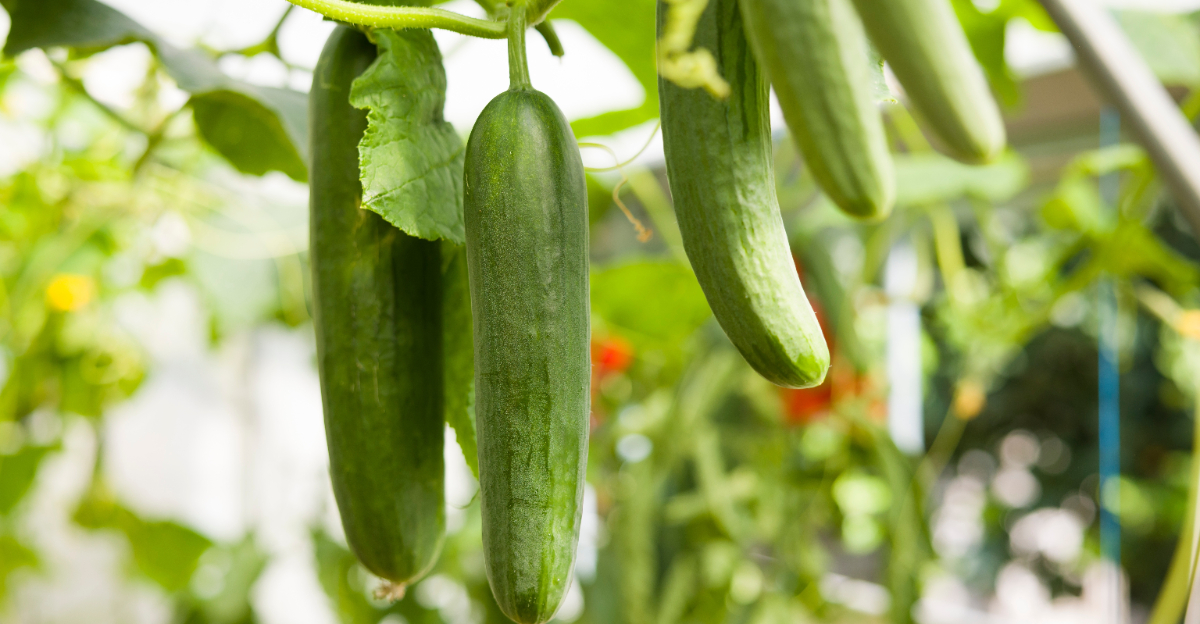
California cucumbers can be refreshingly crisp one week and taste like betrayal the next. Heat waves have a way of turning a promising backyard harvest into something that makes you question every salad decision you have ever made.
The frustrating part is that bitter cucumbers often look perfectly normal, sitting there all green and innocent while hiding their rude little secret.
When summer temperatures spike, your plants can get stressed fast, especially if their growing conditions swing too much during the hottest stretch.
But the cause is not always as simple as “it got hot.” Watering habits, timing, plant stress, and harvest decisions can all play a role in that sharp, unpleasant flavor.
Before you blame the whole plant or toss every cucumber into compost, it helps to know what heat is doing and how to keep your next round tasting cool, crisp, and actually edible.
1. Heat Stress Brings Out Bitter Flavor
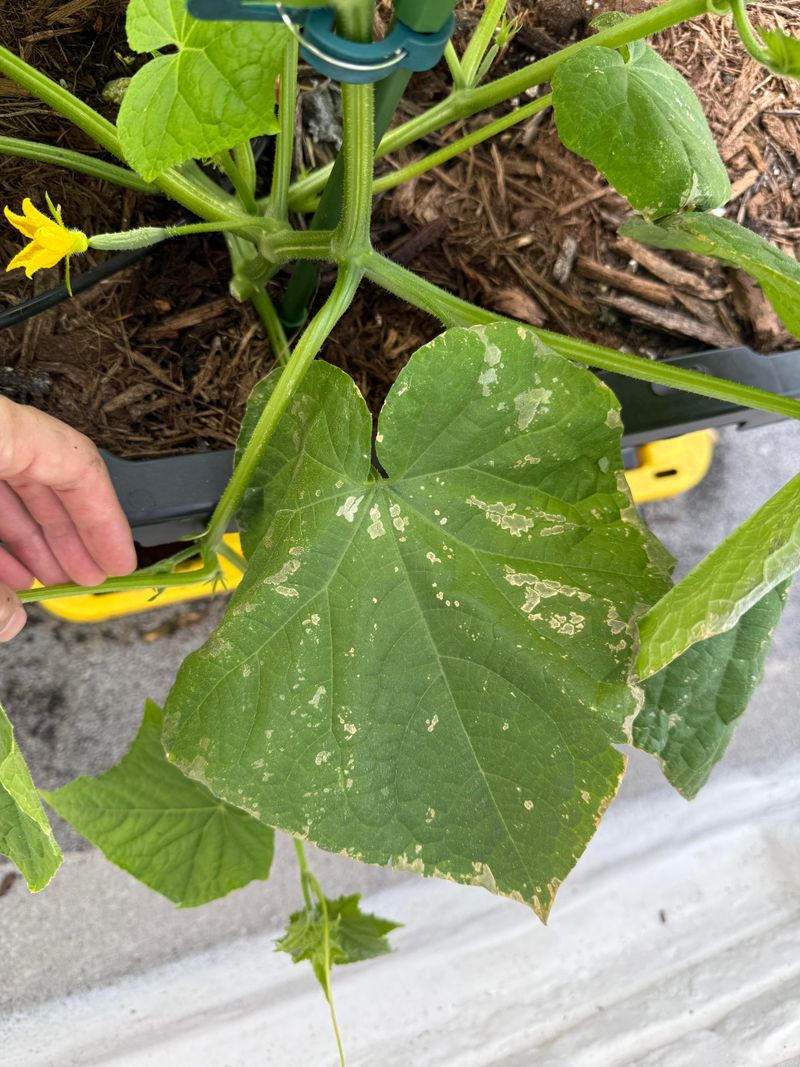
Cucurbitacin is the chemical behind that sharp, unpleasant bite in a stressed cucumber. Plants produce more of it when temperatures spike above 90 degrees Fahrenheit.
It is basically the plant’s way of protecting itself from insects and other threats when conditions get tough.
California summer heat waves can push daytime temperatures well past 100 degrees in inland areas. That kind of heat sends cucumber plants into full stress mode.
The plant shifts its energy away from producing flavorful fruit and toward simply surviving the heat.
Once cucurbitacin builds up inside a cucumber, it tends to concentrate near the stem end and just under the skin. Peeling cucumbers and cutting off the stem end can reduce bitterness a little.
But the best fix is preventing the stress in the first place.
Keeping plants consistently watered and shaded during extreme heat helps a lot. Some cucumber varieties are also bred to produce lower levels of cucurbitacin naturally.
Look for labels that say “burpless” at your local nursery. These types tend to stay milder even when temperatures climb.
Picking cucumbers before they get too large also helps, since smaller fruit tends to carry less bitterness than oversized ones left on the vine too long.
2. Dry Soil Makes Cucumbers Taste Worse
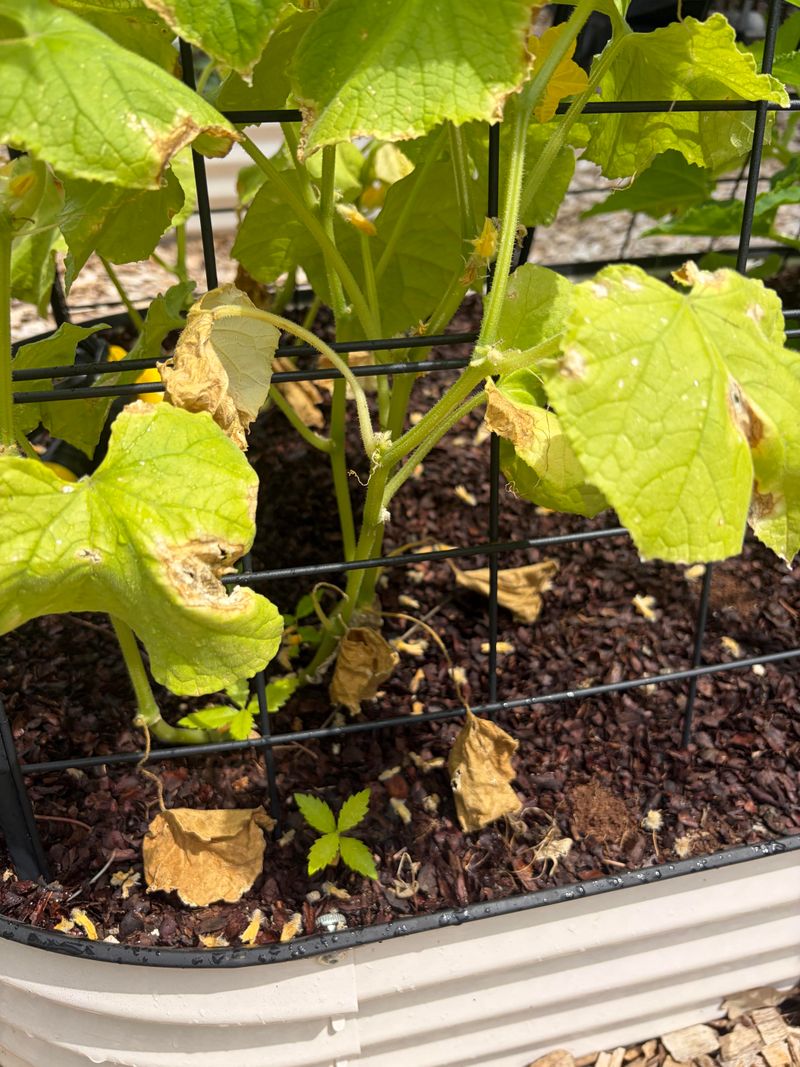
Soil moisture has a direct connection to cucumber flavor. When the soil dries out, the plant gets stressed quickly.
That stress triggers higher cucurbitacin production, which makes the fruit taste sharp and unpleasant.
Cucumbers are made up of about 96 percent water. They need steady soil moisture to stay hydrated and produce sweet, mild fruit.
When the ground gets dry between waterings, the plant cannot keep up with the heat. The fruit suffers first.
During a heat wave in California, soil can dry out surprisingly fast. A raised bed in full sun can lose moisture within a day or two.
In-ground gardens in hot inland regions may need watering every single day when temperatures are extreme.
Checking soil moisture before watering is a smart habit. Push your finger about two inches into the soil.
If it feels dry at that depth, it is time to water. Do not rely on a set schedule during heat waves because conditions change fast.
Your California Garden Changes Every Week. Your Plan Should Too.
Gardening in California changes quickly throughout the season. Every Friday you’ll receive a simple weekly plan showing exactly what to plant, prune, fertilize, harvest, and protect so you never miss the right timing.
Deep, slow watering is better than quick surface watering. A soaker hose or drip irrigation system works really well for cucumbers.
It delivers water directly to the root zone without wasting moisture on leaves or walkways. Consistent moisture from root level up keeps cucumbers crisp and mild-tasting all season long.
3. Uneven Watering Triggers Bitter Fruit
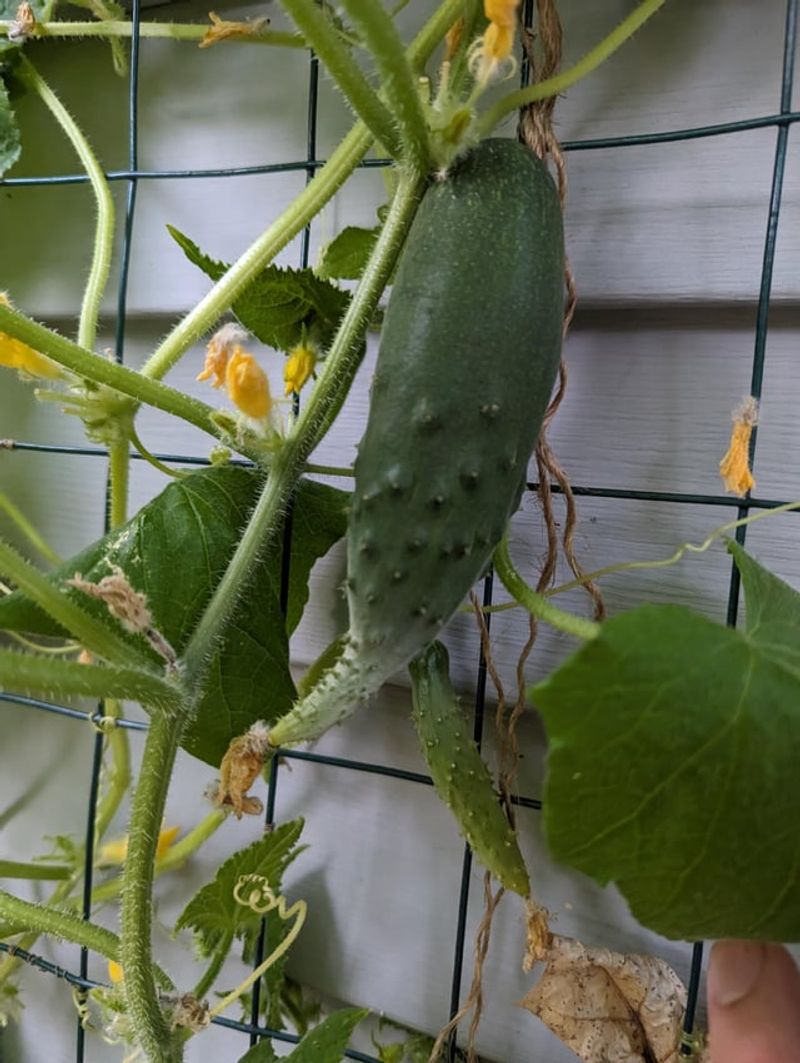
A lot of gardeners water their cucumbers on a loose schedule without thinking much about consistency. That approach works fine in mild weather.
But during a heat wave, uneven watering becomes a real problem fast.
When cucumber plants go through cycles of dry soil followed by heavy watering, they experience a kind of shock. That back-and-forth stress causes cucurbitacin levels to spike inside the fruit.
The result is a cucumber that tastes noticeably bitter even if it looks perfectly fine on the outside.
The roots of a cucumber plant are sensitive to big swings in soil moisture. They prefer steady, even hydration rather than feast-and-famine cycles.
Think of it like staying comfortable versus going from very thirsty to suddenly overwatered.
Setting up a drip irrigation system on a timer is one of the best ways to keep watering consistent. It takes the guesswork out of the routine and keeps soil moisture stable even on your busiest days.
Many gardeners in the warmer parts of California swear by this method during summer.
If you hand-water, try to water at the same time each day. Early morning is ideal because it gives roots time to absorb moisture before afternoon heat peaks.
Consistent watering is one of the simplest and most effective ways to protect cucumber flavor during a hot stretch.
4. Afternoon Sun Pushes Plants Too Hard
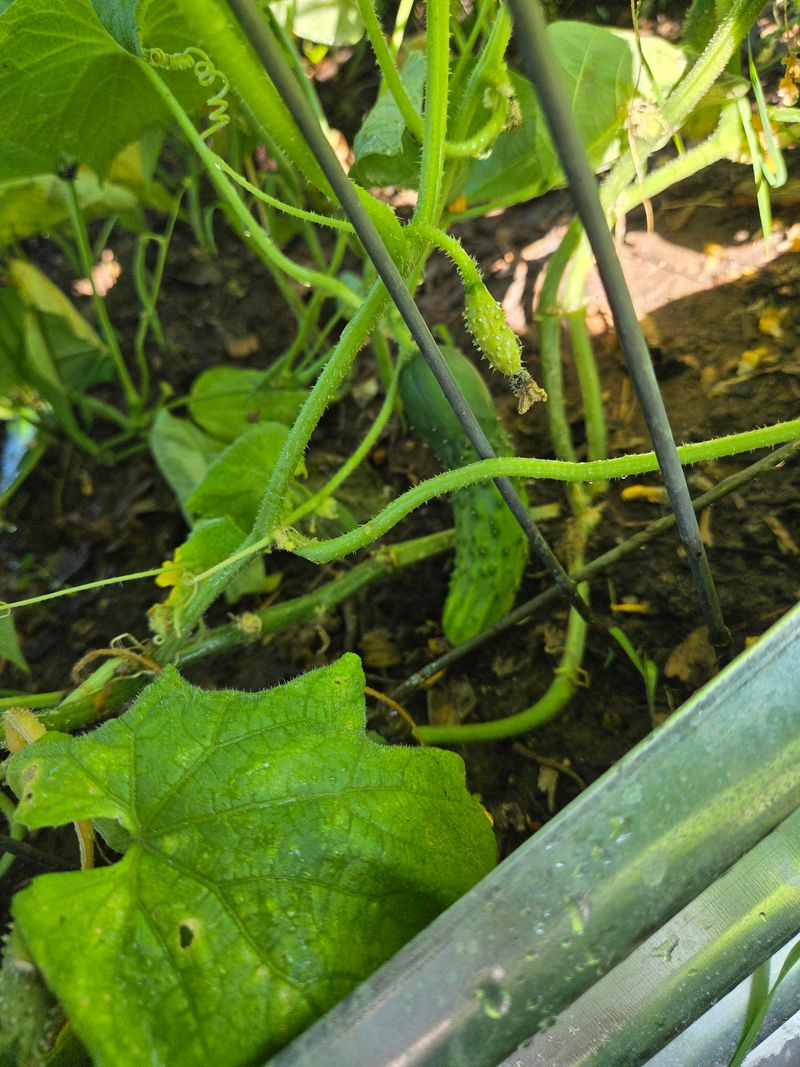
The afternoon sun in our state is no joke. Between 1 p.m. and 5 p.m., temperatures in many parts of California hit their daily peak.
Cucumber plants sitting in full afternoon sun during that window take on serious heat stress.
Unlike morning sun, which is gentler and helps plants photosynthesize without overheating, afternoon sun beats down hard.
The soil heats up fast, moisture evaporates quickly, and the plant starts to struggle. That struggle shows up as wilting leaves, slowed growth, and yes, bitter cucumbers.
Planting cucumbers where they get morning sun but are shielded from afternoon rays is a smart strategy.
A fence, a trellis with a tall companion plant, or even the shadow from your home can provide natural afternoon shade.
In northern regions of California, this kind of positioning can make a noticeable difference during summer.
If your garden layout does not allow for natural shade, a shade cloth is your next best option.
Even a 30 to 40 percent shade cloth draped over a simple frame can cool the area around your plants by several degrees.
Reducing afternoon heat exposure helps the plant stay calmer. A calmer plant produces less cucurbitacin.
That means better-tasting cucumbers even when the rest of the garden is struggling through a tough heat wave.
5. Mulch Keeps Roots Cooler
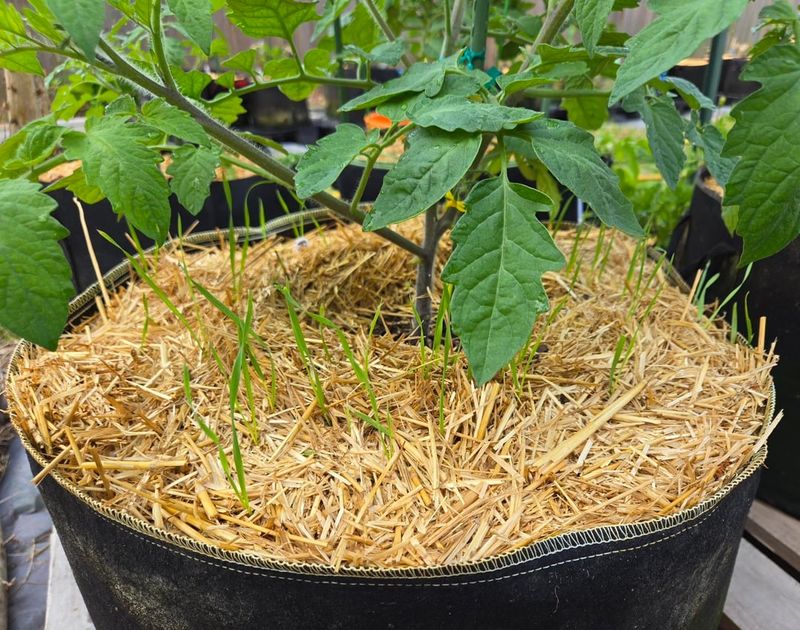
Here is something simple that makes a huge difference: mulch. A thick layer of organic mulch around your cucumber plants can lower soil temperature by as much as 10 degrees Fahrenheit.
That is a big deal when outside temps are already pushing 95 or higher.
Straw, wood chips, and shredded leaves all work well. Spread a layer about three to four inches thick around the base of each plant.
Keep it a few inches away from the actual stem to prevent rot. The mulch acts like a blanket that holds moisture in and blocks heat from radiating up from the soil.
Cooler soil means the roots stay hydrated longer between waterings. That steady moisture reduces the stress that leads to cucurbitacin buildup.
Mulch also cuts down on how often you need to water, which is a bonus during a heat wave when every drop counts.
In the hotter inland valleys of California, bare soil in a cucumber bed can get scorching hot by midday. Bare soil also loses moisture much faster than mulched soil.
Adding mulch is one of those low-effort changes that pays off quickly in both plant health and fruit flavor.
Reapply mulch as needed throughout the season since it breaks down over time. Fresh mulch before a forecasted heat wave is a great proactive move for any cucumber grower.
6. Shade Cloth Helps During Heat Waves
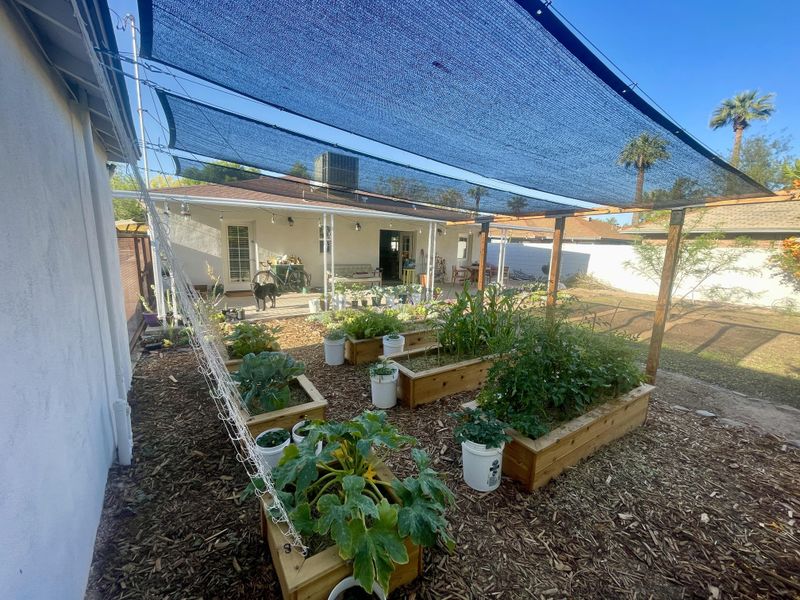
Shade cloth is one of the most practical tools a summer gardener can use in California. It is lightweight, affordable, and easy to set up over almost any garden bed or container area.
During a serious heat wave, it can be the difference between a good harvest and a bitter one.
A 30 to 50 percent shade cloth blocks enough sunlight to lower temperatures around your plants without cutting off the light they need to grow. Cucumbers still need good light to produce fruit.
The goal is reducing intense heat, not blocking the sun entirely.
You can build a simple frame using PVC pipes, wooden stakes, or metal conduit. Drape the shade cloth over the frame and secure it at the edges.
Make sure there is some airflow underneath so heat does not get trapped. A low-hanging cloth with no airflow can actually make things worse.
Many California gardeners in the Central Valley and other hot inland areas keep shade cloth stored and ready to go as soon as a heat wave is in the forecast. Putting it up early is better than waiting until the plants are already stressed.
Once temperatures cool back down to normal ranges, remove the shade cloth so plants get full sun again. Cucumber plants thrive with balanced light and heat.
Shade cloth is a temporary tool, not a permanent fix, and using it wisely makes a real difference in flavor.
7. Old Cucumbers Taste More Bitter
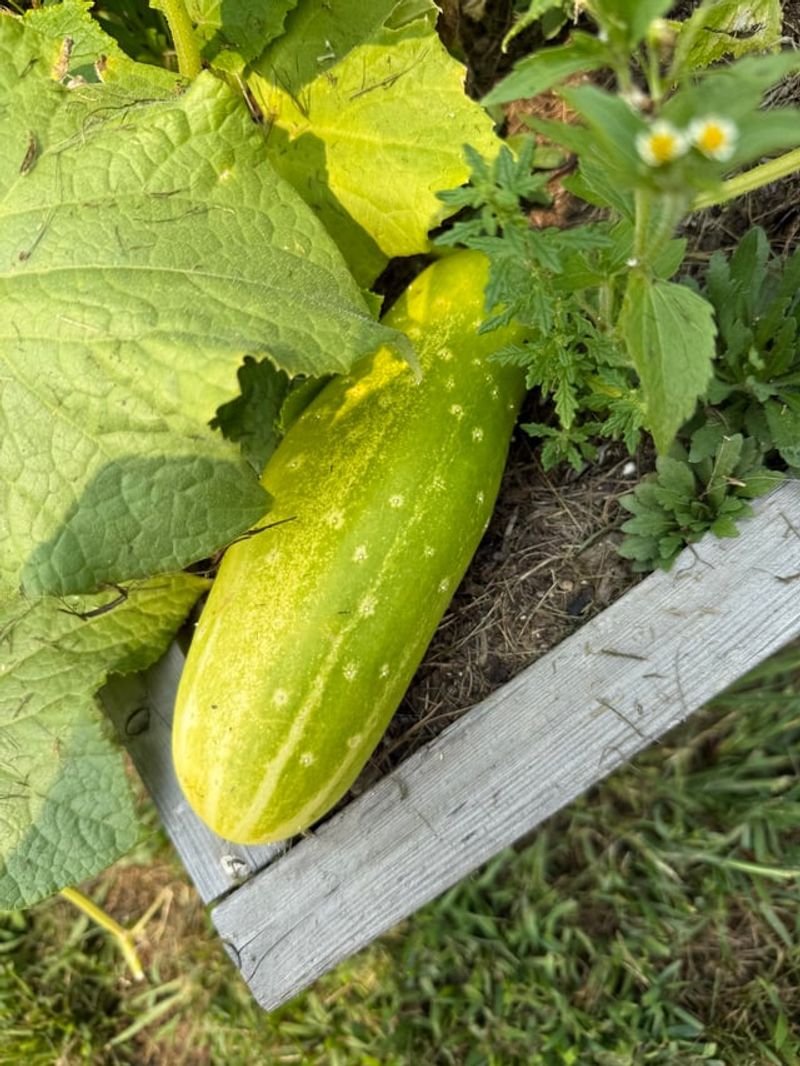
There is a sweet spot for harvesting cucumbers, and most home gardeners miss it. Leaving cucumbers on the vine too long is one of the most common reasons for bitter flavor, especially during hot summer weather.
As a cucumber ages on the vine, cucurbitacin levels climb. The older and larger the fruit gets, the more concentrated that bitter compound becomes.
A cucumber that has been sitting on the vine for a week past its peak can taste dramatically more bitter than one picked at the right time.
During a heat wave, cucumbers grow and mature faster than usual. A fruit that looks small and green on Monday might be oversized and starting to yellow by Friday.
Checking your plants every day or two during hot spells is a must.
Most slicing cucumbers taste best when they are between six and eight inches long. Pickling types are ideal at two to four inches.
Once they start to turn yellow or feel soft, the flavor is already going downhill fast.
Pulling older cucumbers off the vine also encourages the plant to keep producing new ones. A plant loaded with old, overripe fruit slows down its production.
Removing them sends a signal to keep growing. So harvesting on time is not just about flavor.
It is also about keeping your plant productive all season long during those tough summer months.
8. Fast Harvesting Keeps Flavor Sweeter
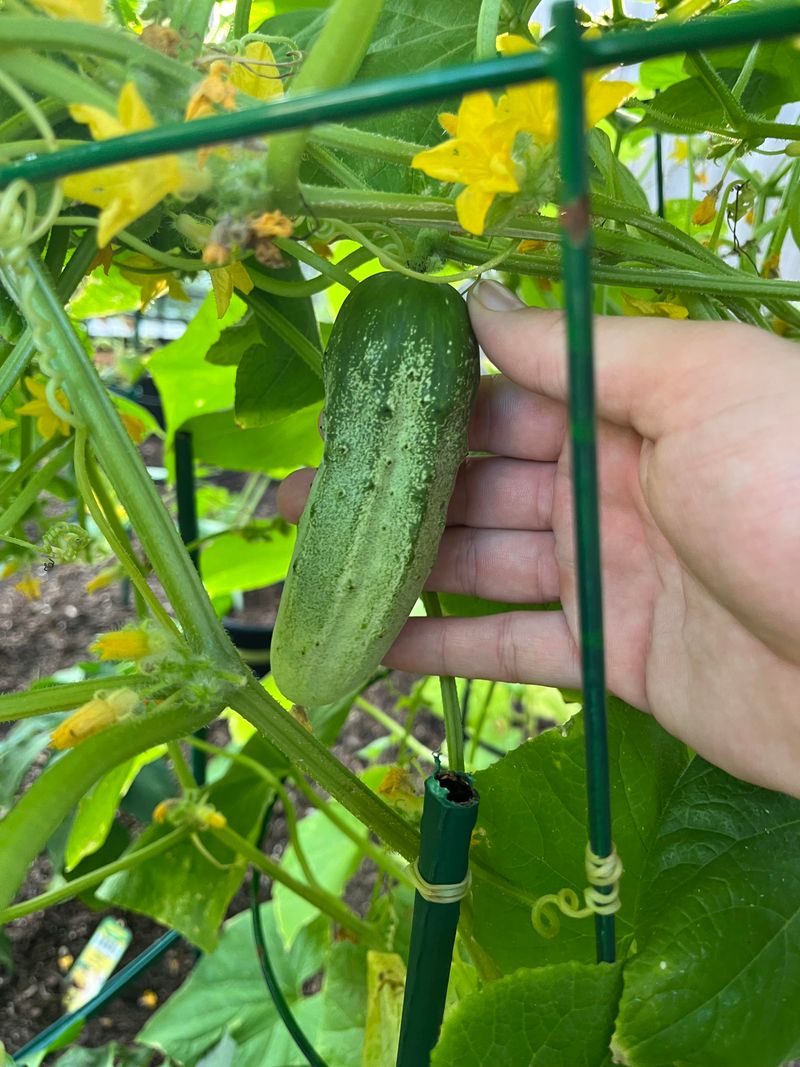
Frequent harvesting is one of the easiest habits you can build to keep your cucumbers tasting great. Most experienced gardeners check their cucumber plants every one to two days during peak season.
During a heat wave, that check becomes even more important.
High temperatures speed up the entire growth cycle of a cucumber plant. Fruit that normally takes several days to reach peak size can get there in just two or three days when it is hot outside.
If you are only checking once a week, you are almost certainly missing the window for peak flavor.
Picking cucumbers at the right size keeps cucurbitacin levels low. Young, properly sized cucumbers simply have not had enough time to build up that bitter compound.
They also tend to have thinner skins, crisper texture, and a fresher, more refreshing taste.
Bring a small basket or bag when you go out to check your plants. If a cucumber is ready, pick it right then instead of leaving it for later.
Even waiting another day in intense heat can push a cucumber past its best flavor window.
Getting into a daily harvesting rhythm during summer heat waves turns into a rewarding habit.
You end up with more cucumbers at better quality, and the plant stays more productive throughout the season.
A few minutes each morning in the garden can completely change what ends up on your dinner plate.
9. Containers Need Extra Water Checks
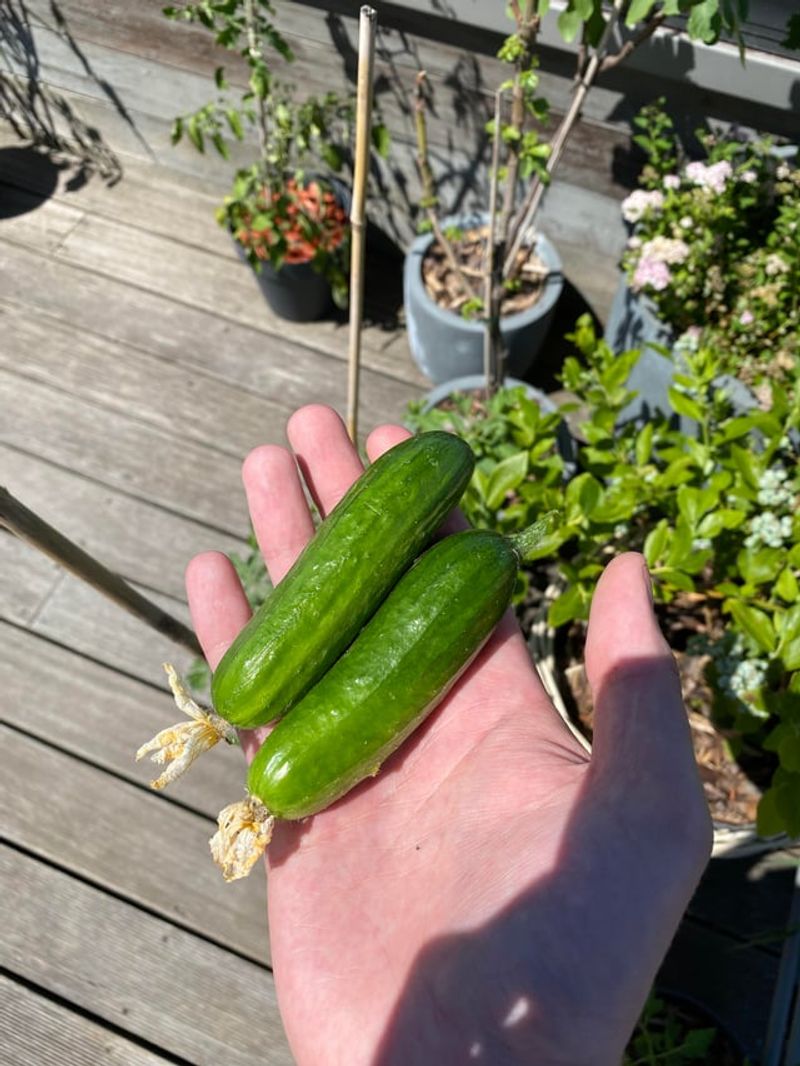
Growing cucumbers in containers is popular on patios and balconies across California. But containers come with one big challenge during a heat wave: they dry out much faster than in-ground garden beds.
A large pot sitting on a concrete patio in direct sun can heat up dramatically by midday. The walls of the container absorb heat, the soil temperature rises, and moisture evaporates quickly.
That combination creates rapid and intense stress for the roots inside.
During a heat wave, container-grown cucumbers may need watering twice a day. Morning and early evening waterings help keep the root zone stable.
Stick your finger into the soil before each watering to check moisture levels. If it feels dry two inches down, water right away.
Choosing a larger container helps a lot. Bigger pots hold more soil and retain moisture longer.
A container that is at least 15 to 20 gallons gives cucumber roots more room and more moisture buffer during hot days.
Light-colored containers also help because they reflect heat instead of absorbing it. Dark pots can get extremely hot in afternoon sun.
Moving containers to a shaded spot during the hottest part of the day is another smart move if your setup allows it.
A little extra attention to container plants during heat waves pays off in a big way. Steady moisture, smart positioning, and the right pot size keep container cucumbers tasting crisp and mild all summer long.