9 Tender Plants Virginians Need to Bring Inside After This Week’s Freeze
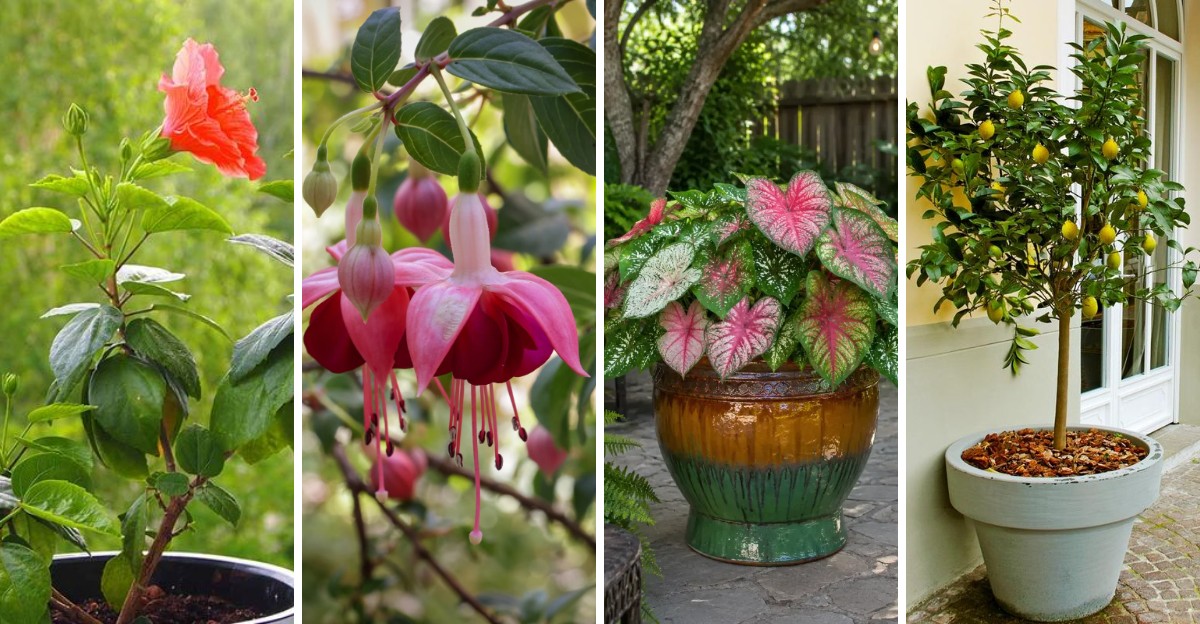
Roanoke gardeners often see their first frost around October 22, nearly four weeks before Norfolk feels that chill. That gap means a single cold week can hit Virginia yards in very different ways, depending on your address.
Many tropical favorites start sulking once nights drop into the low fifties, long before any frost appears. A true freeze at 32 degrees can turn glossy summer leaves into limp, blackened mush overnight.
I have to admit that I once lost a gorgeous potted beauty because I trusted a mild forecast. You need to act quickly after this week’s Virginia freeze, because some damage hides in tender roots.
The plants below reward a little rescue effort with bolder leaves and brighter blooms when warm weather returns. Which of these summer stars is still sitting on your porch right now, shivering in the cold?
1. Tropical Hibiscus
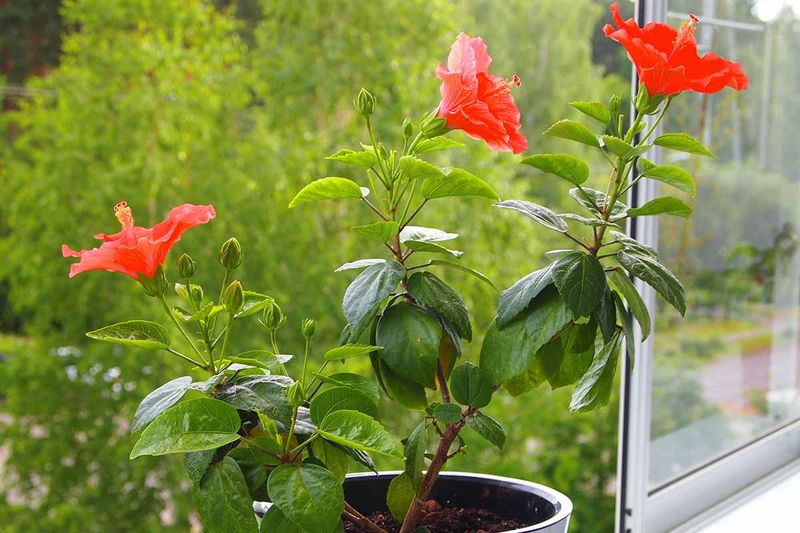
Each tropical hibiscus flower usually lasts just one day, yet the plant keeps pushing out fresh blooms for months. Those huge red or golden saucers look like party decorations, and hummingbirds visit them with obvious enthusiasm.
Hibiscus rosa-sinensis grows outdoors year-round only in USDA Zones 9 to 11, far warmer than our region. Growth and flowering stall below 50 degrees, and temperatures under 30 often finish the plant off.
If yours sat outside during this week’s freeze, check the leaves first for darkened, droopy patches. Brown or mushy leaves can be trimmed away, but firm green stems mean the plant still has hope.
Personally, I give a quick rinse with the hose before moving any hibiscus indoors for winter. That simple shower knocks off aphids and whiteflies that love to hitch a ride into your warm house.
Pick your brightest room, ideally near a south or west window, and treat it like a regular houseplant. Some leaf drop is normal during the move, so try not to panic when yellow leaves appear.
Water less often during the cool months, letting the top inch of soil dry between drinks. Hold off on fertilizer until spring, because the plant needs rest more than a big meal right now.
Good airflow helps too, so keep the pot away from crowded corners and stuffy closets. Come late spring, your hibiscus can head back outside once nights stay comfortably above the mid-fifties.
2. Zonal Geraniums
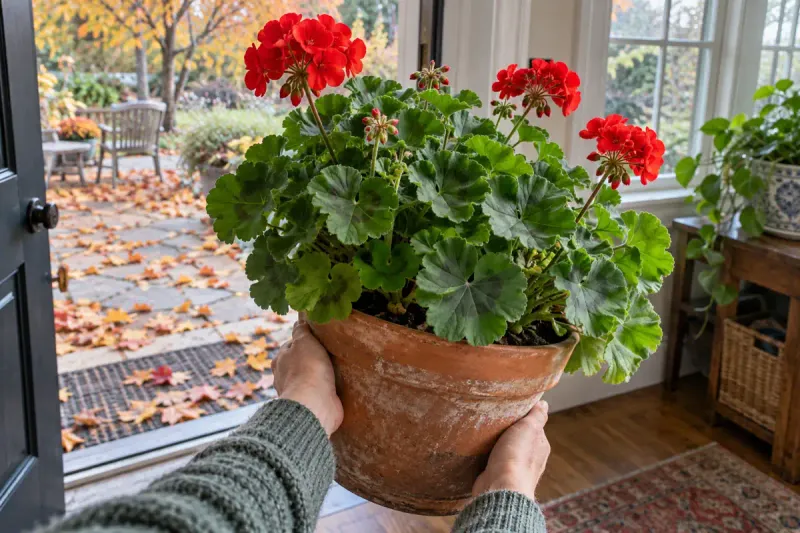
Rub a zonal geranium leaf and you might catch a sharp, earthy scent that smells like an old-fashioned garden. Those cheerful flower clusters belong to Pelargonium, a mostly South African group that differs from true hardy geraniums.
Zonal geraniums are hardy only in USDA Zones 10 and 11, so frost is a serious problem. Damage starts creeping in below 50 degrees, and a hard freeze turns stems soft and watery fast.
Check your pots this week and snip off any blackened leaves or mushy stems right away. Healthy stems feel firm when gently squeezed, and those are the parts worth saving for next season.
You have two easy options, and I honestly enjoy both depending on how much space I have. The first is setting potted plants in a cool, sunny window and letting them bloom lightly all winter.
Water sparingly indoors, because soggy soil invites rot faster than any chilly draft could. Let the top of the soil dry out before watering again, then soak the pot and drain it well.
The second option is dormant storage, which works great for gardeners with a cool basement or garage. Prune plants back by about a third, then keep them somewhere frost-free around 55 to 60 degrees.
Give them a light drink every few weeks so the roots do not shrivel up during storage. By spring, you will have sturdy plants ready to fill window boxes again for far less money.
3. Fuchsia
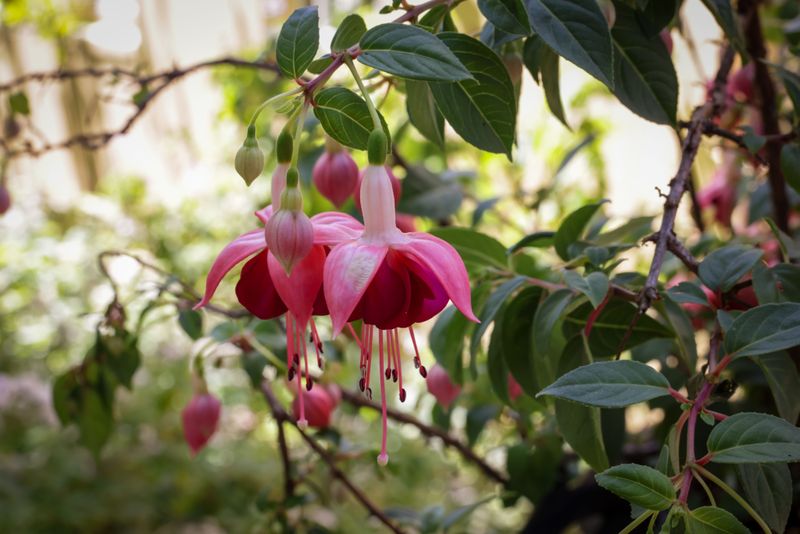
Fuchsia flowers dangle like tiny ballerinas in pink and purple skirts, twirling every time a breeze passes through. Hummingbirds adore those hanging blooms, and I love watching them zip from basket to basket all summer.
Most trailing fuchsia hybrids survive outdoors only in frost-free Zones 10 and 11, so they need our help. Stems start suffering at 32 degrees, and a hard overnight frost can ruin all the top growth.
Ideally, these baskets come inside before any forecast dips near 35 degrees, so act fast after this freeze. Cut away blackened tips, then look closely for green, flexible stems that show the plant is still alive.
One option keeps your fuchsia growing as a houseplant in a bright but cool room. Water a little less than in summer, but do not let the soil turn bone dry for long.
Dormant storage is my favorite trick for big hanging baskets that take up too much window space. Prune the plant back hard, then tuck it somewhere dark and cool, between 40 and 50 degrees.
A quick, light watering every three to four weeks keeps the roots plump without encouraging rot. Unheated basements and attached garages often work well, as long as temperatures stay safely above freezing.
When spring warms up, move the plant into brighter light and watch for fresh shoots to appear. Pinching those new tips encourages bushier growth, which means more dangling blooms for your hummingbird visitors.
4. Bougainvillea
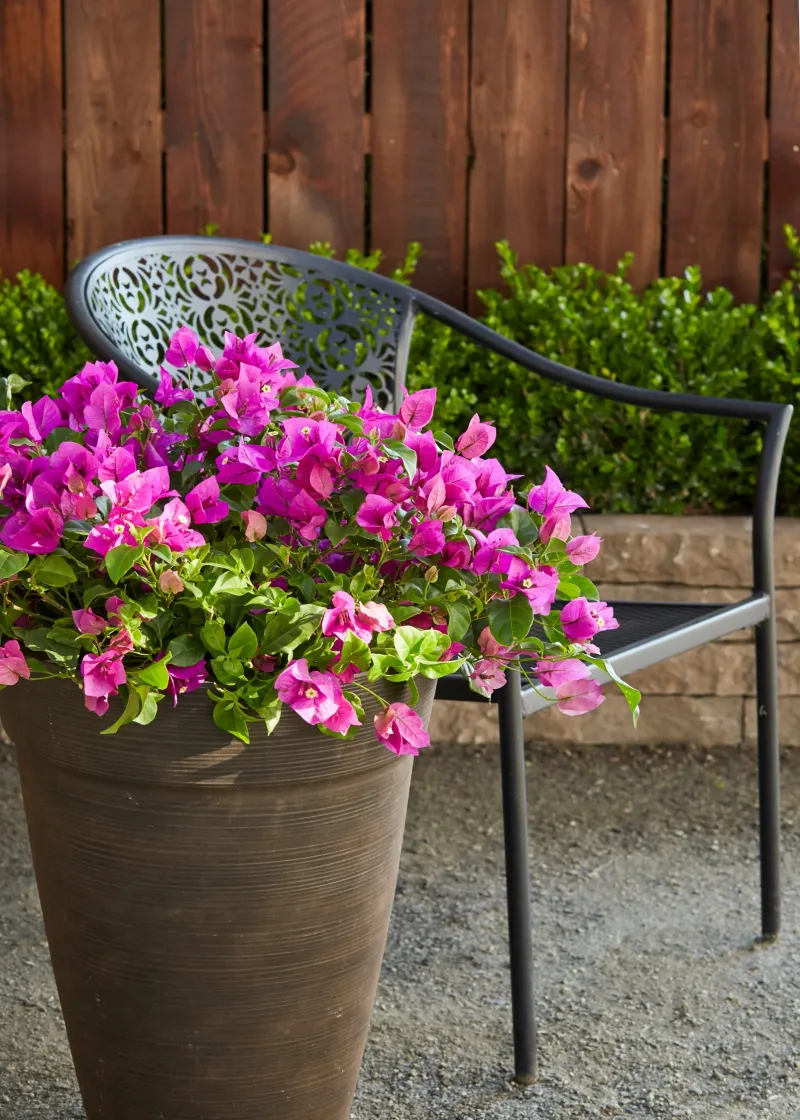
The bright color on bougainvillea is not really the flower at all, which surprises plenty of new growers. Those papery magenta or orange pieces are bracts, while the real flowers are tiny white tubes tucked inside.
Bougainvillea grows as a perennial woody vine in Zones 9 to 11, where winters stay mild. It can shrug off a very light frost, but steady temperatures below 30 degrees cause severe damage.
Growing it in a container is the smartest move here, since you can roll it indoors easily. If yours caught this week’s freeze, trim off mushy shoots and check that the main stems still feel firm.
Wear gloves before you start pruning, because many bougainvillea stems carry sharp, hooked thorns. Cut the plant back to a manageable size so it fits through doors without snagging your sleeves or furniture.
I like how forgiving this plant is about winter storage in a cool spot. An unheated garage or basement that stays above freezing works nicely, and the plant can rest with minimal light.
Water just enough to keep the roots from drying out fully, maybe once every few weeks. Expect most leaves to drop during dormancy, which is a normal part of the plant’s winter nap.
Once spring nights stay warm, bring it back outside and gradually introduce it to full sun again. Bougainvillea often blooms best when slightly root-bound and kept on the dry side, so resist overwatering.
5. Elephant Ears
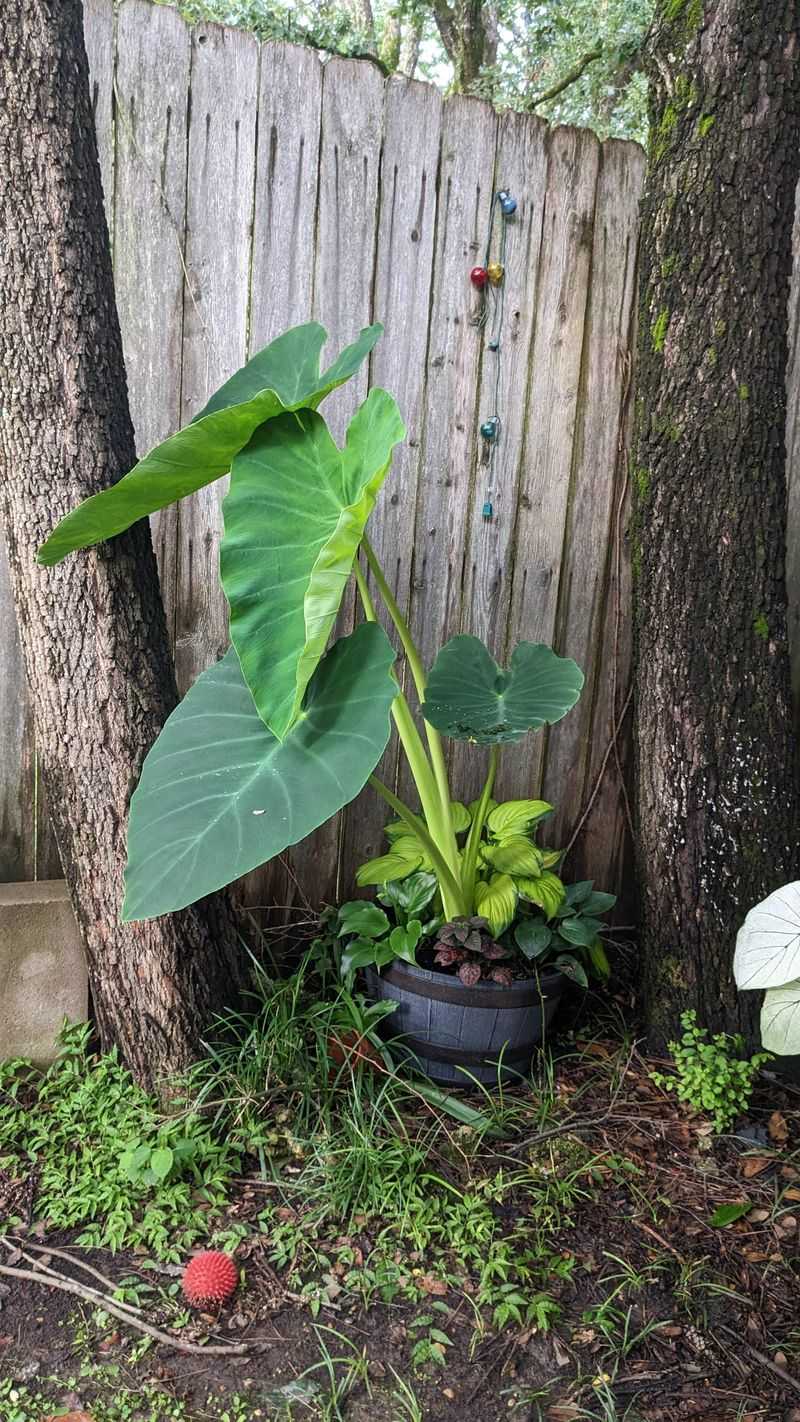
Elephant ear leaves can stretch close to two feet long, big enough to shade a sleeping cat on a hot afternoon. Those giant heart-shaped leaves come from Colocasia esculenta, a tuber that has fed people in tropical regions for centuries.
Colocasia is hardy in Zones 8 to 11, so some coastal gardeners can try leaving tubers in the ground under mulch. In colder parts of Virginia, though, lifting the tubers is the safer choice for winter.
Frost usually collapses the leaves quickly, turning them into floppy, blackened flags overnight. Once that happens, cut the stems down to about six inches so you can easily see where to dig.
Use a garden fork and start digging a little wide of the plant to avoid stabbing the tuber. Shake off loose soil, then let the tubers dry for a few days somewhere cool and shady.
Personally, I label each tuber with a marker, because different varieties look alike once the leaves are gone. That small step saves plenty of guessing when you replant next spring and want certain colors together.
Wrap each tuber in newspaper or bury them in dry peat moss inside a sturdy box. Store them in a dark, dry place that stays between 40 and 60 degrees all winter long.
Check them once a month and toss any tubers that feel soft or smell sour. The raw plant contains calcium oxalate crystals, so keep stored tubers away from curious pets and young kids.
6. Caladiums
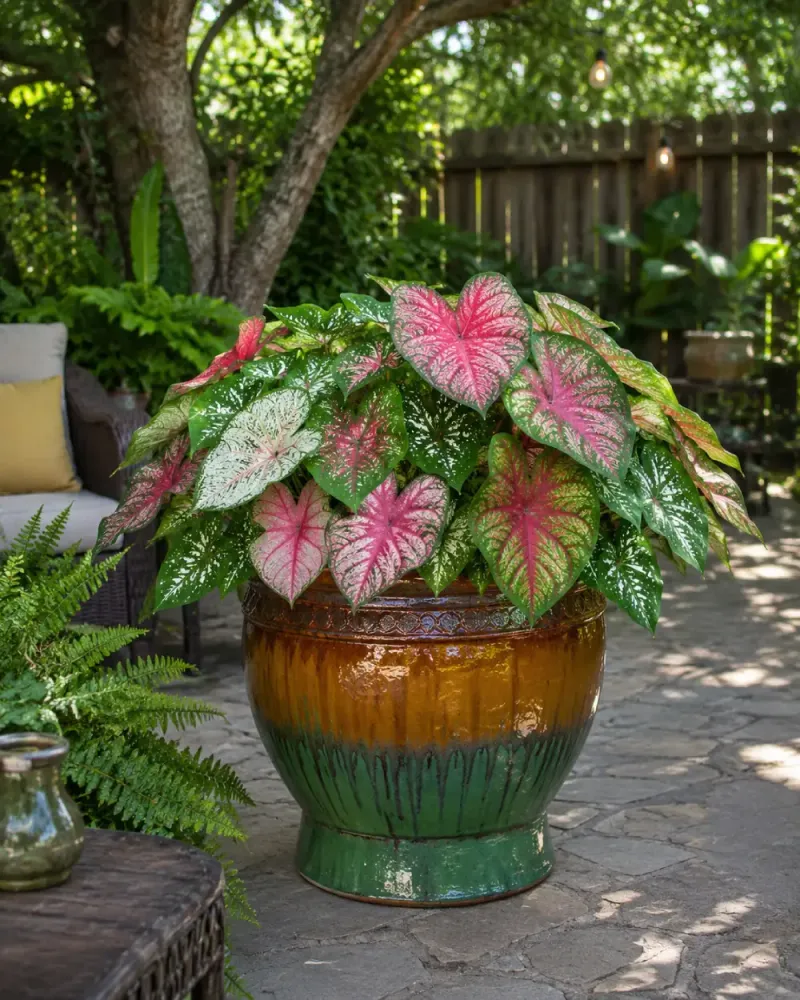
Caladium leaves look hand-painted, with pink veins and creamy splashes that seem to glow in shady corners. Honestly, I think they rank among the easiest ways to brighten a dim patio without a single flower.
Caladium bicolor is hardy only in Zones 9 to 12, which makes it extremely sensitive to cold. Even a light frost can ruin the foliage and harm the tubers sitting just below the soil.
Experts recommend digging caladiums before frost arrives, so check yours right away after this week’s cold snap. Firm tubers are still worth saving, even if the leaves above them look limp and sad.
Lift the tubers carefully with a trowel, giving them plenty of room so you avoid nicking their skin. Then let them dry for one to two weeks in a warm, shady spot with good airflow.
After drying, brush off leftover soil and trim away any old, shriveled leaves still clinging on. Pack the tubers in mesh bags or shallow boxes layered with dry peat moss or pine shavings.
Caladiums differ from many other tender bulbs in one key way, so pay close attention to storage temperature. They need warmth above 60 degrees, because cooler storage often leads to rot and disappointing sprouts next year.
A closet inside your heated home usually works much better than a chilly garage or basement. Wait until the soil warms well into late spring before replanting, since caladiums sulk in cold ground.
7. Dahlias
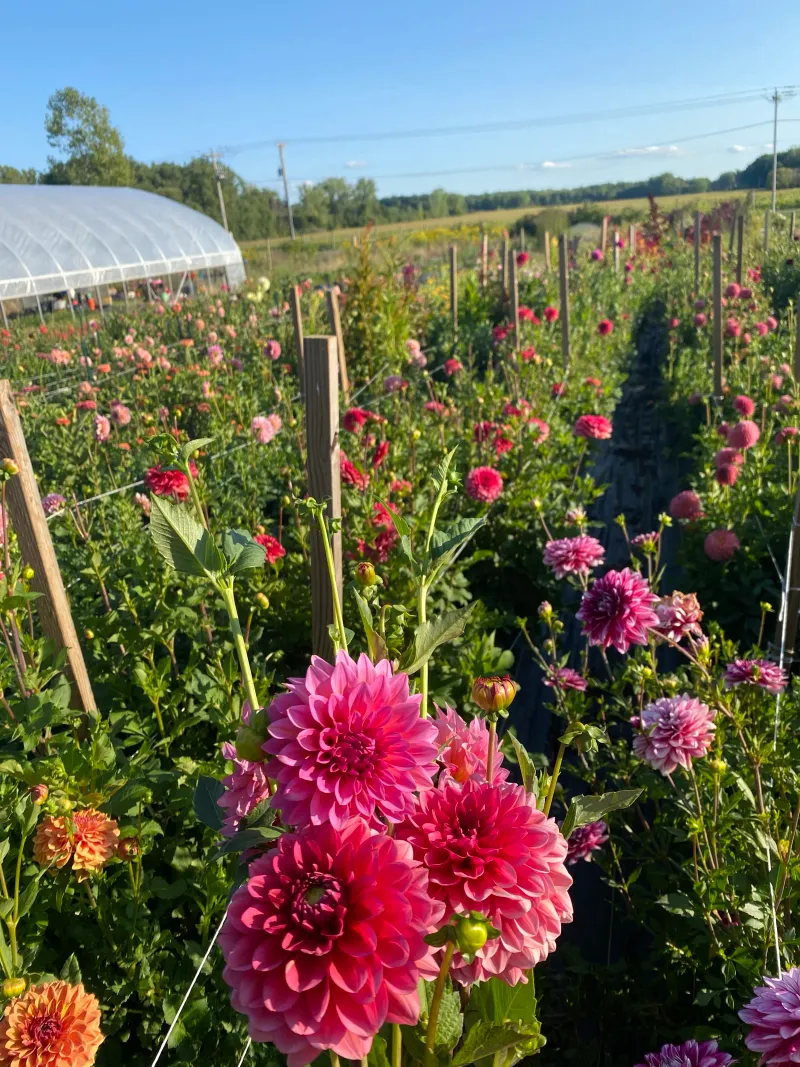
Dahlia blooms range from tidy button pompons to dinner-plate giants that can be wider than your outstretched hand. I can’t imagine a late-summer garden without them, especially when bouquets fill every jar in my kitchen.
Dahlias are tender perennials hardy in Zones 8 to 11, so most of our state treats them as annuals. Cold, wet soil causes the biggest trouble, because soggy tubers rot easily during long winters.
This week’s freeze actually gives you a helpful signal, since blackened foliage tells you dahlias are ready for lifting. Cut the stalks down to about four to six inches, leaving a handle for easier digging.
Loosen the soil in a wide circle with a fork, then gently lift the whole clump. Dahlia tubers snap easily at the neck, and a broken neck usually means that tuber will not sprout.
Shake off excess dirt and let the clumps dry in a protected spot for a day or two. You might notice small bumps near the old stem, which are the eyes that become next year’s shoots.
Store the clumps in a box filled with slightly damp peat moss or vermiculite for winter. A cool, dark place between 40 and 50 degrees keeps them resting quietly without sprouting too early.
Peek at them every few weeks, misting shriveled tubers lightly and removing any that turn mushy. In spring, replant after frost danger passes, and you will be rewarded with blooms from summer into fall.
8. Canna Lilies
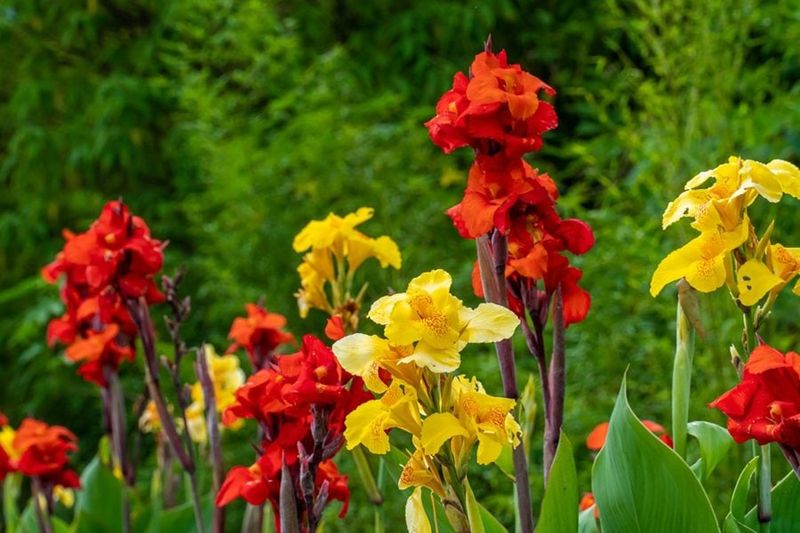
Canna lilies can shoot up three to eight feet in one season, which still amazes me every single summer. Their bold paddle-shaped leaves and flame-colored blooms make any backyard feel like a tropical resort.
Canna x generalis is generally hardy in Zones 7 to 11, so warmer eastern gardens sometimes overwinter them under thick mulch. Gardeners in colder western and mountain areas usually lose rhizomes left outside through freezing winters.
Frost typically flattens the foliage, leaving brown, droopy leaves that look a little embarrassing along the fence. Once that happens, cut the stems back to about four to six inches before you start digging.
Canna rhizomes spread sideways into chunky clumps, so dig wide and lift slowly with a sturdy fork. Expect a heavy, muddy mass, especially if your cannas grew near a downspout or soggy spot.
Let the rhizomes dry for a few days out of direct sun and away from rain. I like to split large clumps now, since each section with a visible eye can grow into a new plant.
Store them in slightly moistened vermiculite or peat moss, inside crates or cardboard boxes with some airflow. A cool location between 40 and 50 degrees keeps the rhizomes firm and resting until spring.
Check stored rhizomes monthly and remove soft or moldy pieces before trouble spreads to the rest. Many gardeners start them in pots a few weeks before the last spring frost for an earlier show.
9. Potted Citrus Trees
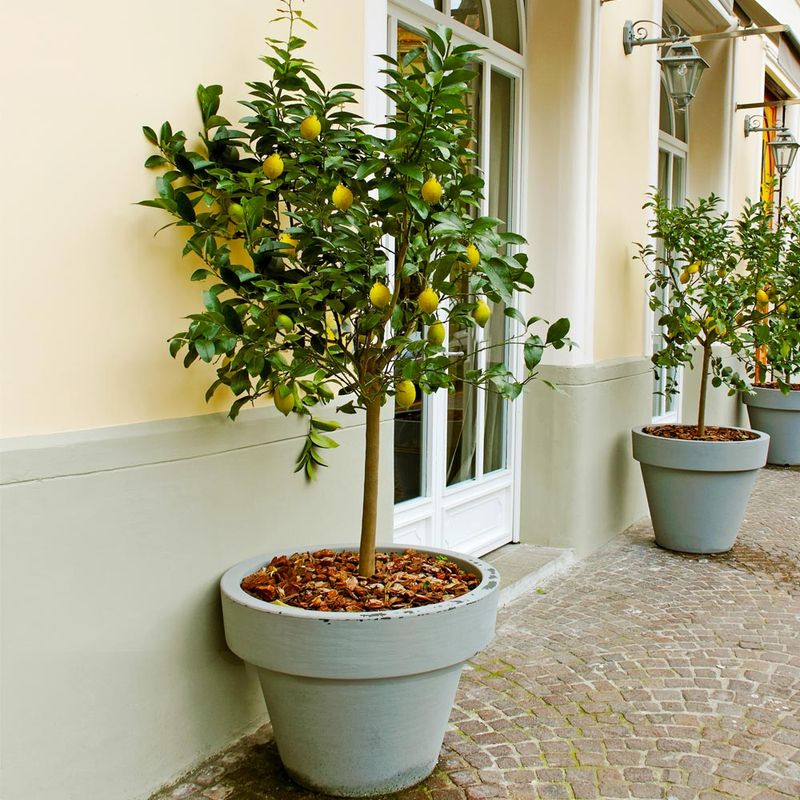
Few things feel as fancy as picking a homegrown lemon in January from a pot in your living room. Citrus blossoms also fill a room with a sweet scent that honestly rivals any candle I have owned.
Most citrus trees are hardy only in Zones 9 to 11, which means containers are the practical path here. Trees usually cannot handle temperatures below about 25 degrees, and chilly weather under 50 slows them down.
If your potted tree stayed outdoors during the freeze, look for curled or water-soaked leaves along the outer branches. Leave damaged twigs alone for now, since waiting until spring shows you exactly which branches recovered.
Move the tree to your sunniest spot, ideally beside a south-facing window that gets strong winter light. Citrus prefers six to eight hours of direct sun, so a grow light can help fill the gap.
Water less often indoors, but do not let the soil dry out fully between drinks. Push a finger two inches into the potting mix, and water when that depth feels dry to the touch.
Indoor heat dries the air quickly, so keep the tree away from heating vents and drafty doors. Gentle airflow from a small fan helps discourage scale insects and spider mites from settling in.
Feed lightly with a citrus fertilizer only if the tree shows active growth or ripening fruit. When spring nights warm up, ease it back outside gradually to prevent sunburn on those glossy leaves.