What It Really Means When A Pileated Woodpecker Claims Your Virginia Yard
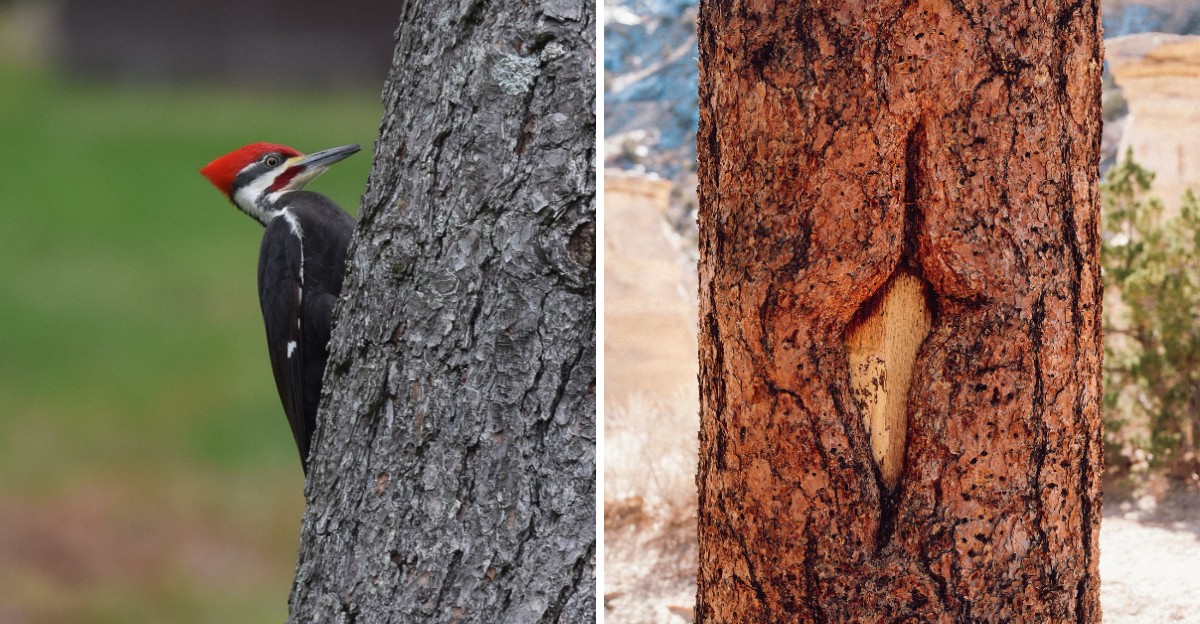
That red-crested giant hammering your oak just exposed a secret hiding inside the trunk. Meet the pileated woodpecker, a crow-sized bird with a laugh built for Hollywood.
Virginia hosts plenty of woodpeckers, yet this species dwarfs its cousins. Its target is carpenter ants tunneling through soft heartwood you cannot see. You will spot rectangular holes, some deep enough to split a young tree.
So the chips on your porch carry a warning about your tree’s hidden condition. Surprisingly, this bird devours the very pests weakening your timber from within.
Federal law protects it, so you cannot trap, harm, or relocate it without a permit. Abandoned cavities on your property later shelter owls, bats, and wood ducks.
Across Virginia, smart homeowners like you read these clues before calling an arborist. Your trees are sending a message through this bird, and it starts right here.
A Hidden Ant Buffet Inside Your Trees
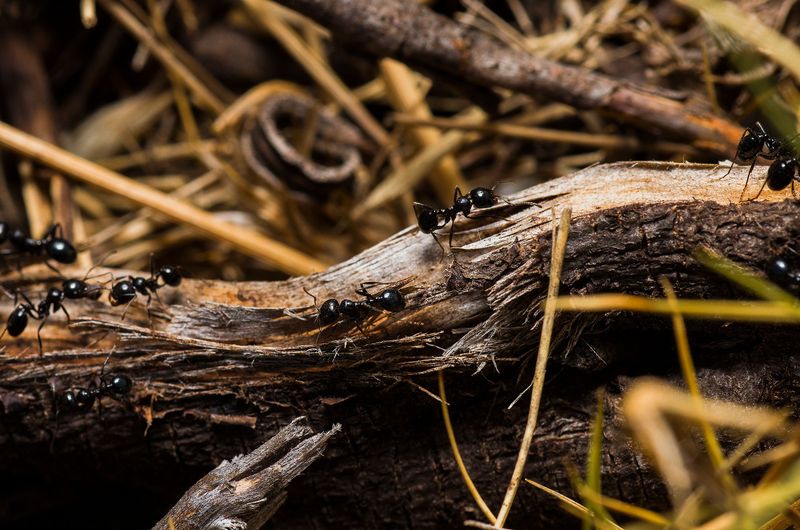
Your yard just passed a food inspection, and the inspector wears a bright red crest. Pileated woodpeckers choose spots where carpenter ants and beetle grubs are hiding in wood.
Carpenter ants make up a huge share of their diet in Virginia. Researchers once found over two thousand ants in a single pileated’s stomach.
Those big rectangular holes are the clue to watch for. The bird chisels deep, boxy openings to reach ant tunnels running through soft, rotting heartwood.
A hole like that often means the tree already had hidden decay before the bird showed up. The woodpecker did not cause the rot, but it found it quickly.
In other words, your visitor is acting like a free tree inspector with a very loud tool. Its work points you toward trunks that deserve a closer look.
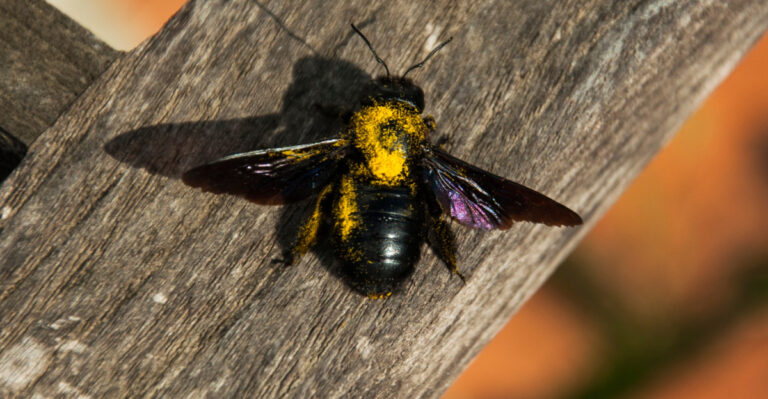
Check the base of any drilled tree for sawdust piles, and watch for winged ants in spring. Those signs suggest a busy colony that may also wander toward your house.
Oaks, maples, tulip poplars, and old pines are common targets across Virginia neighborhoods. Stumps and fallen logs attract attention too, since ants love damp, softened wood.
Grab a notebook and jot down which trees get the most visits. A pattern over a few weeks tells an arborist exactly where to start.
So take the drumming as useful news rather than an insult to your landscaping. Your trees are talking, and this bird is translating the message.
September Signals And The Fall Feeding Rush
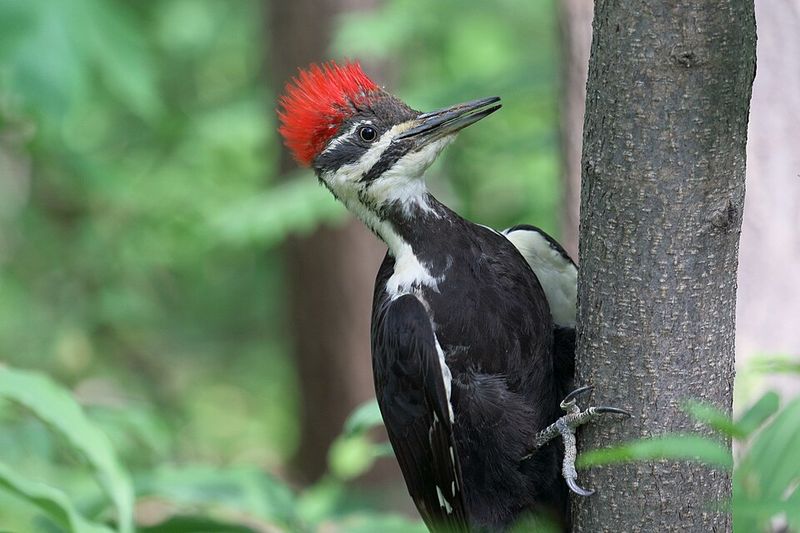
September in Virginia brings cooler mornings, goldenrod, and a surprising uptick in woodpecker noise. That timing is no accident, and it has everything to do with food.
Young pileateds hatched in spring are now on their own and searching for territory. Many of them wander into suburbs looking for good trees and fewer rivals.
Adults are busy too, since fall is prime time to bulk up before winter. Ant colonies slow down as temperatures drop, so birds dig harder to reach them.
You may also notice them snacking on wild grapes, dogwood berries, and poison ivy fruit. Fruit gives quick energy during these shorter autumn days.
Your Virginia Garden Changes Every Week. Your Plan Should Too.
Gardening in Virginia changes quickly throughout the season. Every Friday you’ll receive a simple weekly plan showing exactly what to plant, prune, fertilize, harvest, and protect so you never miss the right timing.
A pair that sticks around through fall is likely claiming the space for the long haul. Pileated woodpeckers keep the same territory year-round and stay loyal to it.
Drumming peaks in late winter and spring, but fall calls still announce ownership. Think of it as a noisy fence line drawn in the air.
Roosting holes get carved around now as well, giving the birds a snug bedroom for cold nights. These cavities often have more than one exit for safety.
Watch at dawn and dusk, when the birds fly to and from roosts. A steady routine means your yard has officially made their short list.
Keep binoculars near the back window this month for the best show. Early fall offers some of the clearest views before winter weather settles in.
The Big Mistake Of Cutting Every Scarred Tree
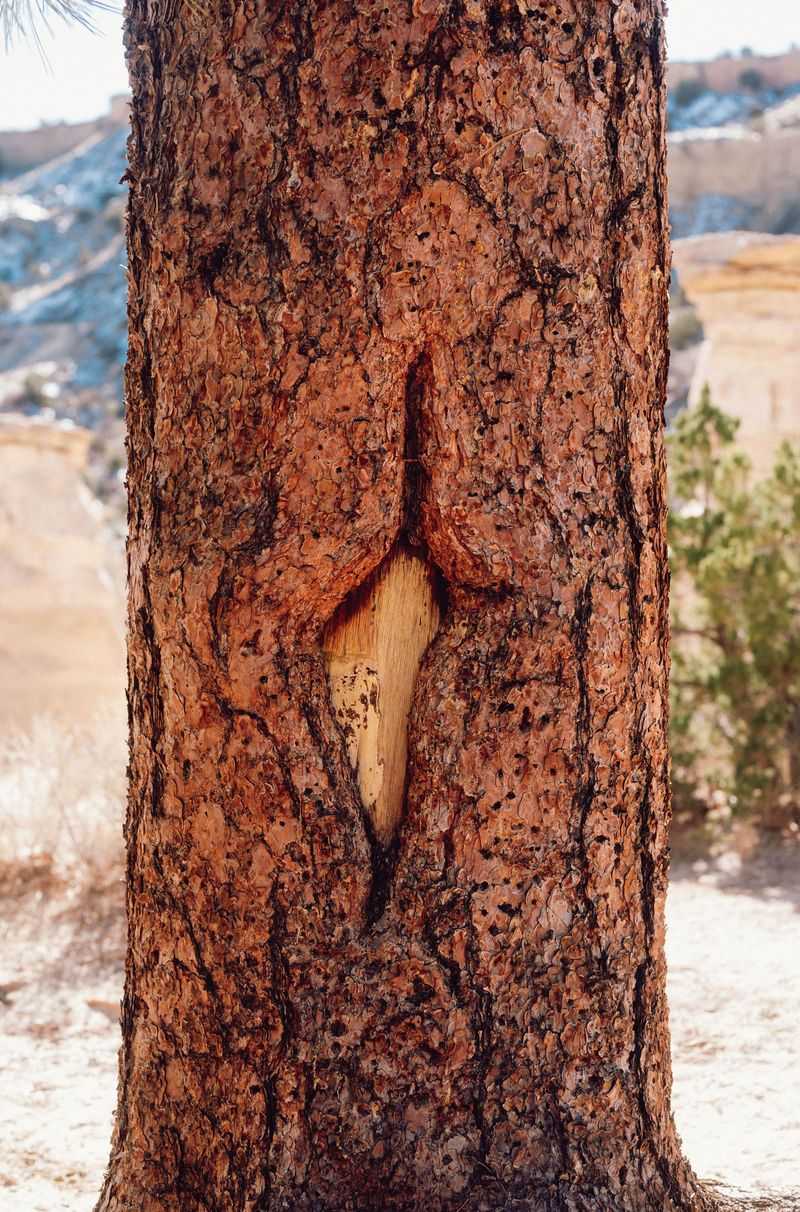
Chainsaw first, questions later is a plan many homeowners regret by spring. A tree with woodpecker holes is not automatically a hazard waiting to fall.
Some trees carry decay for decades and still stand strong through storms. The holes simply reveal what was happening quietly inside the trunk.
Removing a healthy-but-holey tree sends your feathered guest packing to another neighborhood. You also lose shade, habitat, and years of natural beauty in one afternoon.
A second common error is trying to scare the bird away with poison or traps. Pileated woodpeckers are protected under the federal Migratory Bird Treaty Act.
Harming the bird or destroying an active nest can result in federal penalties. Virginia also protects nongame birds under state law. For serious damage, the U.S. Fish and Wildlife Service can issue depredation permits.
Another mistake is spraying pesticides on every trunk to wipe out the ants. Chemicals can harm helpful insects, pets, and the birds eating those ants.
The smarter move is calling a certified arborist before making any big decision. An expert can test wood strength and tell you whether the tree poses real risk.
Many Virginia arborists offer quick assessments for a modest fee. That small cost beats paying thousands to remove a tree that could have stayed.
If a tree must come down near the house, consider leaving a tall stump elsewhere. A safely placed snag keeps the bird happy while protecting your roof.
Patience pays off here more than power tools ever will. Slow down, gather facts, and let the evidence guide your next step.
Smart Protection For Siding And Favorite Trees
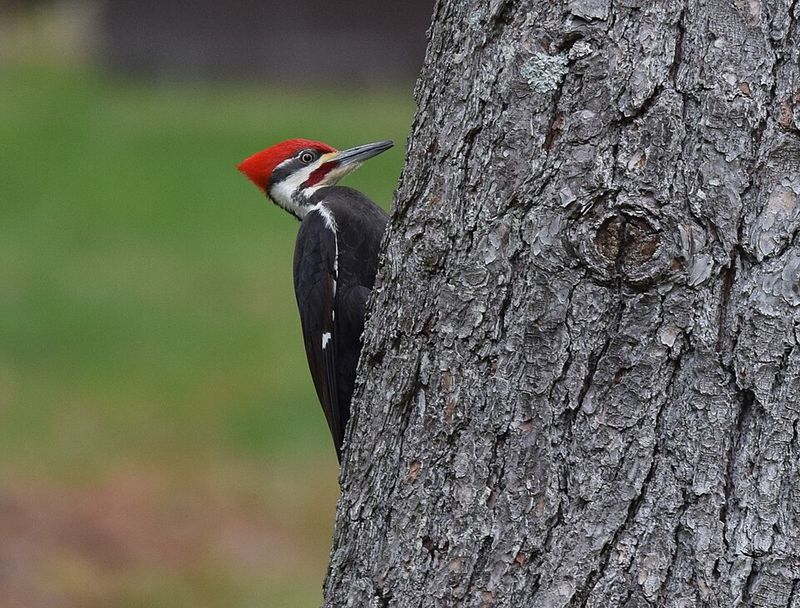
Waking up to a hole in your cedar siding can be frustrating. Smaller woodpeckers, like downy woodpeckers and flickers, cause most siding damage, but pileateds occasionally join in.
Start by checking the damaged spot for carpenter ants, bees, or moisture. Fixing the insect problem removes the main reason for the visit.
Next, patch holes with wood filler or caulk and paint them to match. Fresh repairs discourage the bird from returning to an easy work site.
Lightweight bird netting hung a few inches from siding works surprisingly well. The birds cannot reach the wall, and the netting stays hard to see.
Shiny scare tape, old CDs, or pinwheels can startle a curious drummer. Move them every few days so the bird does not get used to them.
For prized trees, wrap hardware cloth loosely around the damaged section of trunk. Leave space for growth and check the wrap each season.
A suet feeder placed away from the house may draw the bird’s attention elsewhere. Pileateds love suet in cooler months, especially in large cage feeders.
Place it near a sturdy tree trunk, since these big birds like to brace their tails. A tail-prop feeder design makes feeding easier for them.
Snap photos of any damage before repairs for insurance or future reference. Records help you spot new trouble faster next season.
Most of these fixes cost less than a pizza night and take an afternoon. Your home stays intact, and your red-crested neighbor still eats well.
A Healthier Backyard Ecosystem Over Time
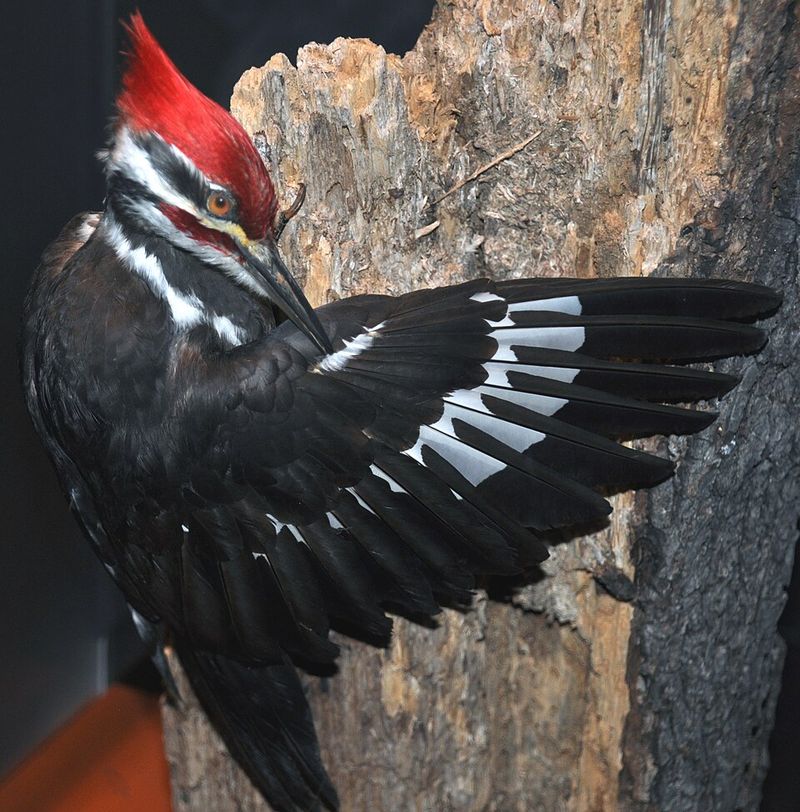
Old-timers across the South, including parts of Virginia, called this bird the logcock. Many rural families saw it as a sign of rich, mature woods nearby.
That idea still holds true in modern Virginia yards. A resident pileated suggests mature trees, plenty of insects, and room for wildlife to flourish.
Their abandoned holes become homes for other creatures once the woodpeckers leave. Owls, wood ducks, flying squirrels, and even bats may move into empty cavities.
Scientists call animals like this keystone excavators because so many others depend on their work. One bird can quietly support a whole apartment complex of neighbors.
Fewer ants in the trees may mean less chance of ants spreading toward your home. Chips and sawdust left behind break down and enrich the soil below. Fungi and beetles take over from there, recycling wood back into the earth.
Over several years, you might notice more bird species visiting your feeders. Healthy habitat tends to attract variety, much like a busy farmers market draws crowds.
Kids in the family get a front-row seat to real wildlife behavior too. Watching a crow-sized bird hammer away beats most screen time by a mile.
Many families start keeping bird journals after their first sighting. Those notes become treasured records of seasons shared with a wild neighbor.
In the long run, your yard becomes part of a bigger living network. That is a quiet honor worth celebrating with a second cup of coffee.
A Winter-Ready Yard Plan For Both Of You
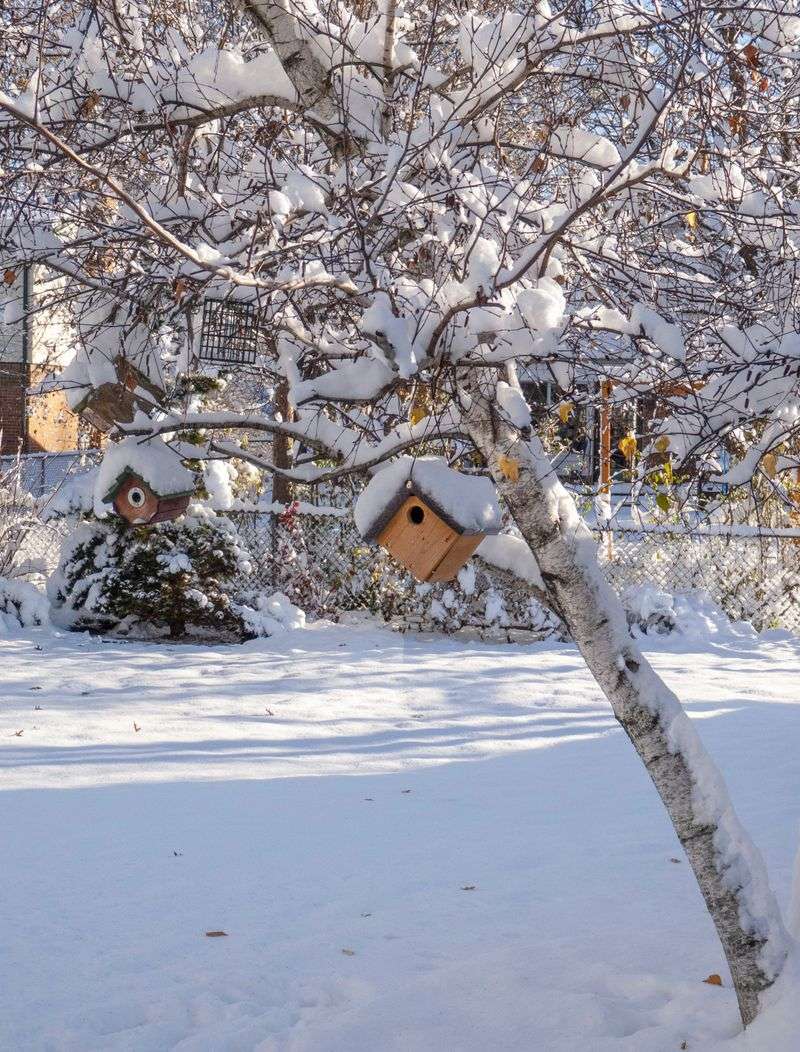
Think of fall as the planning season for a peaceful partnership with your woodpecker. A little prep now prevents headaches when winter storms roll through.
Walk your property and mark trees with heavy damage near roofs, driveways, or play areas. Those are the ones worth showing an arborist before leaves drop.
Trees far from buildings can often stay as wildlife snags. Trimming off loose upper limbs makes them safer while keeping the trunk available for feeding.
Keep a few fallen logs in a shady corner if you have space. Ants move in, and your visitor will happily dig there instead of your deck.
Plant native berry producers like flowering dogwood, American holly, and Virginia creeper. Fall is a great planting window in Virginia since roots settle before spring.
Seal cracks in siding, trim, and eaves before cold weather arrives. Tight, dry wood gives insects fewer places to hide and birds fewer reasons to knock.
Set up a suet feeder by late October so the bird learns where the snacks are. Stick with plain or insect-based suet, and skip heavy seed mixes.
Check feeders weekly and toss any suet that turns soft or smelly. Clean gear keeps every backyard guest healthy through the cold months.
Next spring, the pair may nest nearby if your yard feels safe and stocked. Give them space, keep pets indoors at dawn, and enjoy the show.
Your yard does not need to be perfect, just thoughtful. Balance is the goal, with a sound house and a happy bird sharing the neighborhood.