Tennessee Gardeners’ Options For Handling Heavy Zucchini Production In July
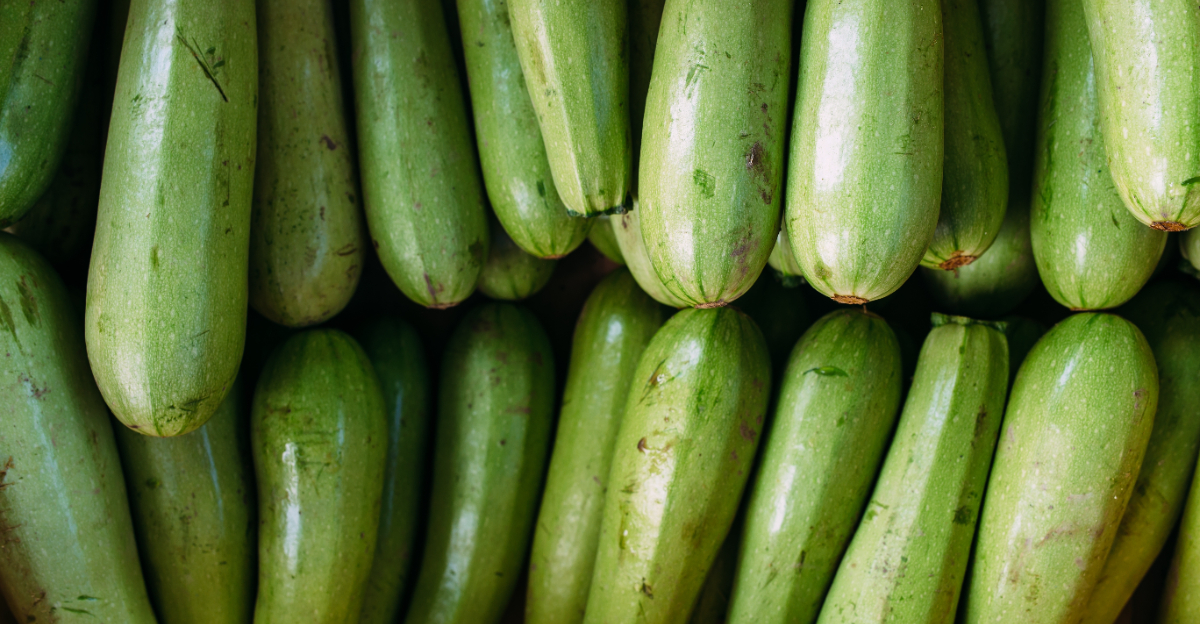
Zucchini plants in Tennessee do not ease into production, they take over almost overnight. A few small squash on Monday can turn into a wheelbarrow load by the weekend, and most gardeners are caught off guard every single year.
This kind of abundance is a strange problem to have. Too much of a good thing still means scrambling for a plan before the squash turns tough on the vine.
Gardeners in Nashville dealing with raised beds face the same overflow as growers working long rows in East Tennessee’s hill country. The volume changes, but the panic when the harvest outpaces the kitchen does not.
Figuring out where all that squash can go, from the freezer to the neighbor’s porch, turns a chaotic harvest into a manageable one. A little planning now means less waste and fewer zucchini loaves nobody asked for.
1. Picking Often Keeps The Plant Producing Steadily
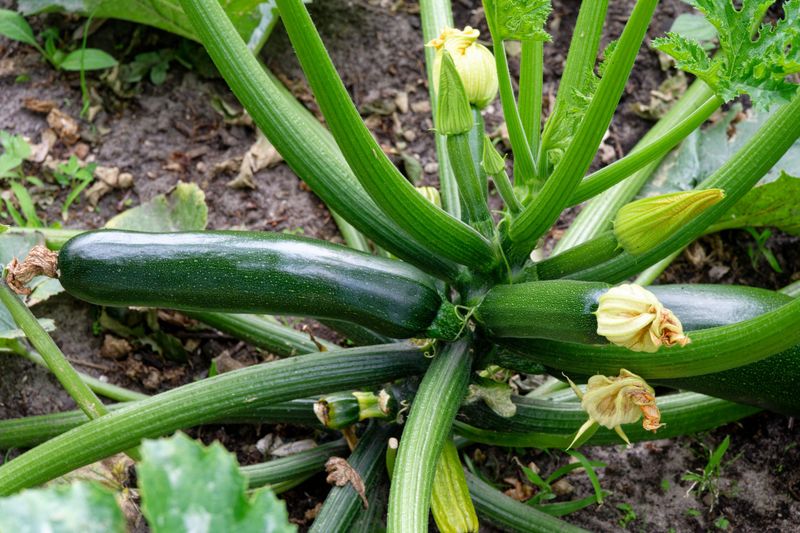
Zucchini plants are sneaky growers, and July in Tennessee is their peak performance month. A squash that looks small in the morning can turn into a baseball bat by evening.
Picking your zucchini every single day is not optional during heavy production. The plant signals itself to slow down when fruit stays on the vine too long.
Harvest squash when they are six to eight inches long for the best flavor. Bigger zucchini taste watery and have tough seeds that most cooks prefer to avoid.
Use a clean knife or garden shears to cut each squash from the stem. Pulling or twisting can damage the vine and set back your whole plant.
Morning hours are the best time for harvesting, before the Tennessee heat causes the fruit to soften slightly on the vine. Squash picked after ten o’clock often feels warm and slightly limp compared to what comes off the vine at sunrise.
Frequent harvesting sends a clear message to the plant: keep producing. Gardeners who check their patch daily often get noticeably more yield than those who check every few days.
Missing even two days during a Tennessee July heat wave can mean zucchini the size of a small log. Those oversized ones are still useful, but the plant slows down trying to ripen them.
Keep a basket near your garden gate so picking becomes a daily habit. A quick morning walk through the patch takes less than five minutes and makes a huge difference in total output.
Consistent harvesting is truly the foundation of managing heavy Tennessee zucchini production in July. The more you pick, the more your garden rewards you with fresh, tender squash all season long.
2. Cooking Fresh Zucchini Into Everyday Meals
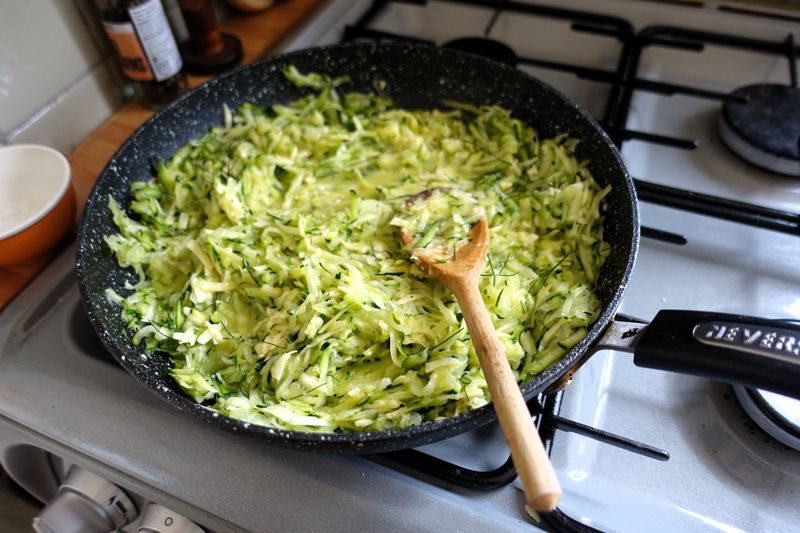
Fresh zucchini from your Tennessee garden is one of the most flexible vegetables you can grow. It soaks up flavors beautifully and disappears into dishes without much resistance from picky eaters.
Saute thin slices in butter with garlic and a pinch of salt for a side dish ready in under ten minutes. Add a squeeze of lemon and some fresh herbs from the garden to make it feel fancy.
Your Tennessee Garden Changes Every Week. Your Plan Should Too.
Gardening in Tennessee changes quickly throughout the season. Every Friday you’ll receive a simple weekly plan showing exactly what to plant, prune, fertilize, harvest, and protect so you never miss the right timing.
Zucchini noodles, sometimes called zoodles, are a crowd-pleaser that uses up a lot of squash fast. A simple spiralizer tool turns one large zucchini into a full bowl of noodles in seconds.
Toss those noodles with marinara sauce, pesto, or even just olive oil and parmesan. Your family gets a satisfying meal, and you reduce your squash pile at the same time.
Stuffed zucchini boats are another smart option when you have oversized squash on hand. Cut them in half lengthwise, scoop out the seeds, and fill with ground beef, rice, and tomatoes before baking.
Grilling zucchini is a summer staple in many Southern backyards. Slice them thick, brush with olive oil, season with salt and pepper, and let the grill do the work.
A quick zucchini and corn skillet captures the taste of a Tennessee summer in one pan. Fresh corn kernels, diced squash, and a little butter cook down into a side dish that pairs with almost any main course.
Adding diced zucchini to scrambled eggs, pasta dishes, and stir-fries stretches your meals without anyone noticing. The squash blends right in and adds moisture and nutrition to whatever you are already making.
Cooking creatively with fresh zucchini keeps your kitchen exciting all through the Tennessee summer harvest season.
3. Baking It Into Breads And Other Treats
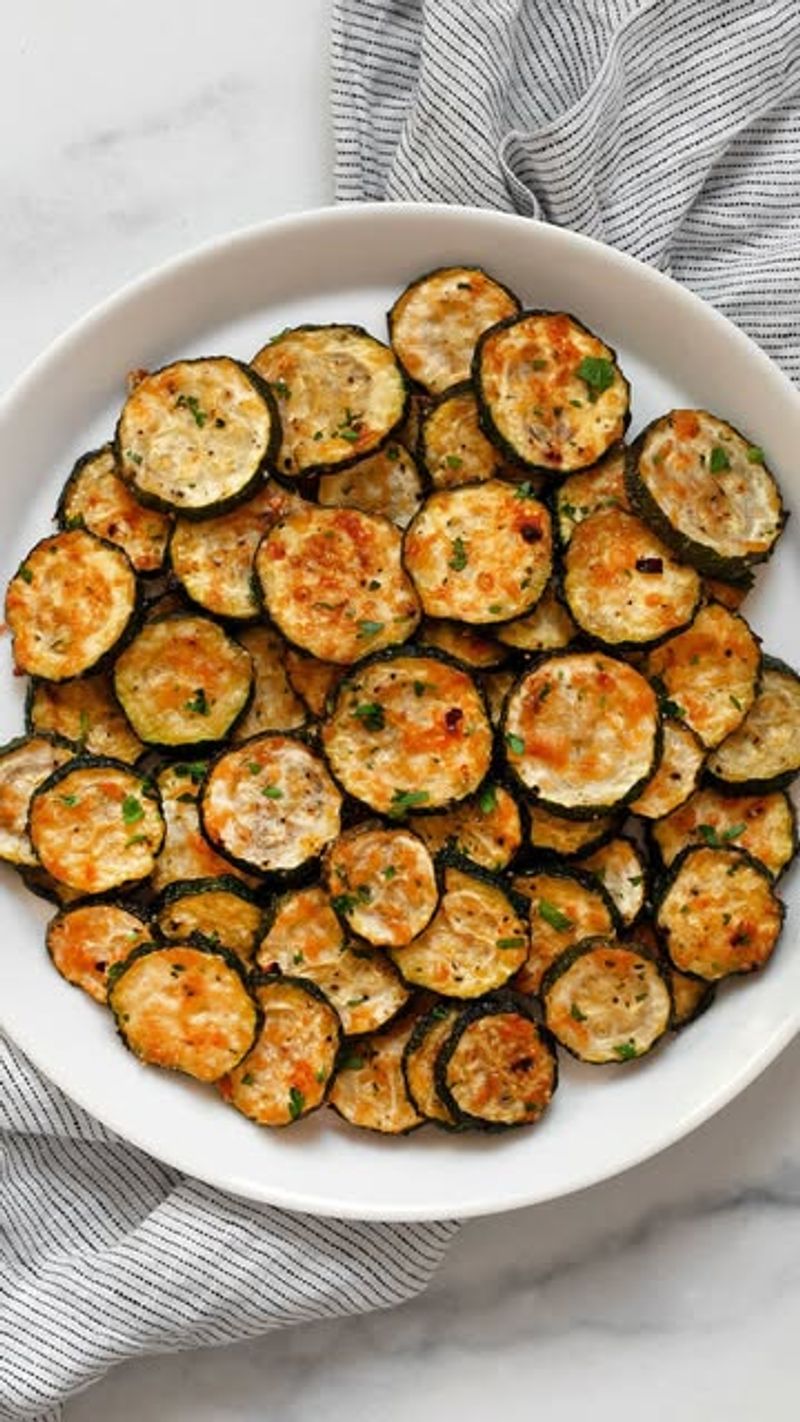
Zucchini bread is practically a Tennessee summer tradition, and for good reason. One large squash can yield enough shredded zucchini to make two full loaves without breaking a sweat.
The moisture in zucchini keeps baked goods tender and soft for days after baking. Most people who eat zucchini bread have no idea there is a vegetable hiding inside every slice.
A basic zucchini bread recipe uses flour, sugar, eggs, oil, cinnamon, and shredded squash. Mix the wet and dry ingredients separately, combine them gently, and bake at 350 degrees for about an hour.
Add chocolate chips, walnuts, or a swirl of cream cheese to make your loaves feel extra special. These small additions turn a simple quick bread into something guests will ask you to make again.
Zucchini also works beautifully in muffins, which bake faster and are easier to share. A batch of twelve muffins uses one medium zucchini and takes only about twenty-five minutes in the oven.
Chocolate zucchini cake is a hidden gem that shocks everyone at the dessert table. The squash keeps the cake incredibly moist while the chocolate flavor takes center stage.
Zucchini pancakes make a fun weekend breakfast that puts even more squash to good use. Shredded zucchini mixed into pancake batter adds a subtle sweetness that pairs perfectly with maple syrup.
Shred your extra zucchini and freeze it in two-cup portions inside zip-top bags. Pull a bag out in January and bake a loaf that tastes like a warm Tennessee July afternoon.
Baking is one of the most satisfying ways to handle heavy zucchini production, turning garden overflow into gifts, snacks, and sweet memories worth sharing all summer long.
4. Freezing Zucchini For Use Later In The Year
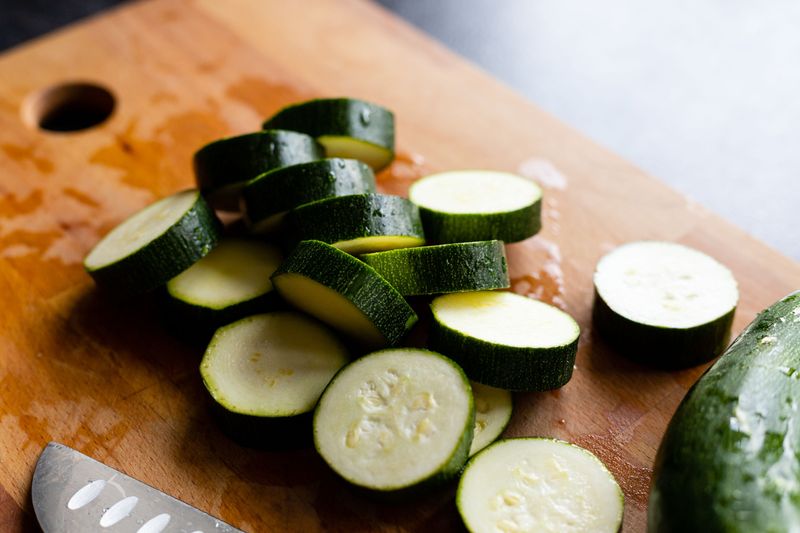
Freezing is one of the smartest moves a Tennessee gardener can make when the zucchini patch goes into overdrive. A few hours of prep work in July can stock your freezer with months of ready-to-use squash.
Start by washing your zucchini thoroughly and trimming off both ends. Then decide how you want to cut it based on how you plan to cook it later.
Diced zucchini works well in soups, casseroles, and pasta dishes throughout fall and winter. Shredded zucchini is perfect for baking projects and can be measured into portions before freezing.
Blanching before freezing is a step worth taking for diced pieces. Drop them into boiling water for two minutes, then move them straight into an ice bath to stop the cooking process.
Blanching preserves the color, texture, and nutrients far better than freezing raw squash alone. Skip this step and your zucchini may turn mushy and lose its appealing bright green color.
Shredded zucchini does not need blanching before freezing, which makes it the easiest option for busy gardeners. Just squeeze out the excess moisture with a clean towel before packing it into bags.
Label every bag with the date and portion size so you know exactly what you have on hand. A permanent marker and a small piece of masking tape on each bag keeps the freezer organized all season.
Frozen zucchini from your July Tennessee harvest will bring fresh garden flavor to your meals long after the growing season ends.
5. Turning Zucchini Into Soups And Sauces

Zucchini soup is the kind of dish that surprises people with how good it actually tastes. Blend it smooth and it becomes a silky, vibrant green bowl of comfort that uses a ton of squash in one pot.
A basic zucchini soup starts with olive oil, onion, garlic, and chopped squash cooked until tender. Add broth, season with salt and pepper, then blend until the mixture turns silky smooth.
A squeeze of lemon and a handful of fresh basil takes this soup from simple to spectacular. Serve it warm in July or chill it for a refreshing cold soup on a hot Tennessee afternoon.
Zucchini pasta sauce is another clever way to burn through your garden overflow fast. Saute grated or diced zucchini with garlic, tomatoes, and Italian herbs until everything breaks down into a rich, chunky sauce.
That sauce freezes beautifully in mason jars or freezer bags for future pasta nights. Pull it out in October when fresh garden produce feels like a distant memory.
Zucchini also blends seamlessly into tomato-based sauces without changing the flavor dramatically. Grate it finely and stir it in, and most people will not even notice it is there.
Curry-style zucchini soup with coconut milk and ginger is a bold option for adventurous cooks. The squash soaks up warm spices and creates a thick, satisfying bowl that feels nothing like a traditional vegetable soup.
Soups and sauces are true workhorses for managing Tennessee zucchini production in July without wasting a single squash.
6. Pickling Or Preserving For Longer Storage
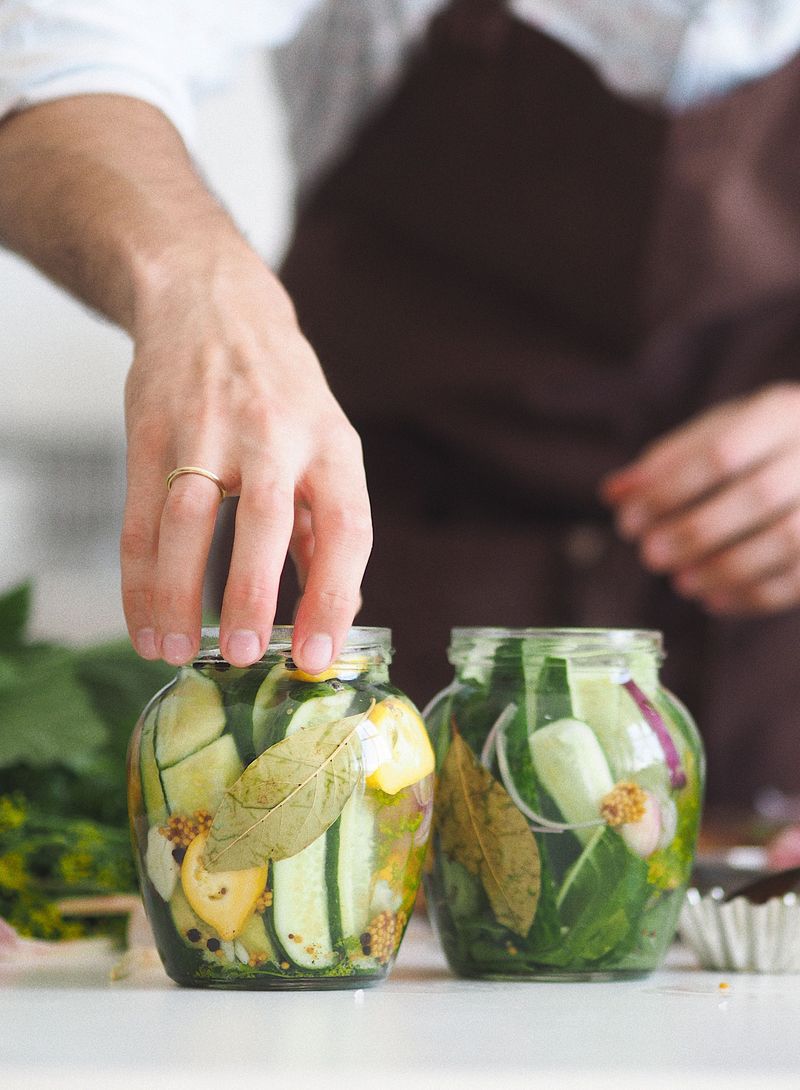
Pickling zucchini is a smart solution for gardeners drowning in squash every July. A few jars of pickled squash can last for months in the refrigerator or even longer when properly canned.
Quick refrigerator pickles are the easiest starting point for beginners. Slice your zucchini thin, pack it into clean jars, and pour over a warm brine of vinegar, water, sugar, and salt.
Add fresh dill, garlic cloves, and red pepper flakes to give your pickles a bold Southern kick. Let the jars cool, seal them, and refrigerate for at least twenty-four hours before tasting.
Those pickles will keep in the fridge for up to three weeks and taste great on sandwiches, burgers, and charcuterie boards. Guests at summer cookouts are often impressed when you mention they came from your backyard garden.
Water bath canning takes pickling to a more permanent level and does not require much extra equipment. A basic canning kit and some standard mason jars are all you need to get started safely.
Follow a tested canning recipe from the National Center for Home Food Preservation to ensure your jars seal correctly. Proper technique keeps your preserved zucchini safe and shelf-stable for up to a full year.
Zucchini relish is another preserving option that pairs wonderfully with grilled meats and hot dogs. It uses a large quantity of squash and adds a sweet, tangy condiment to your pantry.
Preserving your Tennessee summer harvest through pickling is a satisfying way to enjoy heavy zucchini production long after July fades away.
7. Sharing The Extra Harvest With Neighbors

There is a moment every July when Tennessee gardeners realize they simply cannot eat all the zucchini themselves. That is the perfect moment to become the most popular person on the block.
Load up a basket with fresh squash and knock on a few doors in your neighborhood. Most people are genuinely thrilled to receive free, homegrown vegetables from a neighbor.
Leave a bag on a coworker’s desk with a handwritten note and a simple recipe suggestion. That small act of generosity turns extra produce into a meaningful connection between people.
Local food banks and community pantries are excellent options for larger donations. Many Tennessee food banks accept fresh garden produce, and your extra zucchini could feed families who truly need it.
Contact your nearest food bank ahead of time to confirm their fresh produce policies. Some have specific drop-off windows and guidelines that make the donation process smooth and easy.
Community gardens and neighborhood Facebook groups are great places to offer surplus squash as well. Post a quick photo of your harvest and watch how fast people respond when something is free and fresh.
Some farmers markets have simplified rules for small-scale sellers, though requirements vary by location. A table full of zucchini on a Saturday morning can be surprisingly profitable.
Sharing the bounty from your Tennessee garden during heavy zucchini production in July builds community, reduces waste, and reminds everyone why growing your own food is worth every bit of effort.