What It Really Means When You See Fewer Fireflies In Your Michigan Yard Each Summer
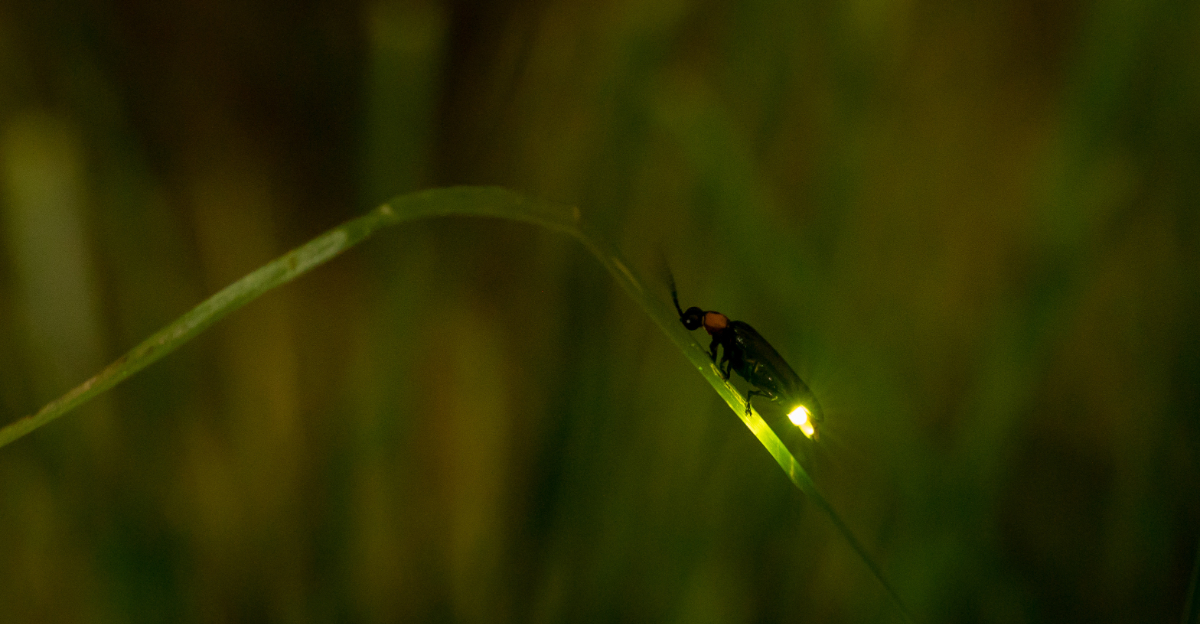
Firefly displays that were a reliable feature of Michigan summer evenings for years and have gradually grown quieter are not experiencing normal variation.
Firefly populations respond to specific environmental conditions with enough sensitivity that a consistent decline in a particular yard reflects real and identifiable changes in that immediate landscape.
Soil moisture, light pollution, pesticide exposure, and the loss of the leaf litter and long grass that firefly larvae depend on through winter all contribute to declining numbers in ways that are directly connected to yard management decisions.
What the disappearance of fireflies is actually signaling about the health of a Michigan yard ecosystem deserves more attention than most homeowners give it.
1. Your Yard May Be Too Bright At Night
Fireflies have one of the most fascinating communication systems in the insect world. They flash their light in specific patterns to attract mates, and that silent glowing conversation only works when the surrounding darkness cooperates.
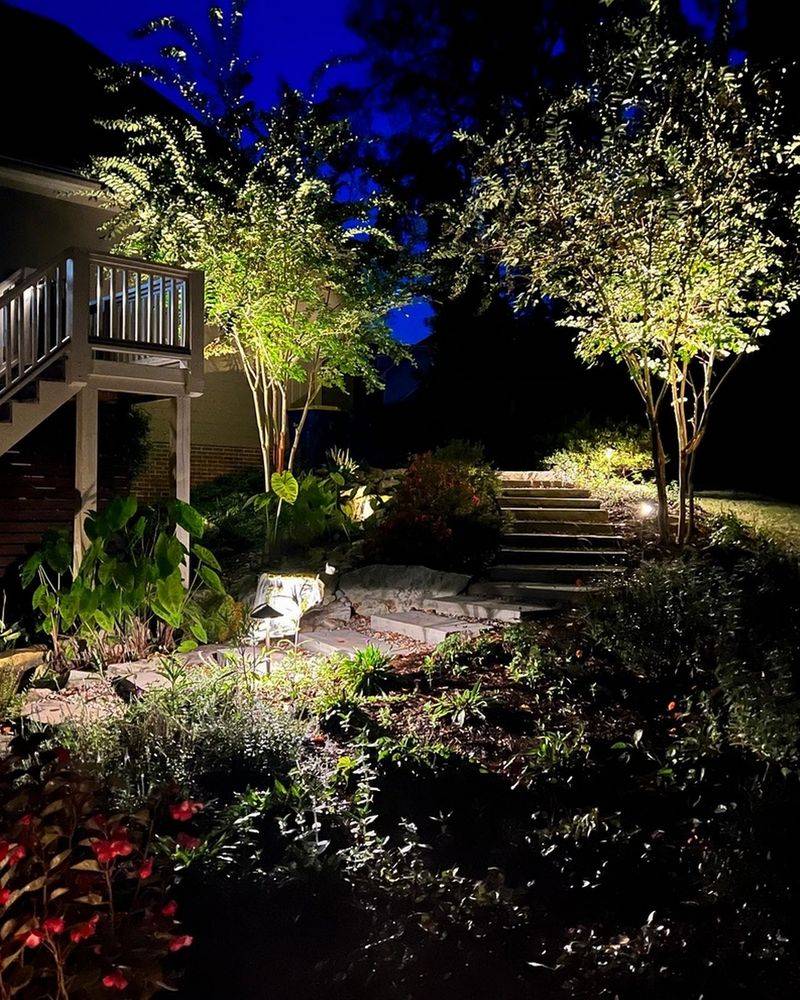
When your yard is flooded with porch lights, path lights, garage lights, or string lights, those natural signals get completely washed out.
Think of it like trying to whisper in a crowded, noisy room. The message just does not get through.
Fireflies need genuine darkness to see each other and signal successfully. Bright outdoor lighting after dusk makes your yard far less useful to them, so they simply move on to darker areas nearby.
Michigan summers bring long evenings, and many homeowners keep their outdoor lights running well past sunset. That habit, though completely understandable, can quietly push fireflies away from your yard over time.
Even motion-activated lights that flicker on frequently can disrupt their flashing rhythms.
Switching to warm amber bulbs rather than cool white LEDs can reduce the impact. Turning off unnecessary outdoor lights between 9 PM and midnight, which is peak firefly activity time, makes a real difference.
Pointing light fixtures downward instead of outward also helps keep your yard darker at ground level where fireflies fly and signal.
A darker yard does not mean an unsafe yard. Small adjustments to your lighting routine can bring those glowing visitors back without sacrificing security or comfort.
Even dimming one light can open the door for more fireflies to return to your summer evenings.
2. The Ground May Be Too Dry

Fireflies have a deep connection to moisture, and it shows in where they choose to spend their time.
Across Michigan, the best firefly displays almost always happen near pond edges, stream borders, low-lying meadows, and areas with consistently damp soil. A bone-dry lawn through a hot July simply does not offer what they need.
During their early stages, fireflies live in or very near the soil. Moist ground keeps the environment cool, supports the prey they feed on, and gives them the right conditions to develop and eventually emerge as adults.
When summer heat bakes the lawn solid, that whole system gets disrupted. Gardeners sometimes wonder why their neighbor sees more fireflies near a rain garden or low wet corner of the yard. That is no coincidence.
Your Michigan Garden Changes Every Week. Your Plan Should Too.
Gardening in Michigan changes quickly throughout the season. Every Friday you’ll receive a simple weekly plan showing exactly what to plant, prune, fertilize, harvest, and protect so you never miss the right timing.
Even a small pocket of consistently damp habitat can attract far more firefly activity than a wide expanse of dry, closely cropped grass.
You do not need a pond to help. A rain barrel that slowly drips near a garden bed, a low area that collects runoff, or a section of yard that you water deeply and regularly can create the moist microhabitat fireflies prefer.
Native plants with deeper roots also help keep moisture in the soil longer during dry stretches.
Reducing how much you water the whole lawn and instead focusing moisture around garden edges and native plantings is a smarter approach.
Targeted moisture management can turn even a modest Michigan backyard into a much more welcoming spot for fireflies on those warm, humid summer nights.
3. Leaf Litter And Cover May Be Missing
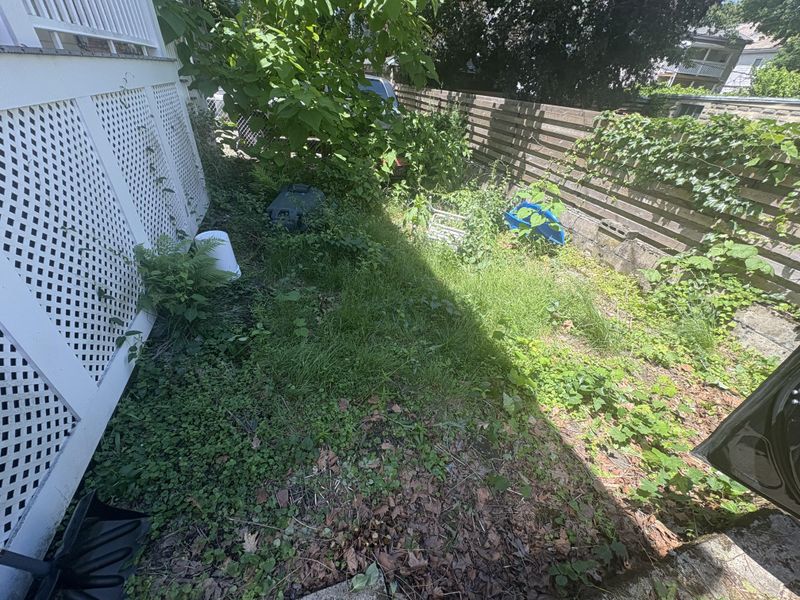
Tidiness is a virtue in many areas of life, but in the garden, an overly clean yard can quietly work against fireflies. Many gardeners rake every leaf, clear every stem, and remove any natural debris from the ground the moment it falls.
While that looks neat, it strips away the very shelter that firefly young need to survive and grow.
Firefly larvae spend a long time in the soil and leaf litter, often through an entire winter and into the following spring. They use decaying leaves, soft wood, and plant debris as both shelter and hunting ground.
Without that layer of natural material on the ground, they have nowhere to go and no protection from temperature swings.
A yard that has been thoroughly cleaned from edge to edge may look well maintained, but to a firefly, it looks like a desert.
Even a small unmowed corner with a few inches of fallen leaves and some native plant stems left standing through winter can make a meaningful difference in how many fireflies emerge the following summer.
You do not need to let the whole yard go wild. Choosing one quiet corner, maybe along a fence line or behind a garden bed, where leaves are left in place and the ground stays undisturbed can be enough.
Native plants like ferns, wild ginger, or even native grasses create soft, layered ground cover that fireflies find genuinely useful.
Leaving a little natural messiness in the right spot is one of the simplest and most rewarding things you can do to bring more fireflies back to your Michigan yard each summer.
4. Insecticides May Be Reducing Firefly Habitat
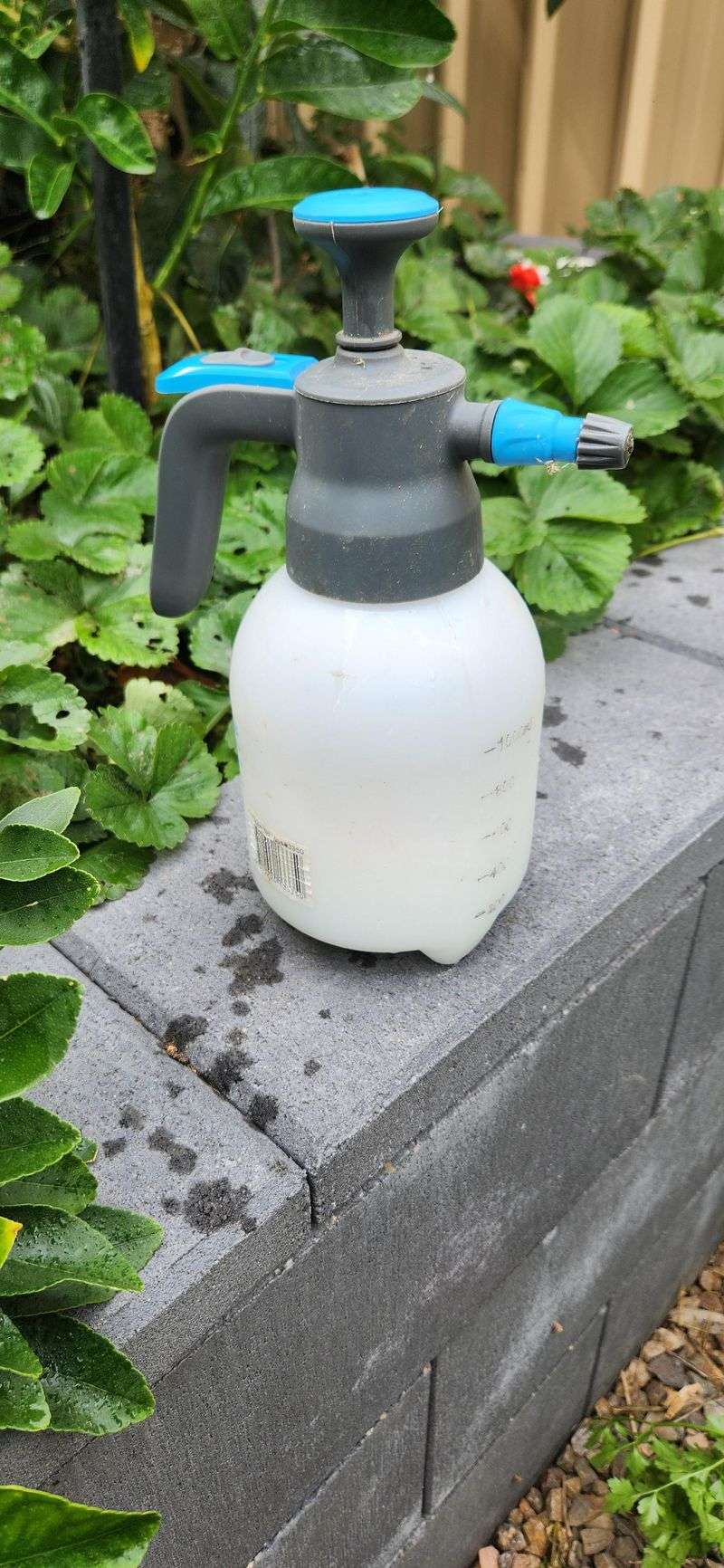
Most homeowners reach for insecticides to handle mosquitoes, grubs, or other yard pests without thinking twice about what else might be affected.
The problem is that many of these products are broad-spectrum, meaning they affect a wide range of insects, not just the ones causing trouble.
Fireflies, especially in their early stages near the soil, can be among the unintended targets.
Treatments applied to lawns, garden edges, and near moist areas are particularly risky. Firefly young live in and around the soil in exactly the kinds of spots that often get treated.
Granular insecticides, sprays, and systemic soil treatments can all reduce populations of the soft-bodied insects that fireflies depend on, as well as affect the fireflies themselves.
It is worth stepping back and asking whether every insecticide application is truly necessary.
Cultural controls like improving drainage, removing standing debris, hand-picking pests, or using physical barriers often handle common yard problems without any chemical use at all.
These approaches protect the full range of beneficial insects living in your yard, including fireflies.
If treatment is truly needed, choosing targeted products rather than broad-spectrum sprays, and keeping applications away from moist garden edges, native plant borders, and low areas where fireflies are likely living, can significantly reduce the impact.
Timing also matters. Evening applications are more likely to affect fireflies directly since that is when they are most active.
Rethinking your pest control routine is one of the most powerful steps you can take for firefly-friendly gardening in Michigan. Small changes in product choice and timing can protect the quiet glow that makes summer evenings feel special.
5. There May Be Fewer Snails, Slugs, And Soft Prey
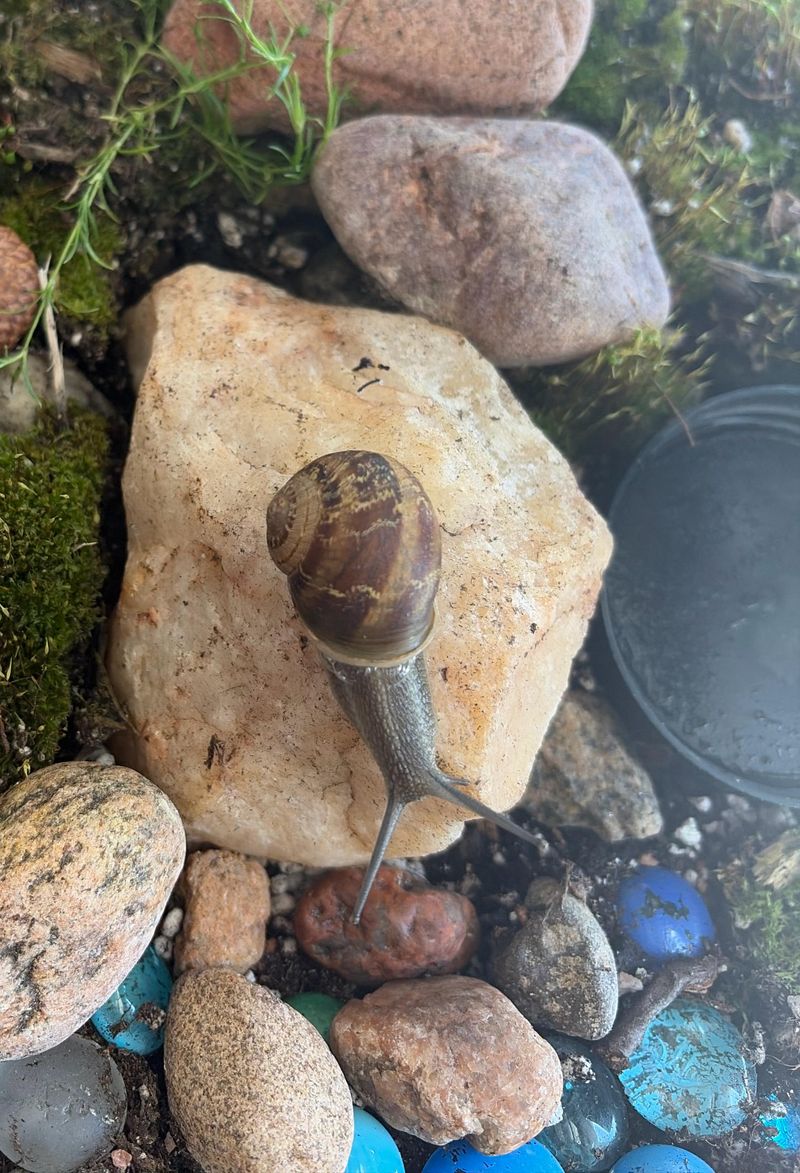
Here is something most people never think about: before a firefly ever flashes its first light, it spends a long time as a tiny underground hunter.
Firefly larvae are surprisingly aggressive predators that feed on snails, slugs, earthworms, caterpillars, and other soft-bodied creatures living in and near the soil.
Without enough of that prey available, young fireflies simply cannot thrive.
A yard that has been heavily treated, closely mowed, and stripped of natural ground cover tends to have far fewer of these small soil creatures than a lightly managed garden edge. When the food web at ground level collapses, firefly populations follow.
It is a quiet chain reaction that most gardeners never connect to the empty evenings they notice in midsummer.
Diverse garden edges with native plants, leaf litter, damp corners, and undisturbed soil tend to support a much richer community of small invertebrates.
That richness directly feeds firefly young and gives them the resources they need to complete their development and emerge as glowing adults. A bare lawn offers almost none of that.
Encouraging earthworms by avoiding compaction, reducing chemical inputs, and adding organic matter to garden beds is a great starting point.
Leaving a few snails and slugs in a low-traffic corner of the yard rather than always treating for them can also support firefly young in that area. Balance matters more than perfection.
Thinking of your yard as a food web rather than just a lawn changes everything. When the small, unseen creatures thrive in the soil, the fireflies that depend on them have a much better chance of lighting up your summer nights.
6. Mowing May Be Removing Resting And Flashing Areas

Picture a firefly trying to rest on a golf course. There is almost nowhere to land, no tall grass to cling to, no plant stem to perch on between flashes.
That is essentially what a tightly mowed Michigan lawn looks like from a firefly’s perspective.
Adult fireflies spend their daytime hours resting in tall grasses, meadow plants, native shrubs, and along unmowed edges before emerging at dusk to flash.
When every inch of the yard gets mowed to the same short height on the same schedule, those resting spots simply disappear.
Fireflies need taller vegetation not just for shelter but also as staging areas where they climb upward before taking flight and signaling in the evening air. Short grass gives them almost nothing to work with.
Leaving even a small strip of taller grass along a fence, a garden border planted with native wildflowers, or an unmowed corner near a damp low spot can dramatically improve firefly activity in your yard.
These low-disturbance zones act like tiny refuges where fireflies can rest, hide from daytime predators, and prepare for their nightly light show.
Raising your mower deck by even one or two inches across the whole lawn also helps. Taller grass retains more moisture, stays cooler at the soil surface, and provides slightly better cover than a closely clipped turf.
Small shifts in your mowing habits can add up to a noticeably livelier summer yard.
Native plant borders with plants like black-eyed Susans, wild bergamot, or native grasses are especially effective. They give fireflies exactly the kind of layered, lightly disturbed habitat that supports both resting adults and active young in the soil below.
7. Summer Weather And Local Habitat Can Shift The Show
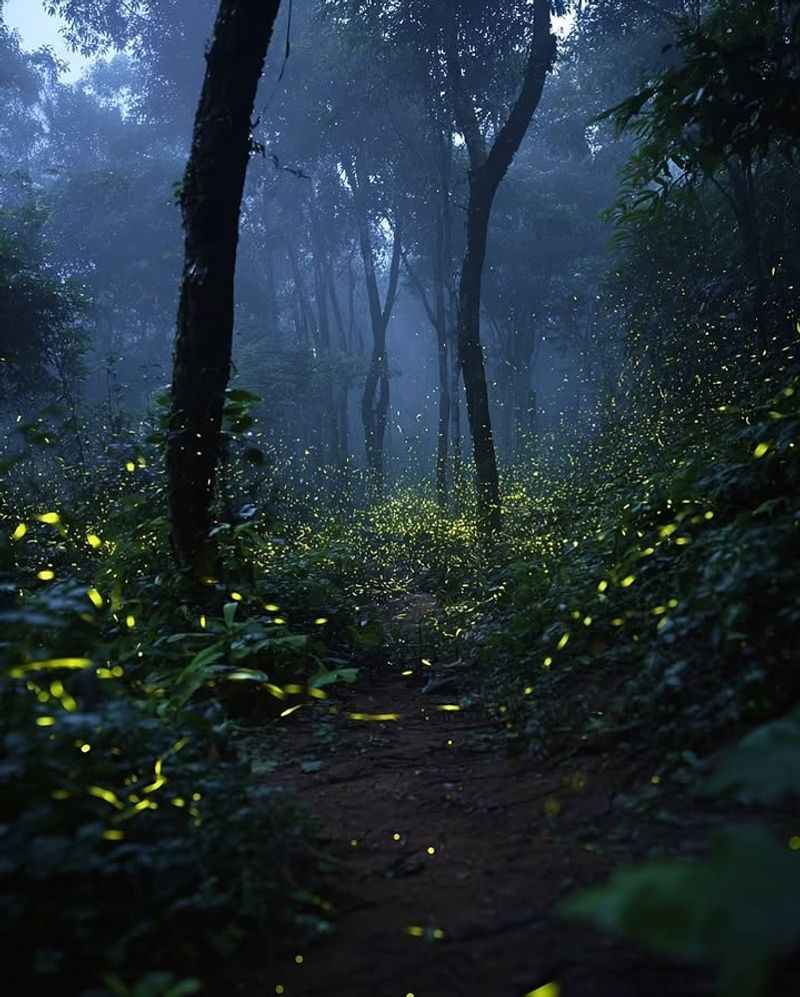
Some summers in Michigan light up with fireflies, and others feel strangely quiet. Weather plays a bigger role in firefly activity than most people realize.
Cool, dry springs can delay their emergence. Drought through June and July reduces the moist soil habitat they need.
Unusually hot, dry summers can cut a season short before it ever really gets going.
Beyond weather, local changes in the landscape matter just as much. Nearby development that fills in wetlands, drains low areas, or clears wooded edges can reduce firefly populations across an entire neighborhood over just a few seasons.
Light pollution spreading outward from new construction also pushes fireflies away from areas they once used reliably.
Watching firefly activity from year to year is actually a useful way to track the health of your local habitat. A sudden drop in numbers is worth paying attention to.
It might reflect a single dry summer, or it might signal a longer-term shift in the conditions around your yard.
The best response is to build the most firefly-friendly yard you can and then let the conditions do the rest. Dim your outdoor lights between 9 PM and midnight on warm summer evenings.
Keep moist native habitat in at least one corner of the yard. Avoid unnecessary insecticide applications, especially near garden edges and wet areas.
Leave ground cover and leaf litter in place through winter so firefly young have shelter.
Then, on a warm humid evening after a recent rain, step outside and watch. Those are the nights when fireflies are most active.
With the right habitat in place, your Michigan yard gives them every reason to show up and glow.