What Florida Yards Look Like One Year After Removing The Lawn
Removing a Florida lawn sounds like a dramatic decision until you see what replaces it twelve months later. Most homeowners who have done it describe the before and after in striking terms.
The original lawn starts to seem like a placeholder for something that was always supposed to be there. Year one after lawn removal is not always pretty from start to finish.
There is a middle stretch, a few months in, where the transition looks uncertain and the original decision feels worth questioning. Most people who push through that stretch do not regret it.
What emerges on the other side varies by what was planted and how the space was designed. It also depends on how much Florida’s climate was working with the choices rather than against them.
But certain patterns show up consistently across Florida yards that made this shift. The transformation is more significant than most people expect before they see it firsthand.
1. The Yard Looks Less Like Turf And More Like Habitat
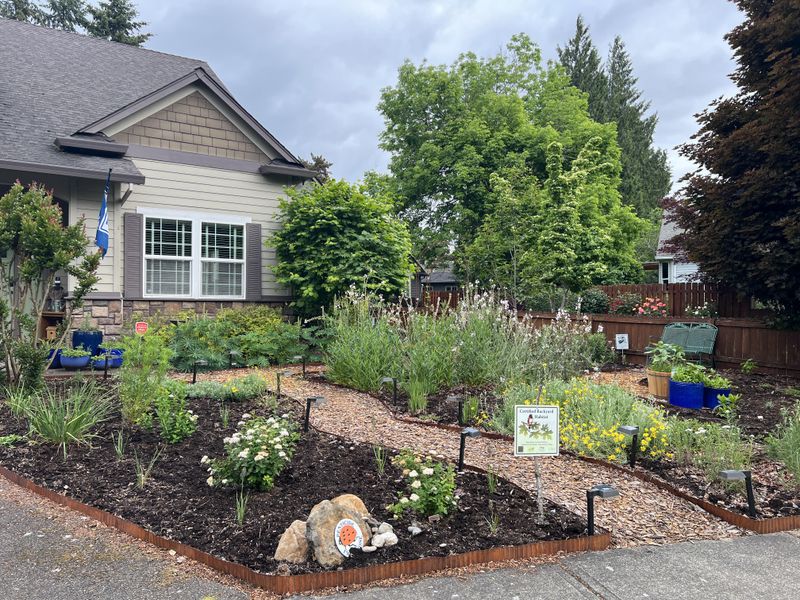
Walk past a yard that had its grass removed a year ago, and the first thing you notice is the layers. Instead of a flat, uniform green surface, you see heights.
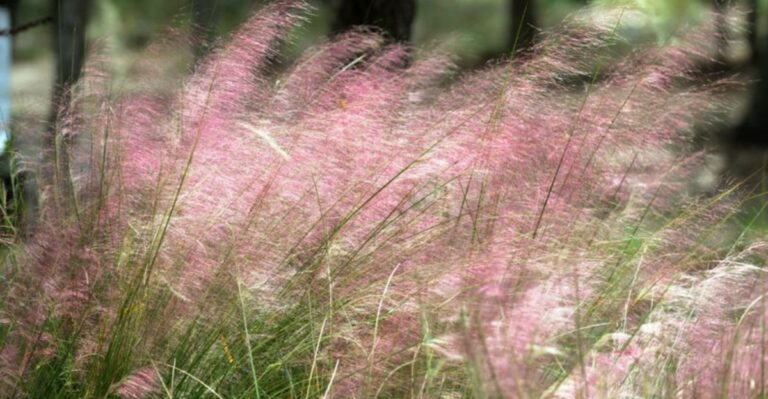
Low Florida groundcovers hug the ground, shrubs rise in the middle, and small trees or tall ornamental grasses create a canopy. The space feels alive in a way that a mowed lawn rarely does.
That layered look is the biggest visual change most homeowners describe after one year. A well-planned yard starts to resemble a habitat rather than a maintained field.
Planting beds hold structure. Mulch defines the spaces between plants.
Paths give the eye a place to travel.
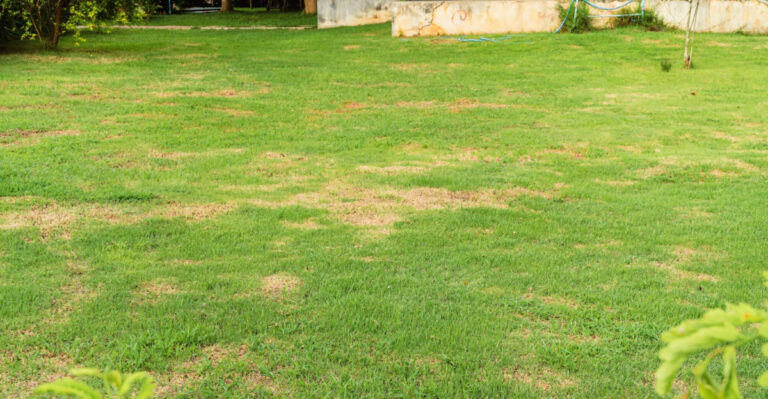
Without a plan, though, the same yard can look abandoned. Removing grass without replacing it thoughtfully often results in bare soil, scattered weeds, and uneven patches that neighbors notice for the wrong reasons.
Structure matters more than people expect.
A habitat-style yard still needs regular maintenance. Plants need spacing, pruning, and time to establish.
Edges need definition. Mulch needs refreshing.
The goal is a yard that looks intentional, not neglected, and that difference comes entirely from how the removal was planned and followed through.
2. Groundcovers Start Filling The Empty Spaces
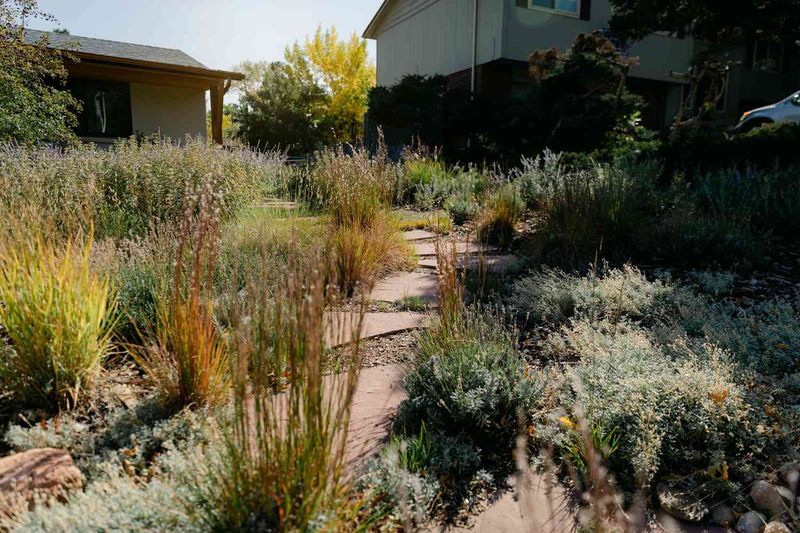
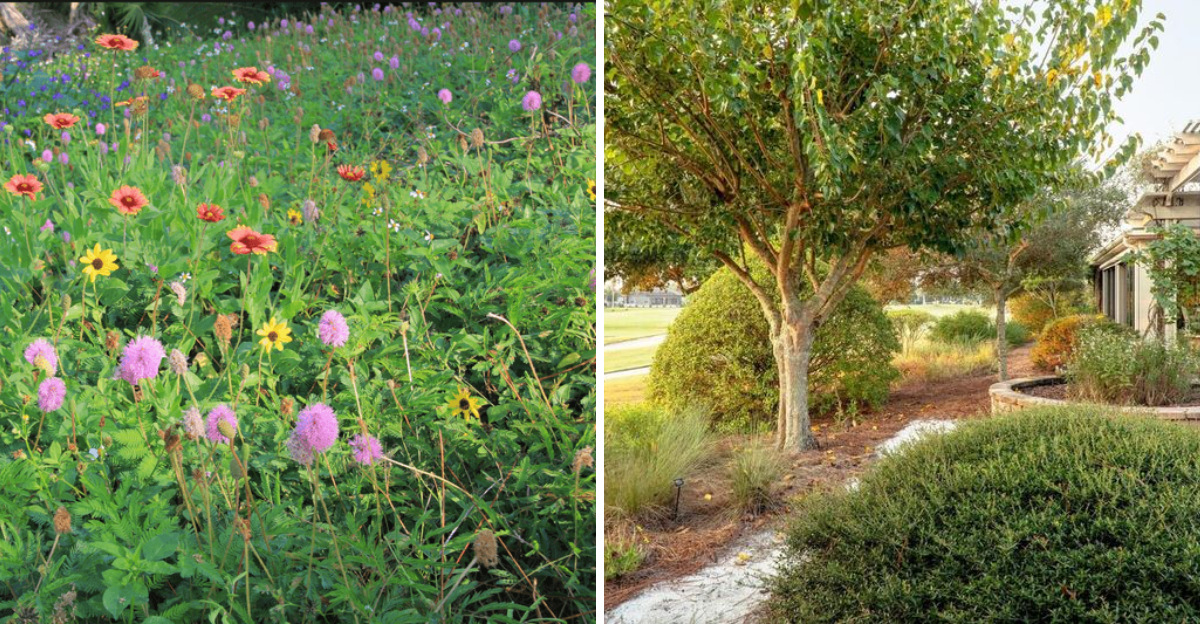
Sunshine mimosa creeping across a former turf zone is one of the more satisfying sights a homeowner can spot at the one-year mark. Groundcovers bring texture, color, and a sense of purpose to spaces that would otherwise sit bare between larger plants.
They are doing real work, suppressing weeds, holding soil, and reducing the need for mowing.
Several groundcovers perform well in warm-weather landscapes when matched to the right conditions. Perennial peanut thrives in full sun and handles dry spells well.
Asiatic jasmine tolerates shade but is nonnative, so check local guidelines before planting. Native sedges work well in moist or shaded spots.
UF/IFAS and county extension offices offer site-specific recommendations worth reviewing before choosing.
One honest reality is that groundcovers rarely look like a finished carpet after just one year. Spacing at planting determines how fast coverage happens.
Your Florida Garden Changes Every Week. Your Plan Should Too.
Gardening in Florida changes quickly throughout the season. Every Friday you’ll receive a simple weekly plan showing exactly what to plant, prune, fertilize, harvest, and protect so you never miss the right timing.
Wider spacing saves money upfront but leaves gaps longer. Closer spacing costs more but fills in faster and leaves less room for weeds to settle.
Sun exposure, drainage, foot traffic, and regional climate all shape which groundcover actually works in a given yard. Choosing the wrong plant for the conditions is one of the most common setbacks in the first year of a lawn-free landscape.
3. Mulch Beds Make The First Year Look Intentional
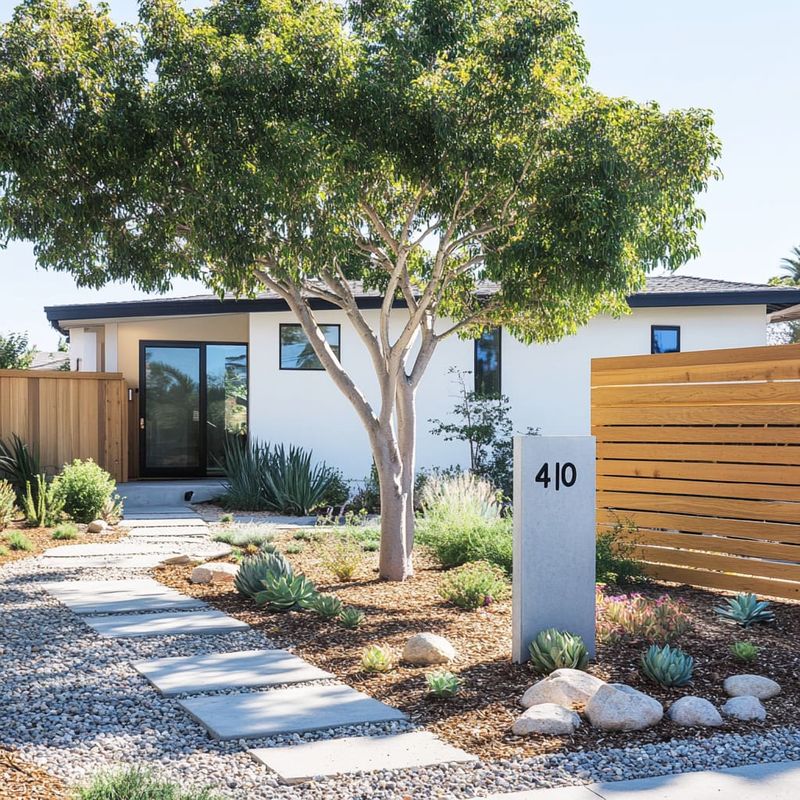
Nothing makes a newly planted, lawn-free yard look more finished than a clean layer of mulch. While young plants are still spreading their roots and filling in their space, mulch holds the visual together.
It tells every passerby that someone made a decision here, that this is a landscape in progress, not a neglected patch of dirt.
Beyond appearances, mulch does serious practical work during the transition year. It slows moisture loss from the soil, which helps new plants survive between rain events.
It moderates soil temperature during hot stretches. It reduces erosion when afternoon storms hit.
And it suppresses many weed seeds from reaching the soil surface and germinating.
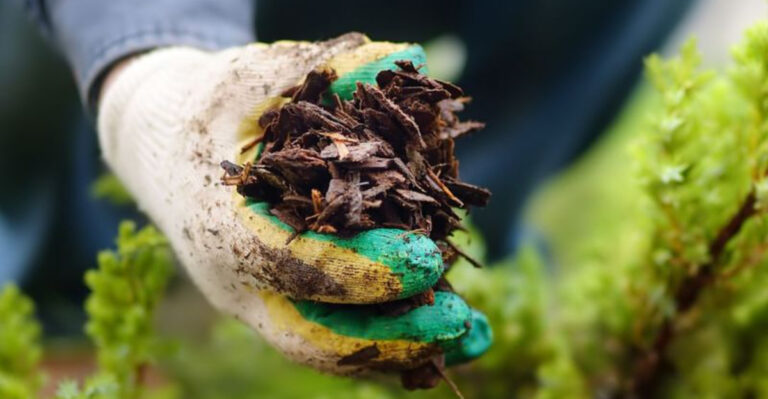
A moderate layer of two to three inches works well for most planting beds. Pine bark mulch and eucalyptus mulch are both widely used options in warm-weather landscapes.
Avoid piling mulch against plant stems, tree trunks, or crown areas. Mulch volcanoes around trees trap moisture and create problems over time, so keep it pulled back a few inches from any trunk.
Refresh mulch once or twice a year as it breaks down. As plants grow and spread, they will eventually shade the soil themselves, reducing how much mulch is needed.
That shift usually starts becoming visible around the one-year mark when groundcovers begin closing in.
4. Pollinators Find The Flowers Before The Neighbors Do
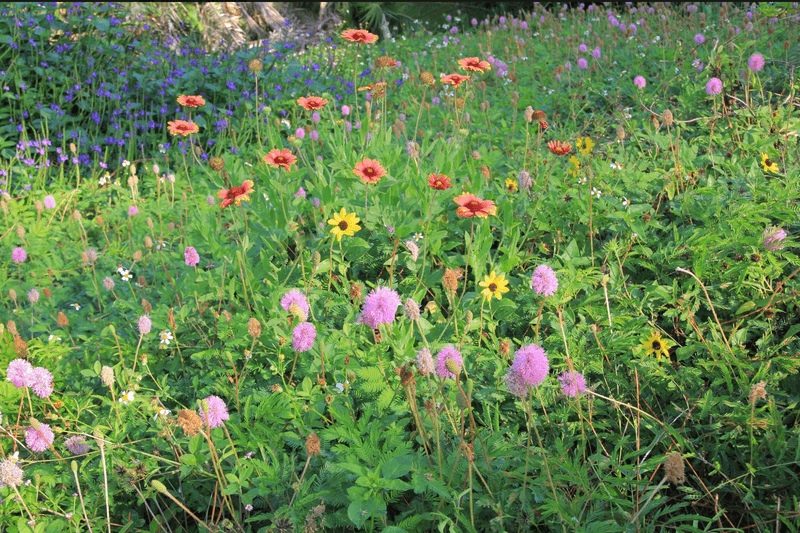
Sometimes the bees arrive before the yard even looks finished. Add a few blooming plants to a former turf zone, and pollinators often show up within weeks.
Butterflies, native bees, and skippers do not wait for the landscape to mature before they start exploring. They follow nectar and host plants wherever those plants happen to be.
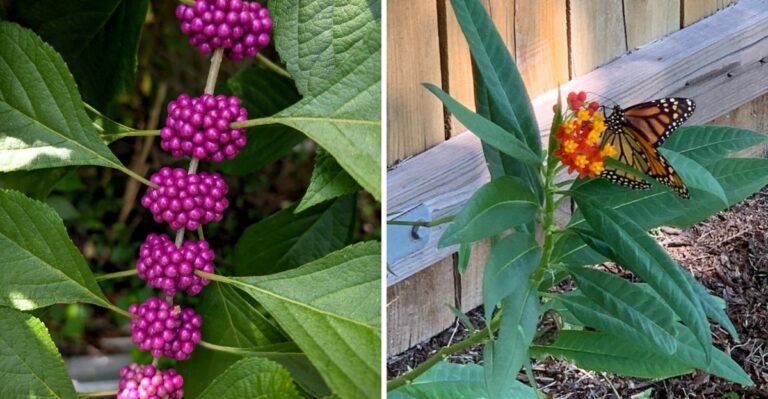
Flowering plants that support pollinators include firebush, blanket flower, salvia, porterweed, and native wildflowers recommended by UF/IFAS for warm-weather regions. Nectar plants feed adult butterflies and bees.
Host plants serve a different purpose by providing a place for caterpillars to feed and develop. A yard with both types becomes genuinely useful to local wildlife.
Pollinator activity depends heavily on pesticide use. Even low-toxicity products can affect beneficial insects.
Reducing or eliminating pesticide applications in new garden beds is one of the most effective steps a homeowner can take to encourage pollinators.
Seasonal bloom timing also shapes what visits and when. A yard that only blooms in spring may see less activity during summer and fall.
Choosing plants with different bloom periods spreads the activity across more of the year. One year in, a well-planted yard often shows noticeably more butterfly and bee traffic than the turf it replaced.
5. Weeds Still Test The New Design
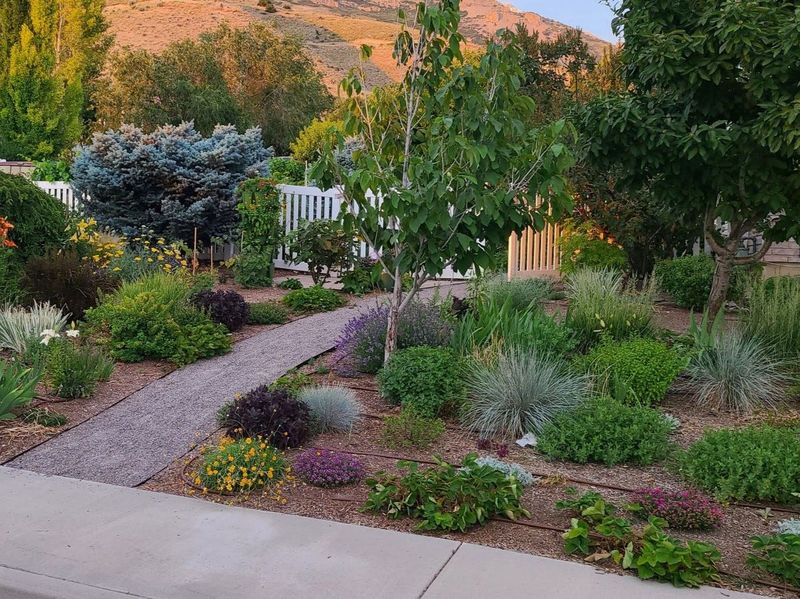
Removing grass does not remove weed seeds. The soil holds a seed bank built up over years, and once turf is gone, light and open ground give those seeds exactly what they need to sprout.
The first year after lawn removal is often the most weed-intensive period a homeowner will experience in the new landscape.
Grass regrowth is another common challenge. Warm-season grasses like St. Augustinegrass and bermudagrass spread through stolons and rhizomes that survive below the surface.
Patches of returning grass can pop up in mulch beds and between groundcovers for months after the original lawn was removed.
Hand removal works well for isolated weeds, especially when done early before seeds form. Keeping mulch at the right depth helps reduce germination at the soil surface.
Dense planting over time is one of the most effective long-term weed controls because established plants shade out open ground and leave fewer gaps for weeds to fill.
Monitoring bed edges regularly during the first year pays off. Weeds at the border between lawn areas and new beds can creep in quickly.
Avoid random herbicide use without a clear identification of what you are treating. Local extension offices can help identify problem weeds and recommend appropriate management options for specific situations.
6. Watering Drops Once Plants Settle In
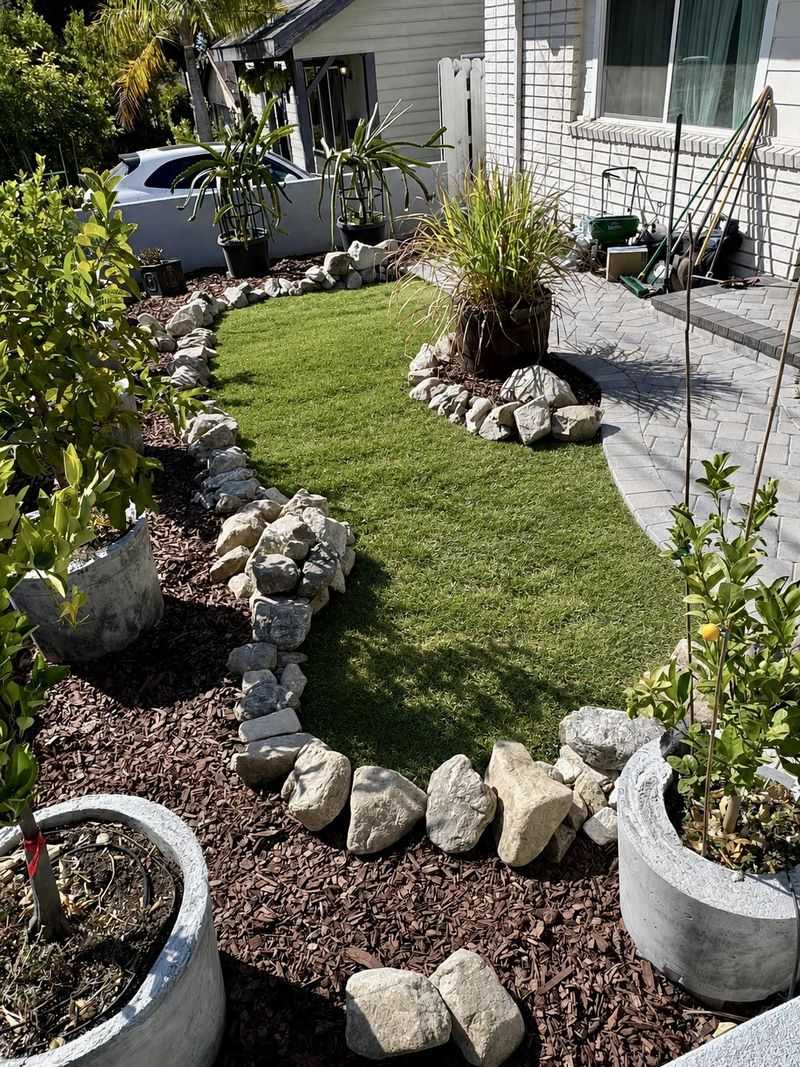
Irrigation bills do not drop the moment turf comes out. New plants need consistent moisture while their roots are getting established.
That establishment period can last several months depending on plant size, species, and seasonal rainfall. Expecting instant water savings in the first few months often leads to disappointment or worse, plant loss from underwatering.
The difference becomes more visible around the six-to-twelve-month mark. Plants with established root systems begin tapping into deeper soil moisture.
Drought-tolerant natives and Florida-Friendly plants start living up to their reputation. Mulch holds moisture between rain events, reducing how often irrigation needs to run.
One of the most important steps after removing turf is adjusting irrigation zones. Turf zones are typically programmed to water more frequently than planting beds need.
Leaving old irrigation settings unchanged after removing grass often leads to overwatering, which can stress new plants and encourage fungal problems.
Water savings over the long term depend on plant choice, mulch depth, soil type, seasonal rainfall, and how irrigation is managed.
The Florida-Friendly Landscaping program recommends watering only when plants show signs of need rather than on a fixed schedule.
That shift in approach, combined with the right plants, is where real water reduction happens after the first year.
7. Paths And Edges Decide Whether It Looks Planned
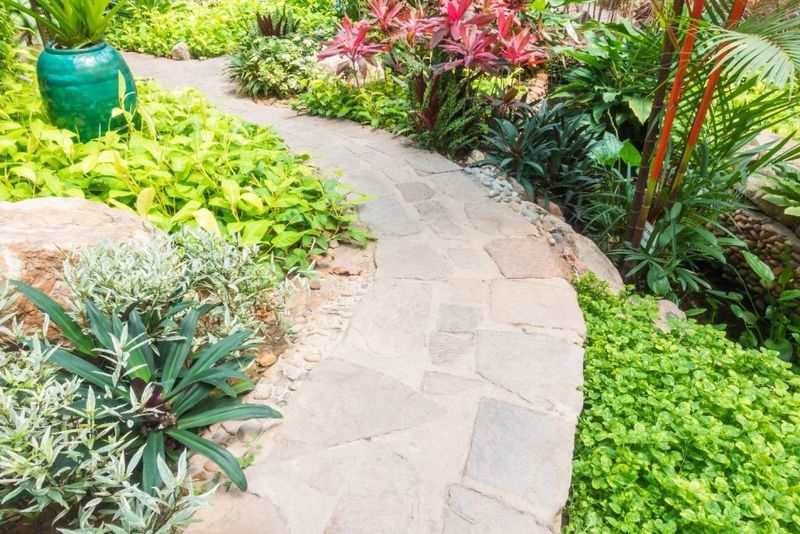
A yard can have beautiful plants and still look unfinished if there is no clear way to move through it. Paths, edges, and visible structure are what separate a designed landscape from a patchy yard that lost its grass.
Most visitors read a yard in seconds, and what they see first is whether someone made a plan.
Stepping stones, gravel paths, and mulch walkways all create circulation without adding permanent hardscape. They give homeowners, guests, and maintenance workers a clear route through the space.
They also protect young plants from foot traffic while beds are still filling in.
Defined bed edges do similar work. A clean border between a planting bed and a remaining turf strip or a sidewalk tells the eye that the transition was intentional.
Edging can be done with metal, stone, brick, or simply by maintaining a sharp soil cut between surfaces. Even a simple mowed strip of grass alongside a new planting bed adds visual order.
Think practically when designing paths. Access for trash bins, garden hoses, pets, and occasional maintenance equipment should all be considered.
A beautiful yard that is hard to navigate loses some of its appeal quickly. Structure does not need to be expensive, but it needs to exist for the yard to feel finished at the one-year mark.
8. The Best Results Come From Replacing Not Abandoning
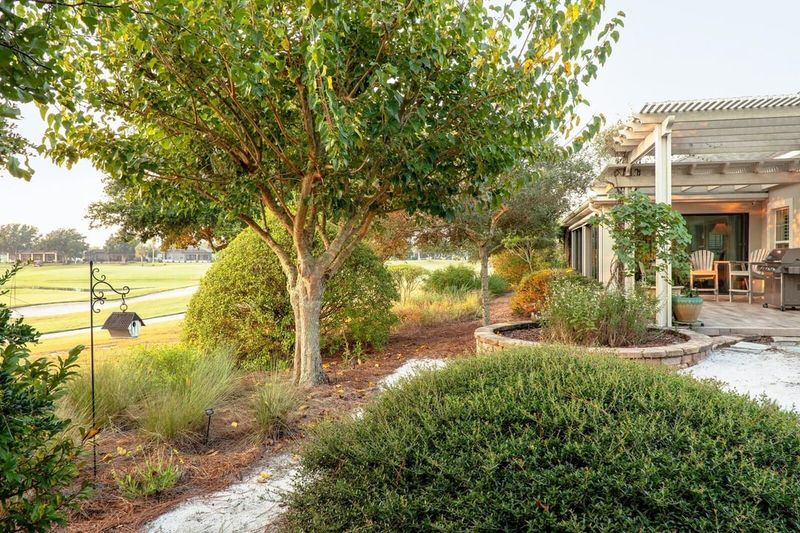
One year in, the yards that look genuinely good share one thing in common. They were replaced, not abandoned.
Removing turf and walking away produces a very different result than removing turf and putting a thoughtful plan in its place. The distinction matters more than most homeowners expect when they first start the project.
Replacing turf means choosing plants suited to the actual conditions of the yard. It means using mulch to bridge the gap while plants establish.
It means adjusting irrigation and managing weeds early. It also means giving the new landscape the same attention a traditional lawn would have received during its first growing season.
A mix of groundcovers, native shrubs, small trees, flowering perennials, and functional paths creates a yard that serves multiple purposes. It supports pollinators, reduces water use over time, lowers mowing needs, and looks intentional from the street.
Some turf can stay where it is still useful, such as play areas, pet runs, or heavily trafficked routes.
Checking with UF/IFAS, county extension offices, and local water management districts before choosing plants helps avoid costly mistakes. HOA rules and local ordinances also shape what is allowed in visible yard areas.
The one-year mark is not a finish line. It is proof that a plan was made, and that the landscape is heading somewhere worth seeing.