7 Texas Plants That Handle Root Competition Under Mature Trees
Planting beneath a mature tree in Texas is one of the most reliably frustrating gardening challenges a homeowner faces.
The root competition is intense, the shade can be deep, and the combination of dry compacted soil and low light eliminates most standard garden plants before they get a real chance.
Most homeowners either accept bare soil and mulch or cycle through plants that look hopeful for a season and then quietly fail. But certain plants were built for exactly this situation.
They handle root competition without collapsing and establish in low light. They also spread in ways that gradually make the ground beneath a mature Texas tree one of the more interesting areas in the entire yard.
1. Turk’s Cap
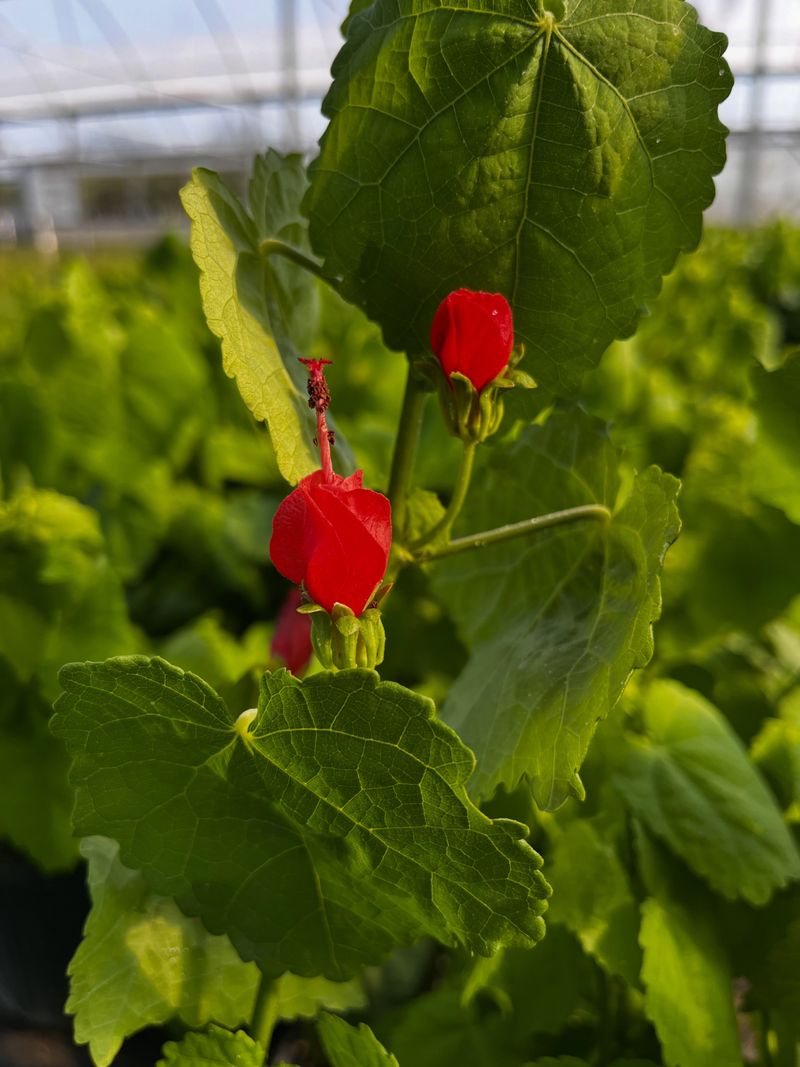
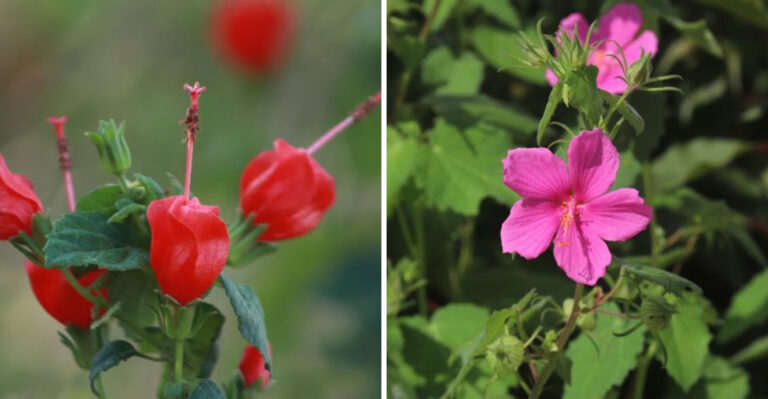
Bright red blooms that twist like little turbans make Turk’s Cap one of the friendliest plants you can tuck under a shady tree.
Hummingbirds and butterflies love it, so your quiet corner suddenly turns into a busy wildlife stop.
This native Texas shrub grew up in the wild, often along creek banks and beneath tall trees. That means it already knows how to share space with big roots. It spreads slowly and fills in bare ground without demanding much attention.
Turk’s Cap handles deep shade better than most flowering plants. It stays green and leafy even when sunlight barely reaches the ground. During hot summers, it keeps blooming while other flowers fade in the heat.
Watering is simple once the plant settles in. Give it a good soak during the first few weeks, then let rain do most of the work. Older plants shrug off dry spells like champs.
You can prune it back hard in late winter, and it bounces right back with fresh growth in spring. That toughness makes it forgiving for beginners who worry about making mistakes.
The soft red flowers show up from spring all the way to fall. Later, small red fruits appear, and both birds and people can enjoy them since they are edible.
Plant Turk’s Cap about three feet apart to give roots room to stretch. Add a layer of mulch to lock in moisture and protect it from those greedy tree roots below.
With a little patience, this cheerful shrub turns a gloomy patch into a lively garden feature.
2. Cedar Sage
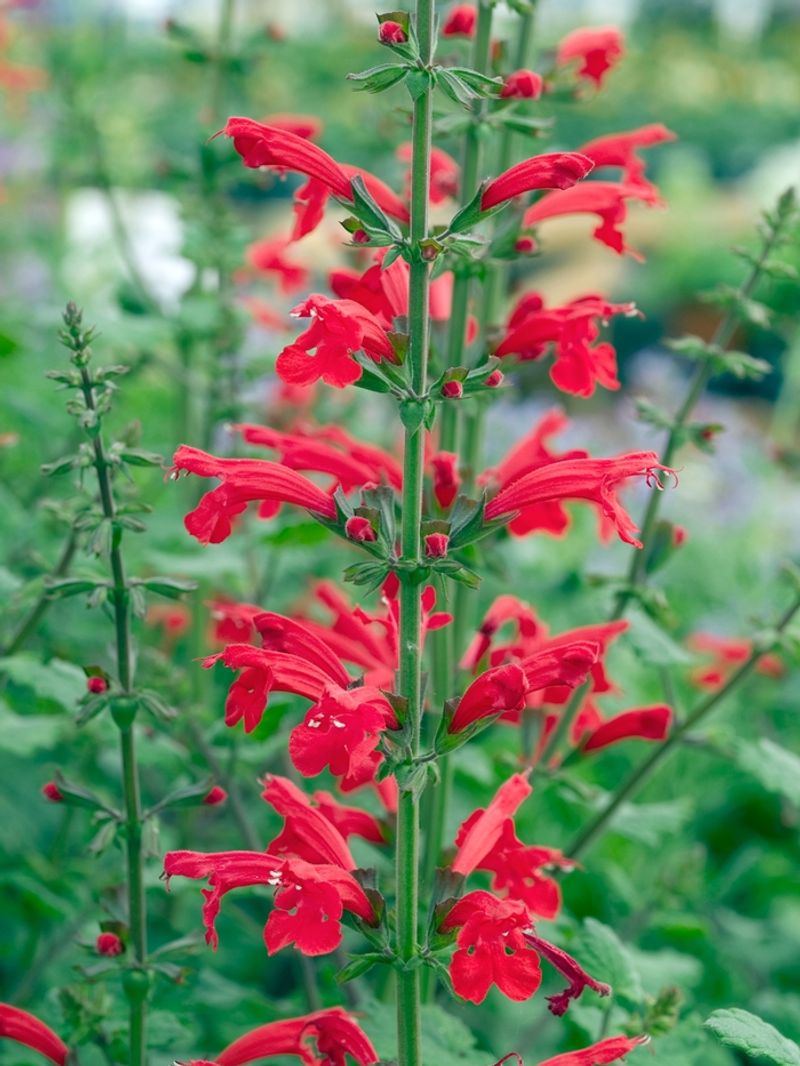
Deep red flowers glowing in the shadow of a cedar tree, that is the magic of Cedar Sage. This little plant seems to enjoy the exact spots where other flowers give up.
Native to the rocky hills of Central Texas, Cedar Sage grows naturally beneath cedar and oak trees.
It has spent thousands of years learning to live with thin soil and thirsty roots. That history makes it a perfect pick for your toughest shady beds.
The plant stays fairly small, usually under two feet tall. Its soft, rounded leaves have a slightly fuzzy feel, and they smell pleasant when you brush against them.
Springtime brings tall spikes covered in bright red blooms. Hummingbirds zoom in for the nectar, turning your garden into their favorite snack bar. If you trim the spent flowers, you may get a second round of blooms later.
Your Texas Garden Changes Every Week. Your Plan Should Too.
Gardening in Texas changes quickly throughout the season. Every Friday you’ll receive a simple weekly plan showing exactly what to plant, prune, fertilize, harvest, and protect so you never miss the right timing.
Cedar Sage does not need rich, fancy soil. In fact, it prefers the well-drained, rocky ground that many Texas yards already have. Too much water can cause problems, so go easy with the hose.
Once established, this plant handles dry weather without complaint. A light layer of mulch helps keep roots cool and holds a bit of moisture during summer.
It reseeds itself gently, so you might find new baby plants popping up nearby. That means your patch slowly grows fuller over time with almost no effort from you.
For gardeners battling shade and tree roots at the same time, Cedar Sage feels like a small, cheerful reward that keeps giving season after season.
3. Inland Sea Oats
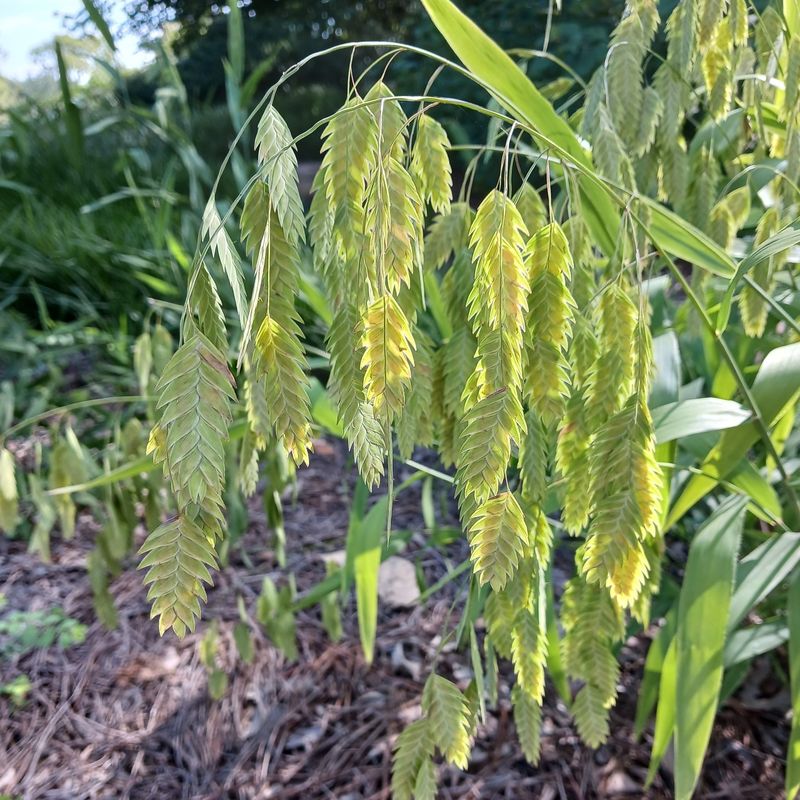
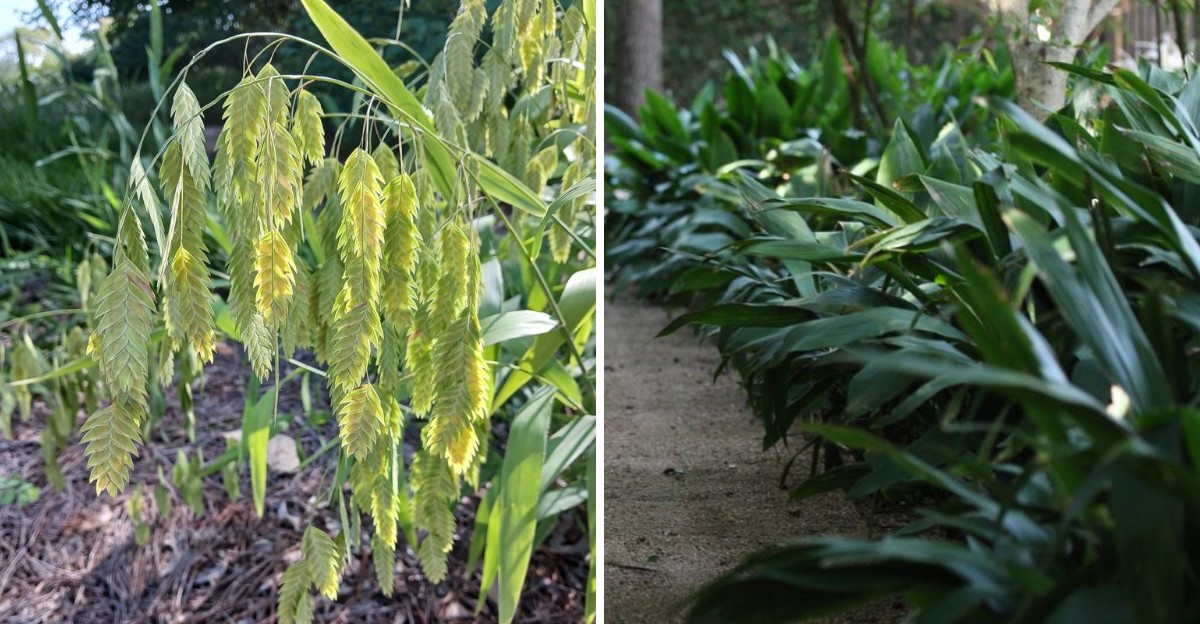
Picture graceful seed heads dangling like tiny flat oats, swaying in the slightest breeze. That gentle motion is what makes Inland Sea Oats such a charming choice for shady, root-filled ground.
This native grass grows happily where sunlight is scarce. It naturally lives in wooded areas and along shady stream banks across Texas, so crowded tree roots do not bother it much.
The leaves stay bright green through the growing season and turn a warm coppery color in fall. Those flat, drooping seed heads add movement and interest that few shade plants can match.
Inland Sea Oats spreads by both seeds and underground roots. It fills in bare, difficult spots and helps hold soil in place on slopes where erosion is a worry.
Wildlife enjoys this grass too. Birds nibble the seeds, and the thick clumps give small creatures a safe place to hide.
Caring for it is refreshingly simple. Water it during its first season, then let it settle in and mostly fend for itself. It tolerates both dry shade and occasional soggy soil.
Cut the clumps back to a few inches in late winter, and fresh green blades will sprout again in spring. This quick refresh keeps the plant looking neat.
Because it reseeds freely, you may want to trim seed heads if you prefer to control its spread. Otherwise, let it wander and create a soft, natural woodland look.
For anyone tired of struggling with bare dirt under big trees, this easygoing grass offers texture, movement, and green color without demanding much in return.
4. Coral Berry
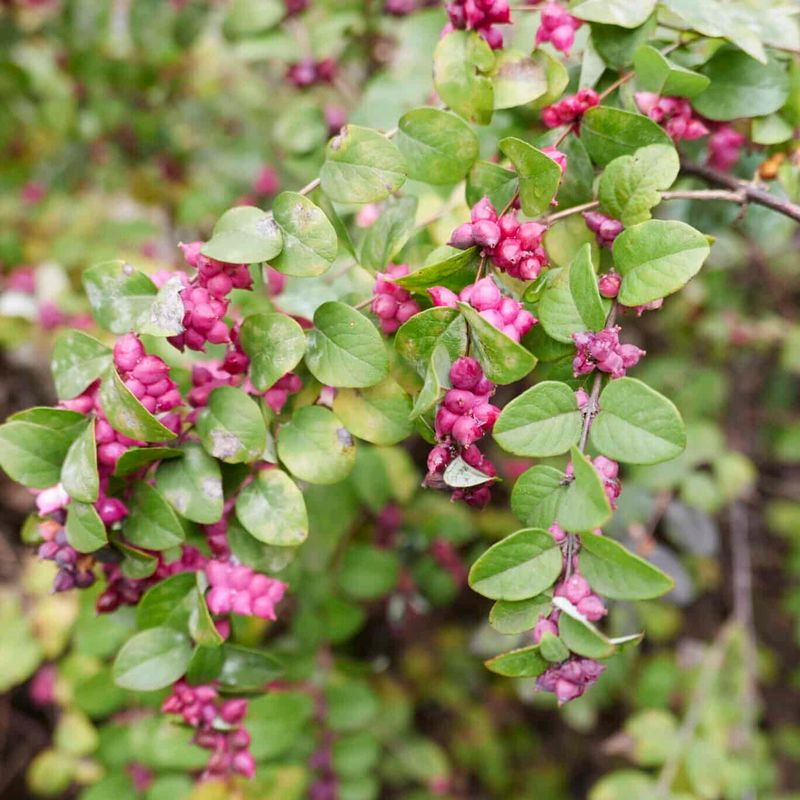
Once fall arrives, this modest shrub surprises everyone with clusters of glowing pink and coral berries. Coral Berry saves its best show for the cooler months when most of the garden is winding down.
You will find this plant growing wild in shady woods all over Texas. It clings to life beneath thick tree canopies and among tangled roots, proving how tough it really is.
During spring and summer, small greenish flowers appear. They are easy to miss, but bees and other insects find them quickly.
The real treat comes later when the branches fill with bright berries. Birds flock to feast on them through winter, adding motion and song to your yard during the quiet season.
Coral Berry usually grows two to four feet tall with arching branches. It spreads slowly to form a loose, natural thicket that softens hard edges in the landscape.
This shrub asks for very little. Give it some water while it gets started, then step back and let it settle into its new home. It handles dry shade with ease.
Pruning is optional. If it gets leggy, cut it back in late winter and it will grow fuller the next year.
Because it tolerates poor soil and low light, Coral Berry works well in those forgotten corners where nothing else seems to cooperate. It also helps prevent erosion on shady slopes.
Add a few plants together for the strongest berry display, and you will enjoy a splash of color exactly when your garden needs it most. It is a quiet performer with a bold finish.
5. Frogfruit
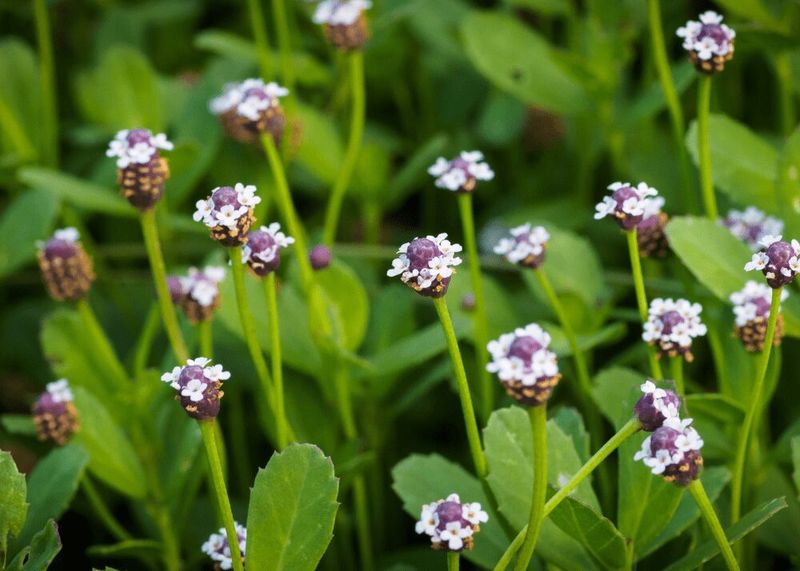
Low, spreading, and dotted with tiny white flowers, Frogfruit hugs the ground like a soft green carpet. It slips right in among tree roots where taller plants cannot compete.
Gardeners across Texas love this native ground cover as a lawn substitute. It stays low, so you rarely need to mow, and it looks tidy without much fuss.
The little flowers bloom from spring through fall and attract a surprising number of butterflies. In fact, several butterfly species use it as a host plant for their young.
Frogfruit handles a wide range of conditions. It grows in sun or shade, tolerates foot traffic, and shrugs off both dry spells and occasional flooding.
Because it spreads by runners that root as they go, it quickly covers bare ground. That habit helps crowd out weeds and hold soil in place near trees.
Watering needs are light once the plant is settled. During the hottest weeks, an occasional soak keeps it fresh and green.
You can walk on Frogfruit without harming it, which makes it great for pathways and play areas beneath shade trees. It bounces back after being stepped on.
To plant it, space small plugs about a foot apart and keep the soil moist while they knit together. Within a season or two, they form one smooth mat.
If it wanders too far, simply trim the edges to keep it in bounds. It responds well to a quick haircut.
For shady, root-packed ground that refuses to grow grass, this friendly little creeper offers an easy, low-maintenance answer that also feeds pollinators.
6. American Beautyberry
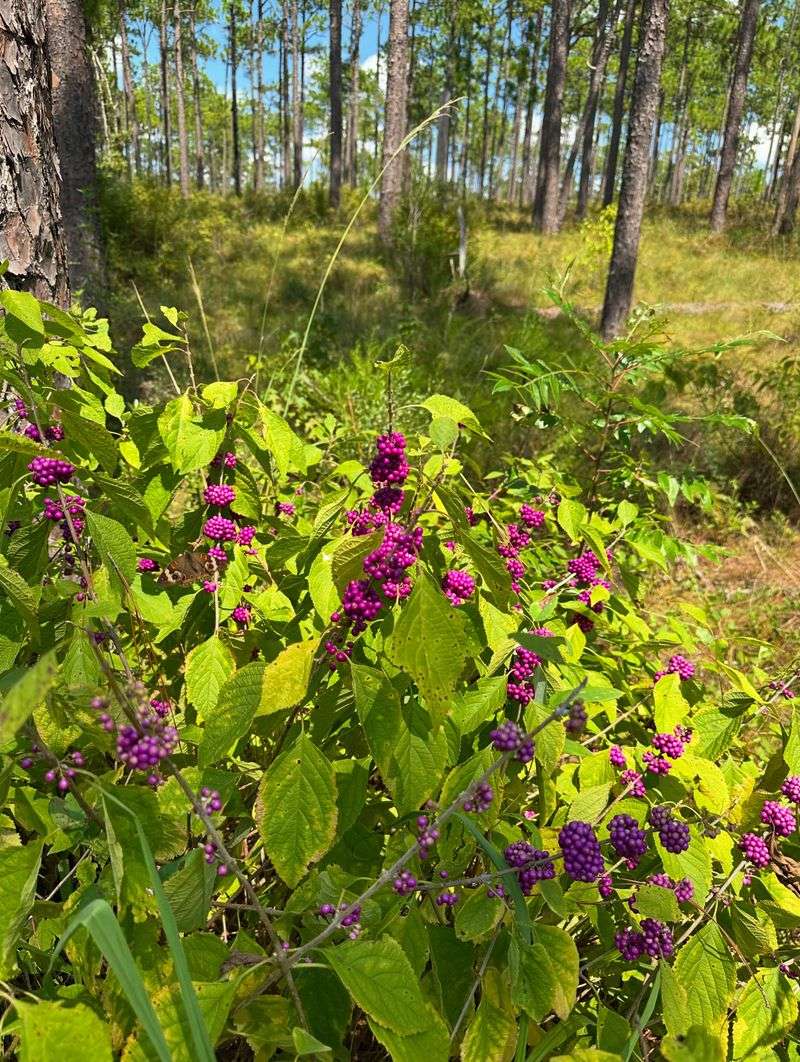
Few plants stop people in their tracks like American Beautyberry in autumn. Its branches load up with clusters of shockingly bright purple berries that almost look fake.
This native shrub grows naturally in the shady woodlands of East and Central Texas. It handles competition from tree roots because that is exactly where it evolved.
In summer, soft pink flowers appear along the stems. They are pretty but quiet, giving little hint of the bold color that follows.
By fall, those flowers transform into vivid purple berries that wrap around the branches in tight rings. Birds absolutely love them and will visit your yard for a feast.
The plant grows quickly, often reaching three to six feet tall and wide. Its arching shape gives gardens a relaxed, natural feel.
American Beautyberry is remarkably forgiving. It grows in part shade or full shade and puts up with dry soil once its roots are established.
Watering during the first summer helps it settle in. After that, it mostly takes care of itself, though extra water during droughts keeps berries plump.
Pruning in late winter encourages fuller growth and more berries the next season. Do not be shy, since this shrub bounces back strongly.
Some folks even use the crushed leaves as an old-fashioned bug repellent, a trick passed down for generations in rural Texas.
Plant it where you can enjoy the fall display up close, maybe near a window or walkway. When the purple berries arrive, that shady spot under your trees becomes the highlight of the whole garden, and neighbors will surely ask what it is.
7. Cast Iron Plant
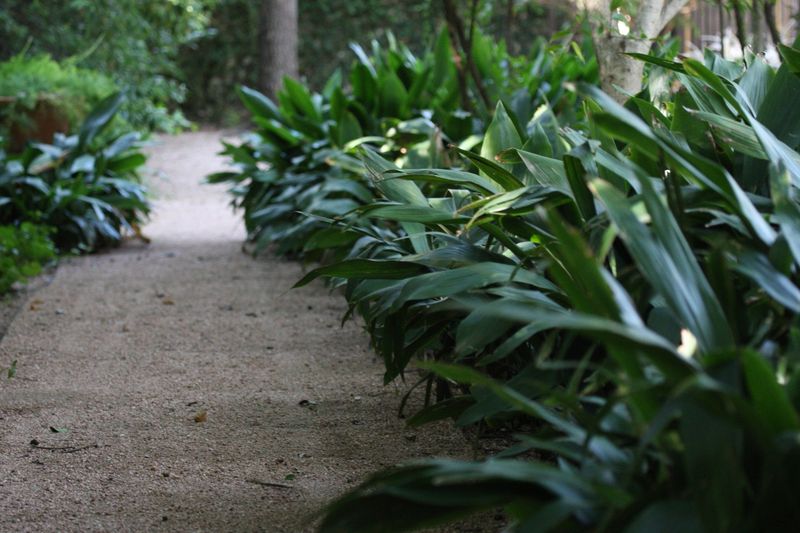
The name says it all. Cast Iron Plant earned its tough reputation by surviving conditions that would defeat almost anything else, including deep shade packed with tree roots.
Long, glossy dark green leaves stand upright like elegant fans. They bring a lush, tropical look to gloomy corners where sunlight barely reaches.
Though not native to Texas, this plant has become a beloved staple in Southern gardens for good reason. It laughs at neglect and keeps looking sharp anyway.
Cast Iron Plant grows slowly, spreading by underground stems to form thick clumps over time. Those clumps fill shady beds and hide bare soil beneath big trees.
It handles dry shade like a pro. Once its roots settle in, it needs very little water and rarely shows stress even during long Texas summers.
Pests and diseases mostly leave it alone. That means less worry for you and fewer chemicals in your garden.
The leaves stay green year round in most of Texas, giving winter beds some welcome life when everything else looks bare.
Planting is easy. Set divisions about a foot apart in shade, water them for the first few weeks, and let them do their thing.
If old leaves get tattered, just snip them off at the base and fresh ones will replace them. A little grooming keeps the clump looking neat.
This plant works beautifully as a border, a filler, or a backdrop for smaller flowers. For those impossible dark spots under mature trees, Cast Iron Plant might be the most dependable choice on this entire list, asking almost nothing while giving steady green beauty.