Texas’s Most Dangerous Venomous Species To Watch For This Fall
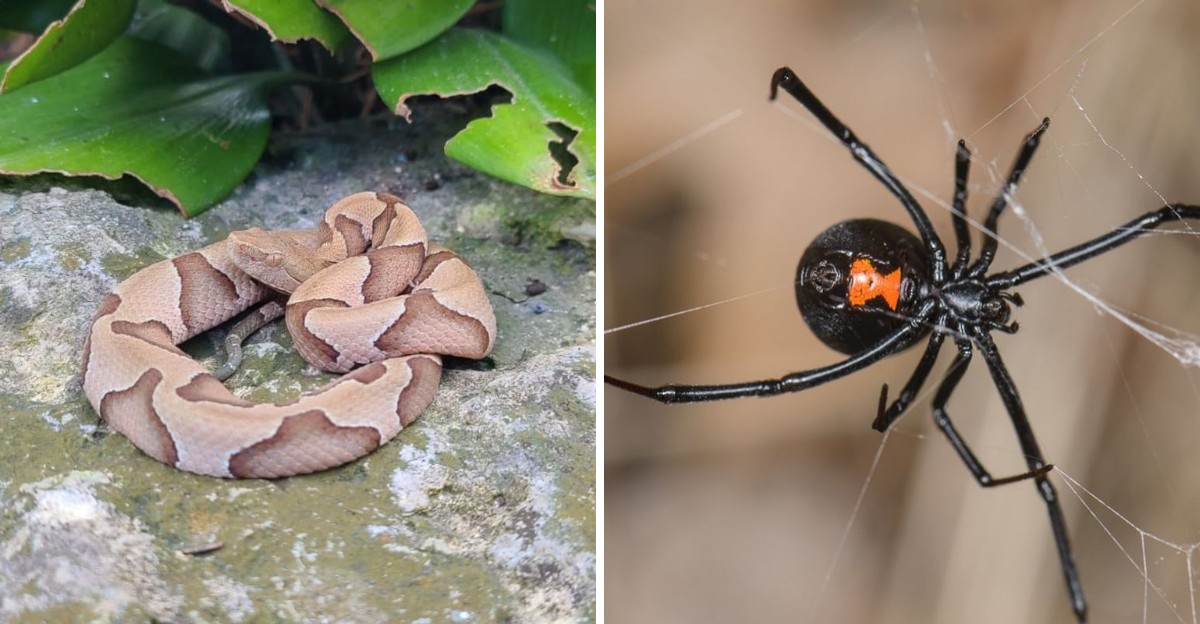
Late summer and early fall are when copperheads give birth in Texas. Each newborn is only about the length of a pencil, but it arrives fully equipped with venom and ready to strike if disturbed.
That’s just one reason fall calls for a little extra caution outdoors. As temperatures drop, many venomous creatures become more active during the day.
Snakes move around searching for places to spend the winter. Spiders and scorpions slip into woodpiles, garages, and storage boxes.
Leaf piles, firewood stacks, and overgrown flower beds suddenly become prime hiding spots, right where people are raking, cleaning up, and decorating for the season.
Most of these animals want nothing to do with people and only bite or sting when they feel cornered. Still, knowing what to watch for can help you avoid a painful, and sometimes serious, encounter.
1. Western Diamondback Rattlesnake
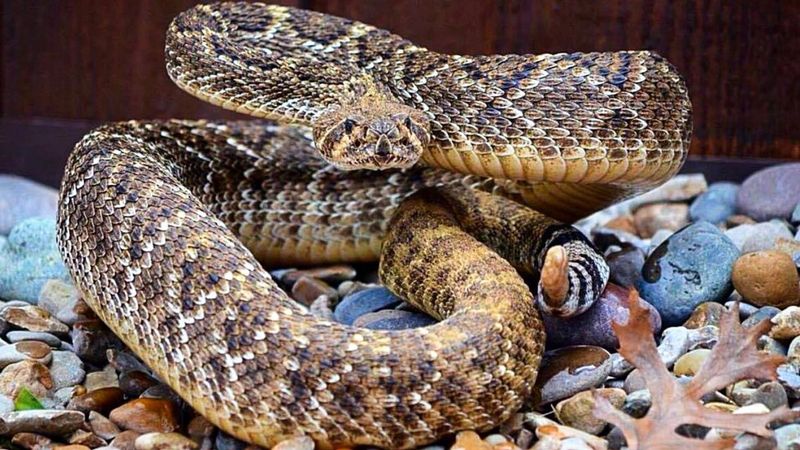
Few sounds in nature grab your attention like the dry buzz of a rattle. For many Texans, that noise means one thing. A western diamondback rattlesnake is close by, and it wants you to back off.
Western diamondbacks live across most of Texas, from the deserts in the west to the farm fields near the center of the state.
They can grow longer than five feet. Look for a pattern of dark diamond shapes outlined in light scales running down the back. The tail has bold black and white rings right before the rattle, which is why some people call it a coon tail.
Fall is a busy time for these snakes. On warm days, they hunt mice and rats to build up fat for winter.
They also travel toward dens where they will rest during cold months. Sometimes many rattlesnakes share the same den, often in rocky hillsides or old burrows.
So how do you stay safe? Watch where you put your hands and feet. Avoid reaching into rock piles, brush, or tall grass without looking first.
Wear sturdy boots and long pants when hiking or working outdoors. Use a flashlight at night, since rattlesnakes often move after dark when fall days are warm.
If you hear a rattle, freeze for a moment and find the snake. Then slowly step away. Never try to catch or poke one, even if it seems calm.
A bite is a true emergency. Stay calm, keep the bitten area still, and call 911 or get to a hospital fast. Skip old tricks like cutting the wound or using ice. Doctors have antivenom that works best when given quickly.
2. Copperhead
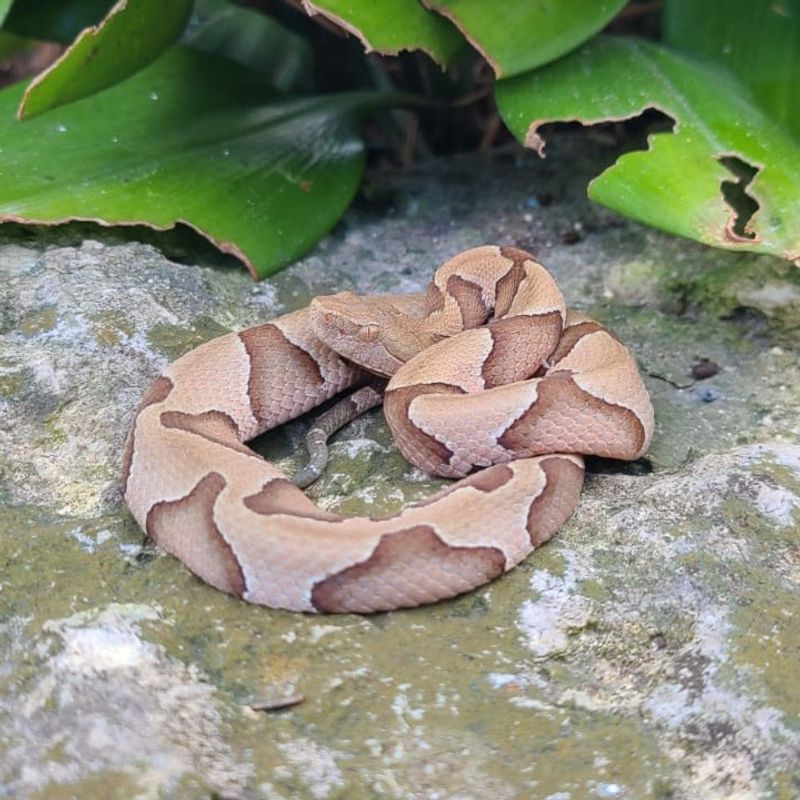
Here is a sneaky one. You could stare right at a copperhead lying in a pile of autumn leaves and never notice it. That amazing camouflage is the reason copperheads cause so many bites in Texas each year.
Copperheads have tan or pinkish bodies with darker copper bands. Many people say the bands look like hourglasses or Hershey’s Kisses when viewed from the side.
The head is a coppery color, which gives the snake its name. Adults are usually two to three feet long.
Your Texas Garden Changes Every Week. Your Plan Should Too.
Gardening in Texas changes quickly throughout the season. Every Friday you’ll receive a simple weekly plan showing exactly what to plant, prune, fertilize, harvest, and protect so you never miss the right timing.
Late summer and early fall is baby season. Mother copperheads give birth to live young instead of laying eggs.
The babies are about eight inches long and are venomous from the very first day. They often have a bright yellow or green tail tip. Young snakes wiggle that tail to lure frogs and lizards close enough to grab.
Copperheads like wooded areas, creek banks, and even suburban yards. They hide in leaf piles, under boards, and around woodpiles. Lots of bites happen when someone is gardening, raking, or picking up sticks with bare hands.
A few smart habits can protect you. Wear thick gloves when doing yard work. Use a rake or tool to move leaves instead of your hands. Keep your lawn trimmed and clear away junk where snakes can hide.
Wear shoes outside at night, because copperheads are active after sunset on mild fall evenings.
Fun fact: some people say copperhead bites can smell like cucumbers. That is mostly a myth, so do not rely on your nose. If bitten, get medical help right away, even if the pain seems small at first.
3. Cottonmouth
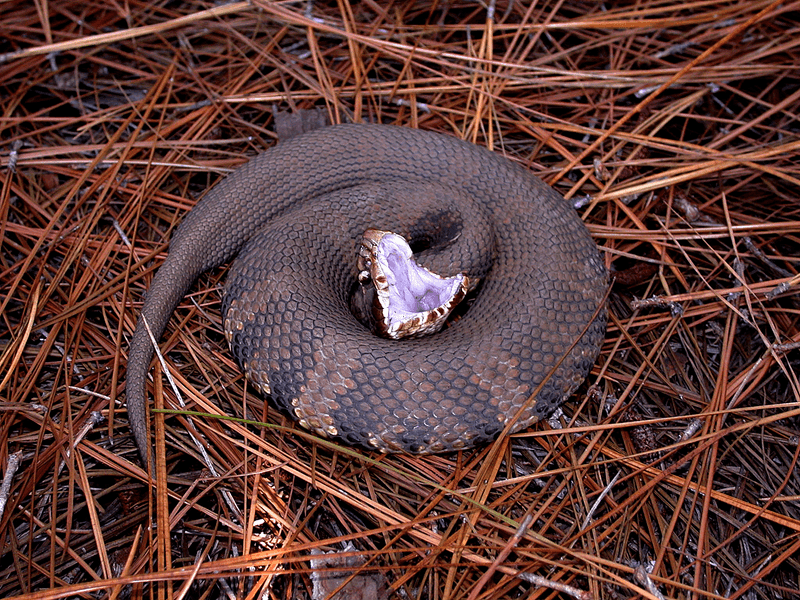
Picnics by the lake sound peaceful, right? Most of the time they are. But along the water’s edge in East and Central Texas, a cottonmouth might be soaking up the same autumn sunshine you came to enjoy.
Cottonmouths are also called water moccasins. They are thick, heavy snakes that can be dark brown, olive, or nearly black.
Younger ones show clearer bands and may have a yellow tail tip like baby copperheads. Adults often look dull and muddy, which helps them blend in along shorelines.
What makes them famous is their warning display. When a cottonmouth feels threatened, it may hold its ground, coil up, and open its mouth wide. The inside is bright white, almost like cotton. It is basically saying, please leave me alone.
These snakes live near rivers, ponds, swamps, marshes, and slow creeks. They eat fish, frogs, and even other snakes. In fall, they bask on logs, rocks, and banks to warm up on cool mornings.
Many harmless water snakes look similar, and people often mix them up. A good rule is simple. Treat any snake near the water with respect and keep your distance.
When fishing or kayaking, scan the bank before stepping out. Avoid walking through thick brush along shorelines.
Look before sitting on logs or reaching into the water near roots and weeds. Bring a buddy and carry a phone in case you need help.
A cottonmouth bite can cause strong pain and swelling. Head to the hospital quickly. Keep the bitten limb still, remove rings or tight items, and let doctors handle the rest.
4. Texas Coral Snake
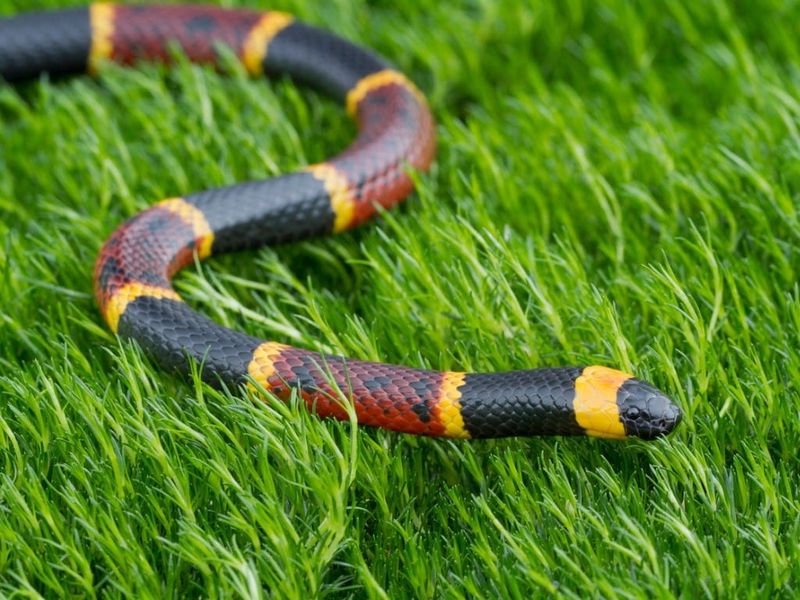
Red touches yellow, watch out fellow. Many Texas kids learn that rhyme early, and for good reason. It helps identify the Texas coral snake, one of the most colorful and powerful venomous animals in the state.
Coral snakes are slim and usually about two feet long. They have wide red and black bands, with thin yellow bands in between.
On the coral snake, the red and yellow touch each other. Harmless look-alikes, such as milk snakes, have red touching black instead.
That said, the rhyme is not perfect everywhere in the world, so the safest move is to leave any banded snake alone.
Unlike rattlesnakes and copperheads, coral snakes have venom that affects the nervous system. It can cause trouble with breathing, speaking, and moving.
Symptoms sometimes show up hours after a bite. Because of that, a person might feel fine at first, which can be very misleading.
The good news is that bites are rare. Coral snakes are shy and spend most of their time hiding.
They tuck themselves under leaf litter, logs, rocks, and loose soil. In fall, gardeners and people cleaning flower beds are most likely to uncover one.
Wear gloves when pulling weeds or moving mulch. Never pick up a brightly colored snake, no matter how small or pretty it looks. Teach children to call an adult instead of touching wildlife.
Any coral snake bite needs emergency care right away. Do not wait to see if symptoms appear. Doctors may watch the patient closely for many hours, just to be safe.
5. Black Widow Spider
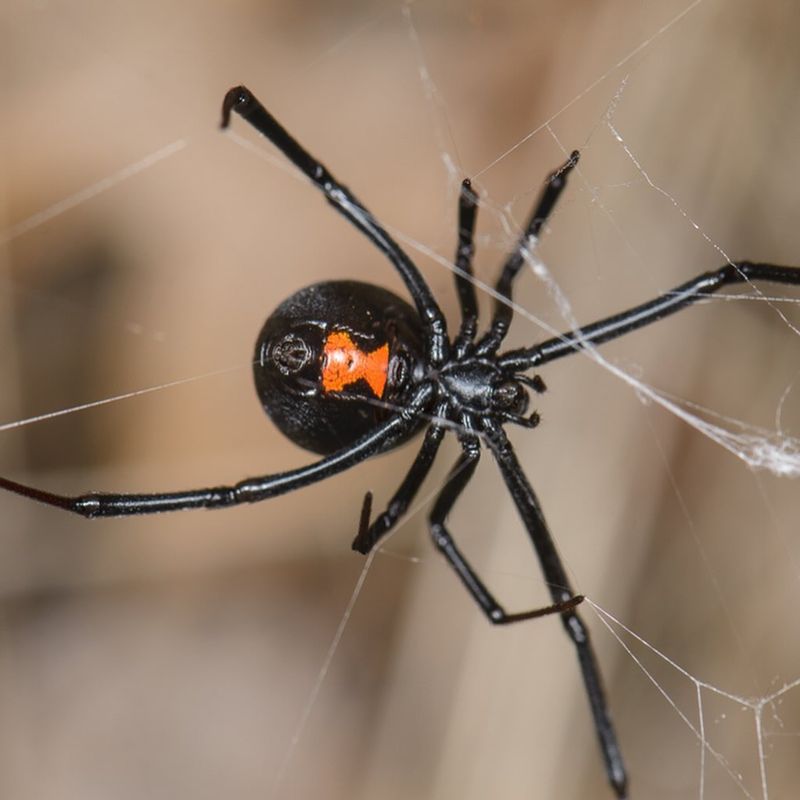
Shiny, black, and marked with a bright red hourglass, the female black widow looks like she came straight out of a Halloween decoration. Fittingly, fall is when many Texans run into her.
Only the females are dangerous to people. They are about half an inch long, with a round, glossy body.
The red hourglass sits on the belly, so you usually see it when the spider hangs upside down in her web. Males and young spiders are smaller and often brown or striped, and they rarely bite.
Black widows build messy, tangled webs close to the ground. They love dark, quiet spots. Think woodpiles, sheds, garages, water meter boxes, and the underside of patio chairs. As people haul out firewood and fall decorations, hands can land right next to a hidden spider.
A bite may feel like a small pinprick. Later, though, the venom can cause strong muscle pain, cramping in the belly or back, sweating, and nausea.
Kids and older adults may have harder reactions. Medical care can ease the pain, so call a doctor or poison control if you think you were bitten.
Simple habits keep you safer. Wear gloves when grabbing firewood or moving stored items. Shake out outdoor cushions and check under furniture before sitting.
Keep firewood off the ground and away from your house walls. Sweep away webs in corners with a broom.
Fun fact: the silk of a black widow is surprisingly strong. During World War II, it was even used for crosshairs in some gun sights.
6. Brown Recluse Spider
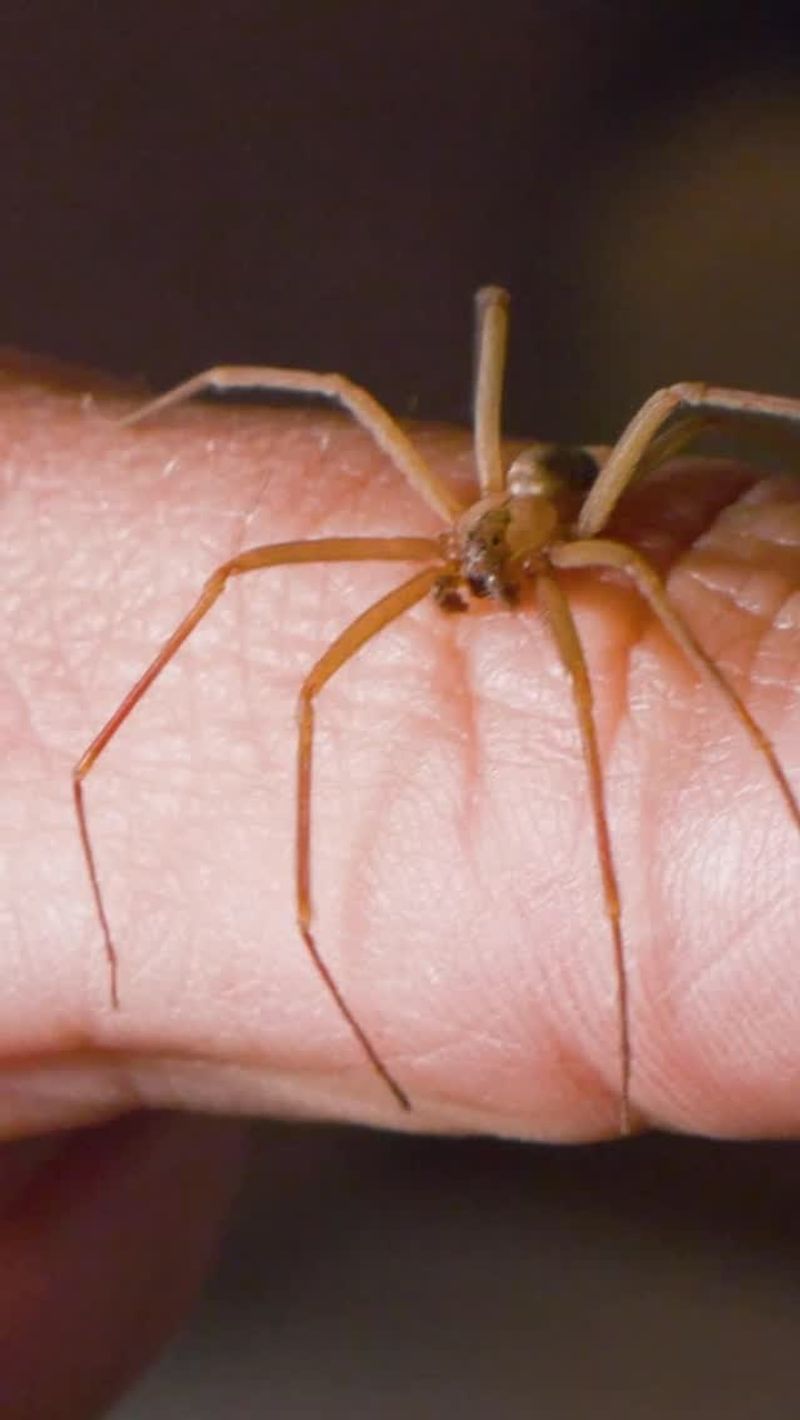
Recluse means someone who likes to be alone. The name fits this spider perfectly. Brown recluses spend their lives tucked away in quiet, dusty places, and they only bite when they get pressed against skin.
These spiders are light to medium brown and about the size of a quarter, including legs. Look for a dark violin shape on the back, with the neck of the violin pointing toward the rear.
They also have six eyes instead of the usual eight, though you would need a magnifying glass to check.
When temperatures drop in fall, brown recluses often settle into homes. Garages, attics, closets, and storage rooms are favorite spots.
Cardboard boxes are like little apartments to them. They also crawl into shoes, gloves, and clothes that have not been worn in a while.
Most bites are mild and heal on their own. Some, however, can create a painful sore that grows and takes weeks to heal.
A doctor should check any bite that gets red, swollen, or starts to look like an open wound. Fever or chills also mean it is time to get help.
Prevention is mostly about being careful. Wear gloves when sorting boxes or pulling out holiday decorations. Shake out clothes, jackets, and shoes before putting them on.
Store items in plastic bins with tight lids instead of cardboard. Move beds a few inches from walls and keep bedding off the floor.
Sticky traps placed along walls can also help you spot and reduce spiders hiding in your home.
7. Puss Caterpillar
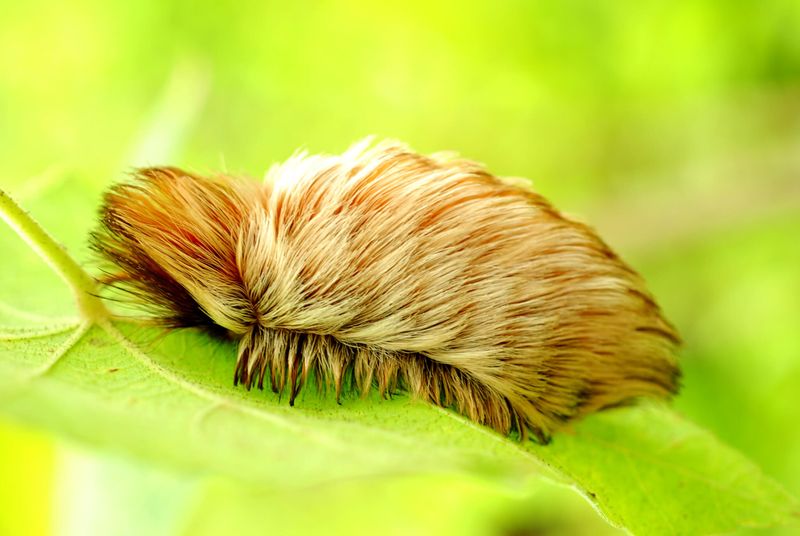
Soft, fluffy, and kind of adorable, the puss caterpillar looks like a tiny wig or a cat’s tail. Do not let that cute look fool you. It is one of the most painful stingers in North America.
Puss caterpillars are about an inch long and shaped like a teardrop. Their hair can be tan, gray, orange, or almost white.
Underneath that fluffy coat hide short, sharp spines filled with venom. When skin brushes against them, the spines break off and release a burning sting.
People who have been stung often describe the pain as intense and throbbing. It can spread up an arm or leg.
Some folks also get a headache, nausea, swelling, or a red grid pattern on the skin where the spines touched.
Fall is peak time for these caterpillars in East and Central Texas. They munch on oak, elm, and other shade trees.
They also crawl on fences, playground equipment, picnic tables, and walls near trees. Kids are stung often because the caterpillars look so fun to pet.
Teach children to look but never touch fuzzy caterpillars. Check benches and railings before grabbing them. Wear gloves when trimming trees or raking under oaks.
If a sting happens, gently press clear tape on the spot and pull it off to remove spines. Then wash the area with soap and water. An ice pack can help with pain.
Seek medical help if pain is severe or the person has trouble breathing. Fun fact: the puss caterpillar grows into a fuzzy moth called the southern flannel moth.