What To Do With Texas Plumbago In July To Keep It Full And Blooming Instead Of Woody And Sparse
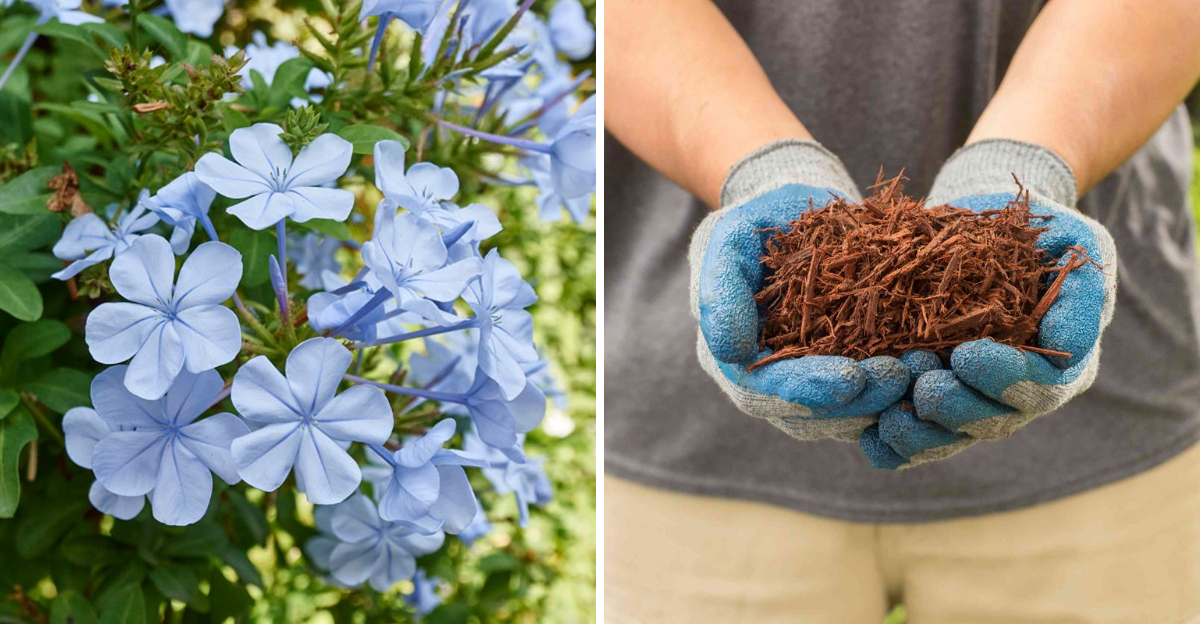
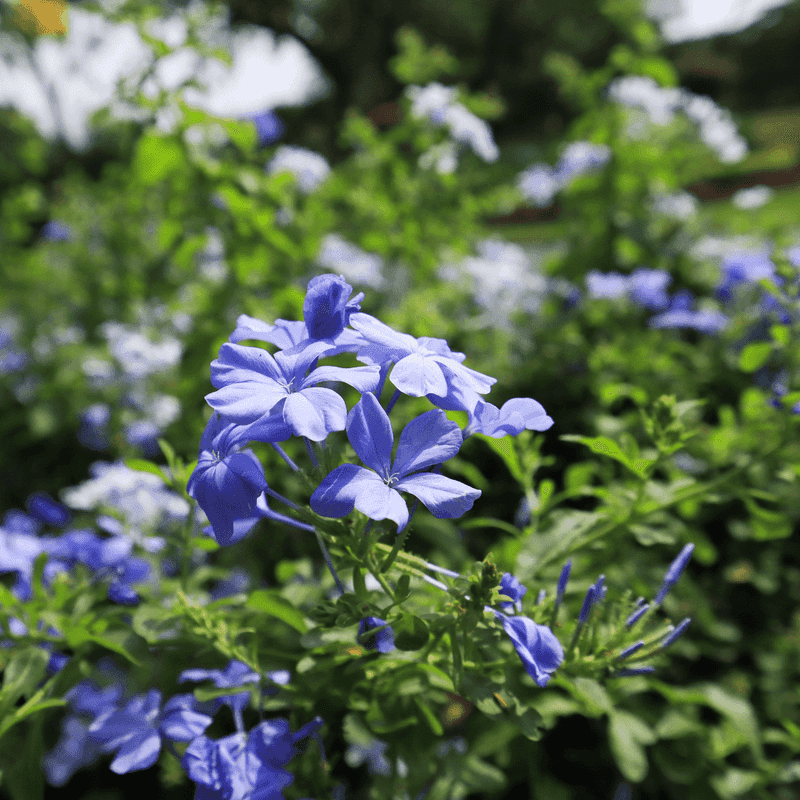
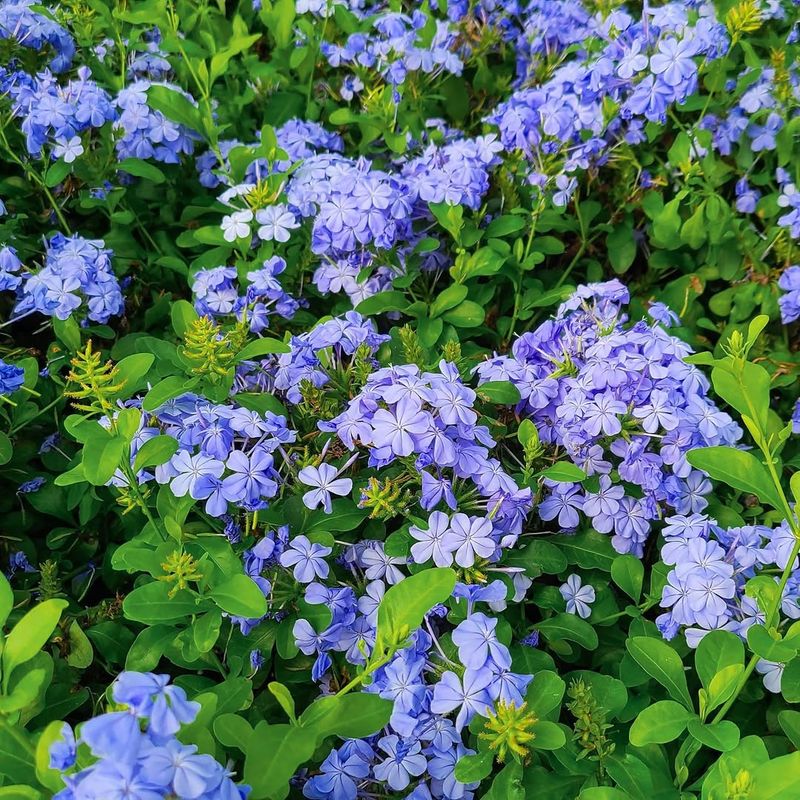
Plumbago is one of the most rewarding shrubs you can grow in a Texas garden. That steady stream of sky blue flowers through the heat of summer is hard to beat, and when a plumbago is healthy and well maintained, it looks like something out of a garden magazine.
But if yours is starting to look woody, sparse, or like it’s running out of steam heading into the heart of summer, July is exactly the right time to do something about it. Left alone, plumbago has a habit of getting leggy.
The base becomes woody, the flowering moves further and further out to the tips, and what was once a full, lush shrub starts looking thin and tired. It’s a common pattern, and it catches a lot of Texas gardeners off guard the first time they see it happen.
The good news is that a few targeted moves in July can turn this around completely. Here’s exactly what to do with your Texas plumbago right now to keep it full, healthy, and blooming through the rest of the season.
1. Give It A Light Mid-Summer Trim
Grab your hand pruners and take a walk around your plumbago before you do anything else. July is a great time to notice which stems have stretched out long and thin without producing many flowers.
Those leggy stems are exactly what you want to target with a light trim. You do not need to cut the whole plant back hard. A gentle shaping trim is all that is needed in the heat of summer.
Focus on stems that are reaching out past the main body of the plant or those that look stretched and weak. Cut them back by about one-third, just above a leaf node where new growth can sprout.
Cutting back in this way sends energy back into the plant and encourages it to push out fresh side shoots. Those new shoots are what will carry the next round of blooms. It is a simple idea, but it works incredibly well on plumbago.
One thing to avoid is giving the plant a severe haircut during a heatwave. Extreme pruning in extreme heat puts a lot of stress on any shrub.
A light touch is always smarter in July than going all the way back to bare wood. Think of it as a summer haircut, not a total makeover.
Your plant will reward you with a fresh flush of growth within a couple of weeks if you keep it gentle and targeted.
2. Remove Dry Or Weak Growth
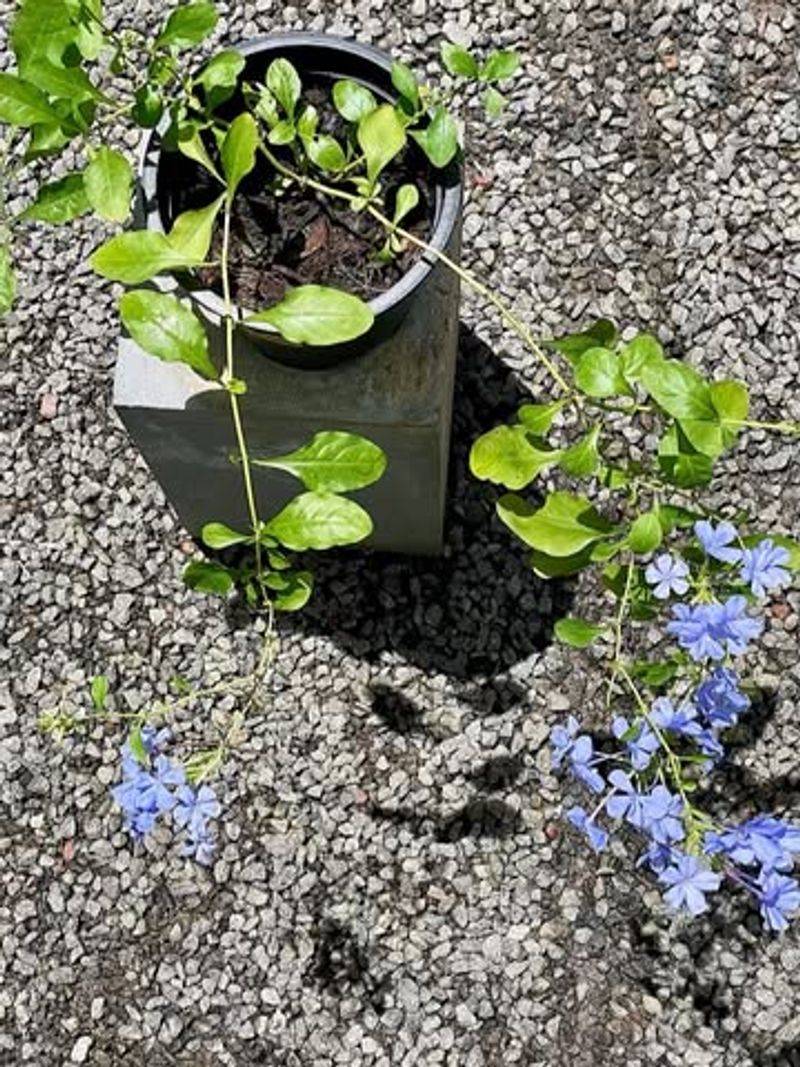
Not every stem on a plumbago is worth keeping. Some stems go thin, dry out at the tips, or lose all their leaves along the bottom half.
These weak, struggling stems are not helping your plant bloom. They are actually pulling energy away from the parts that are still healthy and productive.
Go through the plant carefully and snip out anything that looks bare, brittle, or clearly not growing. You are not trying to reshape the whole plant here.
Your Texas Garden Changes Every Week. Your Plan Should Too.
Gardening in Texas changes quickly throughout the season. Every Friday you’ll receive a simple weekly plan showing exactly what to plant, prune, fertilize, harvest, and protect so you never miss the right timing.
The goal is just to clean it up a little and remove the dry weight. This kind of selective removal helps open the plant up slightly so air can move through it better.
Better airflow reduces the chance of fungal problems, which can sneak up on dense shrubs during humid summer months. It also helps the plant look tidier without making it look stripped or naked.
You want to remove just enough to make a difference without going overboard.
Here is a good rule of thumb: if a stem has no healthy leaves and no signs of new growth, it probably is not coming back strong. Removing it now gives the surrounding healthy stems more room and more resources.
Think of it like thinning out a crowded garden bed. When plants are not competing as hard for space and nutrients, the strong ones thrive and bloom with a lot more enthusiasm.
A little cleanup goes a long way when it comes to keeping plumbago looking its best through the rest of summer.
3. Water Deeply During Dry Spells
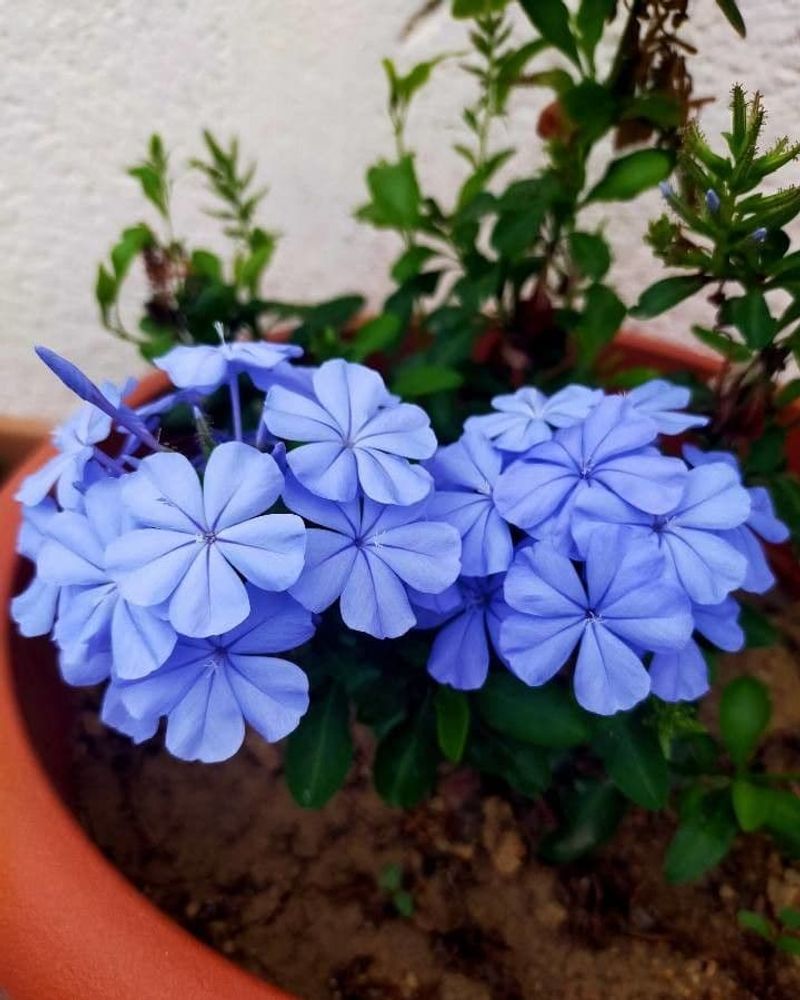
Plumbago has a reputation for being tough, and it truly is. But even the toughest plants bloom better when they are not constantly thirsty.
July in Texas can bring long stretches without rain, and a drought-stressed plumbago will slow down its flowering in a hurry.
The key is to water deeply rather than frequently and lightly. Shallow watering only wets the top inch or two of soil, which does not reach the deeper roots where the plant really drinks.
Deep watering encourages roots to grow downward into cooler, moister soil, which helps the plant handle heat on its own between waterings.
When you water, let the hose or drip system run slowly at the root zone for a good while. You want the water to soak down at least six to eight inches into the soil.
Then let the soil dry out somewhat before watering again. Plumbago does not like sitting in soggy soil, and overwatering can cause just as many problems as underwatering.
A simple way to check soil moisture is to push a finger or a wooden dowel a few inches into the ground near the base of the plant. If it comes out dry, it is time to water.
If it still feels damp, give it another day or two. Getting the watering rhythm right in July makes a noticeable difference in how many flowers your plumbago produces.
Consistent, deep moisture at the roots keeps the plant energized and ready to bloom through the hottest weeks of the year.
4. Refresh Mulch Around The Base
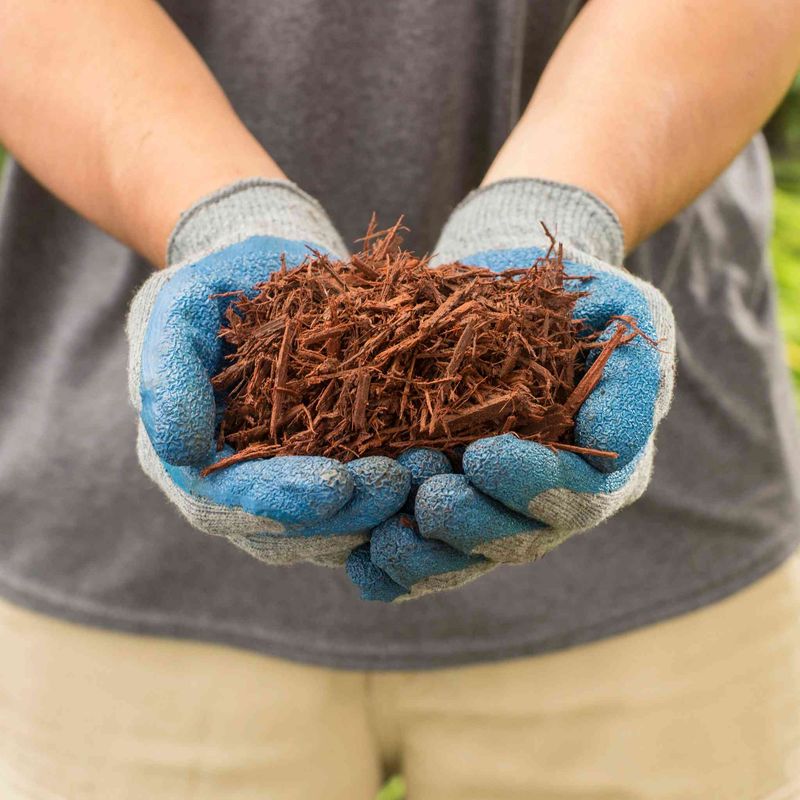
Mulch might seem like a small detail, but it makes a surprisingly big difference during July heat. A fresh layer of mulch around the base of your plumbago acts like a blanket for the soil.
It slows down evaporation, keeps the root zone cooler, and helps maintain steady moisture levels between waterings.
If the mulch around your plumbago has broken down, thinned out, or washed away since spring, now is a perfect time to top it off. A two to three inch layer of shredded wood mulch, bark chips, or even pine needles works well.
Spread it out in a wide circle around the plant, covering the area where the roots are growing.
One important detail is to keep the mulch pulled back a few inches from the base of the plant itself. Piling mulch right up against the crown of the shrub traps moisture against the stem and can lead to rot or fungal issues over time.
You want the soil covered, but the base of the plant should have a little breathing room. Refreshing mulch is one of the easiest and most effective things you can do for any garden plant in summer, and plumbago is no exception.
It cuts down on how often you need to water, protects the roots from baking in the heat, and even helps suppress weeds that would otherwise compete for nutrients.
For just a few minutes of work, the payoff in plant health and bloom production is well worth it throughout the rest of the growing season.
5. Feed Lightly, Not Heavily
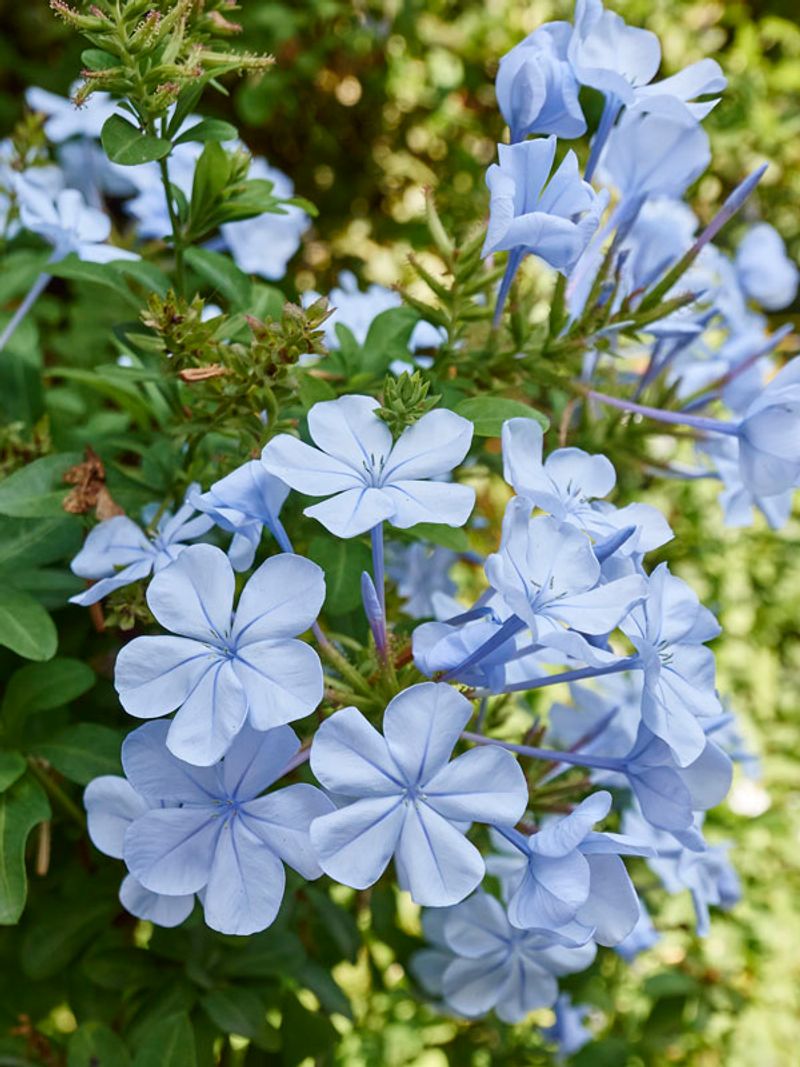
Fertilizing plumbago in July is a bit of a balancing act. The plant can benefit from a small nutrient boost if it has been looking pale, producing fewer blooms, or growing very slowly. But throwing a heavy dose of fertilizer at it in the middle of summer heat is not the answer.
Too much fertilizer, especially products that are high in nitrogen, pushes the plant to grow a lot of lush green leaves very quickly. That sounds good, but it actually comes at the expense of flowers.
You end up with a big leafy shrub that is not blooming much at all. That is the opposite of what you want from your plumbago in summer.
A light application of a balanced, slow-release fertilizer works well for this situation. Look for something with roughly equal numbers on the label, such as a 10-10-10 blend.
Sprinkle a small amount around the drip line of the plant, not right against the stem, and water it in well. Slow-release granules are especially helpful because they feed the plant gradually over several weeks rather than all at once.
If your plumbago looks healthy and is blooming well, you may not need to fertilize at all this month. Healthy soil with good organic matter can often supply enough nutrition on its own.
Overfeeding a plant that is already doing fine can actually create more problems than it solves. When in doubt, less is more with summer fertilizing.
A gentle nudge is all most plumbago plants need to keep the flowers coming strong through August.
6. Make Sure It Gets Enough Sun
Here is something that surprises a lot of gardeners: plumbago can slowly decline not from heat or drought, but from too much shade.
If nearby trees, shrubs, or fences have grown taller and wider over the past year or two, they may be casting more shadow over your plumbago than you realize. Less sun means fewer flowers and weaker, spindly growth.
Walk around your garden on a clear morning and watch where the sun actually falls throughout the day. Plumbago wants at least six hours of direct sunlight to bloom its best.
If your plant is only getting three or four hours because something else has grown up around it, that is a real problem worth solving.
The first fix to try is trimming back the surrounding plants that are causing the shade. Sometimes just removing a few overgrown branches from a nearby shrub is enough to let more light reach your plumbago.
It is a quick fix that can make a noticeable difference in bloom production within just a few weeks.
If the shading problem is more serious and cannot be fixed with a simple trim, you might want to plan ahead to relocate the plumbago to a sunnier spot.
July is not the ideal time to transplant because of the heat, but you can start identifying a better location now and move the plant in early fall when temperatures drop.
Giving plumbago the sunlight it needs is honestly one of the most powerful things you can do to keep it full, vibrant, and covered in those beautiful blue blooms all season long.