That Blue Tailed Lizard In Your Michigan Yard May Be Helping Your Garden
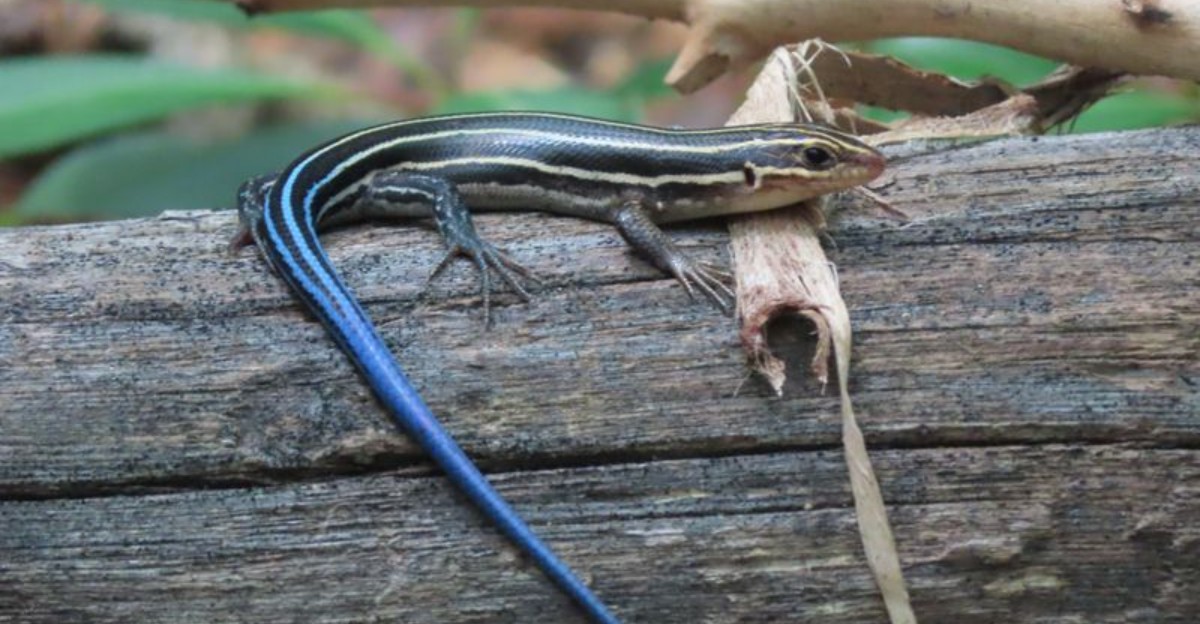
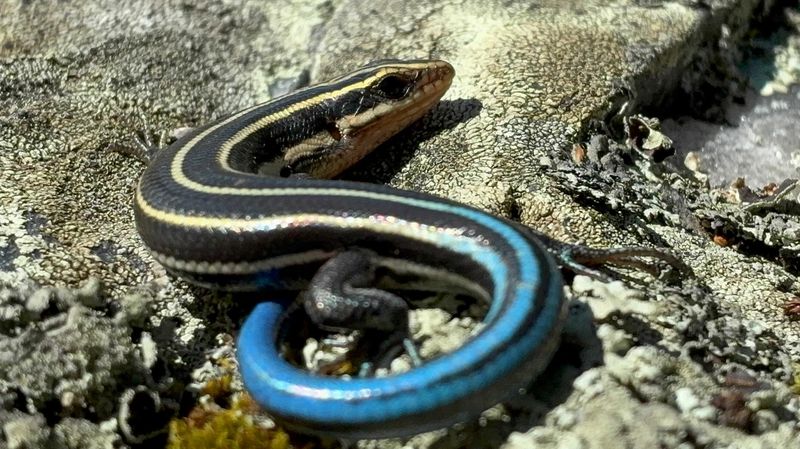
A small lizard with a strikingly bright blue tail showing up in a Michigan yard is very likely a juvenile five-lined skink, one of the state’s native lizard species.
As these skinks mature, that vivid blue color typically fades, but in their younger years it serves as a defense mechanism, drawing predator attention toward the tail rather than the body, which can be shed and regrown if needed.
Beyond their unique appearance, five-lined skinks are active hunters that feed on insects, spiders, and other small pests commonly found in gardens.
Their presence often signals a healthy, biodiverse yard rather than any kind of problem. For Michigan gardeners who spot this little blue-tailed visitor, it’s generally a welcome sign rather than something to worry about.
It May Be A Young Five-Lined Skink
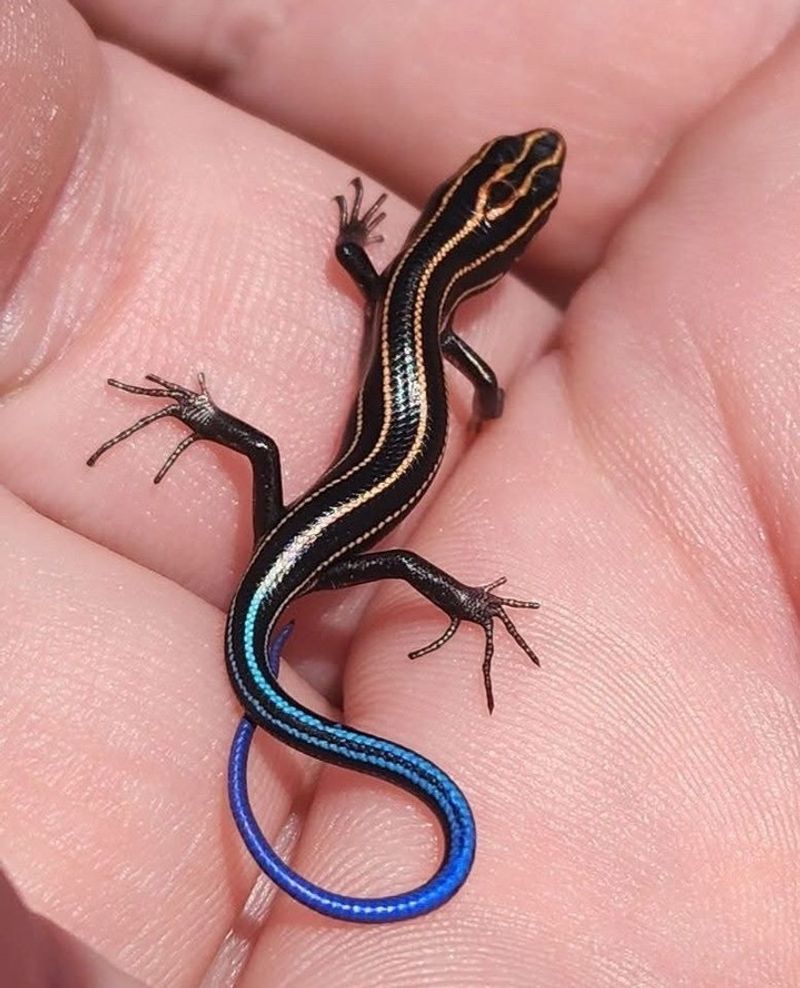
That flash of electric blue you saw was probably a baby five-lined skink. Young ones wear a dark body with five cream or yellow stripes running down their backs, and the star of the show is that glowing blue tail.
The bright color fades as the skink grows up. Adults lose much of the blue, and their stripes become softer and less obvious. Older males often turn a plain brownish color and may develop a reddish or orange jaw during the warmer breeding months.
So the same lizard can look very different depending on its age. A tiny striped one with a shocking blue tail is a youngster, while a larger, duller one nearby could be a full-grown adult of the very same species.
Michigan does not have many native lizards, which makes any sighting a treat. Five-lined skinks are the most common one you might notice, especially in the southern and western parts of the state where sunny, rocky spots are easy to find.
The blue tail is not just for looks. Scientists think the bright color draws a predator’s attention toward the tail instead of the head. If something grabs it, the tail can detach and wiggle, giving the skink a chance to slip away safely.
Knowing what you are looking at makes the moment more fun. Next time a blue streak zips past your feet, you can smile and know a young native skink just paid your garden a visit.
Skinks Eat Garden Insects
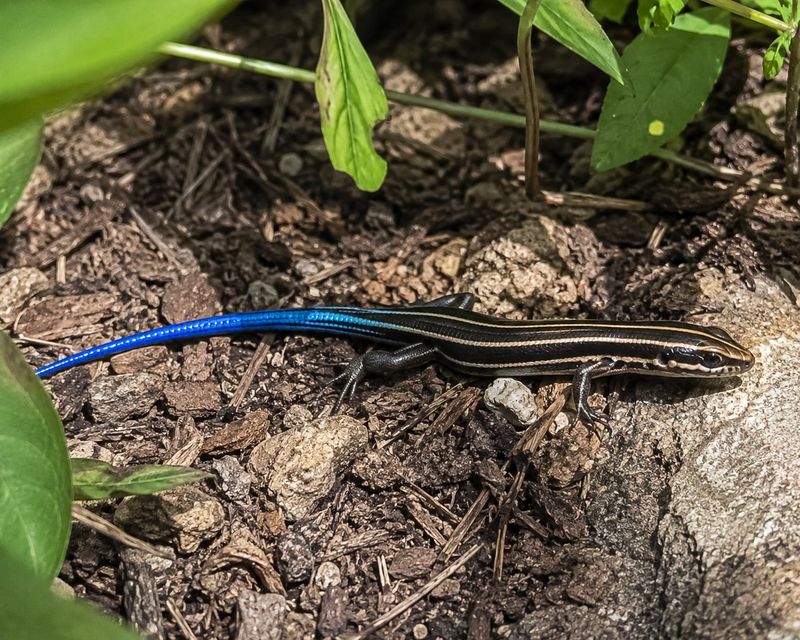
Here is the good news for anyone who loves their plants. Five-lined skinks spend much of their day hunting the very bugs that chew on gardens and buzz around patios.
Their menu is packed with crickets, beetles, grasshoppers, spiders, and other small crawlers. A hungry skink will snap up caterpillars, ants, and even small snails when it gets the chance. That means fewer pests nibbling on your leaves and vegetables.
Because they hunt during the day, you might actually catch one in action. Skinks move fast, using quick bursts of speed to grab prey before it escapes. Watching one snatch a beetle off a warm rock is a small backyard show worth pausing for.
Think of them as tiny, free pest control that never asks for a paycheck. A single skink can eat a surprising number of insects over the course of a warm season, which helps keep bug populations from getting out of hand.
Your Michigan Garden Changes Every Week. Your Plan Should Too.
Gardening in Michigan changes quickly throughout the season. Every Friday you’ll receive a simple weekly plan showing exactly what to plant, prune, fertilize, harvest, and protect so you never miss the right timing.
Gardeners often spend money on sprays and traps to handle pests. Having natural helpers like skinks means some of that work happens on its own, quietly and safely, right under the plants.
Their appetite also supports a healthier balance in your yard. When skinks trim back the insect crowd, plants get a break, and other helpful creatures find room to thrive too.
So instead of shooing away that little lizard, you might thank it. Every bug it grabs is one less nibbling on the garden you worked so hard to grow.
They Can Hunt Around Garden Edges
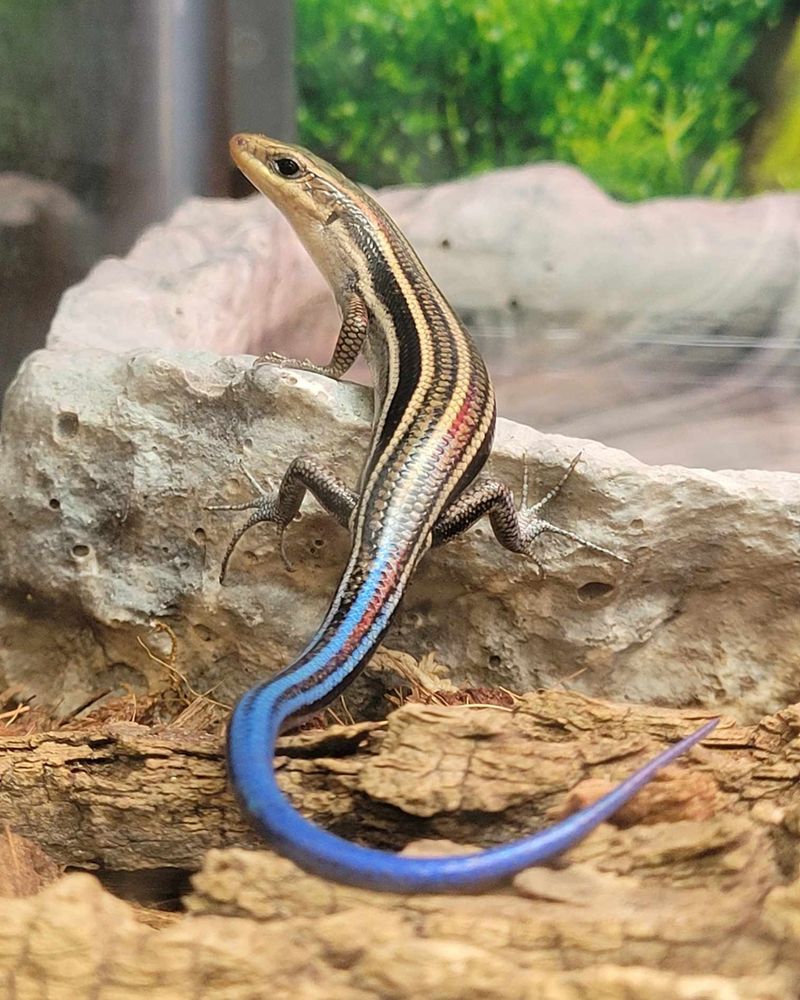
Ever wonder why you keep spotting skinks near the same spots? They love the edges of things, where sunny open ground meets rocks, logs, and shady cover.
These border areas are insect hotspots. Bugs gather under stones, in wood piles, and among fallen leaves, so skinks patrol these places like a favorite hunting ground. A garden edge lined with mulch or rocks becomes a perfect buffet.
Warmth plays a big role too. Skinks are cold-blooded, so they need sunshine to power up before hunting. A flat rock or a warm stepping stone gives them a spot to soak up heat, then dash out to grab a snack.
You will often find them near the base of stone walls, along the sides of raised beds, or close to a woodpile stacked in a sunny corner. These spots offer both a warm perch and a quick hiding place if danger appears.
Leaf litter is another favorite zone. Beneath those crunchy leaves lives a whole world of tiny creatures, and skinks know exactly where to look. Turning over a stray log might reveal one resting underneath.
If you want to see more of them, pay attention to these transition areas. Watching quietly near a rocky garden border on a sunny morning is your best bet for a sighting.
Understanding their favorite hangouts also helps you garden around them. Knowing they like edges means you can leave a few natural nooks in place and enjoy their company all season long.
A Blue Tail Is Not A Sign Of A Dangerous Animal
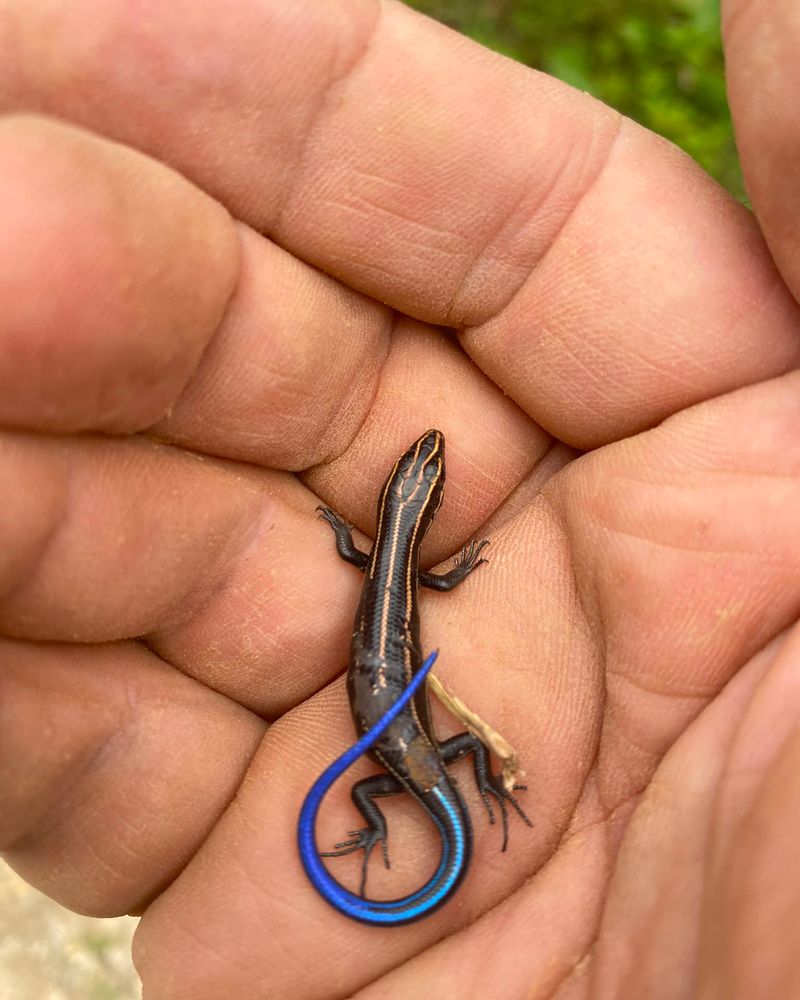
That vivid blue tail might look wild, but it carries no danger at all. Five-lined skinks have no venom, and they pose no threat to people, kids, or pets.
Some folks worry that a brightly colored animal must be poisonous. With skinks, the color is simply a clever trick to protect the lizard, not a warning aimed at you. It is all about survival, not harm.
These little reptiles are shy by nature. Their first instinct is to run and hide, not to face you down. Getting close enough to touch one is tricky because they vanish so quickly.
If you ever handled one, you would notice it just wants to squirm free and scoot away. They do not chase people, and they have no interest in your home or your food.
Pets usually lose interest fast too. A curious dog or cat might watch a skink, but the lizard’s speed means the chase rarely lasts long, and no one gets hurt.
Because they are harmless, there is no reason to remove one just because it looks unusual. Five-lined skinks are native to Michigan, so leaving them undisturbed is a good way to enjoy this native wildlife.
Think of the blue tail as a fun surprise rather than a red flag. It is one of nature’s neat designs, showing off in your yard for a season before it fades.
Next time you spot that bright streak, relax and enjoy it. You are looking at a gentle garden helper, not a creature to fear.
They Need Places To Hide
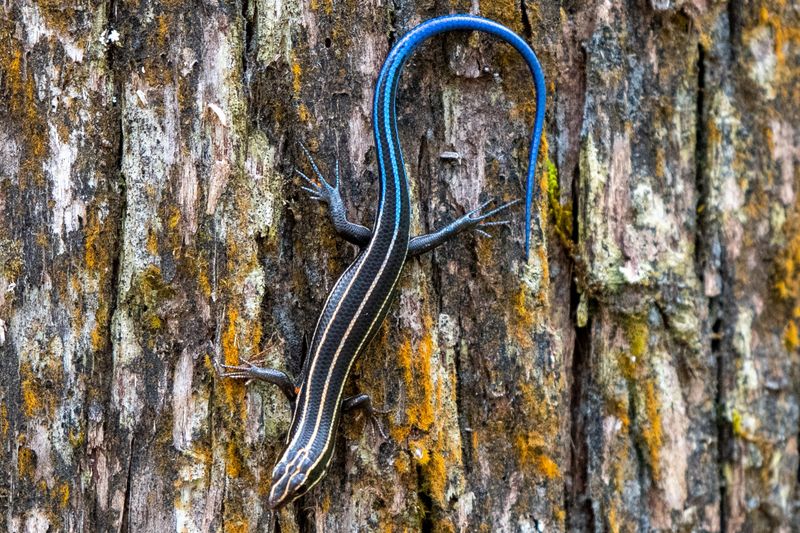
Every skink needs a safe spot to duck into, and your yard can offer plenty. Rocks, fallen logs, and piles of leaves all make cozy hideaways for these little reptiles.
Shelter matters for more than just safety. Skinks tuck away to rest, stay cool on hot afternoons, and shelter from birds or other hunters. Without hiding places, they simply will not stick around.
A flat stone with a gap underneath is skink gold. So is a small log resting in a shady corner, or a loose pile of bark near a garden bed. These little nooks give them room to slip out of sight fast.
You can help by keeping a few natural features in place. Leaving a couple of rocks, a short log, or a small patch of leaves creates instant shelter without much effort on your part.
The trick is finding a balance. A yard buried in clutter is not the goal, but a tidy garden with zero hiding spots leaves skinks nowhere to go. A few thoughtful features do the job nicely.
Try placing a flat rock or two near a sunny bed. Skinks can warm up on top and dive underneath when they need cover, getting the best of both worlds in one spot.
Small changes like these turn an ordinary yard into skink-friendly space. You keep your garden neat while still giving these helpful visitors a reason to stay.
A little shelter goes a long way toward keeping your bug-hunting friends around all summer.
Avoid Unnecessary Pesticides Around Them
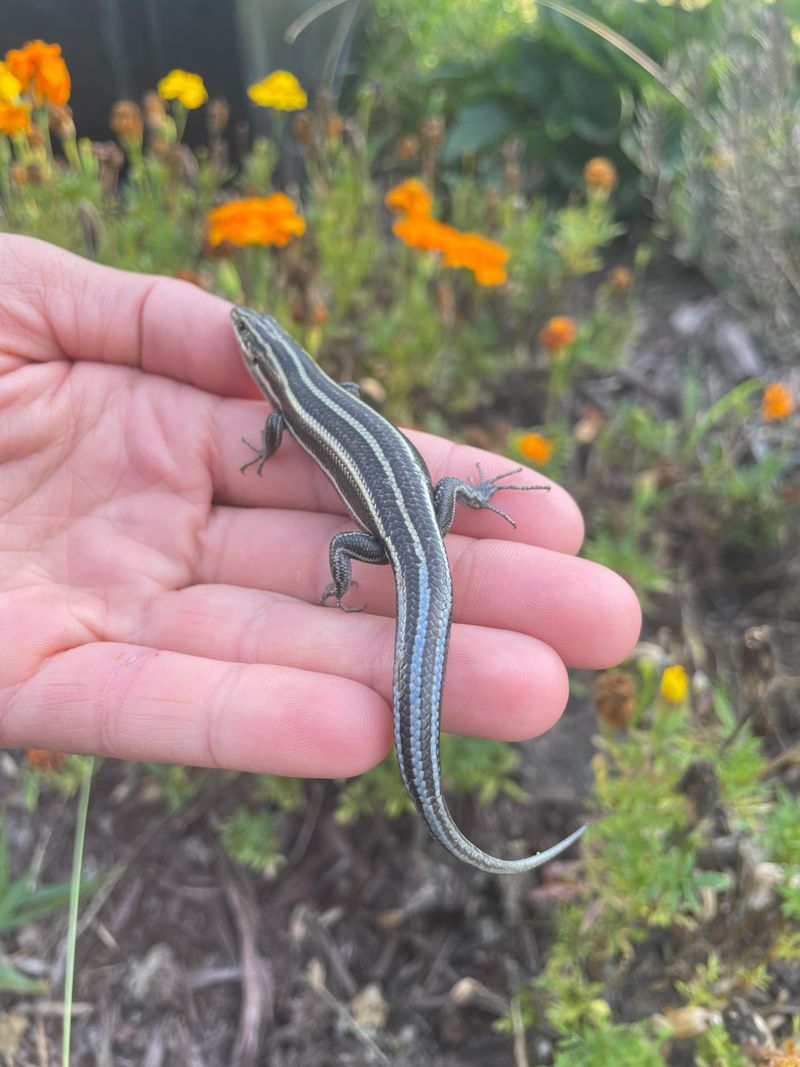
Reaching for the bug spray might feel like a quick fix, but it can hurt your garden helpers. Broad sprays wipe out the insects and spiders that skinks count on for meals.
When the bug supply drops, skinks have less to eat. A yard soaked in chemicals becomes a poor place for them to live, so they may wander off in search of better hunting grounds.
There is a bigger picture too. Many sprays do not just target one pest. They knock out helpful bugs like ladybugs and pollinators along with the ones you wanted gone.
Losing those good insects throws your yard out of balance. Suddenly the natural helpers are missing, and pests can bounce back stronger than before without anything to hold them in check.
Skinks offer a gentler path. Since they eat so many bugs on their own, letting them work means you may not need heavy sprays at all. Nature handles part of the chore for free.
If you do face a pest problem, try softer methods first. Hand-picking bugs, using targeted treatments, or welcoming natural helpers keeps your yard healthier for everyone in it.
Cutting back on chemicals protects more than skinks. Birds, frogs, bees, and beneficial insects all thrive in a yard that stays low on harsh sprays.
A healthier backyard ecosystem starts with small choices like this one. Skip the unnecessary spraying, and you give skinks and countless other creatures a fair chance to keep your garden humming along.
Seeing One Means Your Yard Offers Something Useful
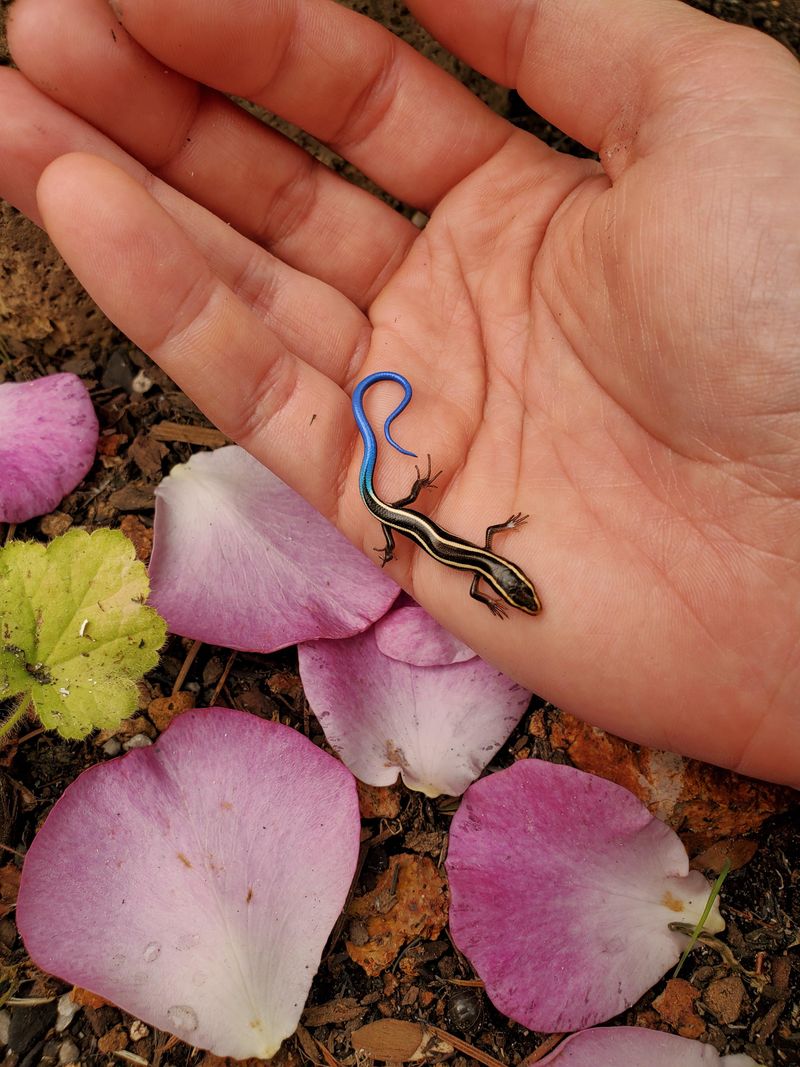
Spotting a skink is a quiet compliment to your yard. These lizards are picky about where they settle, so their presence means you are doing something right.
They look for a mix of good things. Sunny spots for warming up, shelter for hiding, and a steady supply of bugs all rank high on a skink’s wish list.
When a yard checks those boxes, skinks move in. Their arrival tells you the garden has the right blend of warmth, cover, and food to support small wildlife.
Think of them as a sign of a living, breathing backyard. Where skinks thrive, other creatures usually do too, from birds to helpful insects to frogs near a damp corner.
Backyard biodiversity is a fancy way of saying lots of different creatures share the space. A rich mix keeps everything balanced, healthy, and buzzing with life all season.
Skinks fit right into that web. They eat pests, become food for larger animals, and add a spark of wild wonder every time they dash across a stone.
Their presence can also nudge you to keep good habits going. Knowing your choices attract native wildlife makes it easier to skip harsh sprays and leave a few natural features alone.
So the next time one appears, take it as a small win. Your yard is offering warmth, safety, and plenty to eat, and a picky little skink noticed.
That is a backyard worth feeling proud of, one that supports life beyond just the plants you tend.
Let This Helpful Michigan Visitor Stay
The kindest thing you can do for a skink is simple: leave it alone. These native reptiles do best when they can come and go on their own terms.
Trying to catch one usually stresses the little lizard and rarely works anyway. They are fast, shy, and far happier exploring your garden than sitting in a jar or a bucket.
Relocating them is not a good idea either. Skinks know their home turf, including the best hiding spots and hunting grounds. Moving one to a new place strips away everything it depends on.
In Michigan, five-lined skinks are native reptiles that are best appreciated from a distance. Leaving them undisturbed gives them the freedom to hunt, hide, and move through their natural habitat.
Enjoying these little visitors without handling or relocating them keeps both you and the lizard content.
You can still help behind the scenes. Keeping a few rocks or logs in place, easing up on sprays, and letting a leafy corner stay wild all make your yard welcoming.
Watching becomes the real reward. Sit quietly on a sunny morning, and you might catch a skink basking, hunting, or flashing that blue tail before it slips away.
Kids especially love these sightings. A backyard skink turns into a fun nature lesson right outside the door, sparking curiosity about the wild world close to home.
By letting this helpful visitor stay, you gain a free pest controller and a charming garden companion. That is a fair trade for simply doing nothing at all.
Give your skink some space, and it will keep tending your garden in its own quiet way.