That Clean Angled Cut On Your Minnesota Shrubs Is A Signature And Someone Is Already Back For More
Some of the neatest pruning cuts in my Minnesota yard last winter were made by a visitor with no tools at all. Each twig ended in a crisp slant, sharp enough to fool me into blaming a tidy neighbor.
The culprit works mostly at dusk and dawn. It leaves tiny clues in the snow, and it remembers exactly where the best snacks grow.
I went out one January morning and found the same shrub trimmed lower than the day before. You might notice this pattern too, especially after a fresh snowfall raises the buffet line a few inches higher.
Across Minnesota, gardeners spot these slanted nips on burning bush, serviceberry, and young apple trees. Who keeps clipping your landscape, and how do you send them shopping somewhere else?
That Slanted Twig Tip Was Not Made By Garden Pruners
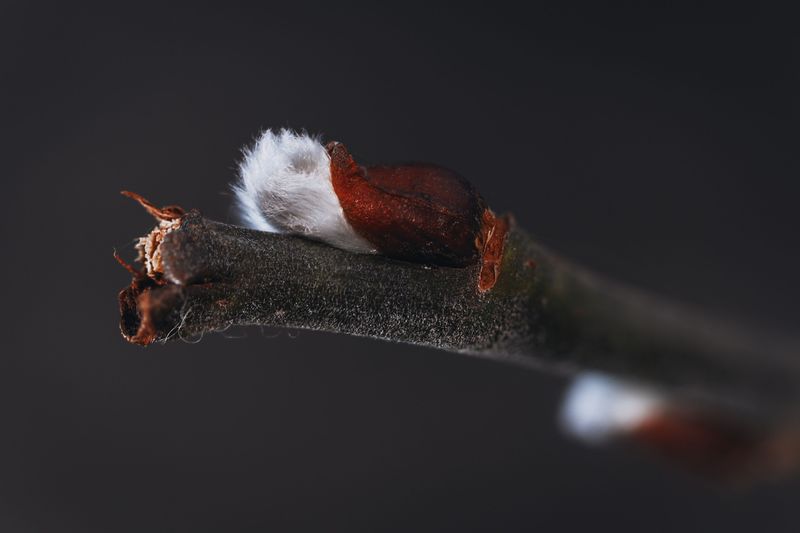
Grab a bent twig and look closely at the end. A smooth, slanted surface, almost like a knife slid through it, is the classic mark of a sharp set of front teeth.
Gardeners make angled cuts on purpose, so this detail confuses plenty of people. Proper pruning places a slanted cut about a quarter inch above a bud. The cuts showing up on your shrubs, though, ignore buds and appear at random heights.
Height offers another strong clue. Most of the damage sits within about two feet of the ground or the top of the snow. A human trimmer would work higher and follow some kind of shape.
I found my first batch along the side of a burning bush near the fence. Every nibbled stem was low, clean, and slanted, with no torn edges at all. Other animals leave different marks. Voles chew tiny grooves at the base, often under snow.
Deer lack upper front teeth, so their bites look ragged. Once you know the pattern, you start seeing it everywhere. That neat little slant is a calling card, and it points straight to one familiar backyard neighbor with long ears.
Eastern Cottontail Rabbits Leave These Scissor-Sharp Bites
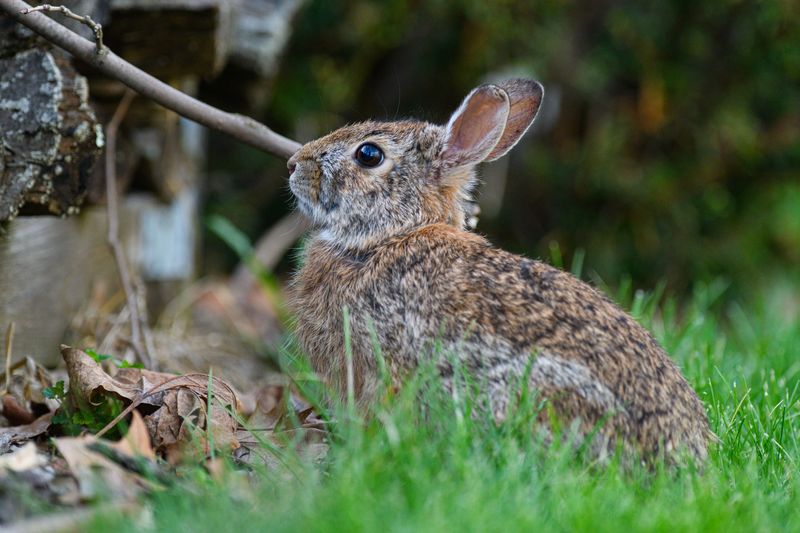
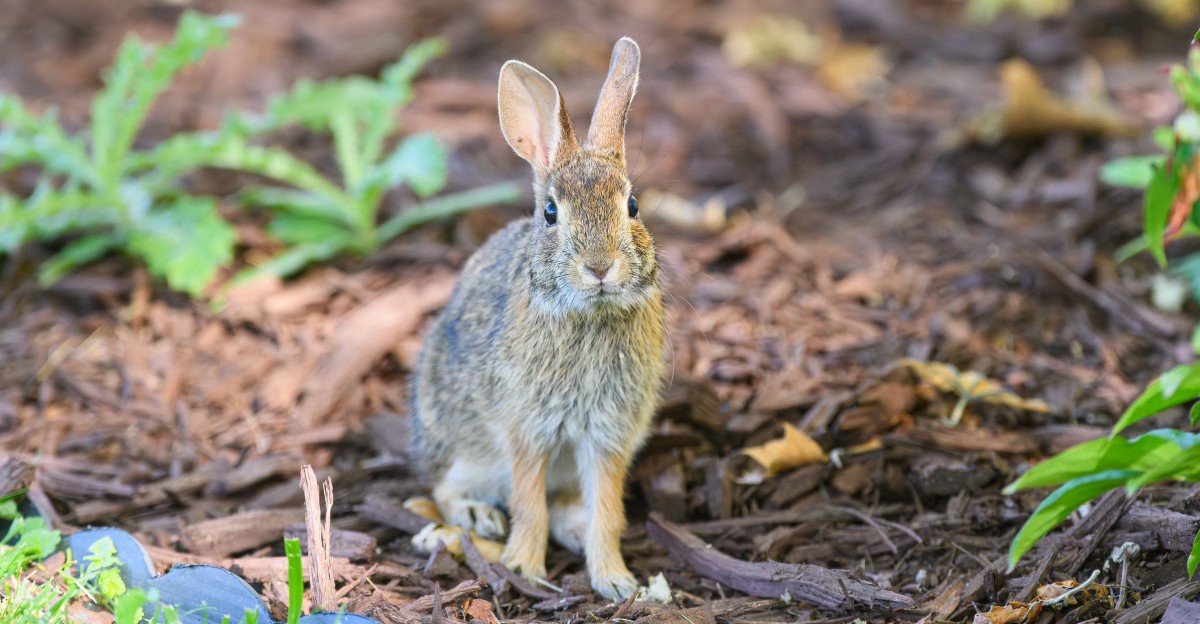
Meet the most likely suspect in most Minnesota yards, the eastern cottontail. University of Minnesota Extension describes rabbit damage as a clean, 45-degree cut, as if the stem was snipped with scissors.
Rabbits have sharp upper and lower incisors that slice right through woody stems. Those teeth keep growing their whole lives, so chewing on twigs and bark is part of daily life.
Deep snow buries the grass and clover, so woody stems become the only menu left on the table.
Look down near the damaged plant for proof. Small, round, pea-sized droppings piled near the base are a strong sign.
Tracks in fresh snow help too, with two long hind prints landing ahead of two small front prints.
White-tailed jackrabbits live in parts of western and southern Minnesota, and snowshoe hares roam the north. They leave similar angled cuts, so the damage looks much the same.
A cottontail usually stays within a small home range of a few acres. That means the same animal often returns to your yard night after night.
I started checking at dusk with a flashlight. Sure enough, a round little cottontail sat frozen under my serviceberry, chewing like it owned the place.
Deep Snow Lifts Hungry Rabbits Higher Up Your Shrubs
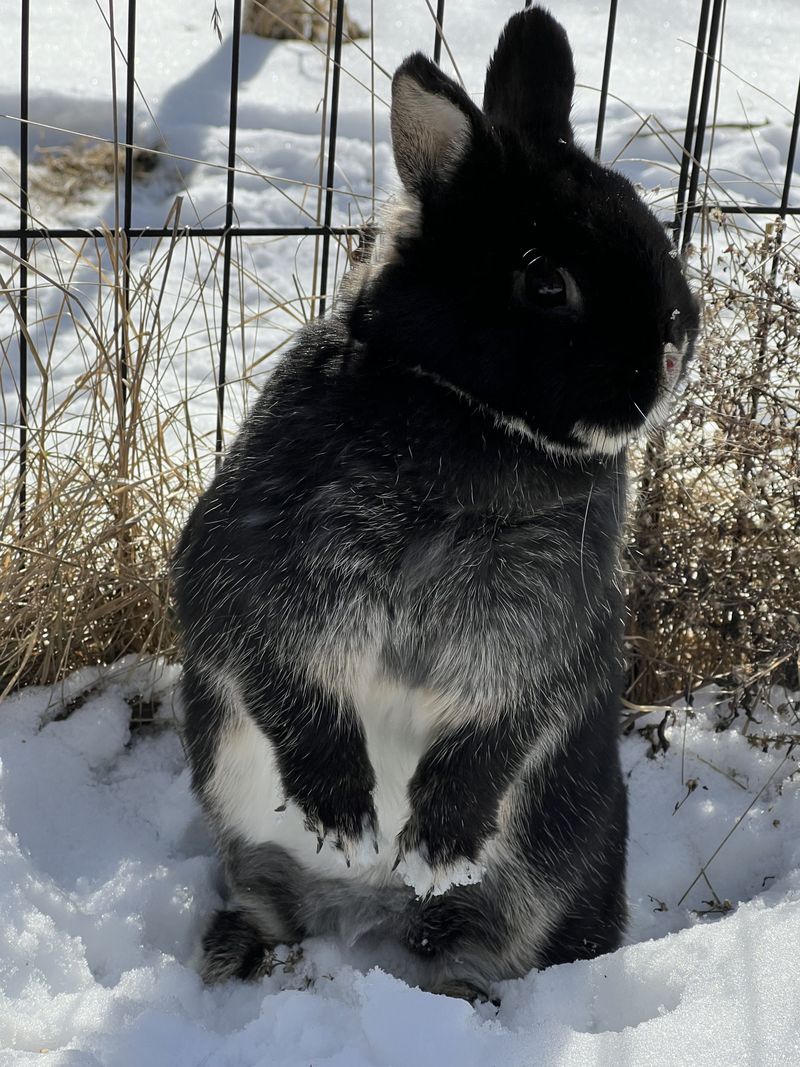
Winter turns your yard into a rabbit restaurant. Grass and green plants disappear under snow, so twigs, buds, and bark become the main menu.
Snow depth changes everything. Each new layer acts like a step stool, letting rabbits reach branches that were safe in November. After a big storm, damage can appear surprisingly high on a shrub.
Extension experts list several favorites. Burning bush, serviceberry, crabapple, apple, viburnum, roses, raspberries, dogwood, and young maples often top the list. Burning bush is invasive in some areas, so consider swapping it for a native choice.
The bigger concern is bark. When rabbits gnaw all the way around a stem, called girdling, water and nutrients cannot move past that spot. The plant above often declines by spring.
Thin-barked young trees and shrubs are the most at risk. Older, thick-barked trunks hold up much better.
Wrapping trunks in hardware cloth or tree guards before the first snowfall protects those tender young stems all winter long.
That is why the damage feels like repeat visits. Food gets scarcer as winter drags on, and a reliable shrub becomes a nightly stop. Late winter, from January into March, is often when gardeners find the worst of it.
Chicken Wire Cages Keep Rabbits Away From Shrubs
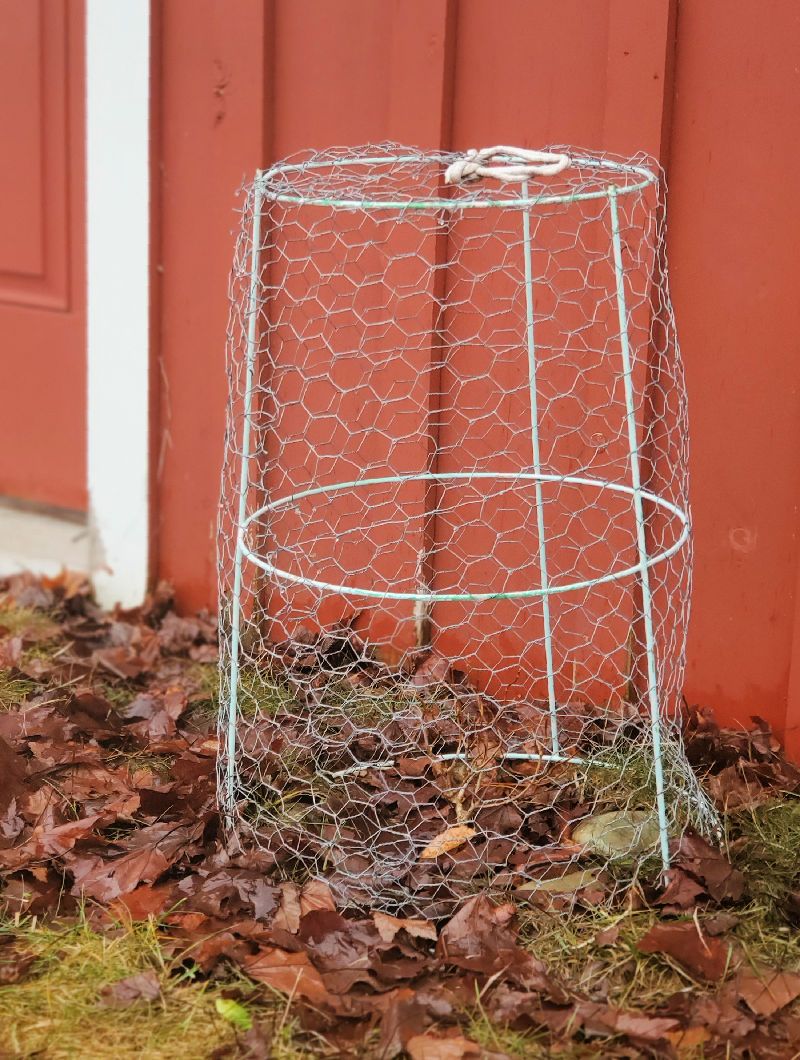
Fencing beats every spray I have tried. A simple cylinder of chicken wire or hardware cloth around each shrub stops most rabbit trouble cold.
Height matters here. Aim for cages that reach well above your expected snow depth, often two to three feet or more in Minnesota.
Mesh openings of one inch or smaller keep adult rabbits out, while half-inch mesh is needed to stop young rabbits from squeezing through.
Bury the bottom edge a couple of inches or pin it firmly with landscape staples. Leave a few inches of space between the wire and branches so rabbits cannot nibble through the gaps.
For young trees, plastic tree guards or hardware cloth wraps protect the trunk. Remove plastic wraps in spring so moisture and insects do not hide underneath.
Timing helps a lot. Install protection in fall, before the ground freezes hard and before snow piles up.
I put cages around my serviceberry last October. Pushing stakes into soft soil took ten minutes, while frozen ground in January would have been a test of patience.
Check the cages after each big snowfall. Shovel or pack snow away if drifts get close to the top.
Rabbit Repellent Sprays Buy Time But Need Repeating
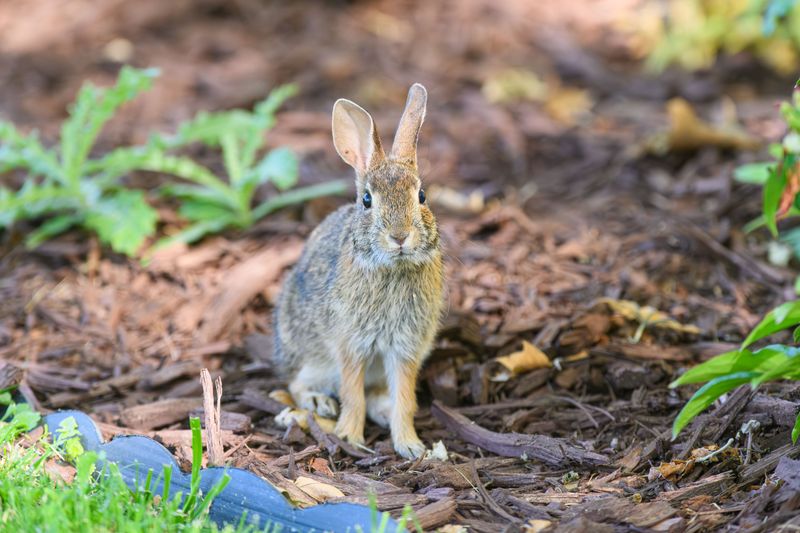
Repellents are like a fresh coat of nail polish: they work best when reapplied often. Many products use bitter tastes or strong smells, such as capsaicin, egg solids, or thiram, to make twigs less appealing.
Read the label first. Some products are approved for ornamental plants only, not for fruit or vegetables you plan to eat.
Apply on a dry day when temperatures sit above freezing, since many sprays need time to dry. Snow, rain, and new growth reduce protection, so plan on repeat treatments through winter.
Hungry rabbits may ignore bad flavors when food runs low. That is why experts see sprays as a backup, not a replacement, for physical barriers.
You can also make your yard less cozy. Clear brush piles, tall grass, and junk under decks where rabbits hide from hawks and foxes.
Owls, hawks, and foxes do help control rabbit numbers naturally. Leaving room for these predators can tip the balance a little.
I mix strategies now. Cages around my favorites, spray on the extras, and a tidier corner by the shed have cut down on surprise trimming.
Your Own Pruning Shears Should Wait Until Late Winter
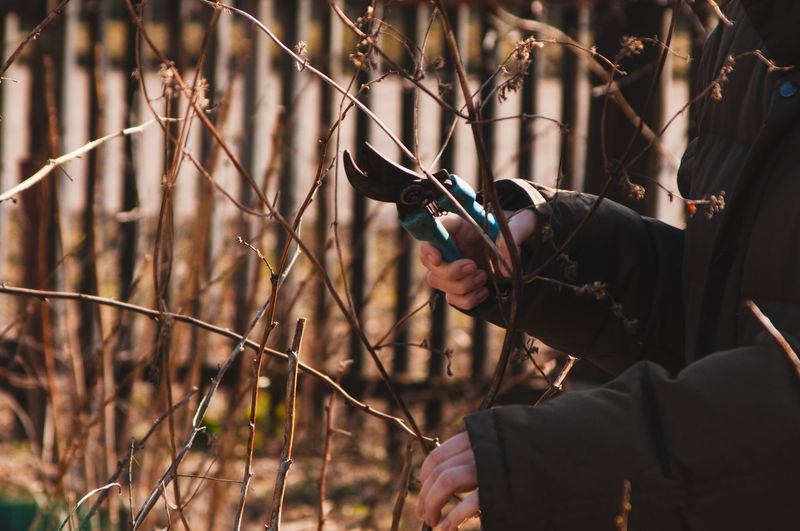
Here is a twist worth knowing. The best time for most shrub pruning in Minnesota is late winter to early spring, roughly March into early April, while plants are still dormant.
Pruning in late summer or fall can push tender new growth that freezes later. Dormant pruning lets you see branch structure clearly before leaves return.
Spring bloomers like lilac and forsythia are the exception. They set flower buds the year before, so trim them right after they finish blooming.
When you prune, use clean, sharp bypass pruners. Make a slight angled cut about a quarter inch above an outward-facing bud.
Clean cuts heal faster and leave fewer openings for disease, so wipe the blades with rubbing alcohol between plants. Skip pruning during wet spells.
Removing broken or diseased wood is fine any time of year. Rabbit-chewed stems can be trimmed back to healthy wood in spring, once you see what leafs out.
Many shrubs bounce back from rabbit nibbling surprisingly well. Plants like dogwood and spirea often sprout fresh shoots from below the damage.
So your spring cuts actually finish what the rabbits started. A neat trim above a healthy bud helps the shrub regrow with a tidy shape.
Fewer Rabbit Snacks Start With Smarter Shrub Choices
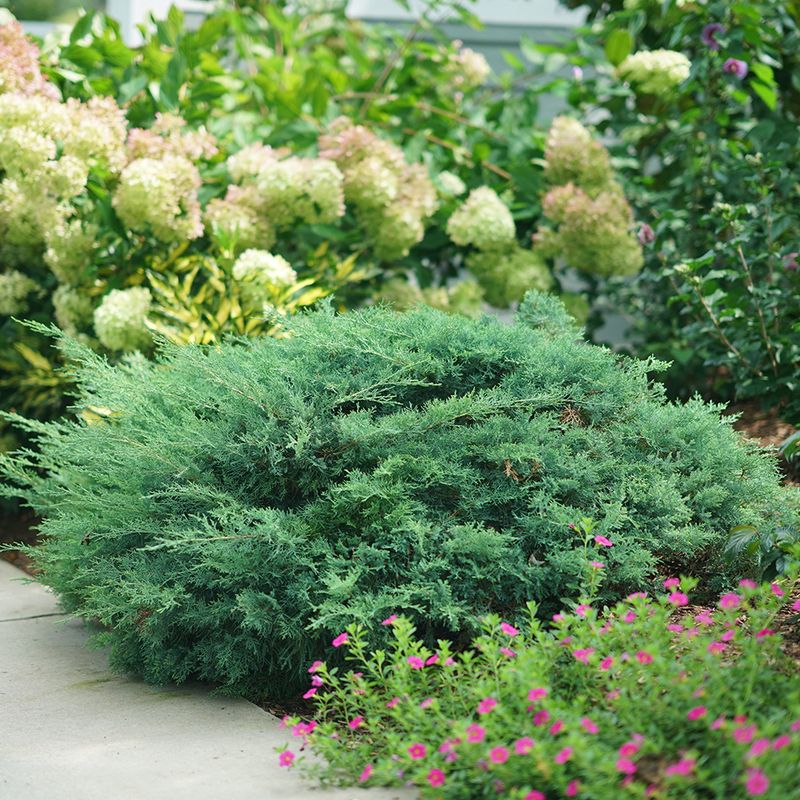
My favorite lesson from all of this? Prevention starts at the garden center. No shrub is fully rabbit-proof, but some get less attention.
Extension lists often mention options like potentilla, ninebark, lilac, and many spireas as less preferred, though hungry rabbits may still sample them.
Native shrubs such as ninebark and gray dogwood give birds and pollinators extra value. Avoid invasive choices like buckthorn and burning bush, even if they look tempting.
Plant young, thin-barked shrubs with protection in mind from day one. A small cage costs less than replacing a shrub next spring.
Keep a quick winter checklist handy. Check cages after storms, look for fresh droppings and tracks, reapply repellent after thaws, and walk the yard once a week.
In spring, inspect the base of each shrub. Girdled stems may need removal, while lightly nibbled ones usually recover with care and a little patience.
That signature cut tells a story about your yard and its wild neighbors. Read the clues early, protect the plants you treasure, and your shrubs will greet spring looking full and healthy.