Why Tulips Fail in Arizona and the Bulbs That Bloom Instead
Desert gardeners in Phoenix often chill spring bulbs beside the lettuce for six weeks before planting a single one. Without that fake winter, the most famous Dutch flower in the world mostly sulks and refuses to bloom here.
Those bulbs need roughly twelve to sixteen weeks of steady cold between thirty-five and forty-five degrees underground. Low desert winters in Arizona bounce between warm afternoons and chilly nights, so the soil rarely holds that chill.
I have to admit that I wasted several autumns and plenty of money chasing those famous cups of color. You might notice the same pattern, with one weak spring show followed by floppy leaves and empty beds.
What surprises me most is how many tougher bulbs actually prefer our blazing sun and gritty Arizona soil. So which ones earn a spot in your garden this October, when bulb planting season finally opens for us?
1. Paperwhite Narcissus
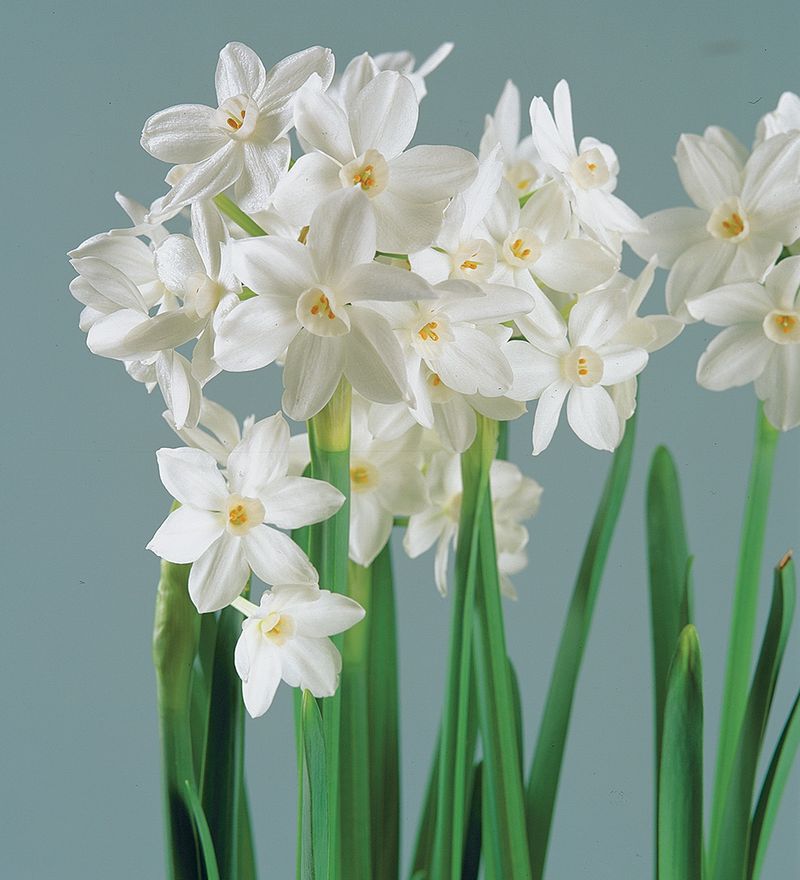
Few bulbs forgive desert gardeners quite like paperwhites, which skip the long cold nap and bloom anyway. Their clusters of tiny white stars release a sweet, musky perfume that some people adore and others find overpowering.
Paperwhites belong to the tazetta group of Narcissus, native to warm Mediterranean regions with mild, wet winters. That origin explains why they shrug off our warm winter afternoons and still produce flowers in midwinter.
Plant bulbs from October through November, about four inches deep in well-drained soil with plenty of sun. Water after planting, then keep the soil lightly moist through winter while leaves and flower stalks develop.
Personally, I like tucking a handful near the front door, where the fragrance greets visitors on cool evenings. Gophers and rabbits generally leave them alone because all Narcissus contain bitter, toxic compounds called alkaloids.
After blooming, let the foliage yellow naturally so the bulb can rebuild its energy for next year. Many low desert gardens see paperwhites return and multiply for years with only occasional dividing and very little fuss.
Keep pets away from the bulbs, since chewing them can cause stomach upset in dogs and cats. A sunny spot with afternoon shelter from harsh wind keeps those tall stems from flopping over in bloom.
2. Jonquil Daffodils
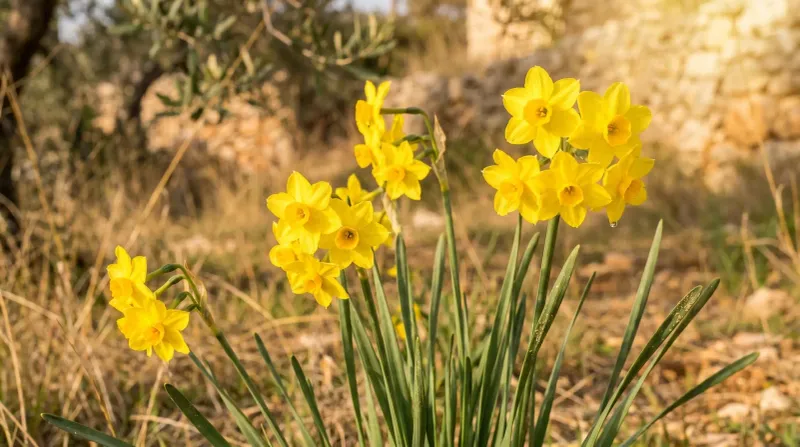
Golden and wildly fragrant, jonquils are the daffodils that actually behave themselves in warm desert yards. Each stem often carries several small blooms, which means one clump can perfume an entire patio corner.
Jonquilla types descend from Narcissus jonquilla, a species from Spain and Portugal that tolerates heat well. University of Arizona extension guides list jonquils and tazettas among the best Narcissus choices for low elevations.
Varieties such as ‘Sweetness’ and ‘Quail’ have strong reputations for returning year after year in warm winter climates. I believe their modest size is part of the charm, since nothing flops after a windy spring afternoon.
Plant bulbs from late October into November, setting them about five inches deep with pointy ends up. Choose a spot with morning sun and some afternoon relief, especially near hot west-facing block walls.
Water deeply once a week while leaves grow, then reduce watering as foliage yellows in late spring. Summer dormancy suits them nicely, because the bulbs rest underground while the desert bakes above them.
Like paperwhites, jonquils are unappealing to rabbits, javelina, and most rodents thanks to their bitter chemistry. Hungry neighborhood critters usually sample one leaf, then wander off toward something tastier, like your vegetable garden.
3. Freesia
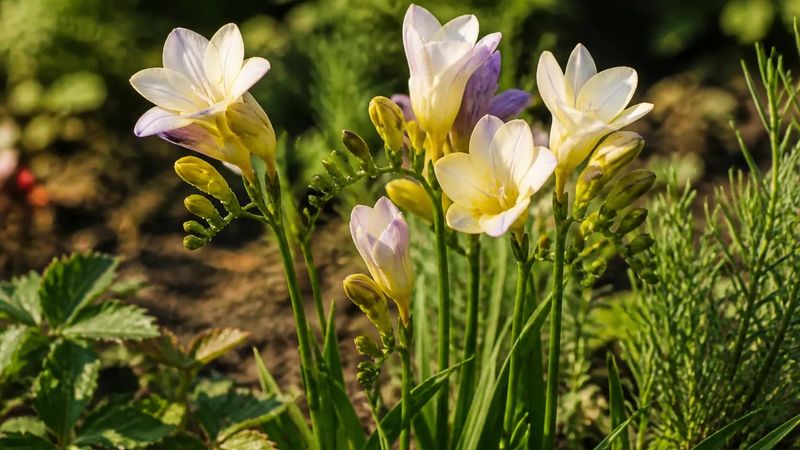
One sniff of freesia in a February garden can make you forget how hot last August felt. Those funnel-shaped flowers come in shades from butter yellow to soft lavender, lined up along gracefully curving stems.
Freesias originate in South Africa’s winter rainfall region, where summers run hot and dry, much like ours. That climate match means corms rest happily through summer and wake up when cooler weather returns.
October is prime time to plant corms in the low desert, about two inches deep and three inches apart. Pointed tips should face upward, and well-drained soil matters because soggy ground can rot the corms quickly.
I love how the arching stems lean toward the sun, giving beds a relaxed, slightly wild look. Small grow-through supports or sturdy neighboring plants help keep blooms upright on breezy, unpredictable spring days.
Water regularly from planting through bloom, then stop once leaves turn yellow and fade back. Many gardeners find freesias naturalize nicely in protected spots, though frost in higher towns can damage the foliage.
Bees visit the flowers readily, adding a little extra buzz to cool-season pollinator gardens. Cut a few stems for a vase, and your kitchen will smell like spring for nearly a week.
4. Society Garlic
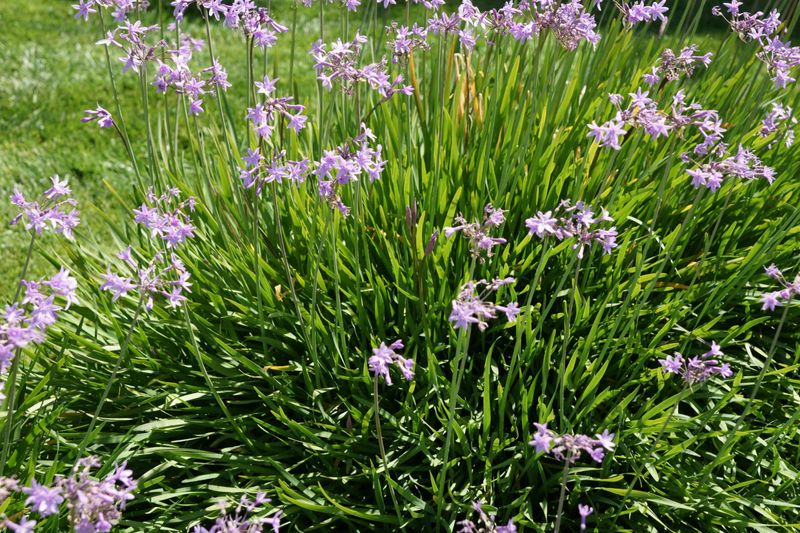
Brush past society garlic and you’ll catch a whiff of garlic, which explains the funny name immediately. Lavender flower clusters float above grassy blue-green leaves for months, often from spring well into fall.
Tulbaghia violacea comes from South Africa and grows from small corms or rhizomes that spread into tidy clumps. It handles reflected heat beautifully, which makes it a favorite for hot driveways and sunny walkway edges.
Personally, I think it earns its spot by blooming when most bulbs are resting underground for summer. Hummingbirds and bees visit the starry flowers, so the plant quietly supports pollinators during hot months.
Plant divisions or nursery pots in October, when soil remains warm and roots establish before winter arrives. Give it full sun or light afternoon shade, with well-drained soil and deep, occasional watering.
The garlic scent is mild unless leaves are crushed, but some gardeners place it away from patio seating. Leaves are edible in small amounts, and some cooks chop them like chives, though tastes vary widely.
Rabbits and javelina rarely bother it, likely because of that pungent sulfur smell in the foliage. Every few years, dig and divide crowded clumps to keep flowering strong and share extras with friends.
5. Rain Lily
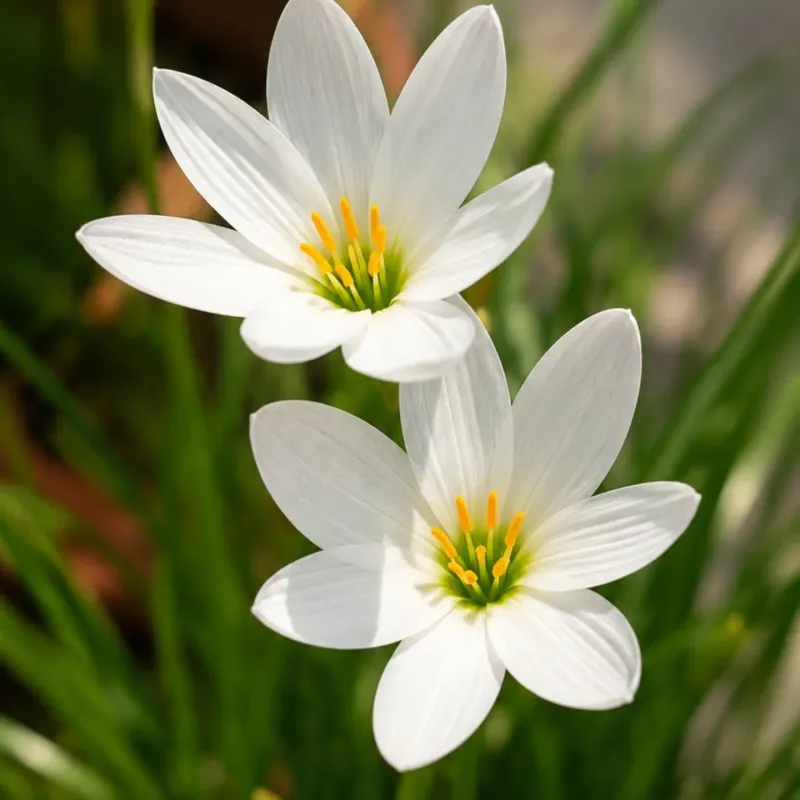
A summer monsoon storm rolls through, and two days later a crop of rain lilies pops up overnight. That magic trick earned them nicknames like fairy lilies and magic lilies across the warm South.
Rain lilies belong mostly to the genus Zephyranthes, with species native across warm regions of the Americas. Their small crocus-like flowers appear in white, yellow, or pink, depending on the species and variety.
October is a fine month to plant bulbs, setting them about two inches deep in clusters for impact. They appreciate sun or partial shade, plus soil that drains well but stays slightly moist during growth.
What I love most is how a deep hose soaking can trigger blooms when the sky refuses to cooperate. Many gardeners water heavily after a dry spell, then wait eagerly for buds to appear within days.
Bulbs multiply steadily, forming small colonies that look lovely along paths or under the edges of shrubs. Each flower lasts only a day or two, but repeated flushes keep things lively through warmer months.
Small native bees and other pollinators visit the open flowers, especially in the cool morning hours. Pair them with low groundcovers so the grassy foliage blends in quietly between bursts of color.
6. Crinum Lily
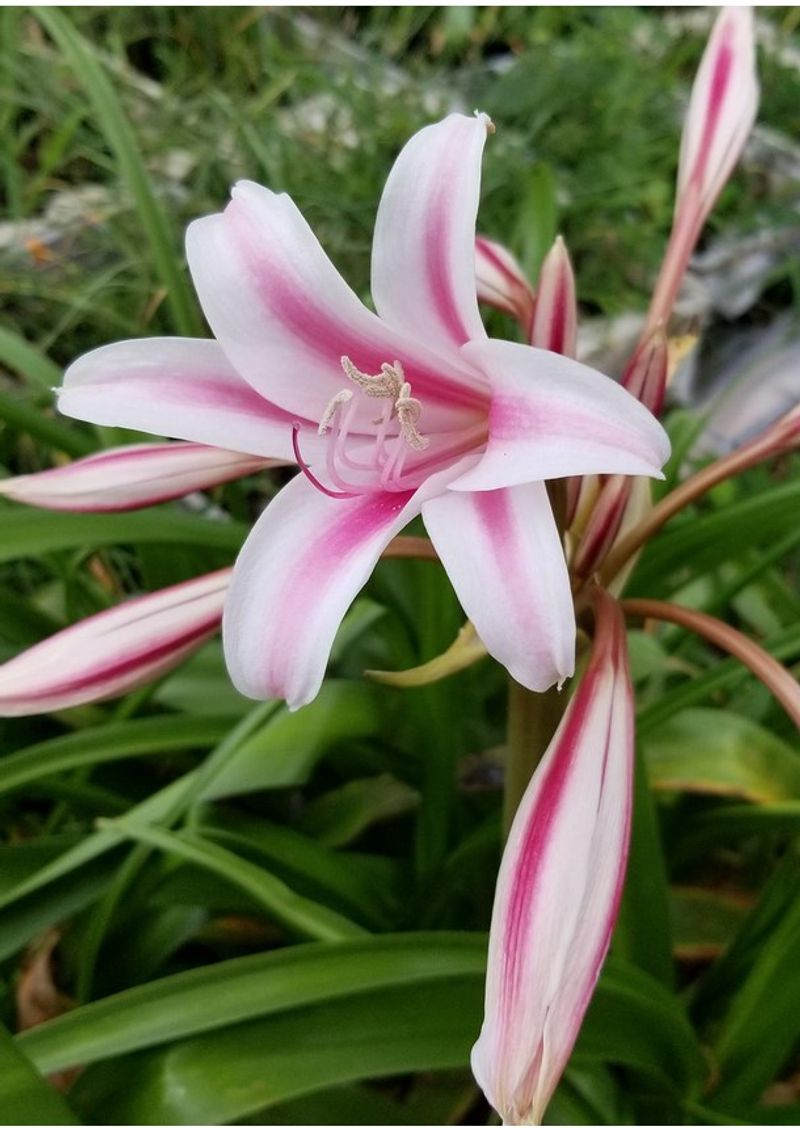
Crinum bulbs can grow as large as a softball, and they seem to thrive on serious neglect. Fragrant trumpet flowers in pink or white rise on thick stalks above wide, fountain-like leaves in summer.
These tough perennials hail from tropical and subtropical regions worldwide, including Africa and parts of Asia. Old Southern gardens often hold clumps planted generations ago, still blooming without much attention from anyone.
In low desert yards, crinums handle heat well when given some afternoon shade and regular deep watering. Too much reflected sun can scorch the leaves, so an east-facing bed usually works best for them.
Fall planting gives roots time to settle before next summer, so October works nicely in warm areas. Set the bulb with its long neck partly above the soil, then water thoroughly to settle everything.
I have to admit their size surprised me, since mature clumps can reach several feet wide over time. Leave plenty of space, because crinums dislike being moved once they establish their deep, fleshy roots.
Evening fragrance attracts moths, which visit the long trumpets after sunset on warm summer nights. Bulbs are toxic if eaten, so plant them away from curious dogs who love digging in fresh soil.
7. Amaryllis
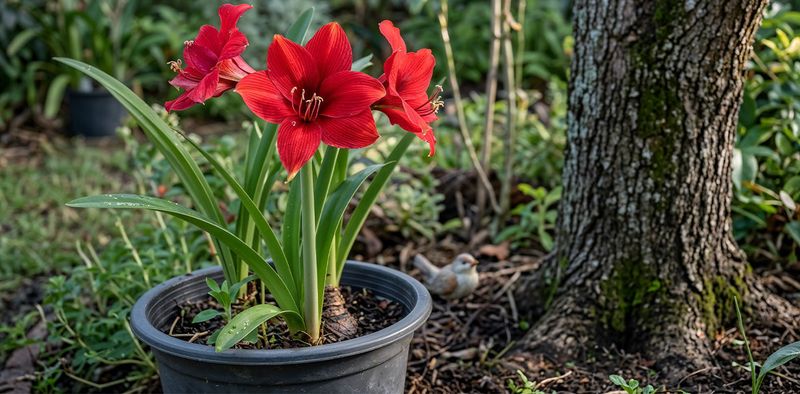
That giant holiday bulb sitting in a pot every December can actually live outside in warm desert gardens. Hippeastrum hybrids produce huge trumpet blooms in red, white, or striped patterns that look almost unreal outdoors.
Native to Central and South America, these bulbs need no winter chill, which makes them perfect for mild climates. Low desert gardeners often see outdoor clumps bloom in spring, a bit later than indoor holiday plants.
Plant bulbs in October with the top third peeking above soil, spacing them about a foot apart. Bright filtered light or morning sun works best, because harsh afternoon rays can bleach those big petals.
Personally, I can’t imagine a better recycling project than moving last year’s holiday amaryllis into the garden. Wait until leaves finish growing indoors, then transplant it outside where it can settle in properly.
Water regularly during active growth, then ease off in late summer when foliage naturally begins to slow. Light frost may damage leaves, but the bulb usually resprouts once warm weather returns again.
Hummingbirds occasionally investigate the red varieties, drawn by their bright color and deep tubular flower shape. Like other members of the amaryllis family, the bulbs are toxic, so keep them away from pets.
8. Bluedicks
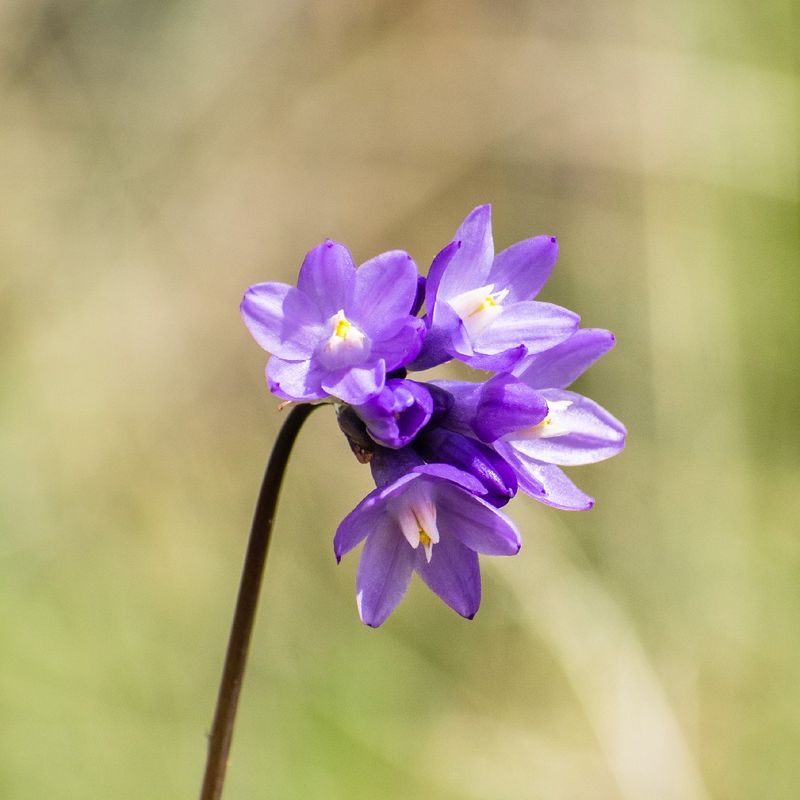
On spring desert hikes, slender stems topped with lavender pom-poms often bob above rocks and brittlebush. Those are bluedicks, a native corm that has been blooming across the Southwest long before any of us.
Dichelostemma capitatum grows naturally from California through Arizona and New Mexico, often on rocky desert slopes. Indigenous peoples harvested the small corms as food, and some still call the plant wild hyacinth today.
Corms rest underground through scorching summers, then sprout leaves after winter rains begin to soak the soil. That lifecycle matches our climate perfectly, so they need little supplemental water once fall plantings settle in.
Seeds and corms are sold by native plant nurseries, and October through November is ideal for planting. Choose a sunny spot with gritty, well-drained soil, and avoid rich mixes that stay wet for days.
I like how the grassy leaves fade before summer, leaving room for other natives to take over. Native bees and butterflies visit the clustered flowers, making bluedicks a quiet helper in habitat gardens.
Plant them between boulders or beneath open shrubs, imitating the spots where they appear in the wild. With patience, small colonies form over several years and return each spring with almost no help.
9. Bulbine
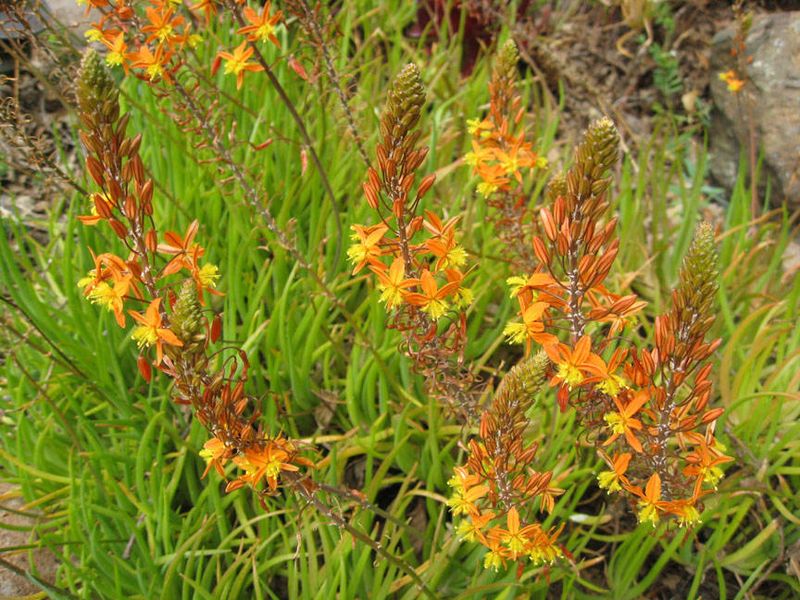
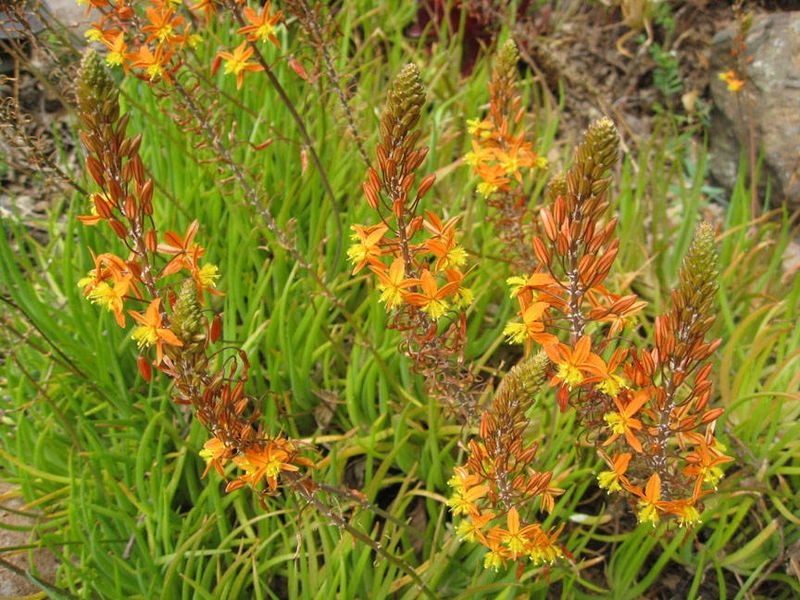
Bulbine looks like a clump of fleshy green onion leaves wearing a crown of tiny orange stars. Those starry flowers wave on slender stalks for months, giving hot beds a cheerful, almost confetti-like sparkle.
Bulbine frutescens is a succulent perennial from South Africa, so drought and heat feel perfectly normal to it. Despite the name, it grows from fleshy roots rather than true bulbs, but it fits right into bulb plantings.
October is a prime planting window, letting roots establish during mild weather before next summer’s heat arrives. Give it full sun or light shade, plus fast-draining soil and occasional deep watering once established.
You might notice it slows down during the hottest weeks of summer, then perks up again in fall. Trimming spent flower stalks keeps the clumps tidy and often encourages another round of fresh blooms.
Bees work the small yellow and orange flowers regularly, especially on cooler mornings in spring and fall. Rabbits tend to skip the juicy leaves, which is a relief in neighborhoods full of nibbling cottontails.
The clear leaf gel has been used traditionally for minor skin irritations, much like aloe vera. Hard frost can damage the foliage, so protect young plants in colder pockets with frost cloth.
10. Lady Tulip
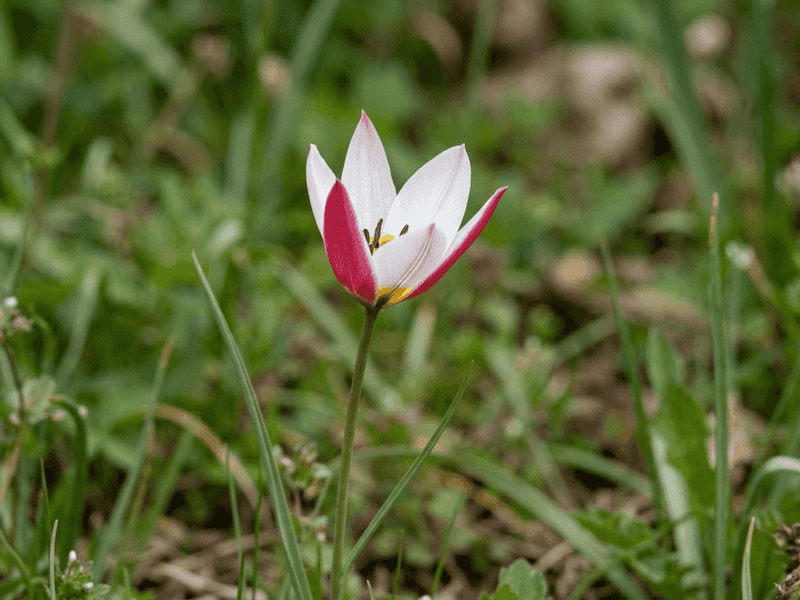
Plot twist: one tulip actually stands a real chance here, and it looks nothing like the chunky Dutch hybrids. Lady tulips carry slim, candy-striped petals of red and white that open into stars on sunny days.
Tulipa clusiana grows wild from Iran to the western Himalayas, where summers run hot and dry. Species tulips like this one generally need less winter chill than hybrids, so they rebloom more reliably.
Results vary, and gardeners at higher elevations usually see better returns than those in the hottest low desert. Personally, I treat lady tulips as a fun experiment rather than a guaranteed performer in Phoenix-area beds.
Plant bulbs in late October or November, about five inches deep in gritty soil with full sun. Excellent drainage matters most, since summer irrigation from nearby plants can rot the resting bulbs quickly.
Avoid watering them through summer, mimicking the dry dormancy these tulips experience in their native mountain habitat. Clumps may slowly spread by stolons, forming small colonies when conditions feel right to them.
Pair them with low desert natives that also enjoy dry summers, such as blackfoot daisy or penstemon. If they return next spring, consider it a happy surprise and a reminder to choose the right plants.