7 Native Texas Groundcovers That Beat Mulch For Winter Beds
Every year, Texans haul home bag after bag of mulch. It gets spread across flower beds, raked around shrubs, and tucked under trees.
Then heavy rains wash some of it away, strong winds scatter the rest, and by next season, it’s time to buy more. There’s another option that works year-round and doesn’t need replacing.
Low-growing native groundcovers act like a living mulch. They spread across bare soil, shade out weeds, and hold the ground in place during downpours.
Their roots help soil soak up rain instead of letting it run off, and their leaves keep the surface cooler and moister.
Many stay green through winter, giving beds a fresh, finished look when much of the yard has gone dormant. Some even bloom and feed pollinators along the way.
Swapping some of that mulch for living plants could save you time, money, and plenty of hauling.
1. Texas Sedge
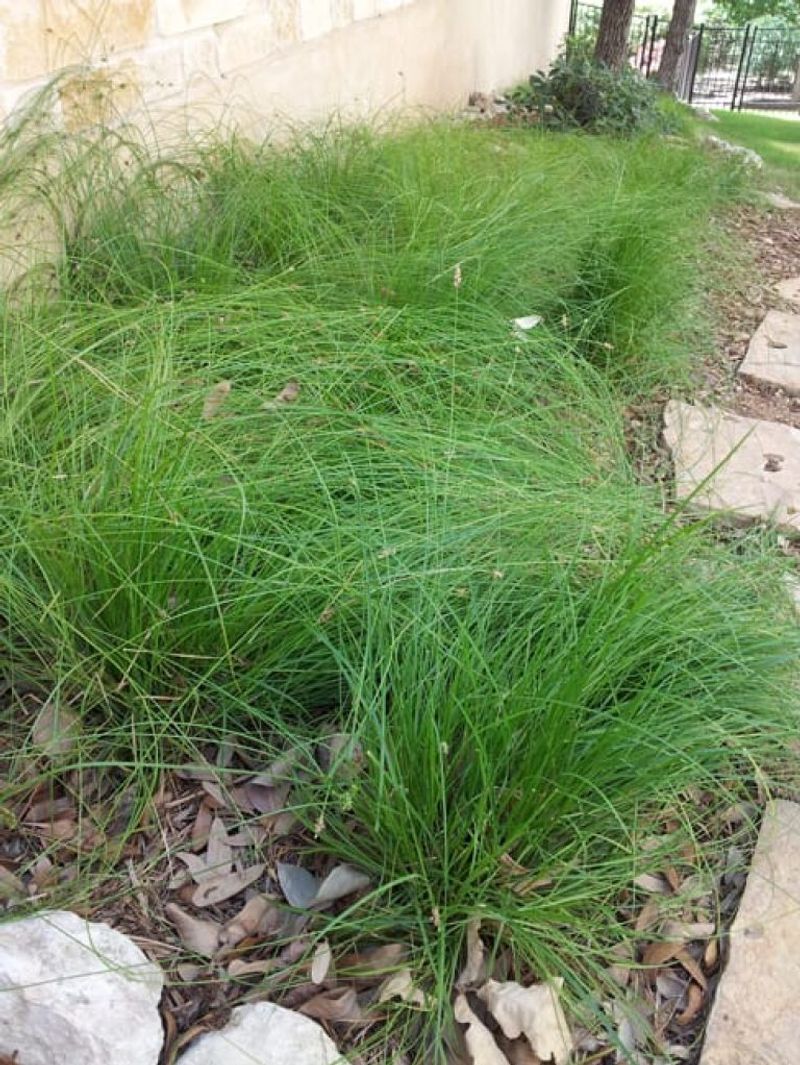
Some gardeners call Texas sedge a lawn you never have to mow. That nickname makes sense once you see it. The plant forms a soft, fine carpet that looks a lot like short grass.
Texas sedge stays green all year long. In winter, when many plants fade to brown, it keeps its fresh color. Its thin leaves grow close together and shade the soil. Weeds have a hard time finding light or space to sprout.
You can grow it in full sun or part shade. It does best with a little afternoon shade in the hottest parts of the state. It handles clay soil and sandy soil. Once it settles in, it can get by on less water than most turf.
Plant small plugs about 8 to 12 inches apart. Within a season or two, they will knit together into a solid mat.
Tuck it between shrubs, around stepping stones, or along the edges of perennial beds. It fills those awkward gaps where mulch always seems to thin out.
Care is simple. Water new plugs often during the first few months. After that, give it a deep soak during long dry spells. You can trim it once a year if it looks shaggy, but many people never cut it at all.
Here is a fun bit of trivia. Sedges are not true grasses, even though they look like them. A handy rhyme helps you tell them apart: sedges have edges. Roll a sedge stem between your fingers and you will feel its three sides.
Texas sedge also handles light foot traffic. Kids and pets can walk on it without much harm. For a low-key, steady groundcover, it is hard to beat.
2. Cedar Sedge
Under a big live oak, almost nothing wants to grow. The shade is deep, the roots are greedy, and the soil stays dry. Cedar sedge laughs at all of that.
This plant comes from the Texas Hill Country. It grows wild in the woods under oaks and junipers, which locals often call cedars. That is how it got its name. It is built for the exact spots that frustrate most gardeners.
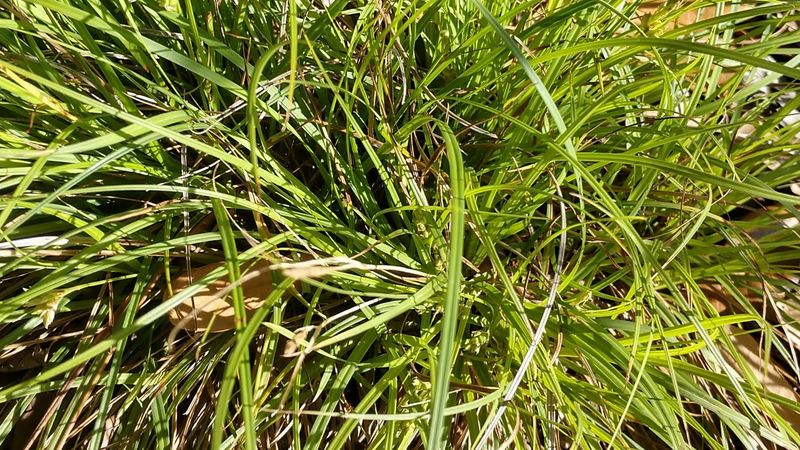
Cedar sedge forms low, grassy clumps that stay green through winter. The leaves are a little wider and stiffer than Texas sedge.
The clumps slowly spread and join together. Over time, they cover the bare ground beneath your trees.
Mulch has a rough time in these shady spots. Rain runs down the trunk and washes it away. Fallen leaves pile on top and break it down fast. A living carpet of cedar sedge stays put and keeps the soil from eroding.
Planting is easy. Set clumps about a foot apart in early fall or spring. Dig gently so you do not hurt tree roots. Water well for the first few weeks, then back off.
Once established, cedar sedge needs very little help. It handles rocky, thin soil and limestone. It can go weeks without rain. Deer usually leave it alone, which is great news in the Hill Country.
In late winter, look closely and you may spot tiny flower spikes. They are small and easy to miss, but they show the plant is waking up for spring.
If you have a shady bed that looks tired and dusty, give cedar sedge a try. It turns a problem area into a soft, green woodland floor that feels natural and calm.
3. Golden Groundsel
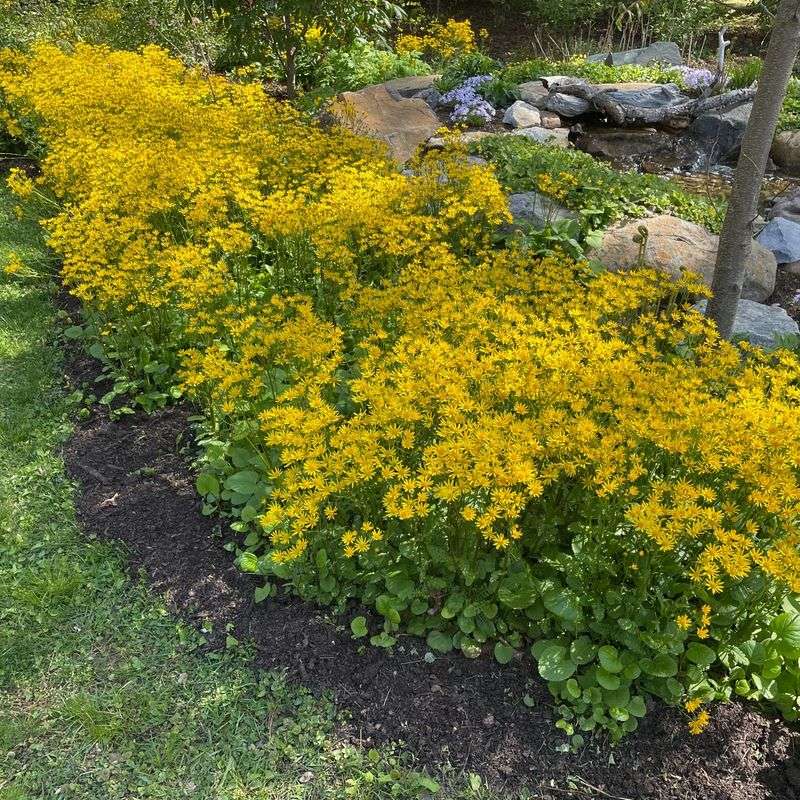
February in Texas can feel gray and gloomy. Then golden groundsel bursts into bloom, and suddenly the shade garden glows. Few plants offer such a bright surprise so early in the year.
Golden groundsel spreads by runners that creep along the ground. As they spread, they form a thick, low mat of round green leaves.
That mat stays evergreen all winter. It covers the soil like a living blanket and keeps weeds from moving in.
The flowers are the real show. Tall stems rise above the leaves in late winter and early spring. Each one holds clusters of bright yellow, daisy-like blooms. Early bees and other pollinators are very happy to find them.
This plant likes shade and moist soil. It does well under trees, along the north side of a house, or near a drippy spot by a rain barrel. It can handle some dry spells once settled, but it looks best with steady moisture.
Start with a few plants spaced about 12 to 18 inches apart. The runners will fill in the gaps over one or two seasons.
If it spreads too far, just pull up a few runners. You can replant them somewhere else or share them with a neighbor.
After the blooms fade, you can cut the flower stalks back. That keeps things tidy and lets the leafy mat shine again. The plant may self-sow a little, which helps it fill bare spots.
Did you know? Golden groundsel belongs to the aster family, the same big group as sunflowers and daisies.
It is related to some of the cheeriest flowers around. For a shady bed that needs both cover and color, golden groundsel is a winter winner.
4. Lyreleaf Sage
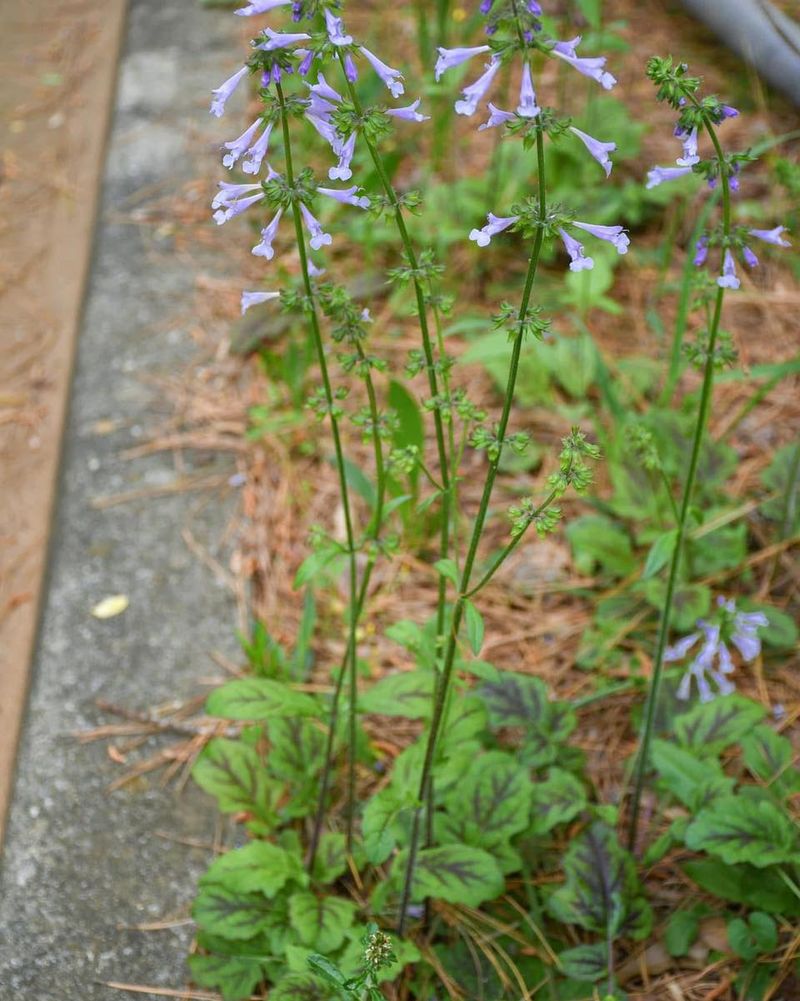
Ask a native plant fan about lyreleaf sage, and you may hear a story about how it showed up on its own. It has a way of popping into yards without being invited. Luckily, it is a guest most people want to keep.
Lyreleaf sage grows in low rosettes. The leaves lie flat against the ground in neat circles. Their shape looks a bit like a lyre, an old musical instrument, which is where the name comes from.
In winter, the leaves stay green. When cold weather hits, they often turn deep purple or reddish.
That color adds a nice touch to beds when most plants look dull. The flat rosettes also shade the soil right where weeds like to start.
Spring is when it really shines. Tall flower spikes rise up with pale blue or lavender blooms. Bees and early butterflies flock to them. Hummingbirds sometimes stop by too.
After blooming, the plant drops lots of seeds. Those seeds sprout into new rosettes that fill open spaces. In a year or two, you can have a full patch with almost no effort.
Growing it is simple. It handles sun or part shade and many soil types. It does not need much water once it is growing well. You can even mow over it in a casual lawn, and it will bounce back.
If you want to control the spread, snip off the flower stalks before seeds form. Want more plants instead? Just let them be.
Lyreleaf sage is a great choice for gardeners who like a natural, relaxed look. It is cheerful, tough, and very generous with its babies.
5. Woolly Stemodia
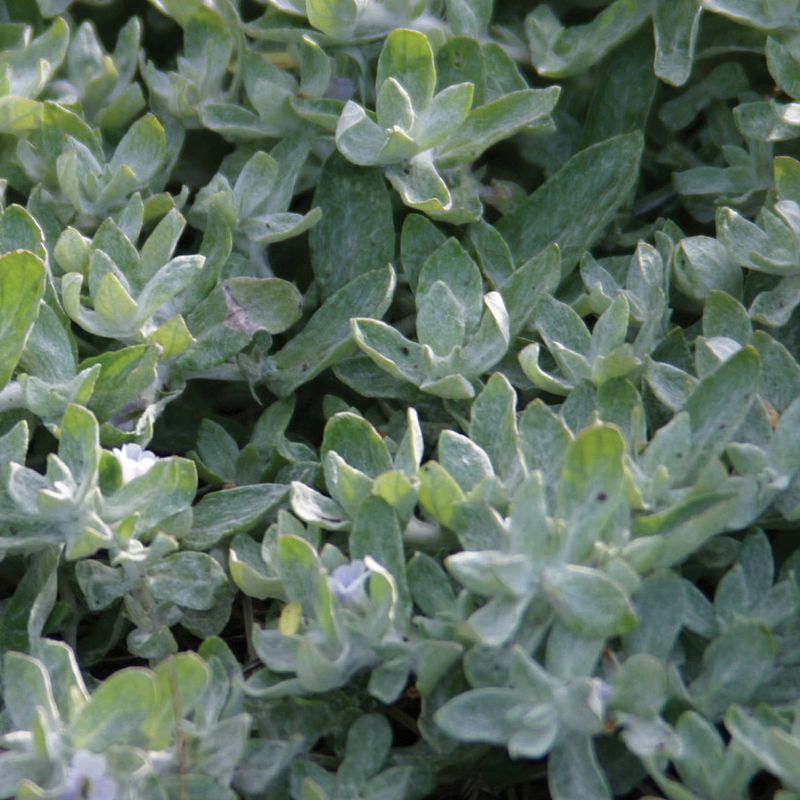
Run your hand across woolly stemodia and you will understand its name right away. The leaves feel soft and fuzzy, almost like felt. Kids love to touch it, and so do grown-ups.
Woolly stemodia is a low plant that spreads outward in every direction. Its silvery gray leaves form a thick mat that hugs the ground. Small purple flowers dot the mat in warm months, adding a sweet splash of color.
That silver color is more than pretty. The fuzzy hairs on the leaves reflect sunlight and help the plant save water.
It is one reason woolly stemodia handles brutal Texas summers so well. Heat and drought barely slow it down.
In the milder parts of the state, like South Texas and the coast, it stays evergreen through winter. Farther north, it may thin out after a hard freeze. Even then, it usually grows back quickly in spring.
This plant needs sun and good drainage. Soggy soil is its biggest enemy. Try it in a rock garden, on a slope, along a hot sidewalk, or spilling over a low wall. It looks lovely next to dark green plants because the silver really pops.
Plant it about 18 to 24 inches apart. One plant can spread three feet or more. Water it while it gets settled, then let nature take over. Too much water or fertilizer can make it weak and floppy.
Quick tip: if it gets too wide, trim the edges with shears. It takes pruning well and fills back in fast.
For sunny, dry beds where mulch bakes and blows away, woolly stemodia is a soft and silvery solution that keeps looking good with very little care.
6. Prairie Verbena
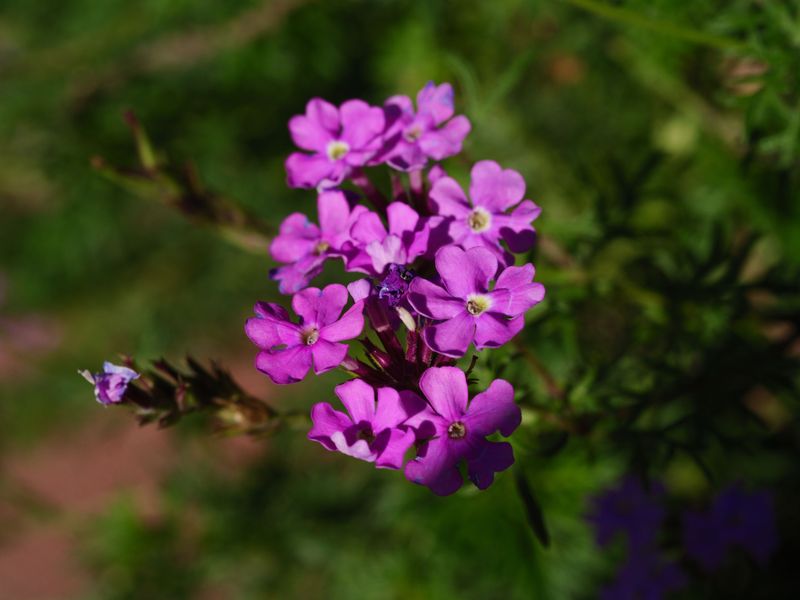
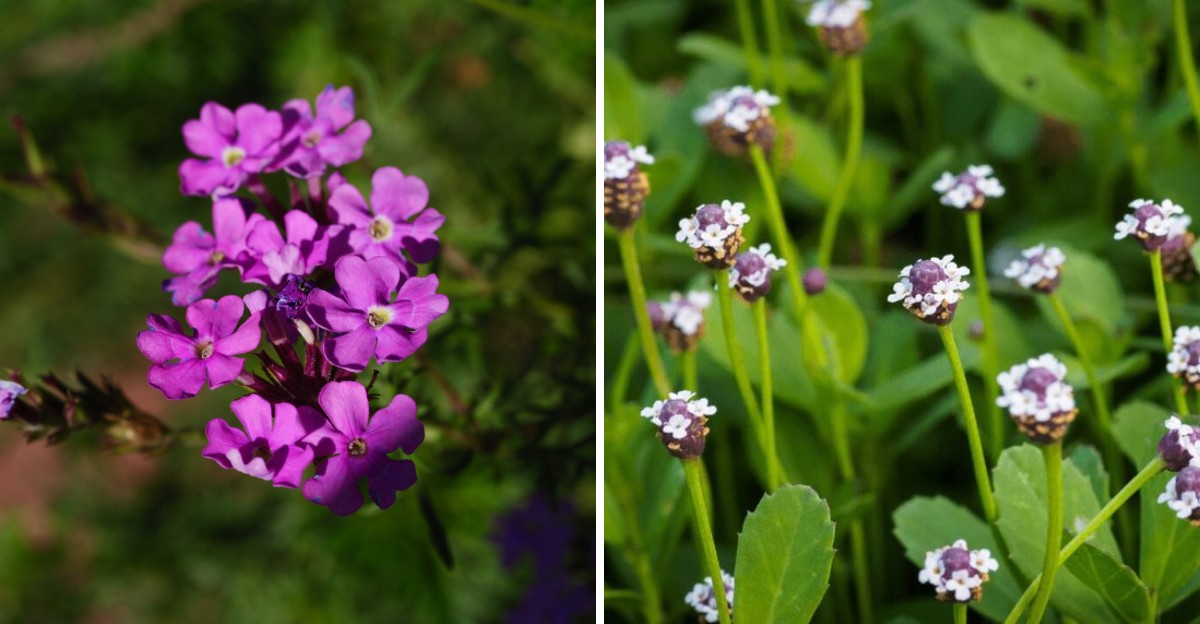
Drive along a Texas highway in early spring and you might see purple patches lining the road. Many of those are prairie verbena. Bringing that same roadside charm home is easier than you think.
Prairie verbena grows in low mats of lacy, finely cut leaves. The foliage looks delicate, but the plant is tough as nails.
As the stems creep along the ground, they often put down roots. Each new root helps anchor the soil and keeps it from washing away.
During mild winters, prairie verbena often stays partly green. Some leaves may turn reddish or fade a little, but the mat still covers the soil.
In colder years, it may look scruffy for a few weeks. Once warm days return, fresh growth appears fast.
Then comes the color. In spring, round clusters of purple, pink, or lavender flowers cover the plant. Butterflies adore them. The blooms can keep going on and off through summer, especially after a trim.
Give it full sun and soil that drains well. It grows happily in rocky or sandy ground. It does not like wet feet, so skip low spots where water pools. Once established, it needs very little water.
Space plants about 12 to 18 inches apart. Cut them back by about a third after a big bloom flush. That keeps the mat thick and encourages more flowers.
Fun fact: prairie verbena is one of the first wildflowers to bloom in many parts of Texas each year. It often opens before the bluebonnets steal the spotlight.
If you want a groundcover that holds soil, laughs at drought, and puts on a bright spring show, prairie verbena is a fantastic and colorful choice.
7. Frogfruit
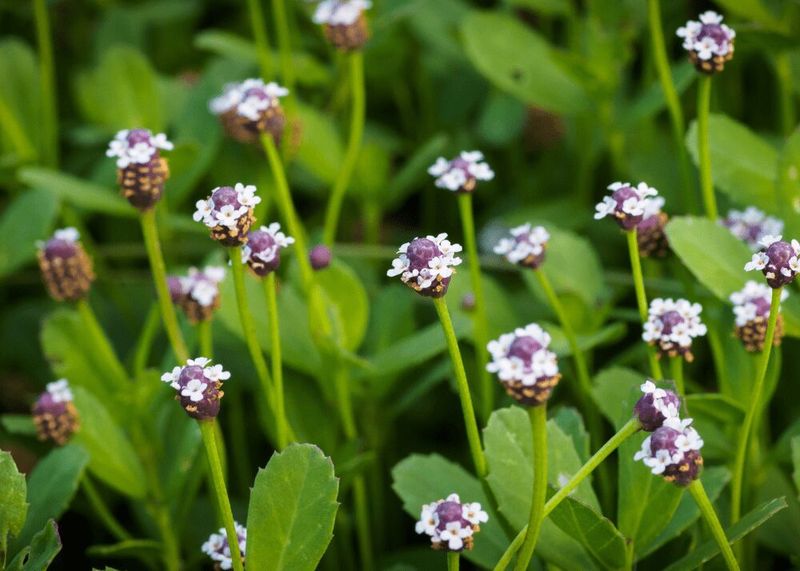
With a name like frogfruit, you might expect something odd. Truth is, it is one of the hardest-working groundcovers in Texas. Some folks also call it turkey tangle or capeweed.
Frogfruit spreads fast. Its stems run along the ground and root as they go. Within one growing season, a few small plants can turn into a thick, low mat. That mat shades the soil and leaves weeds almost no room to grow.
The flowers are tiny but charming. They look like little buttons with white petals around a purple center.
Butterflies love them, especially small ones like checkerspots and buckeyes. Frogfruit is also a host plant, which means some butterfly caterpillars feed on its leaves.
In mild winters, frogfruit usually stays green. A hard freeze can turn it brown for a while. No need to worry, though. Its roots stay alive, and new growth pops up as soon as spring warms the ground.
This plant handles a lot. It grows in full sun or part shade. It takes heat, drought, and even short floods. It can handle foot traffic too, so it works well between pavers or as a lawn substitute.
Plant it about 12 to 18 inches apart for quick coverage. Water regularly at first, then only during long dry spells.
If it creeps where you do not want it, just pull up the runners. They come up easily. You can mow it once or twice a year to keep it tidy. It does not mind at all.
For gardeners who want fast, tough, wildlife-friendly cover, frogfruit is a quiet hero. It may have a silly name, but it gets serious results.