That Fall Haircut Could Hurt Your Georgia Lantana – Try This Before Winter
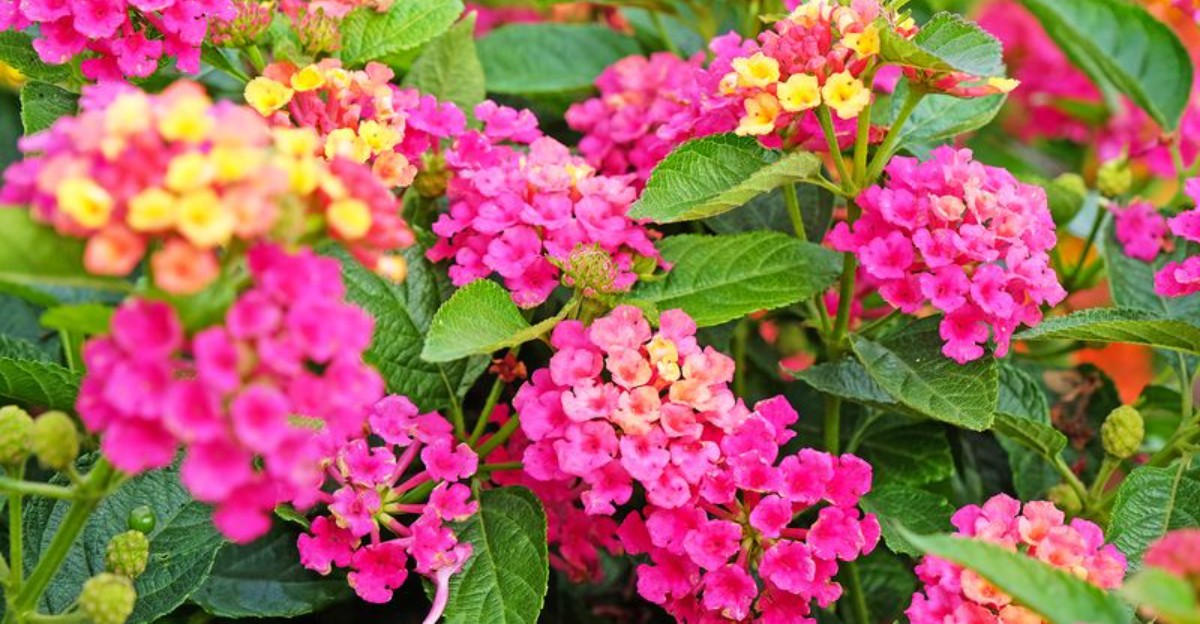
Those scraggly, half-brown stems you want to chop this fall are doing a job. They act like a jacket for the crown of a beloved summer bloomer.
Gardeners across Georgia feel the same itch every November. The beds look tired, the shears look shiny, and a tidy yard feels like a reward after a hot summer.
I get it, because I used to be that gardener. I learned the hard way that a neat November bed can turn into a bare, empty spot in May.
University experts in the South agree on a simple idea that surprises many people. Waiting is often the smartest move you can make.
What should those restless hands do instead before the first hard freeze arrives?
1. Those Messy Lantana Stems Are Working Harder Than You Realize
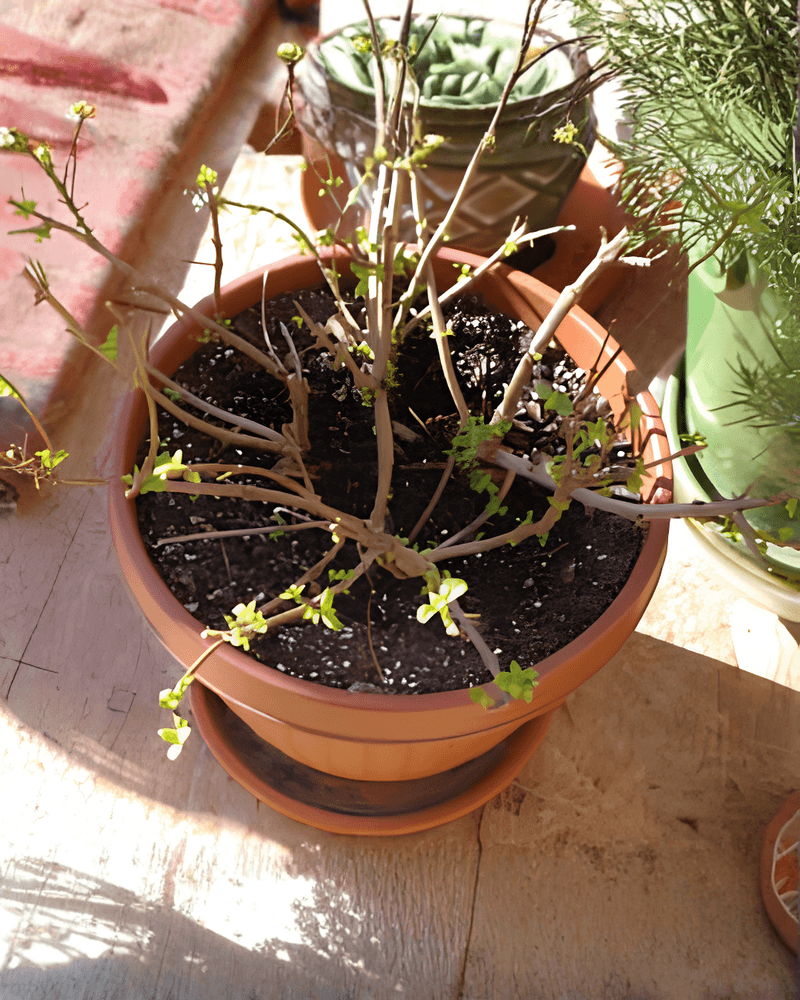
Old lantana stems look like clutter, but they serve as a shield for the most important part of the plant. That part is the crown, where stems meet the roots just at the soil line.
In most of the state, lantana behaves like a tender perennial. Winter frost often browns the top growth, yet the roots and crown can push out fresh shoots in spring if they stay protected.
The standing stems trap a little warmth and catch fallen leaves. They also help shed cold rain away from the crown, which matters because soggy, freezing soil is rough on this plant.
I like to think of those twiggy branches as a built-in umbrella. They are not pretty in January, but they are useful.
Leaving them also gives you a handy marker. Lantana is slow to wake up in spring, and many gardeners forget where it was planted and dig into it by mistake.
So when the bed looks scruffy, try to see it differently. That scruffy look is a sign of a plant settling in for the cold months, not a plant asking for a trim.
Your patience now sets the stage for a stronger comeback later.
2. Hard Pruning Lantana in Fall Invites Tender Shoots Into Cold Trouble
Plants respond to a cut by growing. That reaction is great in April, but it causes problems in October.
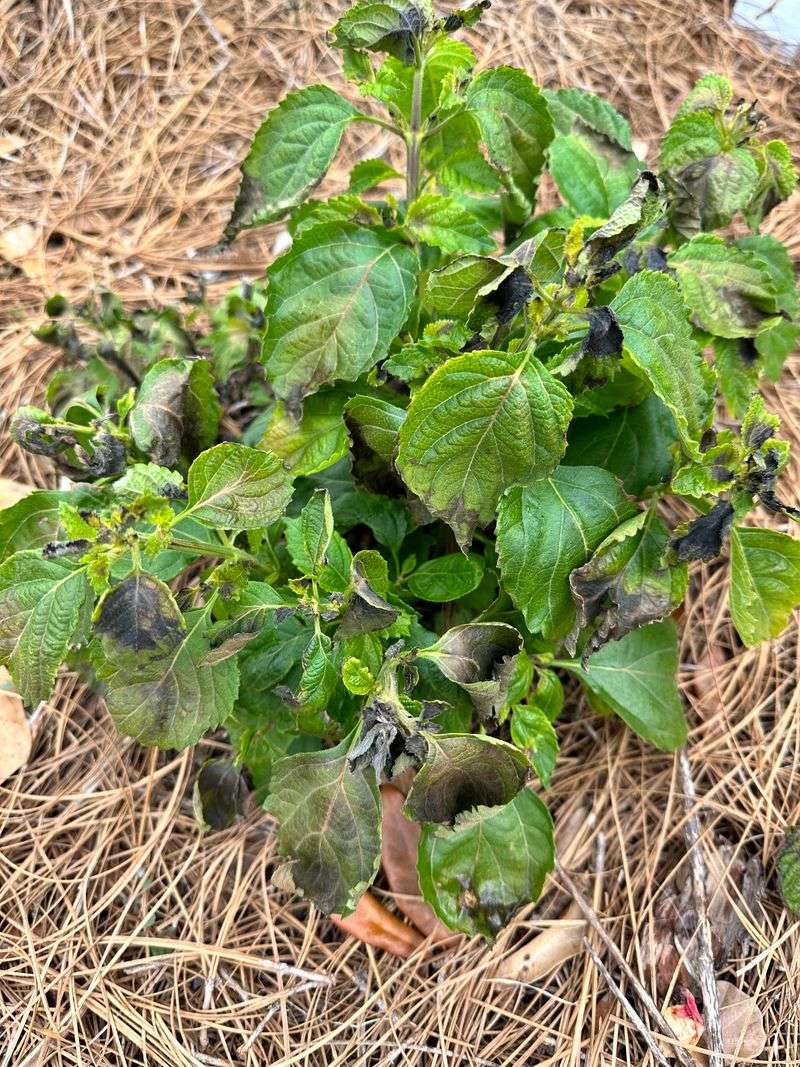
When you shear lantana back in fall, it may push out soft, leafy shoots during a warm spell. Those shoots have no time to toughen up before frost, so the first cold night can scorch them.
Clemson Cooperative Extension advises against pruning lantana in fall because it can reduce winter hardiness. That advice fits Georgia well, since our falls swing between warm afternoons and sudden chilly nights.
A short cut also leaves the crown more exposed. Freezing air and cold water reach the base more easily, and the plant may struggle to return.
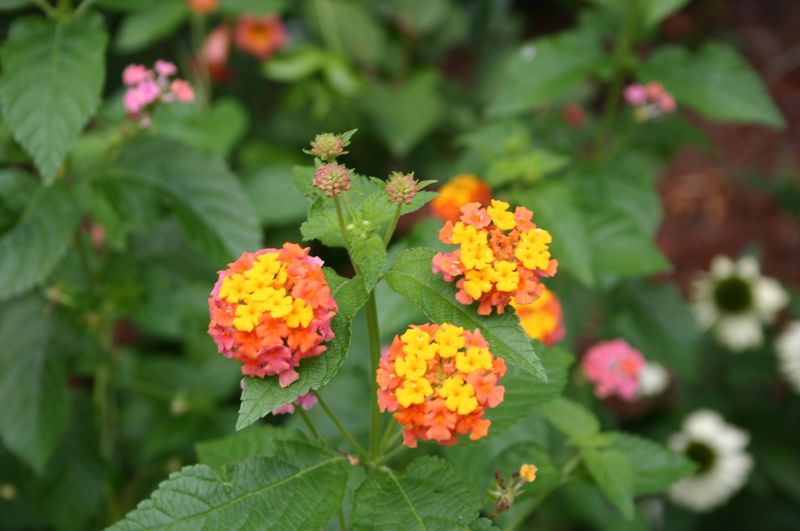
There is a bonus reason to wait, too. Late lantana flowers feed butterflies, bees, and hummingbirds that are still moving through or fueling up in autumn.
Monarchs and skippers love those flat flower clusters. Letting the last blooms finish gives them a reliable snack.
If a stem is broken or blocking a walkway, a light snip is fine. Just skip the big haircut until the cold season is behind you.
3. Spring Green Shoots Tell You When to Grab the Pruners
Mark your calendar for spring, not fall. That is when lantana pruning pays off in Georgia.
Wait until the danger of frost has passed and you spot tiny green leaves near the base or along the lower stems. In south and middle parts of the state, that often happens in March or early April, while north Georgia gardens may need to wait until mid to late April.
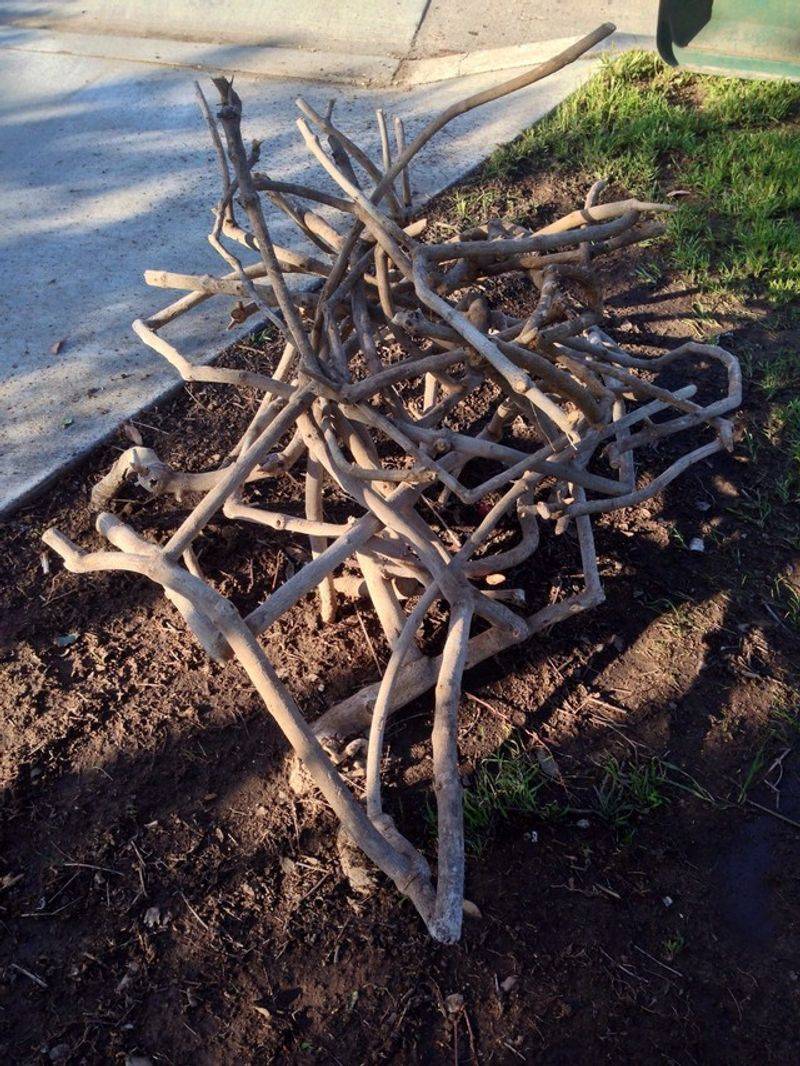
Once you see that green, cut the old stems back to about 6 to 12 inches tall. Clip just above healthy buds and remove any brittle, gray wood that shows no signs of life.
A quick scratch test helps. Scrape a stem gently with your thumbnail, and green tissue underneath means that section is still alive and well.
Do not panic if your plant looks bare well into spring. Lantana loves heat and often lags behind other shrubs, sometimes waiting until soil warms in May.
I once nearly pulled one out in late April. Two weeks later it was bursting with leaves, and I felt a little silly.
This spring cut clears winter damage and encourages bushy growth that blooms all summer.
4. A Thick Blanket of Pine Straw Keeps Lantana Roots Snug
Mulch is the real fall chore your lantana wants. It is easy, cheap, and very Southern.
After your first hard frost, spread a loose layer of pine straw, shredded leaves, or wood chips around the base. Aim for about 4 to 6 inches deep in colder spots, keeping a small gap so the mulch does not pile tightly against the stems.
That layer evens out soil temperatures. It softens the freeze and thaw swings that can stress roots during a Georgia winter.
Drainage matters just as much as warmth. Lantana handles cold better in dry soil, so avoid planting it in low spots where water sits for days.
Ease off fertilizer by late summer, too. Extra nitrogen in fall pushes soft growth that cold air can damage.
Cut back on watering as the weather cools. Established plants in the ground rarely need extra water in winter unless a long dry stretch hits.
Pine straw is my favorite choice because it stays fluffy and lets water drain through. You may even have a free supply under nearby pines.
In spring, pull some mulch back so the soil can warm faster.
5. Potted Lantana Can Ride Out Winter in a Garage or Sunny Window
Containers change the whole game. Roots in a pot sit above ground, so they feel cold far more than roots tucked in the earth.
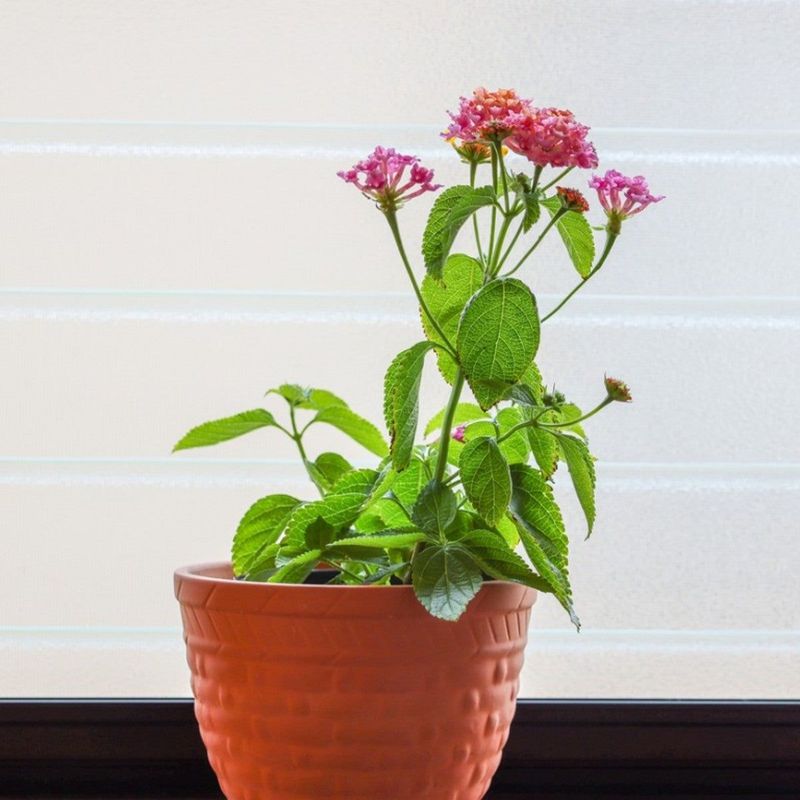
Before the first frost, you have two solid choices. You can store the pot in a cool, frost-free spot like an unheated garage or shed, or you can grow it as a houseplant.
For storage, aim for temperatures around 50 to 60 degrees. The plant will slow down and may drop leaves, which is normal, so water lightly about once a month just to keep the soil from turning bone dry.
For the houseplant route, place it in your sunniest window. Water when the top inch or two feels dry and skip fertilizer until spring.
Check for whiteflies and spider mites before moving pots inside. A gentle rinse with the hose can knock off hitchhikers.
Indoor lantana may look a bit leggy by February. That is fine, and you can trim it back when you move it outside after frost.
Bring pots out gradually over a week or so. A slow return helps leaves adjust to strong Georgia sun.
6. Miss Huff Lantana Shrugs Off Chilly North Georgia Winters
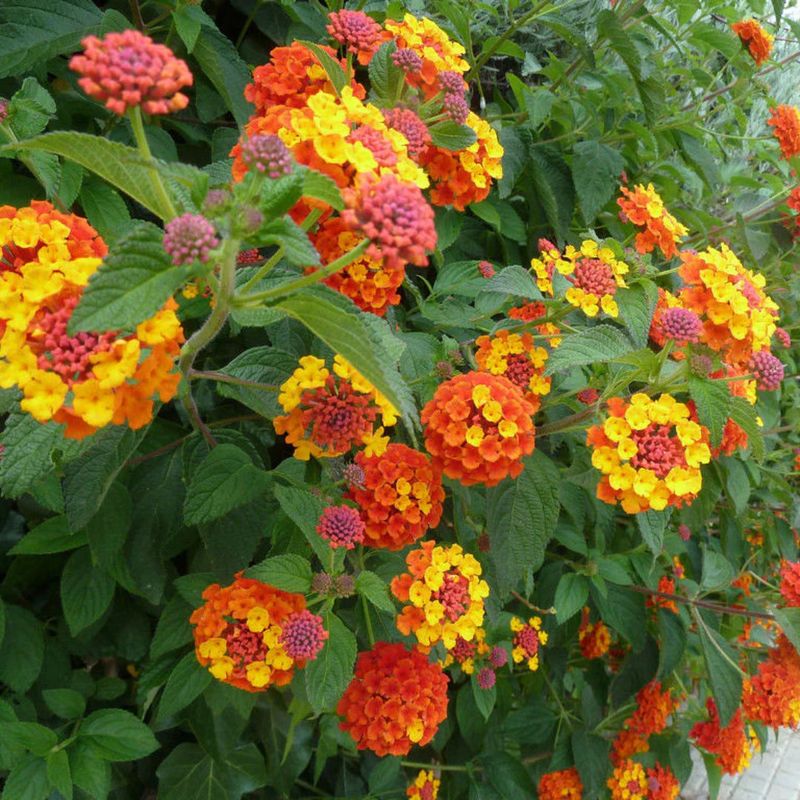
A plant named after a Georgia garden has earned bragging rights. ‘Miss Huff’ lantana came from a garden in Georgia and is widely praised for strong cold hardiness.
Many gardeners report it returning reliably in zone 7, where other lantanas often fail. It grows into a big shrub, sometimes 5 feet tall or more, with orange, pink, and gold flower clusters.
Your location shapes your results. Georgia runs from about zone 6b in the northern mountains to zone 9a along the southeast coast and far south, so lantana that returns easily in Valdosta may struggle in Blairsville.
Variety matters, too. Many trailing and compact hybrids sold in spring are less winter tough and are often treated as annuals in colder areas.
Look for plants labeled sterile or low seed when possible. Common lantana, Lantana camara, can spread by seed in warm regions and is invasive in Florida and some other places.
Choosing well behaved types keeps your garden tidy and kind to nearby natural areas. Sterile selections also tend to bloom harder since they are not busy making berries.
Matching variety to zone saves lots of springtime worry.
7. Your Winter To-Do List for Happier Lantana Comes Next Spring
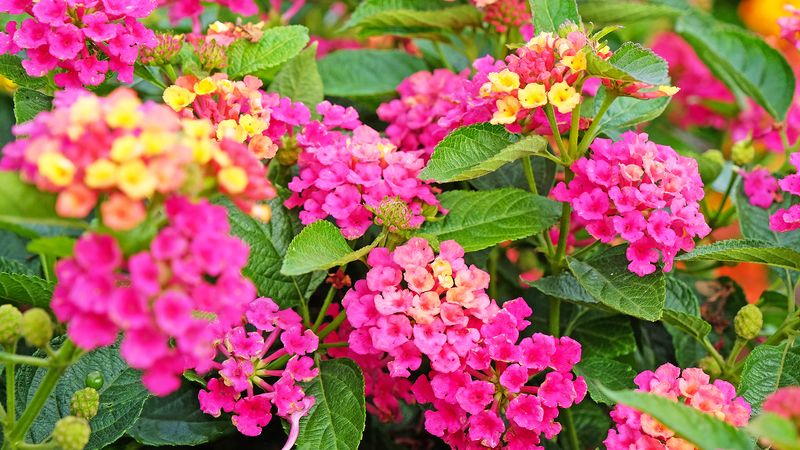
Picture-perfect blooms next summer start with a few quiet choices right now. None of them take much time.
Here is the simple plan. Leave stems standing, stop feeding by late summer, mulch after the first hard frost, and protect potted plants before cold nights arrive.
Then let winter do its thing. Brown leaves and bare twigs are part of the cycle, not a sign of failure.
When spring warms up, look for green and prune back to 6 to 12 inches. Pull back heavy mulch and give the plant a light feeding once new growth is strong.
If a plant does not return by late May or early June, it may be time to replace it. Choose a hardier variety and a sunnier, better drained spot.
I have found that lazy fall gardening often wins with lantana. Less fussing usually means stronger plants.
Your local UGA Extension office can share zone details and frost dates for your county. That small call can help you time everything perfectly.
Put the shears away, grab some pine straw, and let your lantana rest. Butterflies will thank you next summer.