The Cool-Season Flowers Thriving In Austin’s Wet November
Austin’s first freeze often holds off until December, which hands local gardens a long, mild autumn runway. Rain clouds also tend to roll back in after summer, softening that baked clay soil we all know well.
Some of the toughest Texas bloomers actually prefer soggy feet, growing wild along creek banks and roadside ditches. A few cheerful bedding favorites also shrug off light frost and keep blooming through chilly gray mornings.
I used to treat late fall as cleanup season, until my soggy backyard corner suddenly turned blue and gold. You might notice the bees and butterflies agree with me, since they crowd those flowers on every sunny afternoon.
Texas gardeners have more options for this damp, cool stretch than most people realize from garden center displays. Here are the flowers that actually love wet November weather.
1. Blue Mistflower
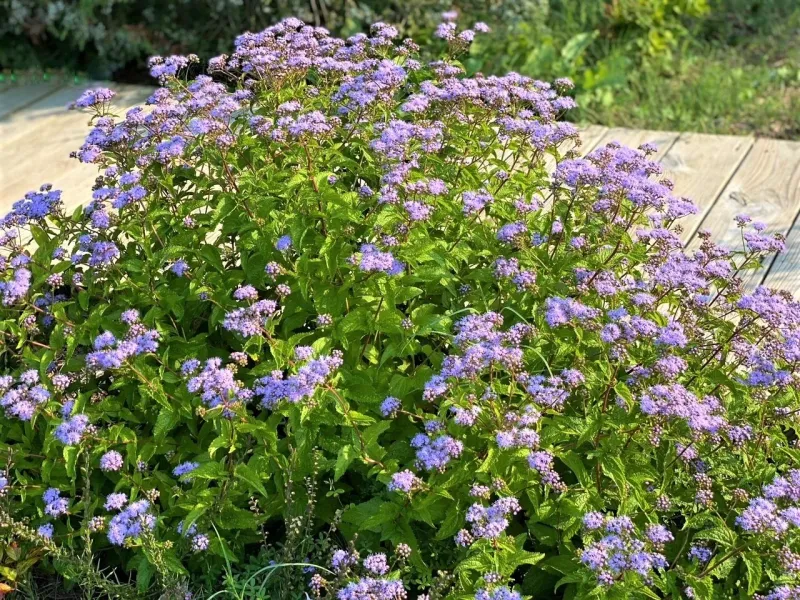
Fuzzy lavender puffs cover this native wildflower in fall, looking almost like someone sprinkled cotton candy across the bed.
Personally, I love how the color glows on cloudy days, when brighter flowers seem a bit washed out.
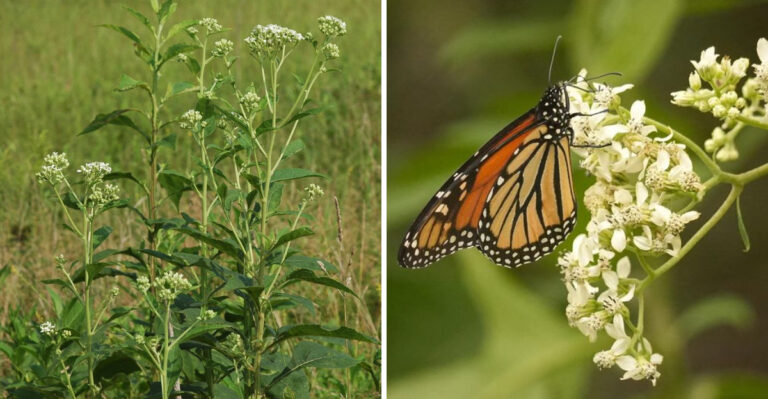
Blue mistflower, known to botanists as Conoclinium coelestinum, grows naturally along stream banks and in moist meadows.
That background explains why it handles poor drainage and soggy clay without sulking after heavy autumn rains.
Plants usually reach one to three feet tall, with triangular leaves that have blunt teeth along the edges. Flowering often starts in July and keeps going until frost, with the heaviest show arriving in early fall.
Butterflies treat those fluffy clusters like a roadside diner, and migrating monarchs often stop by for a nectar break. Bees join the party too, so expect plenty of buzzing whenever the afternoon sun breaks through.
You need to know one quirk before planting, because this plant spreads by underground rhizomes and drops seeds freely. Give it a roomy spot, or pull extra sprouts each spring to keep the colony in bounds.
Full sun brings the most flowers, though part shade works nicely in hot western exposures around Austin. It adapts to sand or heavy clay, but rich soil with steady moisture keeps it happiest.
I like tucking it near a downspout or rain garden, where other perennials might rot during a soggy week. Cut the stems back after frost, and fresh growth will return once warm weather settles in again.
2. Swamp Sunflower
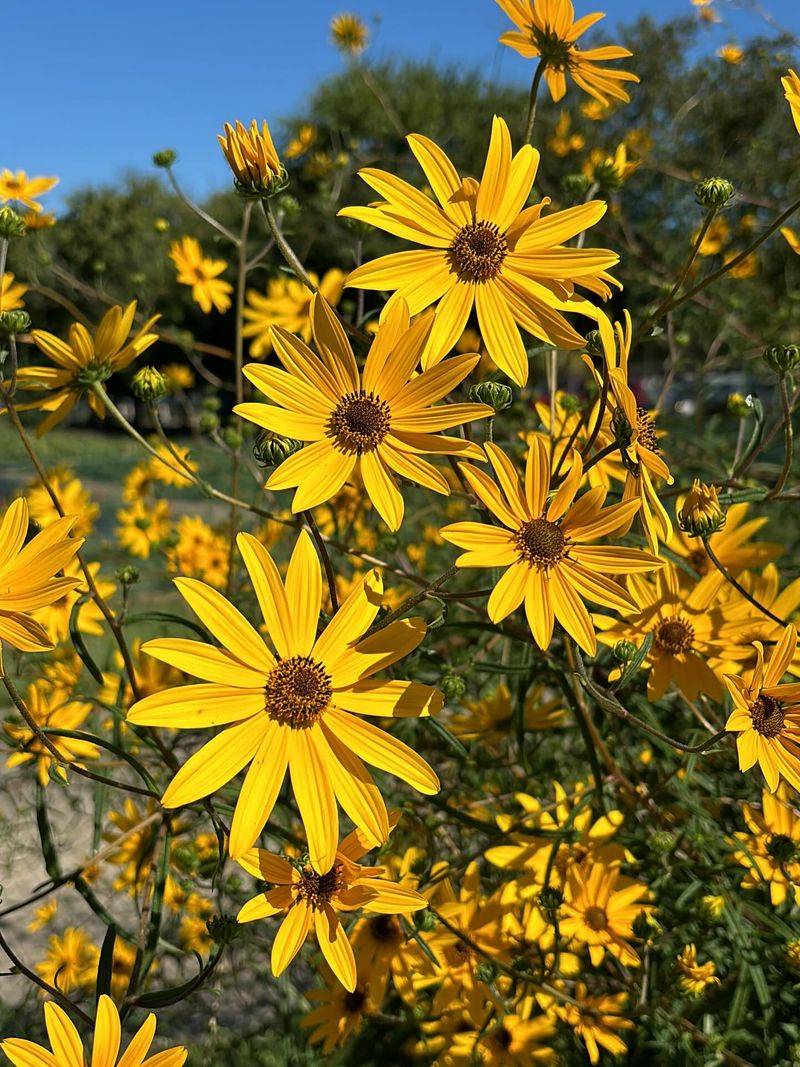
Few sights wake up a gloomy November morning like a swamp sunflower towering over the fence in bright gold. Nobody warned me that a plant named for swamps could look this cheerful, but here we are.
Helianthus angustifolius grows wild in wet ditches and low floodplains, so a rainy month suits its nature nicely. Plants commonly stretch three to eight feet tall, with narrow, rough leaves that feel a bit like sandpaper.
Each flower measures up to about three inches across, with golden rays circling a reddish-brown center. Blooming usually kicks off in September or October and carries on through November until frost arrives.
Native bees and butterflies flock to the nectar, while songbirds pick through the seed heads well into winter. The plant also hosts caterpillars of native moths, adding another layer of value to your wildlife garden.
Full sun is a must, since shady spots lead to floppy stems that lean toward the light. Moist clay or loamy soil works well, and slightly acidic conditions are its natural preference in the wild.
I have to admit the height caught me off guard, so I now pinch stems back in early summer. That trim encourages bushier plants with more flowers and less flopping during windy fall storms later on.
Rhizomes help it spread in rich, damp garden soil, so dividing clumps every few years keeps things tidy. Share the extras with friends, because a neighborhood full of gold makes late autumn feel brighter.
3. Obedient Plant
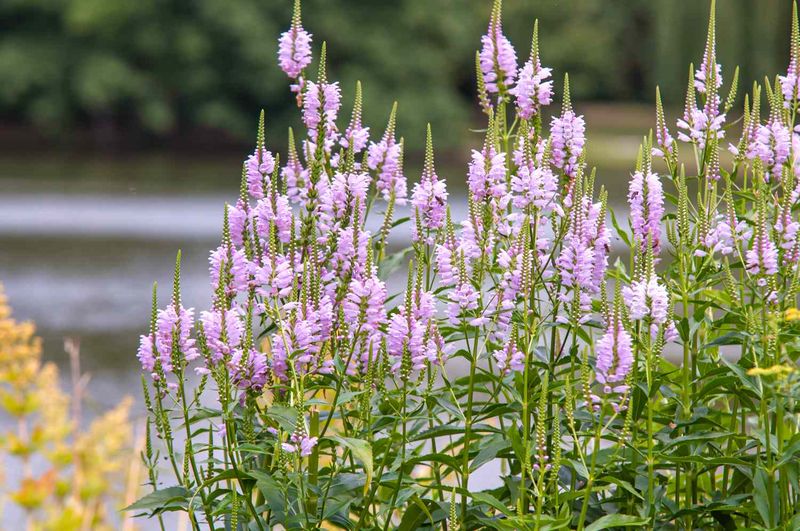
Push one of these flowers sideways and it politely stays put, which is how obedient plant earned its name. Kids get a kick out of the trick, and honestly, so do I every single fall.
Physostegia virginiana grows naturally along riverbanks and in wet thickets, so damp clay rarely bothers it much.
Square stems rise two to five feet tall, carrying narrow spikes packed with tubular pink or lavender blooms.
Flowers open from the bottom of each spike upward, so a single stem keeps the show going for weeks. Blooming runs from August into November, giving your late garden a soft, snapdragon-like look without much fuss.
Bumblebees seem especially fond of crawling inside those tubes, and hummingbirds visit when they pass through. Butterflies also stop by, so a patch near a window makes for great afternoon wildlife watching.
Sun or part sun works well, and the plant looks its best with steady moisture rather than drought. A wet November keeps foliage lush, while dry summers can leave lower leaves looking tired and crispy.
Here’s a fun twist, because this so-called obedient plant often misbehaves underground by spreading with runners. Small beds may need a yearly edit, so dig out wandering shoots and pass them along.
I like pairing it with blue mistflower in low spots, since both enjoy similar soggy conditions after storms. The pink and lavender blend beautifully, and the combo feeds pollinators right up until the first freeze.
4. Smooth Beggartick
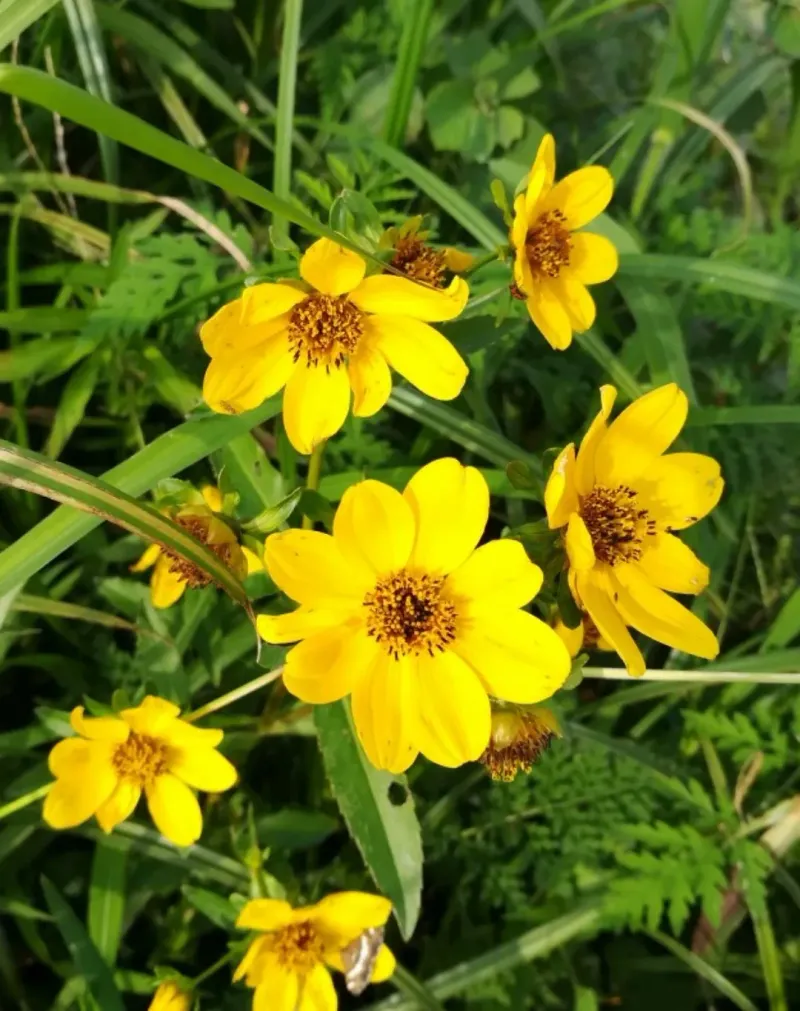
Shiny gold daisies popping up from a flooded ditch might be the most underrated show of late fall. I used to drive right past them, until I stopped one day and saw the butterflies swarming.
Smooth beggartick, or Bidens laevis, loves marshes and pond edges, even growing happily in shallow standing water. Few garden flowers can handle saturated soil this well, which makes it a natural pick for soggy yards.
Plants can reach about four feet tall, with smooth, hairless leaves shaped like narrow lances along the stems. Each bloom carries roughly eight to twelve bright yellow rays around a compact golden center that glows in sunlight.
Peak flowering usually lands between August and October, though mild years can stretch the show into November. That timing makes it a valuable fuel stop for late butterflies and bumblebees still active in cooler weather.
Hoverflies show up too, and seed-eating birds pick at the dried heads once the petals fall away. The name comes from those barbed seeds, which hitch rides on socks and pet fur quite easily.
Full sun brings the best flowering, and the plant tolerates both sandy and clay soils around ponds. It behaves mostly as an annual, so expect fresh seedlings to sprout from last year’s seed drop.
You’ll love how easy this is if you have a rain garden or a backyard pond edge. Scatter seeds in damp soil, then let nature handle the rest with very little help from you.
5. Pansy
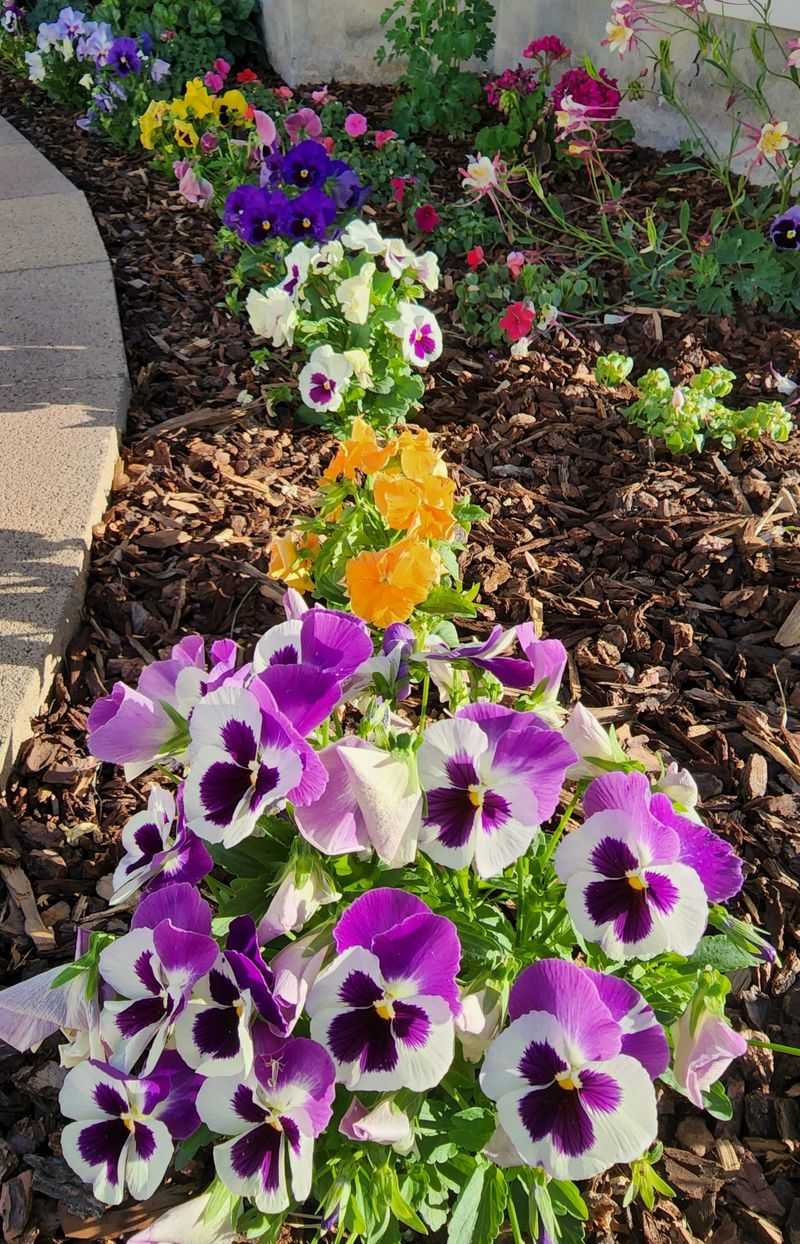
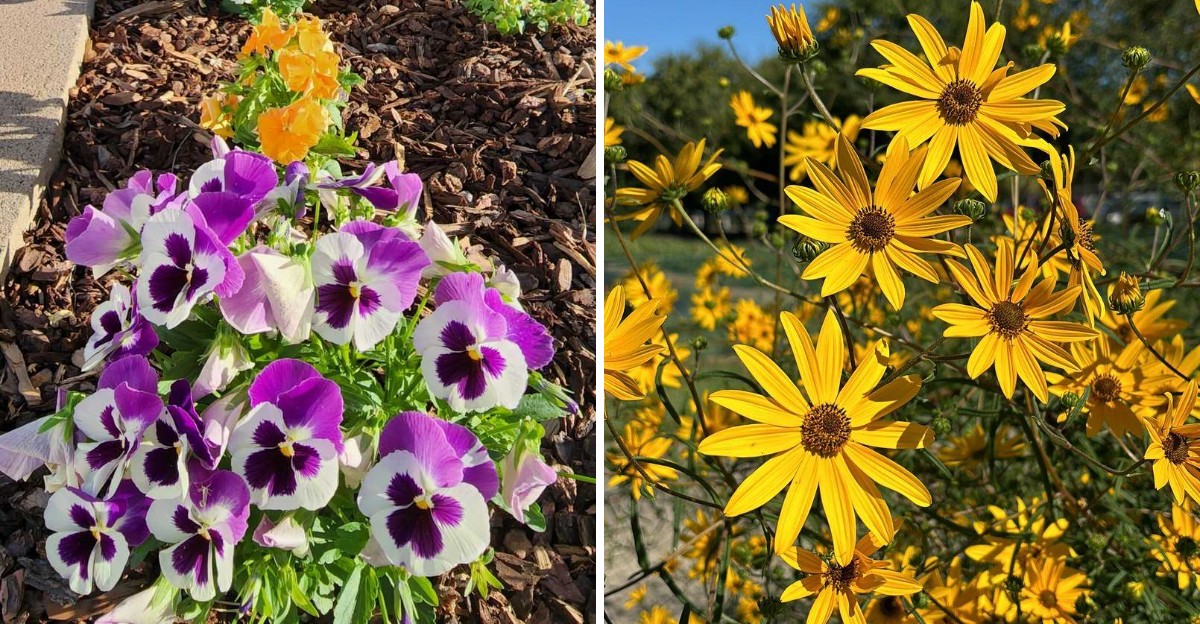
Those little flower faces staring up from the bed make me feel like someone is supervising my weeding. Pansies bring that cheerful expression to Austin gardens from fall clear through spring, which few annuals manage.
Viola x wittrockiana forms compact mounds about six to ten inches tall and wide, with glossy green leaves. Blooms come in nearly every color imaginable, and many show bold blotches in two contrasting shades.
Pansies come with one catch in a rainy November, since they want moist soil but drown in soggy beds. Raised beds or containers with good drainage solve that problem nicely, especially in heavy Austin clay.
Mix compost into the planting area first, because rich soil helps roots grow strong before winter cold arrives. A layer of mulch holds moisture and keeps muddy splashes off those pretty petals after heavy rain.
Full sun to part shade works fine, and afternoon shade helps during warm spells that pop up in fall. Feed plants regularly with a balanced fertilizer, since steady nutrition keeps fresh buds forming all season.
Bees and butterflies visit pansies on mild winter days, which surprises plenty of new gardeners in Central Texas. Pinching off faded flowers encourages more blooms and keeps plants looking neat and full for the holidays.
Believe it or not, the flowers are edible, and they look adorable scattered across a salad or cupcake. Just skip any plants treated with garden chemicals, and stick to blooms you grew yourself without sprays.
6. Johnny Jump Ups
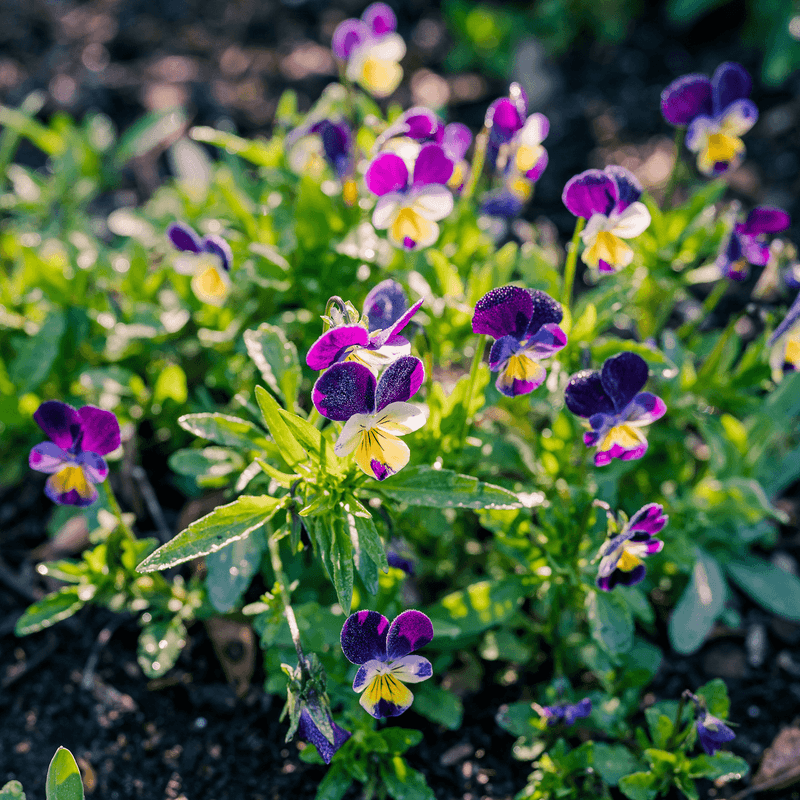
Johnny jump-ups earned their playful name by popping up in unexpected places, often from seeds you forgot about. I truly believe every garden needs a few surprises, and these tiny violas deliver them with charm.
Viola tricolor is a close cousin of the pansy, but it trades large faces for many smaller blossoms. Mounds stay about six to eight inches tall, making them handy for edging paths and filling pots.
The classic flowers combine deep purple petals with a sunny yellow center that resembles a whiskered little face. Breeders have added many other shades, so you can match nearly any color scheme in your yard.
Planting can happen from October through February in Central Texas, and blooms keep coming all cool season long.
Small transplants settle in fast, so a November planting rewards you with flowers before the holidays.
Like pansies, violas want moist soil that drains well, because waterlogged roots can rot during long rainy stretches. Hold off on the hose after a soaker, and check the soil with your finger first.
Slightly acidic soil enriched with compost suits them best, in full sun or a spot with partial shade. Bees and butterflies visit on warm afternoons, and the edible flowers make lovely garnishes for desserts.
Let a few flowers go to seed in spring, and new seedlings may greet you next fall. They reseed politely without becoming pushy, which makes them one of my favorite low-effort winter companions.
7. Snapdragons
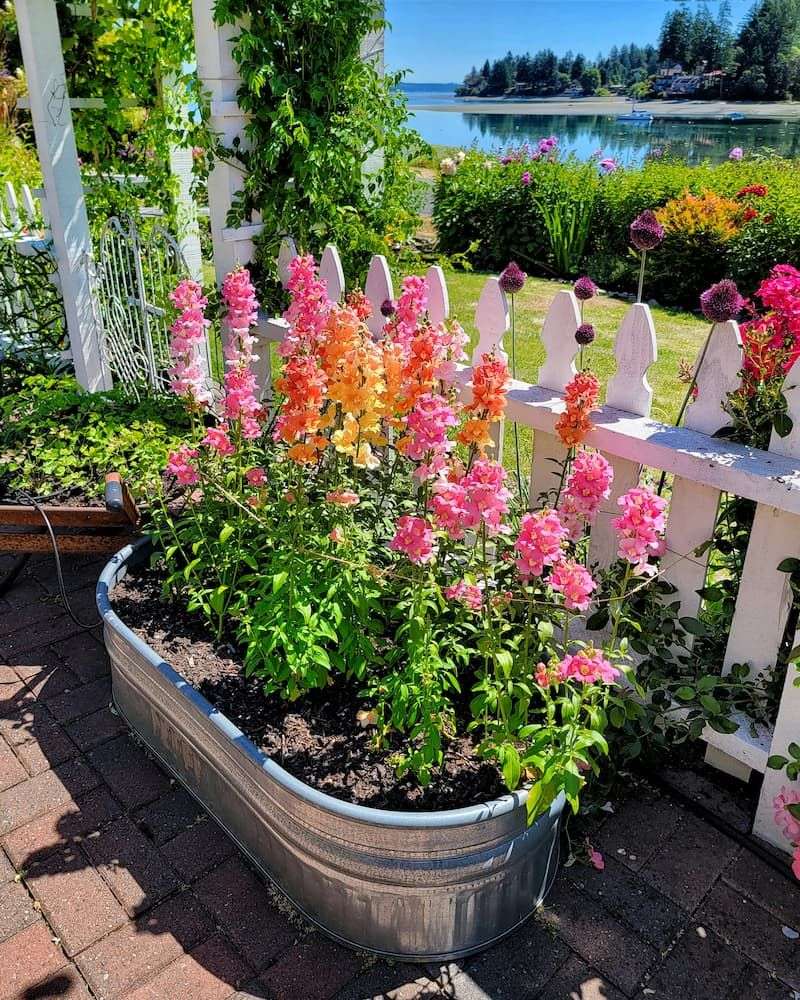
Squeeze the sides of a snapdragon blossom and it opens like a tiny dragon mouth, ready to chat. If my garden had a group chat, these upright spikes would be the loudest members by far.
Antirrhinum majus is a cool-season annual in Austin, planted in autumn for flowers that carry into spring. Colors range from soft pink to sunny yellow, with reds and purples adding plenty of drama too.
Cold rarely fazes them, since established plants can handle dips down to roughly twenty-five degrees Fahrenheit. Wet feet are another story, because waterlogged soil can trigger root rot surprisingly fast in heavy clay.
Honestly, snapdragons belong on this list only if you give them excellent drainage during a rainy stretch. Raised beds or large containers filled with rich, loamy mix keep their roots breathing after storms.
Water at the soil line instead of overhead, since wet foliage invites fungal problems in cool, humid weather. Full sun produces the sturdiest spikes, though a bit of afternoon shade will not hurt them.
Bumblebees are among the few insects strong enough to pry those closed flowers open for nectar and pollen. Watching one wiggle inside a blossom is a sweet little bonus on sunny winter afternoons in the garden.
Pet owners can relax a little, because snapdragons are listed as nontoxic to dogs and cats by the ASPCA. Pinch young plants once for bushier growth, and snip spent spikes to coax more flowers through spring.