The Venomous Neighbors Slipping Underground In New Jersey Right Now
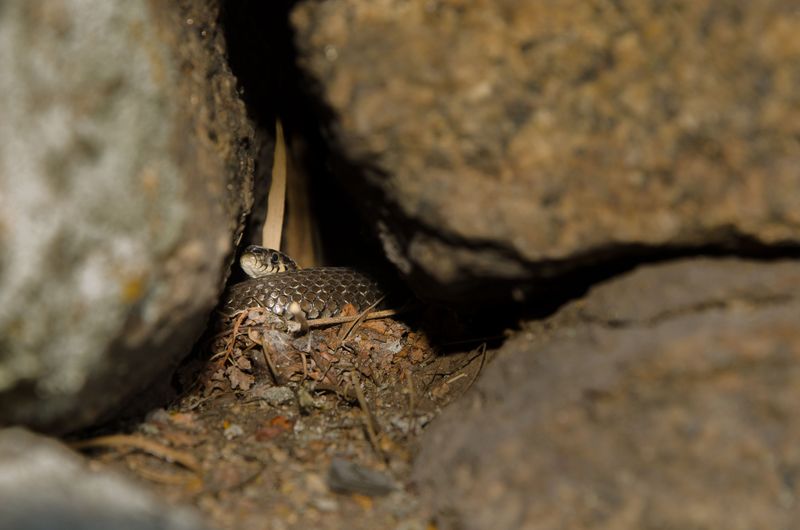
Some snakes in New Jersey share a winter den with dozens of others, and a few return to the very same rock crevice for decades.
That detail stopped me cold the first time I read it. These reptiles do not dig their own winter homes. They rely on cracks, roots, and old burrows that reach below the frost line.
Only two venomous snake species live in the whole of New Jersey, and both are quiet, shy, and easy to misunderstand. Fall is when they make their move. You might notice fewer sunbathing visitors on warm rocks as October rolls along.
I spent a few chilly afternoons digging through wildlife agency reports, and the real story beat every rumor I had heard.
Some of these travelers head for rocky ridges. Others pick a spot that might surprise you, so where would you guess they go?
A Rocky Hillside Snake Den Holds a Winter Secret
Cold-blooded animals cannot make their own body heat. When fall nights drop into the 40s, snakes slow down and need a shelter that stays above freezing all winter.
Scientists call this sleepy winter state brumation. It works a lot like hibernation, but snakes may wake up on mild days and shift around inside the den.
A good den has one key feature. It reaches below the frost line, where the ground stays cool but not frozen.
Rock crevices, old rodent burrows, rotting stumps, and the spaces under tree roots can all work.
The New Jersey Division of Fish and Wildlife lists just two venomous snakes in the state, the northern copperhead and the timber rattlesnake. Both use dens, and both often share them with other snakes, including harmless black rat snakes and garter snakes.
Many snakes return to the same den year after year. Young snakes often find it by following the scent trails of adults, which is one clever trick for a creature with no map.
So when you stop seeing snakes on warm stone walls in October, they have not disappeared. They are tucked away, often in places people rarely visit. Most yards in the state will never host a venomous den at all.
Copperheads With Hourglass Bands Head for Their Dens
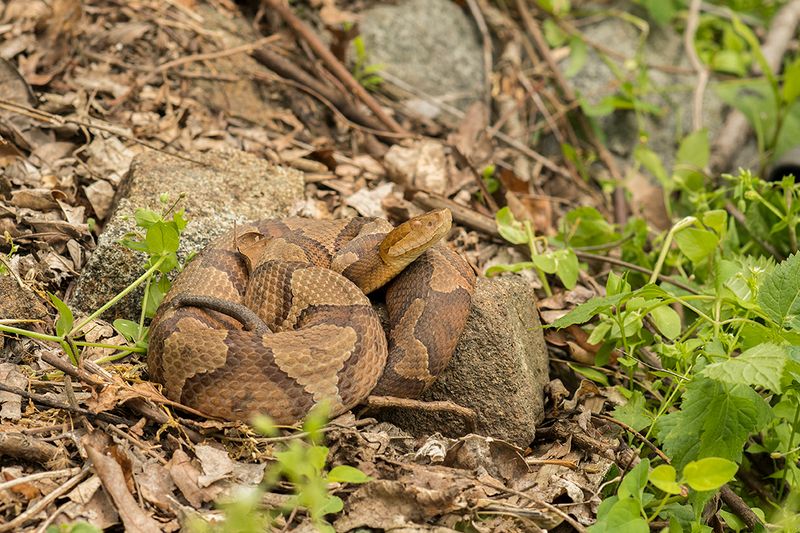
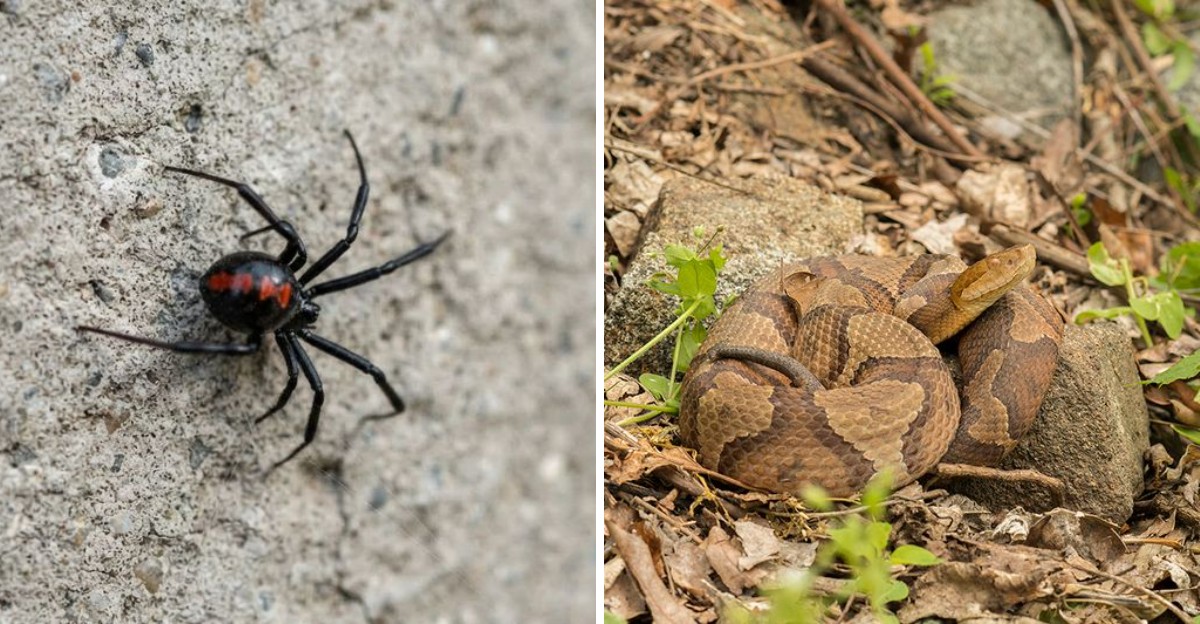
Copper-colored head, tan body, and dark bands shaped like hourglasses. That pattern blends so well with fallen oak leaves that hikers often step right past one.
Northern copperheads in New Jersey mostly live in the northern counties, on rocky wooded slopes in the Highlands and along the Palisades and ridges like the Watchungs. They are active from roughly May through October.
Around early to mid fall, they travel back to their dens. Wildlife experts note they often use rocky outcrops, stone walls, hollow logs, and sometimes old sawdust or mulch piles near forest edges.
I love one quirky fact about them. Baby copperheads have bright yellow tail tips, and they wiggle them like a worm to lure frogs close.
Copperhead bites are rarely life-threatening, but they hurt and need prompt medical care. Most bites happen when someone reaches into a spot they cannot see or tries to handle the snake.
Here is my simple fall habit. Wear gloves and sturdy boots when you move firewood, rocks, or leaf piles near wooded land.
Use a rake or stick to lift things toward you, so anything hiding underneath can slip away from your hands.
Timber Rattlesnakes Slip Into Ridges and Cedar Swamp Roots
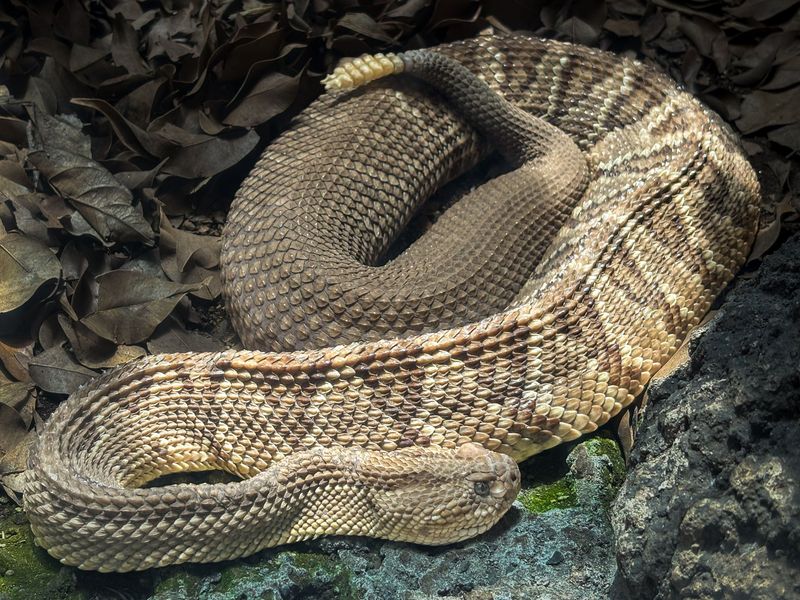
Here is a twist few people expect. The same rattlesnake species uses two very different kinds of winter homes depending on where it lives in the state.
In the northern ridges, timber rattlesnakes den in deep rocky crevices on hillsides. In the Pinelands down south, they often choose the root tangles of Atlantic white cedar swamps or spots along streams, where the sandy ground and water help keep things above freezing.
According to Conserve Wildlife Foundation of New Jersey, they usually return to dens from late September through October. Many gather in communal dens, and some snakes use the same site for their whole lives.
Timber rattlesnakes are listed as endangered in New Jersey. Harming, collecting, or harassing one is against state law, and damaging den sites can hurt whole local populations.
They are famously patient and calm. A rattlesnake will usually freeze or quietly crawl away, and the rattle is a polite warning, not a threat.
If you ever spot one, give it plenty of room, at least several feet. You can report sightings to the state wildlife agency, which tracks these snakes closely. Your quick note could help biologists protect an important den.
Black Widow Spiders Tuck Into Sheds and Woodpiles
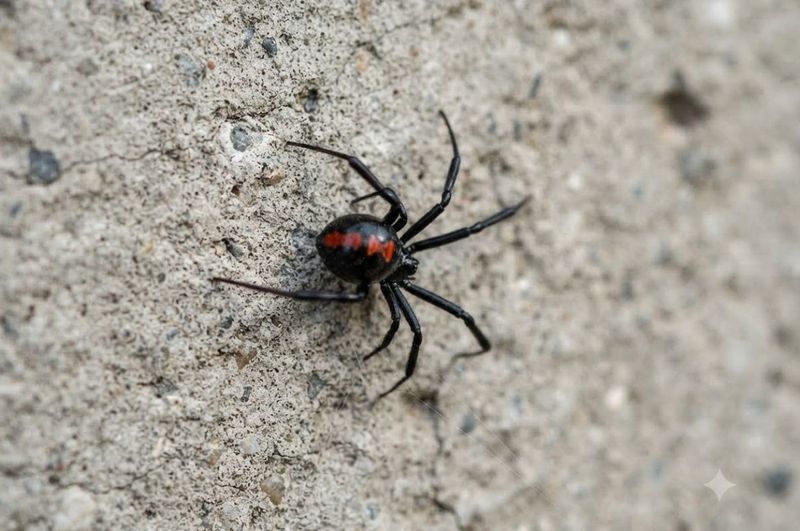
Snakes are not the only venomous neighbors seeking shelter as the air turns crisp. Black widow spiders live in New Jersey too, mostly the northern black widow.
These glossy spiders favor dark, quiet spots close to the ground. Woodpiles, stone walls, hollow stumps, sheds, garages, and the undersides of decks and outdoor furniture all fit the bill.
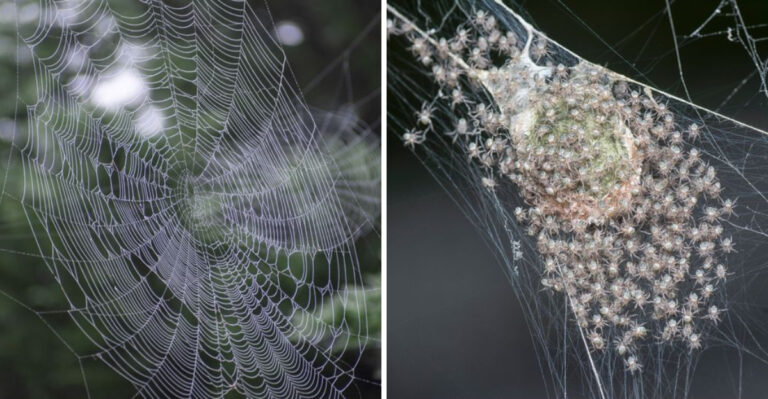
Their webs look messy and tangled, not neat and round. That sloppy look is actually a handy clue, especially when it sits low in a corner you rarely touch.
Females have a red hourglass on the belly, though northern black widows may show a split hourglass that looks like two red triangles. Males are small and rarely bite.
Cold weather slows them down, and many adults decline over winter while egg sacs wait for spring. Some may linger in sheltered garages or crawl spaces.
Bites are uncommon and seldom serious for healthy adults, but they can cause pain and cramping. Anyone bitten should call a doctor or Poison Control at 1-800-222-1222.
My advice is simple. Shake out gloves and boots stored in the shed, and wear gloves when stacking firewood this fall.
Tidy Up Woodpiles and Rock Heaps Around Your Yard
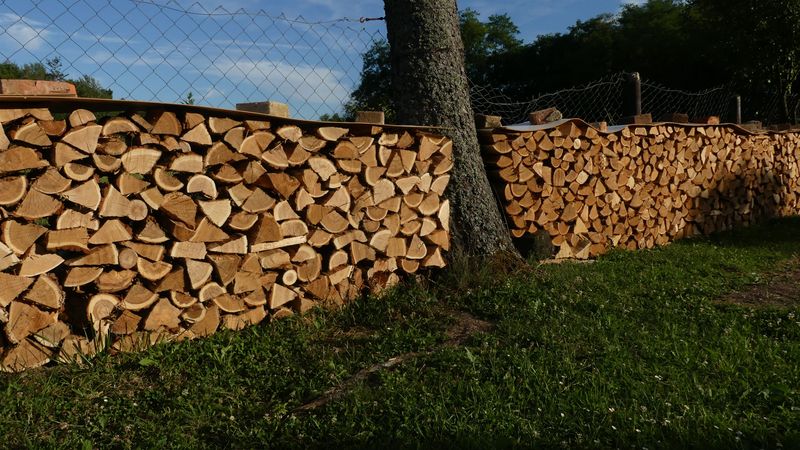
A few easy chores this season can make your yard far less tempting to winter guests. Most of them are things gardeners already do in fall.
Start with firewood. Stack it on a raised rack, keep it off the ground, and set it at least 20 feet from the house if you can.
Next, look at clutter. Old boards, tarps, scrap metal, and loose rock piles create perfect cool hideouts for snakes and spiders alike, plus the mice that snakes like to eat.
Fewer rodents mean fewer reasons for a copperhead to visit. Store birdseed and pet food in sealed metal bins, and clean up spilled seed under feeders.
Keep grass trimmed near the house and garden paths, so you can see where you step. You can still leave a wild leaf corner for pollinators, just away from doors and play areas.
Indoors, seal gaps around foundations, doors, utility pipes, and vents with caulk or weatherstripping. That small project keeps out spiders, mice, and drafts all at once.
One caution matters here. Do not try to block or disturb a known snake den in the wild, especially for protected rattlesnakes.
That Harmless Look-Alike Snake Is Probably Not a Copperhead
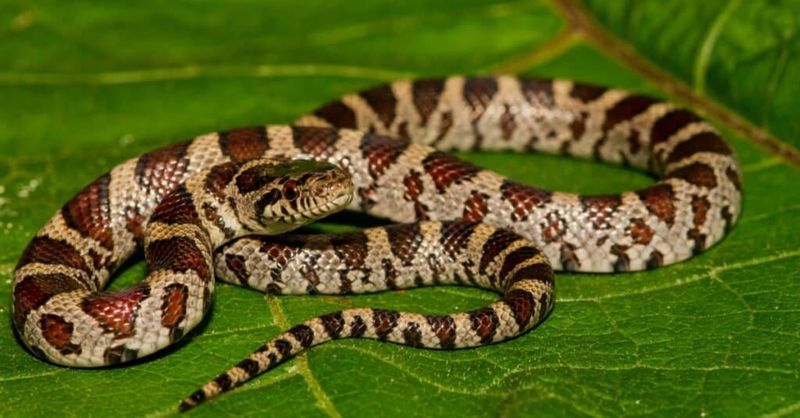
Most snakes people panic over in New Jersey turn out to be harmless. The state has over 20 snake species, and only two are venomous.
The eastern milk snake causes the most mix-ups. It has reddish-brown blotches, but they look like saddles on its back, not hourglasses. Northern water snakes also get blamed, especially near ponds and streams.
Copperhead bands are narrow on the spine and wide on the sides. Picture that hourglass shape from above, and you will spot the difference much faster.
Rattlesnakes have a thick body, a rattle on the tail, and a broad head. Still, I suggest you never get close enough to check details.
Head shape and pupil shape are not reliable for quick checks. Many harmless snakes flatten their heads when nervous, and you should not be close enough to see pupils anyway.
Snap a photo from a safe distance and compare it with the state’s free snake guide from the Division of Fish and Wildlife. Conserve Wildlife Foundation of New Jersey also shares good identification tips.
Harmless snakes are wonderful garden helpers. They eat slugs, insects, and rodents that bother your plants.
Give a Basking Snake Space and Call for Help
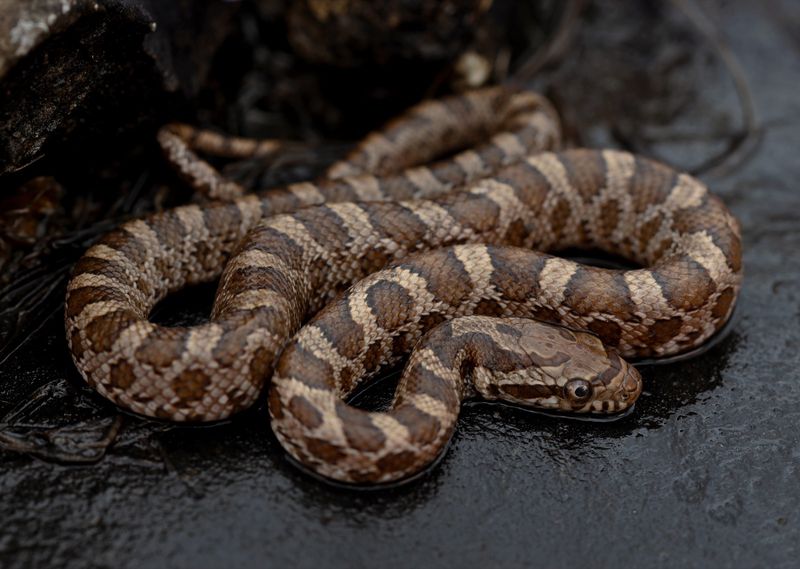
A warm October afternoon can still pull a snake out to bask on a stone path. Before brumation sets in fully, they soak up every bit of sun they can.
Stay calm and step back slowly. Snakes do not chase people, and most just want to reach cover. Keep kids and pets away, and watch where it goes. Often it will leave on its own within minutes.
If a venomous snake is in your home, garage, or a busy spot, call a licensed wildlife control operator. For timber rattlesnakes, the state wildlife agency has a response team that can help relocate them safely and legally.
Please skip shovels, traps, and glue boards. Most bites happen when people try to handle or harm a snake, and glue traps also catch birds and pets.
If anyone is bitten, call 911 right away. Keep the person calm and still, remove rings or tight items, and avoid ice, cutting, or suction.
These animals have shared the state’s ridges and pine forests far longer than our gardens have existed. A little respect and awareness goes a long way.