Why That Blue-Tailed Lizard in Your Florida Yard Is Good News
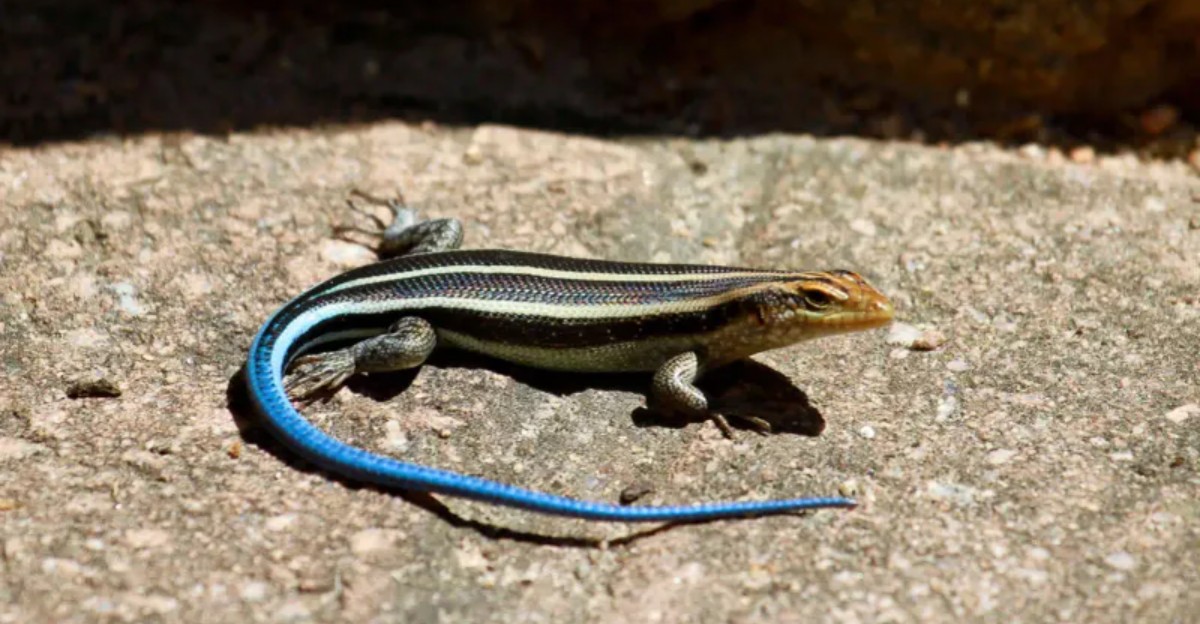
A flash of electric blue streaks across your patio and vanishes under a flowerpot. Most people flinch, then forget it ever happened.
That tiny sprinter in your Florida yard deserves a second look. Its color is a trick, and it works better than you’d guess.
Fast, shy, and gone in a blink, it rarely sticks around long enough to explain itself.
One sighting tells you something about the ground you tend. Yards that attract this visitor share a few traits, and your landscaping earned some of the credit.
Plenty of neighbors would grab a broom or a can of spray at the sight of one. That reflex misses the point entirely.
Leave it be this week and watch where it runs. The little blue streak carries a message about your yard, and it’s a good one.
1. It’s Probably A Young Skink
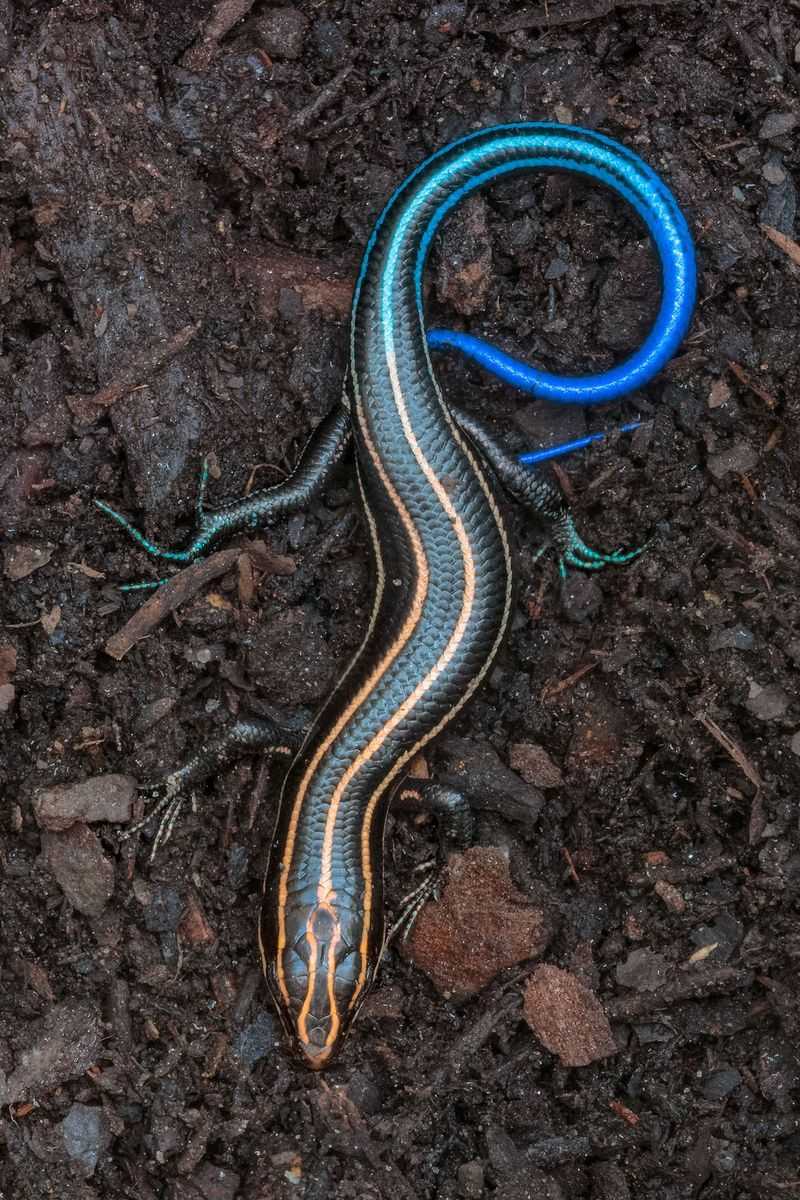
Picture a lizard that looks like it borrowed its tail from a neon sign. That eye-popping color usually tells you one thing right away: you are looking at a baby skink.
Skinks are smooth, shiny lizards with tiny legs and glossy scales. They look almost polished, like a wet pebble that learned to run.
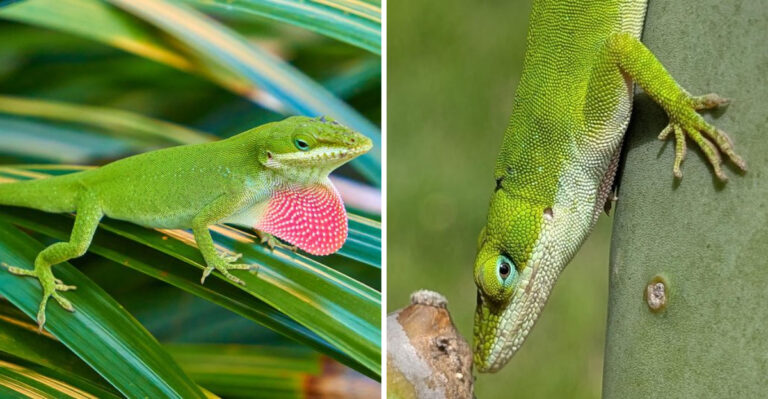
Unlike the brown anoles that bob their heads on your fence, skinks tend to stay low and slip under leaves or boards.
Several skink species in Florida start life with that bright blue tail. Scientists think the flashy color pulls a predator’s attention toward the tail and away from the head and body.
It is a bit like wearing a bright jersey so the other team chases the wrong player.
So how can you tell a skink from other yard lizards? Look for a sleek, snake-like body, short legs, and stripes running from nose to tail.
Anoles have rougher skin, longer legs, and a throat fan they puff out.
If you spot one, give yourself a pat on the back. Skinks like yards with leaf litter, logs, and a few quiet hiding spots.
Seeing a young one means your outdoor space offers shelter and food, and that a family of skinks is likely settling in nearby.
2. The Southeastern Five-Lined Skink Is Florida’s Most Common
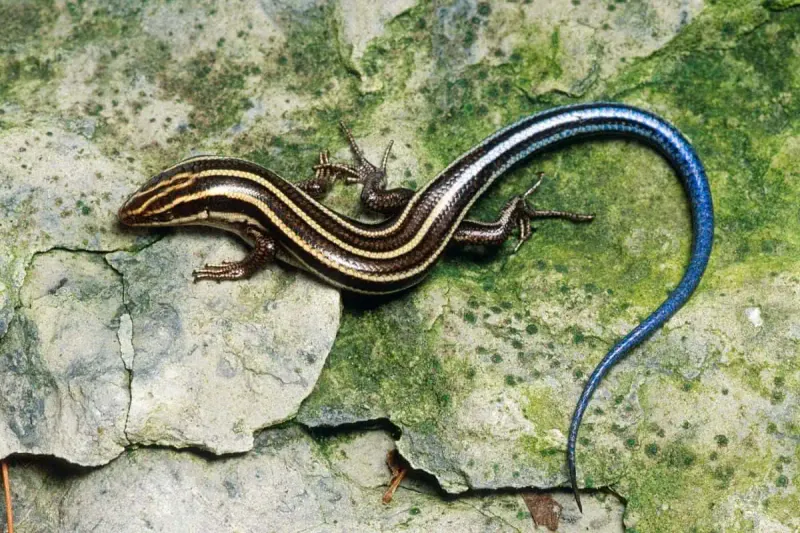
Ask a wildlife expert which skink shows up most, and you will likely hear one name. The Southeastern Five-Lined Skink wins that contest across the state.
True to its name, this lizard sports five light stripes running down a dark body. Babies have the bright blue tail that gets so much attention.
You can find them from the Panhandle down through the peninsula, and even on small islands off the coast.
Their favorite places are pine woods, mixed forests, and coastal plains. Still, plenty of them have moved right into neighborhoods.
A backyard with a woodpile or garden beds can feel like a cozy forest to a skink.
Moisture matters a lot to them. They like to tuck themselves under rotting logs, flat stones, and piles of decaying plants.
These damp spots keep their skin from drying out and also hide lots of tasty bugs.
Your Florida Garden Changes Every Week. Your Plan Should Too.
Gardening in Florida changes quickly throughout the season. Every Friday you’ll receive a simple weekly plan showing exactly what to plant, prune, fertilize, harvest, and protect so you never miss the right timing.
Want to make your yard more welcoming? Leave a small log or a few flat rocks in a shady corner.
A patch of mulch or fallen leaves near a flower bed works well too.
You do not need a wild jungle out back. A few thoughtful hiding places can turn an ordinary lawn into prime skink real estate, and your new tenants will pay rent by snapping up pests.
3. Three More Native Skinks Share The Blue Tail
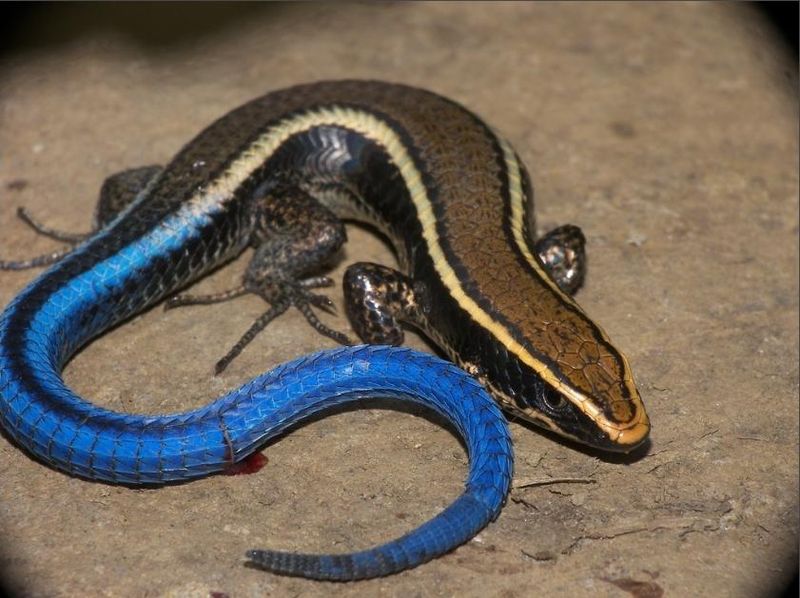
Here is a fun twist for curious backyard detectives. The Southeastern Five-Lined Skink is not the only Florida lizard rocking a blue tail.
At least three other native skinks share that bright look when they are young. Meet the Five-Lined Skink, also called the American five-lined skink.
It looks a lot like its southeastern cousin, and even experts sometimes need a close look to tell them apart.
Next comes the Broad-headed Skink, the heavyweight of the group. Young ones look much like the other striped babies.
As adults, though, males grow wide, chunky heads that make them look like tiny dragons guarding a tree trunk.
Then there is the Bluetail Mole Skink, a small and secretive lizard. It spends much of its life burrowing through sandy soil in central Florida scrub.
Because its home is so limited, it is a protected species, so spotting one is a real treat.
Why do so many skinks share the same blue trick? The answer seems to be that it works well.
A flashy tail helps young lizards survive their riskiest early months.
Next time you see a blue tail, try guessing which species it might be. Snap a photo and compare it with a field guide or a state wildlife website.
It turns yard time into a mini science lesson.
4. The Blue Fades As It Grows Up
Remember how your baby photos look nothing like you now? Skinks go through the same kind of glow-up, just with a lot more color changes.
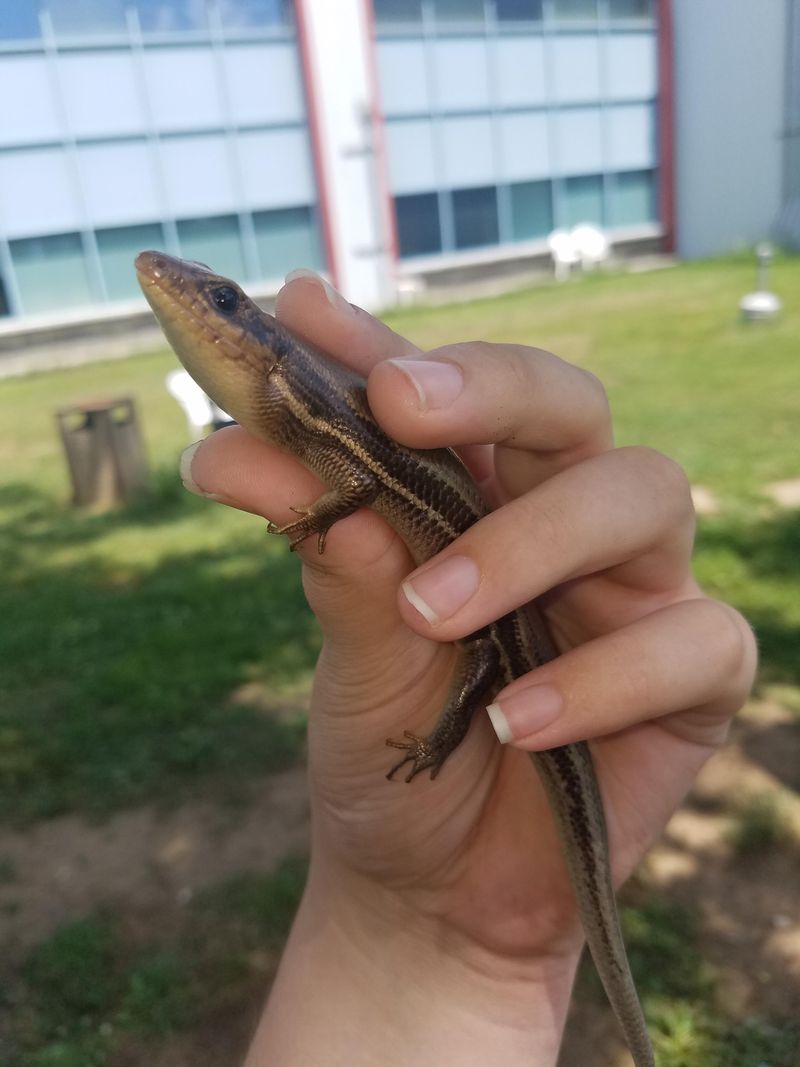
That neon tail does not last forever. As young skinks grow into adults, the bright blue and the bold stripes slowly fade.
Some tails turn plain brown, while others become a dull blue-gray or even a soft pinkish shade.
Males often get a surprising makeover too. During breeding season, many adult males develop a reddish or orange head.
A big male broad-headed skink with a fiery orange face can look so different that people think it is a whole new animal.
Females usually keep a bit more of their stripes, though the colors grow softer with age. This makes adult skinks trickier to identify than the flashy babies.
So why drop the bright color? Adults are bigger, faster, and better at escaping danger.
They do not need the same eye-catching decoy that helps tiny youngsters survive.
Here is a handy tip for yard watchers. If you see a striped brown lizard with an orange head near the same spot where blue-tailed babies hang out, you may be watching the grown-up version.
Keep an eye on one area over a few seasons, and you might catch the whole color story unfold.
5. Skinks Eat Insects, Spiders And Snails
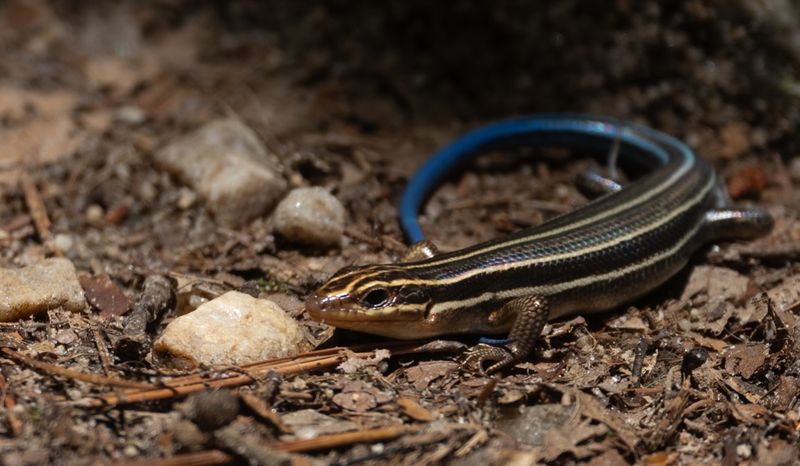
Gardeners, this one is for you. Every skink in your yard is a free, tiny pest patrol that works without chemicals or a monthly bill.
Skinks are carnivores, which means they eat other animals instead of plants. Their menu is packed with the critters that bug homeowners.
Insects, spiders, and snails all make the list.
Think about the beetles chewing holes in your hibiscus leaves. Or the snails leaving slimy trails across your veggie patch.
A hungry skink sees all of that as lunch waiting to happen.
Skinks hunt by poking through leaf litter, mulch, and cracks in wood. Their sharp eyes and quick flick of the tongue help them find prey hiding where you might miss it.
They are fast, too, darting in and grabbing a meal in a blink.
One easy way to support them is to cut back on pesticides. Sprays can wipe out the bugs skinks need to eat, and the chemicals may harm the lizards as well.
Fewer sprays often means more natural helpers sticking around.
Planting native shrubs and leaving some mulch beds also helps. These spots attract insects, which then draw in skinks.
It is a little food chain right outside your back door, and it keeps your garden in better balance.
6. They Have A Taste For Roaches
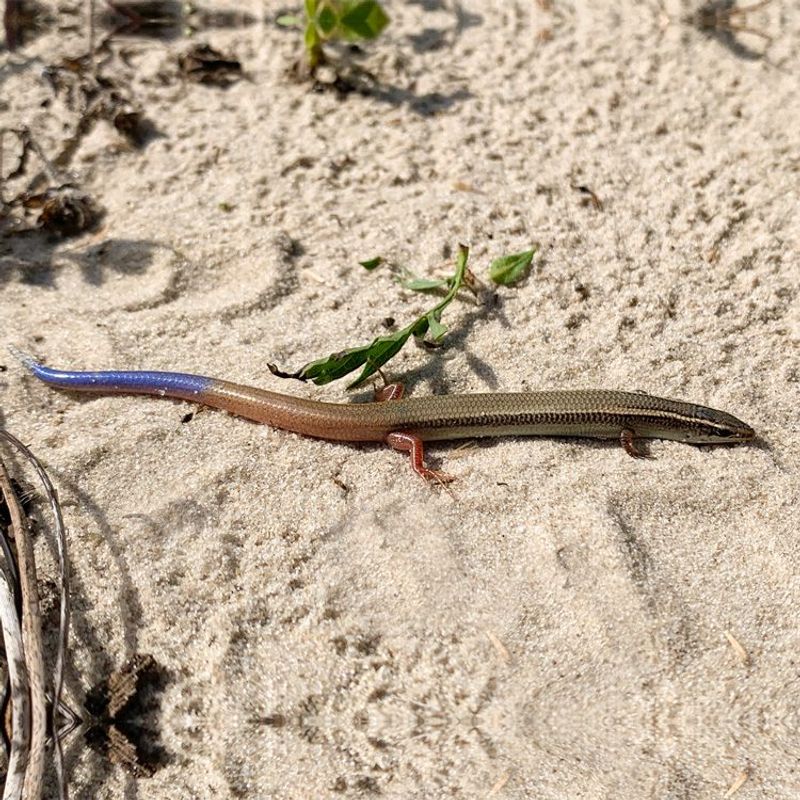
Ah, the Florida palmetto bug. Few creatures can make a grown adult shriek quite like a big roach flying across the porch at night.
Good news: some skinks are happy to help with that problem. The Bluetail Mole Skink, for example, eats mostly roaches, crickets, and spiders.
For a lizard that small, that is a seriously useful appetite.
Other skink species also munch on insects, and that can include cockroaches living outdoors near their hiding spots. Roaches love the same damp, dark places skinks like.
Leaf piles, woodpiles, and spaces under boards are a buffet for a hungry lizard.
Of course, a few skinks will not solve a big indoor roach problem. They work best as part of a team effort.
Sealing cracks around doors, fixing leaky pipes, and keeping trash bins closed all help keep roaches out of your home.
Outside, though, skinks can quietly reduce the number of roaches hanging around your foundation. Fewer roaches outdoors often means fewer trying to sneak in.
So the next time you see a blue tail slipping under your porch steps, try thinking of it as a tiny bouncer. It is checking the door and tossing out unwanted guests.
Honestly, that is a pretty great deal for zero dollars a month.
7. The Tail Breaks Off To Fool Predators
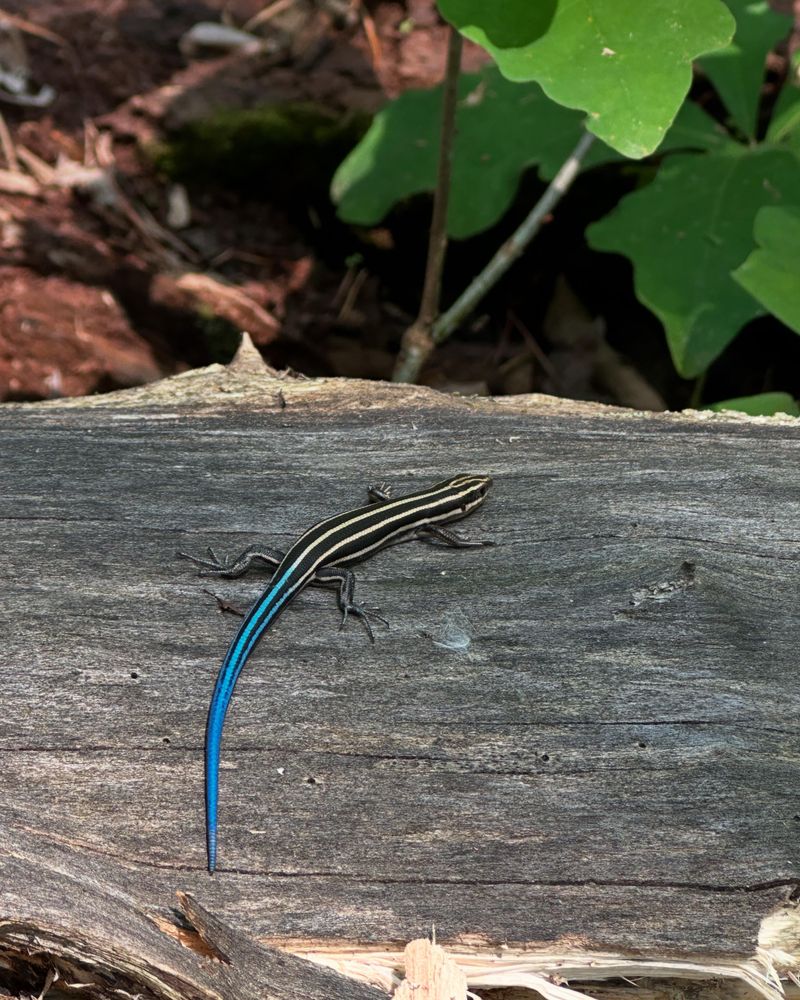
Imagine a bird swooping down and grabbing a skink by the tail. Then, snap, the lizard runs off while the bird is left holding a wiggling blue prize.
That clever escape has a fancy name: autotomy. Skinks can drop their tails on purpose when danger strikes.
Special breaking points in the tail bones let it separate cleanly.
Here is the wild part. The dropped tail keeps twitching and wiggling for a while.
The movement grabs the predator’s focus, giving the skink precious seconds to dash away and hide.
And the story does not end there. Skinks can regrow their tails over time.
The new tail is often a little different, sometimes shorter or with a pinkish color instead of bright blue.
Growing a new tail takes a lot of energy, though. The tail also stores fat that helps skinks get through lean times.
So losing it is a last resort, not something they do for fun.
That is why you should avoid grabbing a skink by the tail. If you need to move one, gently guide it with a leaf or let it walk onto a piece of cardboard.
Your hands stay clean, the lizard keeps its tail, and everyone walks away happy, though maybe a little startled.
8. Skinks Don’t Sting, Despite The Rumors
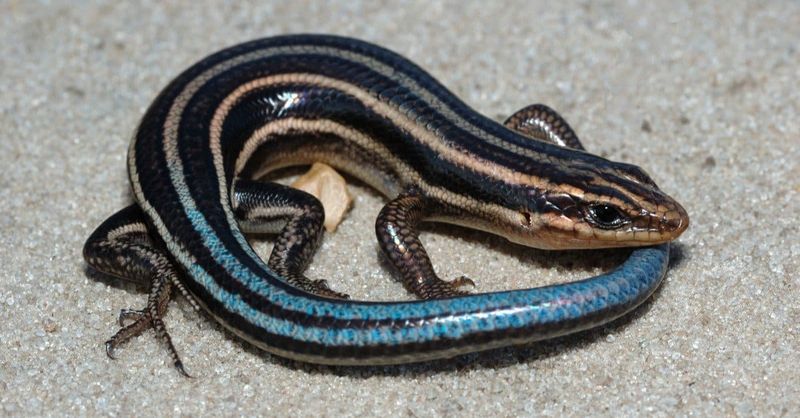
Grandpa might have warned you about the scorpion with the blue tail. Lots of folks across the South grew up hearing that same spooky tale.
In some areas, people call young blue-tailed skinks scorpions. The rumor says they carry a venomous sting that can make you sick.
It is a story passed down at picnics and porches for generations.
Here is the truth: there is no sting at all. Southeastern Five-Lined, Five-Lined, and Broad-headed skinks have no stinger and no venom.
The belief has zero science behind it.
So where did the myth come from? That bright tail probably looked like a warning sign to people long ago.
Bright colors in nature often mean danger, so folks guessed the lizard must be harmful.
A large adult skink might give a little nip if you grab it. That pinch is surprising but harmless, and simply washing the spot with soap and water is plenty.
The best plan is to watch them without picking them up.
Share the real story with friends and family. Kids especially love learning that a scary rumor is just a myth.
Turning fear into curiosity helps protect these helpful lizards, since people are less likely to chase off a creature they understand.
9. Keep Cats Indoors To Protect Them
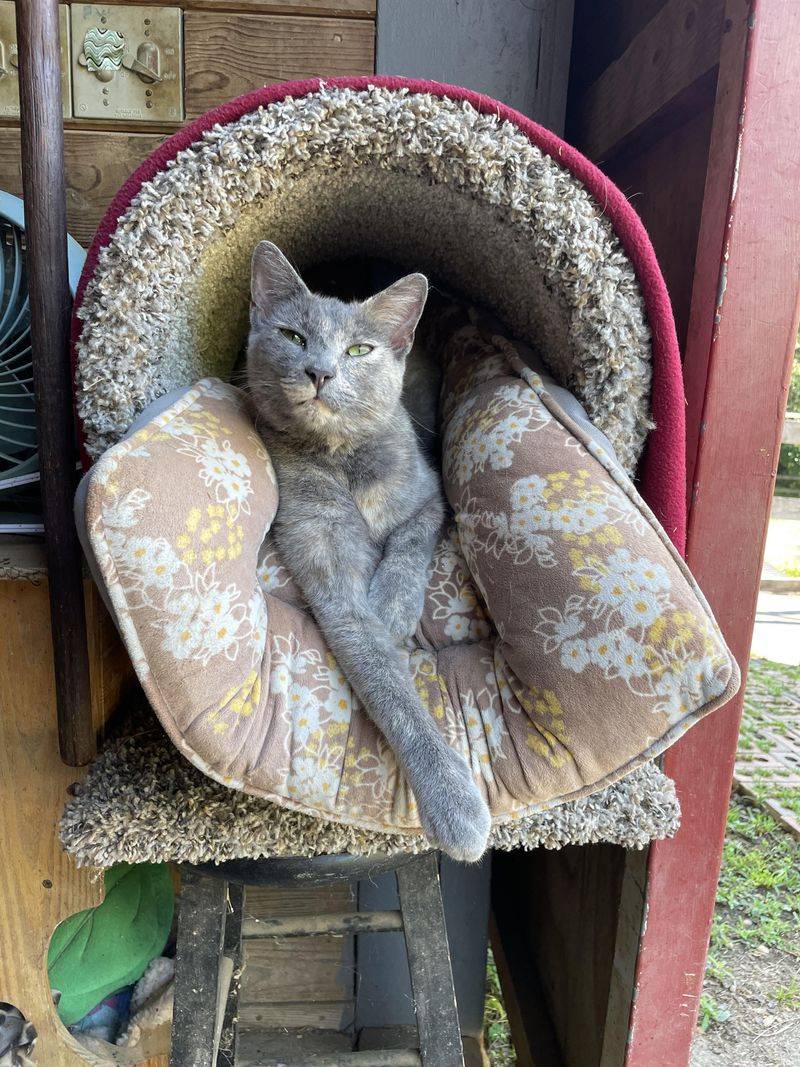
Your sweet house cat may purr on your lap at night. Outside, though, that same fluffy friend turns into a skilled hunter with lightning reflexes.
Domestic cats are one of the biggest threats to Florida’s native lizards, and skinks are high on the list. A cat does not need to be hungry to hunt.
Chasing small moving things is simply part of its nature.
Even a well-fed pet can catch dozens of lizards in a single season. That adds up fast across a whole neighborhood.
Fewer skinks means more bugs in your garden and fewer natural pest fighters.
Keeping cats indoors is the simplest fix. Indoor cats also tend to stay safer from cars, fights, and diseases.
Many vets suggest it for the cat’s health anyway.
Worried your cat will get bored? Try window perches so it can watch birds and lizards from inside.
Puzzle feeders, wand toys, and short play sessions can burn off that hunting energy.
If your cat loves fresh air, think about a screened catio or a harness for supervised outings. That way, kitty gets sunshine and the skinks keep doing their job.
Protecting these little lizards is one small choice that brings big rewards for your whole yard.