That Yellow Fuzzy Caterpillar With Black Tufts Is One Maryland Kids Shouldn’t Pick Up
In October 2020, a 7-year-old girl at Cabin John Regional Park in Rockville, Maryland, picked up a cute fuzzy critter. Within minutes, her hand was burning and itching.
The culprit was only a couple of inches long. It looked soft, bright, and harmless, like a tiny lemon-colored paintbrush with a few black eyelashes stuck on top.
I’ll admit it, my first instinct with fuzzy caterpillars has been to scoop them up and show them off. Kids feel that pull even more, especially in fall when these little guys wander across sidewalks, decks, and playground mulch.
So what makes something so adorable such a troublemaker? The answer hides in hairs you can barely see, and once you know the trick to spotting this one, you will notice it everywhere this season.
Those Long Black Lashes on a Yellow Caterpillar Mean Something
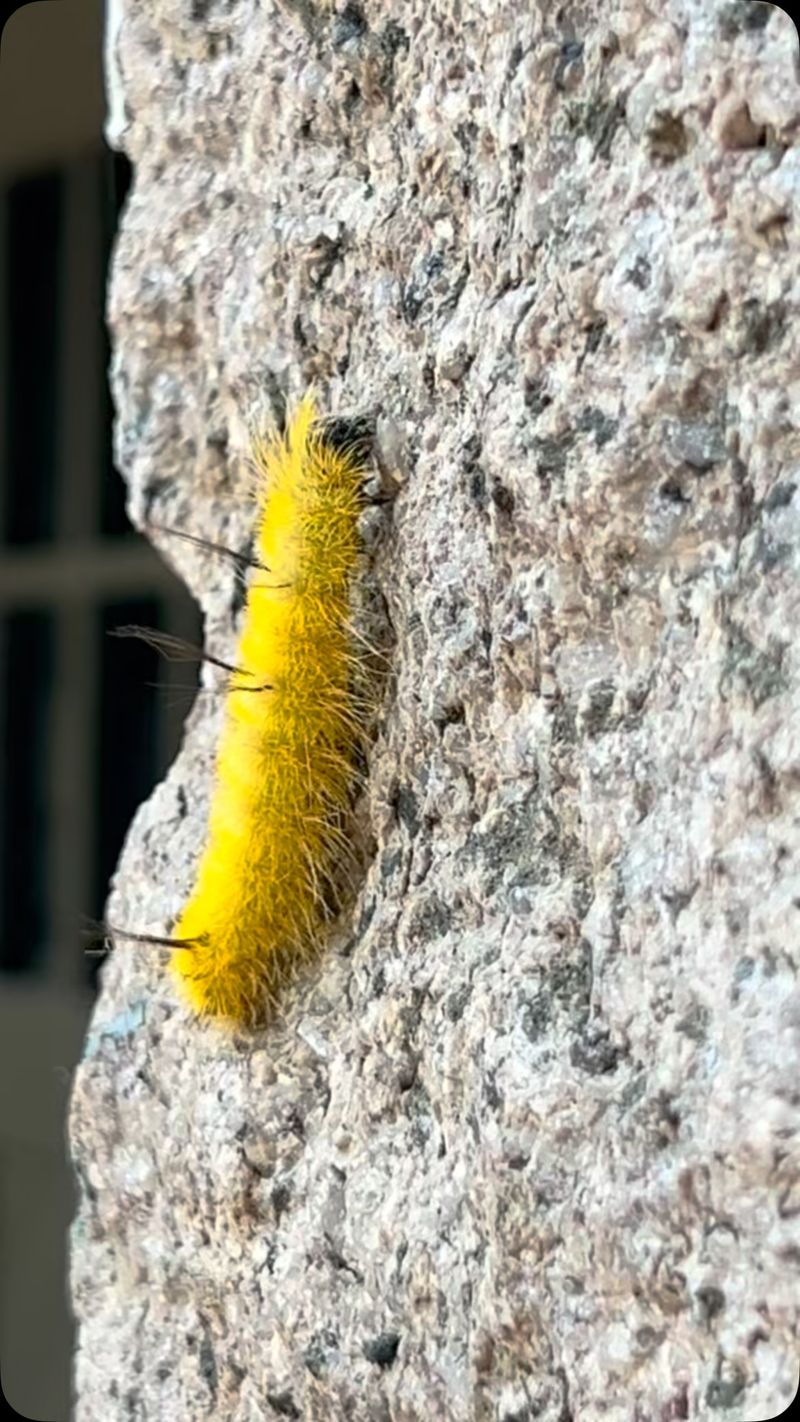
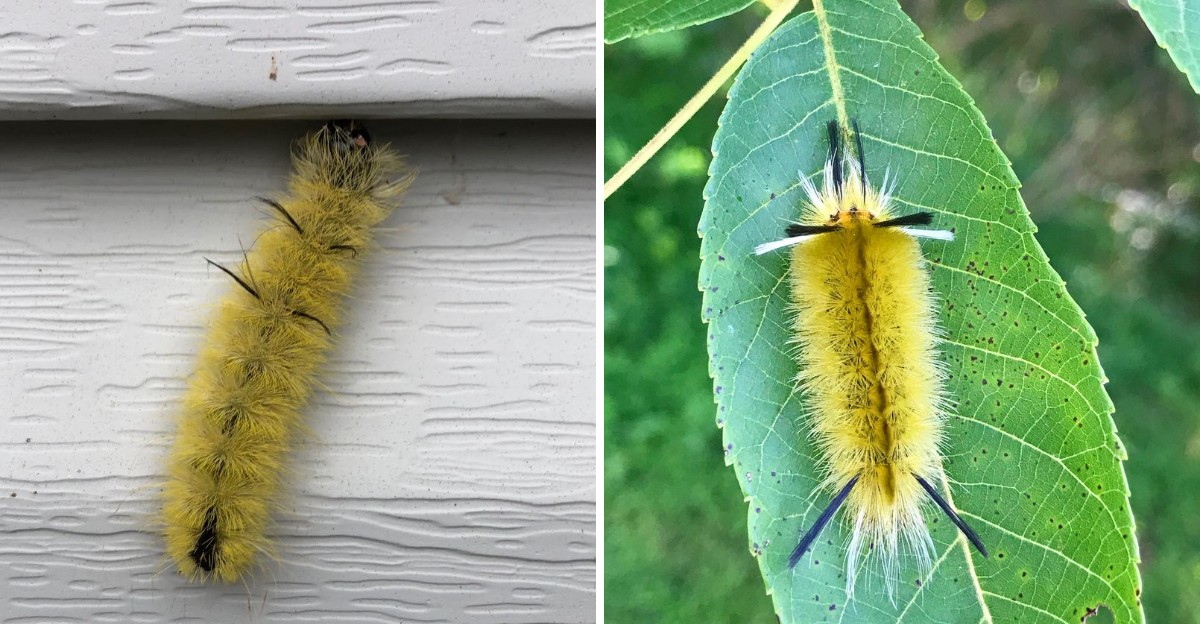
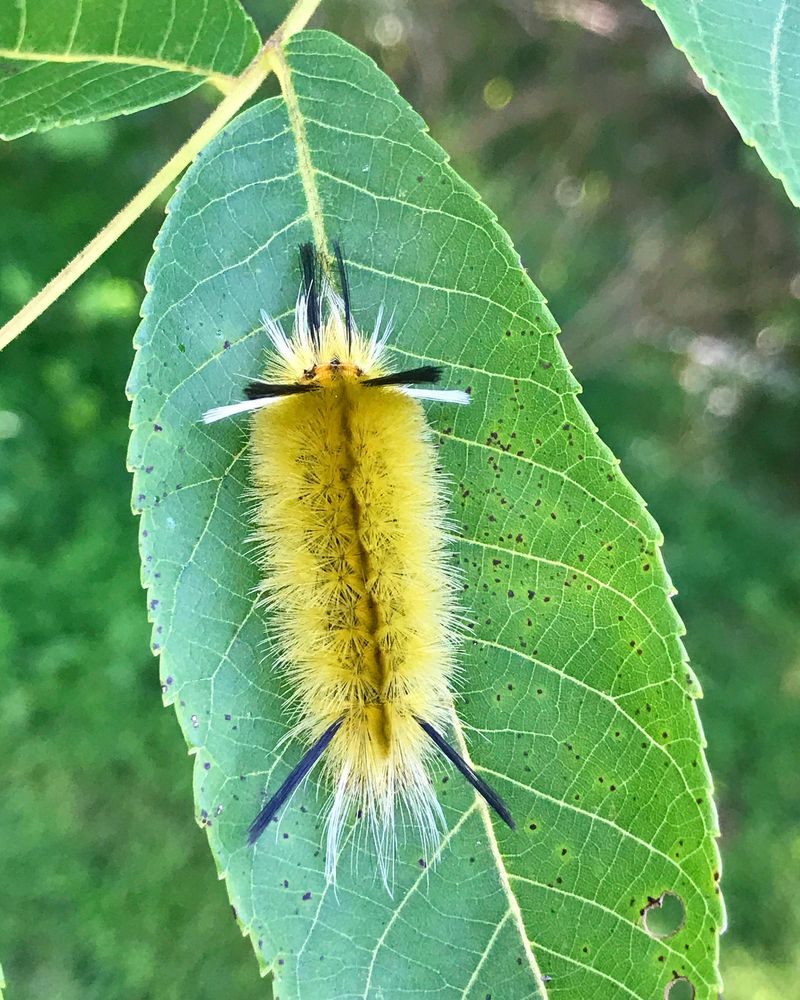
Spot a fluffy yellow caterpillar with two or more long black pencil-like tufts, and you have probably found the American dagger moth caterpillar. Its scientific name is Acronicta americana, and it is a common native insect across the eastern United States.
The body is covered in dense yellow hairs, a bit like a stuffed animal. Long black tufts, often called hair pencils, stick out from the back and can stretch more than an inch.
Younger caterpillars tend to be bright yellow. Older ones often fade to a pale cream or almost white, which can confuse people who expect the sunny color.
Grown caterpillars reach about two inches long. That size makes them easy to notice, and that is part of the problem for curious kids.
Honestly, the look works like a warning label. Bright colors and dramatic tufts in nature often signal that an animal is not something to grab.
So the next time your child points at one on the patio, you can name it on the spot. Teaching that black-lash-and-yellow-fuzz combo is a simple first step toward keeping little hands safe this fall.
Tiny Caterpillar Hairs Cause the Itchy Trouble
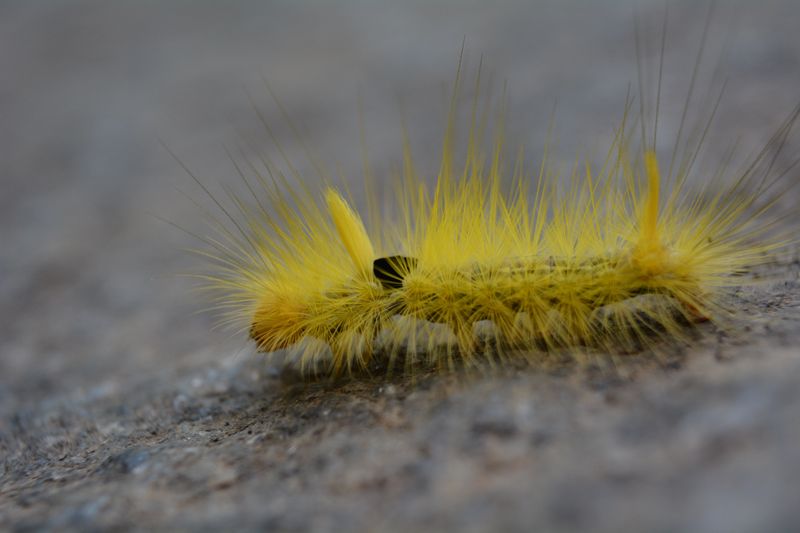
Most people expect a sting to come from a stinger. With this caterpillar, the hairs do all the work.
Its fuzzy coat hides tiny bristles that can break off and lodge in skin. Those bristles carry irritating chemicals that trigger a reaction soon after contact.
Common symptoms include itching, burning, redness, hives, and a rash that can linger for several days. Some people barely notice a thing, while others feel miserable for a while.
Kids with sensitive skin or allergies may react more strongly. A reaction near the eyes or mouth deserves extra care, since those areas are delicate.
Fair warning, simply brushing against one can be enough. A child doesn’t have to squeeze or pet it for the hairs to transfer.
Shed hairs may also stick to clothing, gloves, or a toy left near the caterpillar. That is why the itch sometimes shows up in odd places later.
The reaction is usually more annoying than serious. Still, a bad case can ruin a fun day outdoors, so knowing how these bristles work helps you explain the rule to kids without scaring them.
Grab Some Tape Before You Reach for Soap

My go-to first aid kit trick sounds silly, but it works. A strip of plain household tape is your best friend after a caterpillar encounter.
Press the sticky side gently onto the affected skin, then lift it off. Repeat with fresh pieces to pull out bristles you probably can’t see.
After that, wash the area with cool water and mild soap. Avoid rubbing hard, since scrubbing can push hairs deeper.
An ice pack or cold cloth helps calm burning. Many families also use a paste of baking soda and water, or over-the-counter anti-itch cream, for comfort.
Wash any clothing that touched the caterpillar, too. Loose hairs hitch rides on sleeves and can cause a second round of itching.
Call a doctor if you notice swelling that spreads or symptoms near the eyes, and get emergency help right away if there is trouble breathing. Medical advice also makes sense if you aren’t sure what kind of caterpillar was involved.
Keep a roll of tape in your garden tote or hiking bag during fall. It weighs nothing, and you will feel like a genius the first time someone needs it.
Fall Is Prime Season for These Fuzzy Wanderers
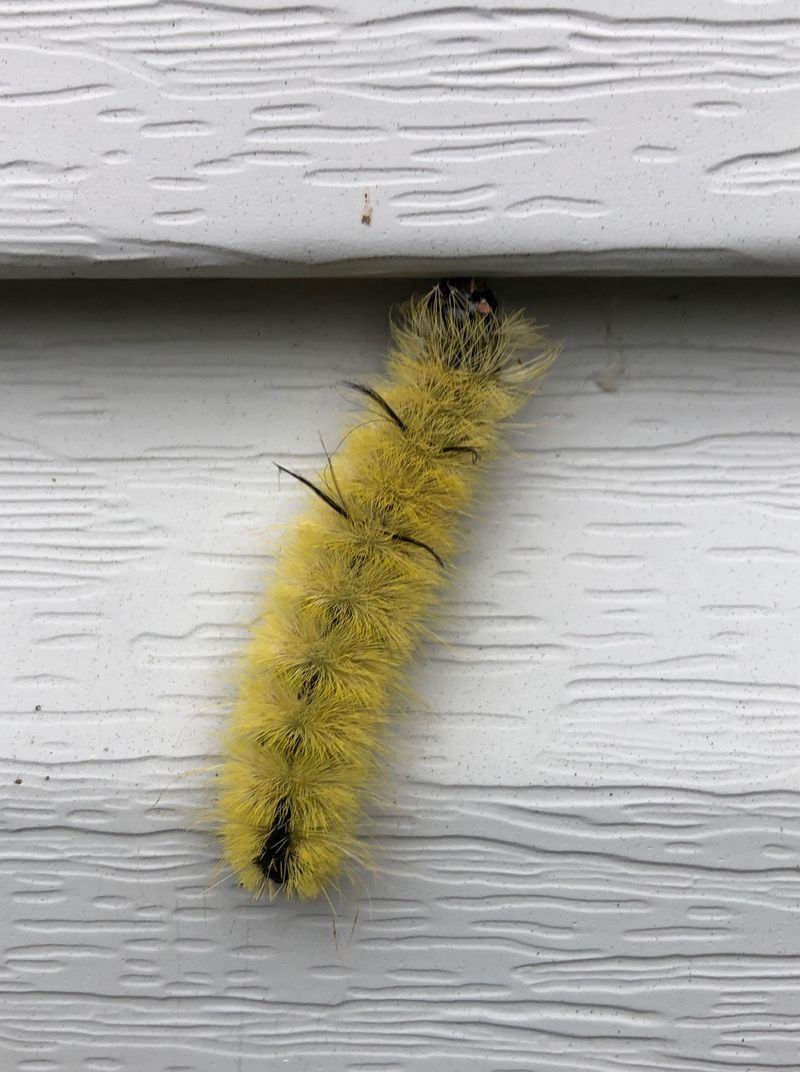
September and October bring a surprising parade across driveways and porches. Late summer into fall is when American dagger caterpillars become most noticeable around the Mid-Atlantic.
Here is why you see them on pavement. When they finish eating, mature caterpillars leave their trees and roam to find a sheltered spot to form a cocoon.
That wandering phase sends them across sidewalks, picnic tables, decks, and playground equipment. Suddenly an insect that spent weeks high in a tree is right at kid level.
Once they settle, they spin a cocoon mixed with their own hairs, often in bark crevices or leaf litter. They spend winter that way and emerge as grayish moths in spring.
From the Eastern Shore to the western mountains, timing can shift a bit with weather. Warmer regions near the Chesapeake may see activity linger slightly longer.
I get it, fall is the season for jumping in leaf piles. Just give kids a quick heads-up before they start, since leaf litter is exactly where a wandering caterpillar might be resting.
Maple and Boxelder Trees Are Favorite Caterpillar Hangouts
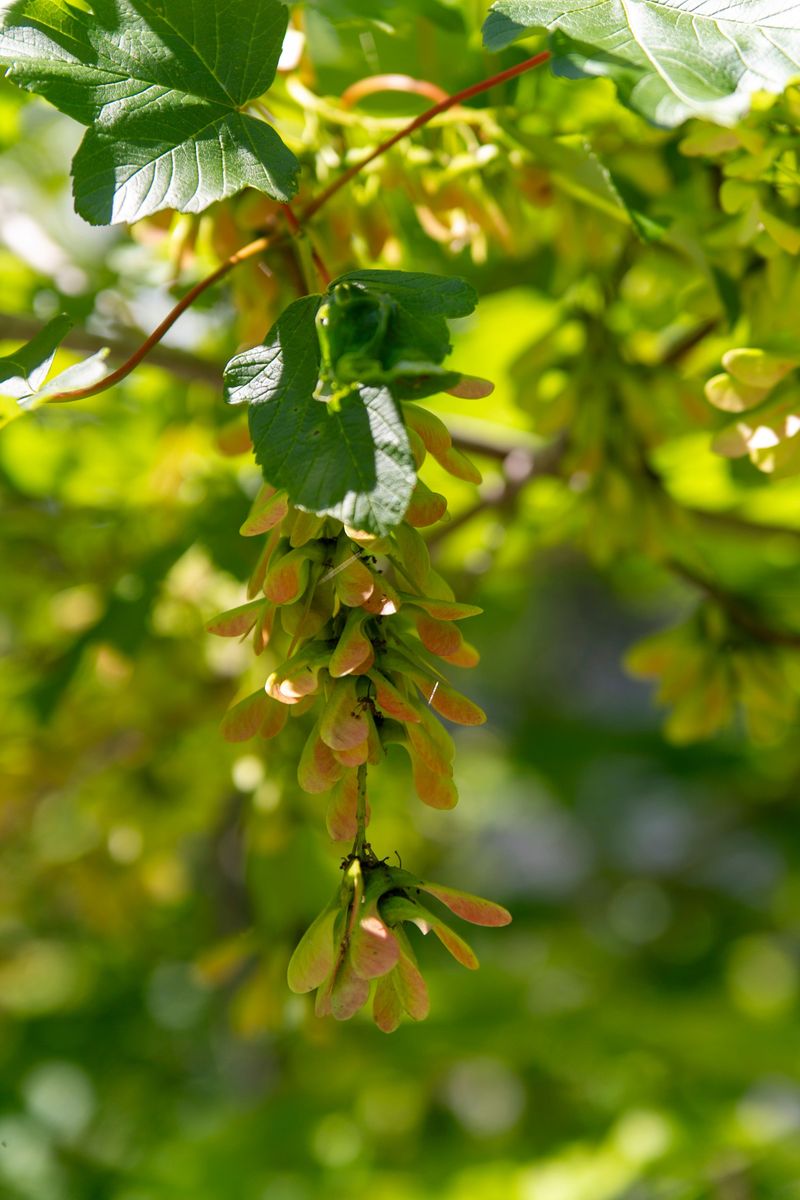
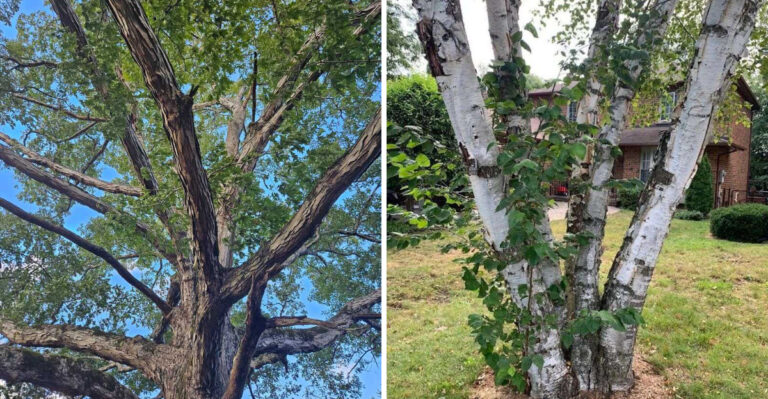
Check under the maples, and you might find a hungry guest. American dagger caterpillars munch on many hardwood trees, with maple and boxelder high on the list.
They also feed on oak, birch, willow, elm, ash, and other common shade trees. That wide menu explains why they show up in so many yards and parks.
Look for leaves with chewed edges, especially on lower branches. A caterpillar often rests on the underside of a leaf, out of plain sight.
Not going to lie, I rarely spot them until they drop to the ground. Their fuzzy coat blends surprisingly well with sunlit leaves.
The feeding they do is usually minor for a healthy tree. You won’t need sprays, since these caterpillars are a normal part of the local food web.
Birds and parasitic wasps help keep their numbers in check. That natural control matters more than anything you could spray.
If a swing set or sandbox sits under a maple, that spot deserves a quick glance in fall. Moving play gear a few feet away can cut down on surprise visits.
Some Tufted Look-Alikes Deserve the Same Respect
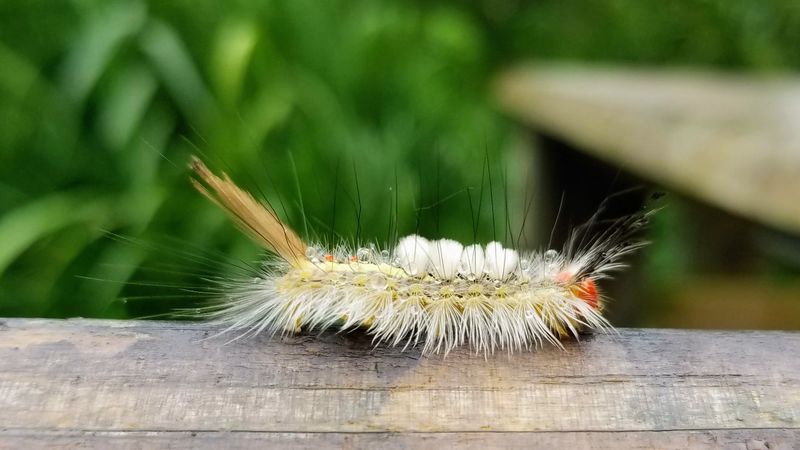
Mother Nature loves a theme, and fuzzy tufts are a popular one. A few other caterpillars around Maryland can be mistaken for the American dagger.
The white-marked tussock caterpillar has a bright red head, four cream or white brush-like tufts on its back, and long black hair pencils. Its hairs can also cause a rash.
The hickory tussock caterpillar is white with black tufts and grayish hairs. It feeds on hickory, walnut, and butternut, and it can irritate skin, too.
Fun fact, these tussock types get their name from the tidy tufts that look like little shaving brushes. Once you notice them, they are hard to unsee.
Telling them apart is a neat backyard puzzle. The practical answer stays the same, though, so kids don’t need perfect identification to stay safe.
A simple family rule works best. If a caterpillar is hairy, spiky, or tufted, look with your eyes and keep your hands to yourself.
Smooth caterpillars, like many hornworms or swallowtail larvae, are usually harmless. Even so, adults can do the handling while kids watch.
A Stick Works Better Than Fingers for Moving Caterpillars
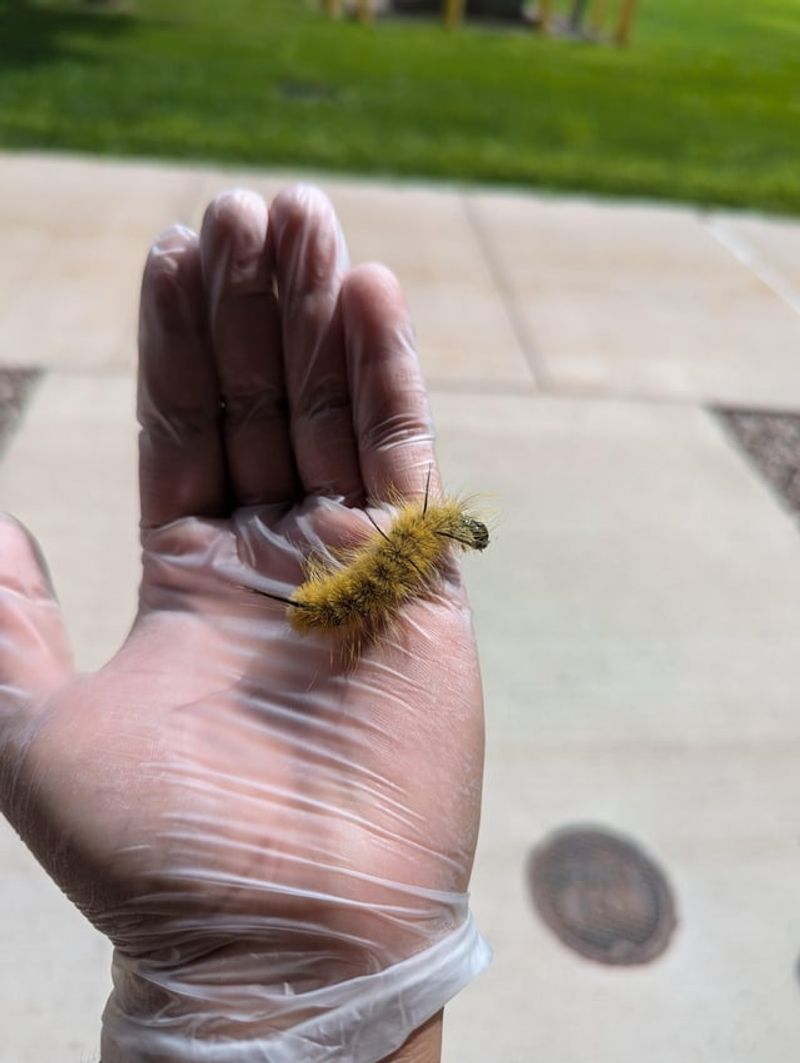
Sometimes a caterpillar picks the worst spot possible, like the top step or the slide. Moving it is easy if you skip the bare hands.
Slide a stick, leaf, or piece of cardboard in front of it and let it crawl on. Then carry it to a tree trunk, shrub, or patch of leaf litter nearby.
Garden gloves add another layer of protection. Shake them out afterward or toss them in the wash, since loose hairs can cling.
Trust me on this one, there is no need to squish or spray. American dagger caterpillars are native insects, and the moths feed bats and birds.
Relocating also teaches kids a great lesson. Respecting wildlife doesn’t mean fearing it, just giving it space.
Let your child hold the stick while you guide the move. That small job makes them feel brave and helpful without risking an itchy hand.
Afterward, wash hands anyway. It is a smart habit after any garden chore, caterpillar or not.
Turn Caterpillar Spotting Into a Hands-Off Backyard Game
Curiosity is a gift, so let’s put it to work. Kids who learn to observe caterpillars often end up loving nature even more.
Hand them a magnifying glass and a notebook. Ask them to sketch the tufts, count the black lashes, and note what tree the caterpillar was on.
Snapping photos is another fun option. Apps like iNaturalist can help identify what you found and add it to real science records.
Teach a short, catchy rule they can repeat. Something like “fuzzy means hands off” sticks in young minds far better than a long lecture.
Share that rule with babysitters, grandparents, and teachers, too. Many adults don’t realize a soft-looking caterpillar can cause a rash.
I used to think warnings would make kids scared of bugs, but the opposite happened in my yard. Knowing the rules gave them confidence to explore.
This fall, make caterpillar spotting part of your family walks. Your kids will become sharp-eyed naturalists, and their hands will stay itch-free all season long.