The 7 Hardiest Boxwood Varieties for Ohio Winters (And 3 That Brown Every Year)
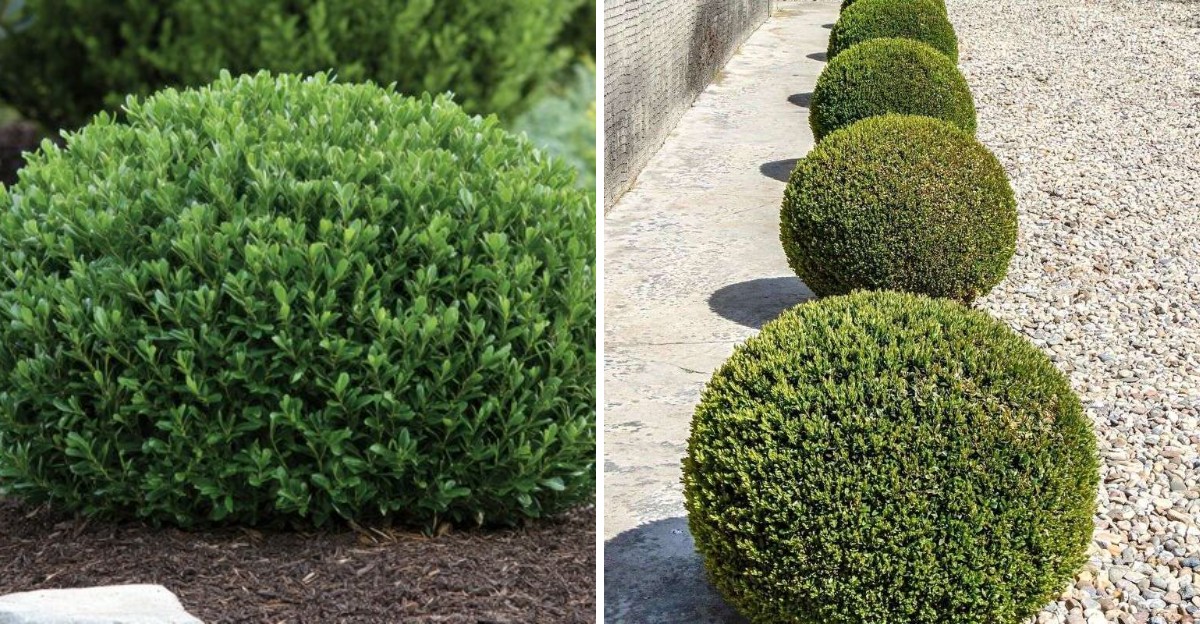
A shrub can turn orange in January without being sick, simply because cold sun breaks down its green pigment. Gardeners across Ohio spot this odd color shift every spring and often reach for the pruners far too soon.
That bronze tint is a stress response, and some plants recover green leaves while others stay scorched for weeks. Plant breeders in snowy Canada and Illinois spent decades chasing shrubs that shrug off brutal winter wind.
I have to admit my first hedge looked like a row of rusty scrubbing pads by late February. You might notice the same sad pattern in your yard, especially along windy corners and sunny southern walls.
Picking the right variety makes a huge difference when Ohio throws ice storms and sudden thaws at your garden. Some classic favorites have truly earned their spot by your front steps, while others are long overdue for a quiet retirement.
1. Green Velvet Boxwood
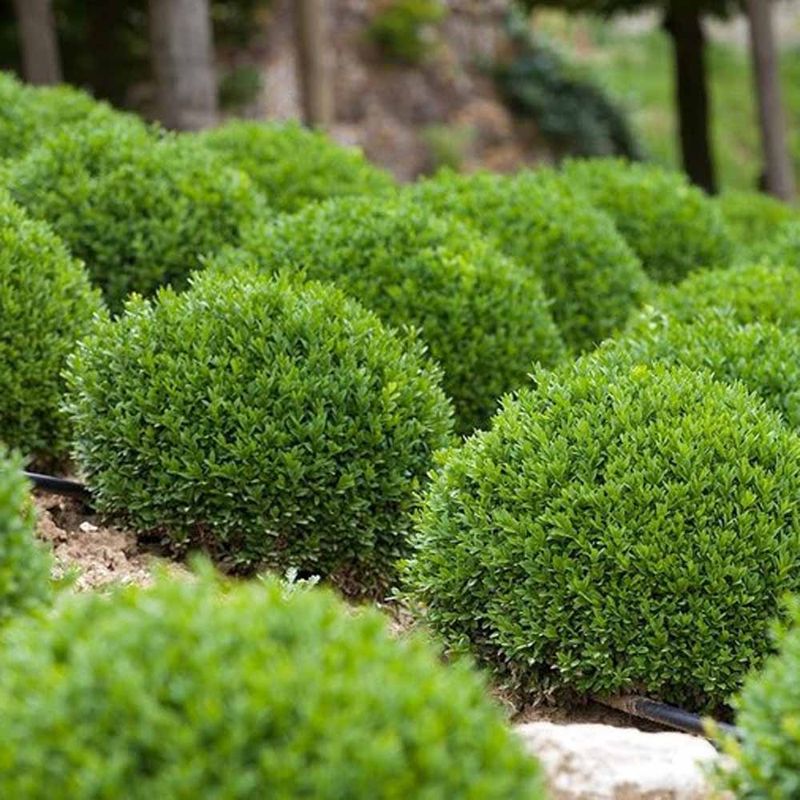
Soft is the first word that pops into my head when I brush my hand across this shrub. Its small glossy leaves pack together so tightly that the whole plant looks like a plush green cushion.
Sheridan Nurseries in Ontario created this hybrid decades ago by crossing Korean boxwood with common boxwood parents. That pairing gives it Korean toughness against cold plus the richer leaf color of the European side.
Most nurseries rate it for USDA Zone 5, which covers nearly every corner of the state with room to spare. It typically reaches three to four feet tall and wide, forming a tidy rounded mound without much fuss.
Personally, I love how the leaves keep their green color through most winters with only a light bronze blush. You might see a slight tinge on the sunniest side, yet it fades quickly once spring growth begins.
Plant it in well-drained soil, since soggy roots cause far more trouble for boxwoods than cold weather does. Raised beds or gentle slopes work beautifully if your yard holds heavy clay after long spring rains.
Water deeply in late fall before the ground freezes so the leaves enter winter fully hydrated and ready. A two-inch layer of shredded bark mulch keeps roots cooler in summer and steadier during freeze cycles.
Deer and rabbits usually leave it alone, which makes it a smart pick near woodland edges and open lawns. Plant several along a walkway for a soft green border that looks sharp even under fresh snow.
2. Green Mountain Boxwood
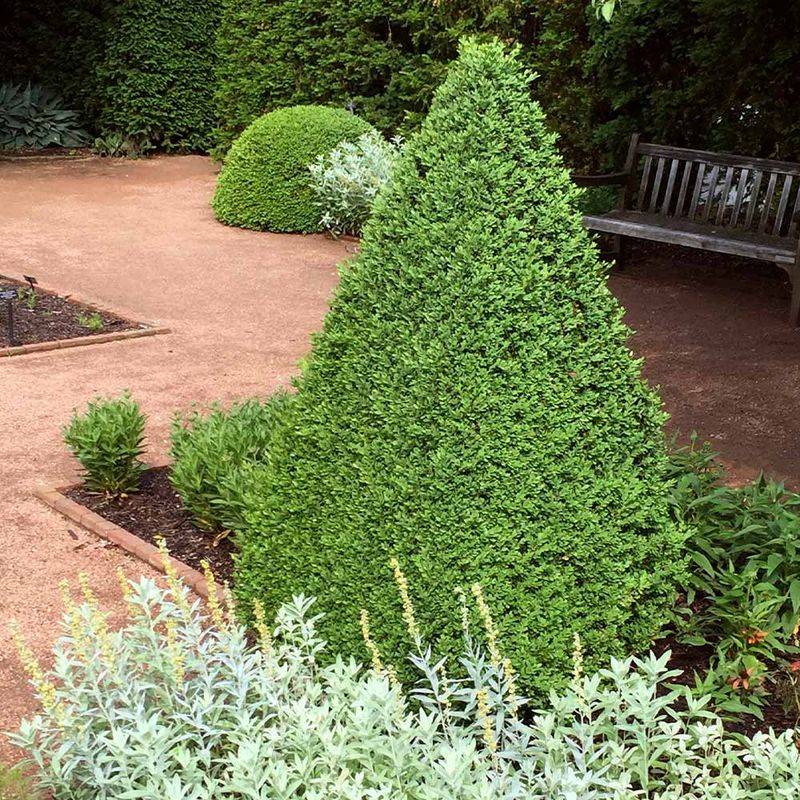
Tall and pointed like a tiny Christmas tree, this boxwood brings real drama to a plain front door. I can’t imagine a better shrub for flanking steps when you want height without planting a full conifer.
Another gem from Sheridan Nurseries in Canada, it was bred from the same Korean and common boxwood cross. Breeders there selected it for an upright cone shape and dark leaves that handle cold winds well.
Expect a mature size around five feet tall and roughly three feet wide after many patient years. It grows slowly, so a small nursery plant takes time before it becomes the stately sentry you want.
Most sources list it as hardy in Zone 5, and some growers push it into Zone 4 gardens. That extra margin matters when a polar blast drops temperatures well below zero for several nights in a row.
You might notice a hint of bronze on exposed plants after a harsh January, especially on the southern side. Mostly, the color returns quickly, and it holds green far better than many older boxwood types.
Give it full sun to partial shade and soil that drains freely after heavy rain or melting snow. A spot shielded from the strongest northwest winds helps the leaves keep their moisture through dry winter weeks.
Light shearing in early summer keeps the cone shape crisp without stressing the plant before cold weather returns. Skip late summer pruning, since tender new shoots rarely harden off in time for the first deep freeze.
3. Chicagoland Green Boxwood
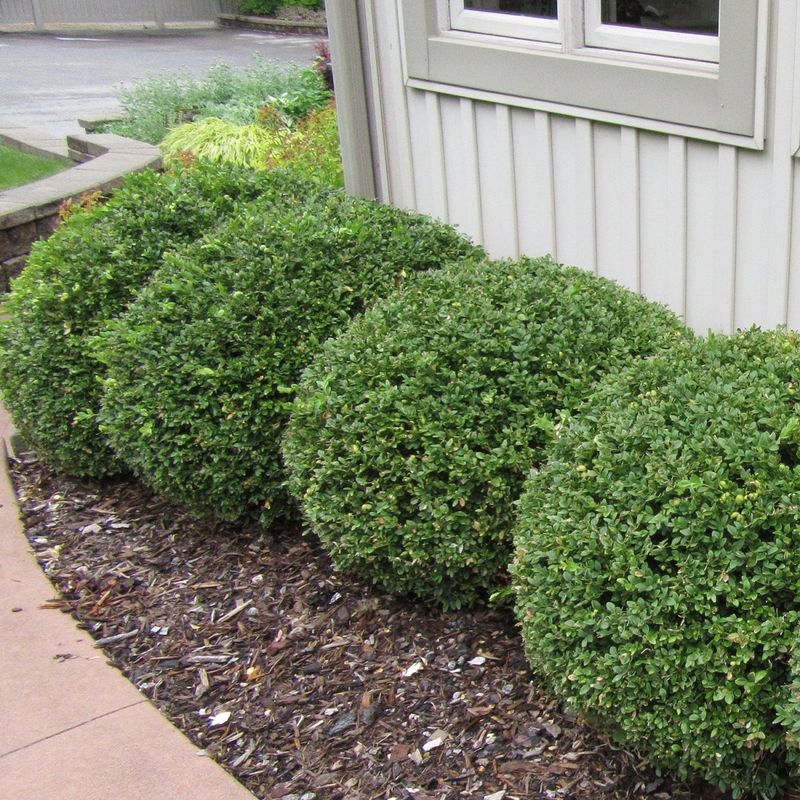
Botanists at the Chicago Botanic Garden tested this shrub through brutal lakeside winters before giving it their blessing. Its official cultivar name is Glencoe, which honors the suburb where that famous garden sits.
What surprises me most is how deep green the leaves stay while neighboring shrubs fade to tan. Researchers picked it specifically because it resisted winter bronzing better than many boxwoods they had evaluated.
Most nurseries rate it for USDA Zone 4, so northern Ohio gardens sit comfortably inside its comfort range. That toughness gives you a real buffer when a surprise cold snap follows a warm spell.
The plant forms a low oval mound about two to three feet tall and slightly wider at maturity. Its spreading habit makes it perfect for short hedges along driveways or neat edging around a patio.
Plant it in spring or early fall so roots can settle before the ground freezes hard for months. A slow, deep soaking once a week during dry spells helps new plants grow strong roots quickly.
Personally, I like tucking a few among perennials, where they give the bed shape after flowers fade. Winter snow sitting on those rounded tops looks charming, and the green peeks through as it melts.
Keep it away from spots where road salt splashes, since salty slush can still brown the lower leaves. Rinsing nearby soil with fresh water in early spring can help reduce lingering salt buildup around roots.
4. Green Gem Boxwood
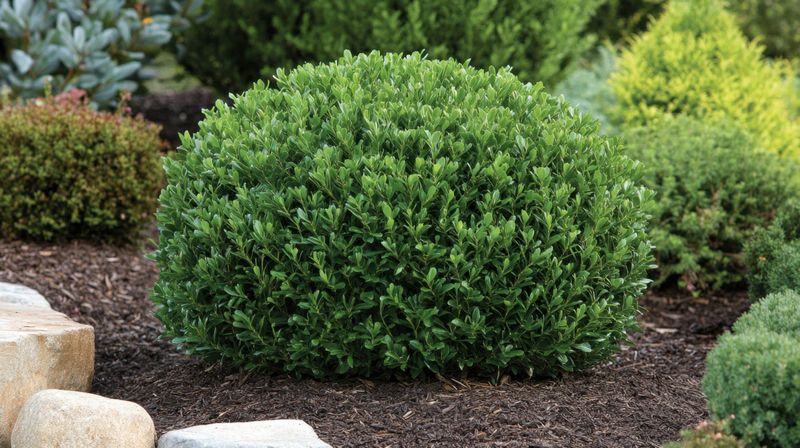
Round as a bowling ball and about as easy to manage, this little shrub practically shapes itself. I love how it stays compact enough for tight spaces that bigger boxwoods would quickly overwhelm.
Sheridan Nurseries developed this one too, and it shares the Korean and common boxwood family tree. Many growers rate it for Zone 4, putting it among the toughest small boxwoods on the market today.
Mature plants usually stay around two feet tall and wide, even after many seasons in the ground. Slow growth means you rarely need to trim, which saves your weekends for more enjoyable garden projects.
Its leaves stay a rich deep green through most winters, with little of that rusty look older types show. Some light bronzing can appear in very exposed spots, though it typically greens up again by mid spring.
You need to give it soil that drains well, because standing water around the roots invites root rot. Adding compost when planting improves heavy clay and helps young plants settle in without sulking for months.
Small size makes it a natural fit for containers, low borders, or a knot garden pattern near the house. Potted plants face harsher root temperatures, though, so sink containers into the ground or move them somewhere sheltered.
Mulch lightly around the base, keeping material a few inches from the stems to prevent moisture problems. One careful watering before the ground freezes goes a long way toward keeping those leaves fresh and green.
5. Wintergreen Boxwood
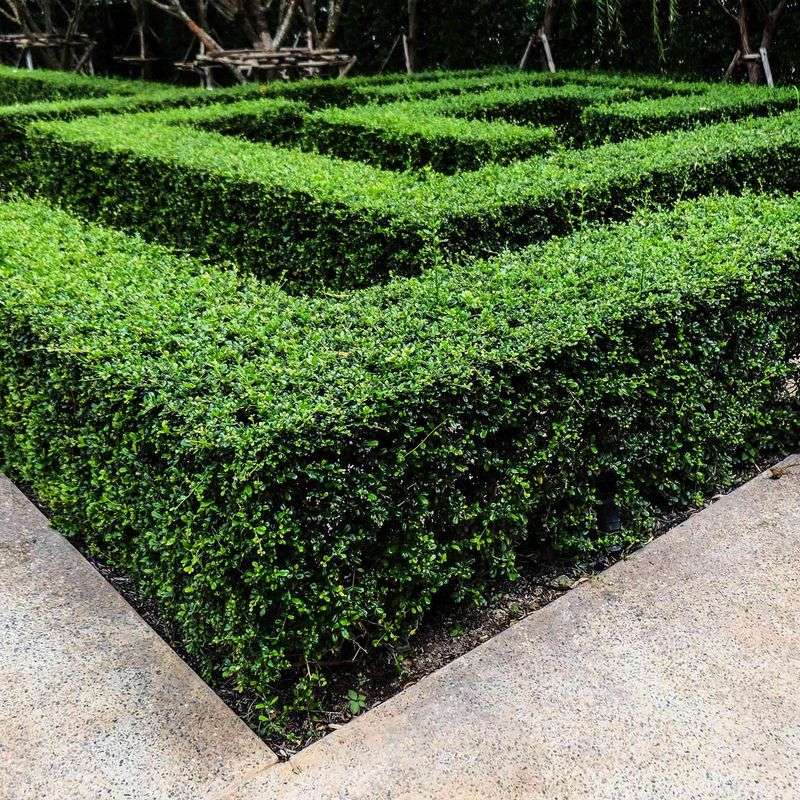
Ask an old-school nursery owner for a dependable winter hedge, and this name often comes up first. Its reputation grew in cold northern regions long before newer hybrids started filling garden center shelves.
Botanically, it is Buxus sinica var. insularis Wintergreen, though some tags still use the older Korean boxwood name. The species itself can bronze heavily, but this selection holds its green color noticeably better in cold weather.
Plants generally reach two to four feet tall and wide, depending on how often you reach for shears. Its small leaves make it easy to clip into crisp hedges or gently rounded shapes along a sidewalk.
Hardiness ratings usually land in Zone 4 or 5, which fits snugly into winter conditions across the state. I believe that reliability is why so many older neighborhoods still have long Wintergreen hedges framing front lawns.
You might notice a slight yellowish tint on young plants in exposed spots during the coldest weeks. Planting on the east side of a house shields leaves from harsh afternoon sun and drying western winds.
Full sun to partial shade both work well, provided the soil drains properly after heavy storms. Mixing in compost and keeping the root zone evenly moist during summer helps plants enter fall in strong condition.
Trim in late spring after new growth hardens, then let it rest for the remainder of the season. That schedule gives fresh shoots time to toughen before cold nights arrive in October and November.
6. NewGen Independence Boxwood
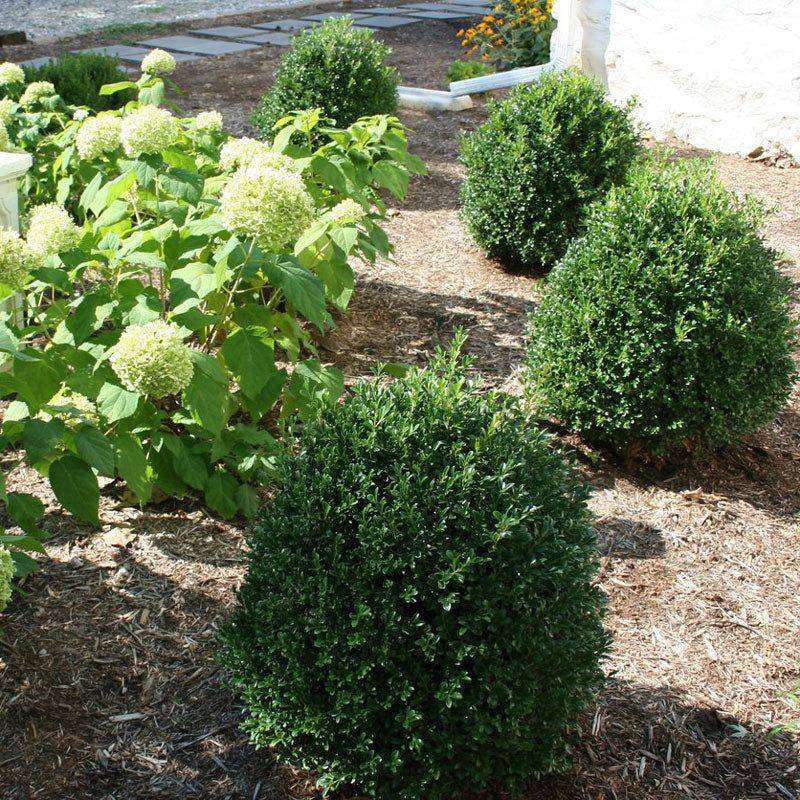
Boxwood blight has wrecked so many hedges that breeders in Virginia made disease resistance their top priority. Saunders Brothers nursery spent years testing selections, and this rounded beauty earned a spot in their NewGen series.
Its official name is Buxus NewGen Independence SB 108, so look for that label at the garden center. I like how the bright green leaves look fresh and lively, even beside older shrubs in the same bed.
Trials showed strong resistance to boxwood blight and good tolerance of boxwood leafminer, a pesky insect problem. That combination makes it especially valuable where blight has already shown up in nearby nurseries or landscapes.
Most growers rate it for Zone 5, and its foliage holds color well through typical Ohio winters. Expect a rounded shape reaching roughly four feet tall and wide, though slow growth keeps it manageable for years.
Plant it in sun or shade, as long as the soil drains well and never stays soggy. Spacing plants with room for airflow also helps leaves dry quickly, which discourages fungal problems from taking hold.
You need to remember that resistant does not mean immune, so buying from trusted nurseries still matters a lot. Inspect new plants carefully for leaf spots or black streaks on stems before adding them to your garden.
Its natural shape needs little trimming, making it a relaxed choice for busy homeowners who dislike constant shearing. Containers by the porch look sharp, though in-ground plants handle winter cold much more easily.
7. Northern Charm Boxwood
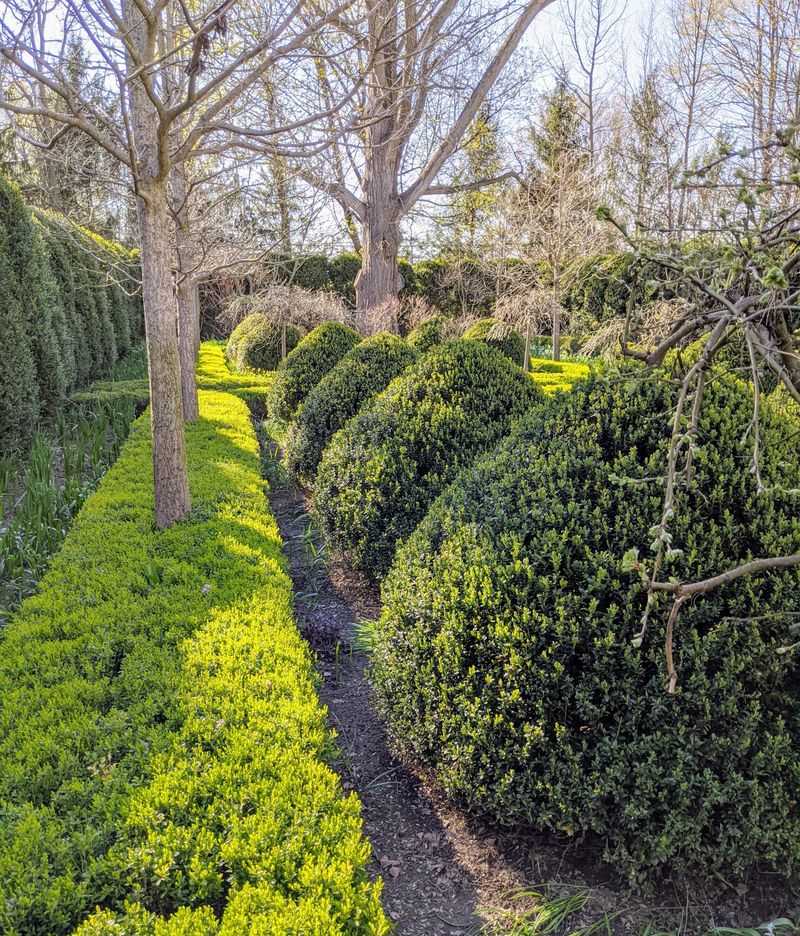
Born from a Canadian discovery, this shrub carries a fitting name for anyone tired of winter-scorched hedges. Its botanical label is Buxus sempervirens Wilson, though most garden centers sell it under the friendlier trade name.
Growers commonly rate it for Zone 4, which is surprising for a selection of the European common boxwood. Most of its cousins struggle in that kind of cold, so this toughness really sets it apart.
Personally, I love its upright oval shape, which fills vertical spaces without hogging precious room on the ground. Mature plants usually reach about three to four feet tall, with a similar or slightly wider spread.
Leaves stay a rich emerald shade through most winters, showing much less bronzing than older sempervirens types. That steady color makes it a favorite for gardeners in the snowiest northeast corner of the state.
Give it a spot with morning sun and some protection from howling winter winds whenever possible. A burlap screen on the windward side can help young plants during their first two winters in the ground.
Well-drained soil with a near-neutral pH keeps it happiest, so a quick soil test is worth doing. Heavy acidic soils may benefit from a little garden lime, following the recommendations on your test results.
It takes shearing well, so you can shape it into a formal cone or leave it relaxed. Either way, it adds a dependable green accent where many evergreens would look weary by March.
8. English Boxwood
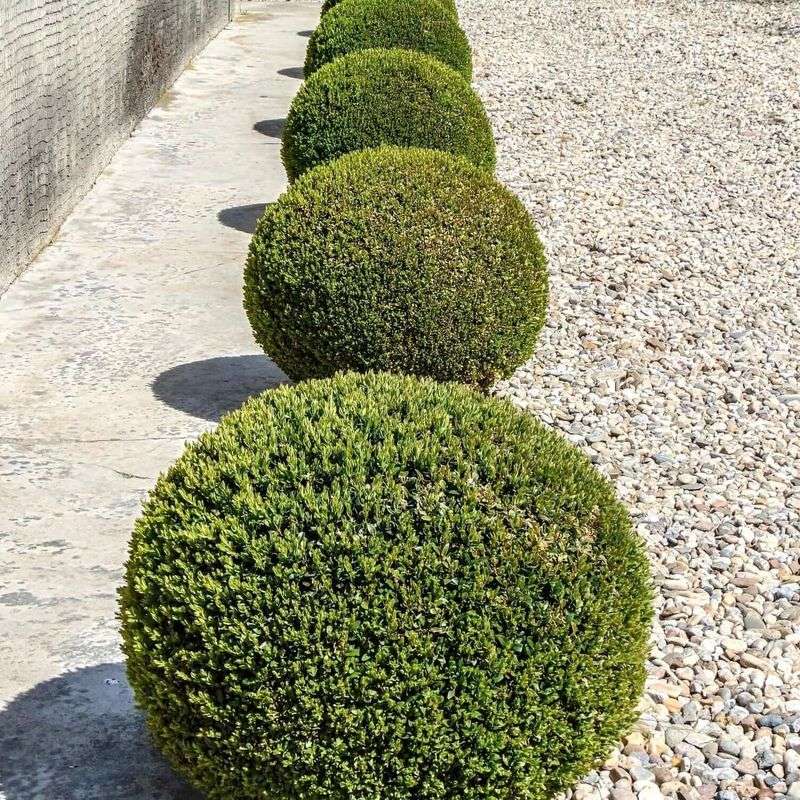
Colonial gardens like Mount Vernon made this dwarf shrub famous, and its fragrance still stirs nostalgia for many visitors. Sadly, that old-fashioned charm often fades fast once a hard northern winter settles over your yard.
Known botanically as Buxus sempervirens Suffruticosa, it is usually rated for Zones 5 or 6 at best. That puts colder parts of Ohio right at the edge of its comfort, where winter stress shows quickly.
I have to admit, few sights disappoint me more than a beloved English hedge turning orange by February. Cold, sunny days paired with frozen soil pull moisture from leaves faster than roots can replace it.
Exposed plants often develop bronze or straw-colored patches, especially on the side facing the afternoon sun. Some leaves recover with spring growth, while badly scorched sections may need careful pruning once new buds appear.
It also grows extremely slowly, so damaged plants can take years to fill gaps left by winter injury. That slow pace makes replacing a scorched hedge expensive, since larger plants carry hefty price tags at nurseries.
You can reduce trouble by planting it in a sheltered courtyard or on the north side of a building. Deep watering in late fall and a burlap windbreak also help, though results vary from year to year.
For most homeowners, swapping in a hardier hybrid gives that same tidy look with far fewer headaches. Save the true English type for protected spots where you can pamper it through rough weather.
9. Japanese Boxwood
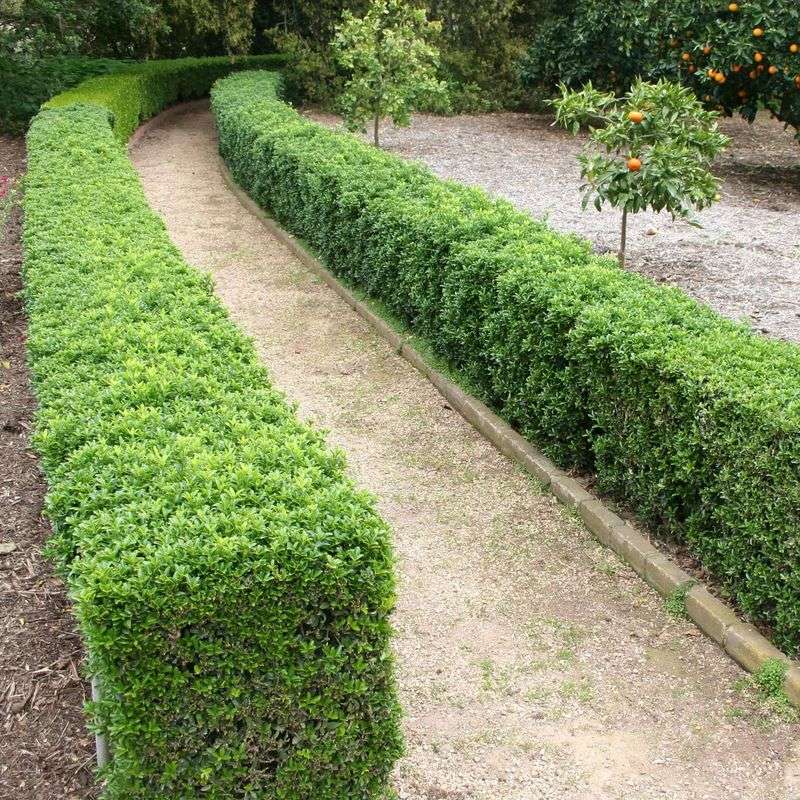
Shiny leaves and quick growth make this shrub a common sight in big-box garden centers every spring. Southern gardeners adore it, yet northern winters often turn those glossy leaves a startling orange shade.
Botanically, it is Buxus microphylla var. japonica, a species usually rated for Zones 6 through 9. Much of Ohio falls into Zone 6, so the plant survives, but winter color often suffers badly.
You might notice leaves shifting to reddish brown or yellowish orange after a string of bright, frigid days. That bronzing protects the leaf tissue somewhat, though it leaves your foundation planting looking tired until late spring.
What surprises me most is how fast plants can green up again once warm weather returns. Unfortunately, harsh winters with drying winds can scorch tips beyond recovery, leaving you snipping brown twigs in April.
Planting in a shaded spot reduces bronzing noticeably, since winter sun drives much of that color change. East-facing beds or areas behind a fence offer friendlier conditions than open, south-facing exposures do.
Watch for boxwood leafminer too, as this species can be vulnerable to the tiny orange flies each spring. Blistered, puffy leaves are the clue, and heavily infested branches can be pruned out to reduce populations.
If you love the look, choose a named cultivar bred for better winter color instead of generic plants. Otherwise, one of the hardy hybrids earlier on this list will reward you with much greener winters.
10. Winter Gem Boxwood
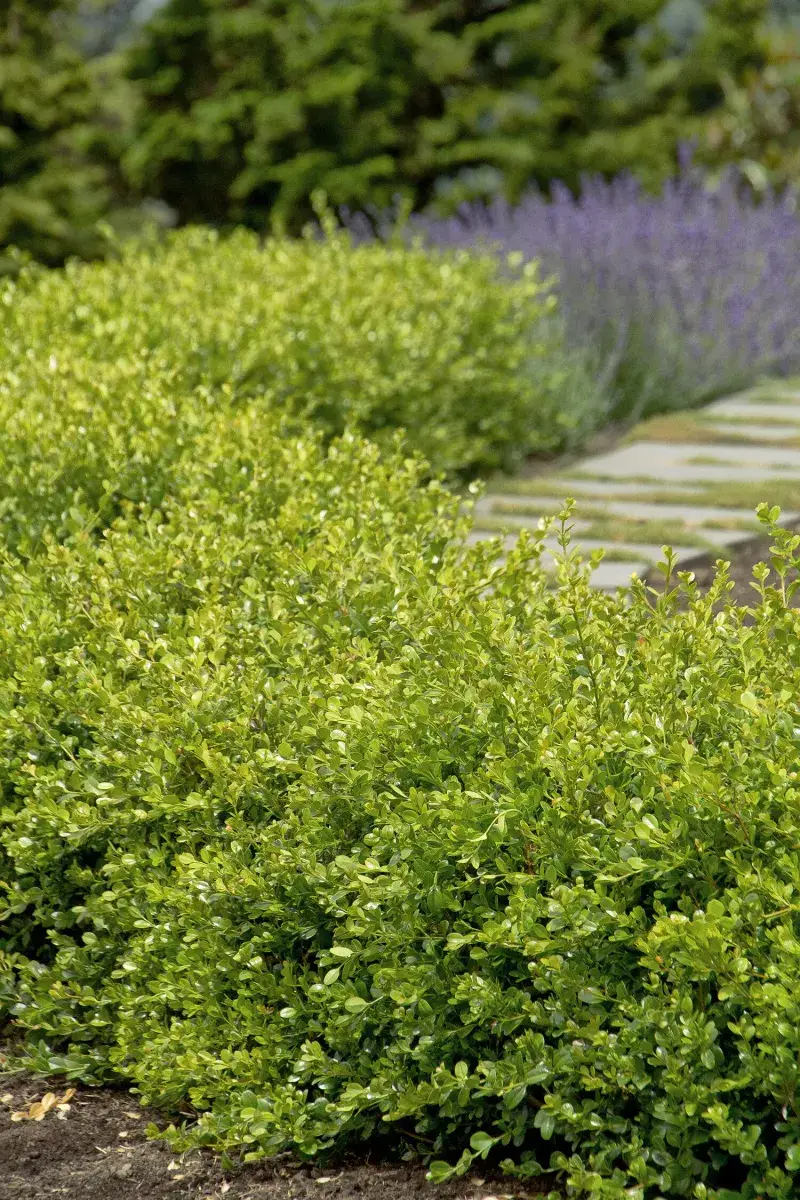
Here is a funny twist, because a shrub named for winter often looks its least gem-like in January. Winter Gem is tough as nails for survival, yet its color frequently disappoints gardeners in exposed locations.
This Korean boxwood selection, Buxus sinica var. insularis Winter Gem, is widely rated hardy to Zone 5. Plants rarely suffer serious cold damage, so the trouble is mostly about appearance rather than plant health.
Personally, I’ve watched whole hedges shift to a yellowish bronze by midwinter, especially along bright southern walls. Leaves usually regain their green once spring growth kicks in, but that drab stretch can last for months.
Young plants tend to bronze more than older, established ones, so patience helps a little over time. Still, many gardeners in Ohio grow tired of looking at a mustard-colored hedge right beside the front door.
A shadier site makes a real difference, since winter sun triggers most of that pigment change. Planting on the north or east side of a building often keeps leaves noticeably greener through cold weeks.
You can also water deeply before the ground freezes and add a burlap screen against sun and wind. Avoid plastic wraps, though, because trapped heat and moisture can cause bigger problems than bronzing itself.
Its fast growth and easy shearing still make it useful for budget hedges where winter color matters less. For a showpiece spot, though, I lean toward Green Velvet or Chicagoland Green every single time.