6 Yard Plants Already Banned Or Restricted In Pennsylvania
Garden centers in Pennsylvania once sold a thorny shrub by the truckload, and now it sits on a banned list. Nurseries got a few years to clear their stock, but plenty of homeowners still missed the news.
That shrub is not alone, because state agriculture officials keep adding popular yard plants to the noxious weed list. Some of those plants still sit in front yards across Pennsylvania, looking innocent while seeds quietly spread into nearby woods.
I have to admit, I once admired a few of these plants before learning how far their seeds travel. You might be growing one right now without realizing your neighbors could inherit its wild offspring someday.
Believe it or not, some of the prettiest spring and fall showstoppers are on the list. So which familiar favorites are already restricted, and which ones deserve a hard second look in your yard?
1. Japanese Barberry Shrubs Are Already Off Store Shelves
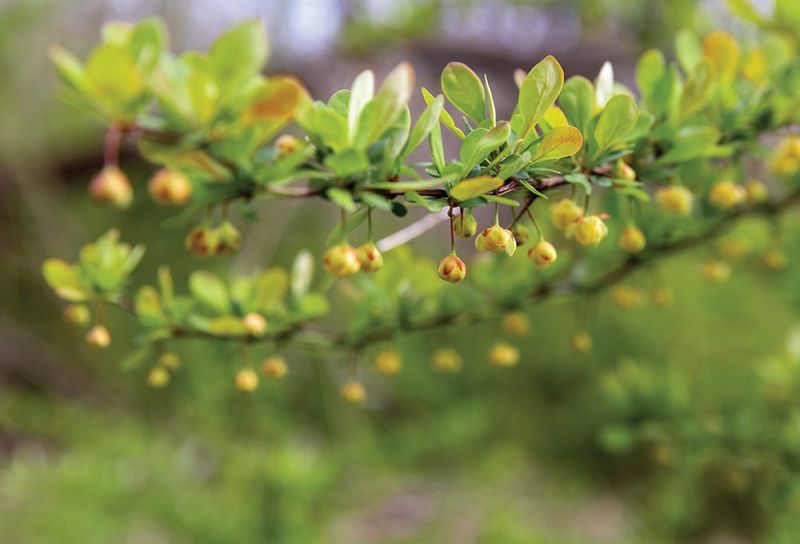
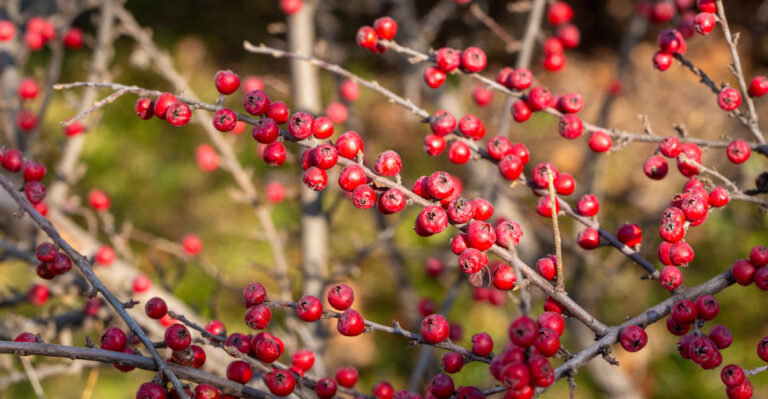
Those tiny red berries look like holiday decorations, but birds carry them into the woods like little seed delivery trucks.
Japanese barberry, or Berberis thunbergii, became a listed noxious weed in Pennsylvania, with its sales ban taking effect in October 2021.
Nurseries received a phase-in period that wrapped up around fall 2023, so stores had time to sell remaining stock. A few seedless cultivars earned exemptions, which is why you may still spot certain barberry varieties at garden centers.
I used to love the burgundy leaves along walkways, until I learned what barberry does to forest floors.
Dense thickets crowd out native wildflowers, and deer usually skip barberry while happily munching the plants growing beside it.
Researchers have also linked thick barberry stands to higher numbers of blacklegged ticks, the ones that carry Lyme disease. The shrub creates a humid, sheltered space where ticks and the mice they feed on seem to thrive.
The law targets selling and planting, so you are not required to rip out an existing shrub tomorrow.
Still, removing it keeps berries out of nearby woods, and wearing thick gloves will save your hands from those sharp spines.
Small barberry shrubs often pull out with a weed wrench, while larger ones may need cutting and repeated sprouting control. Bag any berries you find, because tossing them on a compost pile can spread seeds right back around.
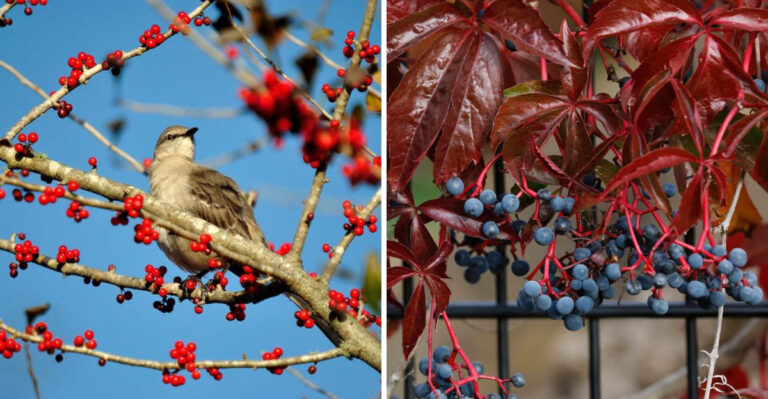
Native swaps like ninebark or winterberry holly give you rich color without the prickly baggage for neighbors.
Winterberry even keeps its bright red berries through winter, which feeds songbirds when food gets scarce outside.
2. Callery Pear Trees With Their Smelly Spring Blooms
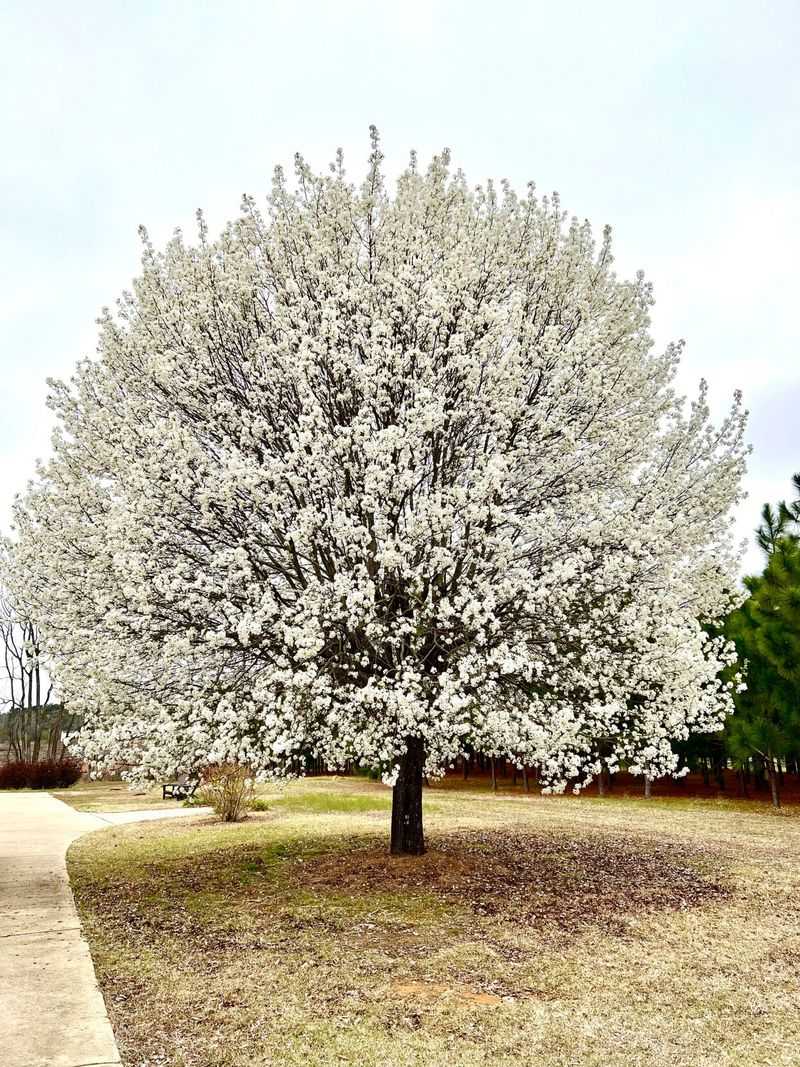
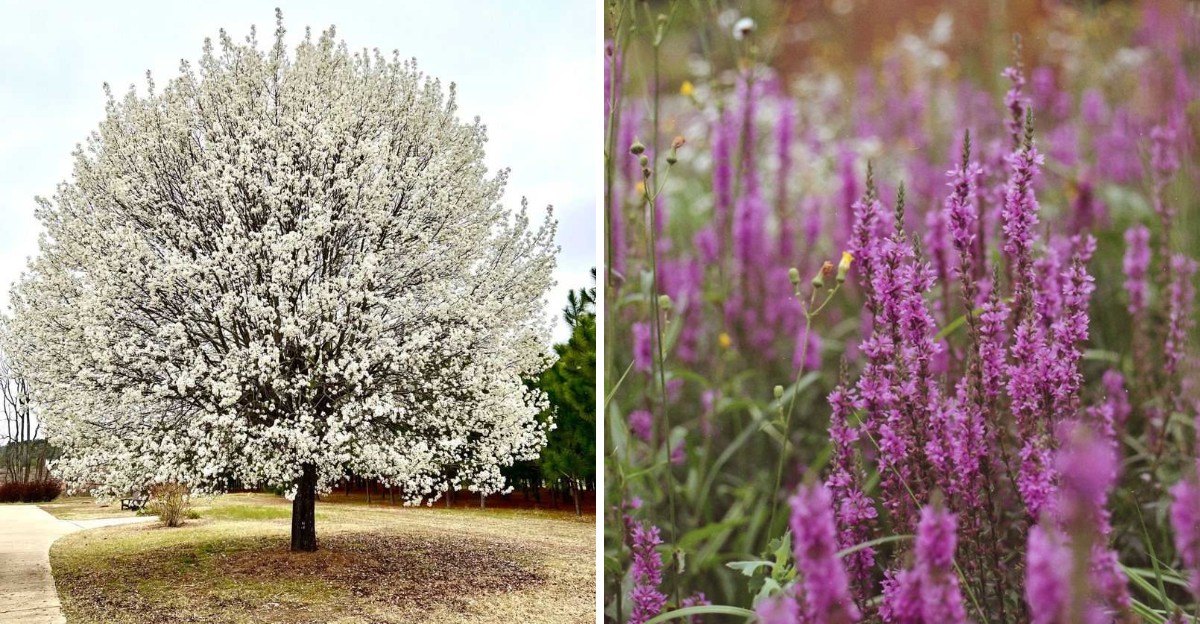
Every April, clouds of white blossoms burst along suburban streets, and then people start noticing a strange fishy smell.
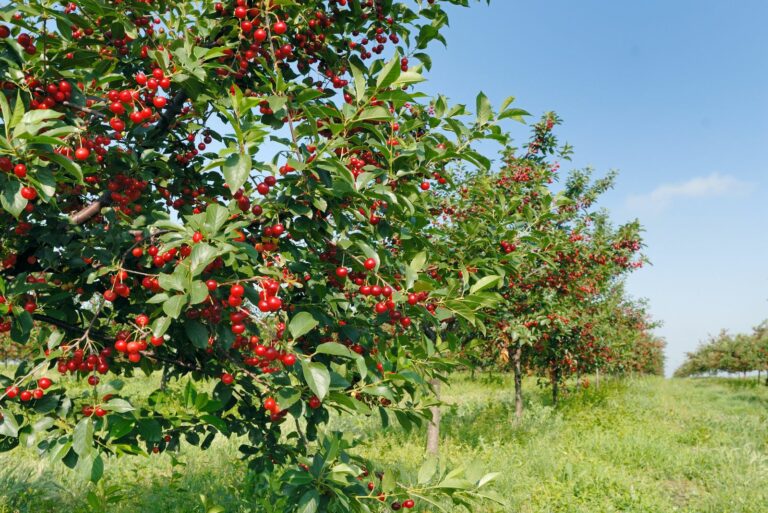
Callery pear, Pyrus calleryana, is the culprit, and its famous Bradford cultivar once lined countless driveways across the country.
Pennsylvania added Callery pear to its noxious weed list, with the sales ban starting in February 2022. Growers received a two-year phase-in, and the full stop on selling remaining nursery stock arrived in February 2024.
Here is a twist I find fascinating, because Bradford pears were originally sold as nearly sterile trees.
Different cultivars planted near each other can cross-pollinate, producing small fruits that birds spread into fields and highway edges.
Those wild seedlings often grow sharp thorns, turning open meadows into tangled thickets that crowd out native plants.
You might notice white-flowering patches along roadsides in early spring, and many of them are escaped Callery pears.
Bradford pears also have weak branch angles, so storms and heavy snow often split them right down the middle. Many homeowners decide to remove older trees before a big limb lands on a roof or parked car.
If you have one, a certified arborist can help you plan safe removal and stump treatment to prevent resprouting. Fresh stumps sometimes push up new shoots, so keep an eye on the area for a season or two.
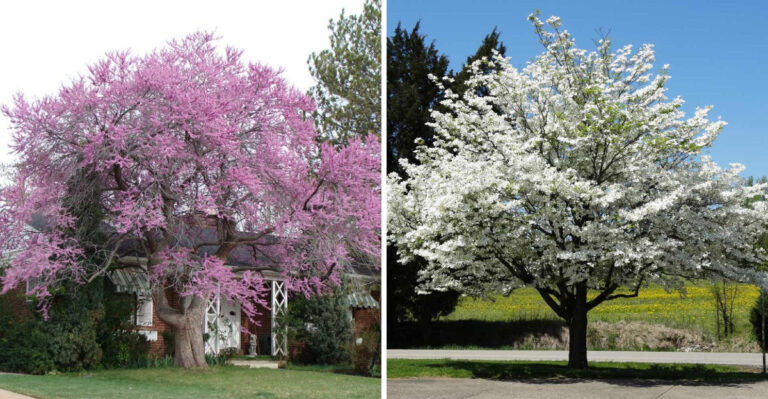
For spring flowers without the drama, I truly believe serviceberry or eastern redbud make wonderful replacements. Both are native, and serviceberry produces sweet summer berries that birds and people can enjoy together.
3. Burning Bush Shrubs With Fiery Red Fall Leaves
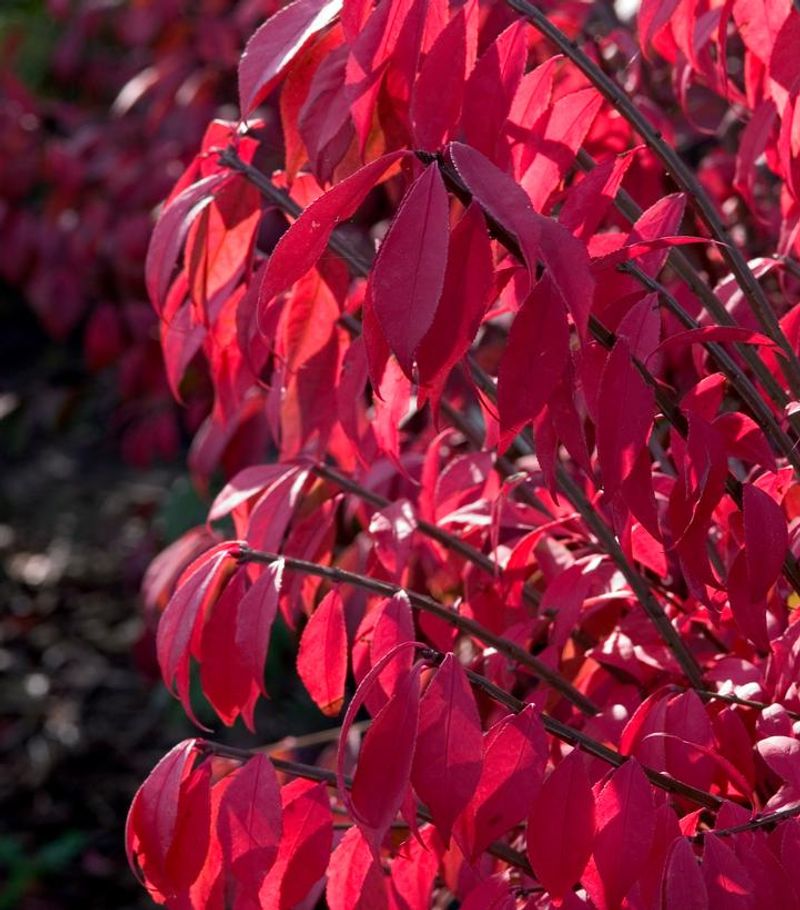
Few shrubs glow quite like burning bush in October, when its leaves turn a scarlet shade that almost looks electric. Euonymus alatus earned a spot in nearly every foundation planting, but its popularity has finally caught up with it.
The Pennsylvania Department of Agriculture declared burning bush a noxious weed, and the ban on retail sales arrived in January 2025. Buying, intentionally planting, or propagating it is now off limits, though existing shrubs in yards can remain.
Nobody warned me that those cheerful orange-red berries were the real problem hiding behind the pretty leaves.
Birds eat the fruit and drop seeds in forests, where seedlings tolerate shade and form thick carpets under trees.
Take a closer look at the stems, and you will often spot corky ridges that look like little wings. That feature gives the plant another common name, winged euonymus, which can help you identify it during winter.
Removing a mature shrub takes patience, so start by cutting it back and digging out as much root as possible. Younger plants usually pull up easily after a soaking rain, when the soil feels soft and cooperative.
If you want to keep it awhile, at least snip off berries before they ripen in early fall. That simple chore reduces the number of seeds birds can carry into nearby woods and stream banks.
Personally, I adore native fothergilla or highbush blueberry as fall color swaps that feel just as dramatic. Blueberry gives you summer fruit before its leaves blaze red, which seems like a fantastic bonus.
4. Privet Hedges Lining Suburban Property Lines
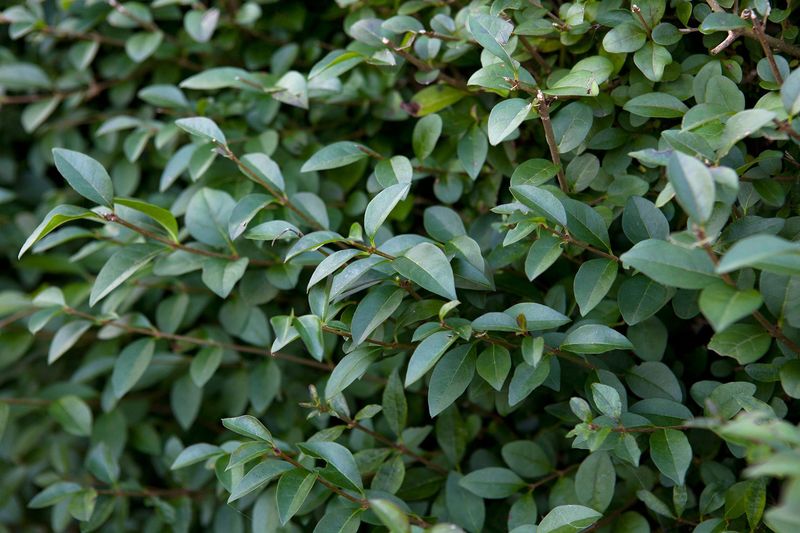
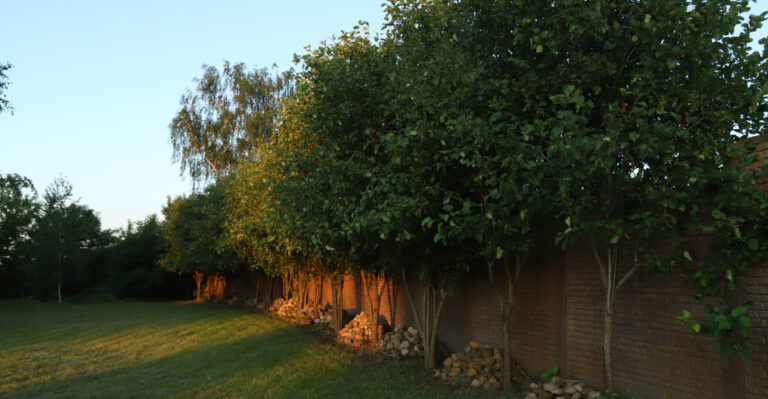
Grandma’s neatly clipped hedge might be one of the most common invasive plants in older neighborhoods around the state. Privet grew popular because it handled heavy pruning, city air, and just about any soil you threw at it.
In January 2025, four privet species joined the state noxious weed list, including Japanese, Chinese, European, and border privet.
Those species are now illegal to sell, propagate, or intentionally plant, while hedges already growing are not targeted for removal.
What surprises me most is how sneaky privet becomes when gardeners skip a trim and let it flower.
The small white blooms turn into dark, bluish-black berries, and birds happily scatter them along creeks and forest edges.
Once privet escapes, it forms dense thickets that shade out native shrubs and spring wildflowers on the forest floor.
Streamside areas seem especially vulnerable, since the plant tolerates damp soil and spreads quickly in those spots.
You can slow things down by shearing hedges right after flowering, before berries have a chance to form. Many gardeners prefer this approach while they plan a gradual switch to native plants along the property line.
Small privet seedlings usually pull up easily, especially when the ground feels moist after a spring shower. Bigger shrubs may need cutting near the base, followed by careful digging or professional help with resprouting stumps.
For a replacement hedge, inkberry holly stays green all winter and handles pruning surprisingly well.
Arrowwood viburnum is another lovely option, offering white flowers and berries that native birds genuinely appreciate.
5. Tree Of Heaven Saplings Popping Up Along Fences
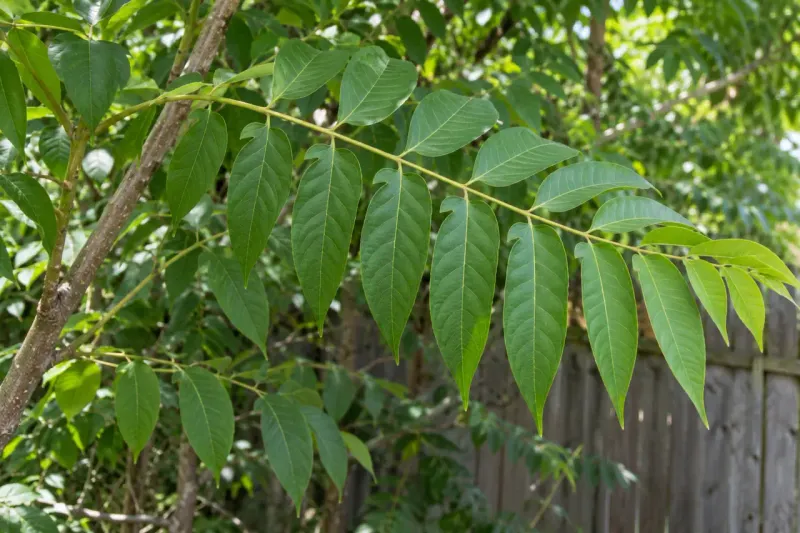
Crush a leaf from tree of heaven, and you will quickly understand why some people compare its smell to rancid peanut butter.
Ailanthus altissima sounds heavenly, but gardeners across the state mostly describe it with far less flattering words.
This fast-growing tree joined the Class B noxious weed list in 2019, which stops sales and propagation of plants and seeds.
It shows up uninvited along fences, alleys, and sidewalk cracks, so most people never planted it on purpose.
The most interesting part involves the spotted lanternfly, because this tree is its favorite host plant. Removing tree of heaven helps reduce food for that pest, which has troubled grape growers and orchards in the region.
A single female tree can produce huge numbers of winged seeds that drift on the wind for long distances. Roots also send up suckers, so one tree can turn into a whole crowded thicket surprisingly fast.
Cutting it down usually backfires, since the roots respond by pushing up even more aggressive sprouts nearby.
Penn State Extension suggests targeted herbicide methods, often applied in summer, to reach the roots before cutting the trunk.
Watch out for look-alikes such as native sumac and black walnut, which have similar compound leaves. Tree of heaven leaflets have small, gland-tipped notches near their base, which makes identification much easier up close.
Pull tiny seedlings as soon as you see them, ideally while they are still easy to grab. You will love how much simpler early removal feels compared with wrestling an established tree later.
6. Purple Loosestrife Spikes Crowding Backyard Ponds
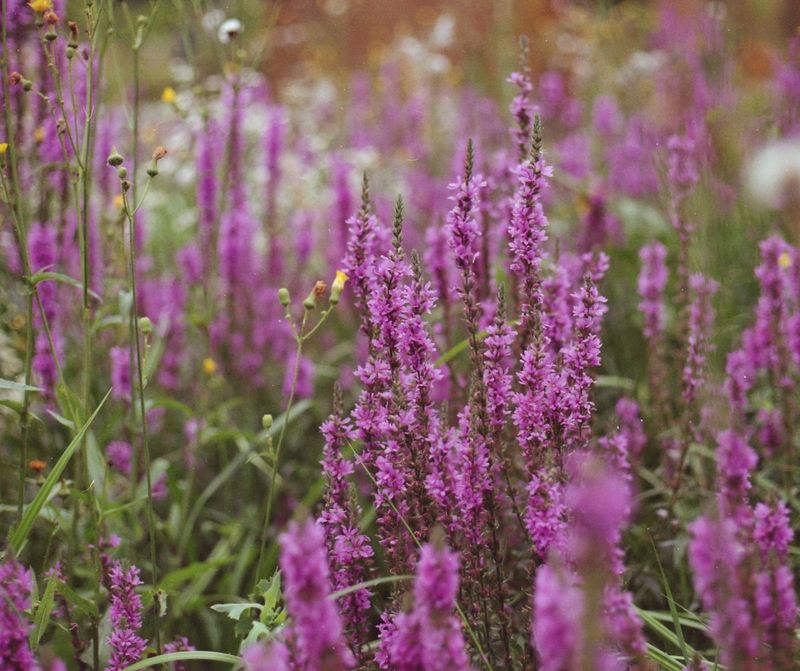
Tall magenta spikes rising from a pond edge look like something straight out of a storybook garden. Purple loosestrife, Lythrum salicaria, charmed gardeners for generations, yet its beauty hides a seriously aggressive streak in wetlands.
The state declared it a noxious weed back in 1997, long before most other plants on this list. Selling, transporting, planting, and propagating purple loosestrife, including its hybrids and cultivars, are all prohibited under state rules.
Here is a fun twist that still amazes me, because one mature plant can release millions of tiny seeds. Those seeds float on water and stick to muddy boots, so ponds and ditches help them travel surprisingly far.
Once it settles in, loosestrife forms dense stands that crowd out cattails, sedges, and native wetland flowers. Turtles, frogs, and marsh birds lose valuable habitat when a single plant species takes over the shoreline.
If you spot it near your water garden, cut off flower spikes before seeds ripen in late summer. Bag those spikes carefully and send them out with household trash, rather than adding them to a compost pile.
Small plants can be dug out with roots intact, though larger clumps may need repeated effort over several seasons.
Some regions also release special leaf-eating beetles that feed on loosestrife, which has helped reduce certain populations.
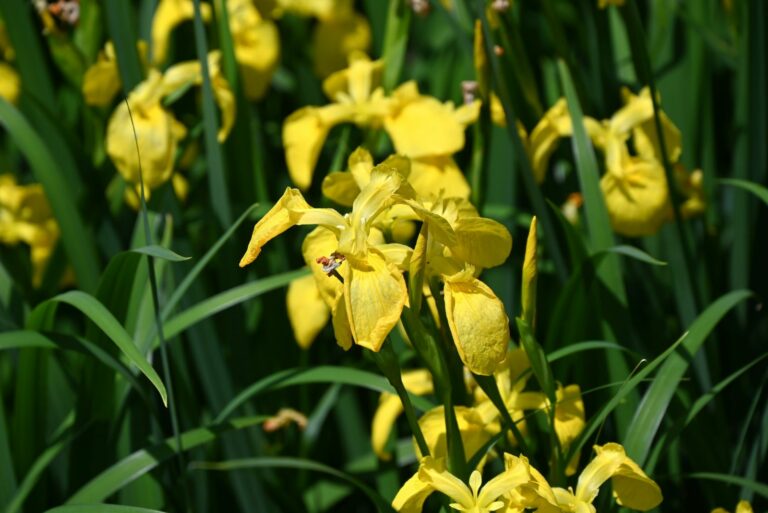
For pond-side color, try native swamp milkweed or blue flag iris instead of this troublemaker. Monarch butterflies visit swamp milkweed regularly, so you get bright blooms plus lively wildlife action all summer.