The Alabama Tree So Rare It Exists Nowhere Else On Earth
Deep within rocky hills, one mysterious tree remains impossibly rare. Nowhere else on earth does this plant naturally grow. You stand closer than most people ever will to one of Alabama’s most guarded secrets.
Only scattered pockets cling to weathered sandstone outcrops today. Researchers still puzzle over exactly how this lineage endured centuries. Alabama’s north-central ridges hold every remaining wild population intact.
Soil barely exists where its roots somehow take hold. Drought, fierce fire, and shifting weather constantly test its limits. Development now quietly threatens what evolution patiently assembled over generations.
Botanists debate whether protection efforts will arrive soon enough. Few residents even realize this mystery grows quietly within state borders today. Understanding it changes how you think about rarity itself.
Every single detail ahead deepens that quiet sense of wonder. Time, weather, and human choices all move steadily forward. What you discover next may determine this mystery’s entire future.
What Tree Is Found Only in Alabama And Nowhere Else
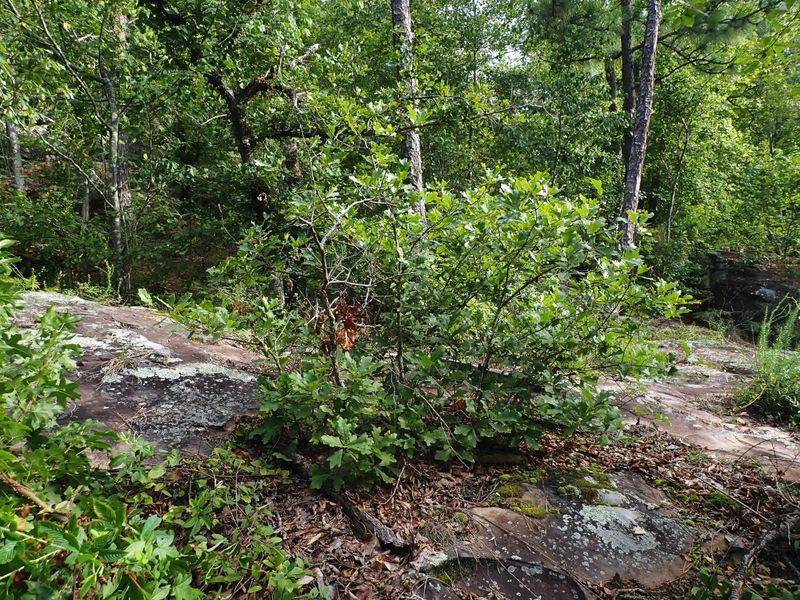
Picture a tree so exclusive that its entire world fits inside one small corner of one state. The Alabama Sandstone Oak, known scientifically as Quercus boyntonii, holds that extraordinary title.
Botanists first described this species in 1901, after specimens were collected on Lookout Mountain in Etowah County. Before that, it was quietly growing on sandstone ridges without anyone fully understanding how special it was.
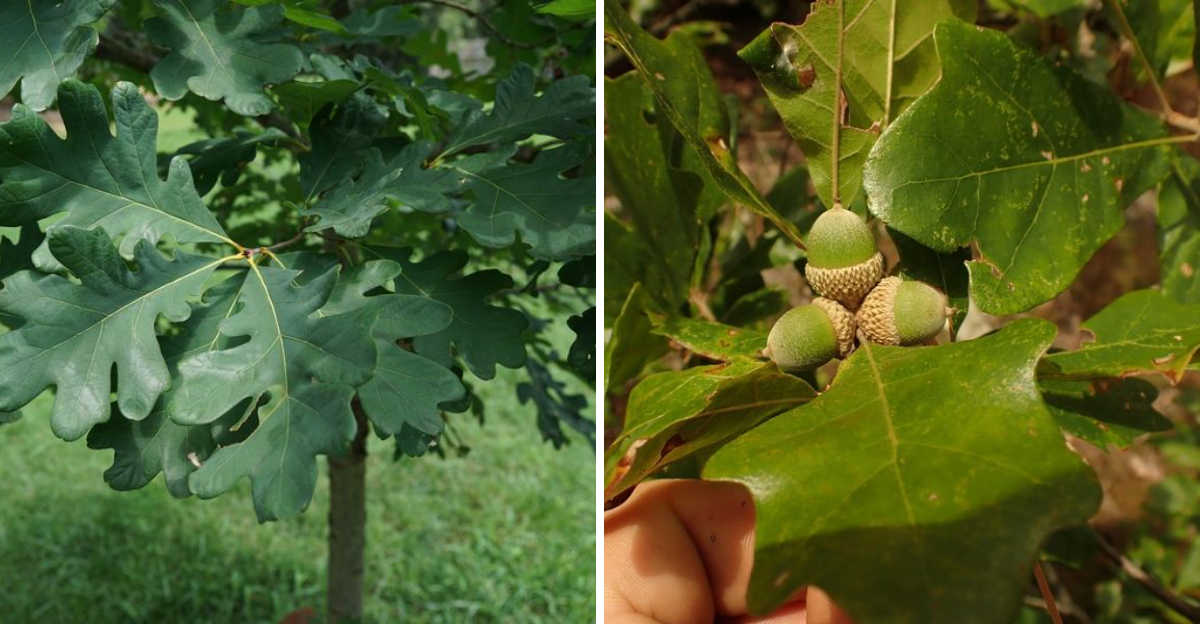
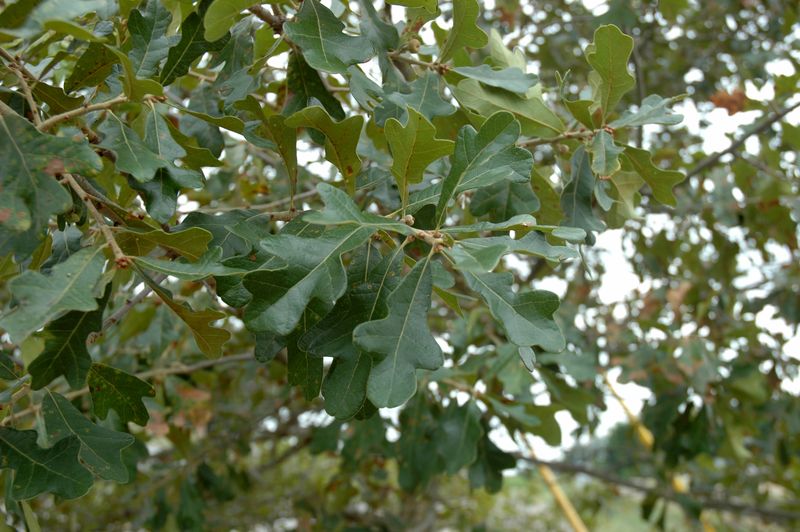
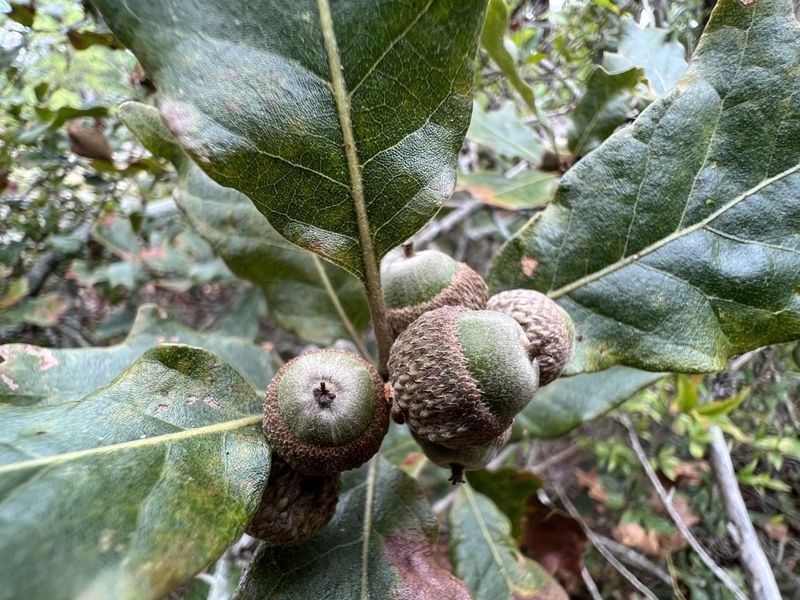
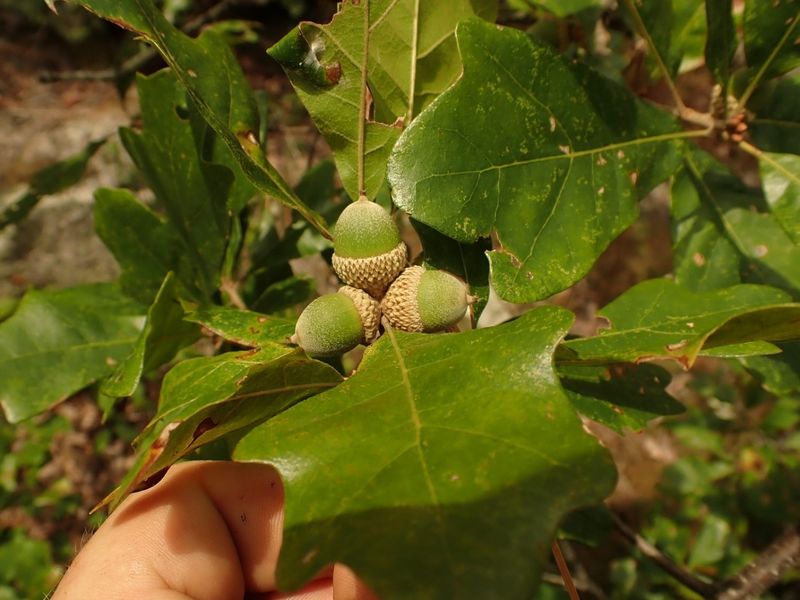
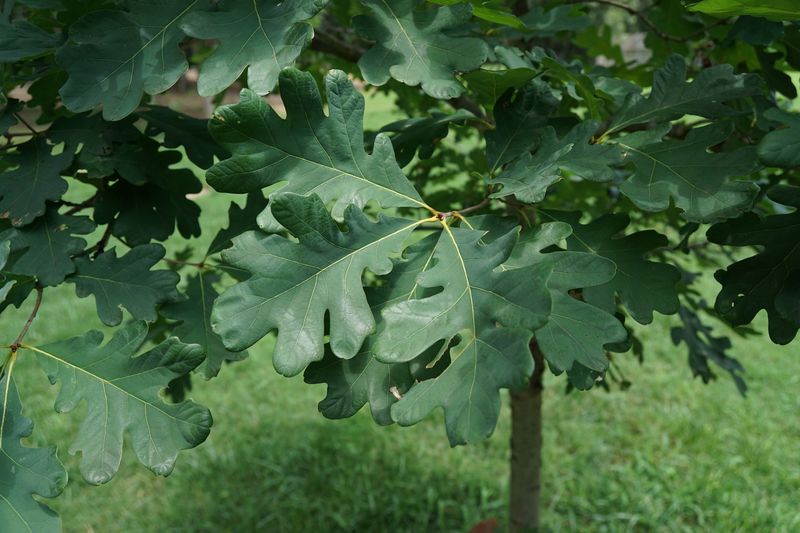
Its leaves are small and deeply lobed, giving it a delicate look that contrasts sharply with its tough, rocky home. The tree typically stays on the shorter side, rarely growing taller than 20 feet.
What separates this oak from its relatives is not just geography. Its genetic makeup, leaf shape, and habitat preferences all set it apart from any other oak species on Earth.
Researchers from Auburn University’s Davis Arboretum have played a leading role in surveying wild populations and coordinating conservation efforts. Their work has brought national attention to a tree most people in the state had never heard of.
Finding the Alabama Sandstone Oak in the wild feels like stumbling onto a secret. You have to know exactly where to look, and even then, the populations are small and scattered.
This tree is a living reminder that nature still holds surprises. Protecting it means protecting a piece of biological history found absolutely nowhere else.
Why The Alabama Sandstone Oak Is So Rare
Rarity in nature does not happen by accident. For the Alabama Sandstone Oak, a perfect storm of biology, geography, and history created one of the most restricted ranges of any tree in the country.
The species evolved to survive in a very specific set of conditions. It needs sandstone-based soil, a particular elevation range, and just the right amount of sunlight filtering through surrounding forest.
Those conditions exist in only a few locations in the world. And all of those locations happen to sit within a narrow corridor of north-central Alabama, making this oak a true endemic species.
Endemic means a species naturally occurs in one place and nowhere else. For plants, that status often signals extreme vulnerability to change.
Your Alabama Garden Changes Every Week. Your Plan Should Too.
Gardening in Alabama changes quickly throughout the season. Every Friday you’ll receive a simple weekly plan showing exactly what to plant, prune, fertilize, harvest, and protect so you never miss the right timing.
The Alabama Sandstone Oak also reproduces slowly. Acorn production is modest, and seedling survival in rocky, nutrient-poor soil is never guaranteed.
Climate patterns in the region have shifted over centuries, reducing the available habitat even further. What was once a slightly larger range has contracted over thousands of years.
Human development accelerated that contraction significantly. Roads, logging, and land clearing all chipped away at the sandstone ridge habitats the tree depends on. Scientists estimate that roughly 1,000 to 1,200 individual trees may exist in the wild today.
Where This Endemic Oak Grows In The Wild
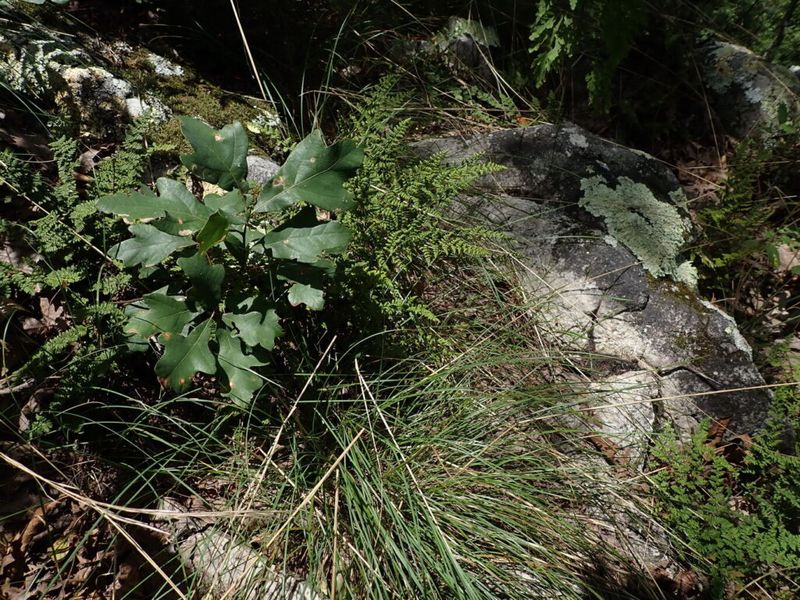
Not every patch of Alabama forest is home to this extraordinary tree. The Alabama Sandstone Oak is picky about its address, and for good reason.
Its known populations cluster in a handful of counties stretching from the Birmingham area to Gadsden, mostly within the Ridge and Valley province. This area features the rugged sandstone ridges and thin, acidic soils the species needs to survive.
Sandstone outcrops in St. Clair and Etowah counties hold some of the largest known populations. Hikers in those areas may unknowingly walk past one of these rare oaks without realizing what they are seeing.
The tree tends to grow on dry, south-facing slopes where sunlight is intense and competition from other plants is lower. Those exposed ridgetop conditions are harsh but perfect for this tough little oak.
Sandstone outcrops create natural breaks in the forest canopy. Those gaps allow enough light to reach the ground for the oak to establish itself and grow.
Surrounding plant communities often include other rare or uncommon species. The Alabama Sandstone Oak is part of a larger ecosystem of specialized plants adapted to these rocky upland habitats.
Access to many of these sites is limited, which actually helps protect the populations. Remote locations reduce foot traffic and the accidental damage that comes with it.
Knowing where this tree grows is the first step toward protecting it. Location data helps land managers and conservationists focus their energy where it matters most for this species.
Fire And Habitat Loss Threatening Its Survival
Survival is never simple when your entire species lives in one small corner of the world. For the Alabama Sandstone Oak, threats come from multiple directions at once.
Wildfire is one of the most complicated factors. Historically, low-intensity fires helped maintain the open, sunny conditions this oak prefers.
But modern fire suppression changed that dynamic. Without regular, managed burns, the surrounding forest grew denser, shading out the sandstone oak and reducing its ability to regenerate.
Now, when fires do occur, they tend to burn hotter and more destructively. Intense, uncontrolled fires can damage or wipe out entire small populations of the species.
Habitat loss from development is the other major threat. Roads and utility corridors sometimes cut directly through the sandstone ridge habitats where these trees grow.
Logging operations in nearby forest areas can fragment the landscape. Fragmentation isolates populations, reducing genetic diversity and making recovery harder over time.
Invasive plant species also pose a growing problem. Non-native shrubs and vines can outcompete the Alabama Sandstone Oak for light and space, especially in disturbed areas.
Off-road vehicle use on sandstone ridges causes direct physical damage to tree roots and soil structure. Even well-meaning visitors can accidentally harm these populations without knowing it.
Each of these pressures alone would be manageable. Together, they create a compounding challenge that adds pressure on an already small population every year.
Conservation Efforts Working To Save The Species
Good news exists in this story, and it is worth celebrating. Scientists, land managers, and volunteers are actively working to support the species’ long-term recovery.
Auburn University researchers have led some of the most important efforts. Their work includes mapping wild populations, studying genetic diversity, and developing best practices for propagating the species in nursery settings.
Land managers in counties where the species occurs have begun incorporating protection measures into local habitat management plans. Those plans limit certain activities in areas where the tree is known to grow.
Seed banking is another critical strategy. Collecting and storing seeds from wild trees creates an insurance policy against catastrophic population loss.
Botanical gardens in the region have started growing the Alabama Sandstone Oak in controlled settings. Those cultivated trees serve as both educational displays and backup populations for future restoration work.
Prescribed burns are being reintroduced in some habitat areas. Carefully managed fires help recreate the open, sunlit conditions the species evolved alongside over thousands of years.
Partnerships between state agencies, universities, and private landowners have expanded the conservation footprint. Protecting land adjacent to known populations creates buffer zones that reduce outside pressures.
Public awareness is growing steadily, and that matters enormously. When more people know this tree exists, more people show up to defend it, fund it, and fight for the policies that keep it alive.
Ways You Can Help Protect Alabama’s Rarest Tree
You do not need a biology degree to make a difference for the Alabama Sandstone Oak. Everyday actions add up fast when enough people commit to them.
Start by learning more about the species and sharing what you find. Spreading accurate information through social media or casual conversation builds the public awareness that conservation programs depend on.
Support organizations working on native plant protection in the Southeast, such as the Alabama Plant Conservation Alliance and university-affiliated arboreta, which coordinate much of the on-the-ground survey and propagation work.
If you live in the region, consider planting native oaks in your yard. While the Alabama Sandstone Oak itself is not commonly available in nurseries, supporting native oak species in general strengthens local ecosystems.
Volunteer for habitat restoration events in the Birmingham-to-Gadsden corridor of Alabama. Many land management agencies welcome helping hands for planting days, invasive species removal, and trail maintenance near sensitive areas.
When visiting state parks or national forests, stick to marked trails. Wandering off-path in sandstone ridge areas can damage fragile root systems and soil structures around rare plants.
Contact your state and federal representatives about funding for rare species conservation. Policy decisions about land protection and forestry budgets directly affect whether trees like this one survive.
Protecting the Alabama Sandstone Oak is about more than saving one tree. Every effort you make helps preserve a piece of natural heritage that exists only here, only now, and only because people chose to care.