The Texas Shrubs To Prune In August And The Ones To Leave Alone
August pruning in Texas is one of those garden decisions where getting it wrong has real consequences.
The heat is still intense, plants are still under significant stress, and a pruning cut at the wrong time on the wrong shrub can set back growth, remove next season’s flower buds, or push a plant into producing vulnerable new growth during conditions it was not designed to handle.
But leaving everything alone until fall is not the right answer either. Some Texas shrubs genuinely benefit from August attention.
Specific cuts made now encourage the kind of growth and budding that produces better performance through fall and into the following season. The key is knowing which shrubs reward August pruning and which ones punish it.
The difference between the two categories comes down to how a shrub grows, when it sets its flower buds, and how it responds to stress induced pruning in high heat conditions. None of it is complicated once you understand the logic behind it.
1. Turk’s Cap
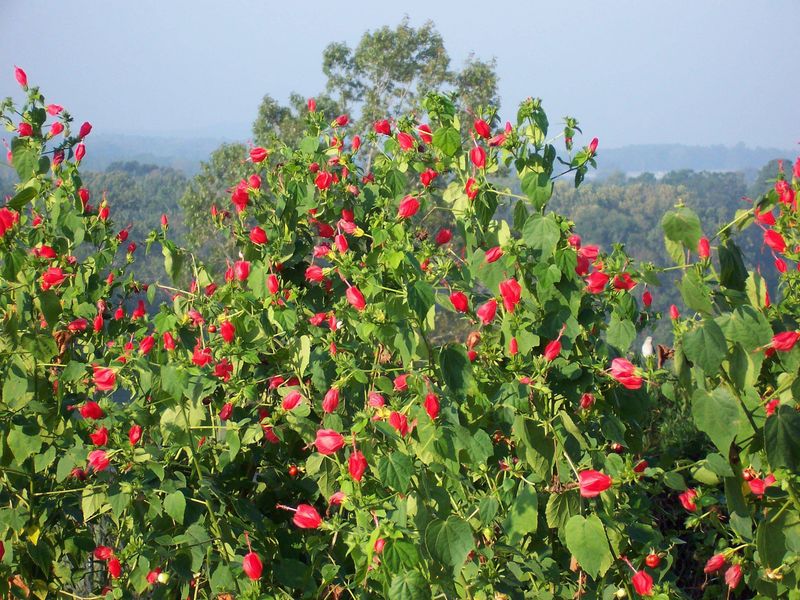
Bright red and full of life, Turk’s Cap is one of the most cheerful native shrubs you can grow in a Texas garden. Hummingbirds and butterflies absolutely love it.
The good news for gardeners is that this tough plant handles pruning during the growing season without missing a beat.
August is actually a perfectly fine time to grab your pruning shears and clean up this shrub. If some stems are getting too long or the plant is starting to look a little wild, go ahead and trim them back.
You can reduce the overall height if it is crowding other plants or blocking a pathway. Turk’s Cap grows back quickly, so you do not need to worry about cutting it back too much. It is a forgiving plant that thrives in the Texas heat.
Focus on removing stems that look overly stretched or ones that are crossing and rubbing against each other.
Try to keep your cuts clean and sharp. A clean cut heals faster and lowers the chance of pests or disease getting in.
After pruning, give the shrub a good deep watering to help it recover and push out fresh new growth.
One fun fact: Turk’s Cap is named for its unique rolled-up flower that looks like a tiny Turkish turban.
It is native to Texas and thrives even in partial shade, which makes it a great choice for tricky spots in the yard. Keep it trimmed and happy, and it will reward you with blooms well into fall.
2. Shrub Roses
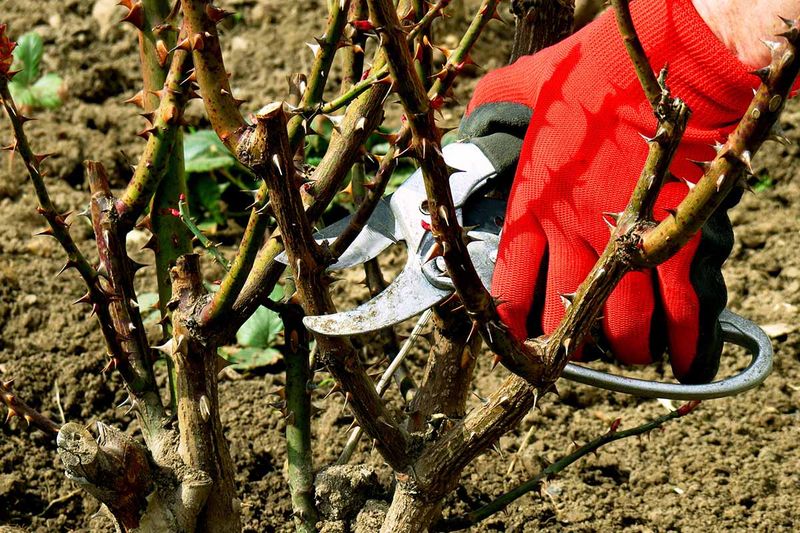
Shrub roses are garden showstoppers, and with a little attention in August, they can keep on blooming right through the fall season. The key task this time of year is deadheading, which simply means snipping off the spent, faded flowers.
When you remove those old blooms, the plant puts its energy into making new ones instead of forming seeds.
You can also take a moment to remove any damaged, broken, or diseased stems you notice. Cut them back to a healthy set of leaves or down to the base if needed.
Your Texas Garden Changes Every Week. Your Plan Should Too.
Gardening in Texas changes quickly throughout the season. Every Friday you’ll receive a simple weekly plan showing exactly what to plant, prune, fertilize, harvest, and protect so you never miss the right timing.
This keeps the plant looking tidy and helps air move freely through the branches, which reduces the chance of fungal problems.
What you want to avoid in August is a heavy, severe cutback. Chopping the entire shrub down drastically in late summer can stress the plant right before cooler weather arrives.
It may also encourage a flush of tender new growth that gets damaged when temperatures eventually drop. Light, thoughtful pruning is the way to go. Think of it as a haircut rather than a renovation.
Remove what is clearly faded or damaged, shape things up a bit if needed, and then step back and let the plant do its thing.
Shrub roses are surprisingly tough. Many varieties bred for Texas gardens handle heat, humidity, and occasional neglect without complaint.
Give yours a little care this August, keep up with watering, and you should see a fresh round of colorful blooms as the season starts to cool down in September and October.
3. Crape Myrtle
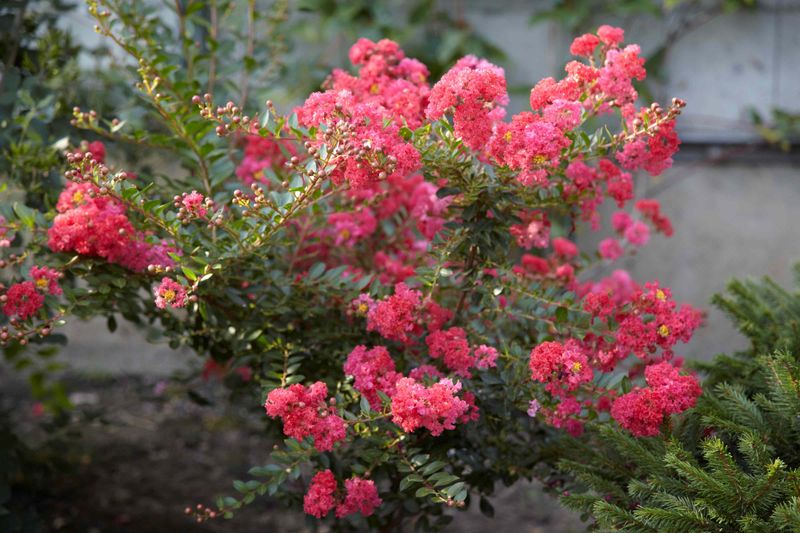
Few plants say “Texas summer” quite like a crape myrtle in full bloom. These trees and large shrubs put on a spectacular show of pink, red, white, or purple flowers from early summer through late August.
If you want to do a little pruning in August, there are some things you can safely do without harming the plant.
Removing suckers is a great place to start. Suckers are those small, leafy sprouts that shoot up from the base of the trunk or from the roots nearby.
They steal energy from the main plant and make it look messy. Snap or cut them off as close to the base as possible.
You can also remove any dry or crossing branches you spot, and if the spent flower clusters bother you, feel free to snip those off too. Some gardeners believe removing old flower heads encourages a second flush of blooms before the season ends.
What you absolutely should not do is top a crape myrtle. Topping means cutting the main branches back to thick stubs, which is sometimes called crape murder by frustrated gardeners across the South.
This practice weakens the structure of the tree, causes ugly knobby regrowth, and reduces blooming over time.
Crape myrtles are naturally beautiful trees with graceful arching branches. They do not need heavy pruning to look good.
Trust the plant’s natural shape, remove only what is clearly problematic, and enjoy the flowers. Proper, minimal pruning keeps crape myrtles healthy and stunning for many years to come.
4. Glossy Abelia
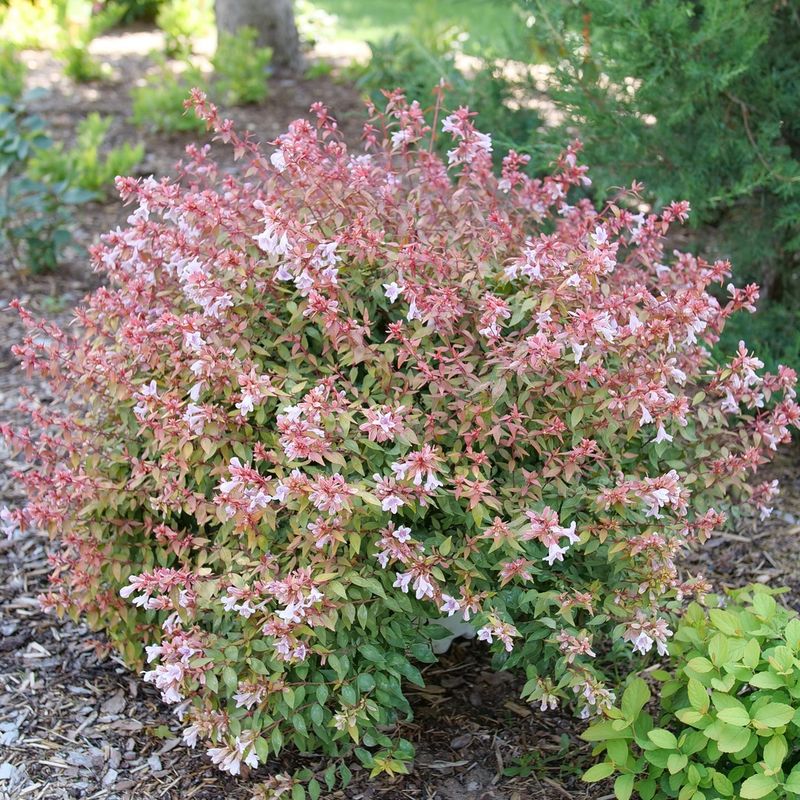
Glossy abelia is one of those dependable shrubs that earns its place in any Texas garden. It produces clusters of small, tubular flowers that attract pollinators all summer long, and its shiny leaves stay attractive even when blooms are sparse.
Luckily, a light trim in August is perfectly fine for this plant. If you notice some shoots that are sticking out awkwardly or making the shrub look uneven, go ahead and snip those back. The goal is just to neaten up the outline and keep the shape looking intentional.
You are not trying to reshape the whole shrub, just taming the wild strays. One thing to keep in mind is that glossy abelia blooms on new growth, so light trimming in August will not hurt next year’s flower production.
However, if the shrub needs more serious renovation work, like cutting it back hard to renew its structure, save that job for late winter before new growth begins in spring.
Heavy pruning in August can push out a flush of tender new growth that may struggle as temperatures shift in the coming months. Keeping it light and precise this time of year is the smarter move.
Glossy abelia is also wonderfully low-maintenance overall. It tolerates heat, adapts to a range of soil types, and does not demand much fuss.
A little shaping now, a deep watering session, and maybe a layer of mulch around the base will carry it through the rest of summer in great shape. It is a reliable workhorse of the Texas landscape.
5. Azaleas
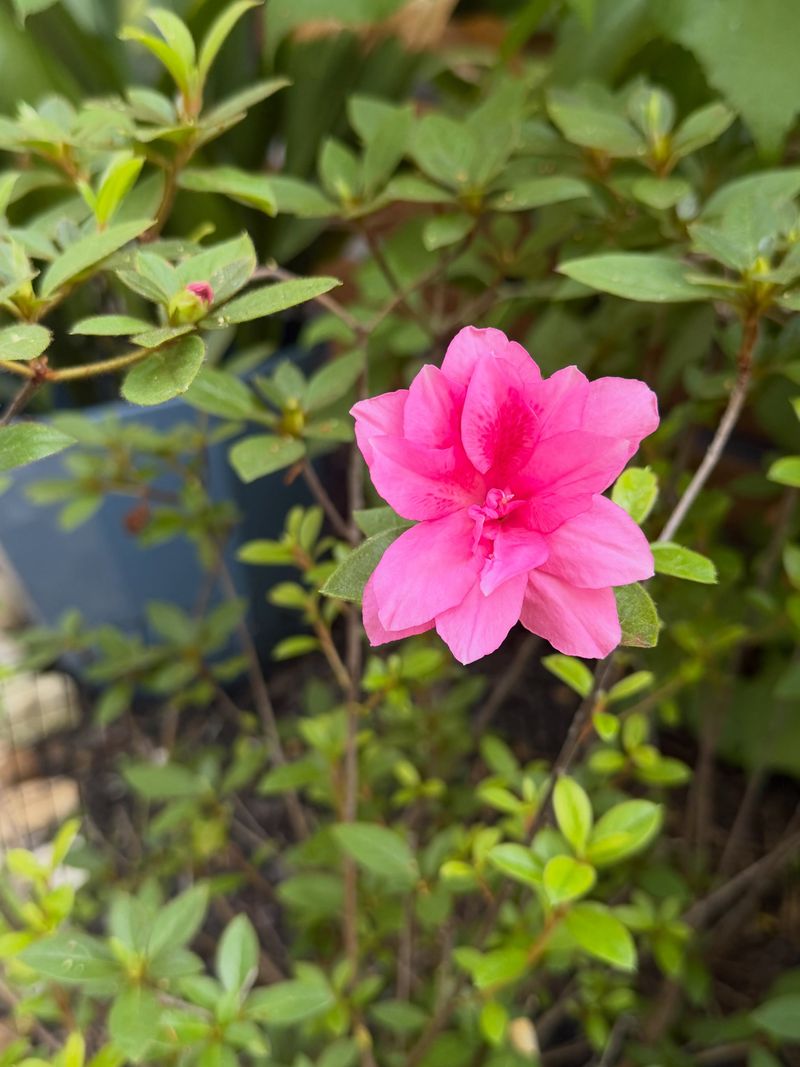
Azaleas are one of spring’s most beloved garden performers, filling yards with bold splashes of pink, red, white, and purple.
But here is something many gardeners do not realize: azaleas set their flower buds for next spring during the summer months. By August, those buds are either already formed or forming right now.
Pruning an azalea in August means you are very likely cutting off the buds that would have given you that beautiful spring display.
The plant will not be harmed in a lasting way, but you will notice far fewer flowers when March and April roll around. That is a frustrating trade-off for most gardeners.
Azaleas bloom on what is called “old wood,” meaning the growth that was produced the previous season. To protect next year’s flowers, the best time to prune is right after the spring bloom period ends, usually sometime in May or early June.
That gives the shrub plenty of time to grow new stems and set buds before summer heat arrives.
If you see a branch that is clearly broken or damaged, you can remove it at any time without guilt. But hold off on any shaping or size-reduction pruning until after those spring flowers have faded next year.
Azaleas thrive in partial shade and well-drained, slightly acidic soil. They are a staple of Texas gardens, especially in the eastern part of the state where conditions suit them well.
Give them the right timing on pruning and they will reward you with a breathtaking show every single spring.
6. Indian Hawthorn
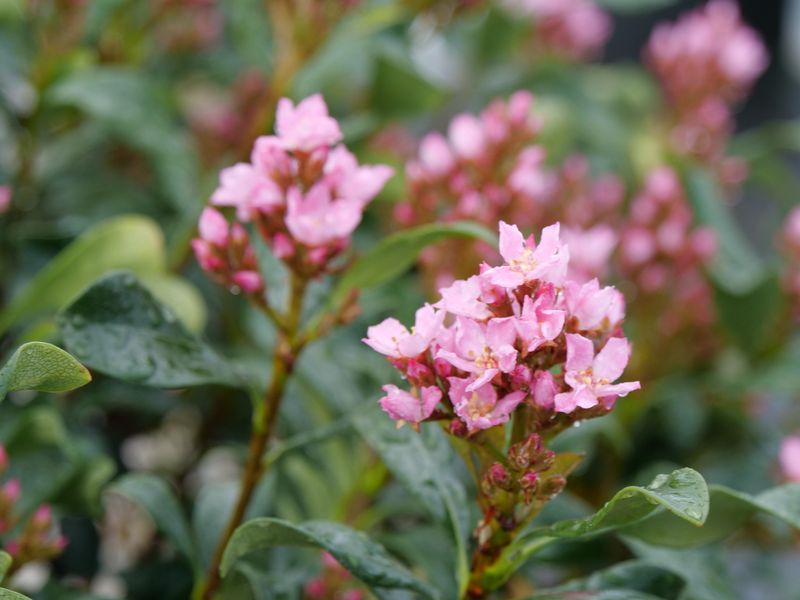
Indian hawthorn is a popular landscape shrub across Texas, valued for its tidy shape, glossy evergreen leaves, and pretty clusters of pink or white flowers in spring.
It is a reliable performer in hot, sunny spots and works well as a foundation planting or border shrub. However, August is not the right time to get your pruning shears near it.
Like azaleas, Indian hawthorn blooms on older wood, meaning the flower buds for next spring are being set on stems that grew earlier this year. Trimming the plant in late summer removes those buds before they ever get a chance to open.
You end up with a neatly shaped shrub in the fall but a disappointing lack of flowers the following spring.
The ideal pruning window for Indian hawthorn is right after it finishes flowering in spring, typically around late April or May in most parts of Texas.
Pruning at that point gives the plant the rest of the growing season to produce new stems that will carry next year’s blooms.
If a branch gets broken by wind or storm damage, remove it whenever you need to. But resist the urge to do any shaping or trimming in August, even if the shrub looks a little overgrown.
A slightly bushy plant with flowers is far more rewarding than a perfectly trimmed one without them.
Indian hawthorn also appreciates good drainage and full sun to partial shade. It is moderately drought-tolerant once established, making it a smart, low-effort choice for busy Texas gardeners who want reliable seasonal color year after year.
7. Early-Flowering Spirea
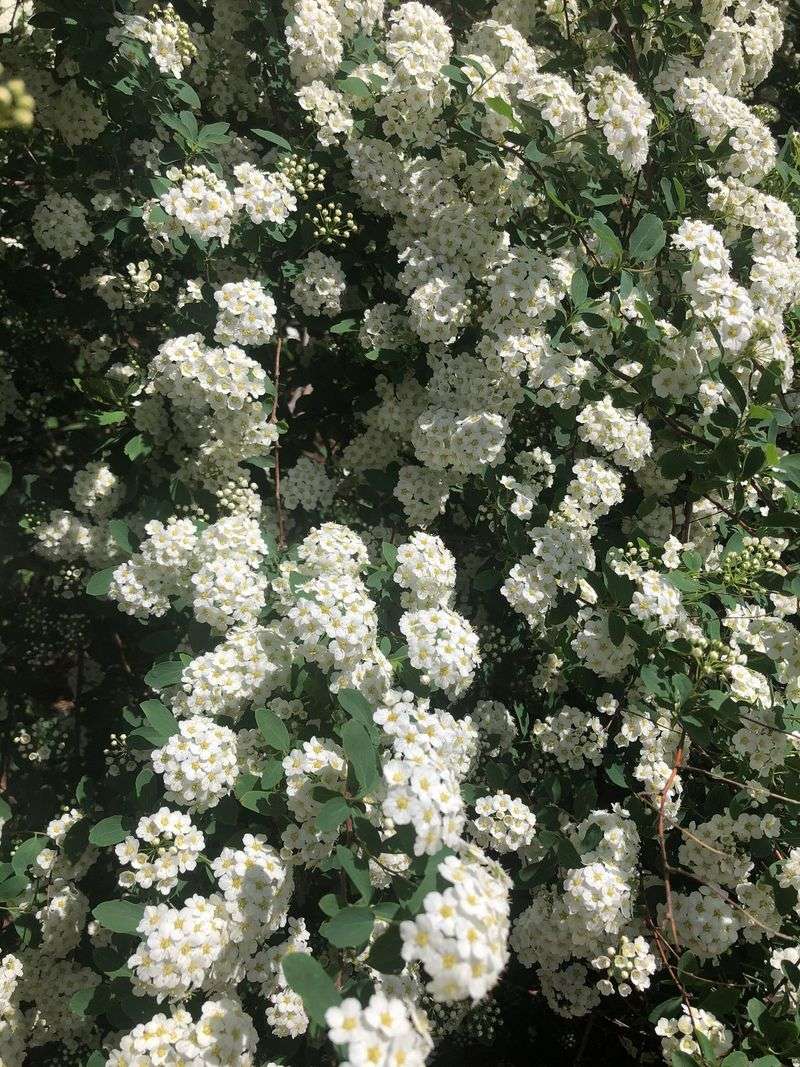
Spring-blooming spireas put on a gorgeous show early in the year, with cascading arches of white or pink flowers that make the whole yard look like something out of a garden magazine.
But what makes these plants tick is an important detail that affects how you should care for them in August.
Early-flowering spireas bloom on last season’s wood, also called old wood. That means the flower buds for next spring are already developing on the stems that grew this year.
If you prune those stems in August, you are cutting away the very wood that would have produced flowers in March or April.
Saving your pruning for right after the spring bloom is the smartest approach. Once those flowers fade, usually by late April or May, you can cut the shrub back as much as needed to refresh its shape and encourage strong new growth.
That new growth will mature over summer and fall, setting buds for the following year’s display.
Skipping the August pruning might feel hard if the shrub looks a little wild or overgrown. But remind yourself that what looks like extra growth is actually next year’s flower show in the making.
A little patience now pays off in a big, beautiful way come spring. Early-flowering spireas are tough and adaptable. They handle Texas summers reasonably well with some afternoon shade and consistent watering during dry spells.
Keep them well-mulched to hold soil moisture, and avoid any fertilizer or pruning in late summer that might push tender new growth at the wrong time of year.
8. Bigleaf And Oakleaf Hydrangeas
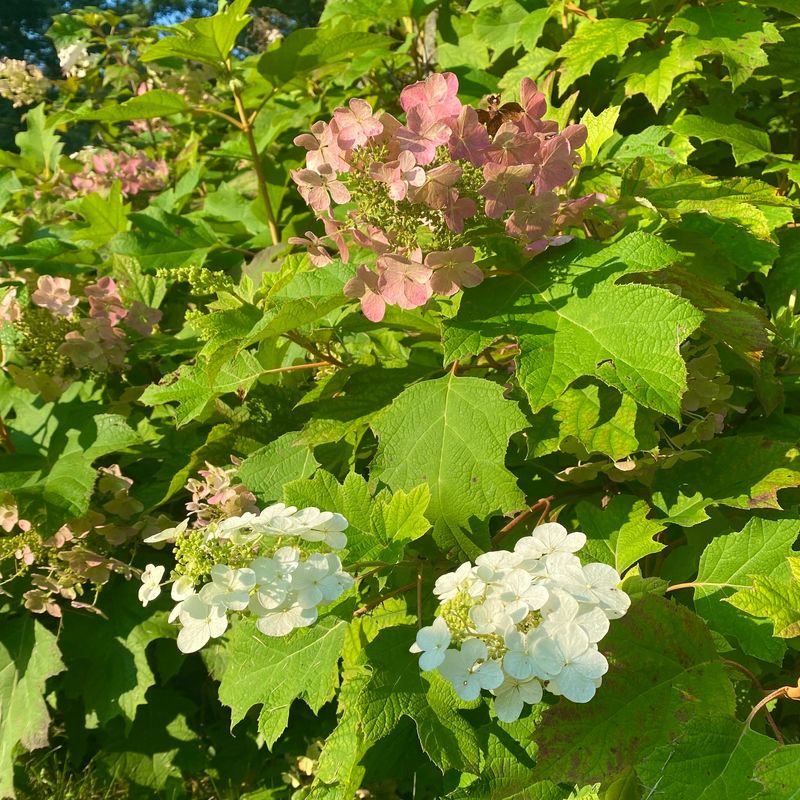
Hydrangeas are some of the most dramatic and beloved flowering shrubs around, and bigleaf and oakleaf varieties are especially popular in Texas gardens with the right conditions.
Both of these types share one very important characteristic: they bloom on old wood. Understanding this one fact will save you a lot of heartache come summer.
By August, the stems that carried this year’s flowers are also the same stems that are quietly preparing for next year’s bloom.
The buds for next spring form on those existing canes before the plant goes dormant in winter. If you cut those stems back now, you are removing the buds along with them.
Leaving healthy stems completely intact through August and into fall is the right call. You can remove any stems that are clearly broken, hollow, or have not produced any growth all season.
Those are safe to take out at any time. But green, leafy, healthy-looking stems should stay right where they are.
The best time to do any meaningful pruning on bigleaf and oakleaf hydrangeas is right after they finish blooming in summer, or you can wait until very early spring before new growth emerges. Either window lets you work without sacrificing next season’s flowers.
Oakleaf hydrangeas are especially well-suited to Texas because they handle heat and drought better than bigleaf types. Both varieties put on a stunning show when their pruning needs are respected.
Give them dappled shade, consistent moisture, and leave those healthy stems alone in August, and you will be rewarded with spectacular blooms season after season.