This Silver Groundcover Can Fill Bare Spots In Arizona Side Yards
Bare soil beside the house can make an otherwise finished yard look like something is still missing.
Those narrow side spaces are often difficult to plant successfully. Harsh sunlight, reflected warmth, and limited growing room can quickly rule out many familiar choices.
Silver foliage offers a striking way to brighten these forgotten corners without making them feel crowded.
One groundcover is especially well suited to challenging Arizona landscapes. Its low growth can soften empty ground while bringing noticeable texture and contrast beside walls and pathways.
Consider the conditions in that neglected strip before filling it with another plant that may struggle there.
Sometimes the strongest landscape choices come from using difficult spaces differently. This silver option can transform an awkward bare patch into a feature that feels intentional, polished, and surprisingly attractive.
1. Silver Ponyfoot Quickly Covers Open Ground
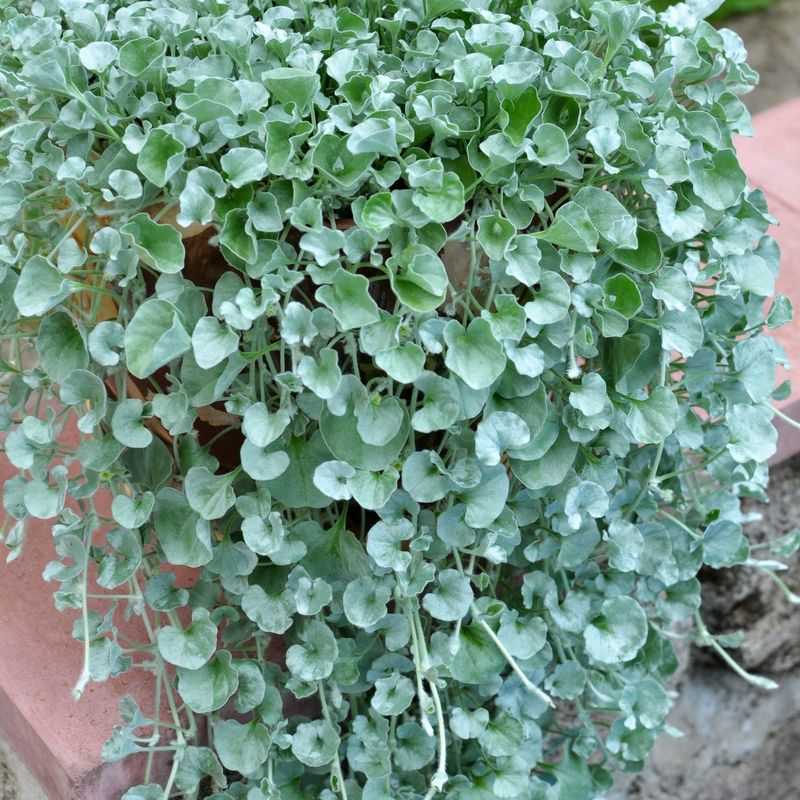
Bare dirt does not stand a chance once Silver Ponyfoot gets going. This trailing plant spreads outward from a central root, sending stems across open ground at a pace that surprises most gardeners.
It fills gaps between rocks, edges walkways, and creeps into corners that nothing else bothers to reach.
Dichondra argentea, its botanical name, stays low to the ground. Stems rarely grow taller than a few inches, which means it stays out of the way while covering a lot of surface area.
A single plant can spread several feet wide under decent growing conditions.
Sandy or gravelly soil suits it well. It does not need rich garden soil or heavy amendments to get started.
Planting it during spring gives roots time to settle before summer heat arrives.
Water it consistently during the first few weeks after planting. Once roots anchor in, it needs less frequent attention.
Growth picks up noticeably as temperatures warm and days lengthen into summer.
Spacing plants about twelve to eighteen inches apart helps them merge into a solid mat faster. Closer spacing speeds up coverage but costs more at the nursery.
Either way, bare spots fill in within a single growing season in most cases.
2. Low Growth Works Along Narrow Passages
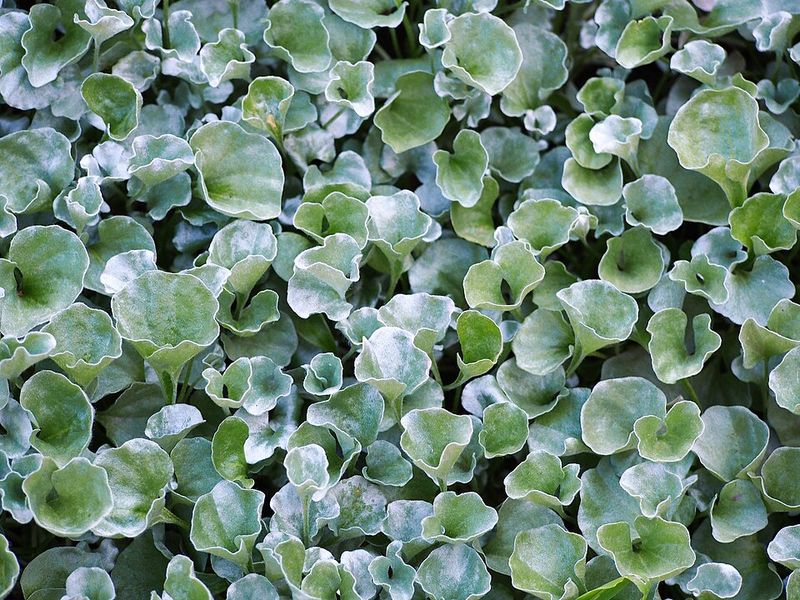
Tight side yards between fences and walls leave little room for bulky plants. Silver Ponyfoot fits those narrow corridors without crowding foot traffic or blocking access.
Its low, trailing stems hug the ground instead of pushing outward at eye level.
Most side yard passages in Arizona run between three and five feet wide. Shrubs and ornamental grasses can feel cramped and overgrown in those spaces.
A flat groundcover like Silver Ponyfoot fills the same visual role without the bulk.
It works well planted along the base of block walls or stucco fences. Roots stay shallow, so they rarely interfere with nearby structures or underground irrigation lines.
That makes it a practical option where space and infrastructure both matter.
Foot traffic is not something this plant handles well, so keep it to the edges rather than the center of walkways. Planting it along borders keeps it looking tidy and purposeful.
Your Arizona Garden Changes Every Week. Your Plan Should Too.
Gardening in Arizona changes quickly throughout the season. Every Friday you’ll receive a simple weekly plan showing exactly what to plant, prune, fertilize, harvest, and protect so you never miss the right timing.
It softens hard surfaces without making the area feel cluttered.
Maintenance in these spots stays minimal once plants establish. Occasional trimming keeps stems from crossing into pathways.
Beyond that, it mostly takes care of itself through the warmer months, which is exactly what a side yard plant needs to do.
3. Silvery Leaves Stand Out Against Gravel
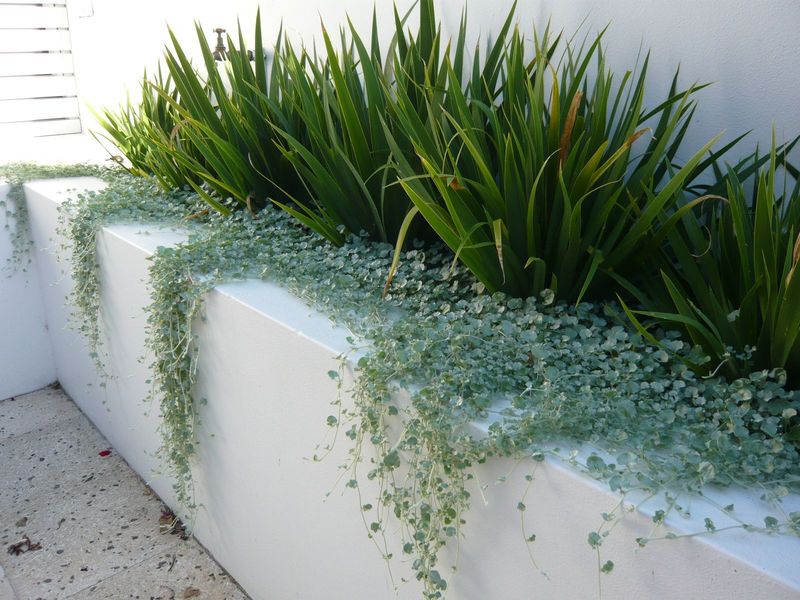
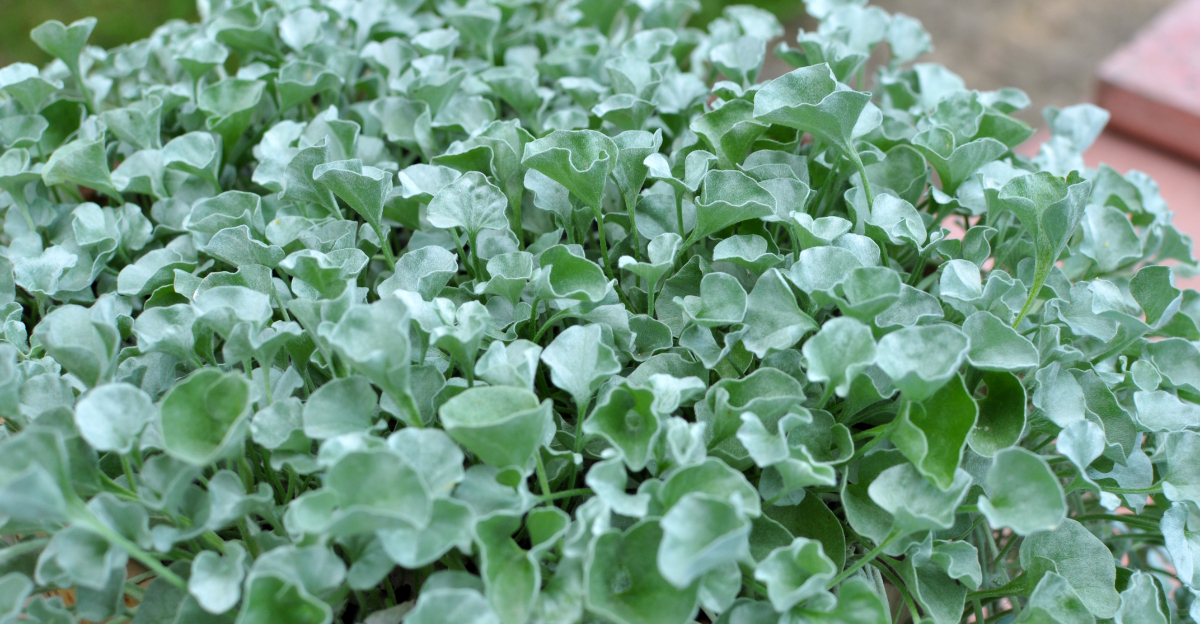
Against a bed of tan or gray gravel, Silver Ponyfoot looks genuinely striking. Its leaves carry a soft metallic sheen that catches light differently depending on the time of day.
Morning sun makes them glow pale silver, while afternoon shade turns them a cooler blue-green.
That contrast matters in desert landscaping. Most plants in dry climates lean toward muted greens or browns.
Silver Ponyfoot brings a brightness that stands out without looking out of place.
Gravel mulch also helps the plant in practical ways. It keeps soil temperatures more stable around the roots.
It slows moisture loss between watering sessions, which helps younger plants through hot stretches.
Pairing Silver Ponyfoot with dark volcanic rock creates an even sharper visual contrast. The silver leaves pop against the black surface in a way that feels intentional and polished.
It is a simple combination that works well in modern desert garden designs.
Mixing it with other low-water plants like trailing lantana or desert marigold adds color variety without overwhelming the space. Silver Ponyfoot acts almost like a neutral backdrop in those combinations.
It ties bolder colors together and keeps the planting from looking too busy or random.
4. Afternoon Shade Helps During Intense Heat
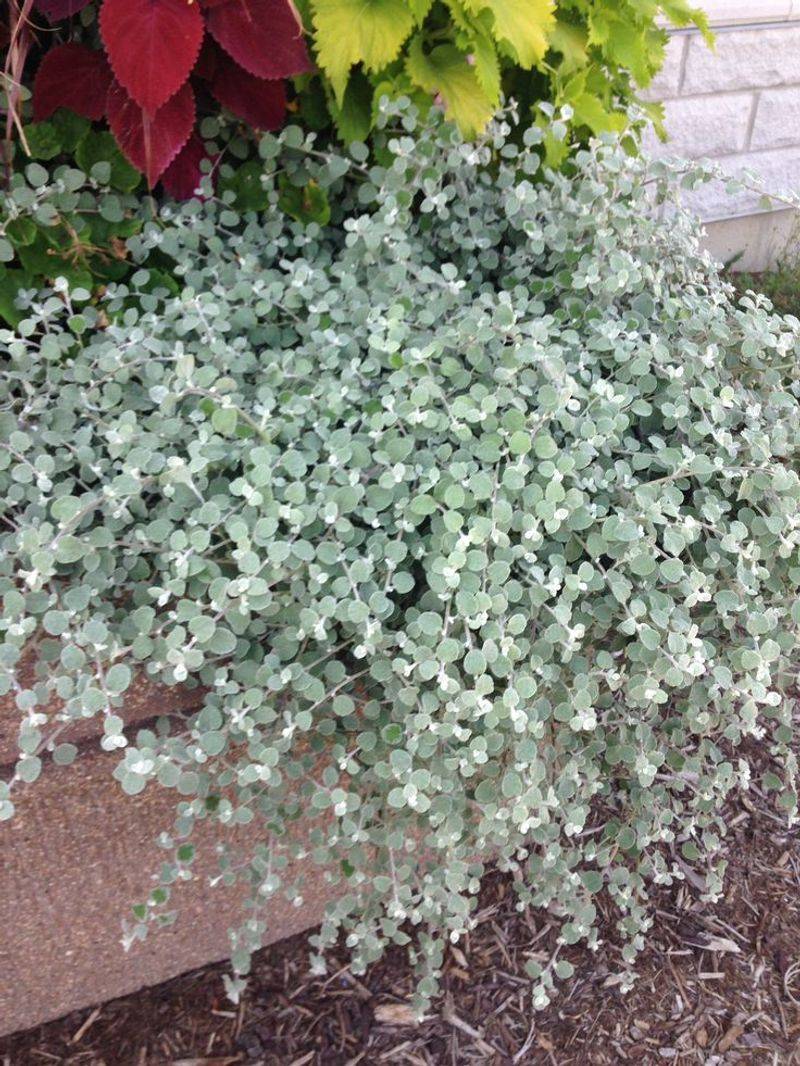
Full sun all day in a desert summer is brutal, even for heat-tolerant plants. Silver Ponyfoot handles sun well, but afternoon shade gives it a real advantage during the hottest months.
East-facing or north-facing side yards naturally provide that relief.
Leaf scorch can happen when plants sit in direct western exposure without any protection. Leaves may turn pale or papery at the edges during peak summer weeks.
Moving plants to spots with some afternoon shadow often prevents that kind of stress.
Block walls and fences create shade patterns that shift through the day. Planting Silver Ponyfoot on the shaded side of those structures gives roots a cooler microclimate.
Soil temperatures drop noticeably in shaded zones, which helps moisture stay available longer.
Shade from a nearby tree or large shrub works well too. Just make sure competing roots from larger plants do not crowd out the groundcover.
Shallow-rooted trees tend to be worse offenders in that regard.
Even partial afternoon shade, just two or three hours of relief, makes a visible difference in plant appearance through summer. Leaves stay fuller and greener in those conditions.
Plants in shadier spots also tend to need slightly less frequent watering than those in full western sun.
5. Good Drainage Keeps The Roots Healthy
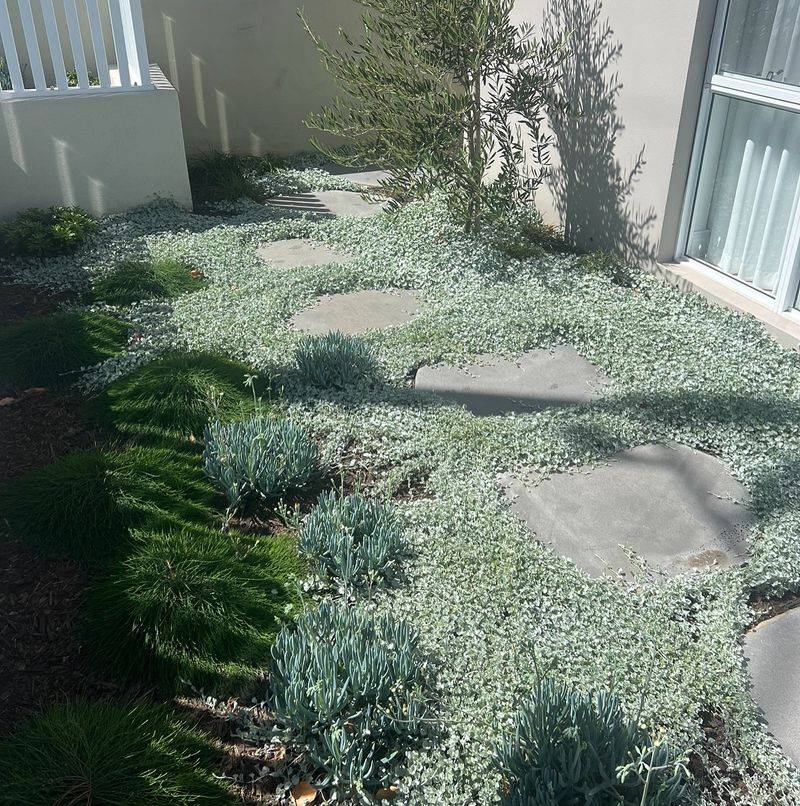
Wet roots are the fastest way to lose a Silver Ponyfoot planting. Standing water around the base of the plant, even briefly, can cause root rot.
Good drainage is not optional with this species; it is the foundation of keeping it alive.
Desert soils in the Southwest often drain naturally, which works in this plant’s favor. Clay-heavy soil is a different story.
It holds moisture too long and creates conditions that Silver Ponyfoot struggles to handle.
Amending clay soil with coarse sand or decomposed granite before planting improves drainage significantly. Raised planting areas also help water move away from roots faster.
Even a slight slope in the planting bed makes a practical difference after rain or irrigation.
Drip irrigation works better than overhead sprinklers for this plant. Wet foliage sitting overnight can encourage fungal issues in humid stretches.
Keeping water at root level and off the leaves reduces that risk.
Check the soil a few inches down before watering again. If it still feels moist, wait another day or two.
Overwatering in well-meaning attempts to help the plant is a more common problem than underwatering once roots are established. Let the soil dry out partially between sessions for best results.
6. Established Plants Handle Drier Conditions Well
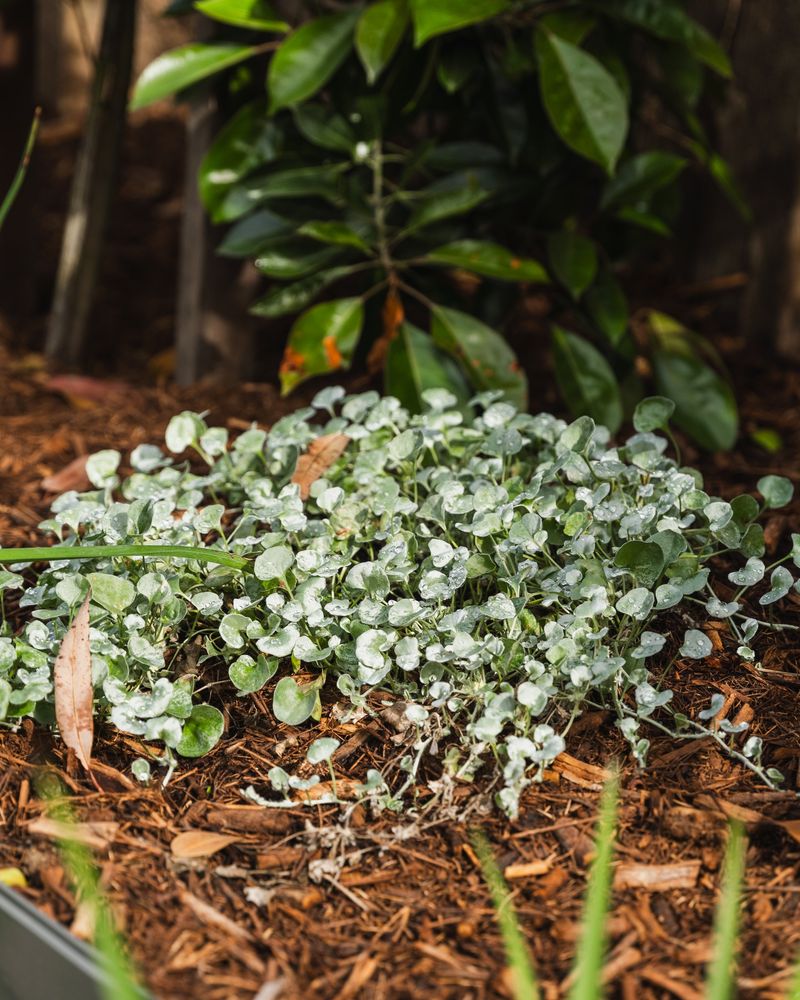
Once Silver Ponyfoot roots settle in, its water needs drop considerably. Established plants can go longer between irrigation cycles without showing signs of stress.
That shift usually happens within the first full growing season after planting.
During establishment, consistent moisture matters. Roots are still spreading and anchoring into the surrounding soil.
Letting the soil dry out too much during that phase can slow growth or set the plant back noticeably.
After that first season, reduce watering gradually. Watch the leaves for cues.
Slight wilting in the early morning, before temperatures climb, can signal that the plant needs water. Wilting that recovers by evening is usually not a serious concern.
Desert-adapted plants like Silver Ponyfoot store some moisture in their tissue. That built-in buffer helps them ride out short dry spells without much damage.
Extended drought without any irrigation is harder, especially during peak summer in Arizona.
Supplemental watering every seven to fourteen days during summer keeps established plants looking their best. Frequency can drop further in fall and winter when temperatures cool and growth slows.
Matching the watering schedule to the season rather than a fixed calendar gives the plant what it actually needs. Adjust based on rainfall and how the plant looks rather than sticking to a rigid routine.
7. Light Trimming Can Control Wandering Stems
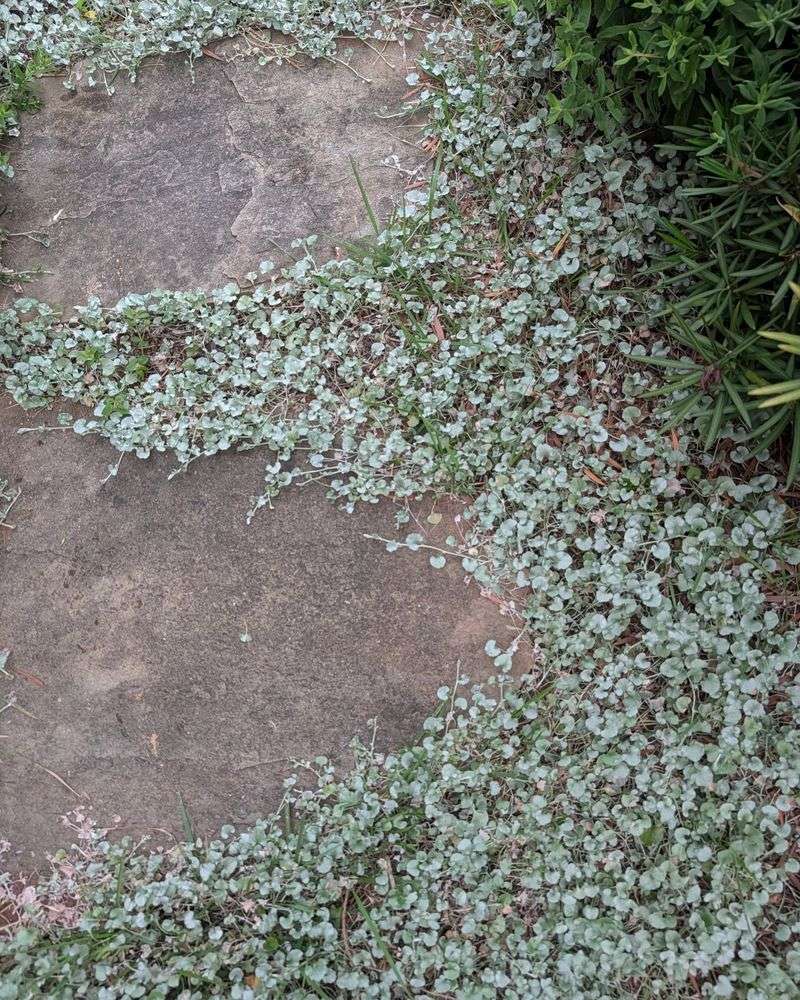
Silver Ponyfoot does not stay put without occasional guidance. Stems wander into pathways, creep under fences, and overlap neighboring plants if left unchecked.
A quick trim every few weeks keeps things looking intentional rather than overgrown.
Hand pruners or garden shears both work fine for this task. Stems are soft and easy to cut cleanly.
There is no need for heavy tools or special equipment to keep this plant in shape.
Trimming also encourages denser growth in the areas you want covered. Cutting back wandering tips redirects energy into the existing mat.
Plants fill in thicker and look more uniform after a few rounds of light shaping.
The best time to trim is in the morning before temperatures climb. Heat stress on freshly cut stems can slow recovery slightly.
Cooler morning conditions give cuts time to seal before the hottest part of the day arrives.
Clippings break down quickly in compost. They are soft and thin, so they do not need chopping before adding to a pile.
Some gardeners scatter trimmings directly onto bare soil nearby as a light mulch, though results vary depending on conditions.
Seasonal shaping in early spring, before new growth pushes hard, resets the plant’s boundaries and keeps side yards looking clean and cared for through the warmer months ahead.