Why Green Tomatoes Go Soft Instead Of Ripening Indoors In Michigan
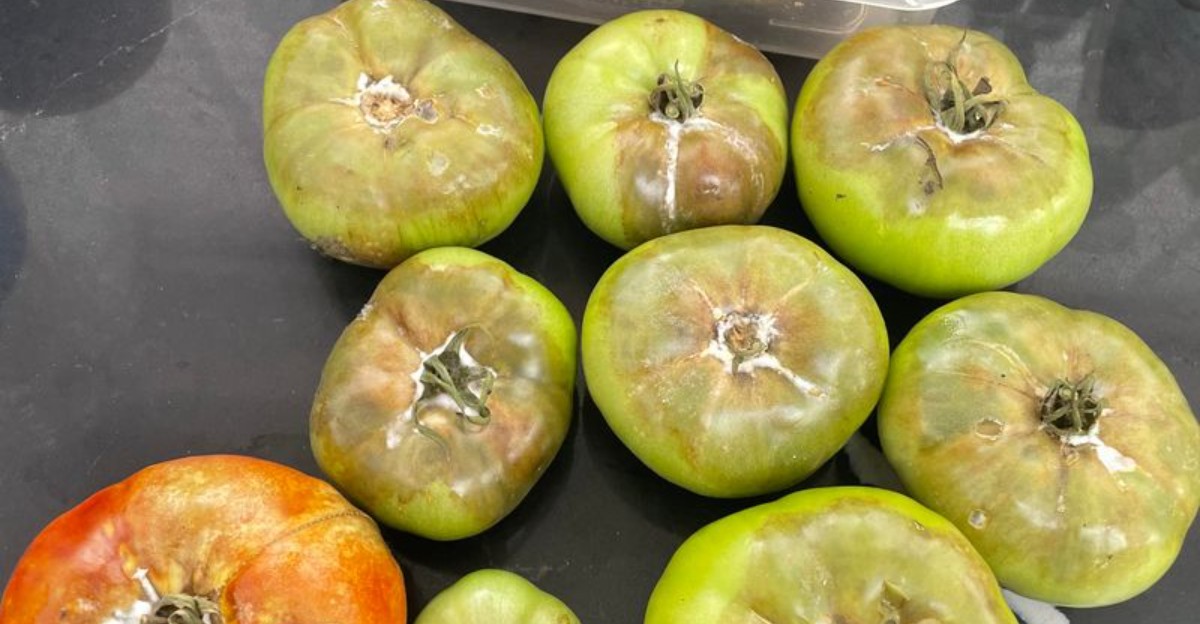
Pulling green tomatoes before a frost feels like a smart rescue. Then a few days later, some of them turn soft and mushy instead of red. It is frustrating, but it usually has a clear cause.
Not every green tomato is ready to ripen off the vine. Some are simply picked too young. Others get damaged during picking or stored in the wrong spot.
Too much warmth, too much moisture, or crowding can all spoil fruit quickly. Michigan gardeners often harvest in a hurry when frost is coming, so mistakes are easy to make.
A few simple checks at harvest time tell you which tomatoes will ripen and which won’t. Storing them the right way improves your odds a lot.
1. They Were Picked Too Immature
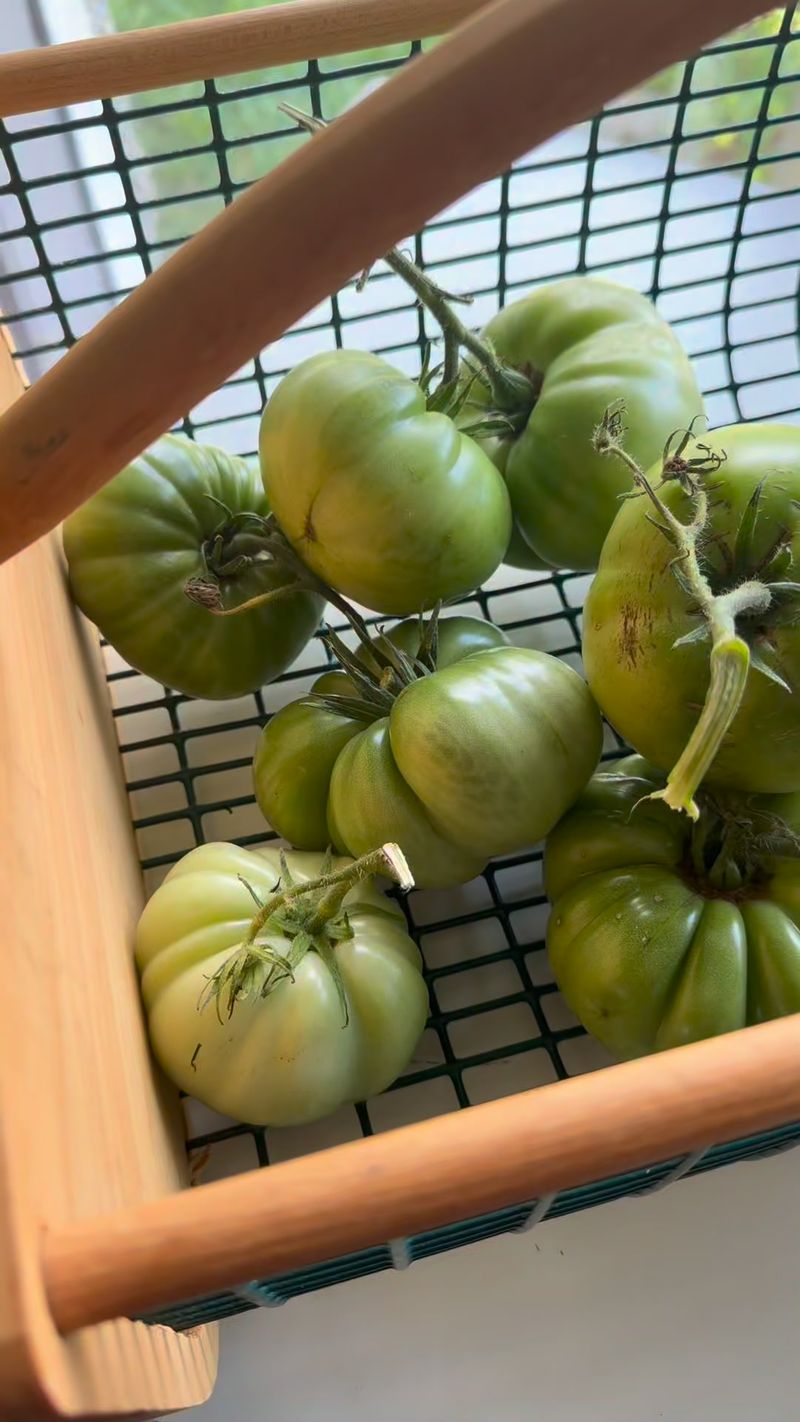
Not every green tomato is ready for a trip indoors. A tomato needs to reach a stage called mature green before it can finish ripening off the vine, and that stage is easy to miss when frost is on the way.
Mature green tomatoes have grown to full size for their variety. Their skin looks glossy, and the color often shifts from deep green to a lighter, almost whitish green. Inside, the seeds sit in a jelly-like gel instead of firm, solid flesh.
That gel is a sign the fruit has built up what it needs to keep ripening on its own.
Small, hard tomatoes are a different story. They simply have not developed enough to change color and sweeten. Bring them inside, and they usually soften, shrivel, or spoil while staying stubbornly green.
A simple test can save you a lot of guesswork. Pick the biggest, shiniest green tomatoes first, then slice one open from that group. If you see gel around the seeds and a slightly lighter interior, the rest of that batch is a good bet for indoor ripening.
Those tiny, rock-hard fruits still have a purpose, so do not toss them. Use them for fried green tomatoes, tangy relish, chow chow, or crunchy pickles, where their firm texture and sharp flavor really shine.
Michigan gardeners face this choice almost every year. Frost often shows up while plants are still loaded with fruit at every size, from marbles to softballs.
Sorting your harvest by maturity right away means the ripening pile gets your best shot, and the rest goes straight to the kitchen.
2. Cold Damaged Them Before Picking
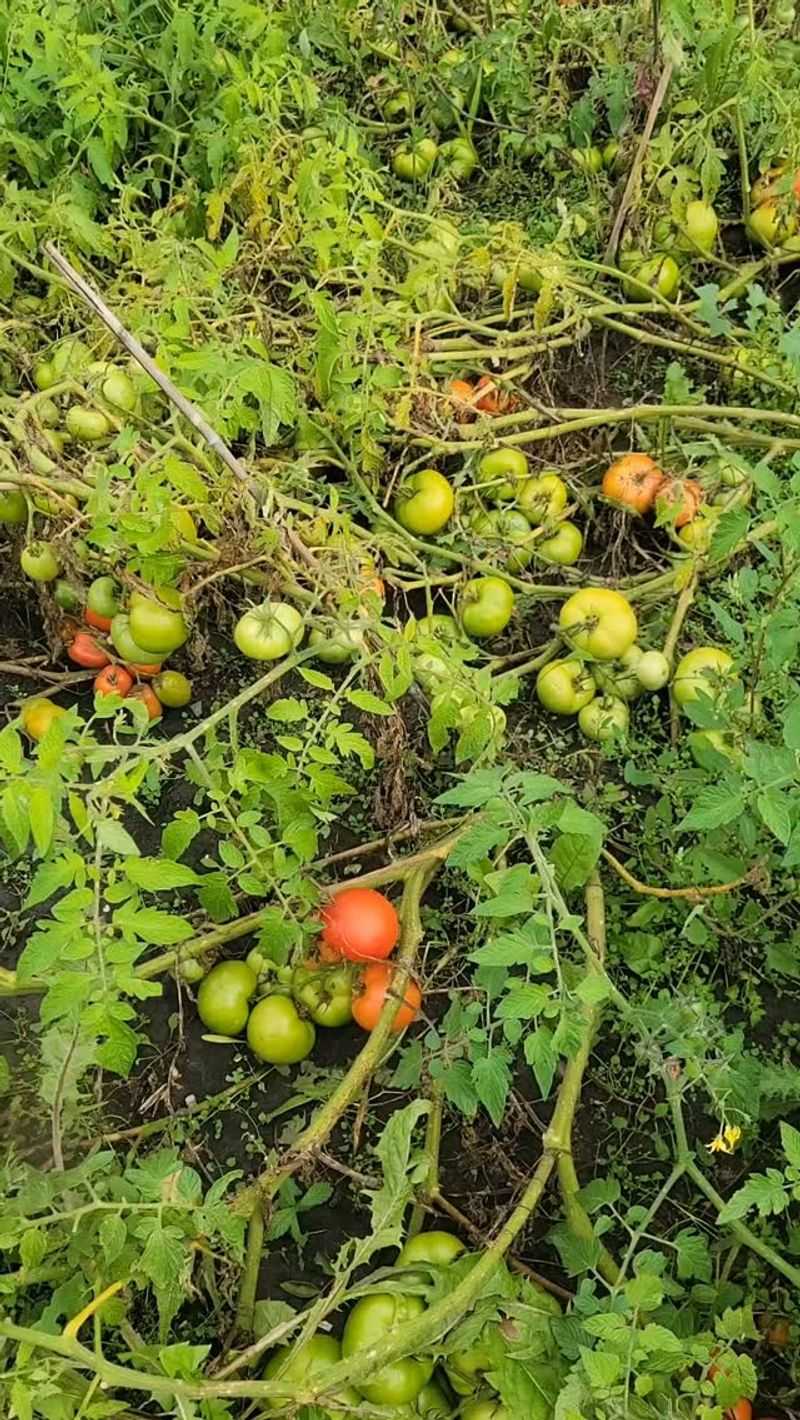
Trouble can start long before your tomatoes reach the kitchen counter. Those crisp fall nights that feel so refreshing to us can quietly harm fruit still hanging on the vine.
Tomatoes come from warm climates, and they do not handle chill well. When temperatures stay below about 50°F for long stretches, the fruit can suffer something called chilling injury.
You might not see it right away, but the damage shows up later as watery, soft patches and fruit that ripens unevenly or not at all.
Frost is even harsher. Ice crystals form inside the fruit and break apart its cells, which leads to mushy spots once the tomato warms up. A frost-touched tomato may look fine in the morning and feel squishy by the weekend.
Your Michigan Garden Changes Every Week. Your Plan Should Too.
Gardening in Michigan changes quickly throughout the season. Every Friday you’ll receive a simple weekly plan showing exactly what to plant, prune, fertilize, harvest, and protect so you never miss the right timing.
Timing your harvest is the best defense. Watch the forecast and bring in mature green tomatoes before nights start sitting in the 40s regularly, or at the very latest before the first frost.
If you want to give fruit a few more days on the vine, cover plants on cold nights with old sheets, blankets, or frost cloth. Pull the covers off in the morning so the plants can soak up sunshine.
When some fruit does get nipped, sort it out and use it first. Cook it, fry it, or turn it into salsa verde rather than counting on it to ripen.
Michigan weather keeps gardeners on their toes. Cool nights can arrive in early September, especially in the northern Lower Peninsula and the Upper Peninsula, so keeping a close eye on the thermometer really pays off.
3. They Were Stored Too Cold
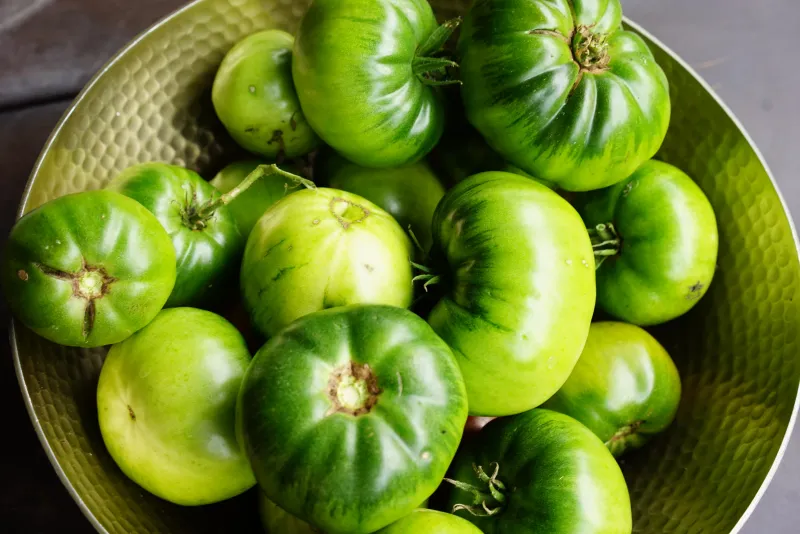
Plenty of gardeners tuck their tomatoes somewhere cool and forget about them, thinking cool storage keeps things fresh. For green tomatoes, that habit backfires.
Ripening is an active process. The fruit has to produce ethylene, break down starches into sugars, and build red color, and all of that slows way down in the cold. Once temperatures drop below about 50°F, the tomato starts losing its ability to ripen at all.
Instead of turning red and juicy, it often goes soft, watery, and bland. The refrigerator is the worst offender.
Even a few days in the fridge can leave a green tomato unable to recover. A cold basement floor or an unheated garage can cause the same problem, just a little more slowly.
So where should they go? Aim for a spot that stays around 60 to 70°F. A spare bedroom, a closet, or a shelf in a heated mudroom often works well.
At those temperatures, most mature green tomatoes ripen in one to three weeks, with warmer spots on the faster end.
Small details matter too. Keep boxes up off cold concrete, and move them away from drafty windows or exterior doors that let in chilly air. Never put tomatoes that still need to ripen in the refrigerator.
Once they turn fully red, you can eat them right away for the best flavor.
Here in Michigan, this mistake is very common. Garages and basements feel like natural storage areas, but by October they can easily slip into the 40s, which is far too cold for ripening.
4. Warm Spots Sped Up Rot
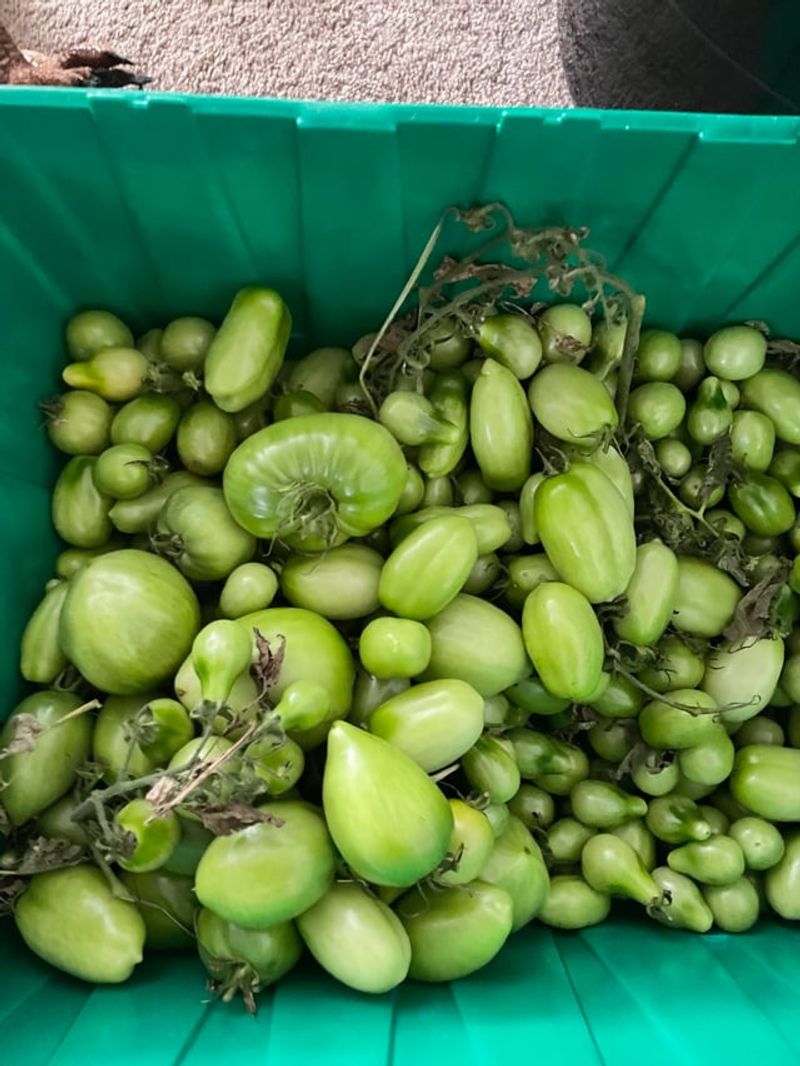
Too much of a good thing can turn into a problem fast. If cold storage stalls ripening, it seems logical that extra heat would speed it up, and it does, but it also speeds up rot.
Warmth makes everything inside a tomato move faster. Ripening chemistry kicks into high gear, but so do the molds and bacteria that cause decay. In very warm spots, the softening often outruns the color change.
You end up with fruit that feels mushy and smells off while it still looks pale orange or blotchy.
Flavor suffers too. Tomatoes ripened in high heat can taste flat, and some never develop that deep, even red color you are hoping for.
Watch out for sneaky hot spots around the house. The top of the refrigerator gets warm from the motor below. Sunny windowsills can bake fruit in the afternoon. Areas near radiators, wood stoves, and heat vents may swing from warm to hot all day long.
Steady and moderate is the goal. Pick a place that stays around 60 to 70°F without big temperature jumps. Keep tomatoes out of direct sun, since light is not needed for ripening anyway.
A shaded shelf or a box in a room away from heating sources usually gives the best results, with good color and better taste.
Michigan homes change a lot in fall. Furnaces often start running in October, and those blasts of warm air can turn a once-perfect corner into a hot zone. Check your storage spot after the heat comes on, and move your tomatoes if it feels noticeably warmer.
5. Bruises And Cracks Let Rot In
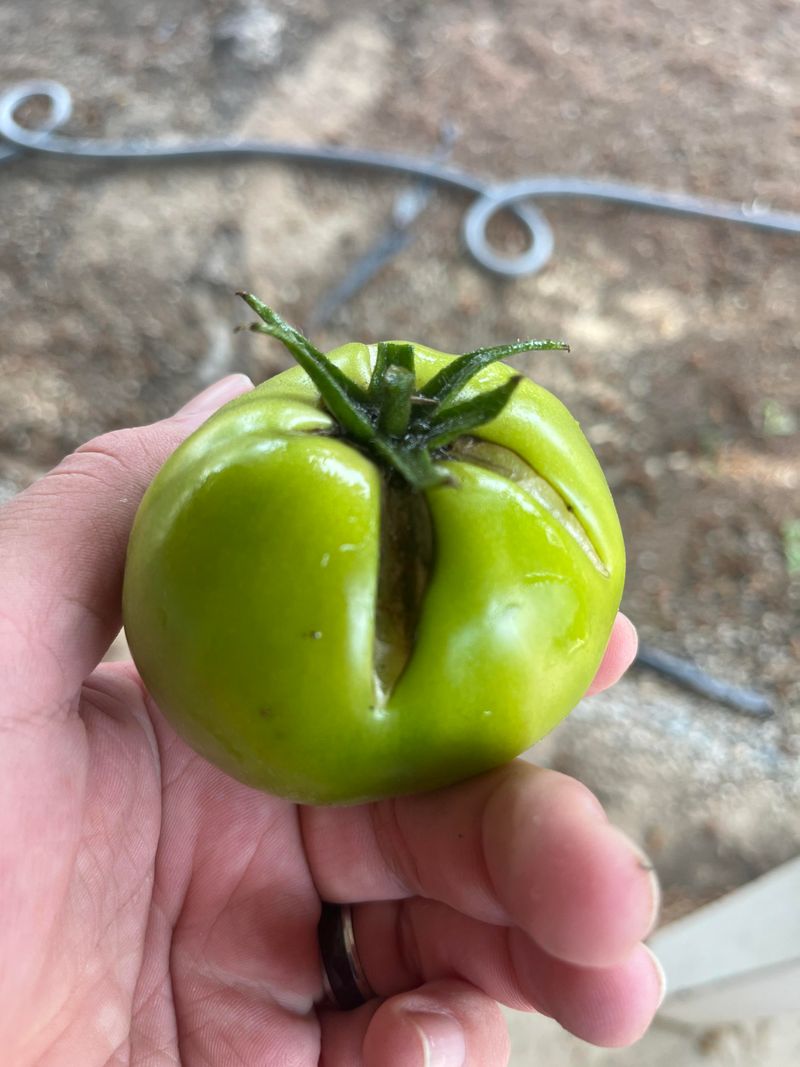
One small crack can ruin a perfectly good tomato. Skin acts like a raincoat for the fruit, keeping germs out and moisture in, and any break in that coat invites trouble.
Bruises, splits, and scrapes give mold and bacteria an easy doorway. Damaged tissue also breaks down on its own, so a bruised spot often turns soft and dark within days. While a healthy tomato slowly ripens, an injured one usually starts to decay first.
Gentle handling makes a huge difference. Instead of tugging tomatoes off the plant, cut them with clean scissors or pruning snips, leaving a short piece of stem attached.
Pulling can tear the skin near the top, which is one of the most common places for rot to begin.
Treat your harvest a bit like a carton of eggs. Lay tomatoes in a basket or bucket rather than tossing them in, and avoid stacking heavy fruit on top of smaller ones. Even a short drop onto a hard surface can bruise the inside without showing much on the outside.
Before storing, sort carefully. Any tomato with cracks, bruises, or broken skin belongs in the use-it-now pile, perfect for frying, chutney, or green tomato salsa. Wipe off dirt with a dry cloth instead of washing, since leftover water can encourage mold.
Michigan gardens see this issue often in fall. Heavy rains after a dry spell make tomatoes swell quickly, and the skin cannot stretch fast enough, so the fruit splits. Checking plants after a big rain and harvesting promptly helps you catch cracked fruit early.
6. Crowding And Moisture Caused Mold
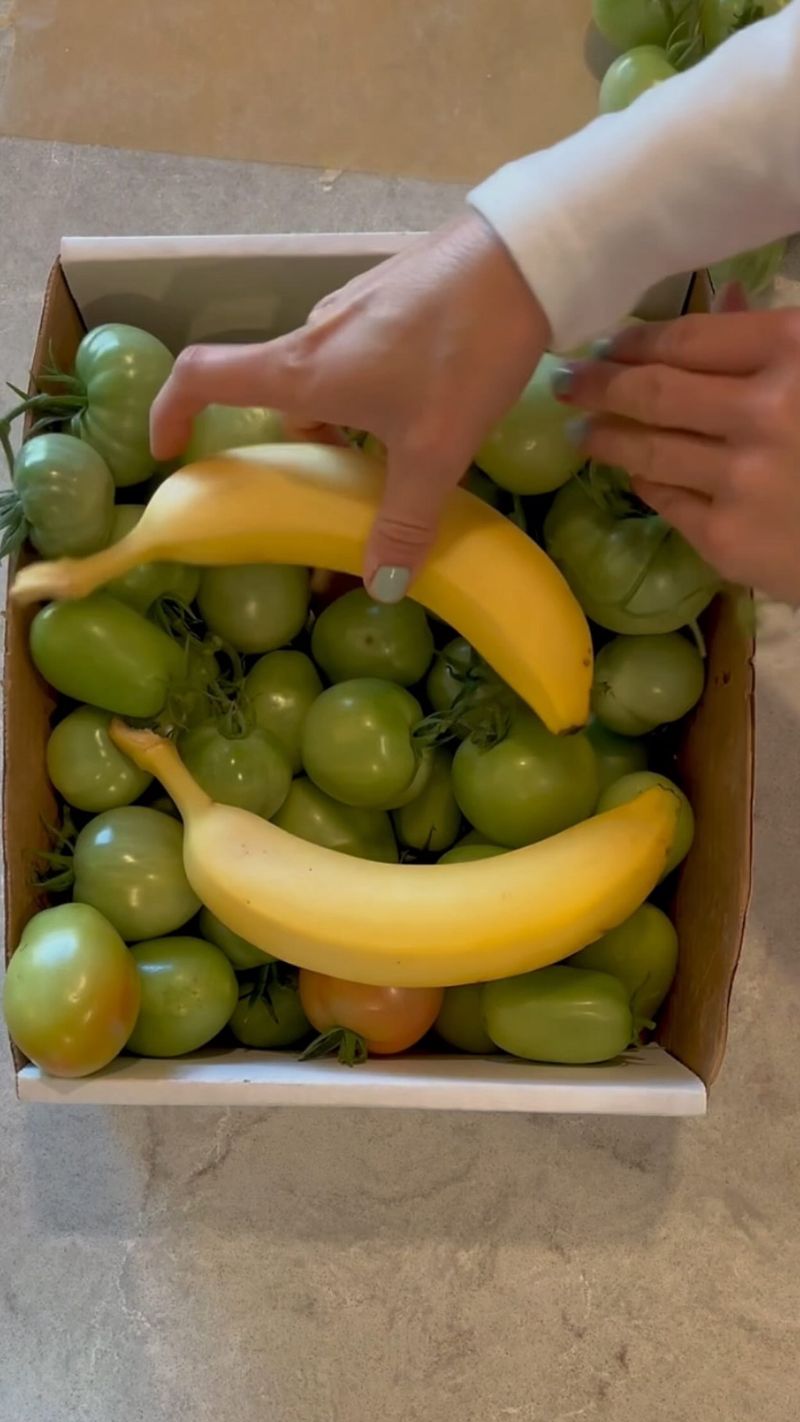
Ever dumped a whole bucket of tomatoes into one big box and walked away? A week later, you might open it to find fuzzy mold and a sour smell.
Crowding traps moisture and warmth between the fruits. Tomatoes give off water as they sit, and when they are piled up or sealed in plastic, that moisture has nowhere to go. Damp, still air is exactly what mold loves.
Worse still, one rotting tomato leaks juice and spores onto its neighbors, spreading decay through the pile surprisingly fast.
Spreading things out is the fix. Lay tomatoes in a single layer on trays, shelves, or shallow boxes lined with newspaper. Try to keep them from touching so air can move around each one.
Skip plastic bags and sealed containers completely. If you want to speed ripening a bit, a paper bag with a ripe banana or apple works better, since paper still lets moisture escape.
Regular check-ins keep problems small. Every day or two, take a quick look and gently feel your tomatoes. Pull out any that are softening, leaking, or showing spots, and move ripe ones to the kitchen.
Many gardeners also sort by color, keeping the closest-to-ripe fruit in one tray so it is easy to grab.
Michigan gardeners often face a giant harvest all at once. When a frost warning pops up, it is common to strip every plant in one evening and end up with bushels of green fruit.
Setting up trays ahead of time makes storage easier and saves far more of that hard-earned crop.
7. Diseases Came In From The Garden
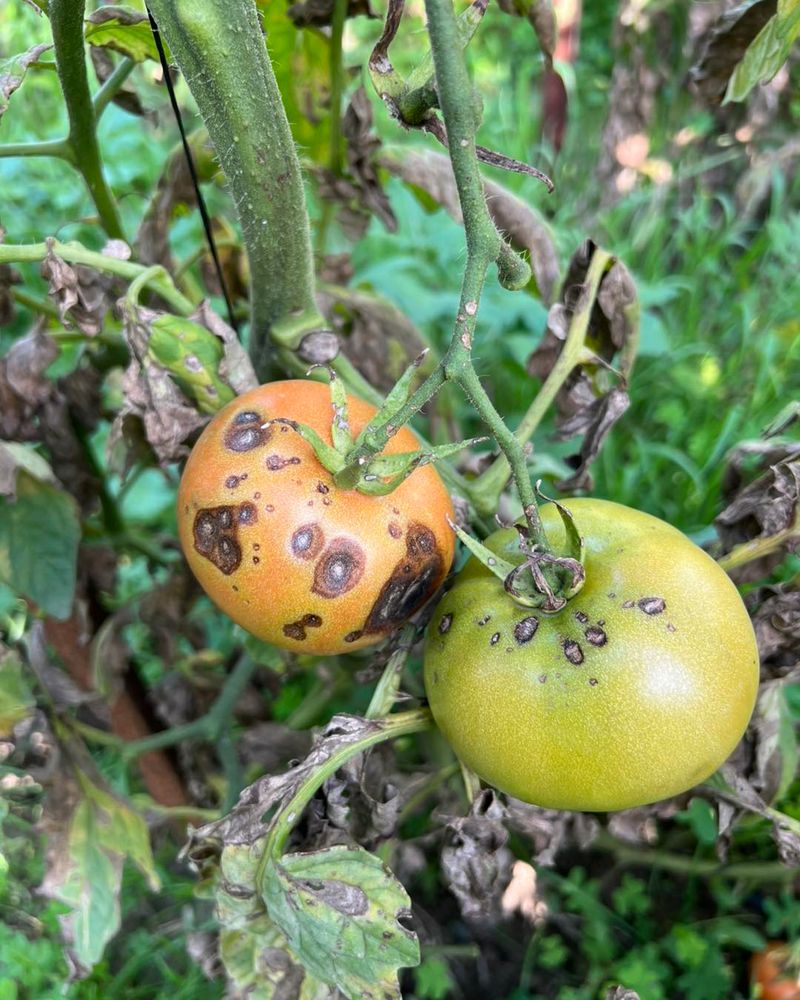
Sometimes a tomato carries a hidden passenger. It looks clean and firm when you pick it, then a week later, strange spots start to appear.
Certain tomato diseases infect fruit in the garden long before you can see any signs. Late blight and anthracnose are two common examples. Late blight can cause firm, greasy-looking brown patches on green fruit that spread and soften over time.
Anthracnose shows up as small, sunken, round spots that grow and darken, usually as the fruit starts to ripen. Both keep developing in storage, turning good-looking tomatoes into mushy ones.
Careful inspection at harvest is your first line of defense. Look over each tomato closely and set aside any with odd spots, rings, or discolored patches. Pay attention to the plants as well.
If you notice dark, greasy-looking spots on leaves and stems, or white fuzzy growth on the undersides of leaves in damp weather, late blight may be present, and fruit from those plants is risky to store.
Keep watching once tomatoes are indoors. Remove any fruit that develops soft, sunken, or dark spots right away so problems do not spread to the rest of the batch. Bag up diseased plants and put them in the trash rather than the compost pile.
Michigan weather can make disease pressure worse. Late summer and fall often bring cool nights, heavy dew, and rainy stretches, which are perfect conditions for late blight to spread.
Giving plants good spacing, watering at the base, and mulching to reduce soil splash can help keep your next harvest healthier from the start.