The Invisible Poison Hurricane Isaias Left Behind In Alabama Gardens
You watered the roses after Isaias, yet some leaves may soon brown at the edges. Hurricane winds can carry salt spray miles inland, and you cannot see it.
Salty soil slows moisture uptake, so you water more while roots absorb less. Leaf margins can crisp days after a storm, so you may blame heat.
Extra fertilizer worsens it, because you add more salt to salty ground. Wrong guesses can delay your plants’ recovery.
In Alabama, you may spot similar scorch on tomatoes, peppers, and azaleas soon. Test your soil’s electrical conductivity before you reach for another bag of feed.
Flush beds with slow, deep irrigation unless rain already pushed salts below your roots. Gypsum can displace sodium in sodic Alabama clay, so check levels first.
Mulch lightly afterward, and you may see recovery begin, though some damage waits until spring.
Storm Surge Salt Hiding In The Soil
During a hurricane, ocean water and spray can travel well beyond the beach. Isaias may have carried salty spray inland, so check local reports for surge or spray in your area.
Once the water drains away, salt can stay behind in the soil. Rain can rinse much of it from sandy ground, while heavy clay may hold it longer.
Plants drink through their roots, pulling water from the ground like a straw. Salt makes that water harder to grab, so roots struggle even in damp soil.
Scientists call this physiological drought, which is a fancy way of saying thirsty in a puddle. Your plants can sit in wet dirt and still act parched.
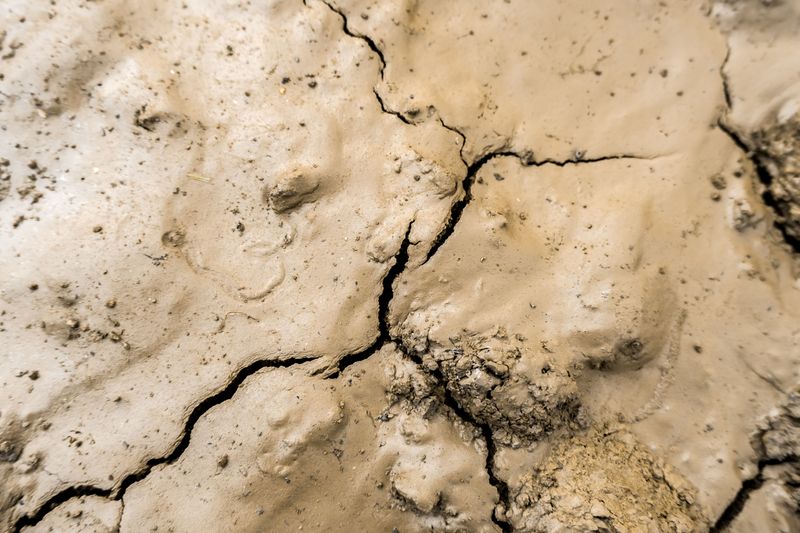
Sodium can also break apart the crumbly structure that healthy soil needs. The ground can turn tight and crusty, so air and water move slowly.
Spray from the wind adds another layer of trouble on top. Salt crystals land on leaves and pull moisture right out of the soft green tissue.
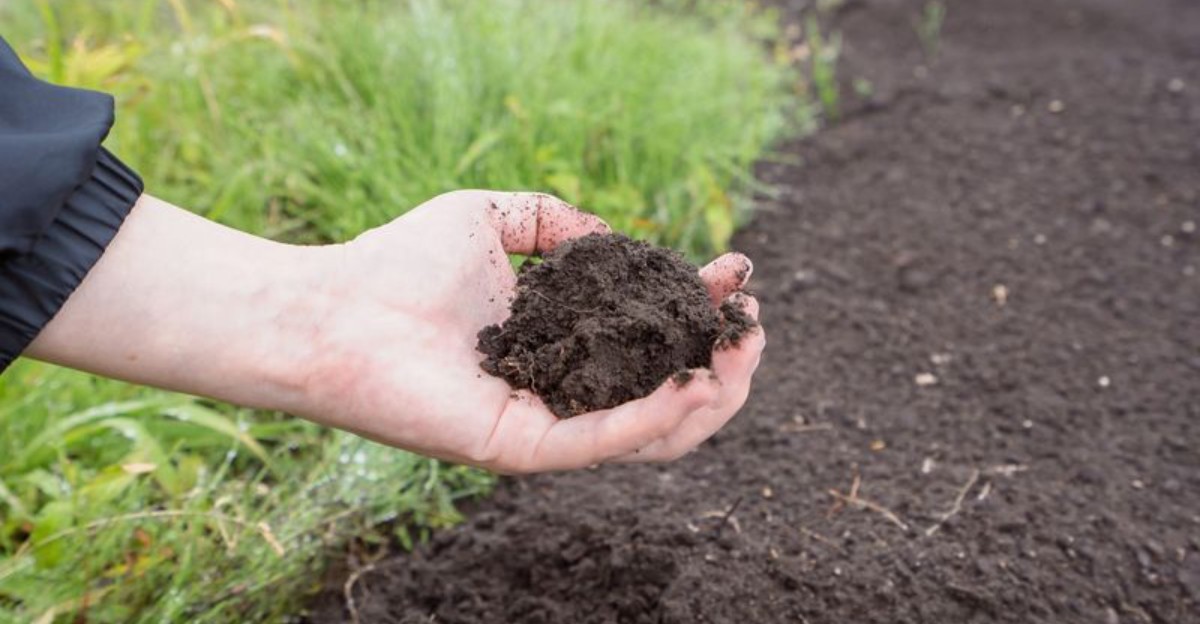
You cannot see the problem, so confirm it with a soil test. The Alabama Cooperative Extension System can point you toward testing options.
Ask for a soluble salts or electrical conductivity reading if the lab offers it. That number tells you how much salt is hiding quietly below the surface.
Gardens closest to bays, bayous, and the Gulf can carry the heaviest load. Even yards several miles inland can hold surprising amounts after strong onshore winds.
The Slow Burn Of October Leaf Scorch
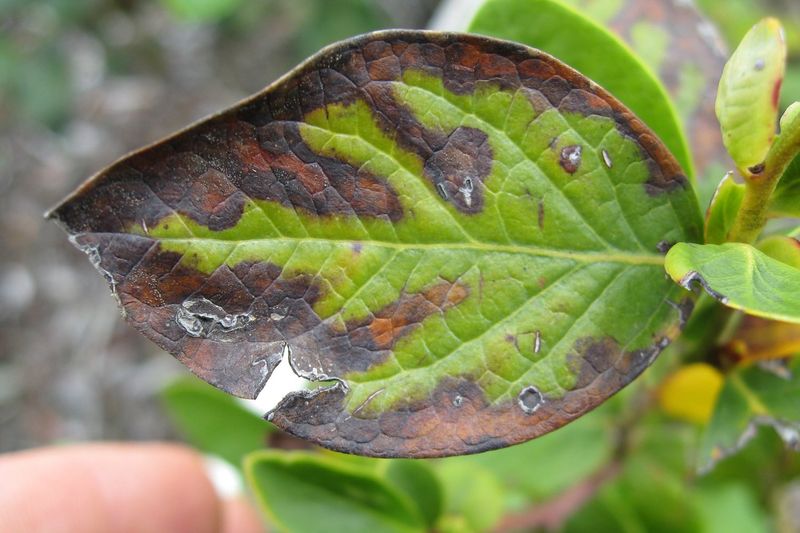
Salt damage often shows up with a delay of days or weeks. Alabama gardeners may feel relieved at first, only to see trouble appear later.
Plants may look fine for days to weeks after the storm passes. Then salt builds up slowly inside the leaves, and the outer edges begin to brown.
Leaf scorch usually starts at the tips and margins, where water travels last on its journey. Those spots turn tan or crispy, almost like paper left near a campfire.
Evergreens like azaleas, camellias, and boxwoods may hold on, then shed leaves suddenly. Pines can show rusty brown needles on the side facing the water.
Your Alabama Garden Changes Every Week. Your Plan Should Too.
Gardening in Alabama changes quickly throughout the season. Every Friday you’ll receive a simple weekly plan showing exactly what to plant, prune, fertilize, harvest, and protect so you never miss the right timing.
Cool fall weather slows growth, which can hide or delay the symptoms even more. Some damage may not fully appear until new buds try to open in spring.
October is a smart month to walk your yard with a notebook. Write down which plants look scorched and which side of the house they face.
Patterns help you tell salt damage apart from drought or disease. Salt injury often shows up on many plant types at once, in the very same area.
Lawns can show damage too, with thin yellow patches near driveways and low spots. Water pooled longest in those places, so they may soak up extra salt.
Take photos now so you can compare them again in a few months. Seeing slow progress, good or bad, makes your next decisions much easier.
The Fertilizer Mistake That Makes Things Worse
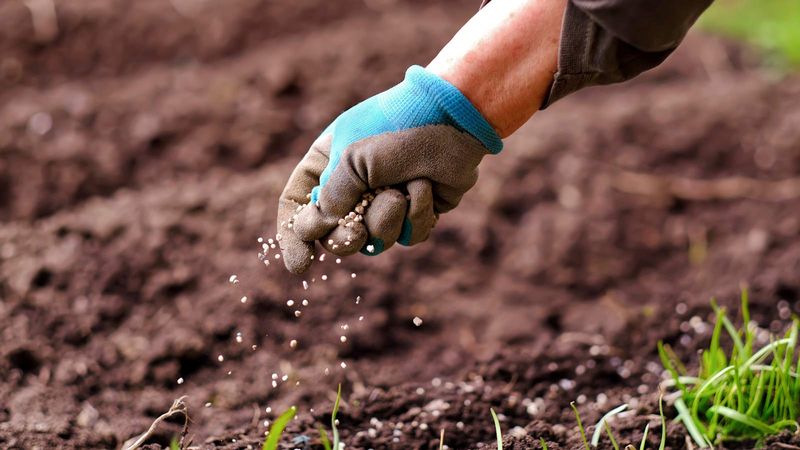
Plenty of Alabama gardeners share the same confession after a storm. They see stressed plants and apply fertilizer, hoping for a quick boost.
Unfortunately, that kind of help can backfire in salty soil. Most fertilizers are salts themselves, so adding more piles extra stress onto weak roots.
Imagine eating a bag of salty chips when you are already thirsty. Feeding a salt-stressed plant works in a similar way.
Quick-release products carry the highest risk because they dissolve fast. Their sudden rush of minerals can scorch tender roots that are already struggling.
Another common slip is watering lightly every evening. Short sprinkles wet only the top inch, pulling salt upward instead of pushing it down.
Some folks across Alabama also rush to plant new shrubs right away in October. Fresh transplants have small roots, and salty ground can stunt them before winter.
Pruning heavily is tempting too, especially when branches look brown and scraggly. Wait until spring, since some stems that look dormant may still push out buds.
Leftover lawn weed-and-feed products should wait for now as well. Their mix of salts and chemicals can stress grass that is already under strain.
Patience feels boring, but it beats making a bad situation worse. Hold off on fertilizer until a soil test shows salt levels have dropped.
When you do feed again, choose a slow-release product with a low salt index. Your Alabama plants will thank you with steadier, healthier growth next year.
Fresh Water Flushing And Gypsum Treatments
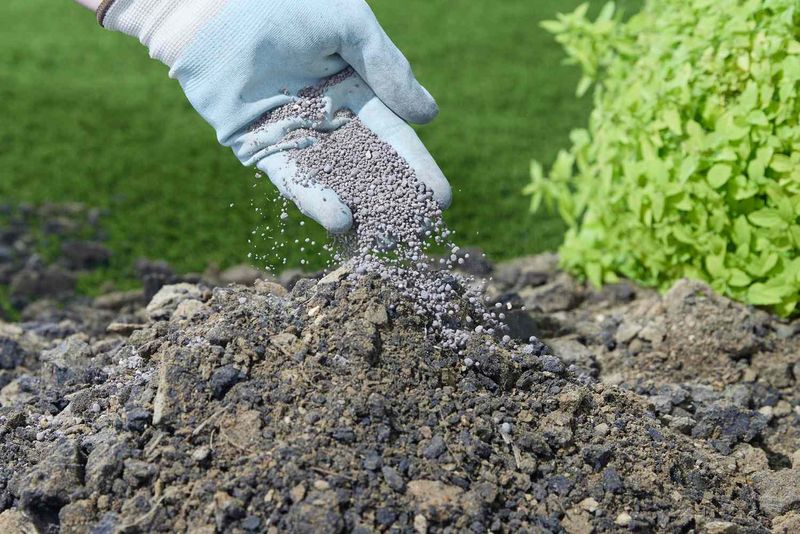
Good old rain is the cheapest helper you have right now. Steady, soaking showers slowly push the salt down below the hungry root zone.
If rain stays limited, your garden hose can step in. Water deeply and slowly, and adjust the amount to your soil type and drainage.
A soaker hose or drip line works better than a sprinkler. Slow trickles sink in instead of running off into the street or gutter.
Repeat deep watering a few times over several weeks this fall. Each session carries a little more salt away from tender roots.
Heavy clay soil drains so slowly that leaching can take much longer. If a soil test shows high sodium, gypsum, a natural mineral, may help.
Gypsum contains calcium, which swaps places with sodium stuck to soil particles. Once loosened, the sodium washes away more easily with water.
Gypsum rates depend on your soil test results, so follow local extension recommendations first. Spread it evenly and water it in well once your results justify it.
Avoid lime unless your soil test calls for it, since it changes pH. Gypsum improves structure without making the soil more alkaline.
Mulch, like pine straw or shredded bark, helps finish the job by slowing evaporation. Less evaporation means less salt creeping back up toward the roots.
Retest the soil in late winter to see real progress. A dropping number shows your stressed garden is steadily recovering.
A Brighter Spring Garden After The Salt Washes Away
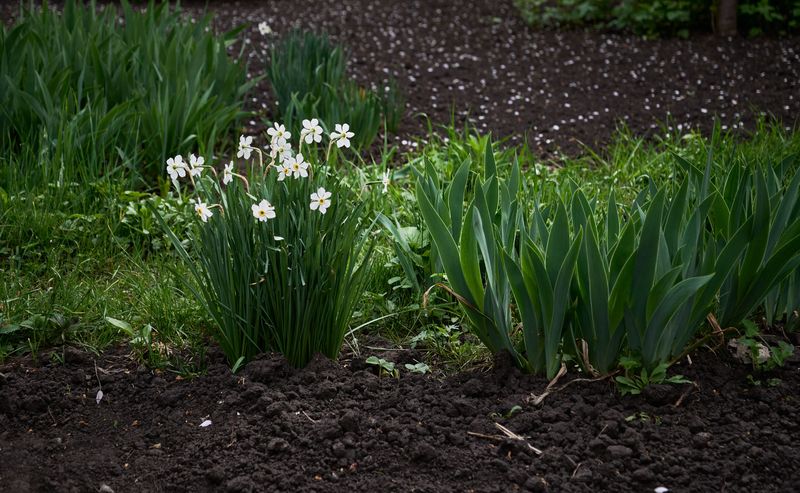
Picture early April, with fresh green shoots poking through the mulch. That scene is realistic for many gardens that get flushed and treated this fall.
Many perennials and shrubs recover well once salt levels drop. Roots often survive even when the leaves above look like crumpled brown paper.
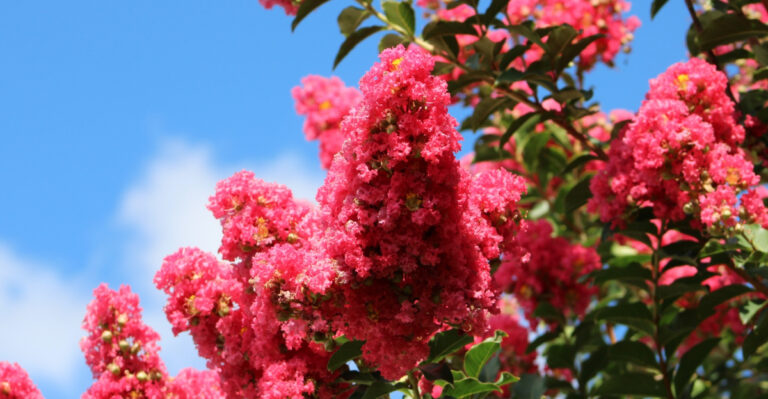
Crape myrtles, daylilies, and lantana tend to be tough customers in Alabama yards. Hydrangeas and dogwoods may take longer, sometimes a full season, to recover.
Not every plant will make the comeback, and that is okay. If a few shrubs need replacing, you gain space for sturdier choices.
A simple scratch test tells you a lot before you start digging. Gently scrape a twig with your thumbnail, and green underneath means it still lives.
Many vegetable gardens rebound once the salt level drops. Leafy greens and beans are sensitive, so plant them only after a good retest.
Soil life also returns as conditions improve over the winter. Earthworms and helpful microbes move back in, fluffing up the ground naturally.
Gardeners along the Gulf Coast have seen this cycle after many storms. Recovery often takes patience, and results vary by plant and soil.
Keep your notes and photos handy as spring arrives. Comparing them shows exactly which areas healed and which ones still need attention.
Celebrate small wins, like the first bloom on a scorched rose bush. Those little moments make all the hard work this fall feel worth it.
Salt Tolerant Plants And Raised Beds For Next Season
Hurricane season still runs through Nov. 30, then returns next June, whether we like it or not. Planning ahead now can help your garden handle the next salty surprise.
Choosing salt tolerant plants is a strong first step. Yaupon holly, wax myrtle, muhly grass, and Indian hawthorn handle salt spray surprisingly well.
Coastal natives like sea oats and saw palmetto grew up with salty breezes. They need less water and fuss once their roots settle in.
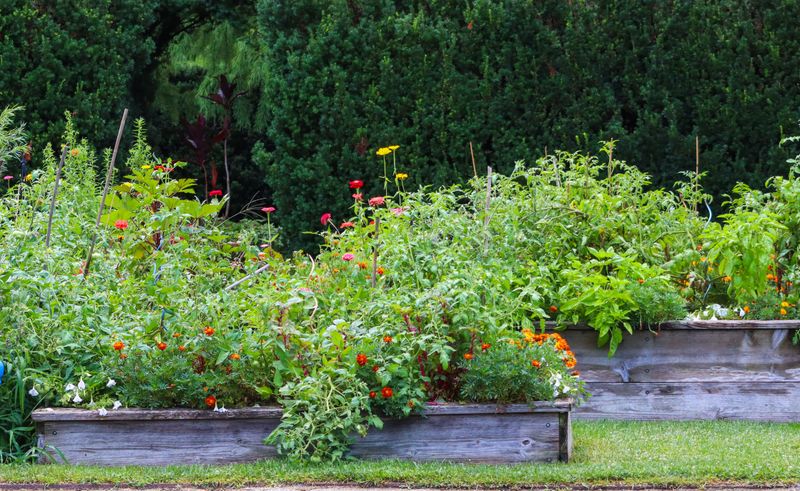
Raised beds lift your vegetables and flowers above low, flood-prone ground. They improve drainage and make salt easier to manage, but they cannot stop storm surge.
Fill those beds with quality soil mixed with plenty of compost. Organic matter improves soil structure, which helps water drain and carry salt away.
A row of tough shrubs can serve as a living windbreak. Place it on the side facing the water to catch spray before it hits tender plants.
Before the next storm, water your garden deeply while the forecast allows. Moist soil may absorb less salty water than dry ground, though the effect is likely modest.
After any storm, rinse leaves with fresh water within a day or two. Quick action washes away salt crystals before they soak into the plants.
Keep a soaker hose and a basic salt meter ready in your shed. Being prepared makes storm cleanup more manageable, even on a busy weekend.
Talk with neighbors about which plants made it through Isaias in their yards. Local experience often beats any plant tag at the garden center.