The Amish August Garden Hack Every Minnesota Homeowner Should Know
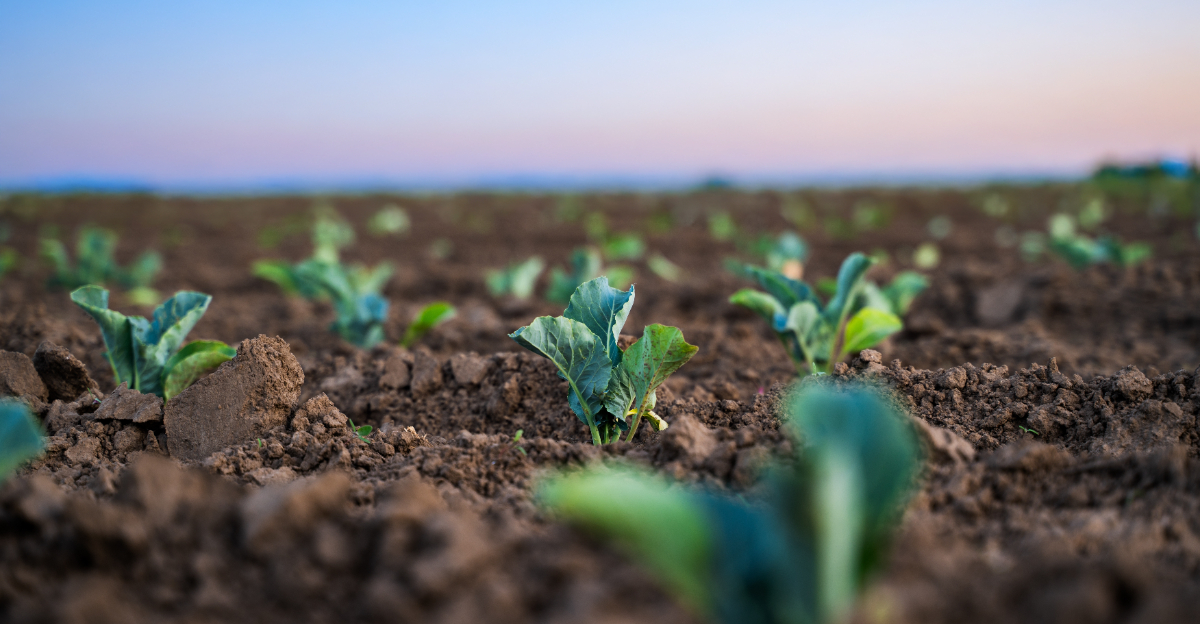
Frost does not trouble every gardener equally. You already have more growing time left than you think.
Minnesota summers fade quickly, yet your soil stays warm. Amish growers treat August like a fresh start.
They replant while everyone else packs away tools. Cooler nights favor certain crops over others. Roots strengthen while leaves slow their growth. Timing matters more than luck ever will.
Seeds planted now can outgrow spring plantings. Soil across Minnesota holds warmth longer than expected.
Patience matters less here than strategy does. Old techniques often surpass modern shortcuts nobody questions.
Nothing about this method relies on guesswork. Momentum builds beneath the surface every day.
Every choice you make now compounds quickly. Small windows like this rarely stay open long.
Waiting around matters more than most people realize. Results depend entirely on what you do next. Once you understand what comes next, you will not want to stop.
A Garden Trick Amish Growers Rely On Every August
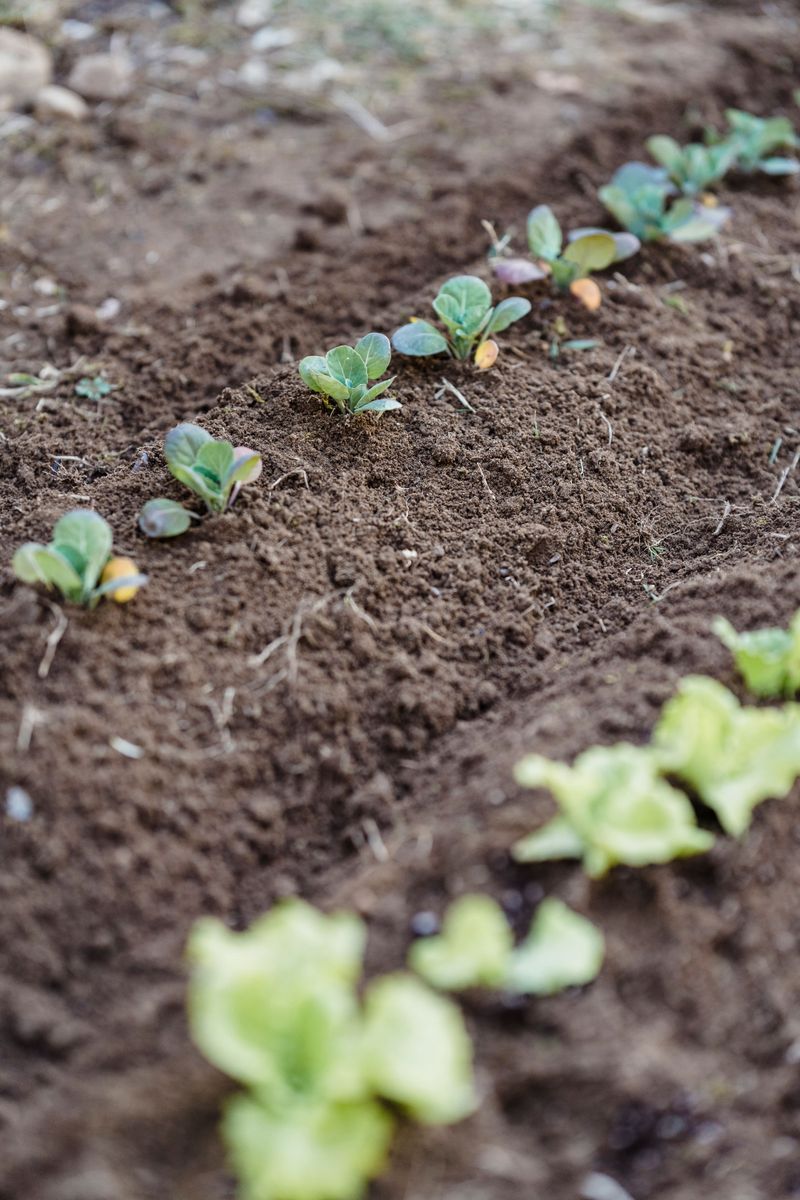
August smells like warm soil and ripe tomatoes. Amish growers across the Midwest have long known that August is not an ending, it is a beginning.
The core of this method is straightforward. When one crop finishes, you plant another one right away, no waiting, no wasted space.
Amish families treat their garden beds like a relay race. One runner tags the next before the first even slows down.
This practice is called succession planting, and it has been passed down for generations. Most modern gardeners skip it because they think summer is already over.
But experienced Amish growers know August soil is still warm and alive. That warmth benefits fast-maturing vegetables.
The trick works especially well in cooler climates like Minnesota. Depending on where you live in the state, you still have four to eight weeks of solid growing weather after mid-August.
Amish gardeners also prep their beds quickly between plantings. They pull spent plants, add compost, and get seeds in the ground within a day or two.
Speed matters here because every warm day counts. Slow preparation wastes precious heat that your fall crops need to thrive.
This method is low-cost. Seeds are cheap, effort is modest, and the payoff is a full fall harvest. Once you try this method yourself, you may want to keep your beds continuously planted.
Why Most Minnesota Gardens Sit Empty After Summer Harvest
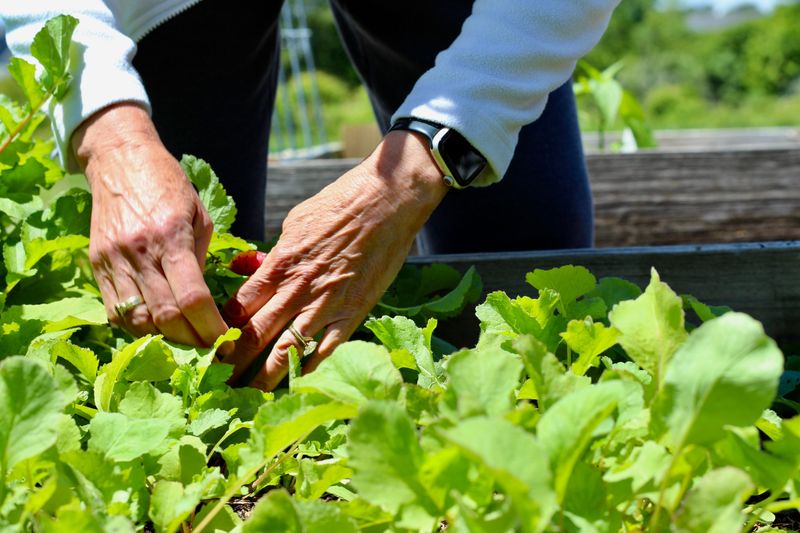
Most Minnesota gardeners pull their tomatoes and call it done. The beds go bare, the tools get stored, and the season feels finished.
That empty bed is actually a missed opportunity. August soil in Minnesota is still warm enough to grow a surprising number of crops.
The problem is a mindset, not a climate. Gardeners assume the season ends with the summer harvest, so they stop planting.
Amish growers never think that way. For them, an empty bed is a problem to solve, not a sign of rest.
Many Minnesota homeowners also underestimate how many frost-free days remain. Depending on your region, you can get anywhere from four to eight weeks of growing time before the first hard frost.
Your Minnesota Garden Changes Every Week. Your Plan Should Too.
Gardening in Minnesota changes quickly throughout the season. Every Friday you’ll receive a simple weekly plan showing exactly what to plant, prune, fertilize, harvest, and protect so you never miss the right timing.
That is enough time to grow radishes, lettuce, spinach, and even small heads of cabbage. These crops love the cooler nights that August brings.
Another reason beds go empty is lack of planning. Most gardeners do not buy fall seeds in July, so they have nothing ready to plant.
Amish households plan their seed supply months ahead. They keep fast-maturing varieties on hand specifically for this late-season window.
Leaving beds bare also invites weeds and soil erosion. An active bed with growing plants holds moisture and structure far better.
Once you see your empty August beds as open invitations, you will start filling them fast. The harvest waiting on the other side is absolutely worth the effort.
How Succession Seeding Keeps Beds Productive Into Fall
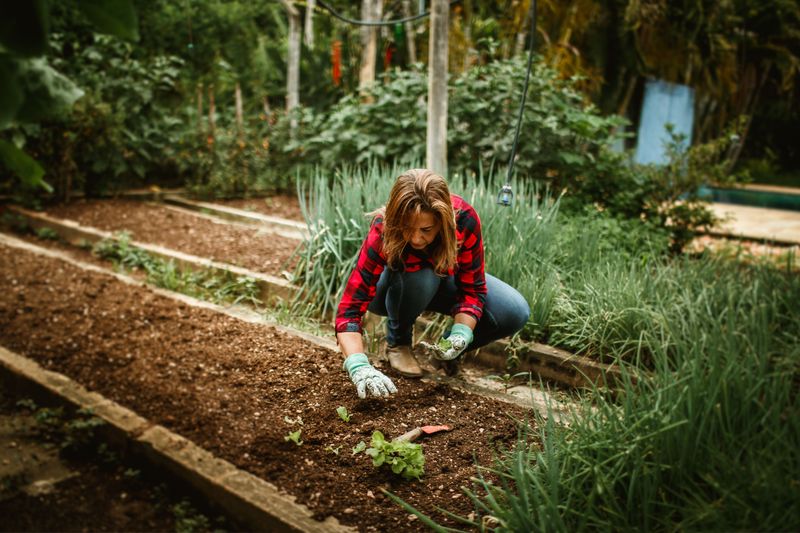
Succession seeding sounds fancy, but the idea is beautifully simple. You plant new seeds every two to three weeks so harvests keep coming in waves.
Instead of one big lettuce harvest in June, you get steady lettuce from August through October. Each planting picks up right where the last one left off.
Succession planting has been practiced by generations of traditional growers, including Amish families. Their gardens rarely have a dull or empty moment from spring through fall.
For Minnesota homeowners, August is the perfect time to start succession seeding for fall. The soil is warm, the days are still long, and rain is usually reliable.
Start by clearing any spent summer crops from your beds. Loosen the top few inches of soil and add a thin layer of compost.
Then sow your seeds in short rows, not the whole bed at once. Plant another short row a week later for a rolling harvest schedule.
Radishes mature in as few as 21 days, making them ideal for quick succession rounds. Spinach and arugula follow closely at 30 to 40 days.
Keep a simple garden journal to track your planting dates. Knowing when each row went in helps you predict your harvest windows accurately.
Succession seeding also reduces waste. You pick fresh greens as needed instead of drowning in a single massive harvest.
This approach keeps your August garden consistently productive well into the cool fall months.
The Role Heavy Straw Mulch Plays In Cooling And Moisture
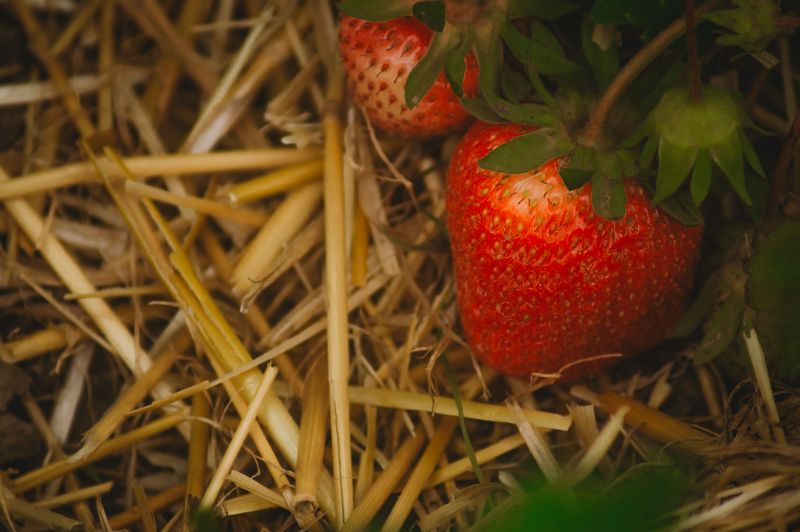
Straw mulch might be the most underrated tool in the Amish August garden hack. A thick layer of it can transform how your fall crops perform.
Amish growers pile straw mulch three to four inches deep around their newly seeded beds. That layer does several important jobs at once.
First, it keeps the soil cool during hot August afternoons. Many fall-crop seeds struggle to sprout in soil that gets too warm midday.
Second, straw holds moisture in the ground longer after rain or watering. That means your seedlings stay hydrated without constant attention from you.
Third, it suppresses weeds that would otherwise compete with your young plants. Fewer weeds mean less time pulling and more time enjoying your garden.
Golden wheat straw is the best choice for vegetable gardens. Avoid hay, which carries weed seeds that will cause headaches all season long.
Apply mulch right after seeding, but leave a small gap directly above the seed row. This lets seedlings push through without fighting a thick mat.
Once sprouts are two inches tall, you can nudge the straw closer around the base. That extra coverage helps retain overnight warmth as temperatures drop in September.
Straw mulch also breaks down slowly over winter, adding organic matter to your soil. By spring, your beds will be richer than they were before.
A single bale of straw costs just a few dollars and covers a large garden area. This is a low-cost, high-value addition to most gardens.
Best Fast-Maturing Crops For A Second August Planting
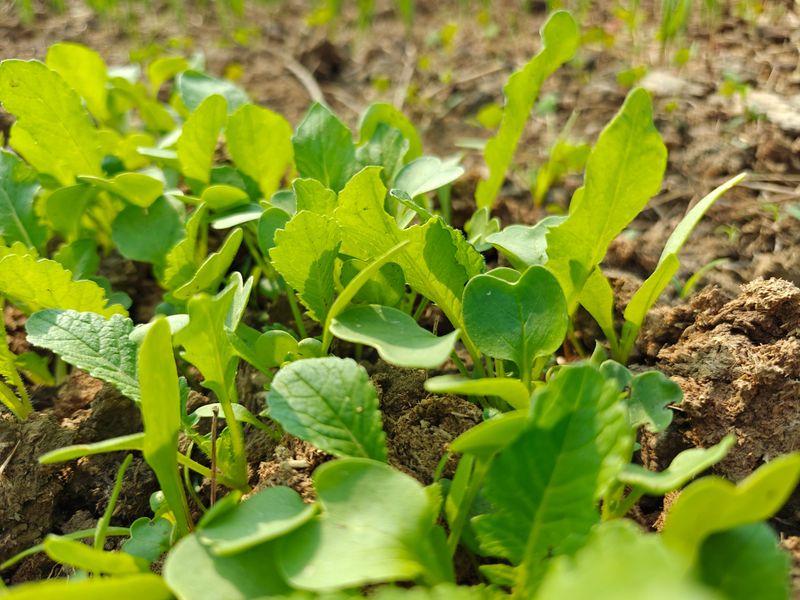
Not every vegetable can sprint to the finish line before frost hits. Choosing the right crops for an August planting is half the work.
Radishes are one of the fastest-maturing vegetables you can plant. Some varieties are ready to pull in as few as 21 days, making them perfect for late August sowing.
Spinach is another powerhouse for fall gardens. It actually tastes sweeter after a light frost, so planting in August sets you up for a flavorful October harvest.
Arugula grows fast and adds a peppery punch to salads. It handles cool nights well and can be cut multiple times before the season ends.
Lettuce varieties like Black-Seeded Simpson or Buttercrunch mature in 45 to 55 days. Planted in mid-August, they are ready before the hard freeze arrives.
Kale is a reliably cold-hardy crop worth including in every fall garden. It survives light frosts and actually improves in flavor as temperatures drop.
Turnips and hakurei salad turnips mature in about 38 days. They offer both edible greens and sweet roots, giving you two harvests from one planting.
Beets are slightly slower but still worth planting in early August. Chioggia and Detroit Dark Red varieties do well in Minnesota fall conditions.
Avoid planting warm-season crops like squash or cucumbers now. They need too many frost-free days and will not produce before cold weather arrives.
Stick to cool-season crops and you will have a full, satisfying harvest that stretches your garden season by six or more weeks.
Extending Your Harvest Window Past The First Frost
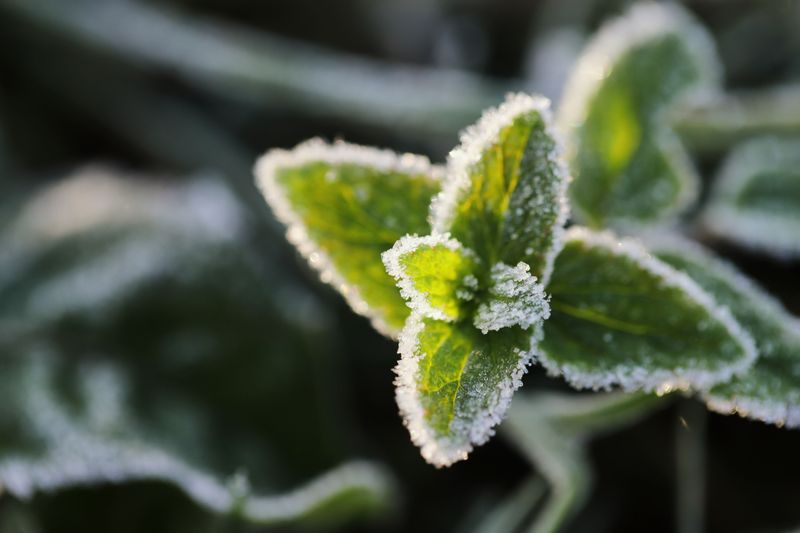
The first frost does not have to mean the end of your garden. With a few smart moves, you can keep harvesting weeks past the first frost.
Amish growers have long used simple row covers to shield their fall crops. A frost cloth draped over beds can protect plants several degrees below freezing, depending on the thickness of the material.
Row covers are inexpensive and reusable for many seasons. You can find them at garden centers or order them online without spending much at all.
Cold frames are another classic Amish tool for season extension. They are essentially small box structures with a clear lid that trap heat around your plants.
You can build a basic cold frame from old window panes and scrap lumber. Even a simple one adds two to four weeks of growing time.
Cloches, which are individual plant covers made from plastic or glass, work well for protecting single plants. Old gallon jugs with the bottoms cut off make surprisingly effective homemade cloches.
Timing your watering also matters as frost approaches. Moist soil holds heat better than dry soil, so water your beds the afternoon before a cold night.
Harvesting mature crops before a hard freeze is always smart. Bring in anything close to ready and let it finish ripening indoors if needed.
The Amish August garden hack is ultimately about squeezing every last productive day from your growing season. Minnesota homeowners who follow these steps will enjoy fresh food long after their neighbors have packed it in for the year.