The Arizona-Friendly Plant That Thrives In Full Sun And Still Looks Fresh All Summer
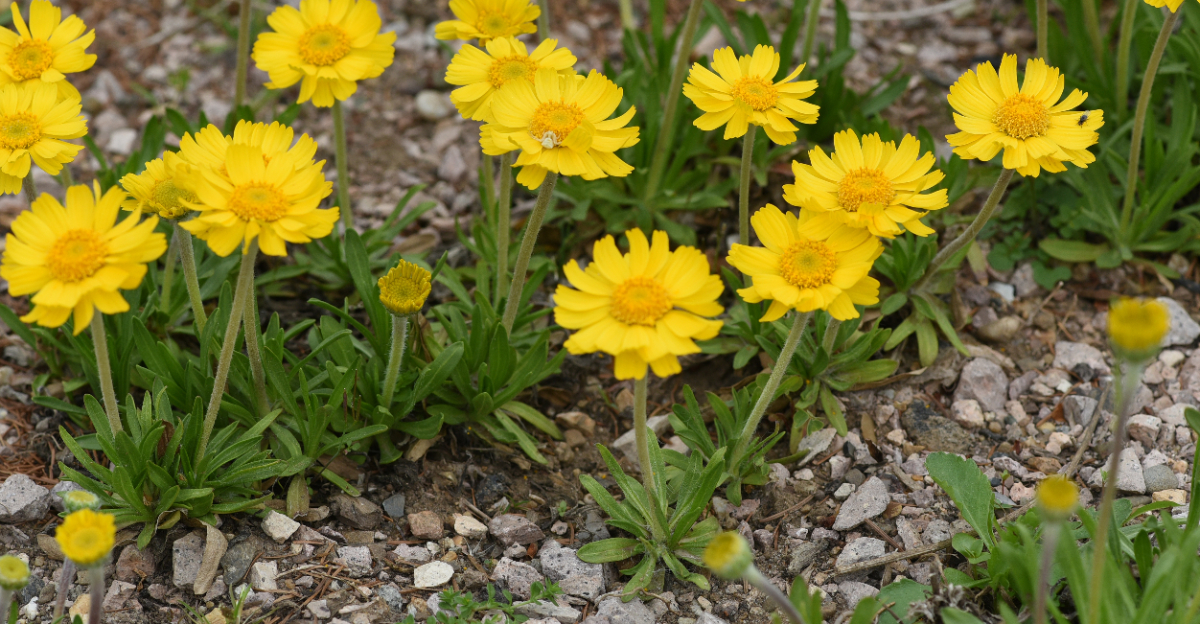
Full sun changes the look of an Arizona yard by the middle of summer.
Colors become duller, soft growth disappears, and many plants start blending into the dry landscape instead of standing out against it.
A plant that keeps a fresh appearance during that stretch instantly grabs attention. Healthy foliage, steady growth, and strong color become much harder to find once the hottest weeks settle in across the desert.
One variety keeps that cleaner look far longer than expected even in areas that stay exposed to sun all day. It handles bright conditions without constantly looking stressed or worn down by heat.
The contrast becomes obvious next to plants already fading under nonstop sunlight.
Some yards begin looking exhausted by midsummer while this plant still looks like it belongs there.
1. Angelita Daisy Keeps Flowering During Triple-Digit Weather
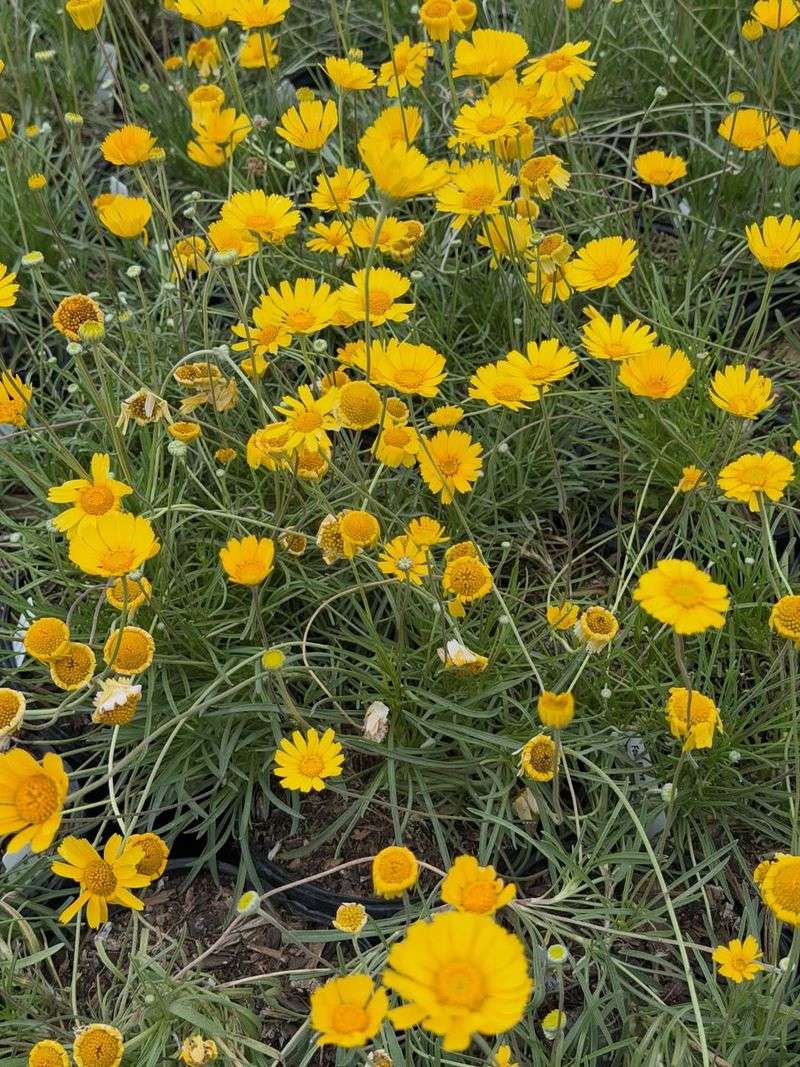
Most flowers quit when the heat gets serious. Angelita Daisy treats triple-digit temperatures like a normal Tuesday.
While other plants look wilted and sad by July, this one keeps pushing out fresh blooms without missing a beat.
Part of what makes it so reliable is its deep taproot system. Those roots reach down into cooler soil layers and pull moisture that shallow-rooted plants simply cannot access.
That built-in survival strategy means consistent flowering even during the driest, hottest stretches of summer.
Blooms appear from early spring and can continue well into fall with minimal care. Each flower head sits on a short, sturdy stem that holds up well against afternoon heat and occasional desert winds.
Nothing looks floppy or burned.
Gardeners who grow it in Phoenix and Tucson often describe it as one of the only plants that actually looks better in summer than it does in spring. That is a bold claim, but the plant earns it repeatedly.
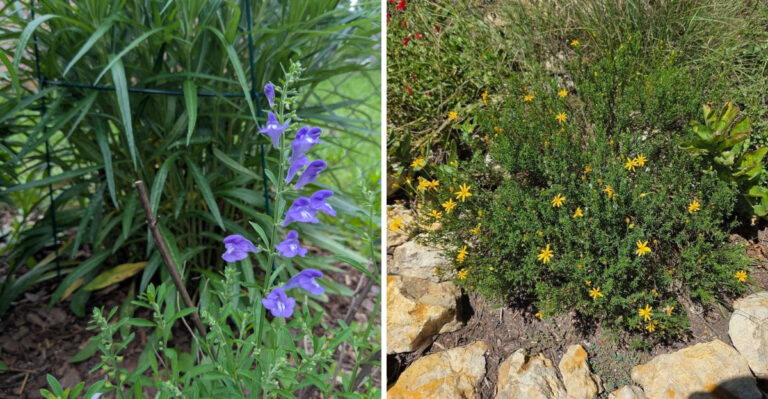
Yellow petals stay vivid, foliage stays tight, and the overall shape remains neat throughout the season.
2. Bright Yellow Petals Hold Their Color In Direct Sunlight
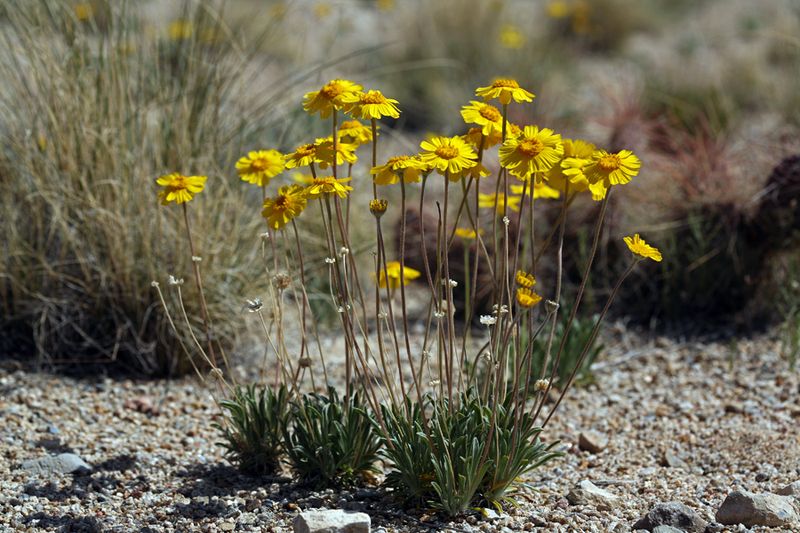
Fading is a real problem in desert gardens. Intense UV exposure bleaches color out of many flowers within days of blooming.
Angelita Daisy handles direct sun differently, and the yellow stays punchy even at peak afternoon hours.
The pigment in these petals is naturally adapted to high-radiation environments. Plants that evolved in open, sun-blasted landscapes tend to develop stronger pigment protection than those bred for shaded or temperate gardens.
That evolutionary advantage shows up clearly in how well the color holds through a full summer season.
Compared to other yellow-flowering perennials, the difference is noticeable. Black-eyed Susans, for example, tend to look washed out by midsummer in hot climates.
Angelita Daisy petals stay saturated and bright without any extra effort from the gardener.
Color consistency also matters for pollinators. Bees and butterflies navigate by color contrast, and a bloom that fades quickly becomes less visible to visiting insects.
Stable, vivid petals help attract more consistent pollinator traffic throughout the season.
Your Arizona Garden Changes Every Week. Your Plan Should Too.
Gardening in Arizona changes quickly throughout the season. Every Friday you’ll receive a simple weekly plan showing exactly what to plant, prune, fertilize, harvest, and protect so you never miss the right timing.
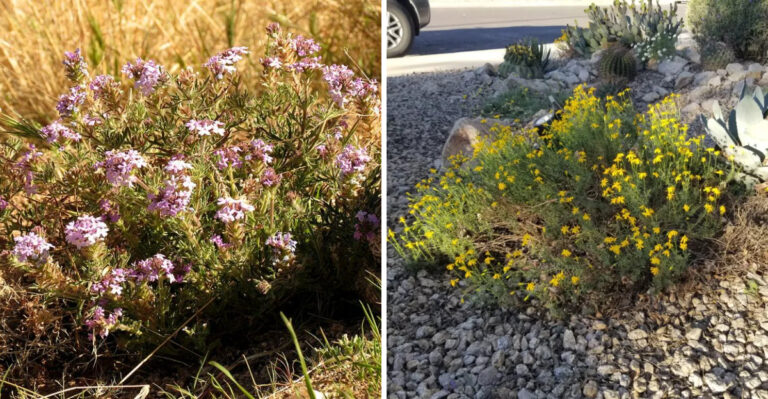
From a design standpoint, that reliable yellow works beautifully against gray gravel, dark boulders, or the silver-green of desert shrubs.
3. Gravel Landscapes Usually Work Well For Established Plants
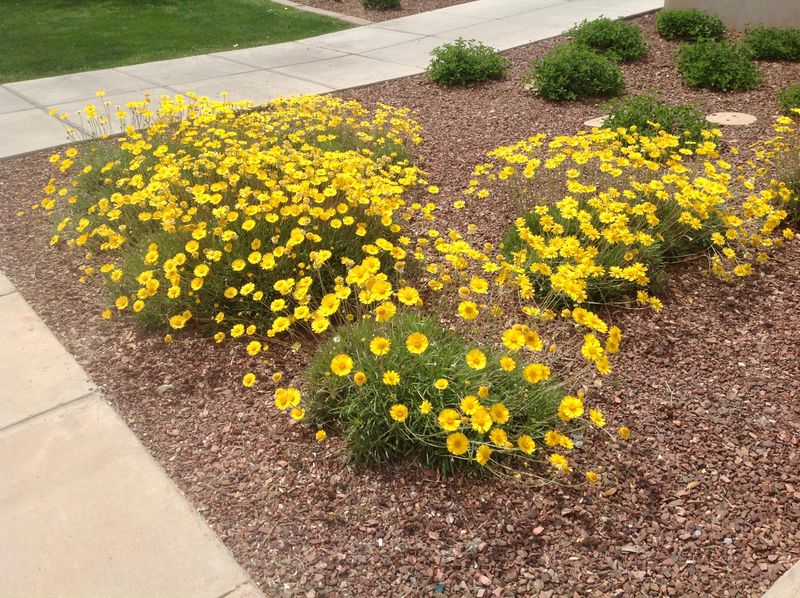
Gravel gardens and Angelita Daisy are a natural match. Once established, this plant handles rocky, mineral-heavy soil without complaint.
Many desert gardeners actually prefer gravel mulch around the base because it reflects heat upward and keeps the crown dry.
A dry crown matters more than most people realize. Consistent moisture sitting against the base of the plant creates conditions where fungal issues can develop over time.
Gravel drains fast and dries fast, which suits this plant perfectly.
Getting established is the most demanding phase. During the first season, regular watering every few days helps roots get anchored properly.
After that, watering frequency drops significantly, and the plant handles dry periods without visible stress in most cases.
Gravel landscapes in the Southwest often use decomposed granite as the primary ground cover. Angelita Daisy planted into those beds tends to perform well once roots push past the surface layer into native soil below.
Spacing plants about 12 to 18 inches apart gives each one enough room to spread naturally.
One practical tip worth knowing: avoid planting directly into deep gravel beds where native soil is more than a few inches down.
4. Excess Moisture Often Leads To More Growing Issues
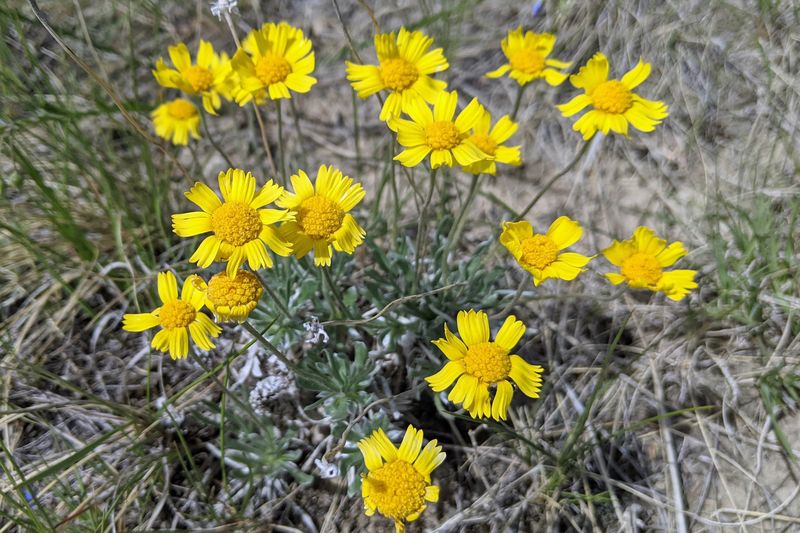
Overwatering is probably the most common mistake made with desert-adapted plants. Angelita Daisy is no exception.
Give it too much water, and the roots sit in saturated soil that cuts off oxygen and invites root stress fast.
Signs of too much moisture show up in the foliage first. Leaves start to yellow from the base upward, and the overall plant looks soft and slightly mushy rather than firm and upright.
That progression happens faster in summer when warm soil accelerates microbial activity around the roots.
Established plants generally need watering once every one to two weeks during summer, depending on heat intensity and soil type. Sandy or rocky soils drain faster and require slightly more frequent watering than clay-heavy soils.
Observing the plant rather than following a rigid schedule produces better outcomes.
Drip irrigation works well for this plant because it delivers water directly to the root zone without wetting the crown or foliage.
Overhead sprinklers can cause problems, especially during humid monsoon weather when excess moisture stresses the plant.
Container-grown Angelita Daisy needs extra attention to drainage. Pots without drainage holes are a serious problem.
Even one or two sessions of standing water can cause root issues that are difficult to recover from.
5. Light Pruning Encourages Faster Bud Production
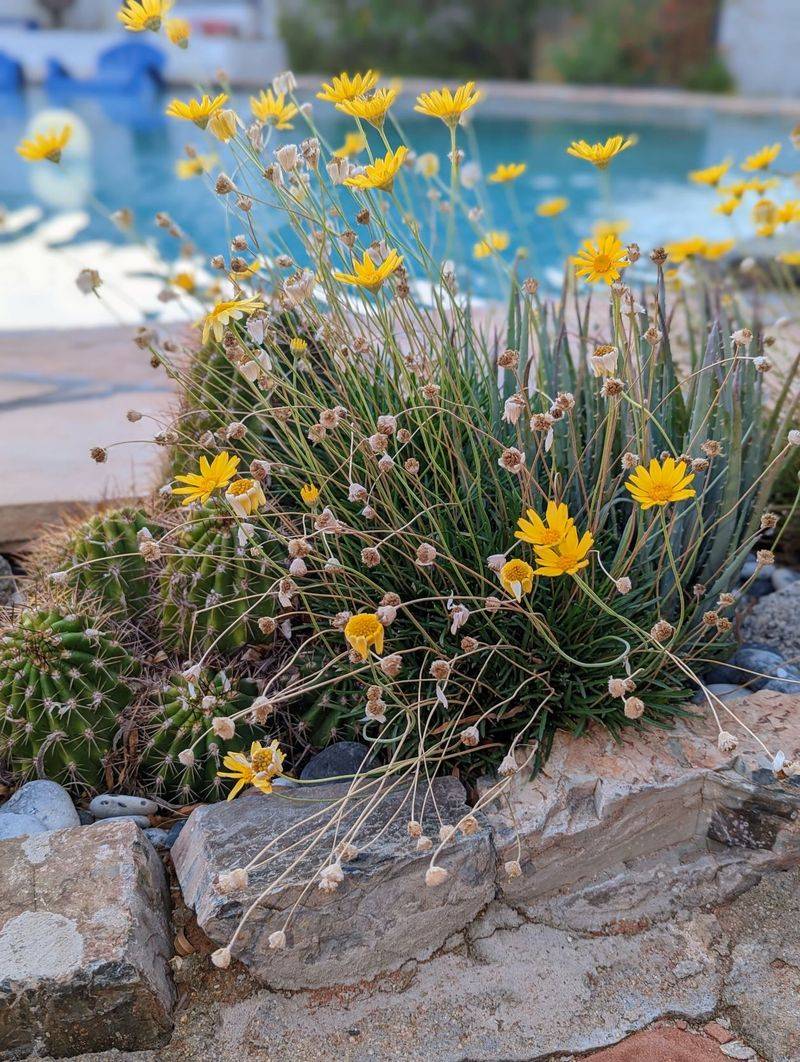
A quick trim goes a long way with this plant. Light pruning removes spent flower heads and signals the plant to redirect energy toward producing new buds.
It does not take much, and the results show up within a week or two.
Cutting back about one-third of the plant height after the first major bloom flush works well in most cases. Sharp, clean shears make a cleaner cut and reduce the chance of tearing stems.
Torn plant tissue is slower to recover and more vulnerable to stress in hot conditions.
Timing matters. Early morning pruning is better than midday cutting because the plant is less heat-stressed at that point.
Trimming during the hottest part of the day adds unnecessary strain right when the plant is working hardest to stay cool and hydrated.
Some gardeners skip pruning entirely and still get decent results because Angelita Daisy blooms fairly continuously on its own. Pruning is optional, not required.
However, those who do prune consistently tend to report fuller plants with more concentrated bud clusters rather than scattered individual flowers.
A light shaping in late winter or early spring also helps. Removing old, woody growth from the previous season opens up the center of the plant and encourages fresh green growth from the base.
6. Desert Bees Visit These Blooms For Months
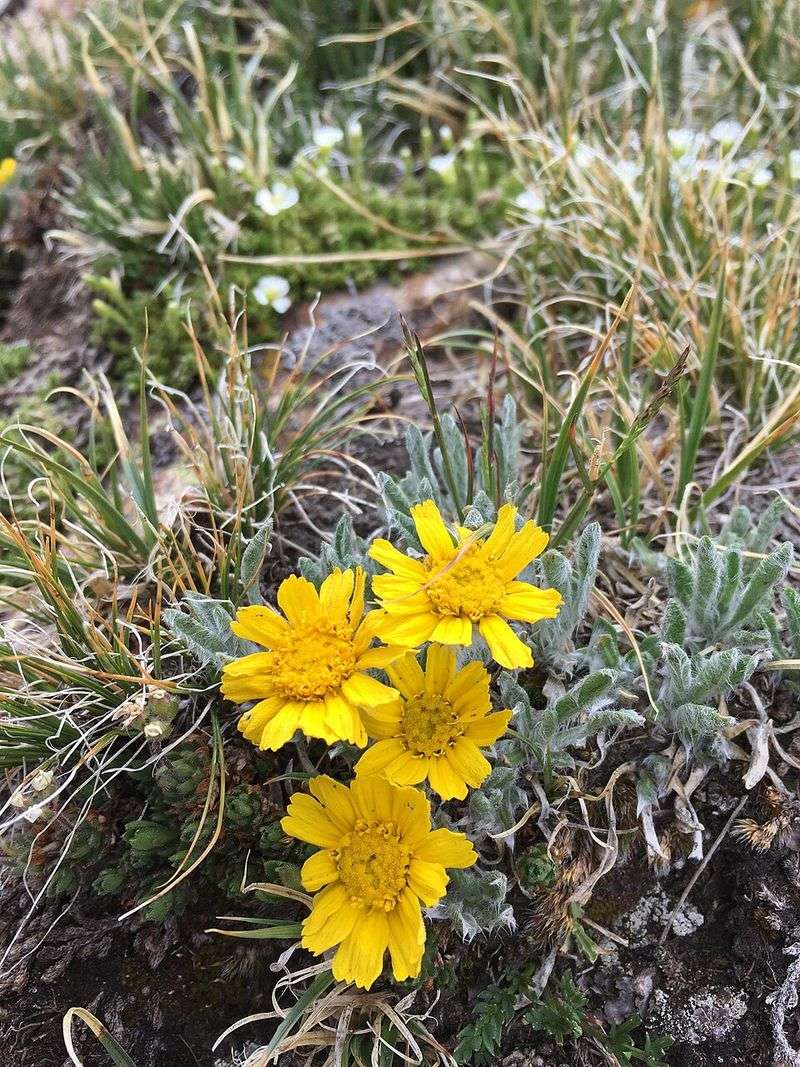
Watch any patch of Angelita Daisy on a warm morning and you will notice the visitors almost immediately. Native bees, particularly smaller solitary species, are drawn to these blooms with impressive consistency throughout the season.
Native bees in the Southwest include dozens of species that most people have never noticed. Sweat bees, digger bees, and small mining bees all forage actively on composite flowers like Angelita Daisy.
The flat, open flower structure makes nectar and pollen easy to access, which is a significant advantage over tubular flowers that limit which pollinators can feed.
Honeybees visit these blooms too. Native bee species usually dominate during peak summer heat.
They handle extreme temperatures better and often stay active later into summer than honeybees in hot climates.
Having a plant that attracts pollinators for multiple months provides real ecological value beyond just looking good. Nearby vegetable gardens and fruit trees benefit from increased pollinator activity.
Planting Angelita Daisy close to food-producing plants is a practical strategy, not just a decorative one.
Butterfly activity also picks up around these blooms, particularly from skipper species that favor open, low-growing flowers.
7. Sharp Drainage Helps Prevent Root Stress In Dry Conditions
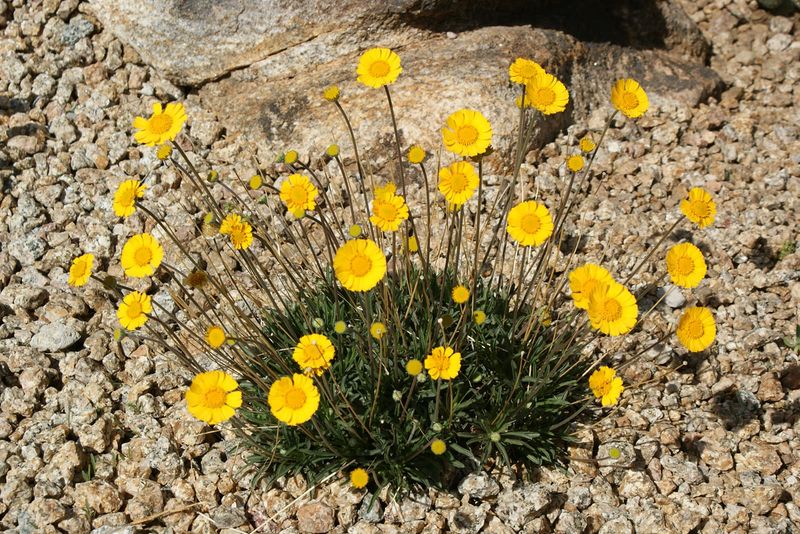
Good drainage is not just a preference for this plant, it is genuinely important for long-term health. Soil that holds water around the roots creates stress even in dry climates because the root zone never fully dries between waterings.
Native desert soils tend to be naturally well-draining, which is one reason Angelita Daisy performs so consistently in its native range. Gardeners working with heavy clay soils need to amend before planting.
Mixing in coarse sand or fine gravel at a ratio of roughly one part amendment to two parts native soil improves drainage meaningfully without eliminating the soil structure that holds nutrients.
Raised beds offer another practical solution in areas with poor drainage. Even a modest six-inch raised planting area improves drainage significantly and gives roots a better environment from the start.
Raised beds also warm up faster in spring, which can extend the blooming season slightly on both ends.
Slope planting is worth considering in flat yards. A gentle grade of even a few degrees encourages water to move away from the root zone after irrigation or rain.
Flat planting areas in heavy soils are the most common situation where root stress develops in otherwise healthy plants.
After monsoon season in the Southwest, excess soil moisture can linger longer than expected.