Why More Arizona Gardeners Should Start Growing Penstemon
Bright flowers can completely change the way a yard feels, especially when the hottest part of summer arrives. Some plants look beautiful for a short time, then fade much sooner than expected.
After seeing that happen more than once, it is easy to understand why gardeners start looking for better choices.
A reliable plant can make all the difference because it keeps bringing color when many others begin to slow down.
Finding one that thrives without constant attention always feels like a smart decision instead of another gardening experiment.
Penstemon has become a favorite for more gardeners in Arizona for exactly that reason. It handles the climate well and adds bold color to the landscape without demanding endless care.
Once it settles in, it continues to stand out and gives flower beds a fresh, vibrant look through much of the growing season.
1. Bright Pink Flowers Draw Hummingbirds Every Spring
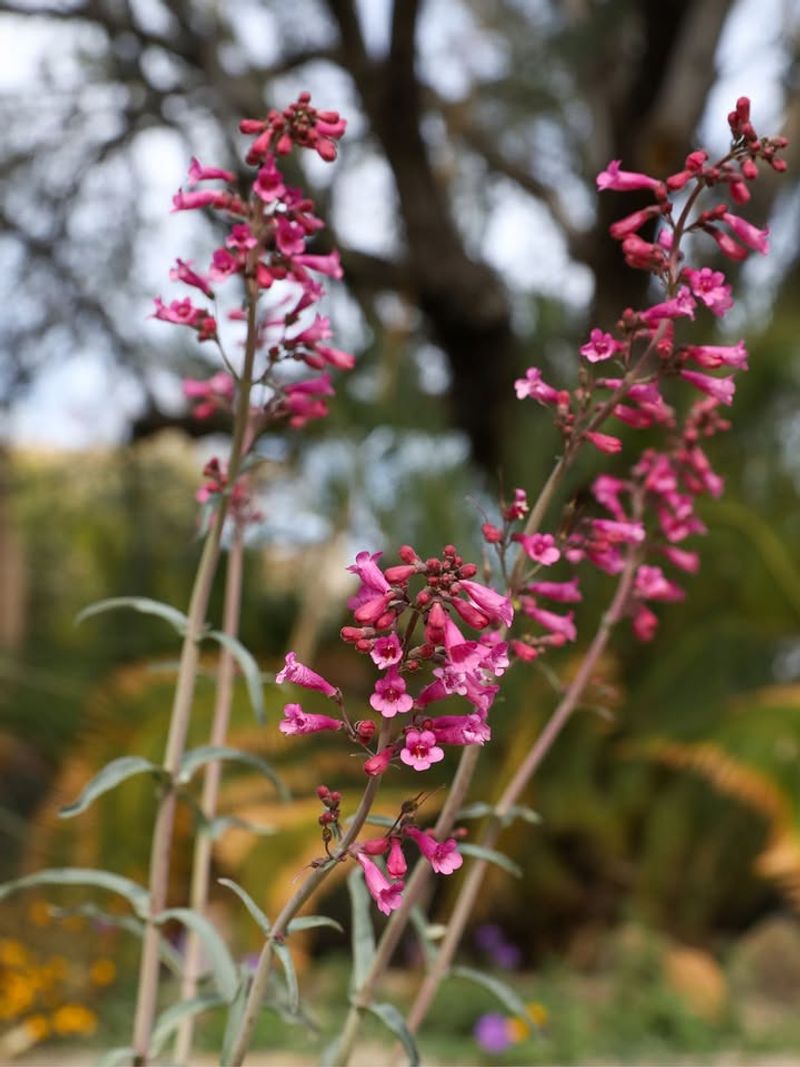
Watch a hummingbird work a row of penstemon and you will understand why this plant earns a spot in any garden. Broad-billed and black-chinned hummingbirds are especially drawn to the tubular blooms.
Penstemon parryi, one of the most popular species in this region, produces vivid magenta-pink flowers on tall stalks that can reach four feet or more.
Hummingbirds start visiting as early as February in lower desert elevations. Peak bloom often runs from late February through April, depending on winter rainfall and temperatures.
Planting near a patio or window gives you a front-row view of all that activity.
Bees also visit the blooms regularly, so penstemon supports more than one type of pollinator. Native bees often work the flowers during morning hours when hummingbirds are most active.
A patch of five or more plants tends to attract more consistent wildlife traffic than a single specimen.
Flower color can vary slightly between individual plants grown from seed. Some lean more toward coral, while others produce a deeper rose.
If consistent color matters to you, buy plants already in bloom so you can see exactly what you are getting before planting.
2. Established Plants Thrive With Very Little Water
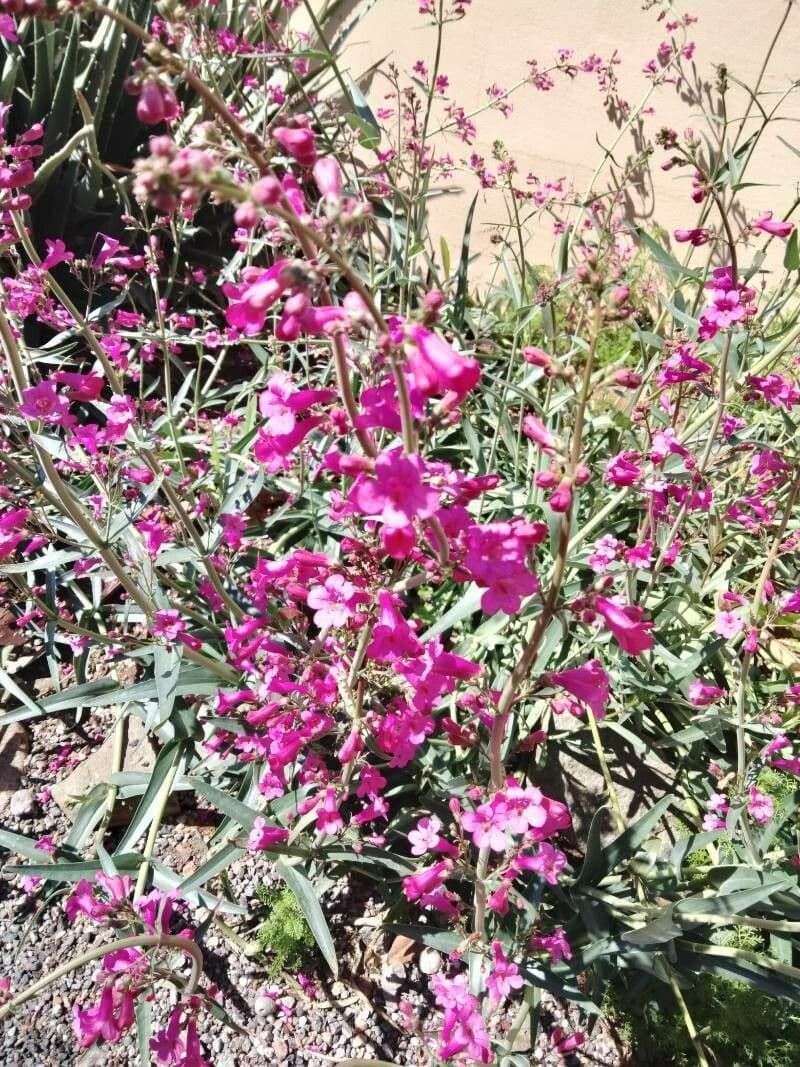
Water bills in the desert are no joke, and every plant that needs less irrigation is worth knowing about. Established penstemon can survive on rainfall alone in many parts of the low desert, especially during cooler months.
During summer heat, occasional deep watering every two to three weeks tends to keep plants looking decent.
Young plants need more attention during the first growing season. Water them once or twice a week until roots settle in, then gradually back off.
Overwatering is actually a bigger risk than underwatering once the plant is established.
Root rot becomes a concern when soil stays wet too long. Penstemon prefers soil that dries out between waterings.
Raised beds and slopes work well because water moves through quickly rather than pooling around the crown.
Drip irrigation on a timer can work, but setting it too frequently causes problems. A deep soak every ten to fourteen days during dry stretches is usually enough for mature plants.
Your Arizona Garden Changes Every Week. Your Plan Should Too.
Gardening in Arizona changes quickly throughout the season. Every Friday you’ll receive a simple weekly plan showing exactly what to plant, prune, fertilize, harvest, and protect so you never miss the right timing.
Adjust based on your specific conditions, soil type, and time of year.
Cutting back on water in late spring can actually help the plant transition into summer dormancy more smoothly. Letting the soil dry between sessions encourages deeper root growth.
Deeper roots help the plant access moisture even when the top layer of soil is bone dry.
3. Native Plants Handle Desert Conditions Well
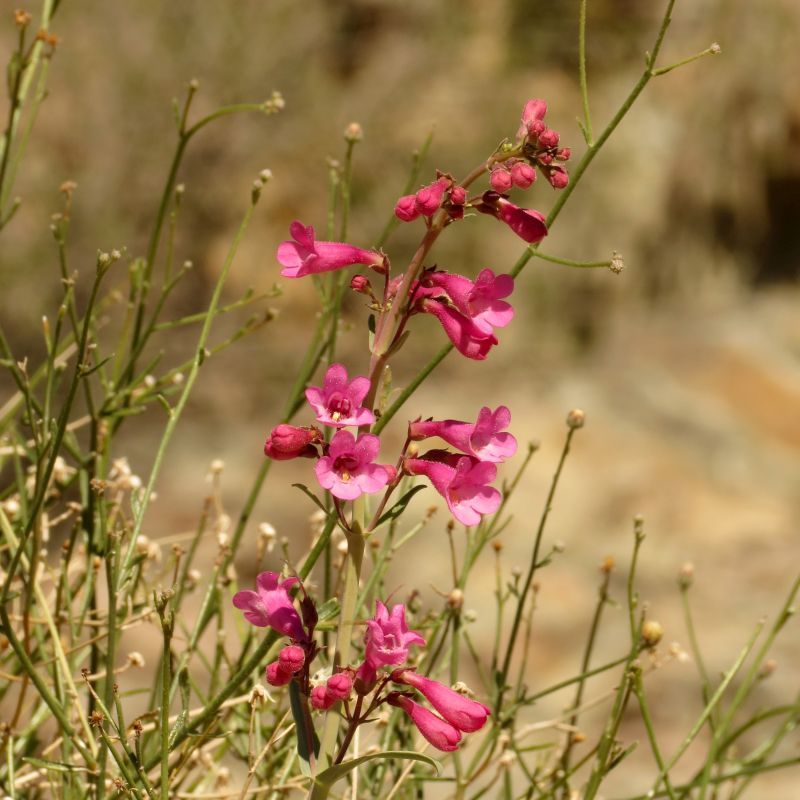
Plants that evolved in a place tend to handle that place better than anything imported from somewhere else.
Penstemon species native to the Sonoran and Chihuahuan desert regions are built for alkaline soil, intense sun, and temperature swings that would stress many ornamentals.
Penstemon parryi and Penstemon pseudospectabilis are two species well-suited to low desert gardens.
Alkaline soil is common across much of the Southwest, and most exotic ornamentals struggle with it. Native penstemon handles high pH without needing soil amendments or fertilizers.
That alone saves time and money compared to plants that require constant adjusting.
Extreme temperature swings from winter nights to summer afternoons are part of life in the desert. Native penstemons have adapted to handle both ends of that range without much help.
Frost damage is possible during hard freezes, but most established plants bounce back from light frost on their own.
Caliche layers in the soil can block root growth and cause drainage issues. Planting in areas where you have broken through or avoided caliche helps penstemon establish faster.
Rocky, well-drained spots often produce the healthiest plants in a desert setting.
Wind is another factor that trips up less-adapted plants. Penstemon stalks are flexible and tend to bend rather than break in strong gusts.
That flexibility makes them more reliable through monsoon season than many taller ornamentals.
4. Excellent Drainage Helps Prevent Root Problems
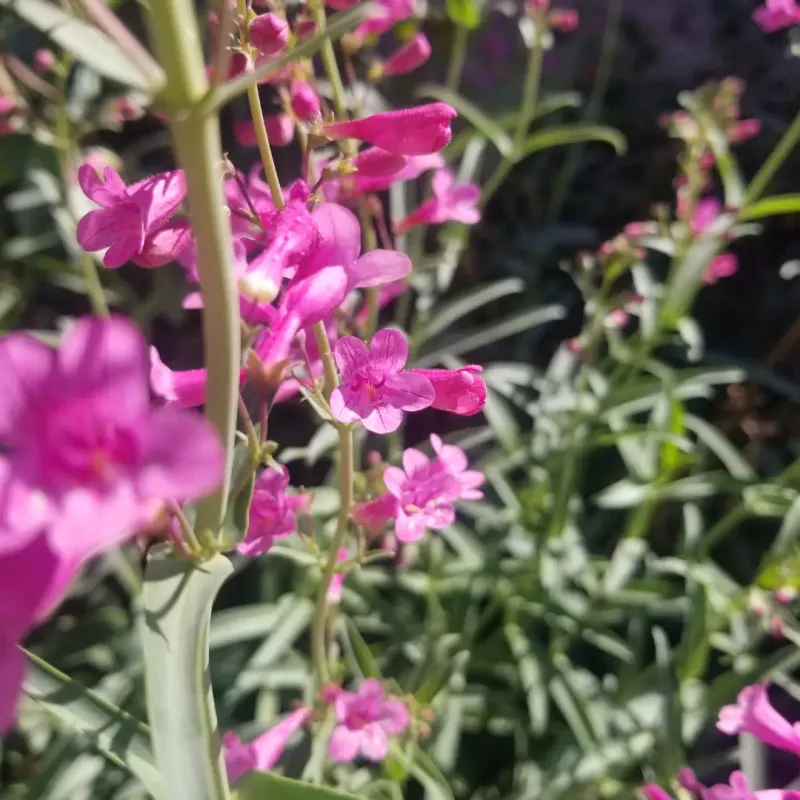
Soggy roots are the fastest way to lose a penstemon. Standing water around the crown, especially in summer, creates conditions where root rot can set in quickly.
Getting drainage right from the start makes a bigger difference than almost anything else.
Sandy or gravelly soil drains fast, which is exactly what penstemon prefers. If your soil is heavy clay, amend the planting hole with coarse sand or decomposed granite before setting in the plant.
Do not use fine sand, which can actually make clay soil worse over time.
Raised beds work well in yards where native soil is compacted or poorly draining. Even a six-inch raised area can improve drainage enough to make a real difference.
Fill with a mix of native soil, decomposed granite, and a small amount of compost for best results.
Slopes and hillsides are natural spots for penstemon because water runs off rather than collecting. Planting on a slight grade, even a gentle one, helps replicate the rocky hillside conditions where these plants grow in the wild.
Flat, low-lying spots near downspouts or drainage paths are generally poor choices.
Gravel mulch around the base of the plant keeps the crown drier than organic mulch. Organic materials hold moisture against the stem, which increases disease risk.
A two-to-three-inch layer of pea gravel or crushed granite around the plant base is a practical and low-maintenance option.
5. Early Spring Blooms Add Weeks Of Color
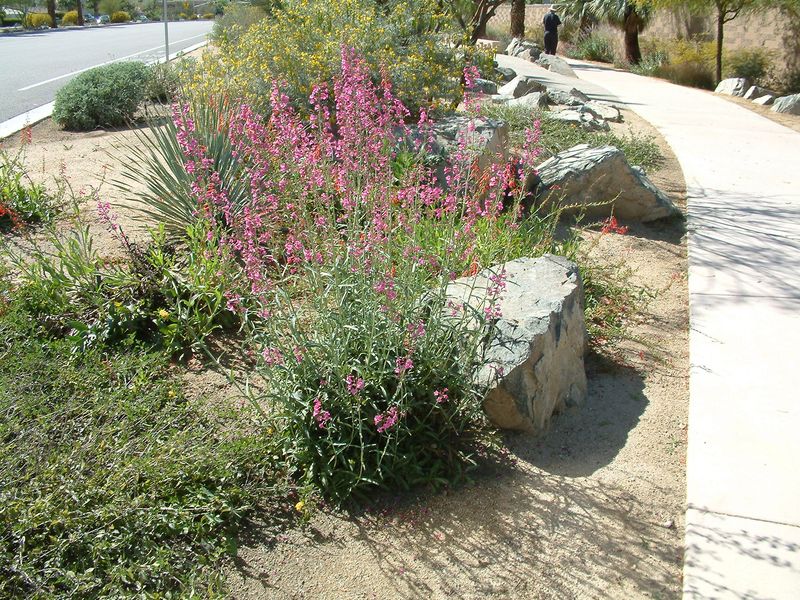
Color in a desert garden can be hard to come by in late winter and early spring. Most plants are still dormant or just starting to leaf out when penstemon is already putting up flower stalks.
Bloom can begin as early as late January at lower desert elevations when conditions are right.
Peak flowering typically runs from late February through early April, though timing shifts based on winter rainfall and nighttime temperatures. A wet winter often produces more blooms and longer flowering periods.
A dry, warm winter may push bloom time earlier or shorten it.
Few other plants in a low desert garden bloom that early with that much impact. Brittlebush offers yellow blooms in a similar window, but penstemon adds a completely different color range.
Pairing the two creates a vivid contrast that carries the garden through late winter without much effort.
Spent blooms on lower portions of the stalk do not stop upper portions from continuing to open. Flowers open progressively from the bottom of the stalk upward over several weeks.
One stalk can stay in active bloom for three to four weeks under favorable conditions.
Planting in a spot with full morning sun and some afternoon shade in hotter microclimates may extend the bloom period slightly. Heat accelerates the blooming process, so cooler exposures can stretch the show.
Experimenting with placement across a few seasons helps you find what works best in your yard.
6. Spent Flower Stalks Can Be Removed After Blooming
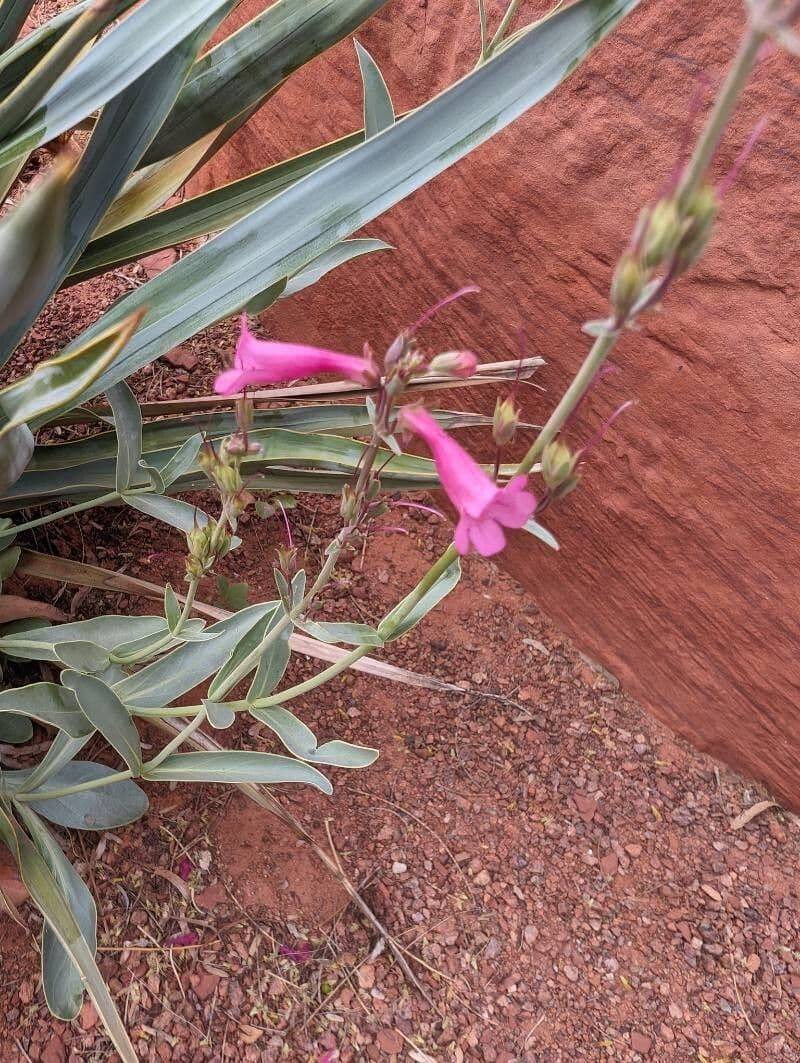
Once penstemon finishes blooming, the stalks start to look tired and dry. Removing them tidies up the plant and keeps the garden looking clean through the rest of the season.
Most gardeners cut stalks back to the basal rosette of leaves, which stays low and green.
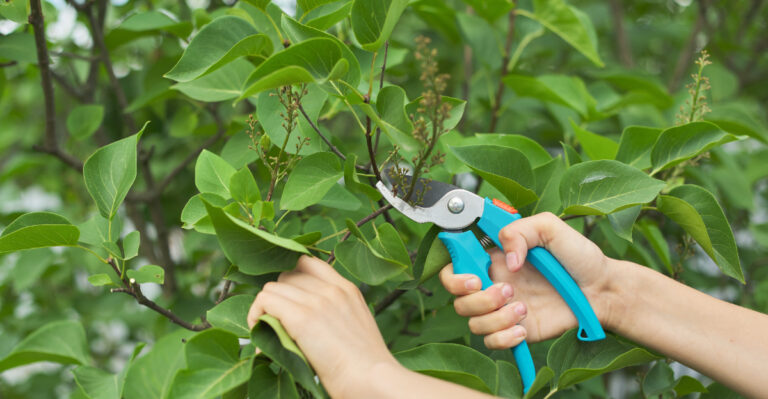
Cutting stalks is straightforward with a pair of clean pruning shears. Snip each stalk near the base without damaging the rosette or nearby stems.
Sharp blades make cleaner cuts and reduce stress on the plant compared to dull or torn cuts.
Leaving a few stalks standing is also a valid option if you want seeds for propagation or wildlife value. Finches and sparrows sometimes pick at seed heads in late spring and early summer.
Seed collection is simple, just let the pods dry on the stalk before cutting and storing them.
Deadheading individual spent blooms mid-season does not significantly extend flowering on penstemon the way it does on some annuals. Removing entire stalks after bloom is generally more effective than picking individual flowers.
Focus cleanup efforts after the main flowering period rather than during it.
Timing the cutback matters a little. Removing stalks too early while some flowers are still opening shortens the overall bloom period.
Wait until at least eighty percent of flowers on a stalk have faded before cutting it down. A little patience here pays off in more weeks of color.
7. Plants Return Year After Year With Proper Care
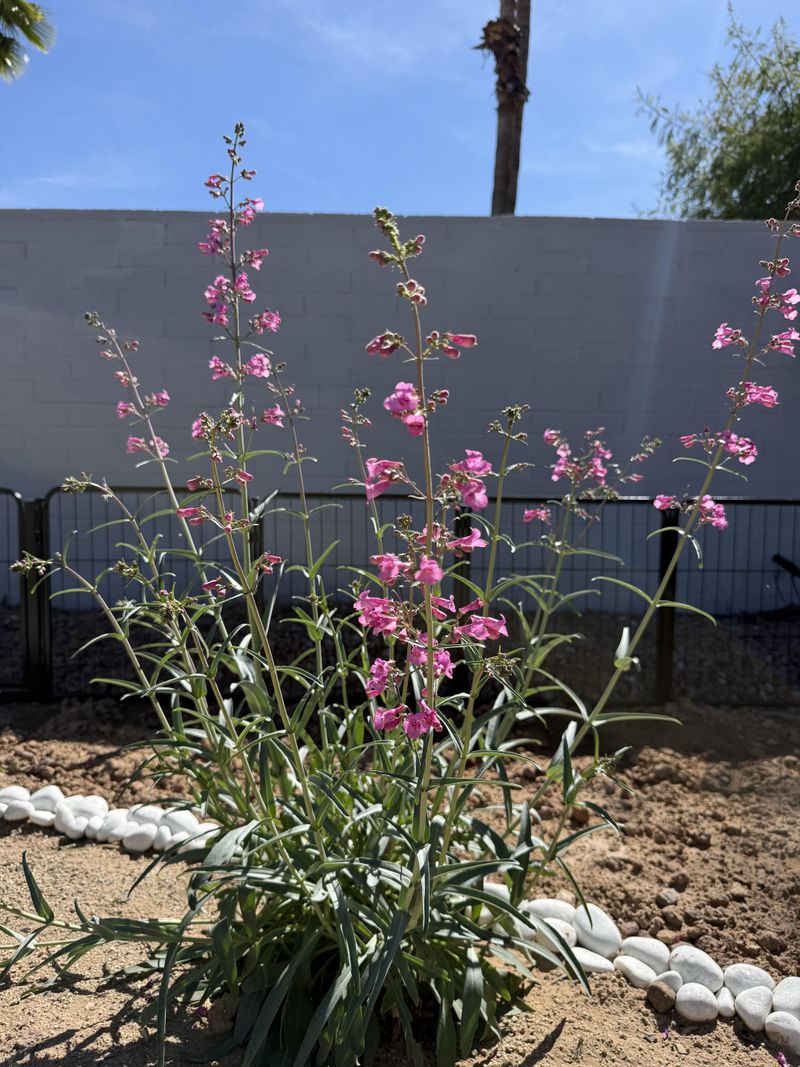
Perennial plants that come back reliably are worth their weight in gold in a desert garden. Penstemon parryi, when planted in the right spot with good drainage, can persist for several years and return each spring with a strong bloom.
Longevity depends heavily on soil conditions and summer watering habits.
Overwatering during summer is one of the most common reasons penstemon does not return the following year. Root issues that develop during hot, wet conditions can weaken or finish off a plant before fall arrives.
Backing off irrigation in summer gives the plant a better chance of surviving through to the next bloom season.
Reseeding is another way penstemon continues in a garden even after individual plants decline. Seeds dropped near the parent plant often germinate the following fall or winter.
Volunteer seedlings can fill gaps and expand a planting without any extra effort on your part.
Mulching with decomposed granite helps regulate soil temperature and reduce moisture loss between waterings. Keeping organic material away from the crown reduces rot risk during monsoon season.
A clean, dry crown heading into summer is a good sign the plant is set up to make it through.
Fertilizing is rarely necessary and can sometimes cause problems. Heavy nitrogen pushes leafy growth at the expense of flowers.
If your soil is reasonably healthy, skipping fertilizer and focusing on drainage and appropriate watering is usually the better approach for long-term plant health.