The Arizona Plants That Bring Queen Butterflies To Your Yard
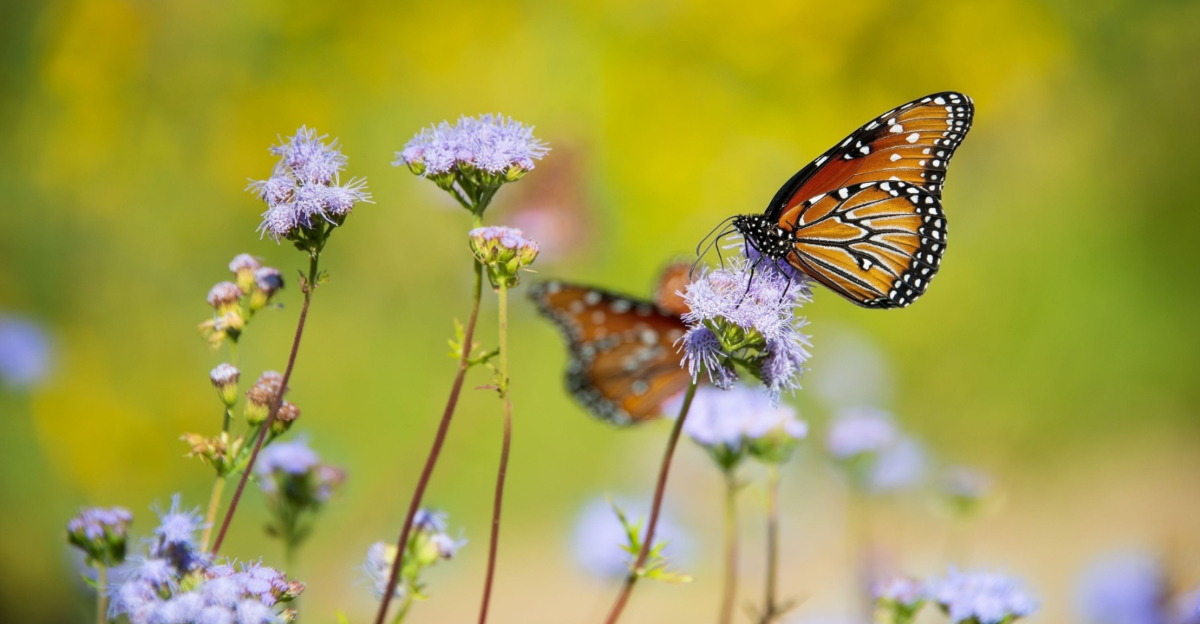
If you’ve ever looked up from whatever you were doing in your Arizona yard and spotted a queen butterfly gliding past with those rich, velvety orange and black wings, you already know the feeling.
It’s one of those moments that makes the whole gardening effort feel completely worth it.
The good news is that attracting queen butterflies to your yard is absolutely achievable. The slightly more involved news is that it takes more than just hoping they show up.
These butterflies have specific needs. They require milkweed host plants where caterpillars can feed and develop, plus reliable nectar sources that keep adult butterflies fueled through warm Arizona afternoons.
Get that combination right in your yard and queen butterflies won’t just visit occasionally. They’ll stick around, complete their life cycle, and keep coming back season after season.
Pretty great deal if you ask us.
1. Desert Milkweed Offers The Strongest Queen Butterfly Connection
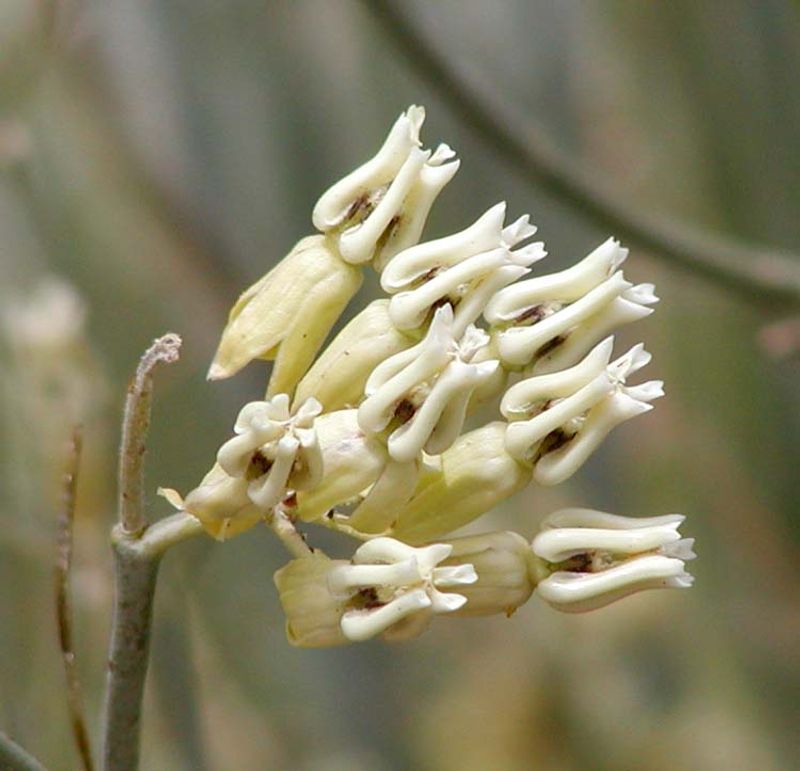
Slender, rush-like stems rising from dry soil are often the first sign that desert milkweed has found a comfortable home in a pollinator garden.
Known botanically as Asclepias subulata, this native milkweed is one of the most well-suited host plants for queen butterfly caterpillars in the Sonoran Desert region.
The plant produces small, creamy-white flowers that can attract adult butterflies seeking nectar, but its real value lies in those sturdy stems, which carry the milky sap that caterpillars depend on.
Desert milkweed handles Arizona heat and drought with impressive ease, making it a practical choice for low-water landscapes and native plant beds.
It tends to stay green year-round in warmer parts of Arizona, which gives caterpillars a longer window of availability compared to some other milkweed species.
Homeowners planting it should choose a spot with full sun and excellent drainage, since soggy soil can cause root problems.
Keep in mind that butterfly visits are never guaranteed, as they depend on local habitat, seasonal timing, and whether other resources are nearby.
Still, desert milkweed is widely recognized as one of the most reliable queen butterfly host plants available to gardeners working with native species.
2. Arizona Milkweed Works In Protected Desert Spots
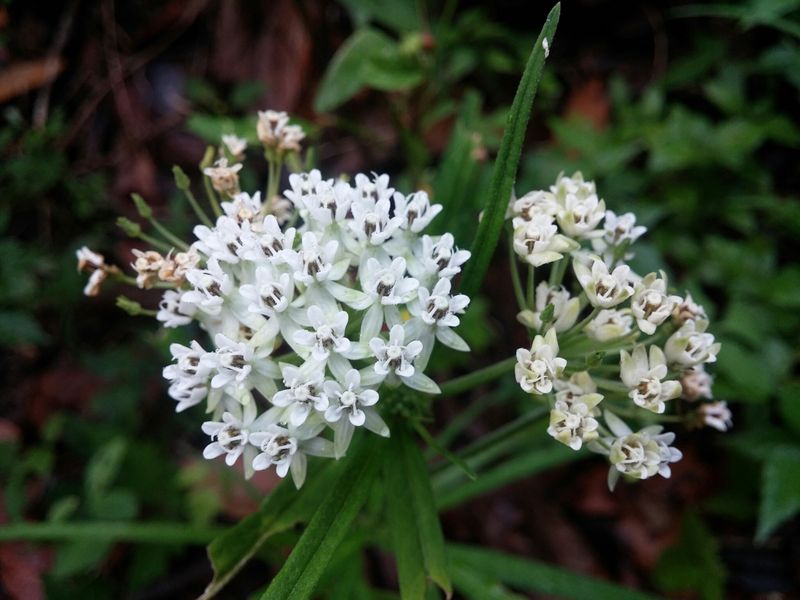
Tucked into a partially shaded corner of an Arizona backyard, a healthy Arizona milkweed plant can be a quiet but meaningful addition to a butterfly garden.
Asclepias angustifolia, commonly called Arizona milkweed or narrow-leaf milkweed, grows naturally in riparian areas and canyon habitats across the state.
This means it tends to do better with a little more moisture and some protection from the harshest afternoon sun compared to fully xeric species.
For queen butterfly caterpillars, this plant functions as a host plant, providing the milky sap-rich foliage they need to develop. The pink to purple flower clusters also offer some nectar value for adult butterflies passing through the yard.
Because this species prefers slightly more sheltered conditions, it works well along a fence line, beneath a patio overhang, or in a low spot that catches occasional runoff.
Your Arizona Garden Changes Every Week. Your Plan Should Too.
Gardening in Arizona changes quickly throughout the season. Every Friday you’ll receive a simple weekly plan showing exactly what to plant, prune, fertilize, harvest, and protect so you never miss the right timing.
Gardeners in mid-elevation zones or areas with monsoon moisture may find this species easier to establish than those in hotter, lower desert regions. Pairing it with desert milkweed gives a yard two host plant options that cover different microclimates.
Butterfly visits will still depend on many local factors, but offering more than one milkweed species can only improve the odds.
3. Giant Sand Milkweed Handles Sunny Native Plantings
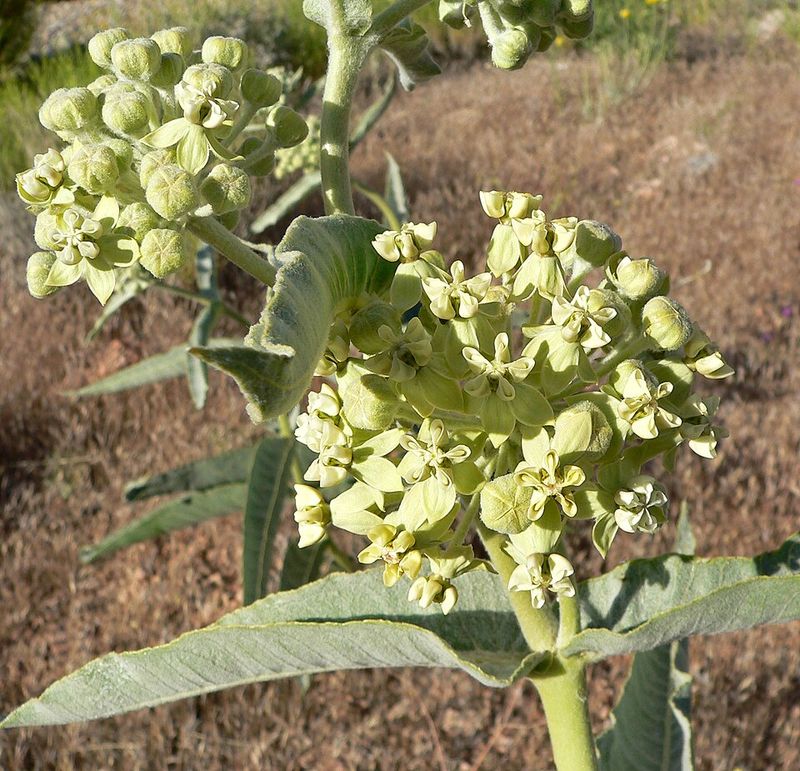
Bold, broad leaves and a commanding presence in a sunny native plant bed make giant sand milkweed one of the more visually striking milkweed options available to Arizona gardeners.
Asclepias erosa grows naturally in sandy washes and open desert areas of the Southwest, and its size sets it apart from the more slender milkweed species.
Mature plants can reach several feet tall, giving the garden a layered look while also providing generous foliage for queen butterfly caterpillars.
The pale, cream-colored flower clusters bloom in warm months and can draw in adult butterflies looking for nectar alongside the host plant benefits the foliage provides.
Because giant sand milkweed is adapted to well-drained, sandy soils and full sun conditions, it fits naturally into xeriscape plantings, open pollinator patches, and native desert borders where water is limited and heat is intense.
Homeowners should give this plant plenty of space, as it can spread and fill out a bed over time. Avoid planting it in compacted clay soils or areas with poor drainage, since those conditions can stress the roots.
Adding giant sand milkweed to an Arizona yard that already includes smaller milkweed species creates a more diverse host plant offering that can support a range of butterfly activity through the season.
4. White Stem Milkweed Adds A Tall Host Plant Option
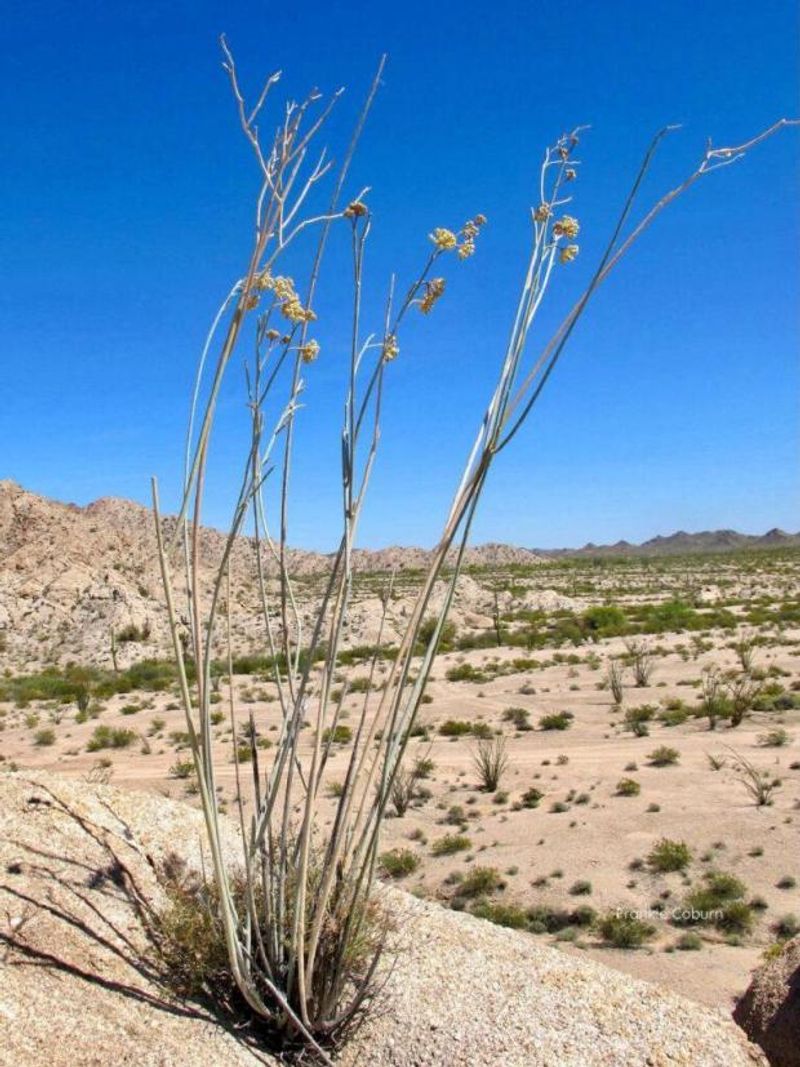
Pale, almost ghostly stems rising from rocky Arizona ground give white stem milkweed a look that stands out even before it blooms.
Asclepias albicans earns its common name from those distinctly whitish stems, which stay visible and upright through much of the year in the lower Sonoran Desert zones where this species is naturally found.
For a yard focused on queen butterfly support, the tall stature of this plant adds vertical interest while also offering caterpillar host plant value.
The small, cream-colored flowers attract some adult butterfly activity, though the plant’s primary role in a queen butterfly garden is as a host plant where eggs can be laid and caterpillars can feed on the latex-rich foliage.
White stem milkweed is drought-adapted and suited to hot, dry exposures with fast-draining soil, so it fits well into unirrigated or minimally irrigated native plant areas in lower-elevation yards.
Because this species grows in some of the harshest desert conditions Arizona offers, it requires very little supplemental water once established. Overwatering is one of the most common issues homeowners run into with this plant.
Giving it a dry, sunny spot and leaving it largely alone tends to produce the best results for both plant health and long-term butterfly garden value.
5. Antelope Horns Milkweed Fits Smaller Sunny Spaces
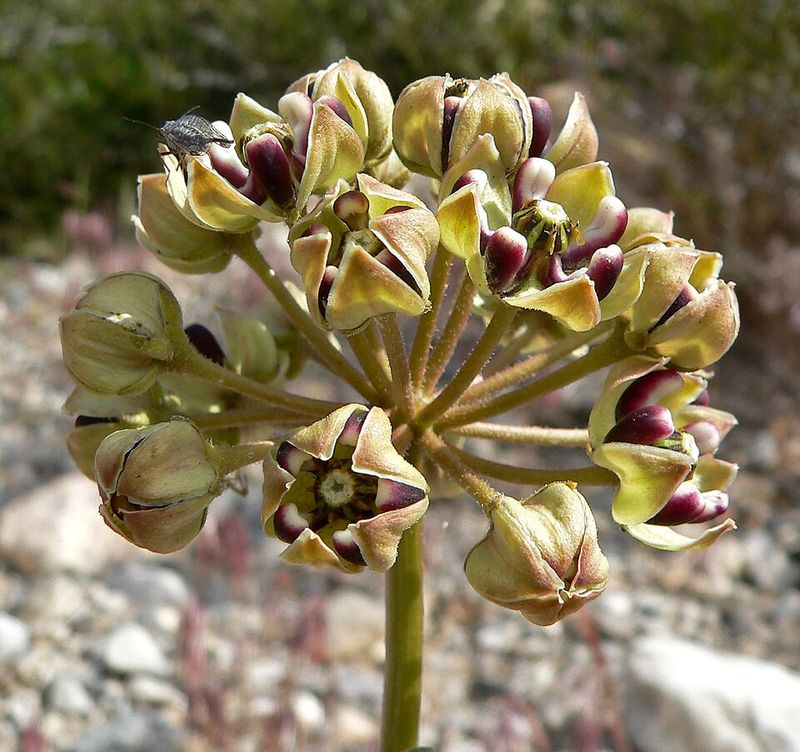
Not every Arizona yard has room for a large, sprawling milkweed, and that is where antelope horns milkweed becomes a genuinely useful option.
Asclepias asperula stays relatively low and compact compared to species like giant sand milkweed, making it a practical fit for smaller sunny beds, patio borders, or pollinator corners where space is limited but butterfly support is still the goal.
The unusual greenish-white and maroon flower clusters have a look unlike most other milkweeds, and they can attract adult queen butterflies seeking nectar during the blooming season.
As a host plant, antelope horns milkweed provides the foliage that queen butterfly caterpillars need, carrying the characteristic milky sap that makes milkweed plants so essential to this butterfly species.
It grows naturally across parts of Arizona and the broader Southwest in open, sunny grassland and desert scrub habitats.
Planting antelope horns milkweed in full sun with well-drained soil gives it the best conditions to thrive in a residential yard.
It tends to go dormant during dry or cold periods, so homeowners should not be alarmed if the plant appears to disappear for a stretch of time.
Marking the planting location helps avoid accidentally disturbing the roots while the plant is resting underground between active growing periods.
6. Pineneedle Milkweed Supports Host Plant Diversity
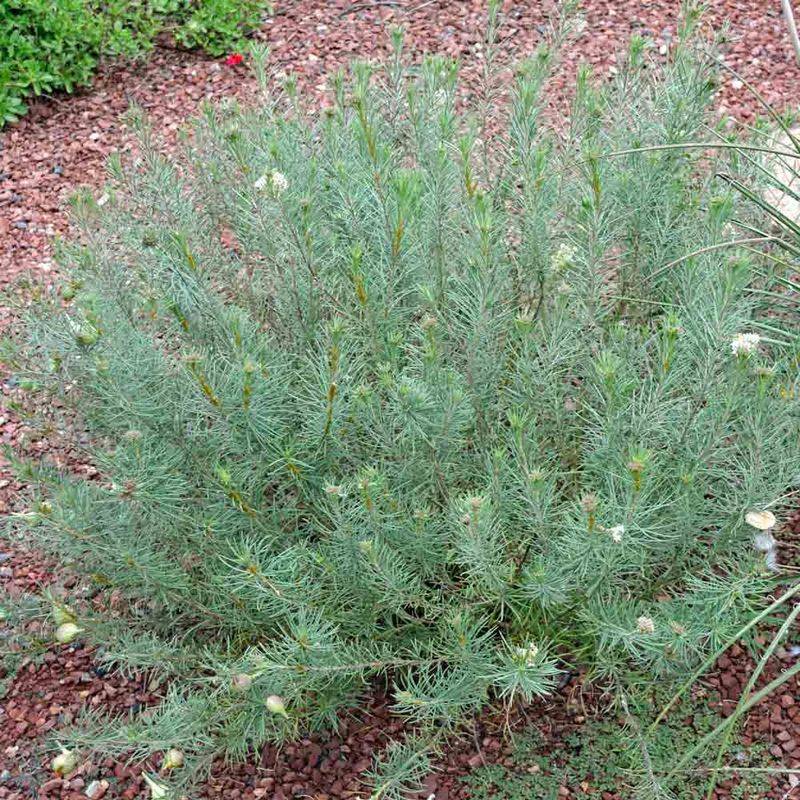
Wispy, needle-thin leaves give pineneedle milkweed a texture that feels almost out of place in a desert garden, yet this plant is a genuine Arizona native with solid butterfly gardening credentials.
Asclepias linaria grows naturally in rocky slopes and canyon areas across Arizona and into Mexico, where its fine foliage and small white flower clusters are a familiar sight in warm-season landscapes.
The narrow leaves are distinctive enough to make the plant easy to identify once you know what to look for.
For queen butterfly gardening, pineneedle milkweed functions as a host plant, offering caterpillars the milky sap-rich foliage they need.
Its more delicate appearance makes it a nice visual contrast when planted alongside broader-leaved milkweed species in a mixed native bed.
The small white flowers also provide some nectar interest for adult butterflies visiting the garden during bloom periods.
This species tends to handle the dry heat of Arizona reasonably well when planted in a sunny spot with good drainage, though it may appreciate occasional deep watering during extended dry spells before the monsoon season arrives.
Homeowners who want to build a butterfly-friendly yard with more than one milkweed species often find that pineneedle milkweed adds a layer of plant diversity that makes the garden more interesting visually.
It also broadens the host plant options available to visiting queen butterflies, which is always a worthwhile addition to an Arizona pollinator garden.
7. Mistflower Feeds Adult Butterflies With Nectar
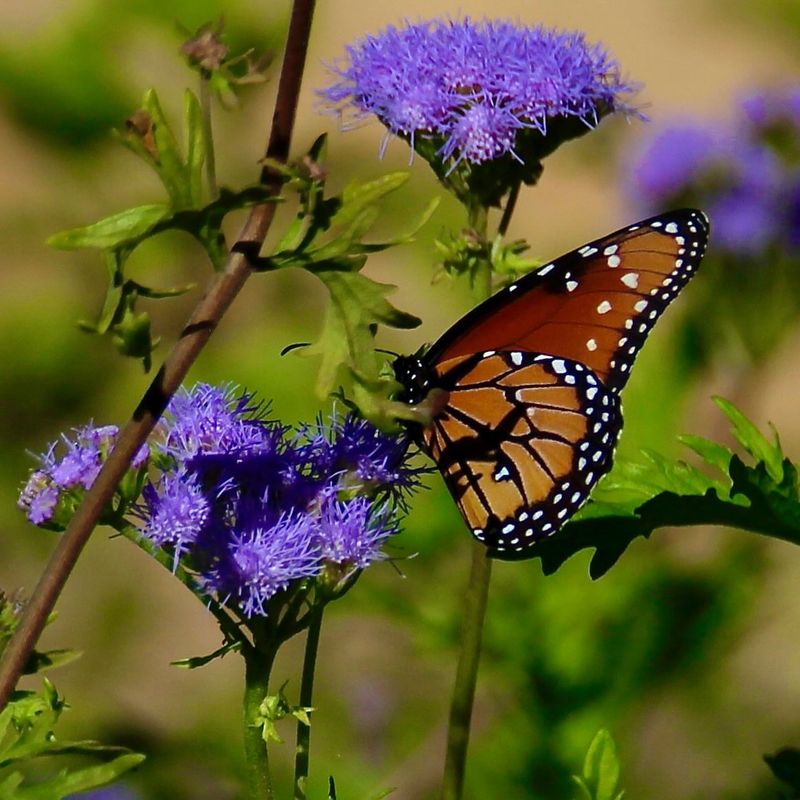
Few plants in an Arizona butterfly garden earn as much attention from adult queen butterflies as blue mistflower during its late-season bloom.
Conoclinium dissectum, sometimes listed as Eupatorium dissectum, produces clusters of small, fuzzy blue-purple flowers that are a reliable nectar source for adult butterflies moving through Arizona yards in late summer and fall.
Unlike the milkweed species covered earlier in this article, mistflower is a nectar plant rather than a host plant, meaning it supports adult butterflies rather than providing foliage for caterpillars.
The plant grows naturally in moist, rocky habitats and along canyon drainages in Arizona, so it tends to do better with some supplemental water compared to the most drought-tolerant desert plants.
A spot with afternoon shade can help it thrive in hotter low-desert areas, while gardeners in mid-elevation zones may find it handles more sun without as much stress.
The soft blue-purple color also adds a cool visual contrast to warm-toned desert plantings.
Pairing mistflower with one or more native milkweeds creates a garden that supports both caterpillars and adult butterflies, which is the kind of layered planting approach that makes an Arizona yard genuinely useful to queen butterflies across multiple life stages.
Avoiding pesticide use near this plant is especially important for keeping butterfly visitors safe.
8. Goodding Verbena Adds Regional Nectar Color
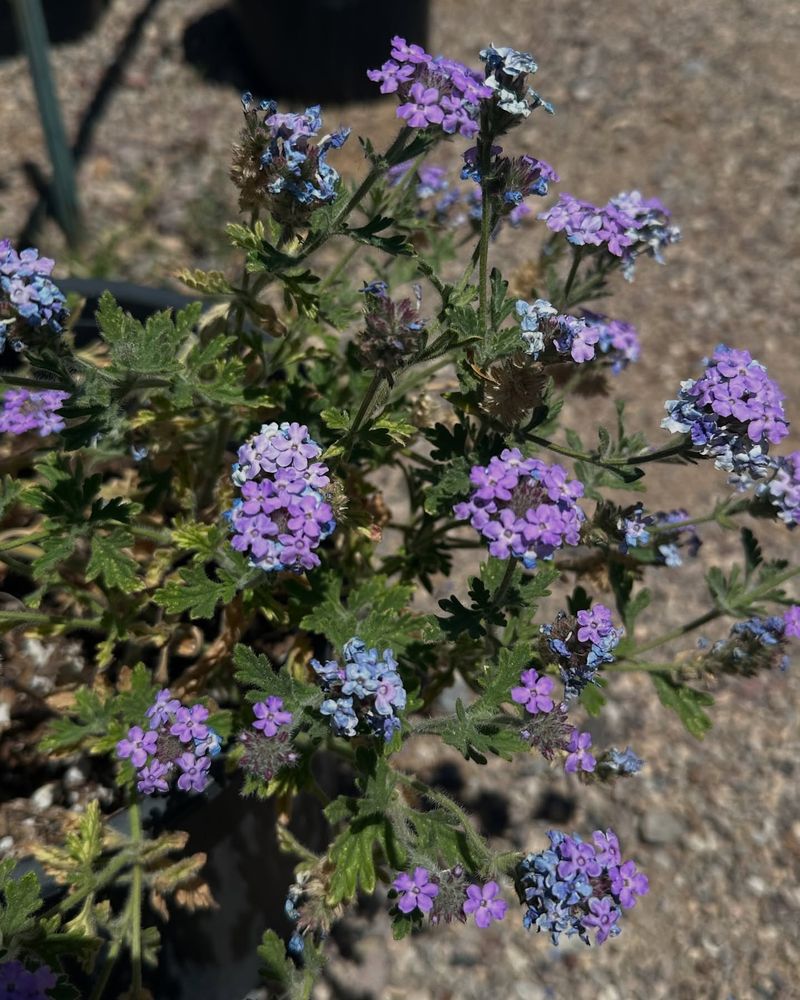
Bright pink-purple flower clusters low to the ground bring a cheerful splash of color to Arizona pollinator beds, and Goodding verbena delivers that color while also providing meaningful nectar value for adult queen butterflies.
Glandularia gooddingii is a native wildflower that blooms primarily in spring but can rebloom with monsoon moisture, giving butterfly gardens a longer window of nectar availability than many single-season bloomers.
As a nectar plant rather than a host plant, Goodding verbena supports adult queen butterflies that are nectaring and building energy rather than laying eggs.
The flowers are small but produced in generous clusters, and the low, spreading growth habit makes this plant a natural fit for the front edge of a pollinator bed, a sunny slope, or a low-water border along a walkway or driveway in an Arizona yard.
Goodding verbena prefers full sun and well-drained soil, and it is well-suited to the dry conditions common across much of Arizona once established. It tends to reseed modestly, which can help it naturalize in a garden over time without becoming aggressive.
Planting it near taller milkweed species creates a layered garden that offers both host plant and nectar resources, making the yard more attractive to queen butterflies and a wider range of pollinators through the season.
9. Flattop Buckwheat Supports A Broader Pollinator Yard
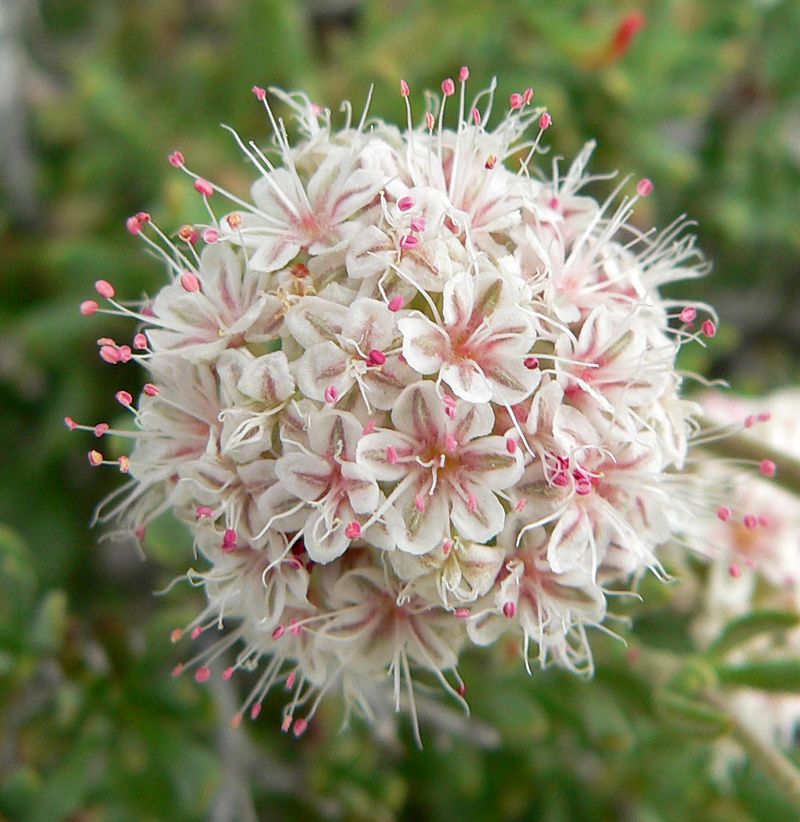
A low, spreading shrub covered in clusters of tiny white to pinkish flowers, flattop buckwheat brings something valuable to a pollinator yard that goes beyond queen butterflies alone.
Eriogonum fasciculatum is a native buckwheat that blooms generously across warm months, offering a steady nectar source for adult butterflies, bees, and other pollinators that move through Arizona residential landscapes.
For queen butterflies specifically, this plant functions as a nectar resource rather than a caterpillar host plant.
What makes flattop buckwheat especially appealing for Arizona yards is how little it asks of the gardener once established.
It handles heat, drought, and rocky or sandy soils with ease, fitting naturally into xeriscape plantings, native desert borders, and low-water front yards where irrigation is minimal.
The plant stays relatively compact, usually under three feet tall, which makes it easy to fit into a variety of garden spaces without overwhelming neighboring plants.
Adding flattop buckwheat near native milkweeds creates a more complete butterfly garden by pairing host plant resources with reliable nectar options.
Pollinators of many kinds tend to visit the flowers, which makes the yard feel active and alive through much of the warm season.
Choosing locally sourced plants from a reputable Arizona native plant nursery gives flattop buckwheat the best chance of thriving in your specific region.