7 Arizona Shrubs Homeowners Regret Planting Too Close To Walkways
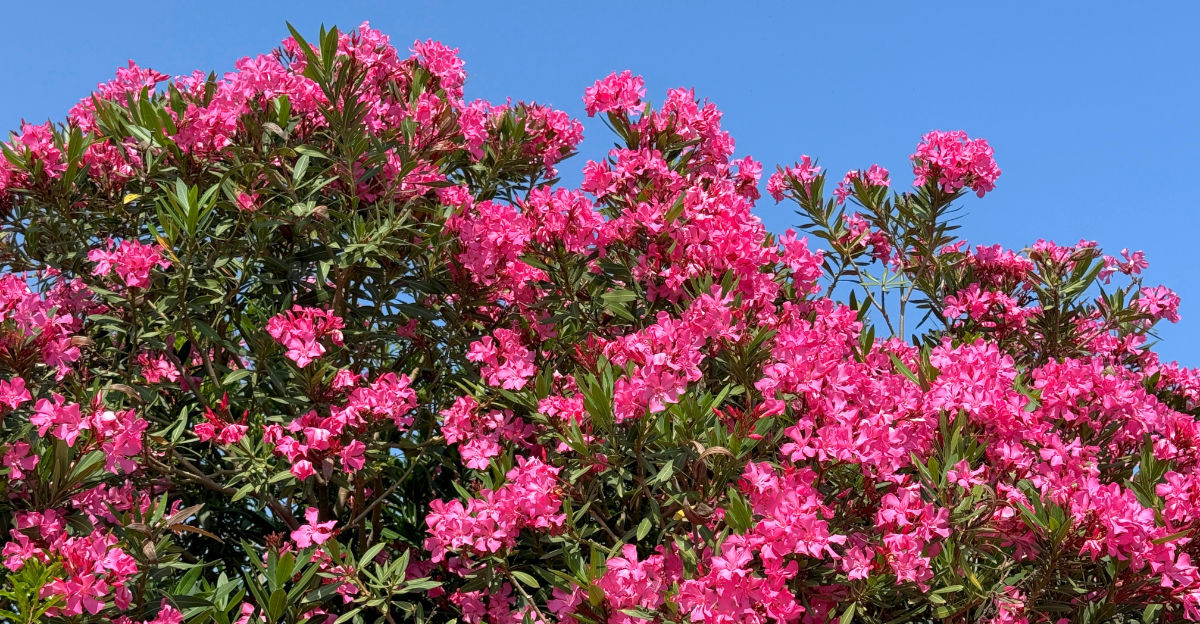
A shrub can look absolutely perfect sitting in a nursery pot, but once it settles into your Arizona yard, the real story begins.
Many homeowners plant shrubs right next to their walkways without thinking about how big those plants will eventually grow.
A few seasons later, thorny branches are scratching arms, roots are lifting pavers, and trimming becomes a weekly chore nobody asked for.
The worst part is that most of these situations were entirely avoidable with a little information upfront.
Arizona’s warm climate and monsoon rains push plants to their full size faster than many people expect, and shrubs that look manageable at planting can become genuine problems within two or three seasons.
Knowing which shrubs need more breathing room before you dig the hole can save a significant amount of frustration, time, and money down the road.
1. Bougainvillea Needs Room For Thorny Growth
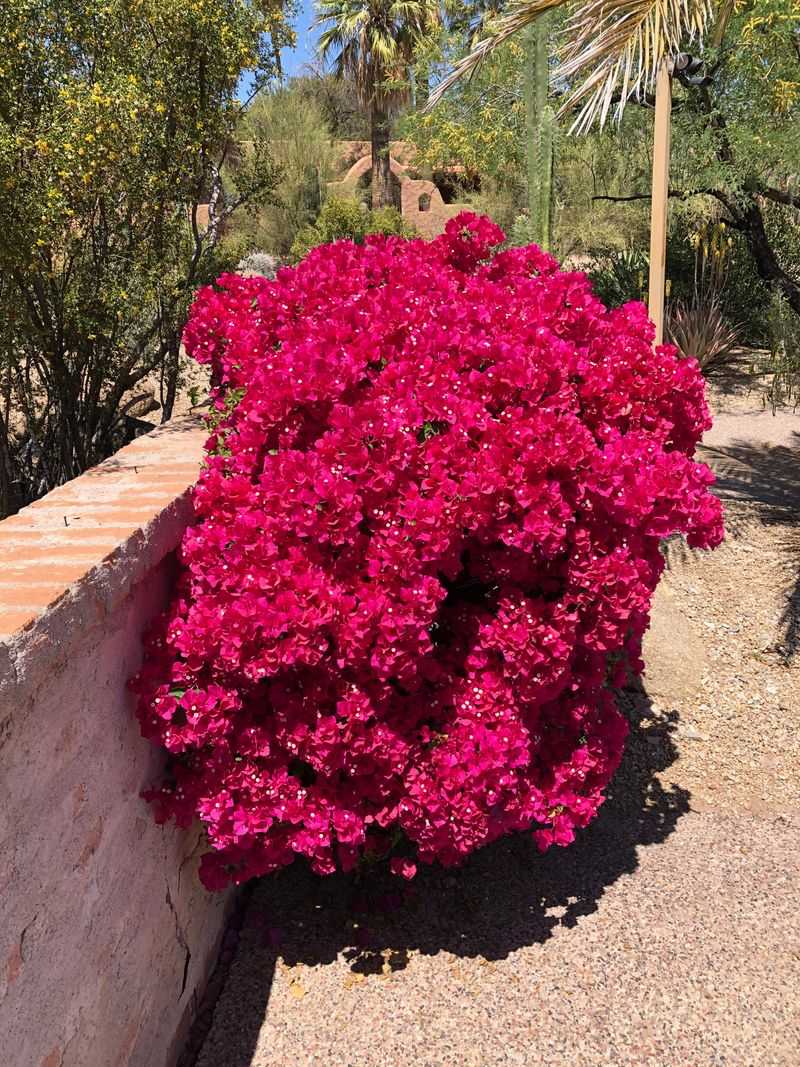
Few plants in the Sonoran Desert can stop traffic like a bougainvillea in full bloom.
Those bright magenta and orange flowers look stunning from a distance, but up close, this plant is armed and ready for a fight.
The stems carry sharp, curved thorns that hook into clothing, scratch skin, and puncture thin shoes without much effort.
Bougainvillea is a vigorous grower in Arizona’s warm climate. It can reach 15 to 30 feet wide when left unpruned, and its arching canes spread outward quickly, especially after monsoon rains.
Planting one within six feet of a walkway almost guarantees a battle every few weeks just to keep the path clear and the path users unscratched.
The thorns are not the only problem. Bougainvillea stems are woody and stiff, making pruning more than a casual afternoon task.
Thick gloves, long sleeves, and real pruning shears are required to manage it safely. Even after cutting it back hard, new growth returns fast and reaches for the walkway again within a season.
A setback of at least six to eight feet from any walkway edge is the smart move with this plant. Plant it near a wall or fence where its sprawling habit becomes a feature rather than a hazard.
Let it put on its spectacular show from a safe distance, which is honestly the best way to appreciate it anyway.
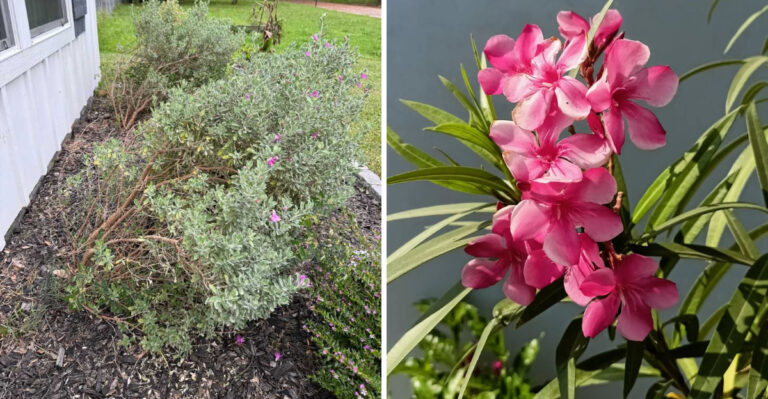
2. Oleander Crowds Narrow Paths Quickly
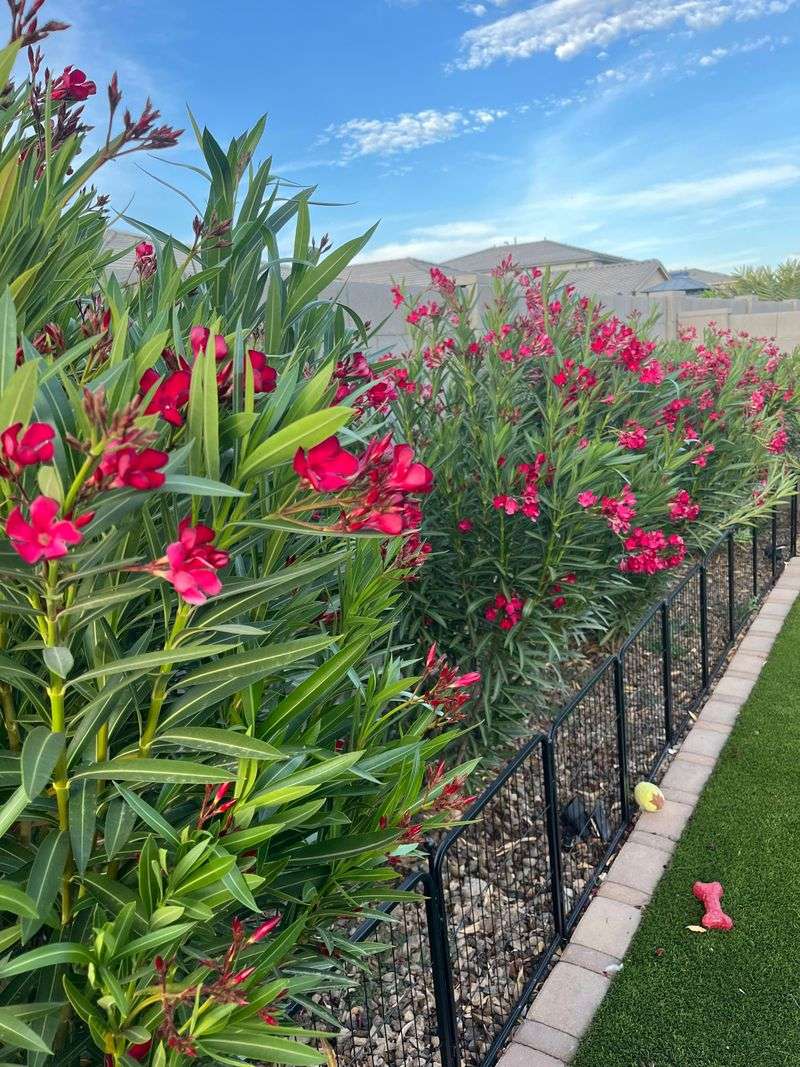
Oleander is one of the most popular shrubs in Arizona landscaping, and it is easy to understand the appeal.
It handles desert heat without complaint, blooms in beautiful shades of pink, red, and white, and grows fast enough to create a privacy screen in just a couple of seasons.
That fast growth, though, is exactly what makes it a walkway nightmare when planted too close.
A mature oleander can reach eight to twelve feet tall and just as wide. Many homeowners plant one thinking it will stay the size it was at the nursery.
Within two or three years, those dense branches are leaning over the path, blocking sunlight, and forcing people to walk sideways just to get through without a branch in the face.
Your Arizona Garden Changes Every Week. Your Plan Should Too.
Gardening in Arizona changes quickly throughout the season. Every Friday you’ll receive a simple weekly plan showing exactly what to plant, prune, fertilize, harvest, and protect so you never miss the right timing.
Keeping oleander trimmed near a walkway means pruning several times a year, especially during the summer growing season when Arizona heat and monsoon moisture push new growth hard.
Every pruning session requires care because oleander sap can irritate skin and eyes. It is not a plant you want to be wrestling with regularly just because it was planted two feet too close to the front door.
Placing oleander at least six feet from any walkway and ten feet from structures lets it do what it does best. Use it as a back-of-border screen or a property-line hedge where its size becomes a genuine asset rather than an ongoing maintenance commitment.
3. Texas Ranger Spreads Wider Than Expected
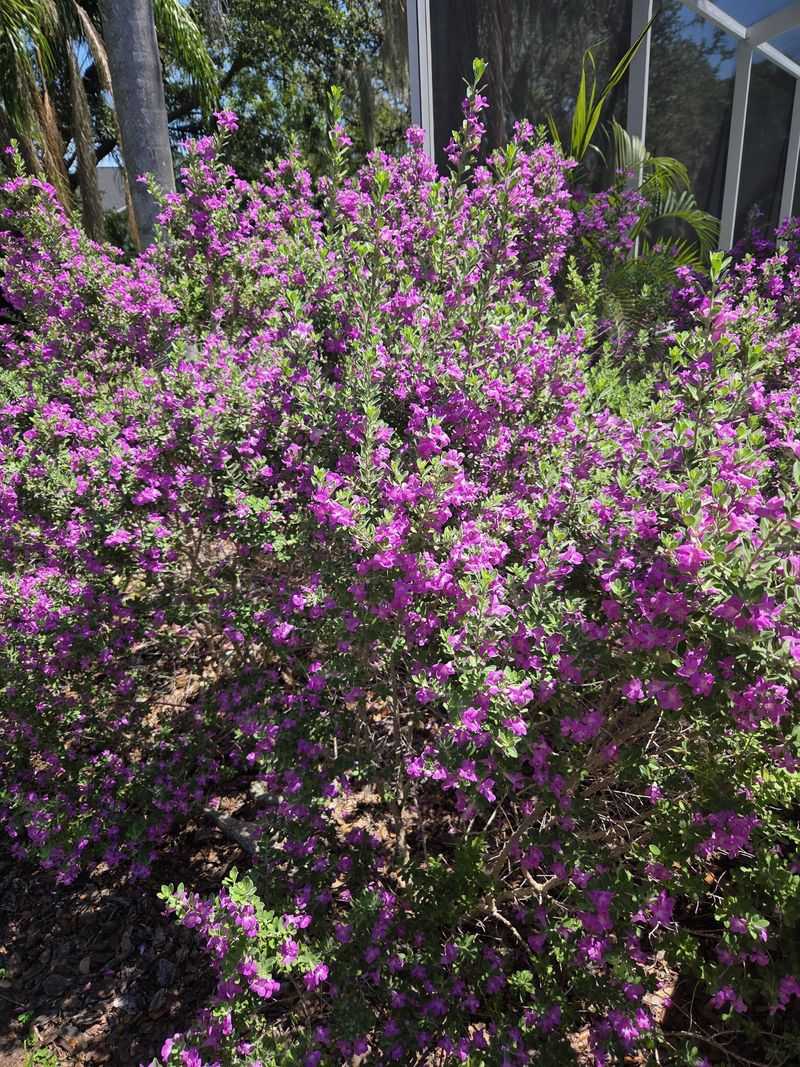
Walk through almost any Arizona neighborhood and you will spot Texas Ranger, also called Purple Sage or Leucophyllum frutescens.
Its silvery foliage and bursts of purple blooms after monsoon rains make it a desert landscaping favorite. What surprises most homeowners is how wide this shrub quietly spreads over the years without announcing its intentions.
Texas Ranger typically grows five to eight feet tall and equally as wide at maturity. A single shrub planted two feet from a walkway edge can eventually push four to six feet across the path.
The spread happens gradually, which is partly why so many people do not notice the problem until the shrub is already blocking the way and the only fix is a major pruning session.
Monsoon season is the biggest driver of rapid growth. Texas Ranger responds enthusiastically to summer humidity and rainfall, pushing out new branches in every direction.
Back-to-back monsoon storms can add several inches of new growth in a matter of weeks, and near a walkway that growth means constant trimming to maintain any clearance at all.
Texas Ranger looks best when allowed to grow naturally into its rounded form. Constant pruning near a path forces an unnatural shape and reduces the dramatic flower displays that make this plant worth growing in the first place.
A minimum six-foot setback from walkways gives the shrub room to perform without crowding foot traffic, and you get the full monsoon bloom show as a reward for your patience.
4. Lantana Spills Over Tight Walkways
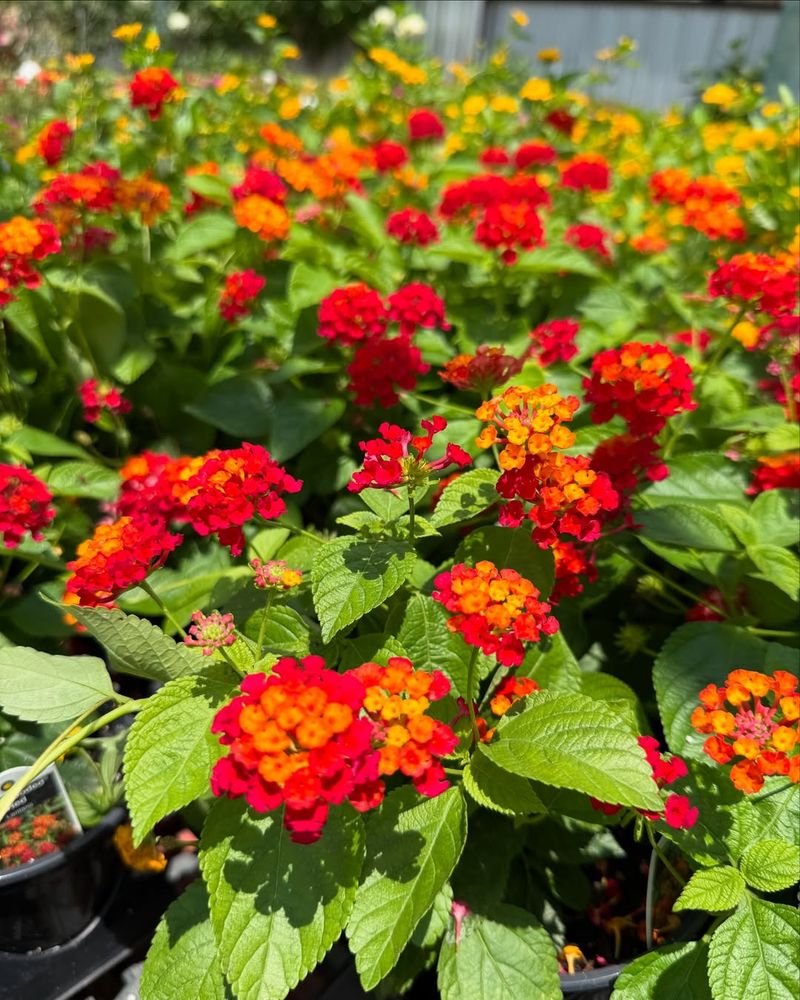
Lantana has a low, sprawling personality that makes it excellent groundcover in open desert beds.
Its clusters of yellow, orange, red, and purple flowers attract butterflies and hummingbirds, and it handles Arizona heat with impressive toughness.
The problem shows up when it is planted right along a walkway edge, because lantana does not stay put and it does not apologize for that.
Trailing varieties can spread four to six feet wide, and shrub-type lantana can reach three to four feet in both height and width.
Either way, the stems creep outward and spill over walkway edges in a way that looks charming at first but becomes a tripping hazard fast. Stems that cross onto pavement get stepped on, break, and create a mess that attracts pests.
Trimming lantana back from a walkway is a regular commitment, not a one-time fix. The plant bounces back quickly after pruning, especially during warm months, and returns to the walkway edge within a few weeks without any encouragement.
Lantana also produces small berries that drop onto pavement, creating a slippery surface that can be a real problem for children and older adults moving through the space.
Planting lantana at least three feet back from any walkway edge gives the plant room to spread without becoming a foot traffic problem.
Use it in wide open beds, along slopes, or as a colorful filler between larger desert plants where it has room to roam freely without bumping into anyone walking by.
5. Hopseed Bush Needs A Wider Border
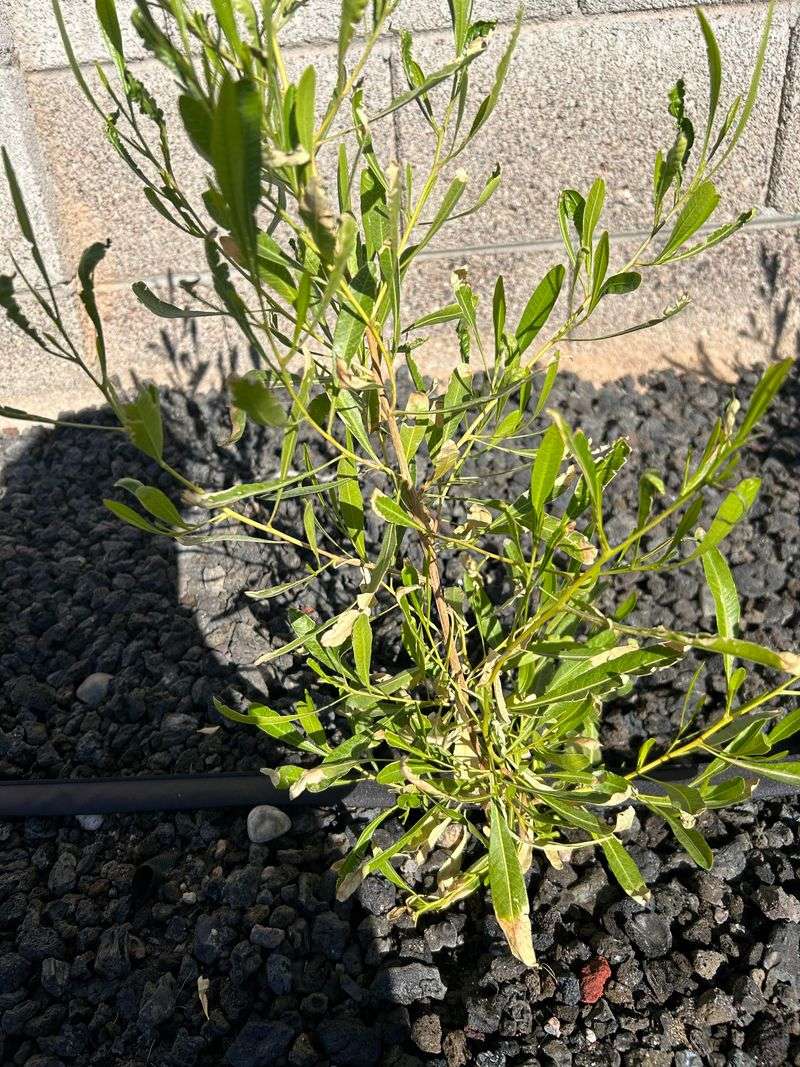
Hopseed Bush, known botanically as Dodonaea viscosa, often gets planted as a hedge or screen because it grows quickly and stays green year-round.
Arizona homeowners love it for privacy along property lines and near patios. It is a reliable, low-water plant that earns its place in desert landscapes, but it has a size problem that consistently catches people off guard.
Left unpruned, Hopseed Bush can reach ten to fifteen feet tall and six to ten feet wide. That is a significant footprint for a plant that many people assume will stay compact.
When planted close to a walkway, it quickly becomes a wall of foliage that narrows the path and creates a tunnel effect that feels uninviting and difficult to navigate.
The dense canopy also creates a shaded, moist microclimate right along the walkway edge. In Arizona, that kind of shade near pavement can encourage algae growth on concrete, making the surface slippery after irrigation or rain.
Managing this shrub near a walkway means frequent pruning to keep it from closing in on the path from multiple sides simultaneously.
Using Hopseed Bush as a back-of-border plant or a property-line screen rather than a walkway border shrub makes the most of what it does well.
A setback of at least five to six feet from any foot traffic area lets it grow into its natural form without becoming a maintenance burden that takes up every weekend from June through September.
6. Pyracantha Belongs Away From Foot Traffic
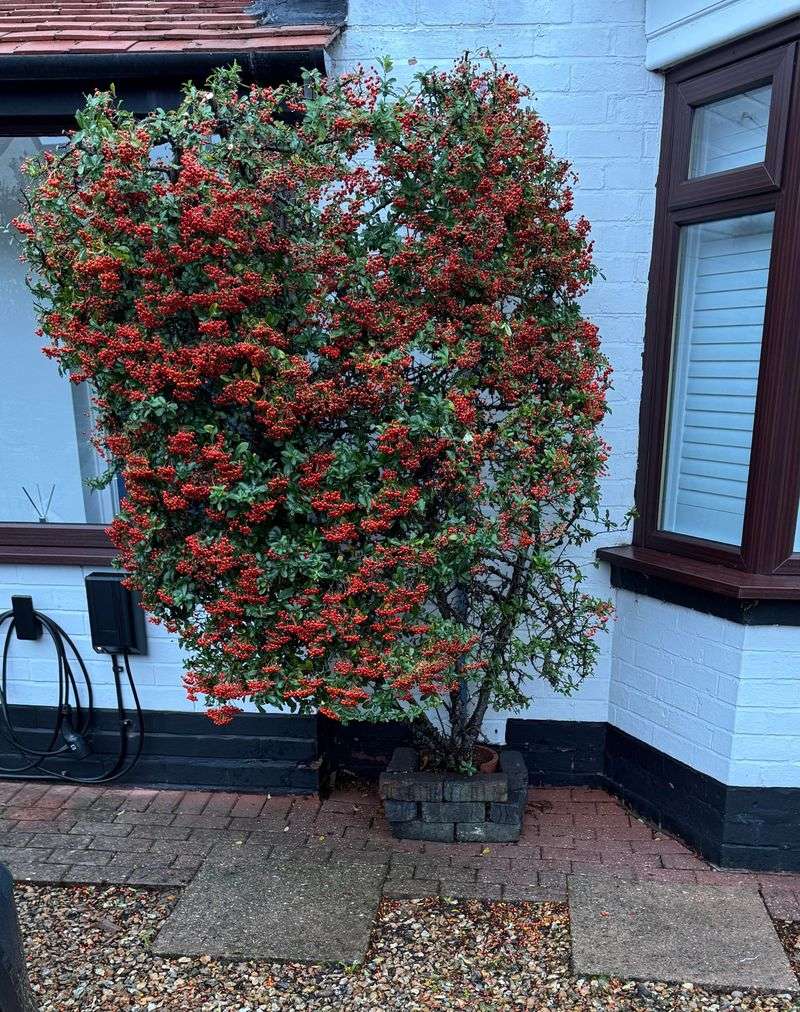
Pyracantha, commonly called Firethorn, earns its name the hard way.
The clusters of bright red and orange berries look festive and cheerful from across the yard, but getting close to this shrub tells a very different story.
Long, stiff thorns line every branch, and they are sharp enough to puncture thick garden gloves with minimal pressure.
This shrub can grow six to twelve feet tall and spread six to ten feet wide in Arizona’s climate. It grows vigorously and sends out long arching canes that reach outward in every direction.
Near a walkway, those canes become an obstacle course that scratches anyone who passes within arm’s reach. Children and pets are especially vulnerable to the thorns, which cause painful puncture wounds without much warning.
Beyond the thorns, the berries create their own walkway hazard. When ripe berries drop onto pavement, they create a slippery, staining mess that is genuinely difficult to clean up.
Birds love the berries, which means bird droppings on surrounding pavement as an additional bonus problem nobody asked for.
Managing Pyracantha near a walkway means constant pruning, berry cleanup, and navigating those thorns every single time you try to do either one.
Pyracantha works beautifully as an espalier plant against a wall or fence where it can be trained safely away from foot traffic.
Its thorny character becomes a landscaping asset when placed somewhere it cannot reach anyone walking by, which is the kind of outcome everyone involved can appreciate.
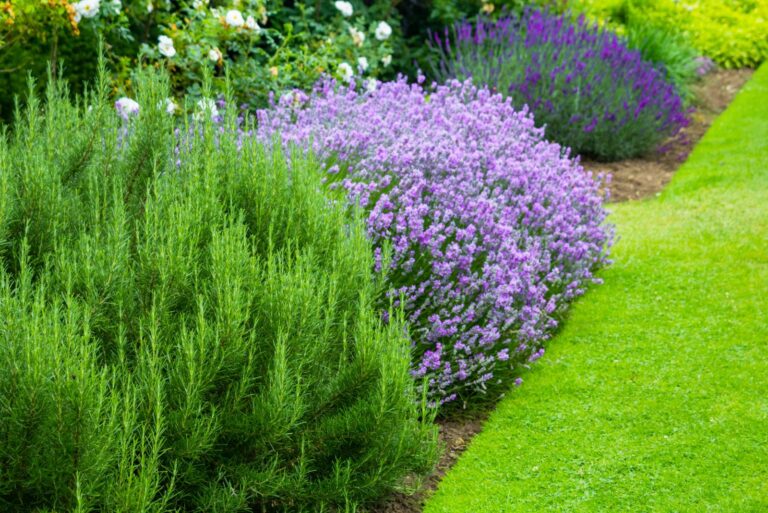
7. Rosemary Needs Space To Sprawl
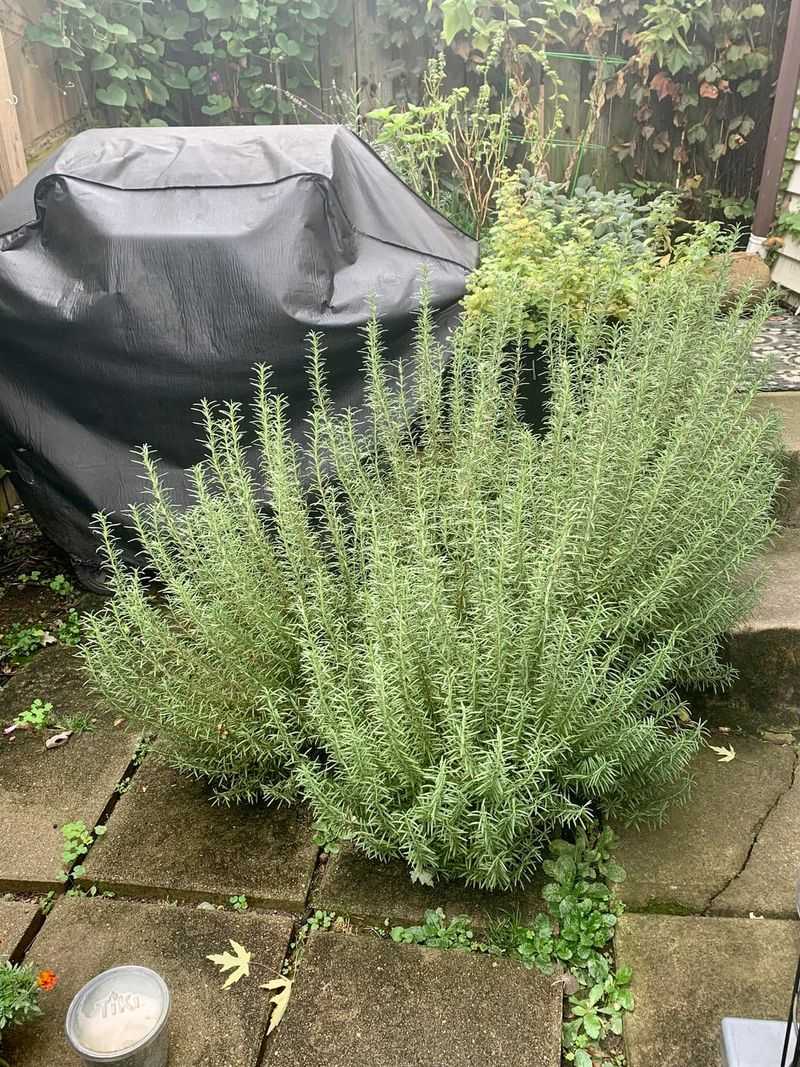
Rosemary smells incredible, and that is part of the problem. Plant it near a walkway and every passerby who brushes against it releases that wonderful herby scent.
It sounds lovely, and it is, right up until the plant grows into a woody, sprawling shrub that blocks half the path and catches ankles on the stems nobody noticed crossing onto the pavement.
In Arizona’s warm climate, rosemary does not stay small. Upright varieties can reach four to six feet tall and nearly as wide.
Trailing varieties spread low and wide, sending stems across pavement with enthusiasm that does not respond well to polite redirection.
Both types develop thick, woody bases over time that are difficult to prune back without damaging the plant’s structure in ways that take a long time to recover from.
The woody stems are the real long-term issue. Young rosemary is soft and easy to shape, but after three or four seasons in the Arizona sun, the base becomes stiff and brittle.
Cutting back into old wood often leaves bare, unattractive sections that take considerable time to fill back in.
This makes aggressive pruning near a walkway a frustrating and visually unappealing solution to a problem that was easier to prevent than to fix.
Rosemary performs best when given at least three to four feet of clearance from any walkway edge. Upright varieties work well as mid-border plants behind lower groundcovers.
Trailing types shine on slopes or in raised beds where they can cascade naturally without crossing into foot traffic zones.
Plant it where you can enjoy the scent without fighting the spread, and rosemary becomes one of the most rewarding shrubs in any Arizona yard.