This Common Farm Bird Is a Natural Tick Deterrent In Indiana
Ticks are steadily taking over Indiana yards faster than most homeowners realize. Chemical sprays quietly cost you money and still miss the real danger.
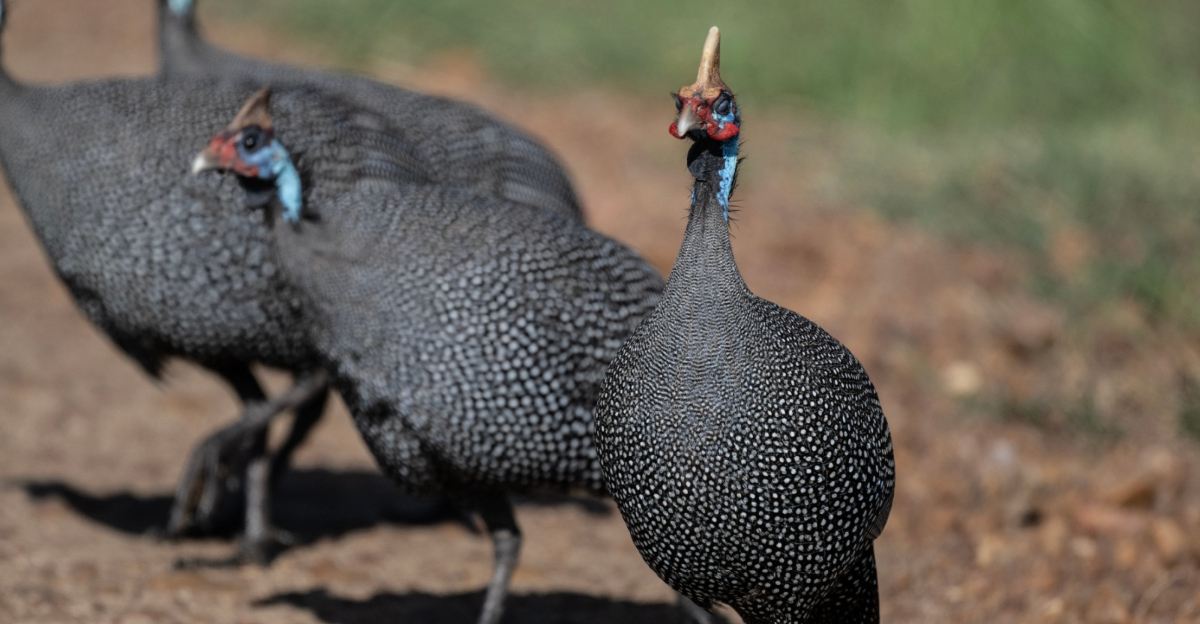
Nobody ever warns you about the odd, loud creature that changes everything. Picture a strange bird patrolling your entire yard like a silent guardian.
It hunts ticks nonstop, snatching them up before you even notice. Farmers across Indiana have quietly trusted this mysterious creature for generations now.
Neighbors might complain about the noise, but your own skin will thank you. Nothing about this method ever feels passive, slow, or accidental.
Every hour, this creature keeps working while you relax indoors. Curiosity alone should pull you toward this strange, effective solution.
Skepticism fades fast once you witness the surprising results yourself. You will never look at your yard the same way again.
What Makes Guinea Fowl Different From Chickens
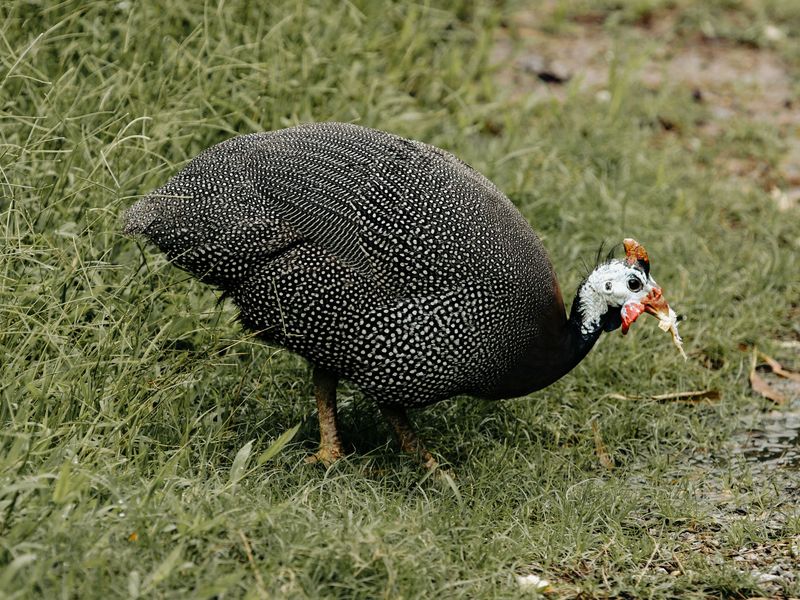
Most people see a guinea fowl and think it is just a weird-looking chicken. That is a completely understandable mistake, but these two birds are very different animals.
Chickens scratch at the ground and dig up soil to find bugs. Guinea fowl, on the other hand, snatch insects right off the surface without disturbing the ground beneath them.
That foraging style makes guinea fowl far better at patrolling large areas. They move in tight flocks, sweeping across your yard like a feathered search party.
Chickens tend to stay close to the coop. Guinea fowl roam far and wide, covering acres in a single day if you let them.
Another big difference is temperament. Chickens are generally calm and easy to handle. Guinea fowl are alert, skittish, and loud, which actually makes them excellent watchbirds.
They will sound an alarm call at anything unfamiliar, from a hawk overhead to a stranger walking up the driveway. That noise can be a downside in suburban settings, but on a farm it is genuinely useful.
Guinea fowl also have a much stronger flock instinct than chickens. They rarely wander alone and prefer to stay together as a group.
This pack behavior helps them cover ground efficiently, making them superior tick hunters. If you want a bird that actively works your property, guinea fowl are the clear choice over chickens.
Why Ticks Are Such A Problem In Indiana
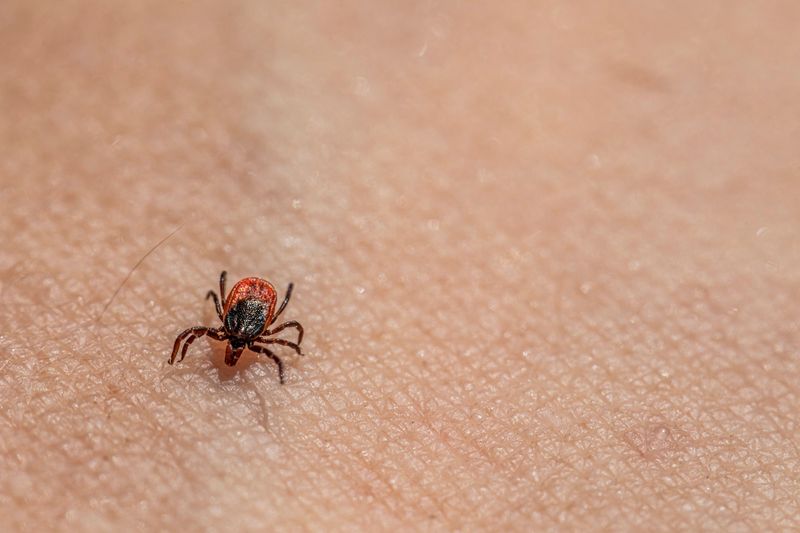
Indiana sits in a sweet spot for tick populations. The state has the right mix of humidity, woodland edges, and tall grasses that ticks absolutely love.
The blacklegged tick, also called the deer tick, has been spreading across the state for years. It carries Lyme disease, which can lead to significant health complications if not treated early.
The lone star tick has also been reported in southern parts of the state, and its range may continue to shift over time. This species is aggressive and can trigger a rare red meat allergy in some people who are bitten.
Tick season in Indiana runs longer than most people expect. Activity typically picks up in early spring and can stretch all the way into late fall on warm days.
Your Indiana Garden Changes Every Week. Your Plan Should Too.
Gardening in Indiana changes quickly throughout the season. Every Friday you’ll receive a simple weekly plan showing exactly what to plant, prune, fertilize, harvest, and protect so you never miss the right timing.
Wooded backyards, leaf piles, and overgrown fence lines are prime tick habitat. If your property has any of those features, you are likely hosting more ticks than you realize.
Children and pets are especially vulnerable because they spend so much time at ground level. A tick can attach within minutes of contact with skin or fur.
Traditional tick control methods include chemical sprays and yard treatments. These work, but they also affect beneficial insects like bees and butterflies.
This is one reason some Indiana homeowners are exploring guinea fowl as a natural tick deterrent. A biological approach can offer benefits over chemical treatments when it comes to long-term yard health.
How Guinea Fowl Hunt And Eat Ticks
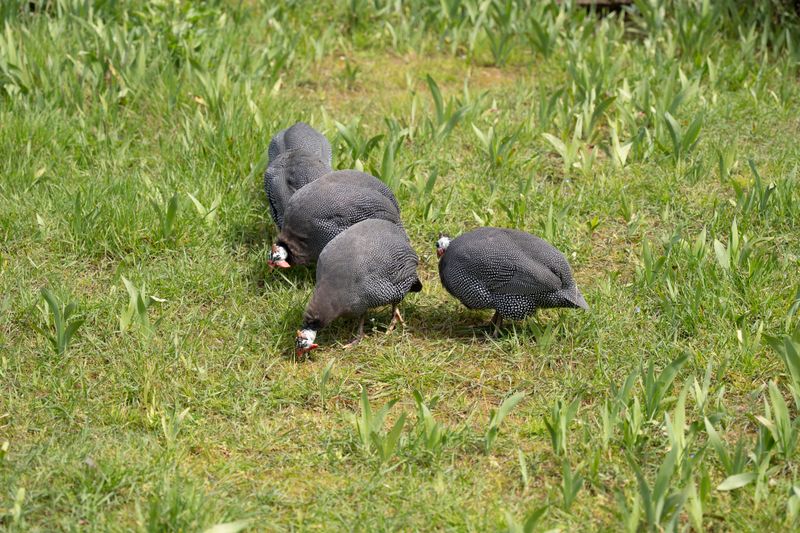
Watching guinea fowl hunt is notable to observe. They move through grass with sharp, focused eyes, scanning the blades and stems for any sign of movement.
Ticks are easy targets for them. Guinea fowl spot them on grass stems, leaf litter, and low shrubs, then pick them up quickly and accurately.
Some poultry keepers report that a small flock of guinea fowl can consume large numbers of ticks over a season, though exact figures have not been scientifically confirmed. That number adds up fast when you think about daily patrols across your entire yard.
Unlike sprays or traps, guinea fowl provide continuous, living pest control. They are working every single day from sunrise to sunset without any input from you.
Their eyesight is sharp. Owners often note that guinea fowl can spot ticks and small insects on grass and leaves with impressive ease.
Ticks are not the only thing on the menu. Guinea fowl also eat mosquitoes, grasshoppers, beetles, and other yard pests that most people would rather not have around.
The foraging method matters too. Because they peck from the surface rather than scratching, they do not destroy garden beds or uproot plants the way chickens sometimes do.
That makes them a practical option even for homeowners with landscaped yards. A flock of six to ten birds may noticeably reduce tick activity on a property over time, though results can vary by yard and season.
Raising Guinea Fowl In Your Backyard
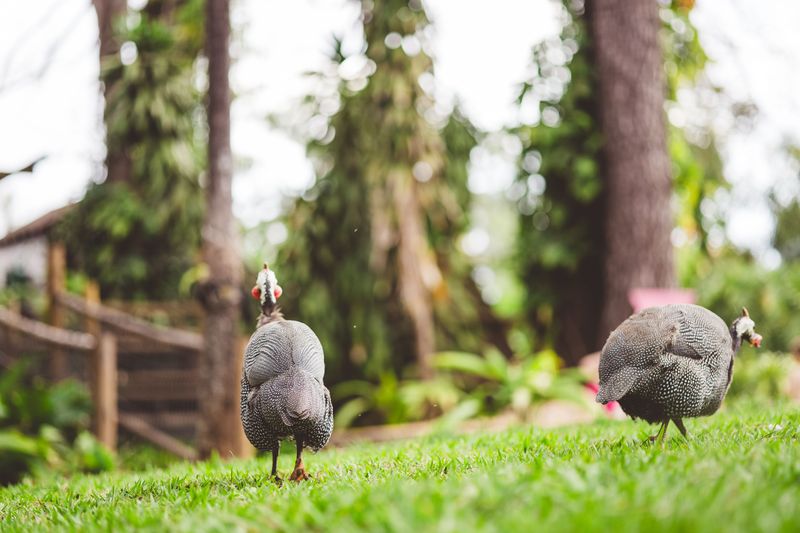
Starting with guinea fowl is easier than most people expect. The learning curve is real, but it is nothing a motivated backyard farmer cannot handle.
Most people begin with keets, which are baby guinea fowl. They are fragile in the first few weeks and need a brooder with heat, clean water, and high-protein feed.
Keets require a protein level of around 24 to 26 percent in their starter feed. Regular chick feed will not cut it, so look for gamebird starter at your local farm supply store.
Once they are feathered out at around six weeks, they can transition to outdoor life. A secure coop protects them from predators like foxes, raccoons, and hawks.
Guinea fowl are natural free-rangers. They thrive when given space to roam, but you need to train them early to return to the coop at night.
Confining them to the coop for the first four to six weeks helps them bond to that location. After that, they typically return on their own each evening.
Water and basic poultry feed should always be available. Guinea fowl supplement their diet heavily through foraging, so feeding costs stay relatively low.
Fencing is something to think through carefully. These birds can fly surprisingly well and may roam beyond your property if boundaries are not established early in their training.
Benefits Beyond Tick Control
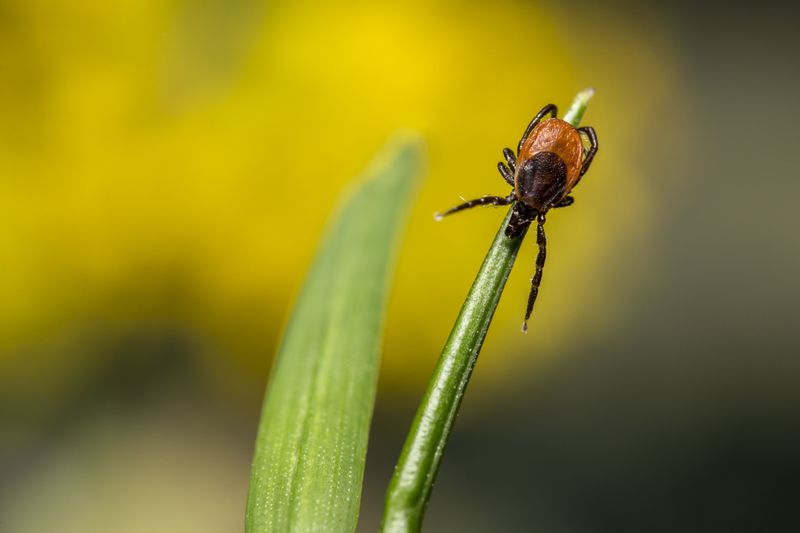
Tick control is the headline, but guinea fowl bring a whole list of bonus features to the table. Once you have them, you start noticing all the other ways they earn their keep.
Mosquito reduction is one of the biggest surprises for new owners. Guinea fowl snap up mosquitoes mid-air and off vegetation, which noticeably cuts down on the buzzing nuisance around your yard.
They are also outstanding garden protectors. Grasshoppers and Japanese beetles, which can damage a vegetable patch, are favorite snacks for a roaming flock.
As mentioned earlier, guinea fowl make excellent watchbirds. Their loud alarm calls alert you to predators, intruders, and anything out of the ordinary on your property.
Some farmers use them to protect chicken flocks from aerial threats. A guinea flock will scream loudly at any hawk circling overhead, giving chickens time to take cover.
Their droppings are high in nitrogen, which means they naturally fertilize your pasture as they roam. You get pest control and lawn nutrition in one feathered package.
Guinea fowl meat is also considered a delicacy in many cultures. It has a richer, gamier flavor than chicken and is leaner, making it a sought-after protein source.
Their eggs are smaller than chicken eggs but packed with nutrition. Many people who keep guinea fowl enjoy collecting eggs as an added bonus to all the pest management benefits.
Things To Consider Before Getting Guinea Fowl
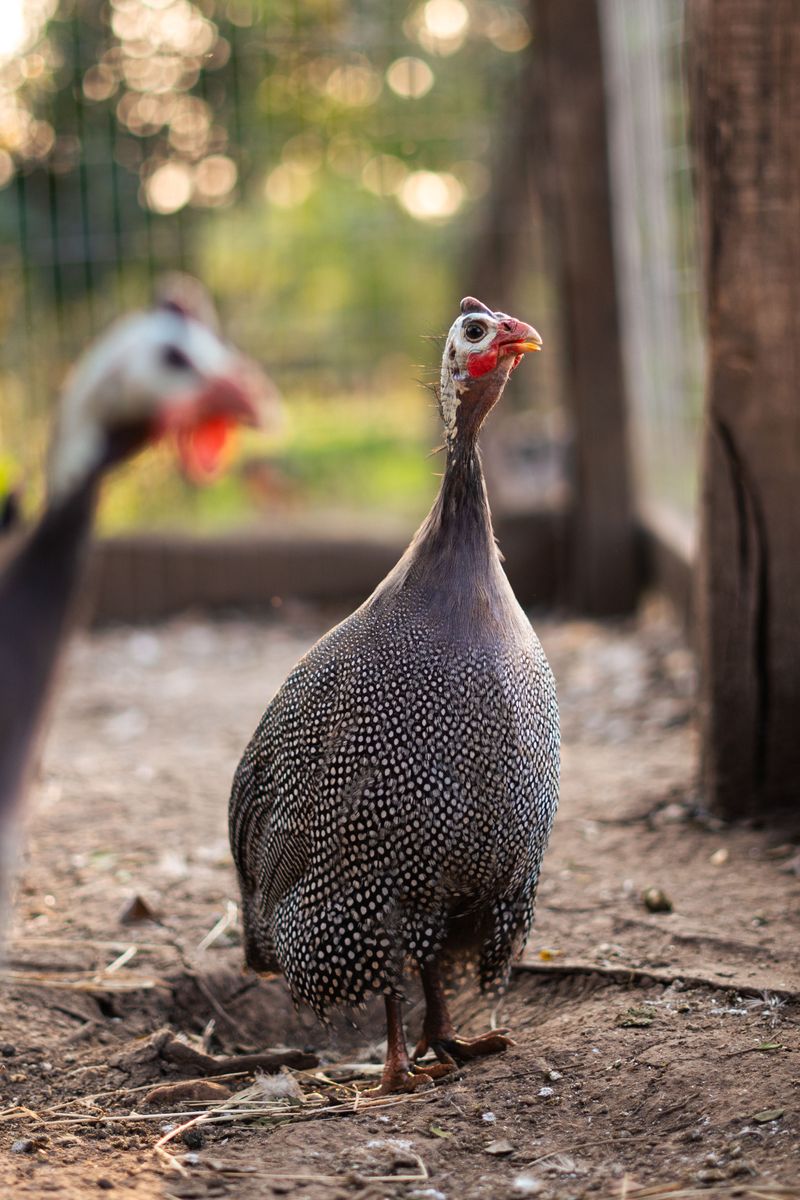
Guinea fowl are not for everyone, and that is perfectly fine to admit before you bring any home. A little honest self-assessment goes a long way here.
The noise level is the number one complaint from new owners. Guinea fowl are loud, and they will alert to almost anything, from passing cars to falling leaves.
If you have close neighbors or live in a suburban neighborhood, that noise could create real tension. Some municipalities also have ordinances restricting poultry, so check your local rules first.
They are also not as easy to handle as chickens. Guinea fowl are flighty and independent, and they rarely enjoy being picked up or petted.
Predator pressure is another factor to plan for carefully. Guinea fowl roosting in trees or straying too far from shelter are vulnerable to foxes, coyotes, and owls.
A secure coop with a covered run gives them a safe retreat at night. Hardware cloth is more predator-proof than standard chicken wire, so invest in the better option upfront.
Commitment matters too. These birds live eight to ten years and need consistent care throughout that time. You cannot simply release them and forget about them.
But for the right homeowner, guinea fowl can be a rewarding addition to any property. If ticks are your problem and you have space to spare, these birds are a natural tick deterrent worth every bit of effort.