The Arizona Yard Features Roadrunners Look For Before Nesting
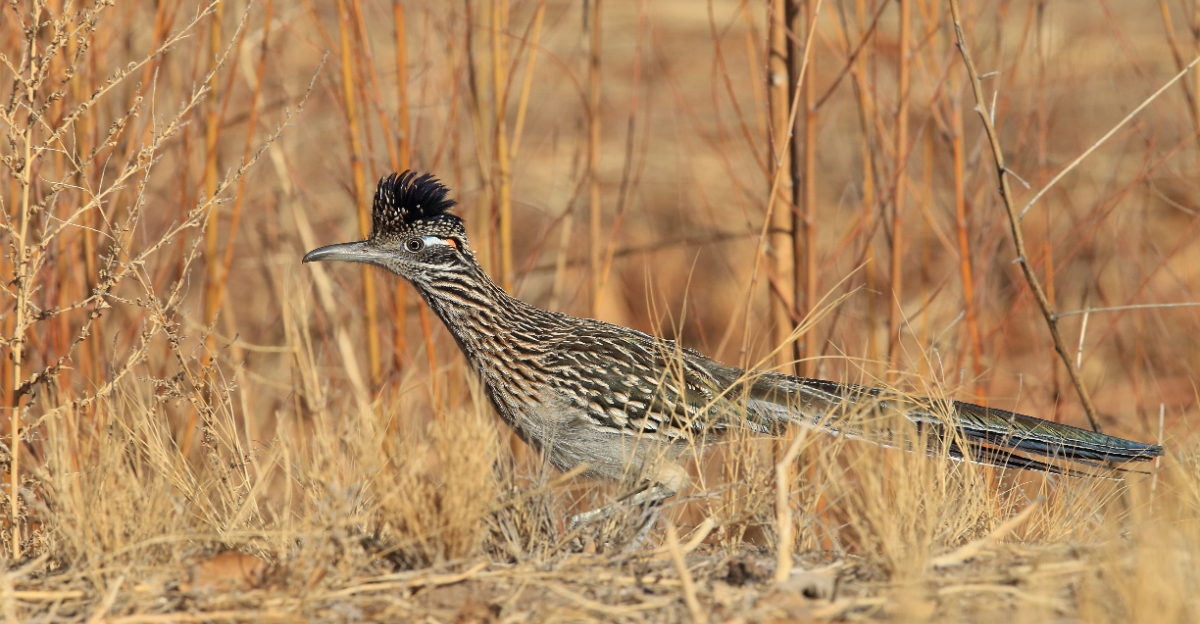
A roadrunner does not choose a nesting spot by chance. Long before eggs appear, it spends time searching for a yard with the right mix of shelter, shade, and quiet spaces.
If one has been visiting your property, resist the urge to change everything right away. Arizona yards often have features these birds already recognize as safe places to raise young.
Taking a closer look now could explain why a roadrunner keeps returning while other birds pass by. Once you understand what catches its attention first, your yard starts telling a very different story.
Small changes can either encourage a pair to stay or send them elsewhere, making it worth knowing exactly what they look for before nesting season begins.
1. Dense Native Trees Provide Safe Nesting Sites
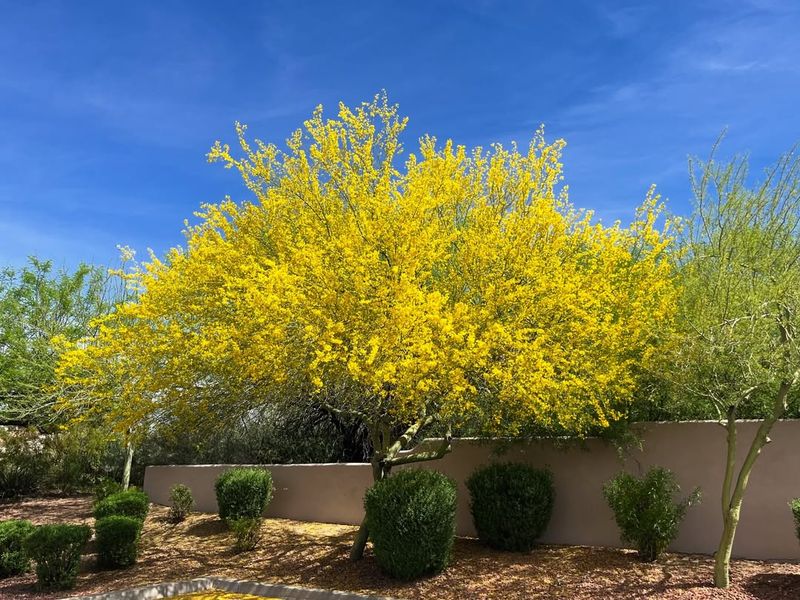
Tall, established trees catch a roadrunner’s attention fast. Palo verde and mesquite trees offer sturdy branch structures that smaller plants simply cannot match.
Roadrunners tend to build nests a few feet off the ground, and these trees give them exactly that kind of support.
Palo verde branches are dense enough to hide a nest but open enough for quick entry and exit. That balance matters a lot to a bird that needs to escape predators in a hurry.
Mesquite adds thick canopy cover that shields eggs and chicks from intense afternoon sun.
Mature trees also signal stability. A tree that has been growing for years tells a scouting roadrunner that the area is relatively undisturbed.
Young saplings just do not carry the same appeal.
If your yard has established palo verde or mesquite, avoid heavy pruning during late winter and spring. Cutting back branches right before nesting season can remove the exact spots a pair has already been eyeing.
Light trimming in fall is a safer window if shaping is necessary.
Planting these trees now is still worthwhile, even if results take years. Both species are drought-tolerant and well-suited to desert conditions.
Over time, a maturing tree becomes one of the strongest nesting assets your yard can offer a roadrunner pair looking for a reliable home base.
2. Brushy Property Edges Offer Better Cover
Neat, manicured yards rarely attract roadrunners. Sharp edges and trimmed borders send a signal that the space is heavily managed and potentially unpredictable.
Brushy, overgrown property lines feel much safer to a nesting bird.
Dense shrub borders give roadrunners a place to move through without being seen. Ground-level cover lets them travel between feeding areas and nest sites with less exposure to hawks and other threats.
That kind of protected corridor is genuinely useful during nesting season.
Native shrubs like desert hackberry, wolfberry, and brittlebush are solid choices for building up a natural edge. These plants grow thickly without much intervention and provide both cover and occasional food sources.
Leaving a section of your property boundary a little wild goes a long way.
Roadrunners also use brushy areas to cache food. Excess lizards or insects sometimes get stashed in dense vegetation for later.
A yard with reliable cover near food sources fits their behavioral patterns well.
Your Arizona Garden Changes Every Week. Your Plan Should Too.
Gardening in Arizona changes quickly throughout the season. Every Friday you’ll receive a simple weekly plan showing exactly what to plant, prune, fertilize, harvest, and protect so you never miss the right timing.
Resist the urge to clear every corner. Piles of branches or dried brush left in low-traffic areas of your yard can add to the layered cover roadrunners prefer.
It does not need to look messy to be functional. A natural, slightly untamed edge is one of the simplest adjustments you can make to bring nesting activity closer to your space.
3. Native Cactus Adds Protected Nest Sites
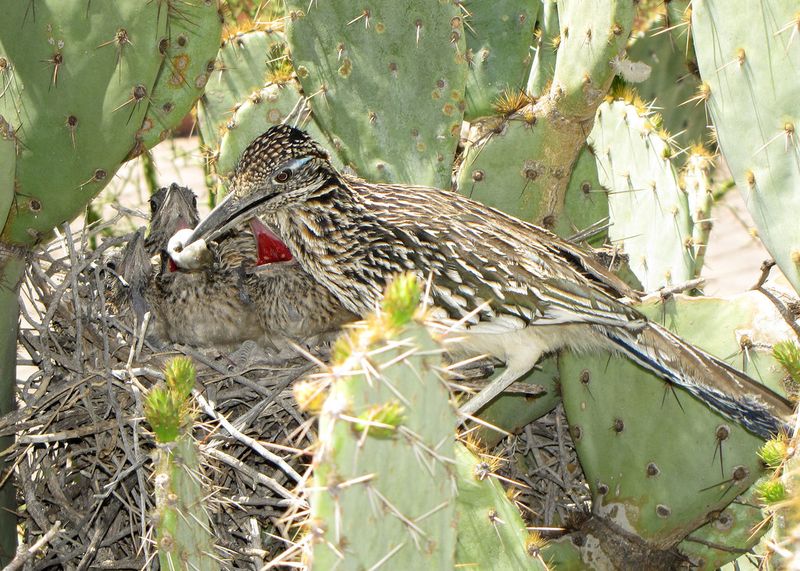
Cactus spines do a job that no fence can replicate. Roadrunners sometimes tuck nests directly into cholla or at the base of a saguaro, where the spines create a natural barrier against predators.
It is a smart strategy, and it works.
Cholla cactus is especially favored for nest placement. Its dense, interlocking spines make it nearly impossible for most predators to reach in without getting hurt.
Roadrunners seem to recognize this and return to the same cholla patches season after season when conditions stay favorable.
Saguaro cavities are less common for roadrunner nests but still provide perch points and foraging stops. Having several cactus species spread across your yard increases the number of potential sites a pair can evaluate.
Variety matters when birds are scouting.
Planting native cactus in Arizona is straightforward, but placement takes some thought. Avoid putting them in high-foot-traffic zones where regular disturbance would undercut their value as nesting habitat.
A back corner or along a fence line tends to work better.
Prickly pear is another useful option. It grows in wide, spreading clusters that offer ground-level cover around the base.
Roadrunners forage near prickly pear regularly, and a yard that combines multiple cactus types with open ground nearby creates a layered habitat that genuinely appeals to a nesting pair.
4. Natural Desert Plants Create Better Habitat
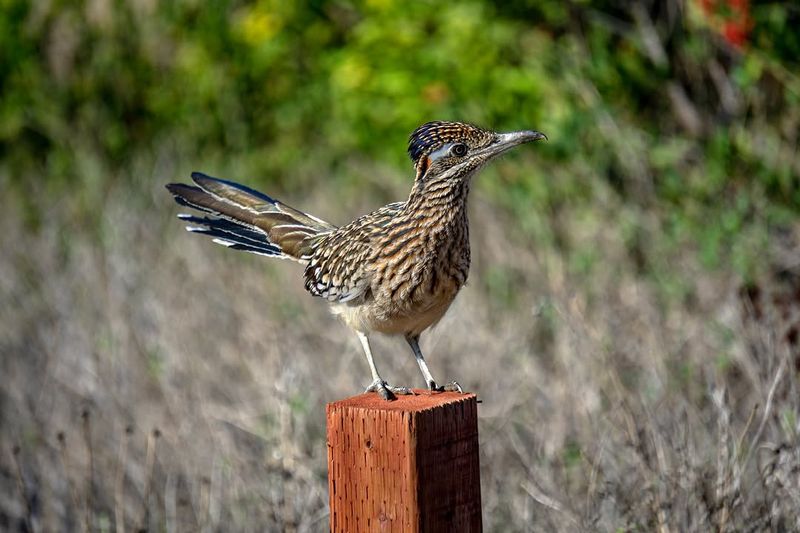
Grass lawns and ornamental plants do very little for roadrunners. Native desert plants, on the other hand, support the entire food web that roadrunners depend on.
Insects, lizards, and small rodents all thrive in native plant environments.
Ocotillo, desert sage, and native grasses attract insects that roadrunners hunt actively. More insects mean more lizards.
More lizards mean a better food supply for a nesting pair trying to feed chicks through the season. It builds on itself naturally.
Non-native plants often lack the insect relationships that native species have developed over a long time. A yard full of imported ornamentals may look lush but can feel like a food desert to a hunting roadrunner.
Switching even a portion of your planting to native species shifts that balance noticeably.
Leaf litter and ground debris from native plants also create microhabitats at soil level. Small lizards and insects shelter under dried leaves and seed husks.
Roadrunners forage through this material regularly, flipping debris to find prey underneath.
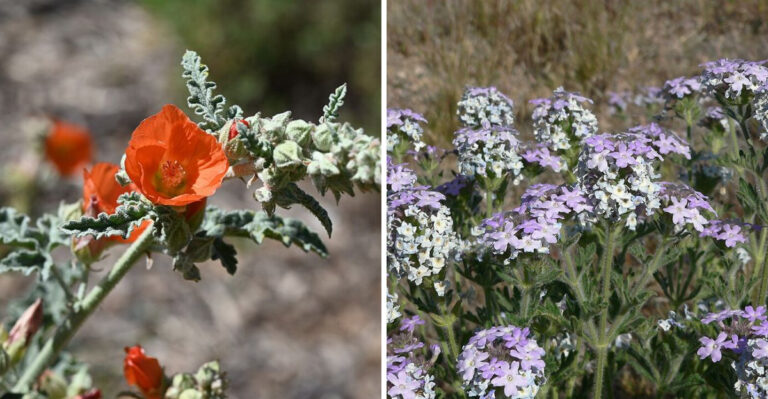
Start with a few key native plants and expand from there. Brittlebush, globe mallow, and desert marigold are easy to establish and require minimal water once rooted.
Over a couple of growing seasons, even a partially native yard starts attracting the prey species that make a location worth nesting near for a roadrunner pair.
5. Quiet Areas Away From Daily Activity Help
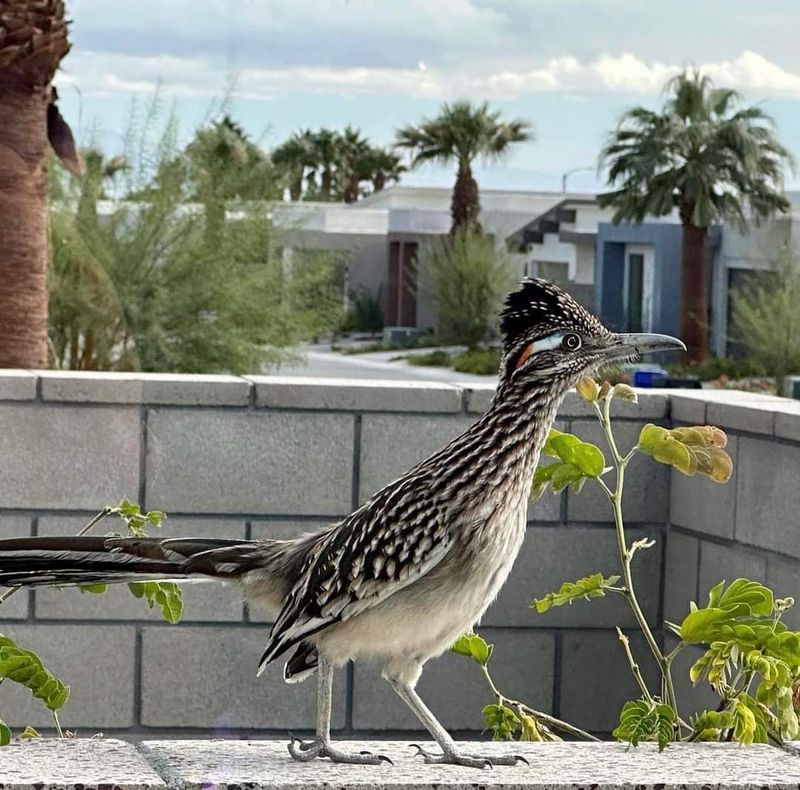
Foot traffic is one of the biggest reasons roadrunners skip an otherwise promising yard. Constant movement near a potential nest site puts them on edge.
Pairs that feel watched or crowded tend to move on quickly.
Nesting roadrunners need at least one zone in your yard that stays genuinely calm. A back corner, a side yard with limited access, or a section behind a shed can all serve this purpose.
The key is consistent low disturbance over several weeks.
Pets are a real factor here. Dogs and cats that patrol the yard regularly can make even a well-planted space feel unsafe.
Keeping pets away from specific zones during nesting season, roughly late winter through early summer, gives roadrunners the buffer they need.
Noise matters too, though it is harder to control. Roadrunners in suburban areas do adapt to background sounds like traffic or air conditioning units.
Sudden, sharp noises or unpredictable activity near a nest are more disruptive than steady ambient sound.
Setting up a trail camera in a quiet corner can help you track whether roadrunners are scouting without adding any extra disturbance. You get to monitor activity without being physically present.
Once you spot a pair returning to a specific spot repeatedly, that is your signal to back off and let them settle in at their own pace.
6. Reliable Water Sources Increase Visits
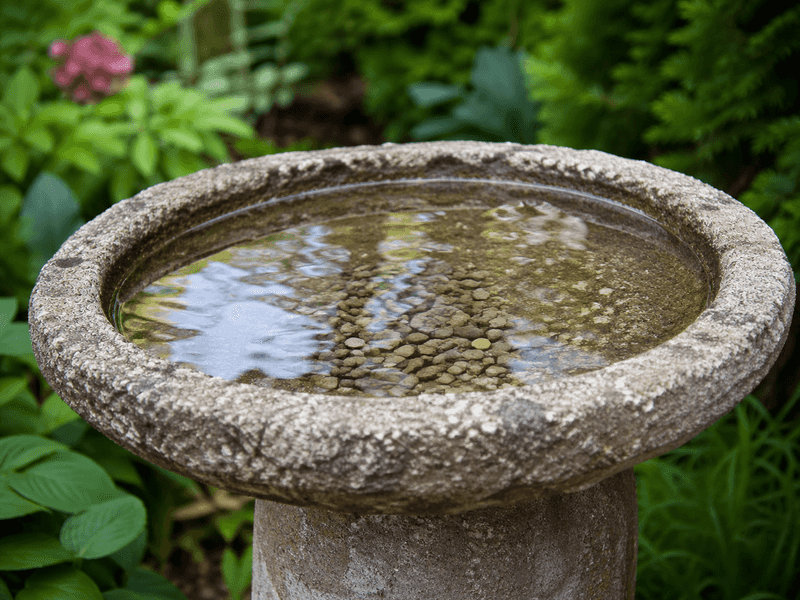
Water is scarce in the desert, and roadrunners know exactly where to find it. A yard with a consistent water source gets visited far more often than one without.
Regular visits lead to familiarity, and familiarity increases the chance a pair will nest nearby.
Roadrunners drink water directly and also get moisture from prey. Still, a reliable shallow water source adds real value to a yard.
Ground-level dishes work better than elevated birdbaths since roadrunners are not strong fliers and prefer staying close to the ground.
Keep the water fresh and refill it regularly. Stagnant water attracts mosquitoes and can make birds sick, so a quick daily rinse and refill is worth the effort.
Placing the dish near cover, but not directly under a heavily trafficked area, tends to draw more consistent visits.
Drippers and misters also work well. Moving water catches attention from a distance and signals that a source is active.
In peak summer heat, a yard with reliable water stands out sharply against the dry surrounding landscape.
Position water sources near native plantings rather than out in the open. Roadrunners prefer approaching water with cover nearby so they can retreat quickly if needed.
7. Healthy Prey Populations Support Nesting Pairs
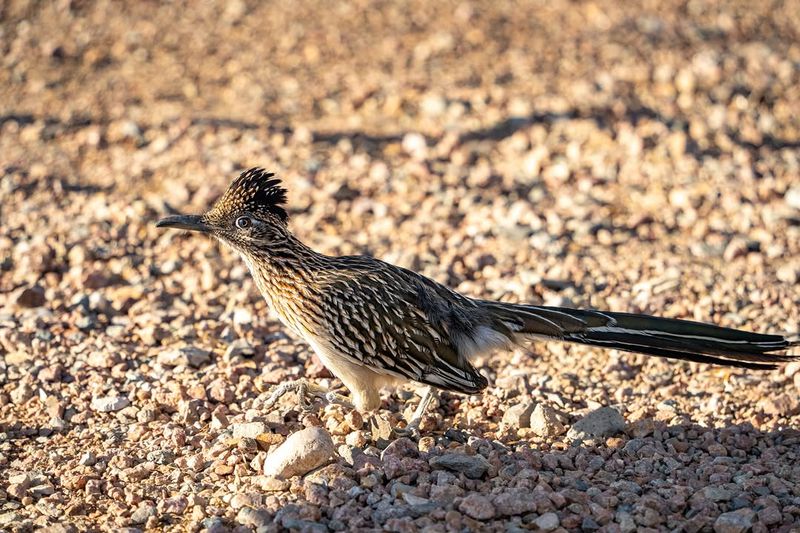
Food availability is probably the most practical factor a roadrunner weighs before nesting. A yard that cannot support a steady prey supply is not worth the investment of raising chicks nearby.
Lizards, large insects, small snakes, and rodents all make the list.
Western fence lizards and side-blotched lizards are common prey in desert yards. Keeping your yard pesticide-free helps these populations stay healthy.
Pesticides reduce insect numbers, which then reduces lizard numbers, which cuts directly into what a nesting pair can feed their young.
Roadrunner chicks need a lot of protein during their first few weeks. Parent birds hunt almost constantly during that stretch.
A yard with patchy prey availability makes that job harder and may cause a pair to abandon a nest or relocate before the season ends.
Ground cover helps prey populations thrive. Rocks, logs, and native plant debris give lizards and insects places to shelter and breed.
A yard that looks a little rough around the edges often supports far more prey than one that is swept clean and tidy.
Avoid broad-spectrum pesticide use, especially in spring. Spot-treating specific problem areas is less damaging than blanket applications across the whole yard.
Protecting the base of the food chain keeps prey populations stable, and stable prey populations are what convince a roadrunner pair that your yard is genuinely worth nesting in this season.