The Girdling Root Problem Michigan Homeowners Often Notice Too Late Around Street Trees
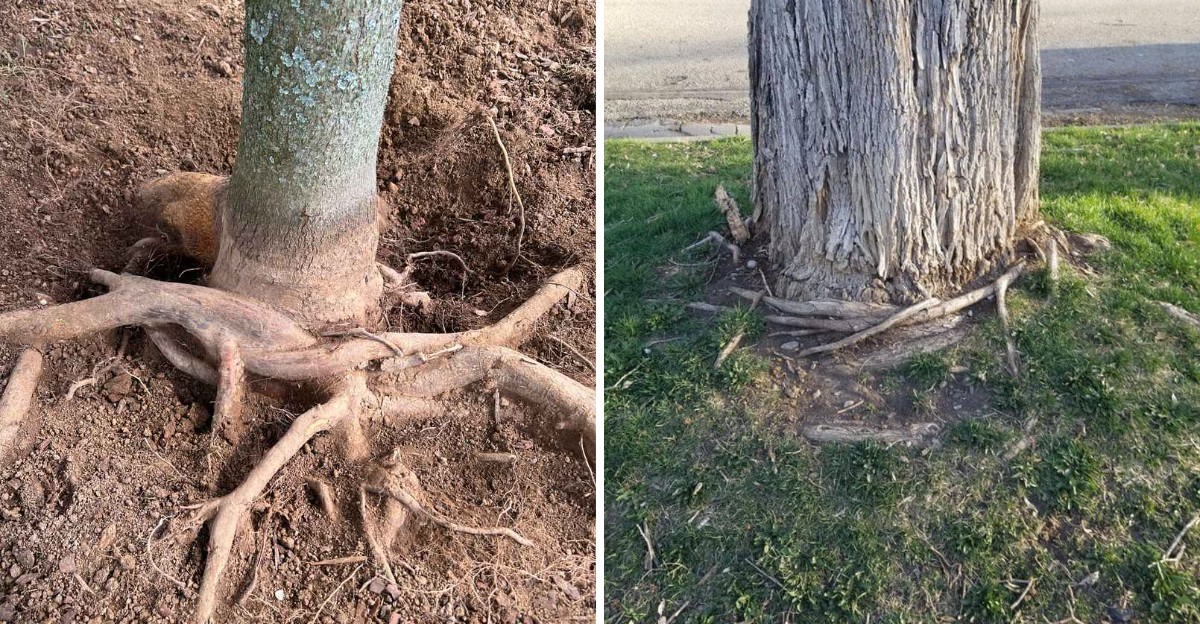
Street trees in Michigan sometimes develop a hidden problem right at their base. A root grows in the wrong direction and wraps around the trunk instead of spreading outward.
Over time, this root tightens like a slow noose, squeezing the trunk as both continue to grow.
Many homeowners don’t notice until the tree starts to look stressed, with thinning leaves or stunted growth that seems to come out of nowhere.
By that point, the root has often been causing damage for years, hidden just below the soil surface. Catching this problem early makes it far easier to correct than waiting until visible symptoms finally show up.
1. What A Girdling Root Is
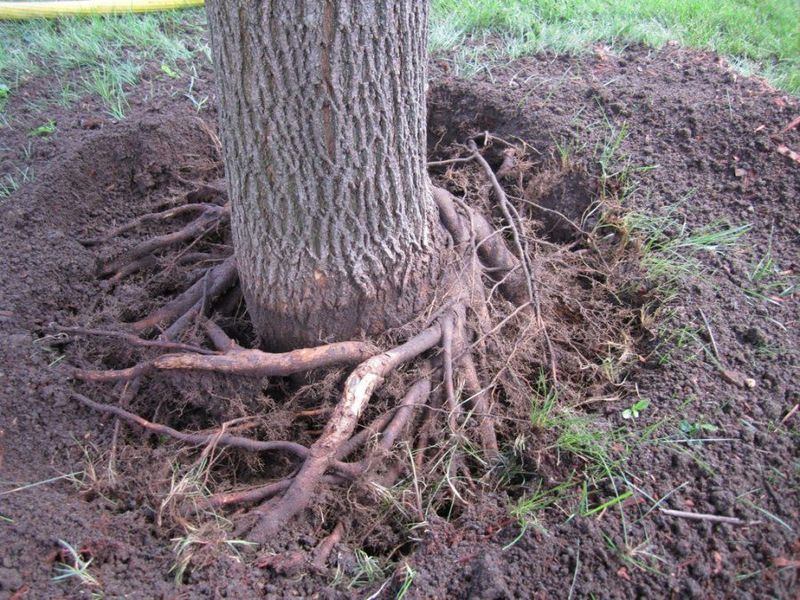
Most roots behave like explorers, reaching outward in every direction to find water and food. A girdling root breaks that rule. Instead of traveling away from the tree, it grows around or across the trunk or across other main roots.
At first, the problem seems small. Over time, though, both the root and the trunk get thicker every single year, and neither one wants to move out of the way. The root starts pressing into the trunk like a rubber band on a growing finger.
Right under the bark sits a thin layer of living tissue that works like the tree’s plumbing. It carries water up from the roots and sends sugars made in the leaves back down.
When a girdling root squeezes that layer, the flow slows to a trickle, and the tree slowly chokes.
Here’s the sneaky part. Girdling roots usually form at the soil surface or just a few inches below it.
Grass, soil, and mulch can cover them completely, so you might walk past the problem every day without seeing a thing. Michigan has plenty of trees suffering this way.
Arborists across the state often find girdling roots on street and yard trees that were struggling for years with no clear reason. Many trees get removed without anyone ever figuring out what went wrong underground.
Knowing what a girdling root is gives you a huge head start. Once you understand the basic idea, you can begin looking at your trees with fresh eyes and catch trouble while there is still time to help.
2. Why The Damage Shows Up Years Later
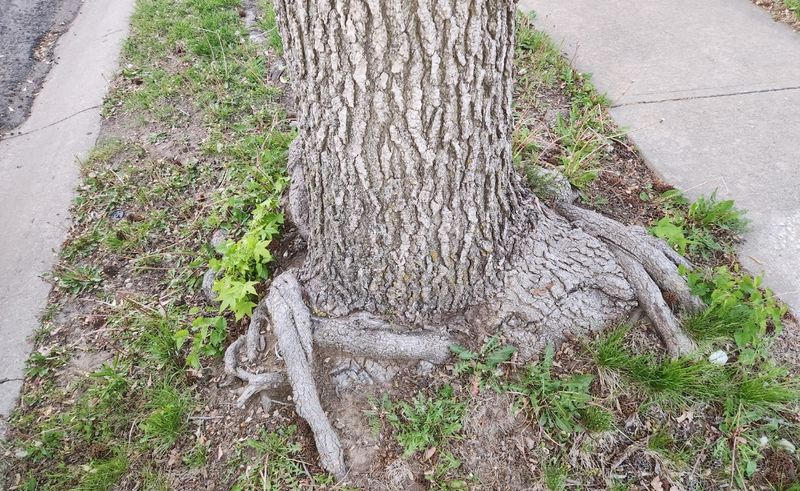
Patience is usually a virtue, but girdling roots use it against you. The squeeze happens so slowly that a tree can look perfectly fine for 10 to 20 years. Then, almost out of nowhere, it begins to struggle.
Think of it like a slow leak in a tire. You don’t notice a little air loss each day, yet one morning the tire is flat.
Trees work the same way, because the root and trunk tighten against each other a tiny bit each season until the pressure finally becomes too much.
By the time leaves start thinning, the damage can already be severe. That’s why so many homeowners feel blindsided. They remember a strong, healthy tree and can’t understand what changed.
Your Michigan Garden Changes Every Week. Your Plan Should Too.
Gardening in Michigan changes quickly throughout the season. Every Friday you’ll receive a simple weekly plan showing exactly what to plant, prune, fertilize, harvest, and protect so you never miss the right timing.
So keep this rule of thumb in mind. If a middle-aged tree suddenly starts to decline and you can’t spot any pests, disease, or injury, girdling roots deserve a closer look. Checking the base costs nothing and might solve the mystery.
Timing matters a lot here in Michigan. Many neighborhoods were built in waves, and the city planted street trees when the houses went up. Those trees are now reaching the exact age when girdling problems tend to appear.
Your block might have a whole row of trees planted the same year, by the same crew, in the same way. If one tree on the street shows trouble, the others could follow.
Paying attention now gives you and your neighbors a real chance to act before the problem spreads down the line.
3. A Missing Root Flare Is The First Warning Sign
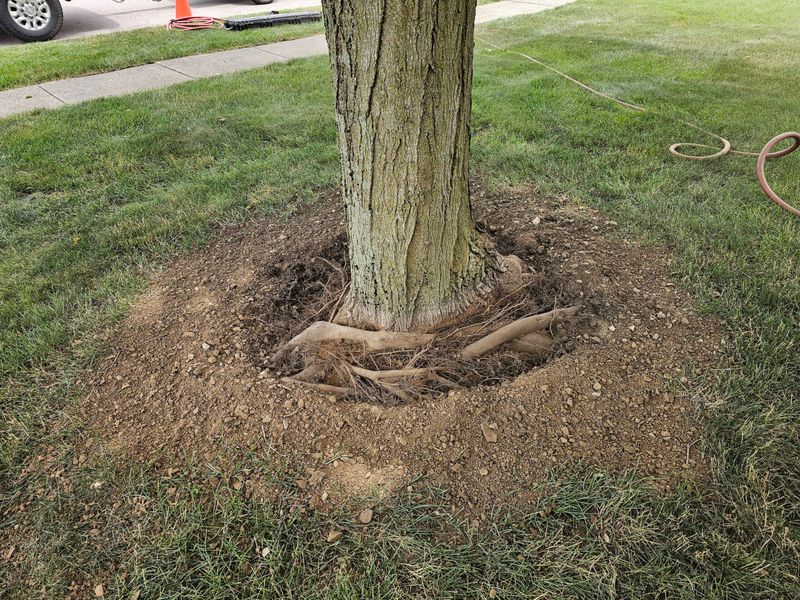
Take a walk around your yard and look down at the bottom of each tree. A healthy tree doesn’t just shoot straight out of the ground. Instead, its trunk widens near the soil, spreading out like the base of a wine glass.
Arborists call that widened area the root flare. It shows where the trunk ends and the main roots begin, and it should be easy to see above the soil.
Now compare that to a tree that goes straight into the ground like a telephone pole. No widening, no curves, just a flat column disappearing into dirt. That look usually means the tree was planted too deep or has soil or mulch piled around its base.
Both of those situations are perfect hiding spots for girdling roots. Buried trunks also stay damp, which can weaken bark over time.
When you inspect your trees, check three things. First, look for a natural flare. Second, notice any side of the trunk near the ground that looks flattened or sunken, since a hidden root may be pressing there.
Third, watch for roots you can actually see wrapping across the trunk. Michigan landscapes make this check especially worthwhile.
Deep planting has been common for decades, and the classic mulch volcano, a tall cone of mulch piled against the trunk, shows up in yards and tree lawns everywhere.
A quick five-minute look at the base of your trees might reveal more than any other single step you take this year.
4. Thin Canopy And One-Sided Decline
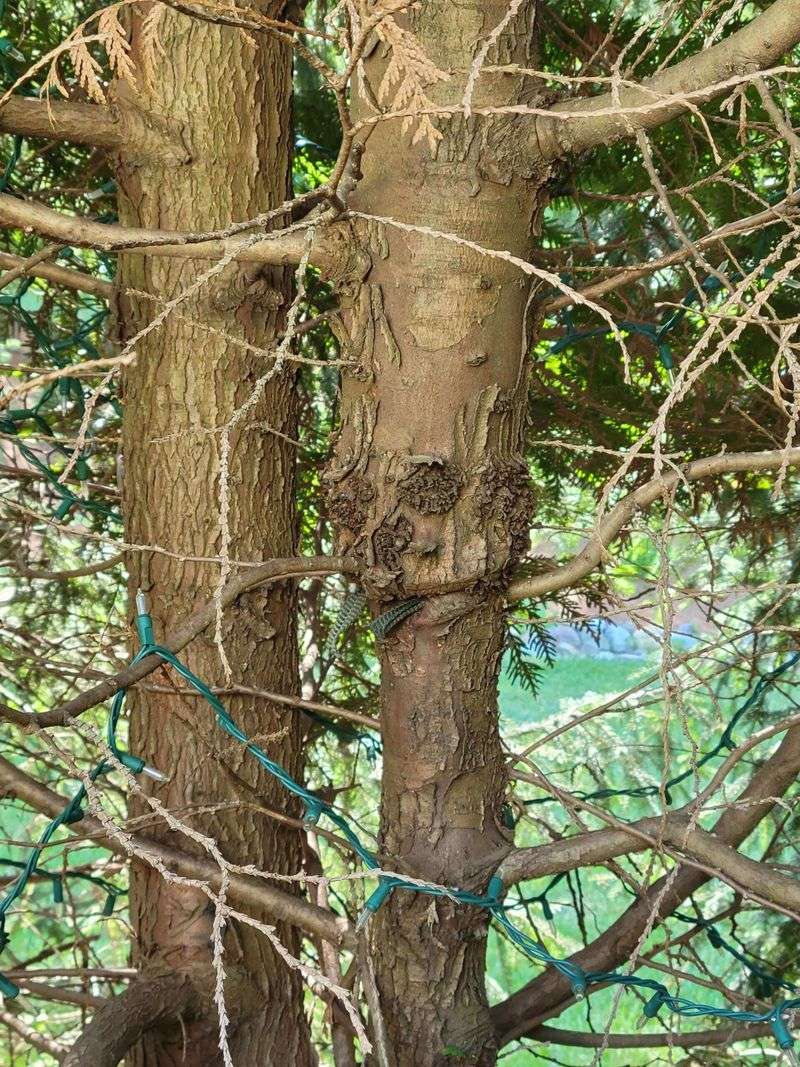
Trees can’t talk, but their leaves send clear messages if you know how to read them. When a girdling root blocks part of the trunk, the section of the canopy fed by that side of the root system starts to suffer first.
The result often looks lopsided and odd. You might notice leaves that are smaller than usual or simply fewer of them.
Some branches may turn orange or red weeks before other trees on the street, which is a classic stress signal. In bad cases, a whole side of the tree loses its leaves and branches start to fail.
Watch the top of the tree, too. Thinning in the upper canopy is common because water has the longest trip to reach those high branches.
Comparison is your best tool. Stand back and look at your tree next to others of the same type nearby. If yours seems weaker, sparser, or starts to lean, something is likely going on below the surface.
In Michigan, people often blame these symptoms on a dry summer or a brutal winter. Weather certainly stresses trees, and sometimes it really is the cause.
Still, if the same tree looks worse year after year while its neighbors bounce back, weather alone doesn’t explain it.
Snap a few photos each summer from the same spot. Over two or three seasons, those pictures can reveal a slow pattern that’s hard to see day to day, and they’ll help any tree expert understand the story faster.
5. Narrow Tree Lawns Make It Worse
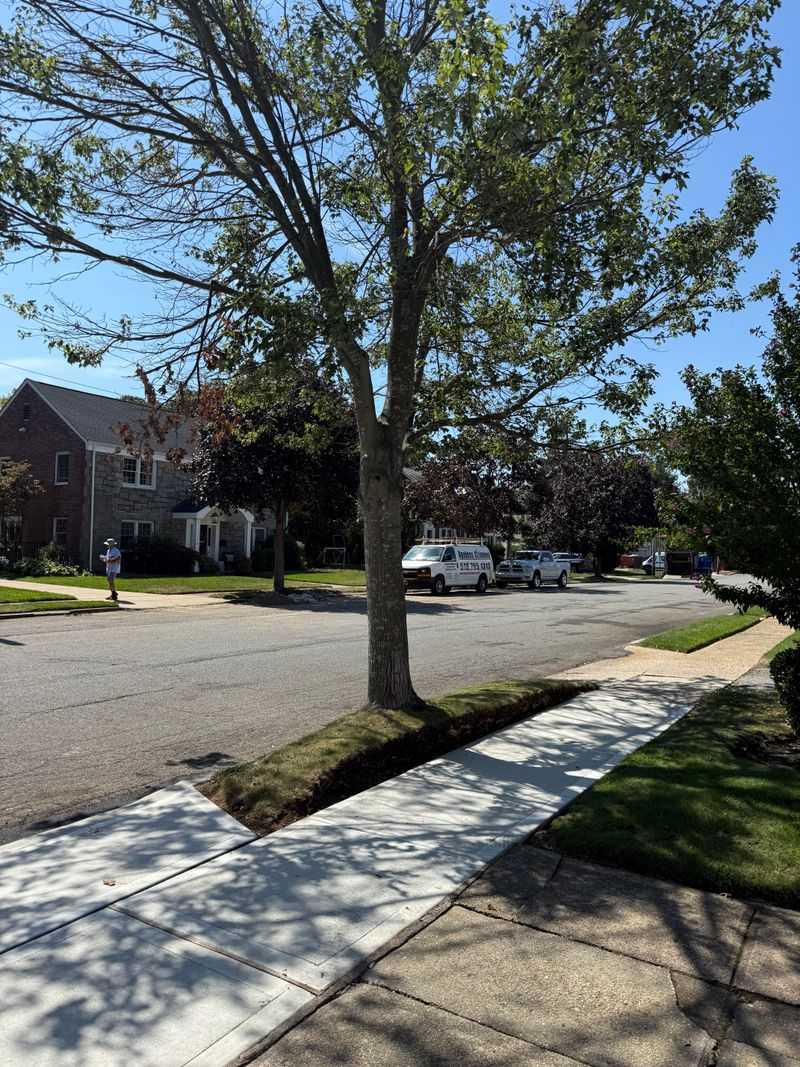
That skinny strip of grass between the sidewalk and the street goes by many names. Some folks call it the tree lawn, others say parkway or boulevard. Whatever you call it, it can be a tough home for a tree.
Roots want to spread far and wide, often well beyond the reach of the branches. In a narrow strip, they quickly bump into curbs, sidewalks, and hard, packed soil. When that happens, some roots turn around and grow back toward the trunk.
Over many years, those redirected roots can circle the base and tighten into girdling roots. It’s a little like a goldfish growing in a bowl that’s too small. The space shapes the growth, and not in a good way.
So trees in tight strips deserve extra attention. Check their bases more often, especially after any sidewalk or curb work, since construction can compact soil and stir up root problems.
Choosing the right tree also helps. Smaller species fit narrow spaces better and are less likely to outgrow their room.
Options like serviceberry, Japanese tree lilac, or hornbeam often suit tight spots well, though your local forester can suggest choices that match your exact site.
Many older Michigan neighborhoods, from Grand Rapids to Detroit suburbs, have narrow tree lawns lined with big, mature street trees.
Those leafy canopies make the streets beautiful and cool. Keeping an eye on them helps protect the character that makes these neighborhoods so charming in the first place.
6. Maples And Lindens Are Commonly Affected
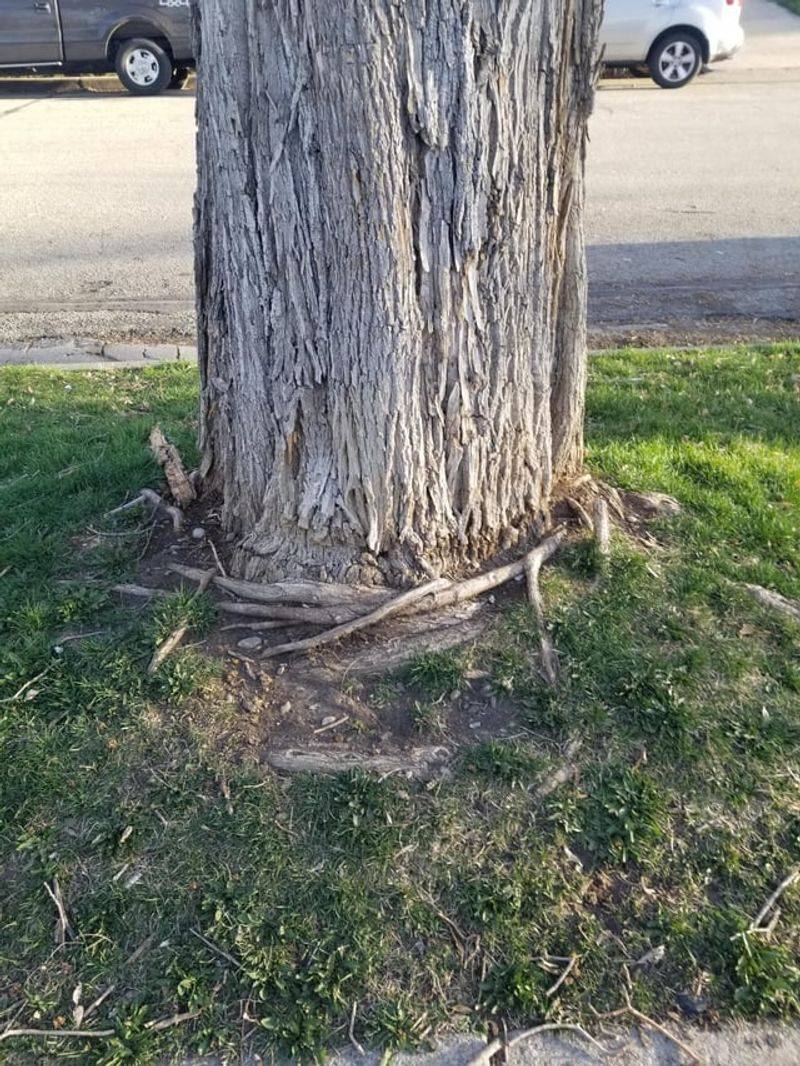
Some trees seem to have a knack for tangling themselves up. Maples top that list, including sugar maples, red maples, and Norway maples. Lindens, sometimes called basswood, are frequent offenders too.
Why these trees? They tend to form girdling roots easily, especially when planted too deep. Problems also start in the nursery, where young trees grown in containers can develop roots that circle around the pot.
If nobody fixes those roots at planting time, they keep circling for years after the tree goes in the ground.
If you have one of these trees, give its base a careful look. A missing root flare on a maple or linden is a strong hint that something may be hiding under the soil.
A special note about Norway maple is worth sharing. It’s considered invasive in Michigan because it spreads into forests and crowds out native plants with its dense shade. If you’re planting something new, skip Norway maple and pick a better neighbor for local woods.
Here’s a bit of history that explains a lot. After Dutch elm disease wiped out huge numbers of American elms in the mid-1900s, many communities replaced them with maples.
Lindens and maples have long ranked among the most widely planted street and yard trees in the state.
That means a large share of Michigan’s shade comes from trees prone to this exact issue. A little extra attention to these familiar favorites can go a long way toward keeping your street green and full.
7. Have An Arborist Check The Root Collar
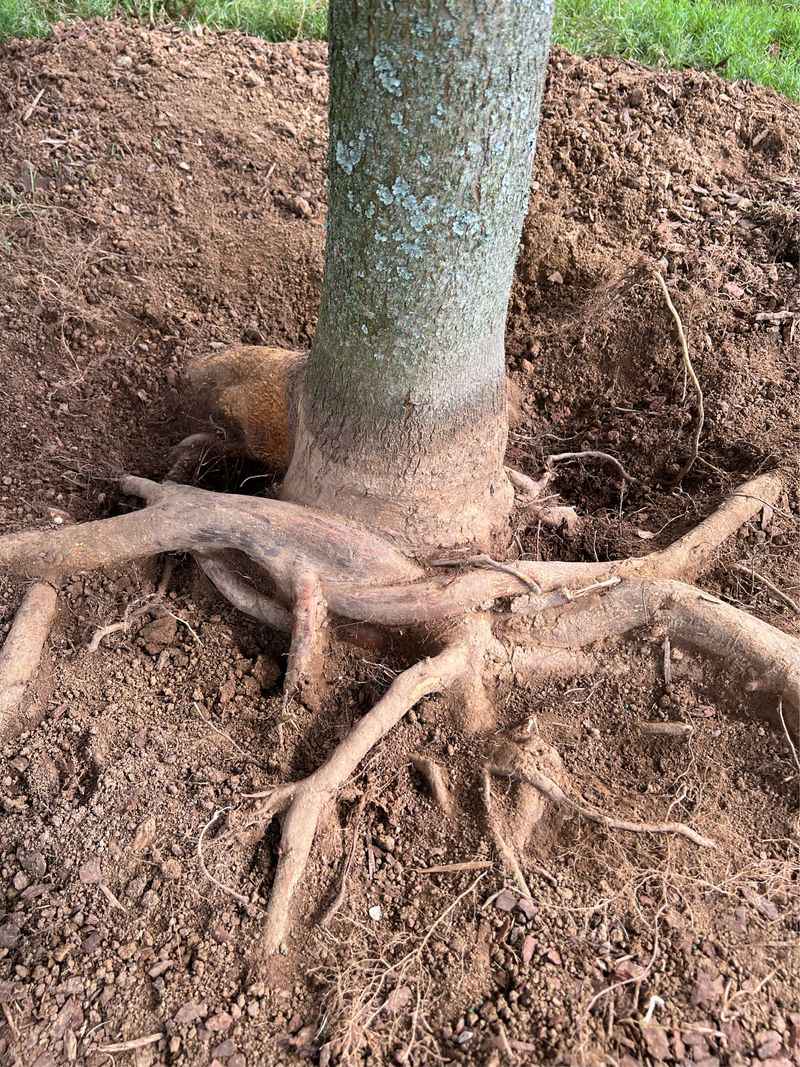
Grabbing a saw and cutting the problem root might sound tempting. Hold that thought. Removing a girdling root can truly help a tree, but cutting the wrong root, or too much of the root system, can cause more harm than good.
A certified arborist knows how to weigh the risks. The right choice depends on how big the root is, how deeply it has pressed into the trunk, and how healthy the tree is overall.
Sometimes a small cut works wonders, and sometimes leaving a large root alone is the smarter move.
The process is pretty cool to watch. Many arborists use an air tool, often called an air spade, that blasts soil away with compressed air without hurting the roots.
Within minutes, the hidden root flare appears, and the expert can decide which roots are safe to remove.
Before you call anyone, though, check who owns the tree. Many trees in the tree lawn belong to the city or village, not the homeowner. Cutting or digging around a public tree without permission could break local rules.
Michigan makes this step fairly easy. Lots of municipalities, including Ann Arbor, Lansing, and many suburbs, have forestry departments that inspect and care for street trees. A quick phone call or online request might get your tree checked for free.
To find a qualified pro for a private tree, search the International Society of Arboriculture website for certified arborists near you. Having a trained eye on the job protects both your tree and your wallet.
8. Prevent It When Planting New Trees
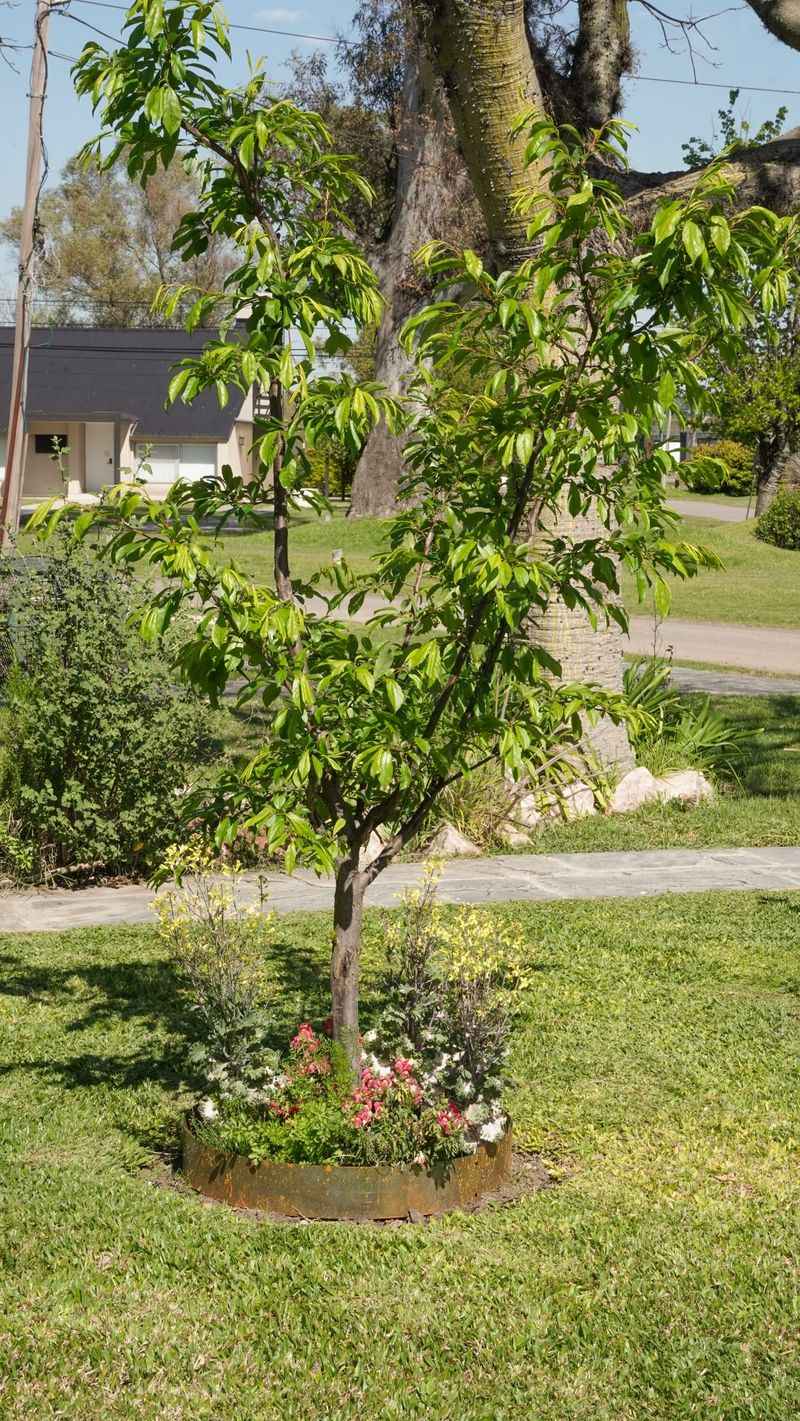
Good news is waiting at the end of this story. Most girdling root problems can be stopped before they ever start, and the fix happens on planting day.
Many girdling roots begin as circling roots inside nursery containers. Others come from planting too deep. Correcting either issue takes a few minutes at planting time, while fixing it years later can take expensive help or might not work at all.
Start by finding the root flare. You may need to brush away extra soil at the top of the root ball, since nurseries sometimes bury it. Plant so the flare sits at or slightly above the ground.
Next, check the roots. Loosen, straighten, or cut any that circle the root ball so they point outward. It may feel harsh, but the tree will thank you for decades.
Dig the hole wide and shallow, about two to three times as wide as the root ball but no deeper. Roots spread sideways, so loose soil around the edges helps them stretch out.
Finally, add mulch 2 to 3 inches deep in a wide ring. Keep it a few inches away from the trunk, never piled up against the bark.
Michigan has a special opportunity right now. Emerald ash borer wiped out millions of ash trees, and many communities are planting new street trees to fill the gaps.
Planting them correctly from the start means healthier, longer-lasting shade for the next generation of neighbors to enjoy.