The August Watering Schedule Oregon Clay Soil Needs That Is Different From Every Other Month
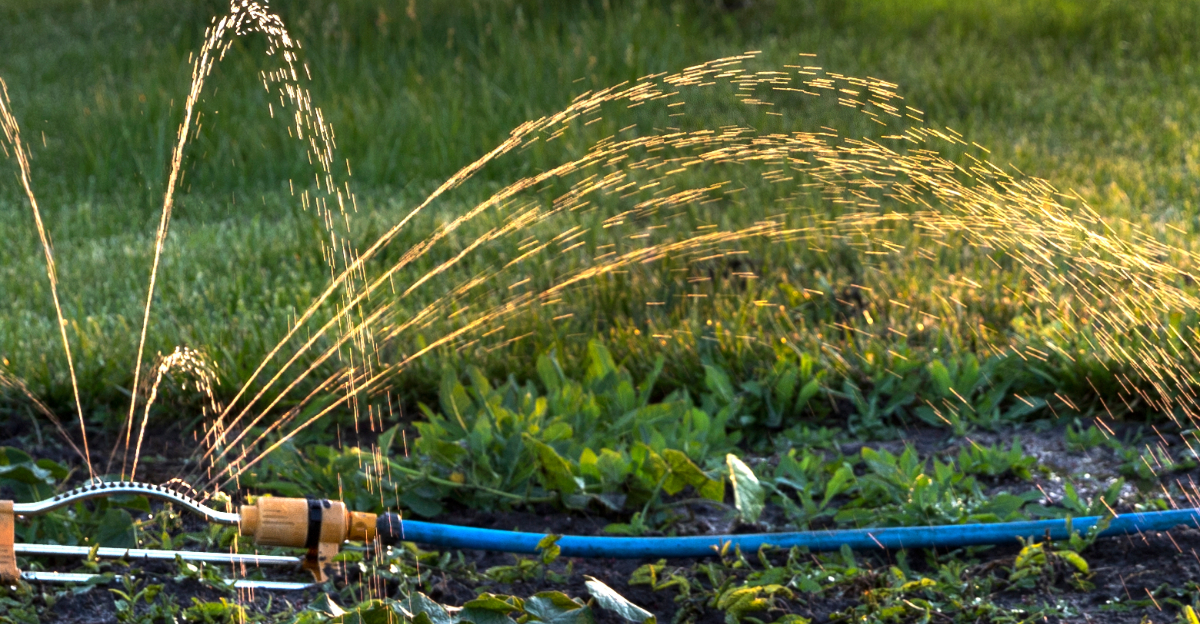
August changes the rules for watering Oregon gardens with clay soil. The surface can bake hard under summer sun while moisture remains trapped several inches below, making it surprisingly easy to water too often or not deeply enough.
A quick sprinkle may never reach active roots, but repeated soaking can leave dense soil airless and vulnerable to rot. The right schedule depends on more than the forecast.
Plant age, slope, mulch depth, shade, and recent irrigation all affect how slowly clay releases water.
That means the routine that worked in June may cause trouble during the hottest, driest stretch of the year.
Before turning on the hose by habit, gardeners should check what is happening beneath the crust and adjust both timing and volume.
August watering is less about following a fixed calendar and more about giving roots a deep reserve, then allowing the soil enough time to breathe.
1. Watering Less Often But More Deeply
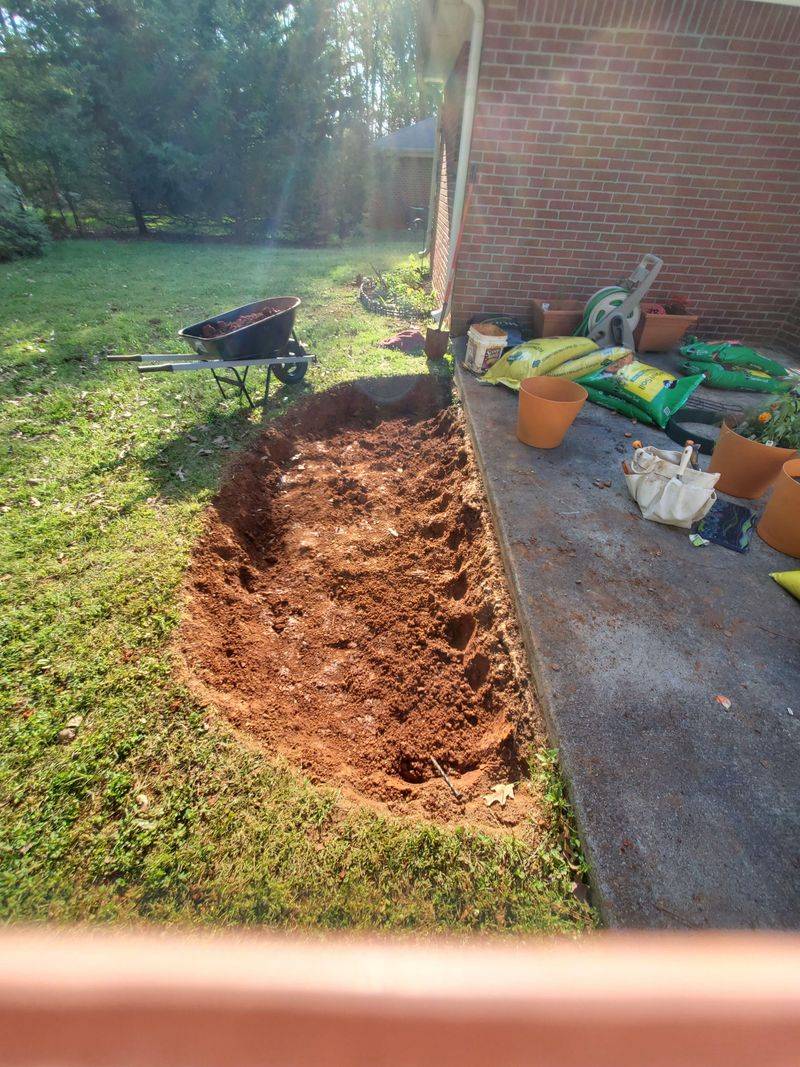
Clay soil has a stubborn streak that most gardeners learn about the hard way. It does not absorb water quickly, and when you water too often, moisture just sits near the surface without ever reaching plant roots.
In August, that surface dries fast, but the deeper layers stay wet for a long time.
Watering deeply but less often trains roots to grow down into the soil instead of staying shallow. Shallow roots are more vulnerable to heat stress during Oregon’s hottest weeks.
When roots go deep, they find cooler and more stable moisture, which helps plants stay strong through the August dry stretch.
A good rule for clay soil in August is to water once every five to seven days. Each session should be long enough to push moisture down six to eight inches.
You can check depth with a wooden dowel or a thin screwdriver pushed into the ground after watering. If it slides down easily to six inches, you have reached the right depth.
If it stops at two or three inches, you need more time. Cutting back on frequency while increasing depth is the single biggest change you can make to your August watering routine on clay soil.
2. Waiting For Clay Soil To Actually Dry Down
One of the trickiest things about clay soil is how misleading it looks on the surface. Cracks can form across the top within a day or two of watering, making it look bone dry.
But just a few inches below, the soil is still holding plenty of moisture from the last watering session.
Watering again before the deeper layers dry out is a common mistake in August. Clay does not drain fast, so adding more water on top of already-wet soil creates soggy conditions that roots cannot handle well.
Root rot and fungal problems become much more likely when clay stays wet for too long without a drying period.
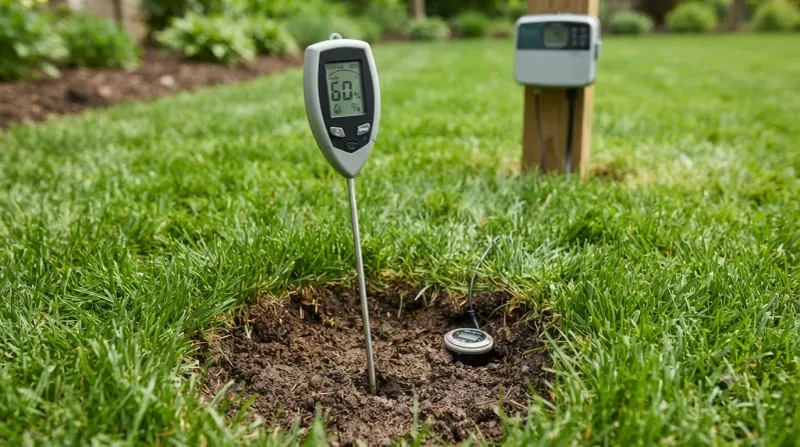
Before you water again, test the soil at about three to four inches deep. Use your finger, a wooden stick, or a basic moisture meter you can find at most garden centers.
Your Oregon Garden Changes Every Week. Your Plan Should Too.
Gardening in Oregon changes quickly throughout the season. Every Friday you’ll receive a simple weekly plan showing exactly what to plant, prune, fertilize, harvest, and protect so you never miss the right timing.
The soil at that depth should feel dry or just barely damp before you run the hose again. In Oregon’s August heat, clay soil at depth usually takes about five to seven days to reach that point after a deep watering.
Giving it that full drying window before watering again keeps your plants healthier and your water bill lower at the same time.
3. Skipping The Daily Sprinkle Routine
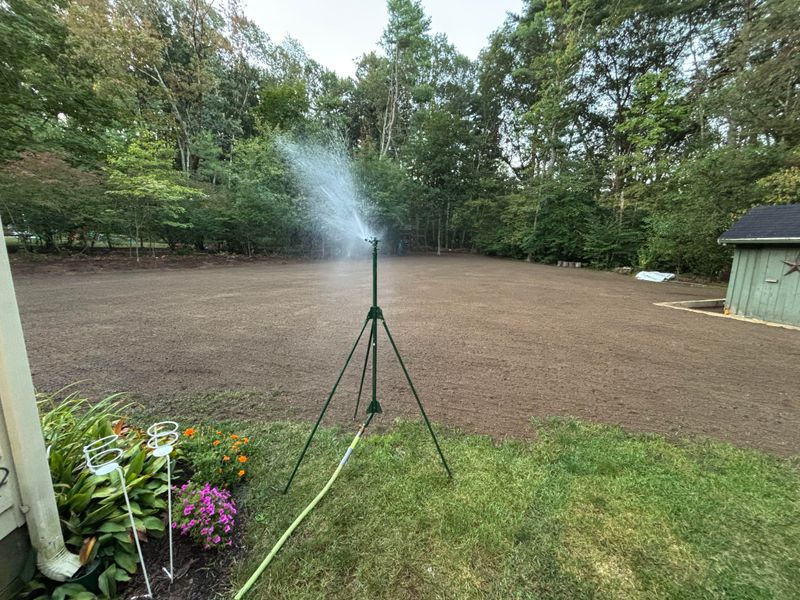
Daily light watering feels like the responsible thing to do during a hot August, but for clay soil, it is actually one of the worst habits you can have.
Light sprinkles only wet the very top layer of soil, which dries out again within hours in the summer heat. The deeper roots never get what they need.
When only the surface gets wet, roots start chasing that moisture upward instead of growing deeper.
Shallow-rooted plants are far more stressed in August heat because the top inch of soil heats up fast and dries out quickly.
Plants end up struggling more, not less, even though you are watering every day.
Skipping the sprinkle routine and replacing it with less frequent but longer watering sessions is a game changer for clay soil. Instead of running the hose for five minutes every morning, run it for thirty to forty-five minutes every five to six days.
That longer session gives water the time it needs to move through dense clay particles and reach the root zone.
Many gardeners see an immediate improvement in plant health once they make this switch in August.
Your plants will look better, and you will actually use less water overall by watering this way.
4. Soaking Slowly So Water Does Not Run Off
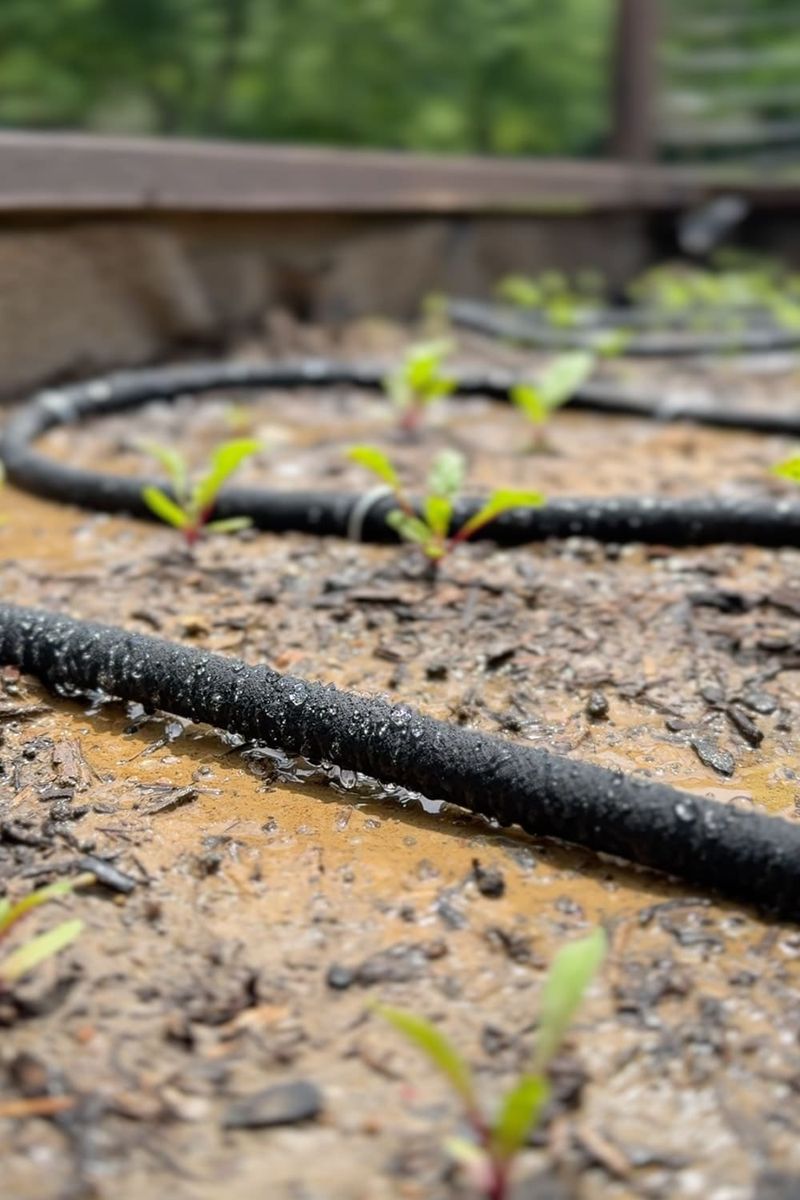
Clay soil and fast water do not mix well. When you blast water onto clay at a high flow rate, it cannot absorb fast enough and the water just runs across the surface.
This is called runoff, and it wastes a surprising amount of water while leaving the roots dry underneath.
Slowing down the flow rate is one of the most effective August adjustments you can make. Drip irrigation systems are perfect for clay because they release water slowly and steadily right at the root zone.
If you do not have drip irrigation, you can partially close the hose nozzle to reduce flow or use a soaker hose laid along your garden beds instead.
Pulsing your watering is another smart trick for clay soil. Run the water for ten to fifteen minutes, then pause for twenty minutes, then run it again.
This gives the clay time to absorb each round before more water is added. By the end of the session, moisture has worked its way down much deeper than if you had run the water all at once.
Slow and steady wins every time with clay in August. Oregon’s dry August conditions make runoff even more wasteful, so slowing the flow protects both your garden and your water usage this month.
5. Checking Moisture Below The Cracked Surface
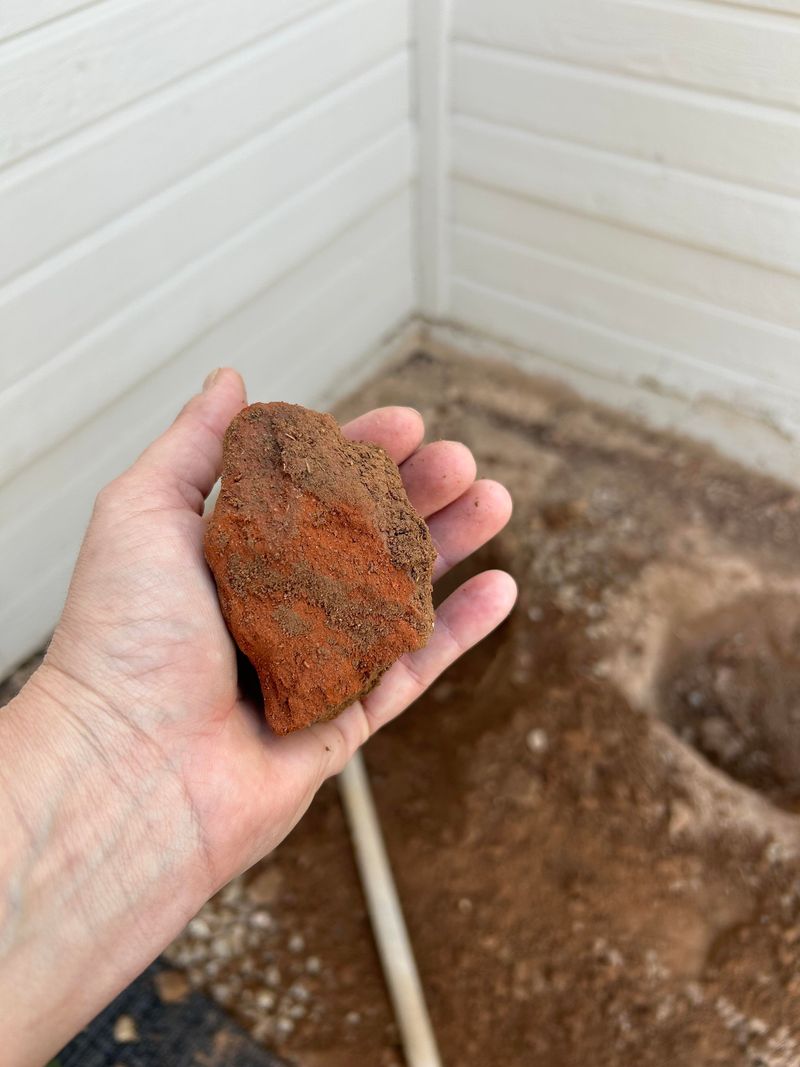
Cracked clay soil in August can fool even experienced gardeners. Those surface cracks look alarming, like the ground is desperately thirsty.
But cracking is actually a normal feature of clay when the very top layer dries out, and it does not mean the soil below is dry at all.
Before you reach for the hose, take two minutes to check what is actually happening below the surface. Push a long screwdriver, a wooden chopstick, or a moisture probe down about four inches.
Pull it out and feel the tip. If it comes out cool and slightly damp, the soil still has enough moisture for another day or two.
If it comes out dry and room temperature, it is time to water.
Relying on visual cues alone in August leads to overwatering clay soil more than any other mistake. The cracks at the surface close up quickly once water is added, but the damage from soggy deeper layers can linger for weeks.
Getting into the habit of physically checking soil moisture below the surface takes almost no time and saves you from making costly watering errors.
Gardeners who start doing this simple check in August often say it completely changed how confident they feel about their watering decisions throughout the rest of the growing season.
6. Watering Early Before August Heat Builds
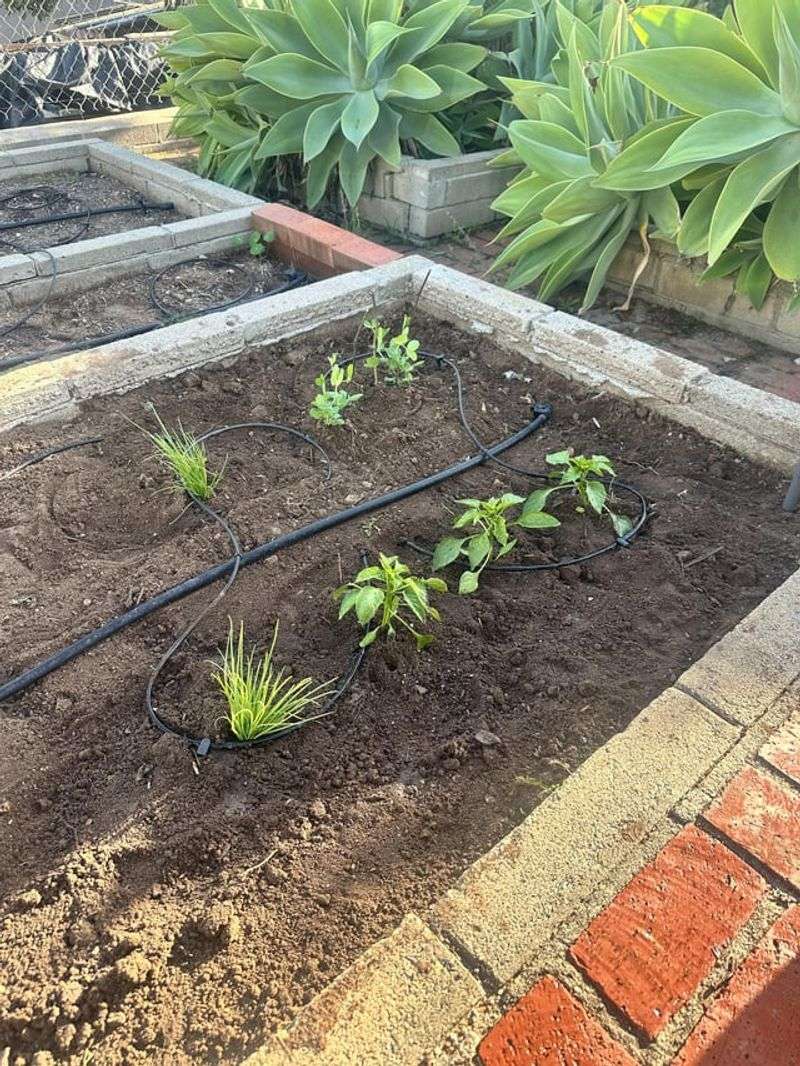
Timing your watering session in August matters more than most people realize, especially with clay soil.
Watering in the middle of the day means a huge portion of moisture evaporates before it ever reaches the root zone.
August sun can be intense, and surface evaporation rates go way up between 10 a.m. and 4 p.m.
Early morning watering, ideally between 5 a.m. and 8 a.m., gives clay soil the best chance to absorb moisture before the heat arrives. The air is cooler, the sun is low, and the ground has not yet heated up from the day before.
Water applied in the early morning has hours to work its way through the clay before temperatures peak in the afternoon.
Evening watering is sometimes suggested as an alternative, but it comes with a risk. Clay soil that stays wet overnight in August can encourage fungal growth, especially in areas of our state where nights stay warm.
Morning watering allows any surface moisture to dry off during the day, reducing that fungal risk. Setting a simple irrigation timer to run your system at 6 a.m. is one of the easiest upgrades you can make this August.
It takes the guesswork out of watering and ensures your clay soil gets water at exactly the right time every session.
7. Splitting One Long Soak Into Two Shorter Rounds
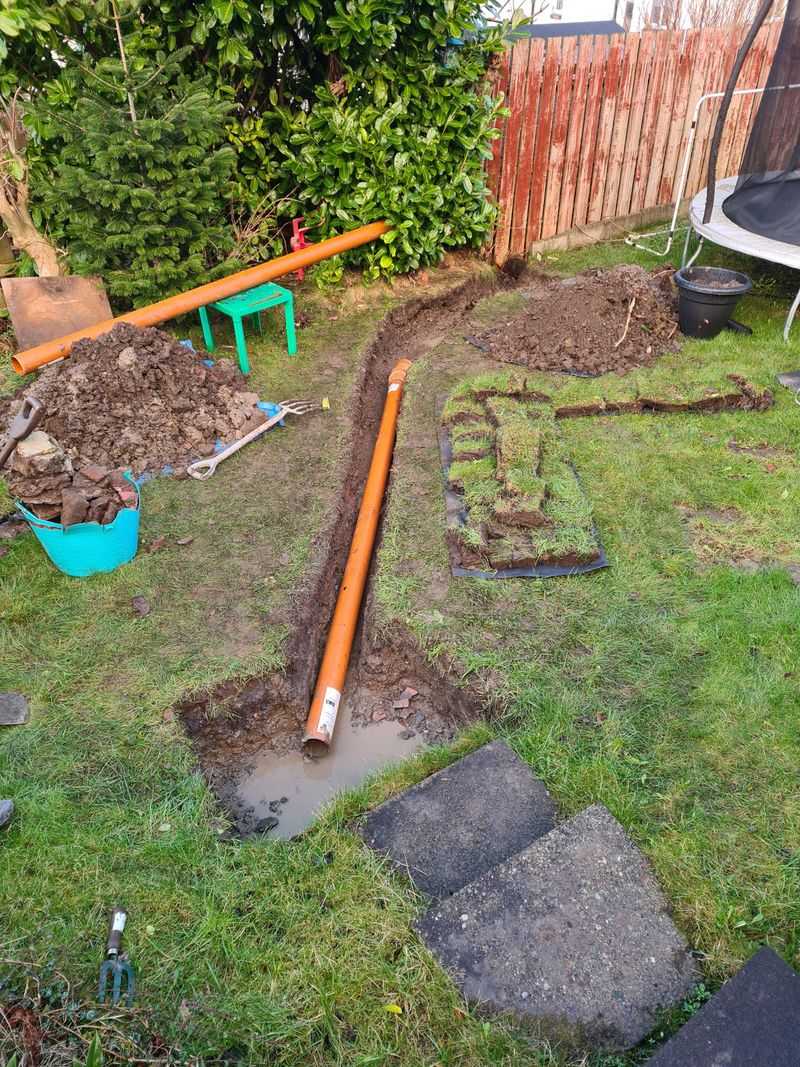
Here is a trick that works really well for clay soil in August: instead of running one long watering session all at once, split it into two shorter rounds with a break in between.
Clay absorbs water slowly, and when you run water for too long without a pause, the excess just pools on top or runs off to the sides.
Try watering for fifteen to twenty minutes, then stopping for thirty to forty-five minutes, then watering again for another fifteen to twenty minutes. During that middle break, the clay has time to pull in the first round of water.
When you start the second round, the soil is already primed and can absorb the next wave much more effectively. The total water applied ends up going deeper than it would in one continuous session.
This two-round method is especially useful for sloped garden beds in Oregon, where runoff is a bigger problem. Water that runs downhill on the first pass gets a second chance to soak in during the second round.
It also works well for container plants with clay-heavy potting mix. Splitting your sessions adds only a small amount of extra time to your morning routine, but the payoff in deeper soil penetration is worth every minute.
August is the perfect month to start this habit and see real results in your garden.
8. Keeping Mulch From Sealing In Soggy Soil
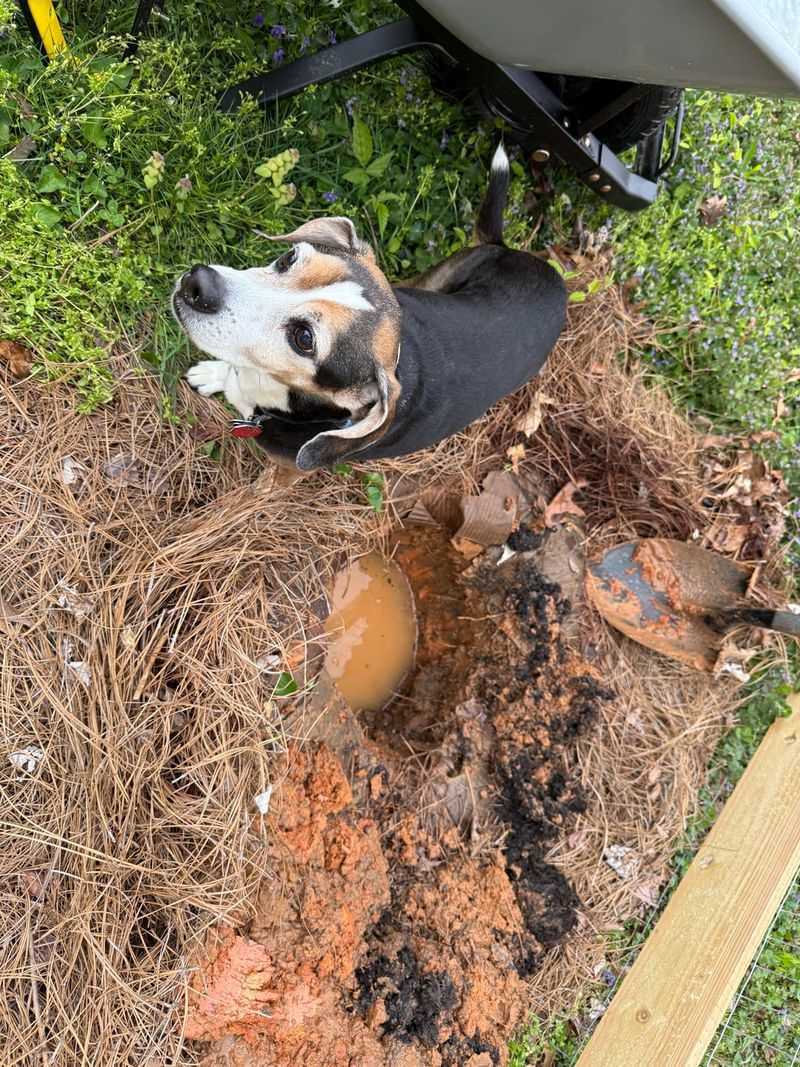
Mulch is one of the best tools for managing clay soil in summer, but it has a tricky side in August.
A thick layer of mulch does a great job of holding in moisture, which is exactly what you want during a dry stretch.
But if you water too soon and then pile on heavy mulch, you can trap soggy conditions that clay soil cannot recover from quickly.
The key is to let your clay soil go through its natural drying cycle before refreshing or adding mulch.
If the soil underneath your mulch layer feels wet or cool for more than a week after watering, pull the mulch back slightly to let some air and warmth reach the surface.
Airflow helps clay dry more evenly from the top down, which reduces the risk of prolonged wet pockets near the root zone.
Keep mulch about two to three inches deep in August, which is enough to slow evaporation without trapping too much moisture. Pull it back an inch or two from the base of plant stems to allow air circulation near the crown.
Wood chips, straw, and bark are all good choices for clay soil in Oregon during August. Checking what is happening under your mulch layer once a week takes only a minute and helps you stay ahead of moisture problems before they affect your plants.