The Bermuda Grass Mowing Mistake Every Texas Homeowner Makes In Summer Heat
Bermuda grass and Texas summers were basically made for each other, and most homeowners know it. This is a tough, heat-loving turf that can handle conditions that would send other grasses into full retreat.
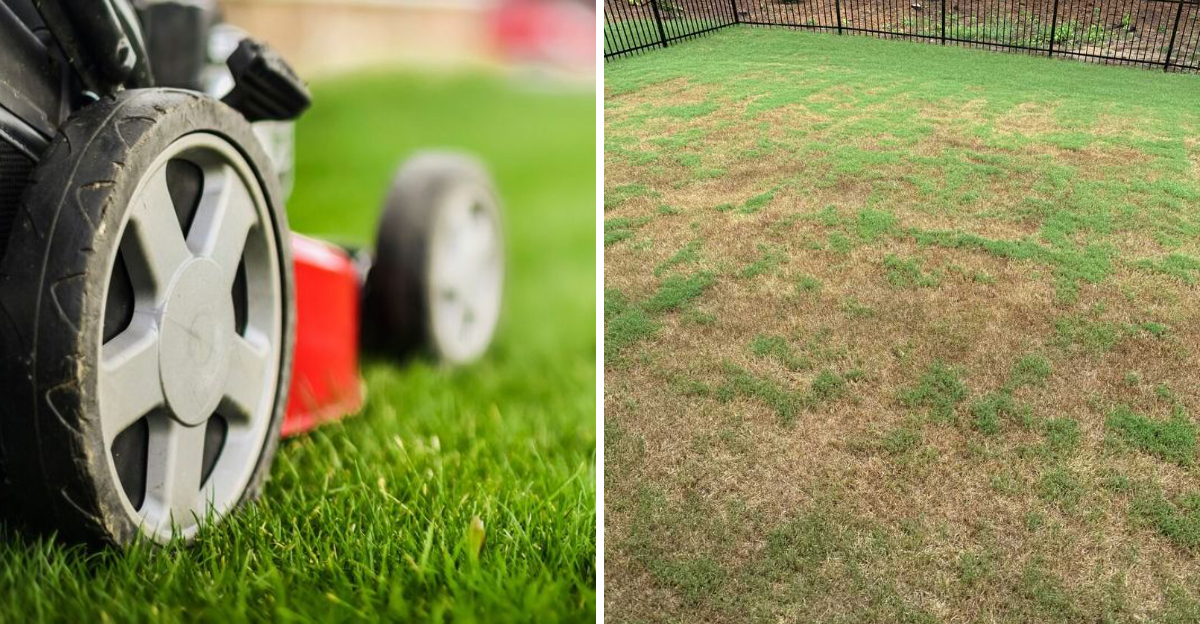
But here is where things go sideways for a lot of well-meaning Texas lawn owners: the mower. Specifically, what happens when it gets set a little too low on a blazing July afternoon.
Bermuda grass does like to be kept shorter than many other lawn grasses, that part is true, but there is a real difference between mowing it correctly and scalping the turf down to basically nothing during peak summer heat.
That one mistake can turn a thick, healthy lawn into a patchy, stressed-out situation that takes weeks to recover from.
Knowing exactly where that line is makes all the difference.
1. Cutting Bermuda Grass Too Short In Summer Heat
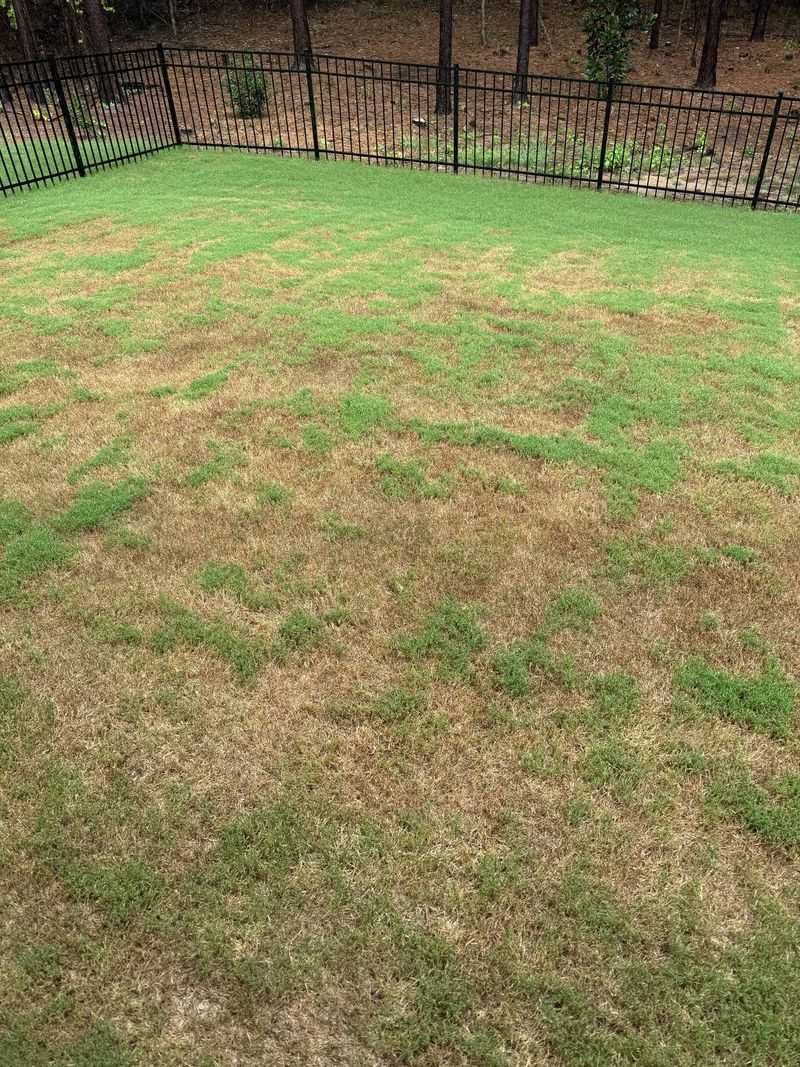
A lawn that looks almost gray after mowing is a familiar sight in Texas neighborhoods every summer, and it is usually a sign that the mower was set too low before the afternoon heat rolled in.
Bermuda grass is a warm-season turf that naturally tolerates shorter cuts compared to cool-season grasses, but there is still a lower limit that homeowners should respect, especially when summer temperatures are extreme.
Most home Bermuda grass lawns do well when kept between one and two inches tall during summer. Cutting below that range removes so much of the green leaf tissue that the grass struggles to capture sunlight and produce energy through photosynthesis.
Without enough leaf surface, the turf cannot support strong regrowth, and the lawn ends up looking thin and pale.
Texas heat makes this mistake even harder to recover from because the soil dries out quickly and the grass is already working hard just to stay healthy.
A lawn cut too short in July or August has less shade covering the soil, which means the ground heats up faster and loses moisture more rapidly.
Checking your mower deck height before each cut, especially after it has been adjusted for edging or tight spots, can prevent this common Texas summer mowing problem from setting your lawn back weeks at a time.
2. Why Scalping Stresses Bermuda Grass
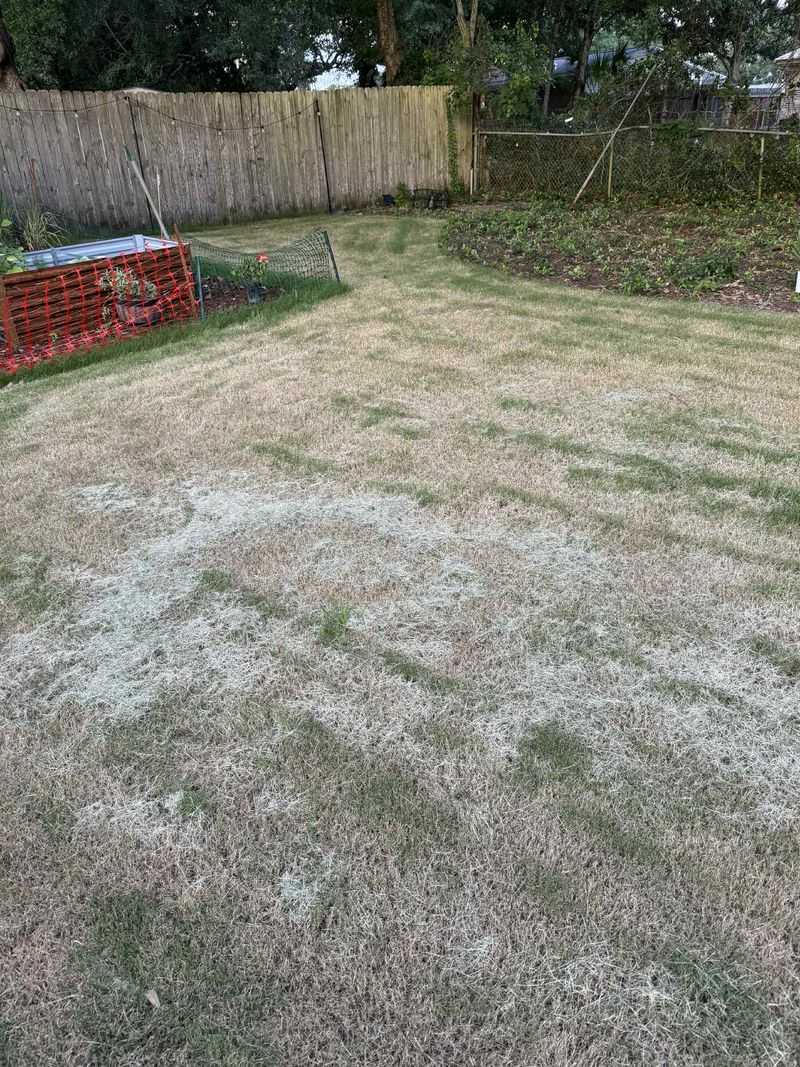
Brown streaks running across an otherwise green lawn are one of the most obvious signs that scalping has happened, and in Texas, those streaks can show up fast after a single mowing session gone wrong.
Scalping means cutting the grass so low that the mower removes not just leaf blades but also the crown of the plant, which is the growing point located just above the soil surface.
When the crown gets damaged or exposed, the grass loses its ability to push out new growth efficiently.
The result is bare-looking patches that take time to fill back in, and during the hottest weeks of a Texas summer, that recovery window can stretch out significantly.
The turf is already under heat stress, and scalping adds another layer of strain that the lawn has to work through before it can look healthy again.
Your Texas Garden Changes Every Week. Your Plan Should Too.
Gardening in Texas changes quickly throughout the season. Every Friday you’ll receive a simple weekly plan showing exactly what to plant, prune, fertilize, harvest, and protect so you never miss the right timing.
Scalping is sometimes done intentionally in early spring to remove dormant material and encourage green-up, but doing it in summer is a completely different situation.
Mid-summer scalping in Texas exposes the soil to direct sun, raises ground temperature, and reduces the turf density that helps retain moisture.
Homeowners who notice their lawn looks almost orange or rust-colored right after mowing have likely scalped the turf. Raising the mower deck even a quarter to a half inch can prevent this from happening and keep Bermuda grass looking its best through summer.
3. How Low Mowing Weakens Root Growth
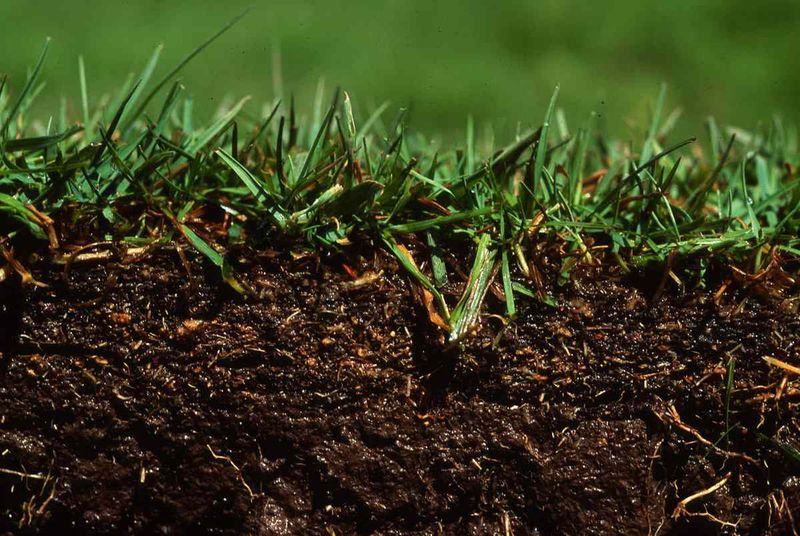
Dry, cracked soil under a sparse Texas lawn is often the result of something that started above ground. When Bermuda grass gets cut too low, the plant responds by redirecting its energy upward to try to regrow leaf tissue as quickly as possible.
That sounds like a good thing, but it comes at a cost because the roots stop expanding and deepening during that regrowth push.
Strong, deep roots are what allow Bermuda grass to access moisture stored lower in the soil profile, which is especially important in Texas where the top layer of soil can dry out within a day or two during summer.
A lawn with shallow roots depends heavily on surface moisture, which means it needs more frequent watering just to stay alive.
Over time, repeated low mowing creates a lawn that is more vulnerable to heat stress and dry spells than it needs to be.
Keeping the mowing height at a reasonable level allows the grass to maintain a better balance between leaf growth and root development.
More leaf surface means more photosynthesis, and more photosynthesis means the plant has the energy it needs to keep pushing roots deeper into the soil.
Homeowners in Texas who want a lawn that holds up through August without constant irrigation should think of mowing height as a root health decision just as much as a cosmetic one. A slightly taller cut now supports a stronger lawn later.
4. Why Removing Too Much At Once Backfires
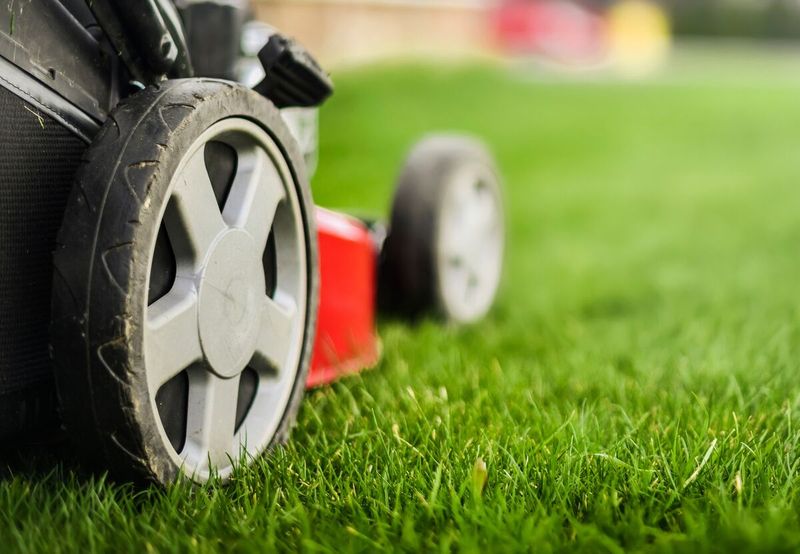
Clippings piling up on the lawn after a mowing session is a clue that too much time passed between cuts, and in Texas during summer, Bermuda grass can grow surprisingly fast when heat and moisture line up.
Waiting too long between mowing sessions and then cutting the grass back to the normal height means removing a large portion of the total plant in a single pass, which triggers stress across the entire lawn.
Turfgrass researchers and lawn-care professionals often refer to a guideline called the one-third rule, which suggests that no more than one-third of the grass blade should be removed in a single mowing.
Cutting off more than that at once forces the plant into rapid recovery mode, pulling resources away from roots and overall turf density.
The grass may look neat right after mowing, but the stress shows up days later as the lawn starts to thin or discolor.
In a Texas summer, this situation comes up more often than homeowners expect because Bermuda grass can grow an inch or more per week during peak growing conditions.
Missing a mowing or two can put the lawn well above the ideal cutting height, and the temptation is to bring it back down in one session.
A smarter approach is to mow more frequently during the fastest-growing weeks of summer, taking off a smaller amount each time and letting the lawn stay within a healthier height range throughout the season.
5. The Right Summer Mowing Height For Texas Bermuda Grass
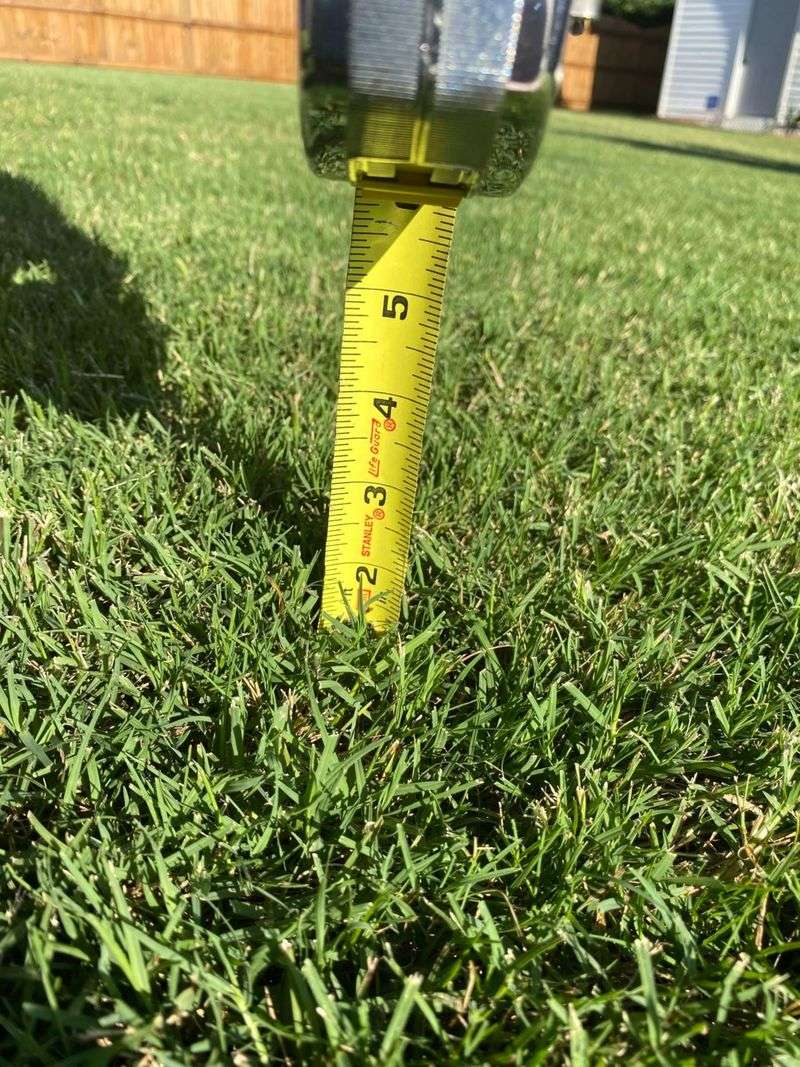
Getting the mowing height right is one of the most straightforward adjustments a Texas homeowner can make to improve lawn health during summer, yet it is also one of the most commonly overlooked.
For most home Bermuda grass lawns in Texas, a mowing height somewhere between one and two inches is generally a reasonable target during the summer months.
The right setting can vary though, depending on the specific Bermuda variety, the mower type, and the overall condition of the lawn.
Hybrid Bermuda varieties that are maintained by reel mowers on golf courses or sports fields can be kept much shorter, but those settings do not translate well to the rotary mowers most Texas homeowners use in their front and back yards.
Rotary mowers tend to cut less cleanly at very low heights, and the combination of a dull blade and a low deck setting can tear grass tissue rather than cut it cleanly, making heat stress worse.
A practical starting point for most Texas homeowners is to set the mower deck at one and a half inches and then adjust slightly up or down based on how the lawn responds over a few weeks.
If the lawn starts looking thin or pale after mowing, raising the height by a quarter inch is a simple fix.
Keeping the cut consistent from week to week, rather than letting height swing up and down, gives Bermuda grass the stability it needs to stay thick and green through the hottest part of summer.
6. How Often To Mow During Fast Summer Growth
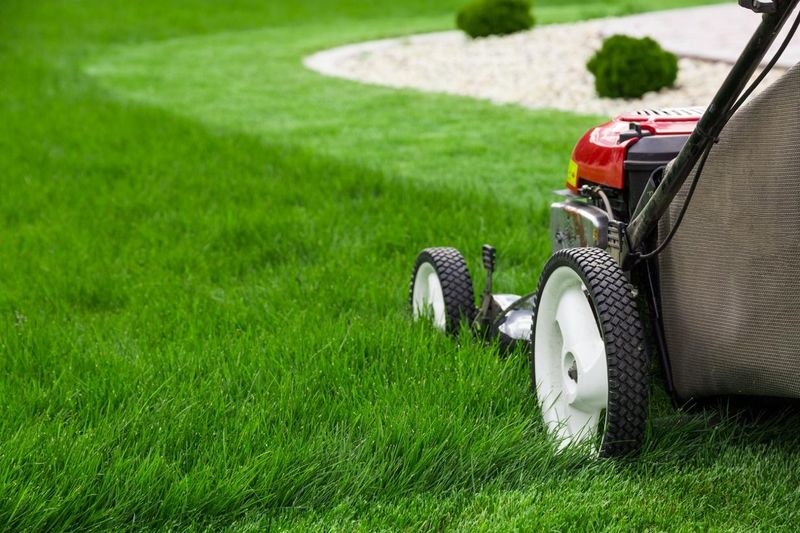
Fast summer growth can sneak up on a Texas homeowner faster than expected, especially after a good rain or a stretch of warm nights that keep Bermuda grass actively growing around the clock.
During peak summer conditions, Bermuda grass can put on new growth quickly, and if mowing does not keep pace with that growth rate, the lawn can get ahead of the schedule within just a week or two.
Mowing once a week is a common habit for many Texas homeowners, and during moderate growth periods that frequency works reasonably well.
However, during the fastest-growing stretches of summer, mowing every five to seven days may be more appropriate to stay within the one-third removal guideline and avoid having to cut off too much at once.
The goal is to keep the lawn within a consistent height range rather than letting it grow tall and then cutting it back sharply.
Skipping a mow because of a busy week or a stretch of hot afternoons is understandable, but the lawn pays for it when the next mowing session requires removing more growth than is ideal.
Morning mowing is generally better during Texas summers because the heat is lower, the grass has recovered from the previous day, and the lawn has time to stabilize before the hottest part of the afternoon arrives.
Adjusting the mowing schedule to match the actual growth rate of the lawn is a habit that pays off in turf quality all summer long.
7. Why Sharp Blades Matter In Hot Weather
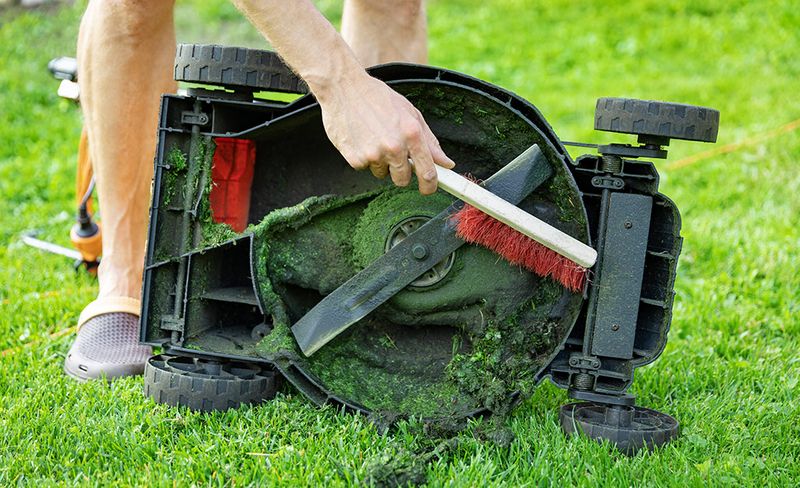
Grass blades that look frayed or ragged after mowing are a sign of something most homeowners do not check often enough, and in Texas summer heat, a dull mower blade can do more damage than most people realize.
When a mower blade is sharp, it slices through grass cleanly, leaving a smooth cut edge that heals quickly and resists moisture loss.
When the blade is dull, it tears and shreds the grass tissue instead of cutting it.
Torn grass tips turn brown within a day or two, and during summer heat that browning can make an entire lawn look stressed even when the mowing height was set correctly.
The damaged tissue also creates more surface area where the grass loses water, which is a real problem in a Texas summer when the lawn is already working to stay hydrated.
Dull blades are one of the quieter contributors to a lawn that never quite looks as green as it should.
Sharpening mower blades at least once or twice during the mowing season is a reasonable maintenance habit, and for homeowners who mow frequently during summer growth spurts, checking the blade condition more often makes sense.
A blade that hits a rock, a tree root, or a hard edge of a curb strip can lose its edge quickly.
Taking ten minutes to inspect and sharpen the blade before mowing on a hot Texas morning is a simple step that protects the lawn every single time the mower rolls across it.
8. Watering And Mowing Timing Tips For Healthier Bermuda Grass
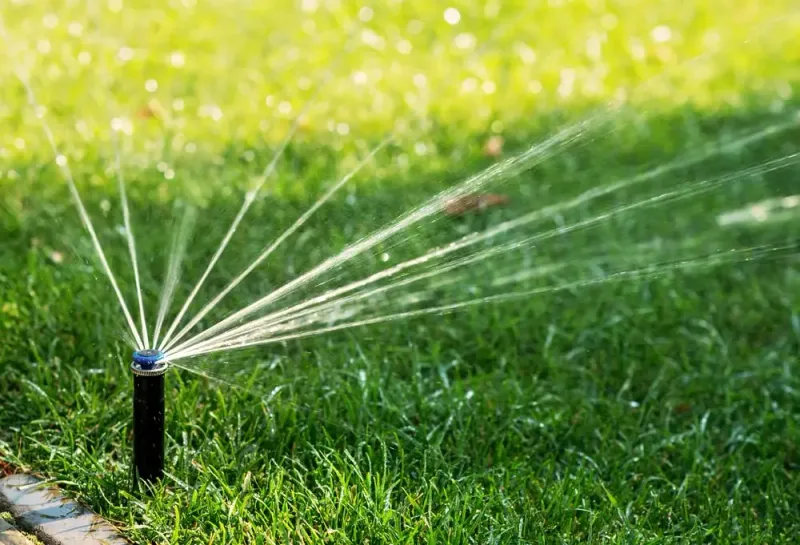
Mowing and watering are two of the most frequent tasks in a Texas lawn-care routine, and the timing of each one affects how well the other works.
Watering a lawn and then mowing it immediately afterward is one of those habits that seems harmless but can actually make the mowing less effective.
Wet grass tends to clump, clippings stick together, and the mower deck can leave uneven cuts that make the lawn look patchy even when the height setting is correct.
A better approach is to water Bermuda grass in the early morning, which gives the lawn time to dry before a late-morning or midday mowing session.
Early morning watering also means the grass goes into the heat of the day with moisture available in the soil, which helps it handle the stress of being cut.
Mowing in the late afternoon or evening is generally less ideal during Texas summers because the grass has less time to stabilize before night, and moist evening conditions can sometimes encourage fungal issues in turf.
Watering after mowing, rather than right before, is another approach that works well for Texas Bermuda grass in summer.
A light irrigation pass after mowing helps the lawn recover from the stress of cutting, cools the soil surface slightly, and supports fresh regrowth.
Treating mowing and watering as a coordinated system rather than two separate tasks gives Bermuda grass in Texas the best chance to stay dense, green, and healthy through the long summer season.