The Native Milkweed Arizona Queen Butterflies Can’t Survive Without
Seeing butterflies drift through the yard never gets old. Even a few seconds can make a garden feel more alive, which is why so many people hope they keep coming back year after year.
The challenge is that beautiful flowers alone are not always enough to support them. Some butterflies depend on very specific plants during important parts of their life, and without those plants, they simply cannot complete their life cycle.
That is something many gardeners do not realize until they start looking more closely at what attracts wildlife and what actually helps it thrive.
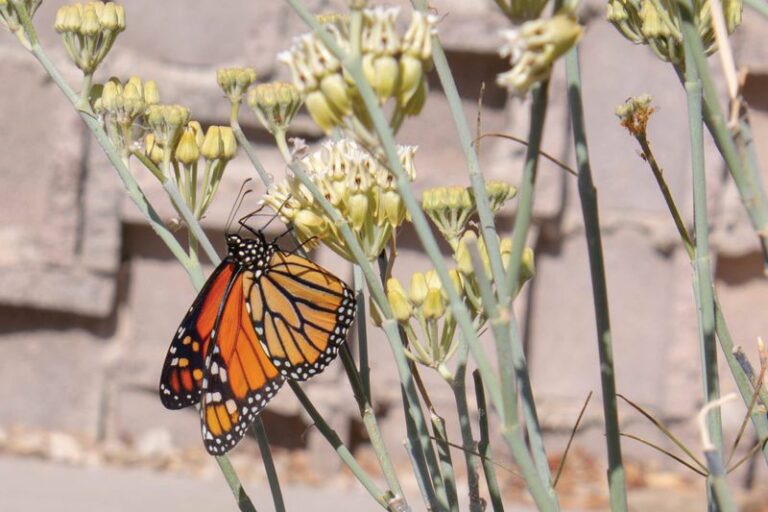
One native milkweed plays an essential role for Queen butterflies, making it one of the most valuable plants to grow in Arizona.
Giving this butterfly what it truly needs can make a much bigger difference than planting flowers for nectar alone.
1. Desert Milkweed Is Essential For Queen Butterflies
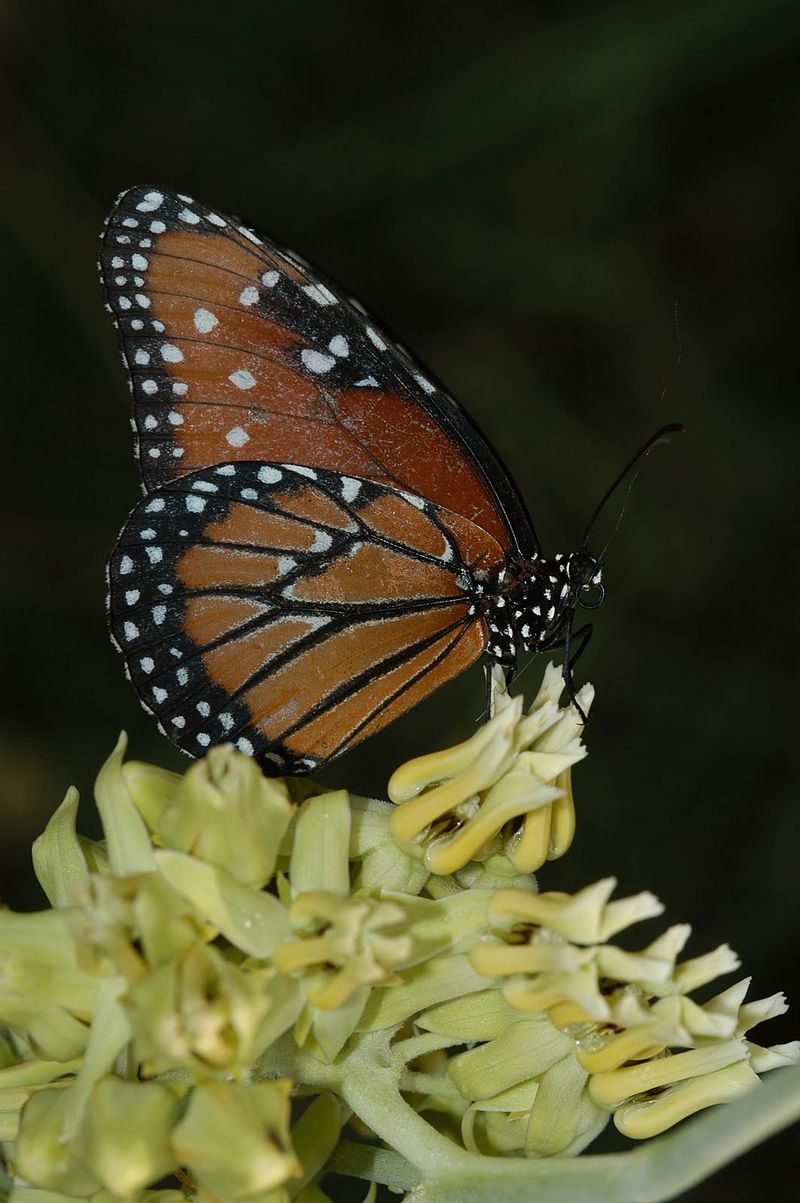
Queen butterflies and desert milkweed are linked in a way that few plants and insects truly are. Without milkweed, Queen butterflies cannot complete their life cycle.
It’s that straightforward.
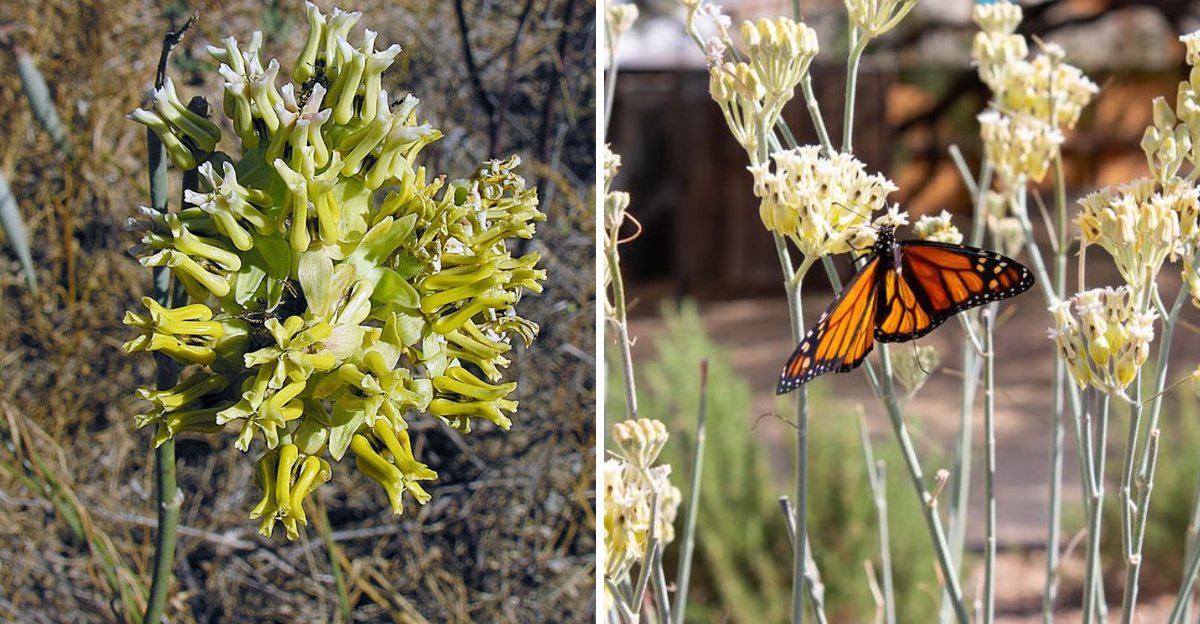
Asclepias subulata, commonly called desert milkweed, is native to the Sonoran Desert region. It thrives in the same hot, dry conditions that Queen butterflies already call home.
That natural match makes it far more reliable than non-native milkweed species.
Queen caterpillars feed exclusively on milkweed leaves. Adult butterflies also absorb toxic compounds from the plant, which makes them unpalatable to predators.
Growing desert milkweed supports both stages of the butterfly’s life.
Gardeners across southern Arizona have noticed real increases in Queen butterfly activity after planting native milkweed. It doesn’t take a large patch to make a difference.
Even a few established plants can attract egg-laying females.
One important note: non-tropical milkweed varieties are better suited to the desert Southwest. Tropical milkweed can cause problems for migrating butterflies if it stays green year-round.
Native desert milkweed naturally goes dormant, which aligns better with butterfly behavior.
Starting with locally sourced plants or seeds improves your chances of success. Local nurseries often carry desert-adapted milkweed varieties.
Choosing the right species from the start sets the foundation for a butterfly-friendly yard.
2. It Gives Caterpillars A Place To Feed And Grow
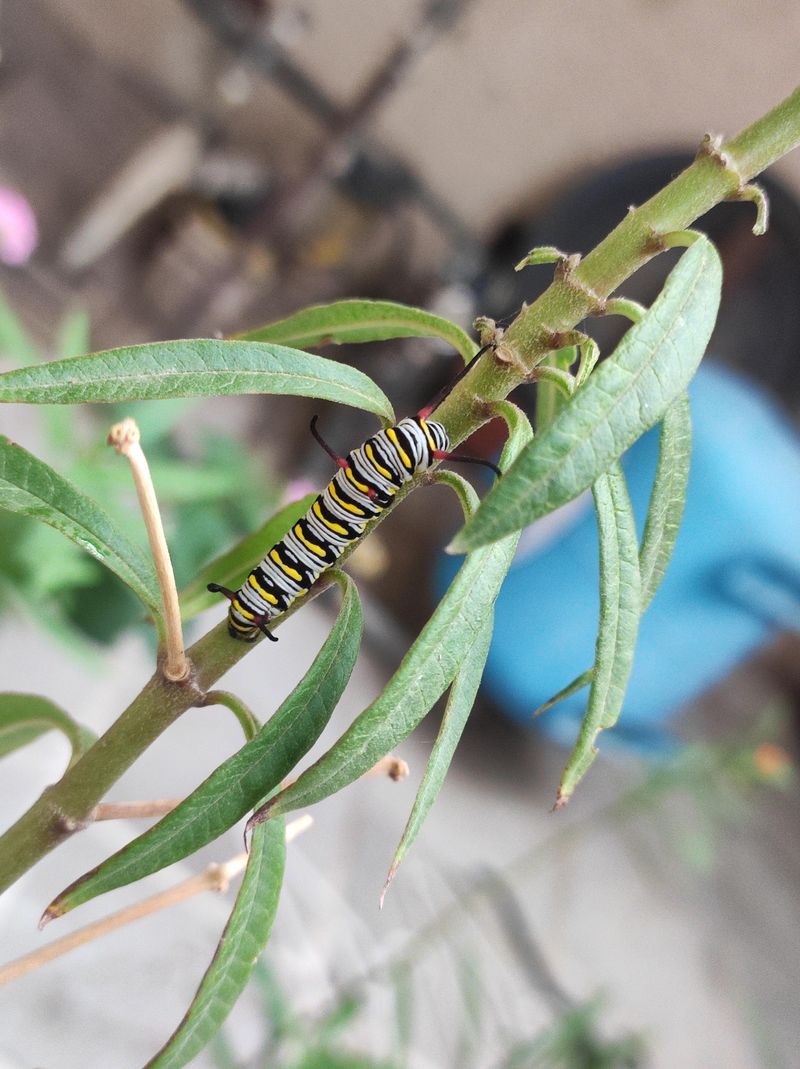
Caterpillars are picky eaters. Queen butterfly larvae will not feed on anything other than milkweed.
No milkweed means no caterpillars, and no caterpillars means no butterflies.
Once a female Queen lays eggs on milkweed leaves, the caterpillars hatch and begin feeding right away. Fresh, healthy leaves give them the nutrients they need to grow quickly.
Plants with plenty of foliage support more caterpillars at once.
Desert milkweed leaves contain latex and alkaloids. Caterpillars store these compounds in their bodies as a defense against birds and other predators.
A well-fed caterpillar builds up stronger chemical defenses than one feeding on a stressed or nutrient-poor plant.
Healthy plants bounce back after caterpillar feeding. Established desert milkweed can handle significant leaf loss without much lasting damage.
Young plants, though, may need a season or two before they can support heavy feeding.
Your Arizona Garden Changes Every Week. Your Plan Should Too.
Gardening in Arizona changes quickly throughout the season. Every Friday you’ll receive a simple weekly plan showing exactly what to plant, prune, fertilize, harvest, and protect so you never miss the right timing.
Spacing matters when planting for caterpillars. Giving each plant enough room to grow means more leaf surface overall.
A crowded patch produces less foliage per plant and may support fewer larvae.
Avoid using pesticides anywhere near your milkweed. Even products labeled safe for gardens can harm caterpillars.
Keeping the area around your plants chemical-free gives larvae the best chance of reaching the next stage of their development.
3. Its Flowers Give Adult Butterflies Nectar
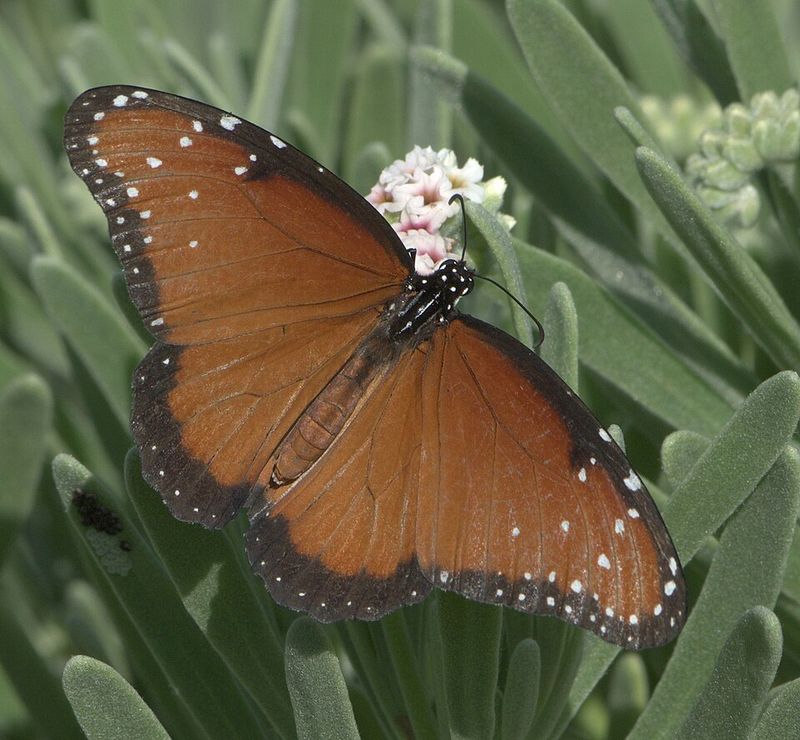
Adult Queen butterflies need nectar to survive, and desert milkweed delivers it consistently throughout the warm season. Few native plants bloom as reliably under desert heat conditions.
Asclepias subulata produces clusters of small, creamy white flowers from spring through fall. That long bloom window makes it a dependable nectar source when other plants have stopped flowering.
Butterflies return to reliable food sources, so established plants often attract repeat visitors.
Nectar fuels everything an adult butterfly does. Flying, mating, and egg-laying all require steady energy.
A garden with strong milkweed plants gives butterflies enough fuel to stay active and productive.
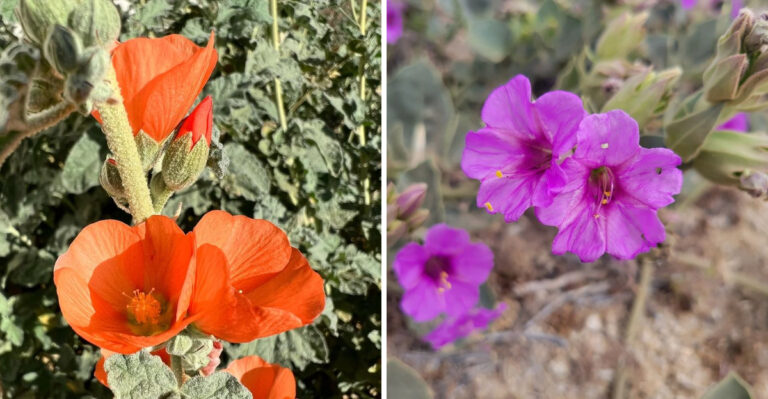
Pairing desert milkweed with other native nectar plants extends the buffet even further. Plants like desert marigold, globe mallow, and desert willow bloom at slightly different times.
That variety helps butterflies find food across a longer stretch of the season.
Planting milkweed in open, visible areas makes it easier for butterflies to spot. Adults tend to feed in sunny, exposed spots rather than shaded corners.
Positioning plants where they get full afternoon sun often leads to more butterfly activity.
Watching adult Queens feed on milkweed flowers is one of the more rewarding parts of desert gardening. Once they find a reliable patch, they tend to come back regularly.
A few healthy plants can turn your yard into a consistent resting and feeding stop.
4. Water Less After The Plant Establishes
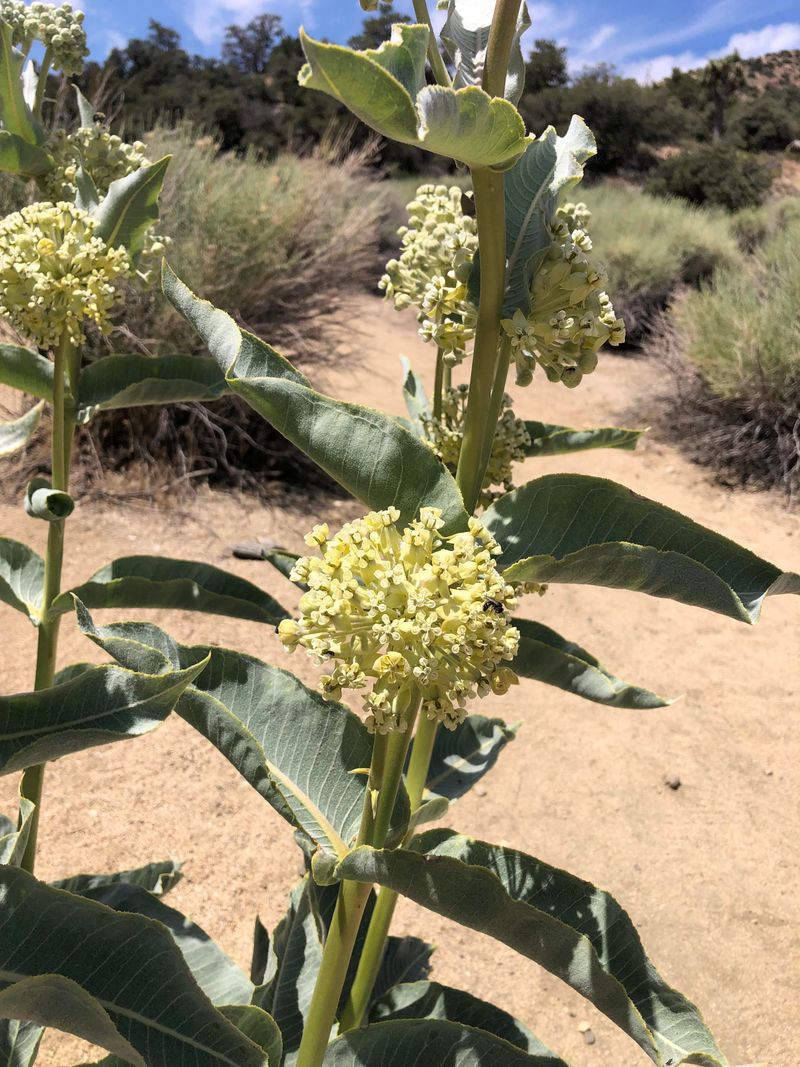
Overwatering is one of the most common mistakes with desert milkweed. Once established, these plants are genuinely drought-tolerant and prefer dry conditions between waterings.
More water does not mean better growth here.
During the first season, new plants need regular watering to help roots reach deep into the soil. Watering once or twice a week during hot months gives roots enough moisture to establish without staying wet.
After that first year, you can scale back significantly.
Established plants in the ground can often survive on natural rainfall alone during cooler months. In summer, a deep watering every two to three weeks is usually enough.
Signs of overwatering include yellowing leaves and soft, mushy stems near the base.
Drip irrigation works well for desert milkweed because it delivers water directly to the root zone. Sprinkler systems that wet foliage can encourage fungal issues in humid stretches of summer.
Keeping leaves dry reduces that risk considerably.
Potted milkweed dries out faster than in-ground plants and may need slightly more frequent watering. Still, letting the top inch or two of soil dry out between waterings is a good rule of thumb.
Consistently wet container soil leads to root problems faster than it does in the ground.
Cutting back on water in late fall actually helps the plant prepare for dormancy. Reduced irrigation signals the plant to slow its growth naturally.
Letting it follow that seasonal rhythm tends to produce a healthier, more vigorous plant the following spring.
5. Full Sun Encourages Strong Healthy Growth
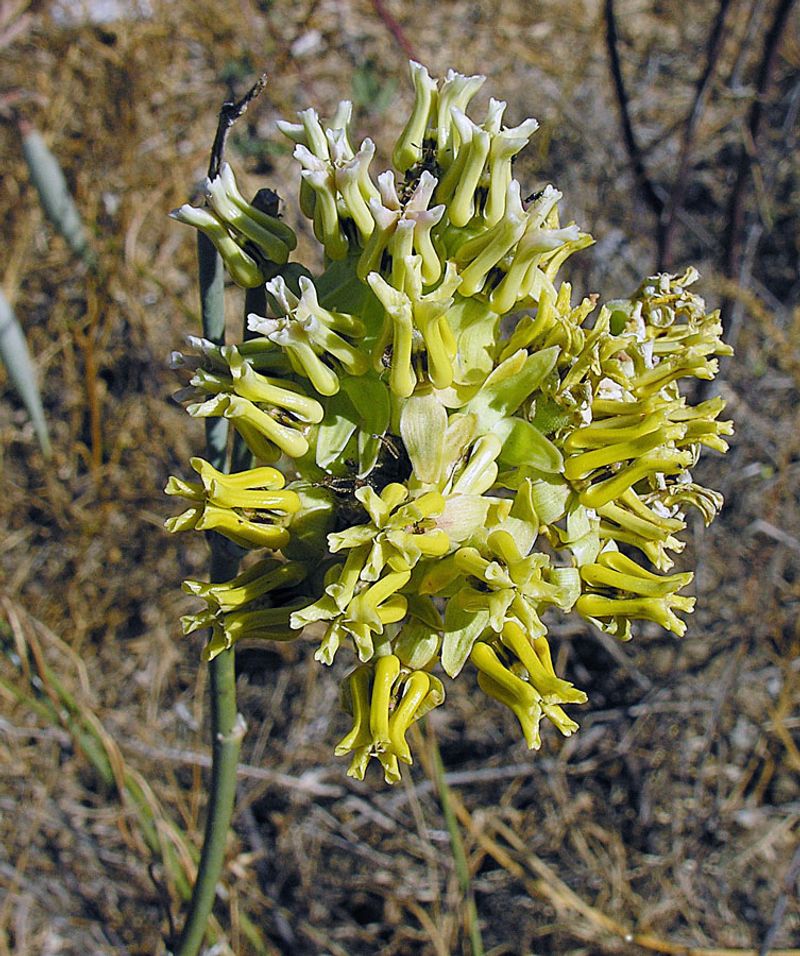
Desert milkweed does not apologize for loving heat. Give it full sun and it rewards you with strong stems, abundant foliage, and steady blooms.
Shade is where these plants struggle.
In the desert Southwest, full sun means at least six hours of direct sunlight per day. Most desert milkweed plants actually prefer eight or more hours.
Planting near walls or structures that reflect heat can further boost growth, especially in cooler months.
Weak, leggy growth is often a sign of insufficient light. Plants reaching toward sunlight produce fewer leaves and smaller flower clusters.
Moving milkweed to a sunnier spot usually produces noticeable improvement within a few weeks.
Sun exposure also affects how quickly soil dries between waterings. Fast-drying soil reduces the risk of root problems in plants that prefer dry conditions.
Keeping milkweed in full sun naturally supports the drainage cycle the plant needs.
Container-grown milkweed benefits from being placed on south or west-facing patios. Those spots capture the most intense light during the day.
Pots also allow you to shift plants slightly as seasons change and sun angles shift.
Young transplants may show mild stress during their first summer in full sun. A little temporary wilting in extreme afternoon heat is not unusual.
Most plants adjust within a few weeks once roots establish and the plant acclimates to its new position.
6. Leave Seed Pods Until They Fully Mature
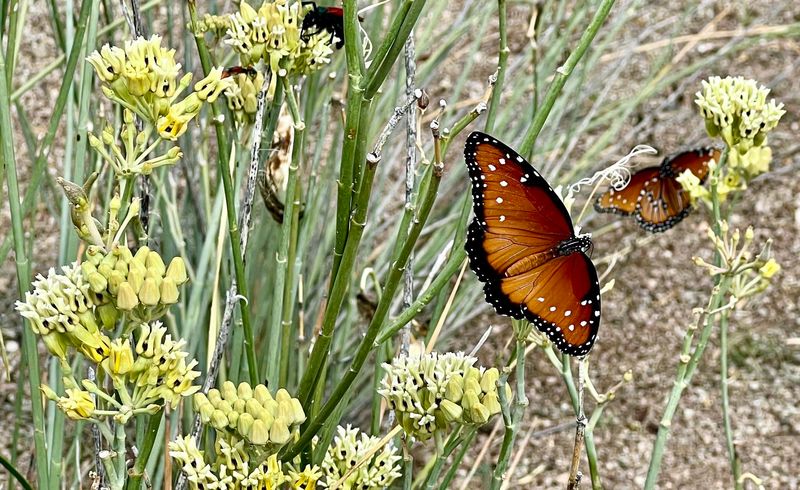
Seed pods on desert milkweed are easy to overlook, but they are worth paying attention to. Harvesting them too early means the seeds inside are not yet viable.
Patience here pays off in more plants next season.
Mature pods turn brown and begin to split open on their own. That cracking is the signal that seeds are ready.
Each pod contains dozens of seeds attached to silky fibers that carry them on the wind.
Collecting seeds at the right time gives you material to start new plants from scratch. Dried seeds stored in a paper envelope in a cool, dry spot can remain viable for a year or more under reasonable conditions.
Starting from seed is slower than buying transplants but costs very little.
Leaving some pods to open naturally on the plant allows self-seeding in your garden. Seedlings often appear in spots with naturally good drainage, which tells you something about where the plant wants to grow.
Letting nature handle some of the planting can produce surprisingly well-placed new plants.
Cutting pods before they brown fully wastes the potential of each plant. Green pods look mature but the seeds inside are still developing.
Waiting an extra week or two after pods first appear makes a real difference in seed quality.
Sharing seeds with neighbors or local native plant groups spreads milkweed further into the community. More milkweed across a neighborhood means more habitat for Queen butterflies overall.
Small actions like seed sharing can build meaningful support for local butterfly populations over time.
7. Fast-Draining Soil Prevents Root Rot
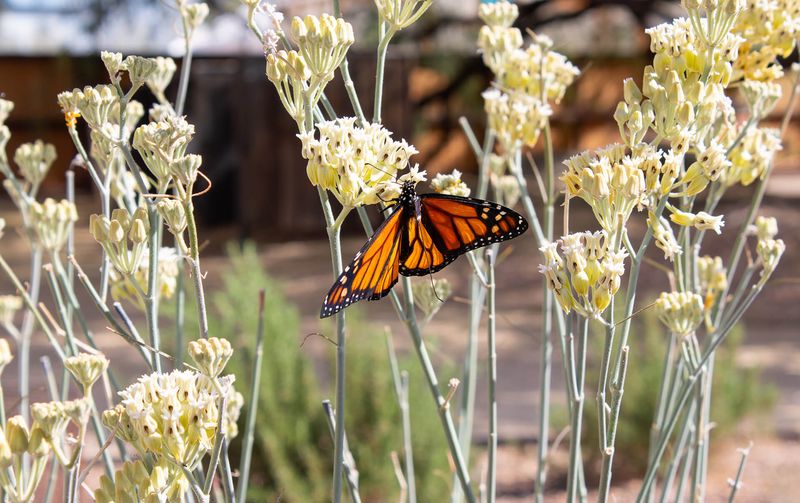
Soggy roots are the fastest way to lose a desert milkweed plant. Native to arid regions, this plant evolved in sandy, rocky soils that drain quickly after rain.
Heavy clay soil holds too much moisture for it to thrive.
Amending planting beds with coarse sand or crushed granite improves drainage significantly. A mix of roughly half native soil and half coarse amendment works well in most situations.
The goal is soil that feels loose and gritty rather than dense and sticky.
Raised beds offer an easy solution where native soil drains poorly. Building up even six to eight inches of well-draining mix gives roots the environment they need.
Many desert gardeners prefer raised beds specifically for plants that need sharp drainage.
Container planting requires a cactus or succulent potting mix rather than standard potting soil. Standard mixes hold too much moisture and break down in a way that suffocates desert plant roots over time.
Adding extra perlite to a cactus mix improves airflow around the roots even further.
Planting milkweed on a slight slope or mound helps water move away from the root zone naturally. Flat, low spots in a yard tend to collect water after irrigation or rain.
Avoiding those spots reduces the chance of root stress from standing water.
Checking drainage before planting takes only a few minutes. Pour water into the planting hole and watch how quickly it absorbs.
Slow drainage is a clear signal to amend the soil before placing your plant.