The Best Beans To Plant In June For A Heavy Wisconsin Harvest
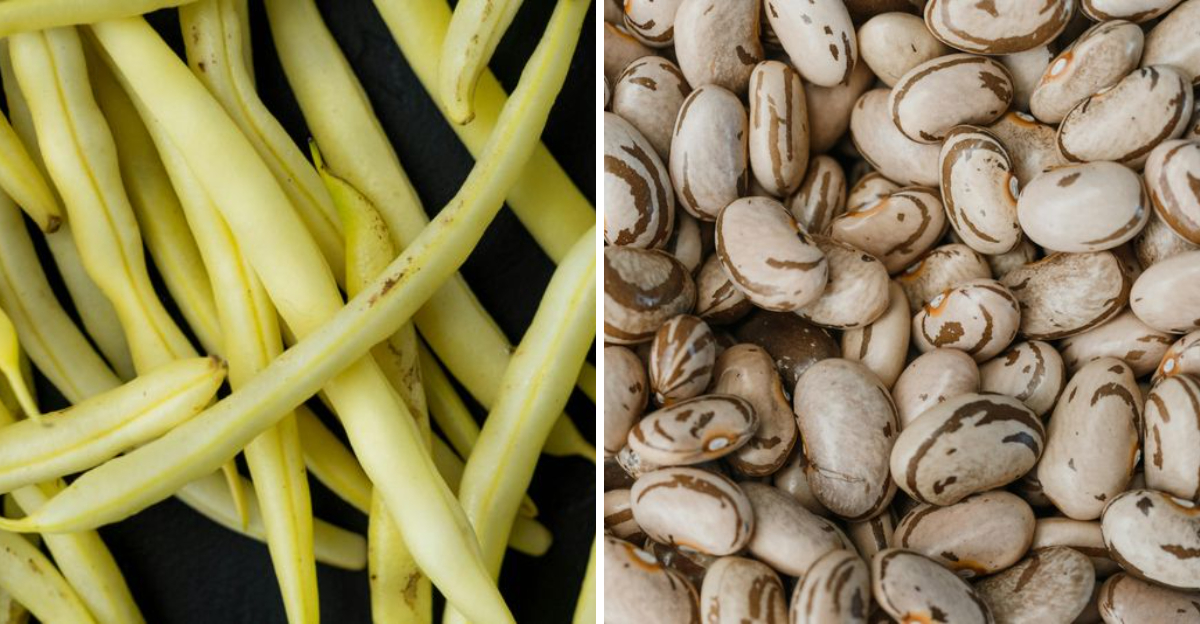
June in Wisconsin is basically the garden’s green light. After months of frozen ground and wishful seed catalog browsing, the soil finally hits that sweet spot.
Warm enough for beans, long enough days to actually do something with them.
Beans are one of the most forgiving and rewarding crops a Wisconsin gardener can grow. You do not need acres of land or years of experience.
A raised bed, a backyard plot, or even a few containers on the porch will do just fine. Get the right variety in the ground this month, and late summer will take care of the rest.
Wisconsin sits in USDA Hardiness Zones 3 through 5, so timing is everything. June planting hits that window perfectly.
Past the frost risk, ahead of the heat. Nine beans, from classic green beans to protein-rich edamame, each with something worth growing for.
1. Green Beans (Bush)
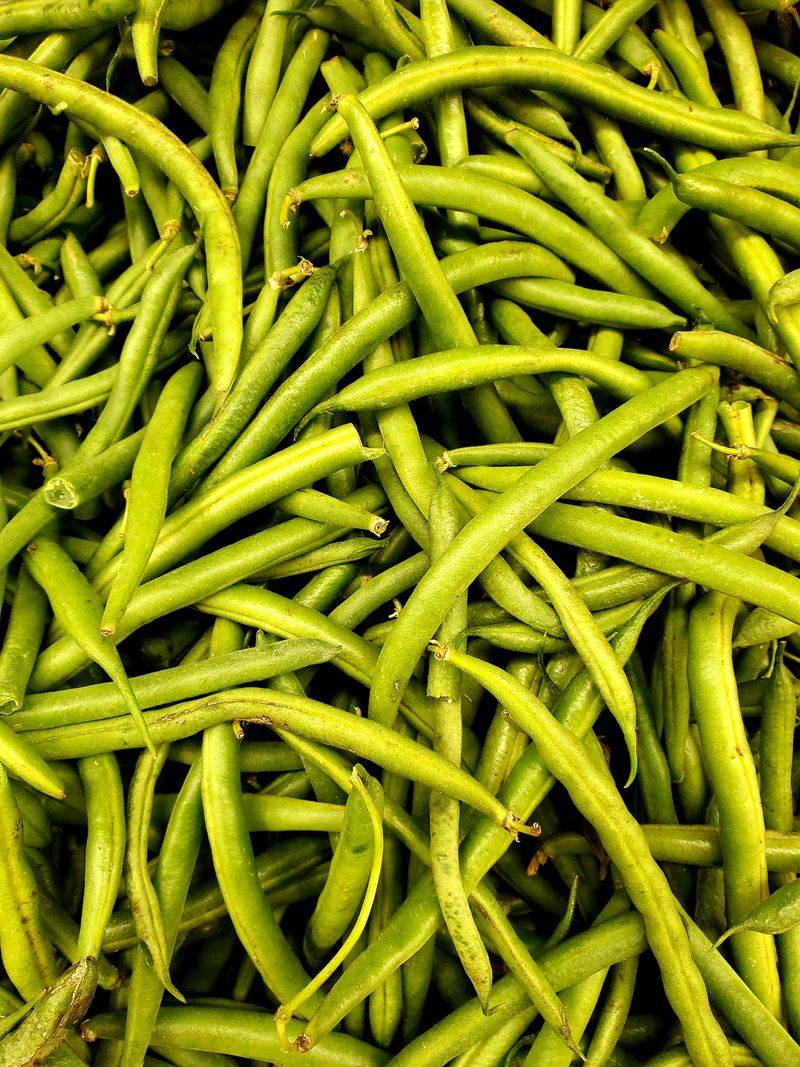
Nothing beats pulling your first handful of crisp green bush beans straight from the garden. Bush beans are the workhorses of the June garden in Wisconsin, and they earn every bit of that reputation.
These compact plants grow about 18 to 24 inches tall and do not need staking or climbing support. That makes them perfect for beginners and experienced gardeners alike who want a low-maintenance, high-reward crop.
Bush beans thrive when soil temps hit at least 60 degrees Fahrenheit, which is exactly what Wisconsin June mornings offer. Plant seeds about one inch deep and space them three inches apart in rows about 18 inches wide.
You can expect to see sprouts in about a week. The plants grow fast, and most bush bean varieties reach harvest-ready stage in 50 to 55 days after planting.
Top picks for Wisconsin include Blue Lake 274, Provider, and Contender. Provider is especially popular because it handles cool soil better than most other varieties and resists common bean diseases.
Harvest when pods are about four to six inches long and snap cleanly when bent. Check plants every two to three days once they start producing, because pods that stay on too long become tough and stringy.
Bush beans also fix nitrogen in the soil, which is a natural bonus for your garden beds.
Growing the best beans to plant in June starts right here, with this reliable, no-fuss classic that has earned its place in Wisconsin gardens for good reason.
2. Green Beans (Pole)
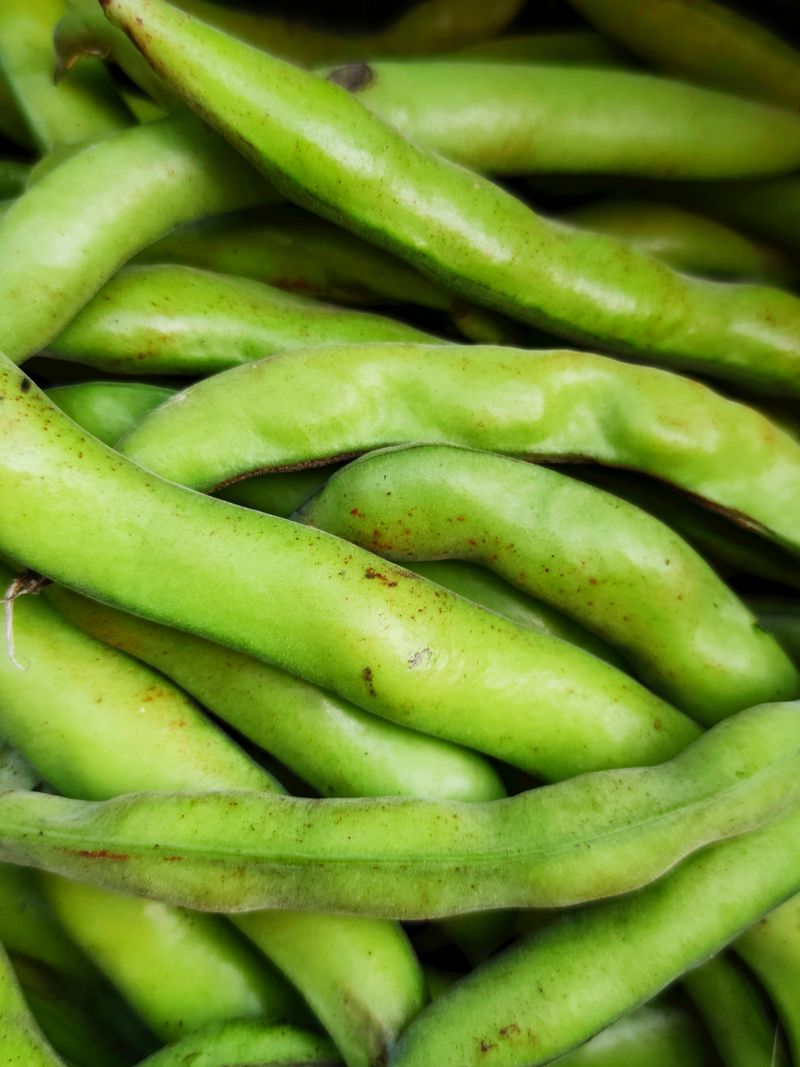
If you want your garden to grow up instead of out, pole beans are the answer. These climbers can reach six to ten feet tall, turning a simple trellis into a living green wall loaded with pods.
Pole beans take about a week or two longer to mature than bush types, usually around 60 to 70 days. But the payoff is a longer harvest window that can stretch for weeks if you keep picking regularly.
Set up your trellis, fence, or teepee poles before planting so you do not disturb the roots later. Sow seeds about one inch deep and four to six inches apart at the base of your support structure.
Your Wisconsin Garden Changes Every Week. Your Plan Should Too.
Gardening in Wisconsin changes quickly throughout the season. Every Friday you’ll receive a simple weekly plan showing exactly what to plant, prune, fertilize, harvest, and protect so you never miss the right timing.
Kentucky Wonder and Rattlesnake are excellent choices for Wisconsin gardens. Kentucky Wonder has been a gardener favorite for over 100 years because of its rich flavor and generous yield.
Pole beans need consistent watering, especially during flowering. Dry spells during bloom time can cause flowers to drop before setting pods, which cuts into your final harvest count significantly.
One big advantage over bush types is that pole beans produce continuously rather than all at once. This steady stream of pods means fresh beans on your table from mid-August well into September.
Mulching around the base of plants helps retain moisture and keeps weeds down. With the right support and steady care, pole beans become one of the most productive crops in the June garden lineup.
3. Great Northern Beans
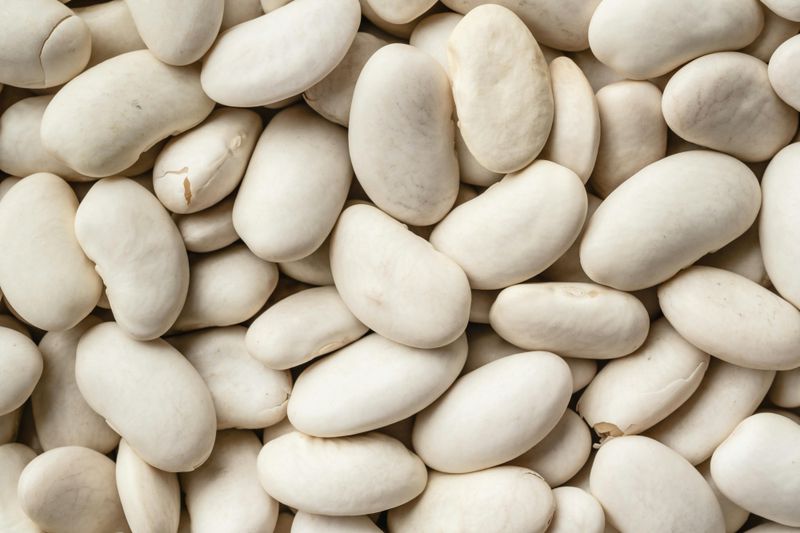
Great Northern beans have a quiet kind of greatness that home gardeners often overlook. Mild in flavor, creamy in texture, and incredibly versatile in the kitchen, these white beans are a staple worth growing yourself.
They are a dry bean variety, meaning you let the pods fully mature and dry on the plant before harvesting. That process takes about 85 to 100 days, so planting in early June gives you just enough season to reach dry-down before frost arrives.
Sow seeds about one inch deep and four to six inches apart in rows spaced 18 to 24 inches apart. Great Northerns prefer well-drained, loose soil and do not like sitting in wet conditions after rain.
These plants grow as bush types, staying compact and tidy in the garden. They are relatively drought-tolerant once established, making them a solid choice for gardeners who cannot water every single day.
Watch for Mexican bean beetles, which love to munch on the leaves. A simple row cover early in the season can protect young plants while they build strength and get established.
Harvest when the pods turn papery and tan and the seeds rattle slightly inside. Bring whole plants inside to finish drying if an early frost is in the forecast, then shell them out at your leisure.
A pot of homemade Great Northern bean soup from beans you grew yourself hits different on a cool Wisconsin fall evening. That first bowl makes every bit of effort feel worthwhile.
4. Kidney Beans
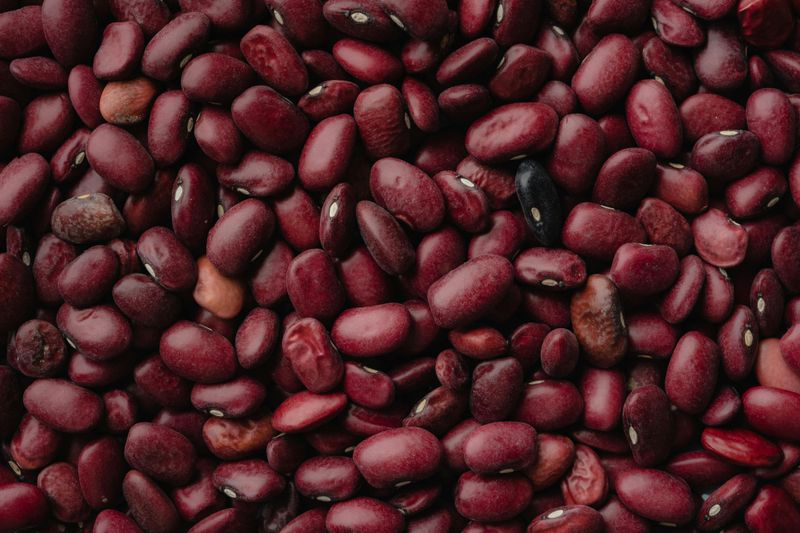
Kidney beans bring bold color and serious nutrition to your garden and your dinner table. These deep red, meaty beans are the backbone of chili, soups, and rice dishes across American kitchens.
As a dry bean, kidney beans need a full growing season of around 100 to 110 days to reach harvest. Planting in the first week of June in Wisconsin gives you the runway you need to pull off a successful crop before fall frost hits.
Sow seeds about one and a half inches deep and six inches apart in rows spaced two feet apart. Kidney beans grow as bush plants, so no staking is required, which keeps garden maintenance simple and manageable.
Dark Red Kidney and Light Red Kidney are the two most common varieties for home gardens. Both perform well in the Midwest and produce pods packed with four to six large seeds each.
These plants prefer full sun and consistent moisture during pod fill, which is the stage when seeds are swelling inside the pods. Inconsistent watering at this point can lead to shriveled seeds and a disappointing harvest.
Watch for bean rust, a fungal disease that shows up as orange spots on leaves. Good air circulation between plants and avoiding overhead watering helps keep the problem under control throughout the season.
Dry the pods completely on the plant, then shell and store beans in a cool, dry place. Home-grown kidney beans have a depth of flavor that dried store-bought versions rarely match.
5. Pinto Beans
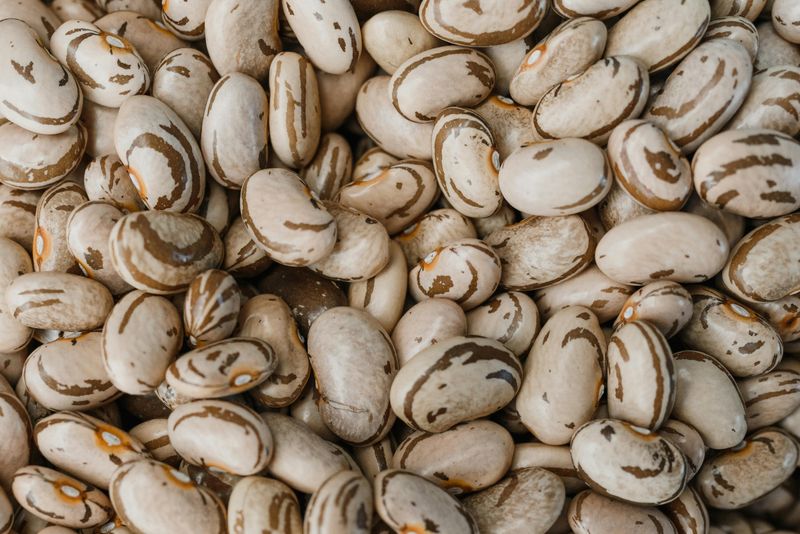
Image Credit: © Arina Krasnikova / Pexels
Pinto beans are one of the most popular dry beans in America, and growing your own batch is easier than most people think. These speckled beauties are the star ingredient in refried beans, burritos, and hearty stews that warm you from the inside out.
June planting works beautifully in Wisconsin because pinto beans need warm soil and a long growing window of about 90 to 100 days. Early June gives the plants time to mature before the first fall frost sneaks in around October.
Plant seeds about one inch deep and four to six inches apart in rows spaced 18 to 24 inches apart. Pintos are bush-type plants that stay low and compact, which makes them easy to manage in smaller garden spaces.
Choose varieties like Pinto UI-114 or Burke, both of which are bred for strong performance in upper Midwest conditions. These cultivars handle variable summer temperatures better than older heirloom varieties.
Pintos are fairly drought-tolerant once they hit their stride, but they do need regular moisture during germination and early growth. A good layer of straw mulch around the base of plants conserves soil moisture and reduces the need for frequent watering.
Harvest when pods turn tan and papery and feel dry to the touch. Shell the beans and spread them on a screen for a few days to finish air-drying before storing.
Few things feel more grounding than cooking a pot of beans you grew yourself from a June planting right in your own backyard.
6. Black Beans
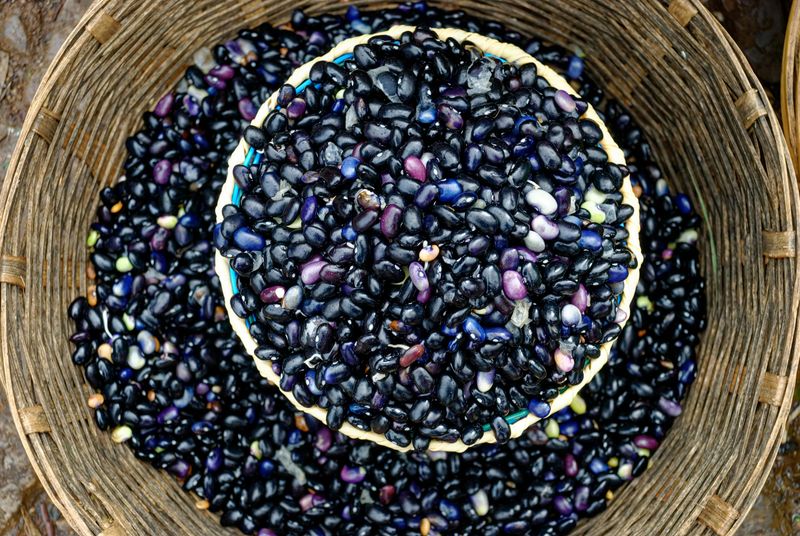
Black beans have a bold, earthy flavor that makes them a kitchen favorite for soups, tacos, grain bowls, and salads. Growing them at home is a satisfying project that connects you to a crop with deep roots in Latin American food traditions.
These beans need about 90 to 100 days to reach full dry maturity, so a June planting in Wisconsin lines up well with the typical frost-free window. Getting seeds in the ground by the second week of June is a smart move for most of the state.
Sow seeds one inch deep and four to six inches apart in rows about 18 inches wide. Black beans are bush-type plants, growing about 18 to 24 inches tall, and they do not need any support structure to stay upright.
Black Turtle is the most widely grown variety for home gardens and performs well in the Midwest. It produces pods with five to six glossy black seeds and has solid resistance to common bean mosaic virus.
Water consistently during the flowering and pod-fill stages but ease off as the pods begin to dry down. Too much moisture late in the season can cause mold issues that ruin the seed quality inside the pods.
Harvest when about 90 percent of the pods have turned tan and dry. Pull whole plants and hang them upside down in a dry shed or garage to finish the drying process over one to two weeks.
Shell them out, and you have a pantry full of homegrown black beans ready for months of cooking all winter long.
7. Wax Beans
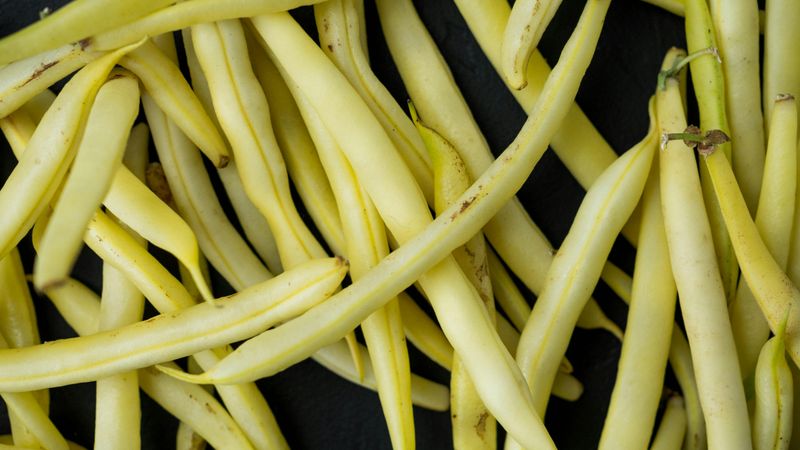
Image Credit: © Mateusz Feliksik / Pexels
Wax beans are the golden cousins of green beans, and they deserve a dedicated spot in every Wisconsin garden. Their cheerful yellow pods are easy to spot at harvest time, which means you almost never miss one hiding under the leaves.
These bush-type plants grow and behave almost exactly like green bush beans, reaching about 18 to 24 inches in height. They mature in 50 to 55 days, which means a June planting produces pods ready to pick by late July or early August.
Plant seeds one inch deep and three inches apart in rows spaced about 18 inches apart. Wax beans germinate quickly in warm June soil and establish themselves without much fuss or extra attention from the gardener.
Top varieties to try include Pencil Pod Black Wax, Golden Wax, and Dragon Tongue. Dragon Tongue is a Dutch heirloom with striking yellow pods streaked in purple, and it is one of the most eye-catching beans you can grow.
Wax beans have a slightly milder, more tender flavor than green beans, which makes them a hit with kids and picky eaters. They are excellent eaten raw, steamed, roasted, or pickled for preserving.
Keep plants well-watered during pod development to prevent tough, stringy pods at harvest. Consistent moisture makes the difference between beans that snap crisply and ones that bend and disappoint.
Wax beans also freeze beautifully after blanching, so a big June planting can stock your freezer with homegrown goodness well into the cold Wisconsin winter months ahead.
8. Edamame
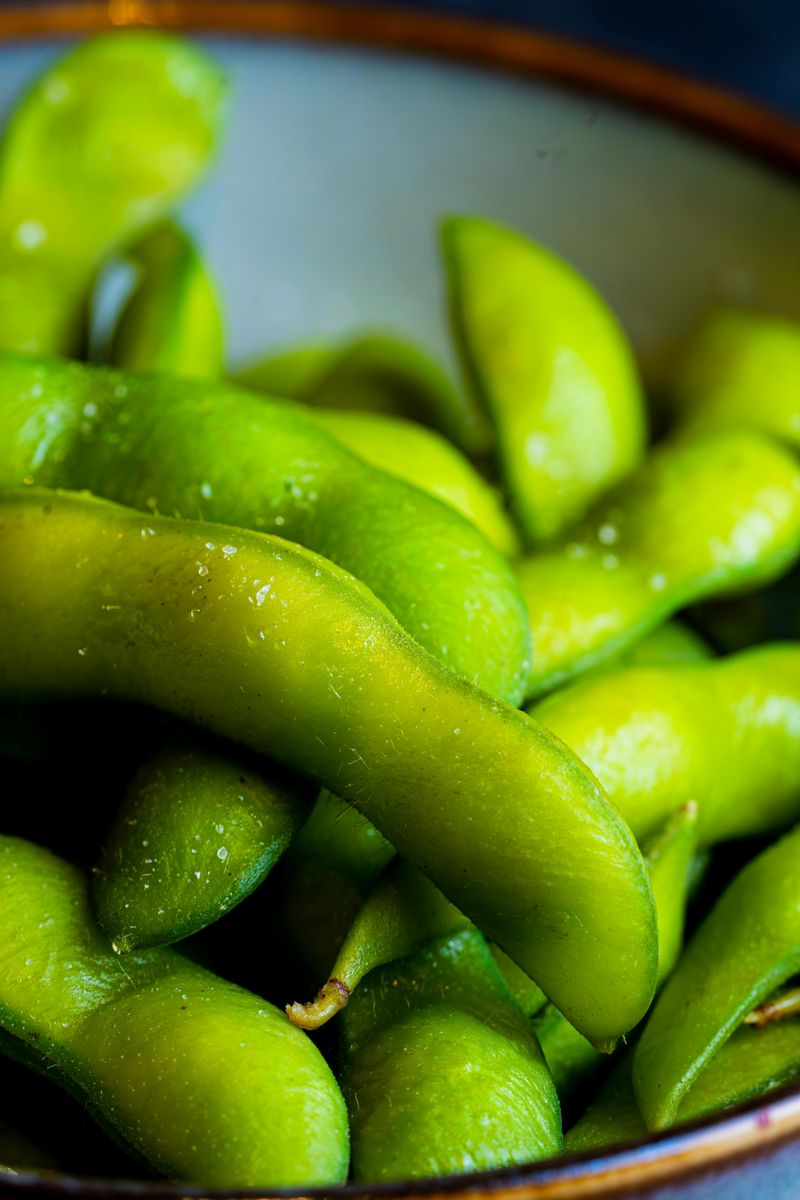
Edamame is the snack crop that always gets questions from curious visitors. These fuzzy green soybean pods, harvested young and boiled with a pinch of salt, are one of the most satisfying snacks you can pull from your own garden.
Technically a type of soybean, edamame needs warm soil above 60 degrees Fahrenheit to germinate reliably. June is the perfect entry point in Wisconsin, giving plants the heat they need right from day one.
Plant seeds about one inch deep and three to four inches apart in rows spaced 18 to 24 inches apart. Most edamame varieties mature in 75 to 90 days, which puts harvest right in the sweet spot of late August in Wisconsin.
Midori Giant and Envy are popular edamame varieties that perform well in northern gardens. Envy is especially favored for its large pods and sweet flavor that holds up well even when pods are slightly past peak.
Edamame plants look a lot like regular soybean plants, with broad trifoliate leaves and small purple or white flowers. Each plant produces dozens of pods packed with two to three plump seeds.
Harvest when pods are bright green, fully plump, and the seeds feel firm inside. Do not wait too long, because pods that start to yellow have passed their prime eating window and will taste starchy instead of sweet.
Growing edamame as part of your best beans to plant in June lineup brings a fun, crowd-pleasing crop that tastes nothing like anything from the frozen food aisle.