The Best Cold Hardy Fig Varieties For Growing Through North Carolina Winters
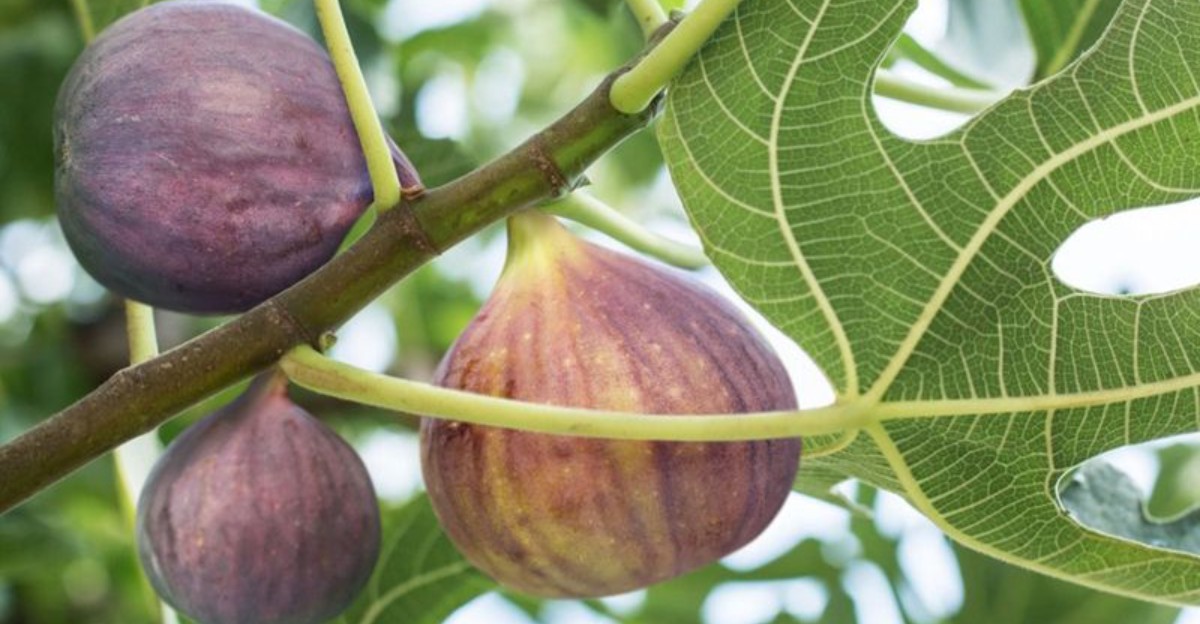
Not all fig varieties are created equal when it comes to surviving a North Carolina winter, and choosing the wrong one can mean losing significant portions of a tree to cold damage almost every single year.
Certain varieties have been specifically selected or bred for greater cold tolerance, allowing their wood to survive temperatures that would devastate more tender, Mediterranean-adapted types grown in warmer climates.
These hardier figs still benefit from some winter protection in a harsh year, but they require far less intervention than varieties poorly suited to anything beyond mild, brief cold snaps.
Because fig flavor and fruiting habits can vary noticeably between varieties, choosing one based on cold hardiness alone sometimes means trading off other desirable traits.
For North Carolina gardeners tired of losing wood to winter damage every year, starting with the right variety solves the problem at its actual root.
1. Celeste Is The Classic Southern Sugar Fig
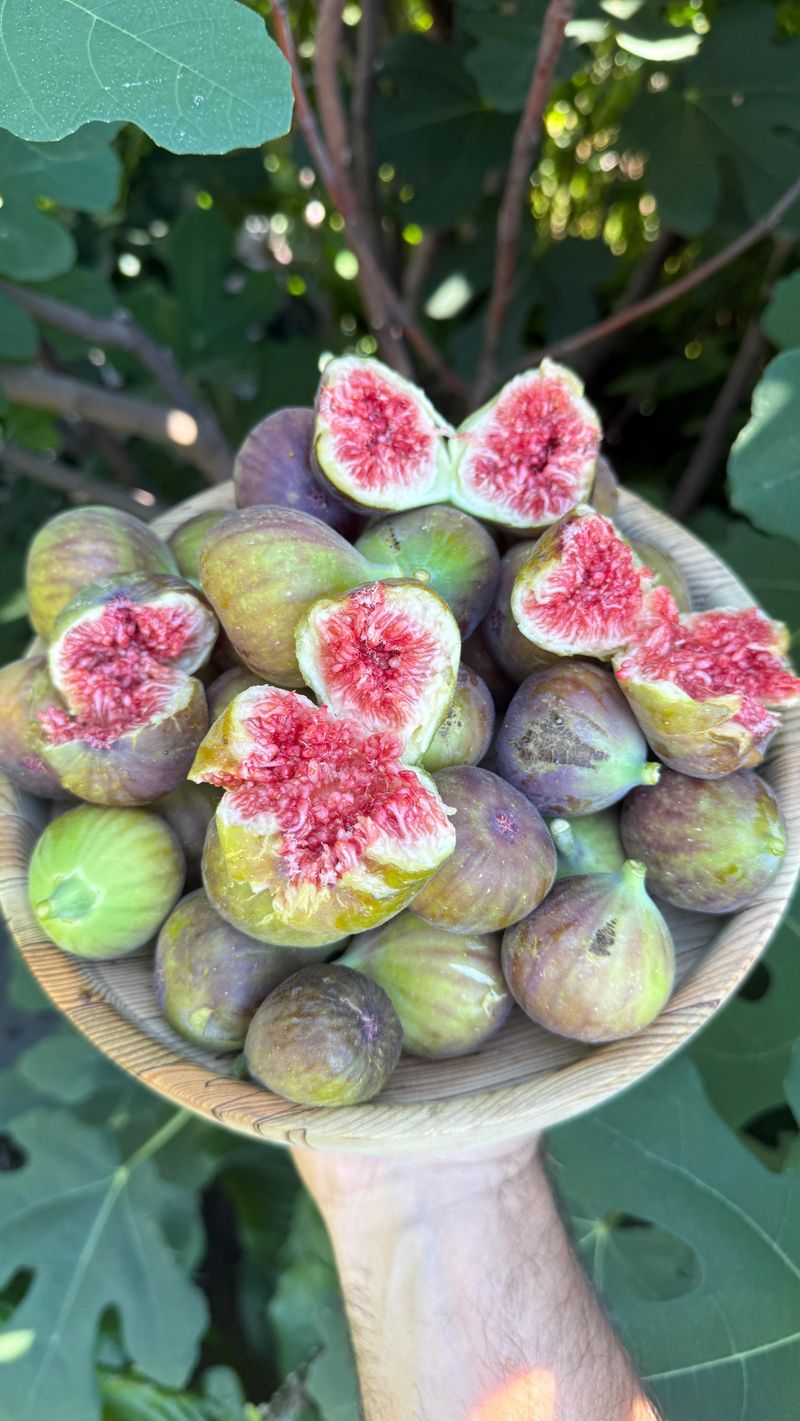
Ask almost any longtime North Carolina gardener about figs, and Celeste will probably come up first. Folks often call it the sugar fig, and one bite explains why. The small fruit has violet to light brown skin and soft pink pulp that tastes like candy.
Sweetness is only part of the story, though. Celeste is fairly cold hardy, so it handles typical winters in much of the state without much fuss.
Its fruit also has a nearly closed eye, which is the tiny opening at the bottom of each fig. That snug little opening keeps out insects and moisture, two things that cause figs to sour when summer turns sticky and humid.
Caring for Celeste is simple. Give it a spot in full sun with soil that drains well after a rain. Spread 3 to 4 inches of shredded bark or pine straw over the root zone to keep the soil cool in summer and cozy in winter.
Water deeply during dry spells, especially while young trees settle in. Once the tree gets going, you can expect the first figs to ripen around mid-July.
Check your tree often, because birds love these sweet treats as much as people do. Celeste shines across the Coastal Plain and the Piedmont. Many figs struggle with our muggy summers, but this one handles humidity better than most.
For a first fig tree, you really can’t go wrong here. It has earned its place as a Southern favorite for good reason.
2. Brown Turkey Is Reliable And Productive
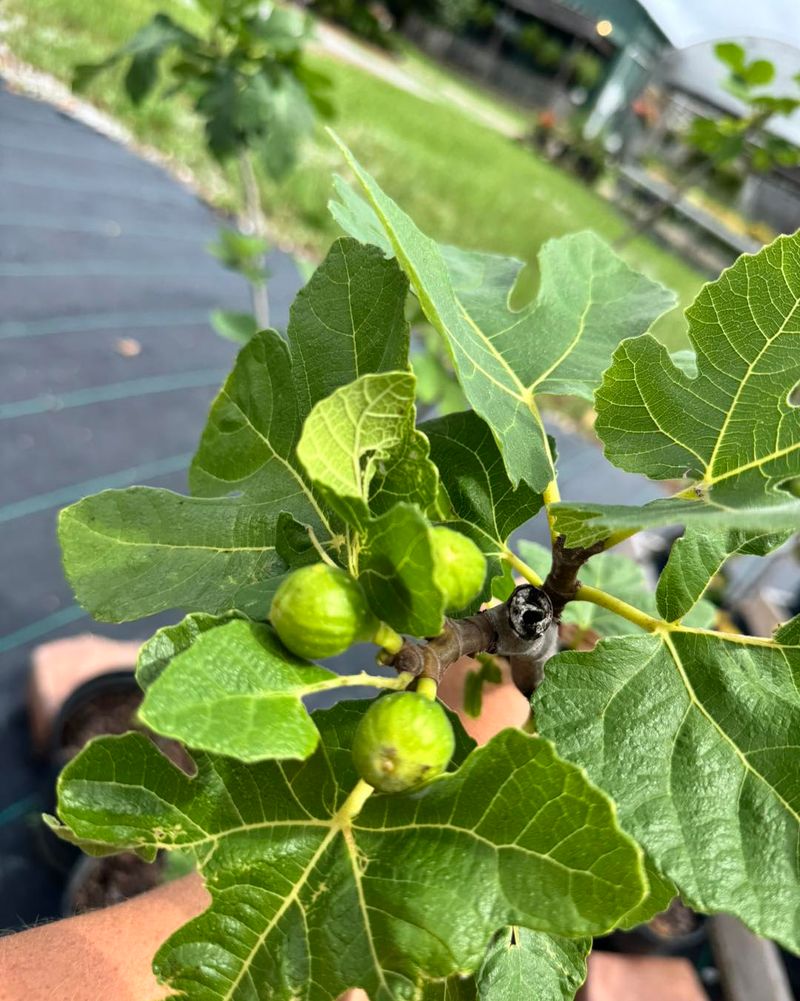
Some plants just keep showing up for you, year after year. Brown Turkey is that kind of fig. You may also find it sold as Texas Everbearing or Harrison, but it’s the same trusty tree.
The fruit is medium to large, with coppery brown skin and amber pulp inside. Brown Turkey often gives two harvests. First comes a light early crop of big figs, and later a heavier main crop that fills your baskets.
Beginners love this variety because it bounces back well after cold damage. Even if a chilly winter nips some branches, the tree usually recovers and keeps producing. That kind of toughness takes a lot of worry off new gardeners.
Your North Carolina Garden Changes Every Week. Your Plan Should Too.
Gardening in North Carolina changes quickly throughout the season. Every Friday you’ll receive a simple weekly plan showing exactly what to plant, prune, fertilize, harvest, and protect so you never miss the right timing.
Plant Brown Turkey in full sun and keep a thick layer of mulch around its base. Hold off on pruning until late winter, after the worst cold has passed.
Cutting too early can expose tender wood right before a freeze. Short on yard space or nervous about harsh winters? Brown Turkey adapts nicely to life in a large container.
You can roll the pot into a garage or shed on the coldest nights, then bring it back out when the weather warms.
Across North Carolina, it ranks among the most widely grown figs in home gardens. Many families treasure it for making preserves, the kind that end up on biscuits at Sunday breakfast.
If you want steady harvests without much drama, Brown Turkey delivers them season after season.
3. Chicago Hardy Bounces Back After Hard Winters
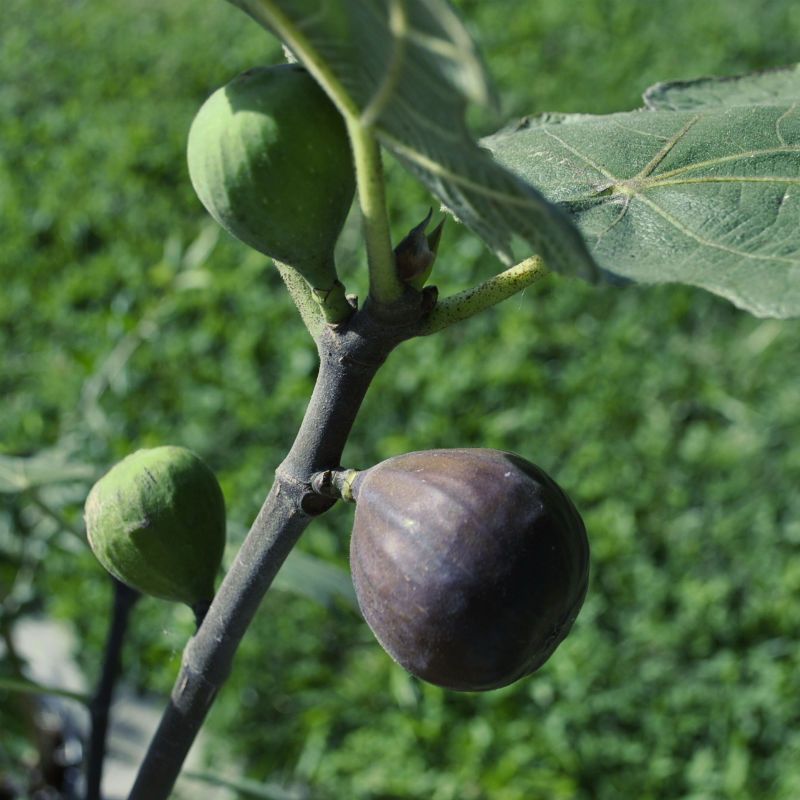
A fig named after the Windy City? It sounds like a joke, but Chicago Hardy earned its name by standing up to cold that would make most figs shiver.
Gardeners sometimes see it labeled Hardy Chicago, and both names point to the same tough little tree.
Its fruit is small and dark, with rich red flesh inside. The flavor is sweet and berry-like, perfect for snacking right off the branch.
Here’s the real magic. Even when a hard winter damages the upper branches, Chicago Hardy can still produce a main crop on new growth that pops up the next season. So a rough winter doesn’t have to mean a summer with no figs at all.
Give it a sunny, sheltered spot, like the area beside a south-facing wall. In late fall, pile mulch heavily around the base to guard the roots and lower trunk.
That extra blanket can make all the difference during a bitter cold snap. Spring takes a little patience. Wait until you see fresh leaves pushing out before you prune off any damaged wood.
Cutting too soon might remove branches that were only slow to wake up. During summer, water whenever the weather turns dry for a week or more. Steady moisture helps the new shoots grow strong and set fruit.
For gardeners in colder corners of the Piedmont, Chicago Hardy is a smart pick. It lets you push figs right up to the edge of where they normally grow.
4. Olympian Adds Another Cold Tolerant Option
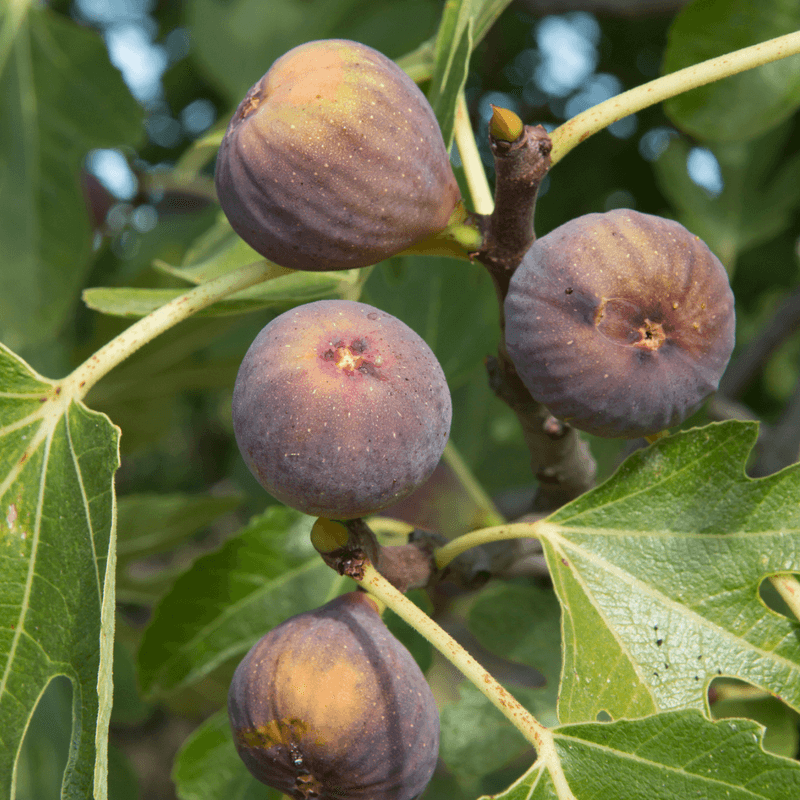
Variety keeps a garden interesting, and Olympian proves that figs don’t have to be the same old names. North Carolina Extension Master Gardeners have recognized this variety for its good cold hardiness.
That makes it worth a closer look if you want something a little different. Most people know Celeste and Brown Turkey. Olympian gives you another cold tolerant choice to add to the mix.
In areas where winter damage is a real concern, having more than one tough option can help you spread out your risk.
Think of it like packing an umbrella and a raincoat. If one variety struggles in a strange winter, another might sail right through. Growing two or three different figs is a clever way to keep harvests coming.
Olympian likes full sun and soil that drains well. Young trees need a bit of extra care during their first few winters.
Spread a thick layer of mulch at the base, and during severe cold, wrap the tree loosely in frost cloth.
Loose is the key word there. A tight wrap can trap moisture and rub the bark, while a loose one holds in warmth from the ground.
Give your tree a few years to settle in. Figs often take some time to establish before they produce reliably, so patience pays off.
Olympian fits especially well in the Piedmont. Mild winter spells there are often followed by sudden freezes, and a hardy tree handles those surprises with more grace.
5. Brunswick Handles Cold But Is Best For Preserves
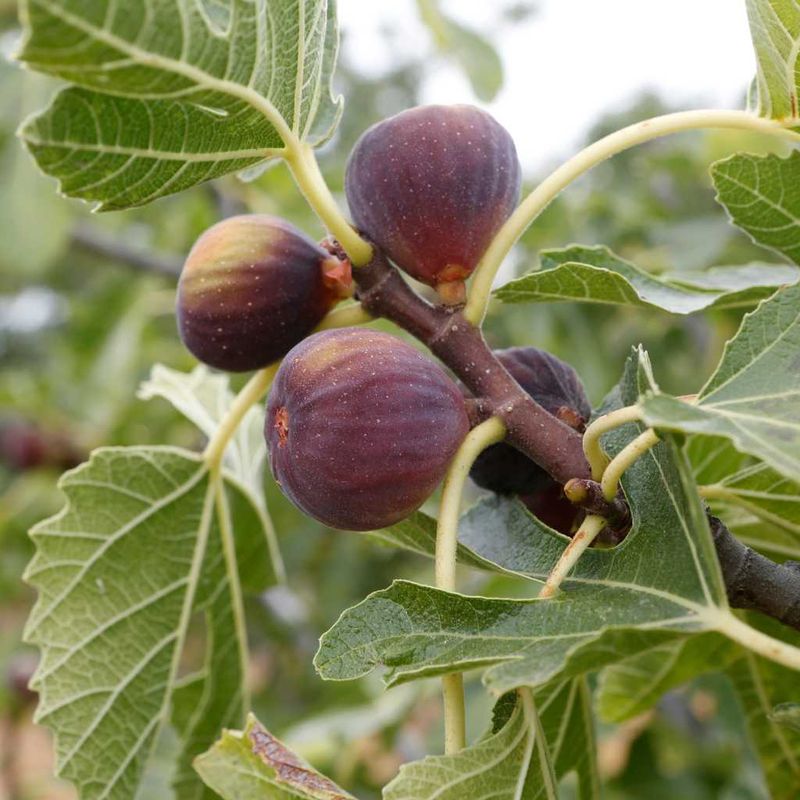
Grandma’s fig preserves had to come from somewhere, and in many North Carolina kitchens, Brunswick was the secret. This fig is also sold as Magnolia.
Its large, light brown fruit has been cooked into sweet, sticky jars for generations. NC State Extension notes that Brunswick appears more cold hardy than both Brown Turkey and Celeste. That’s a big plus if your yard tends to catch winter damage.
Every fig has its quirks, though. Brunswick fruit can split and sour when summer turns hot and humid.
The tree also grows less vigorously than many others, so it may stay smaller and take longer to fill out.
Because of those traits, Brunswick works best for preserves rather than fresh eating. Once the figs simmer with sugar, a few small splits won’t matter one bit.
Choose a spot in full sun with good air circulation. Moving air helps leaves and fruit dry quickly after rain or morning dew, which cuts down on souring.
Harvest promptly as the fruit ripens. Figs left hanging too long in muggy weather are more likely to crack open.
Try checking your tree every day or two during peak season. Watering needs a lighter touch at harvest time. Avoid heavy watering while the figs mature, since a sudden rush of moisture can make them swell and split.
Brunswick carries a lot of tradition across the state. Growing one is a tasty way to keep an old Southern kitchen custom alive.
6. Violette De Bordeaux Is A Compact Fig For Pots And Sheltered Spots
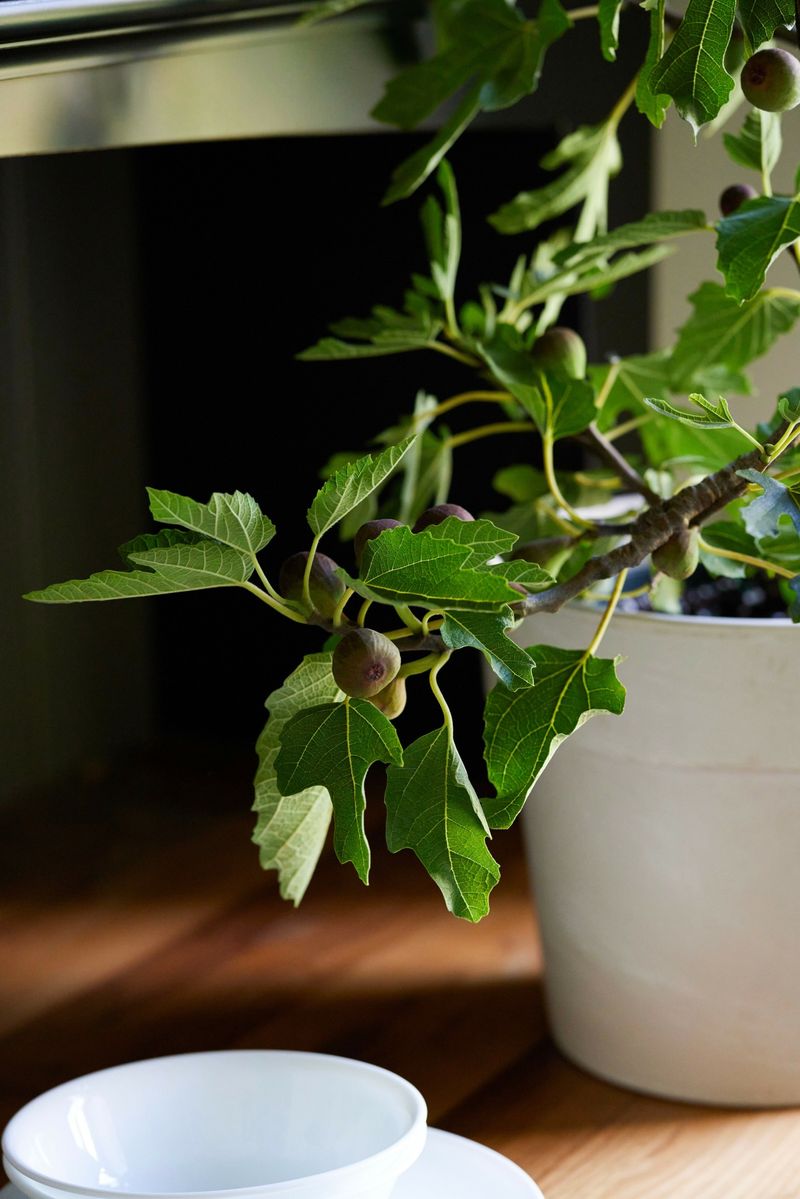
From the French countryside to a patio in Raleigh, Violette de Bordeaux brings a little old-world charm wherever it grows. Its small to medium figs have purple-black skin.
Slice one open, and you’ll find deep red flesh with a rich, jammy flavor. Size is one of its best features. Violette de Bordeaux stays compact, which makes it one of the top figs for large containers.
It also has a closed eye, which helps keep insects and moisture from spoiling the fruit. Cold hardiness is a bit of a puzzle with this one. Different sources rate it quite differently.
To play it safe, treat it as moderately cold hardy and give it some extra protection. A large container is a wonderful way to grow it. When a hard freeze is coming, you can move the pot into a garage, shed, or other sheltered space.
On milder days, roll it back out into the sunshine. Prefer to plant it in the ground? Pick a warm spot against a south-facing wall and pile on heavy mulch before winter arrives.
Plan for a slightly later harvest. Its fruit ripens after Celeste and Chicago Hardy, so you’ll get figs a little further into summer.
Violette de Bordeaux suits the Coastal Plain and warmer parts of the Piedmont nicely. Thanks to container growing, gardeners in cooler parts of the state can enjoy its flavor too.
7. Sudden Freezes After Mild Spells Cause The Most Damage
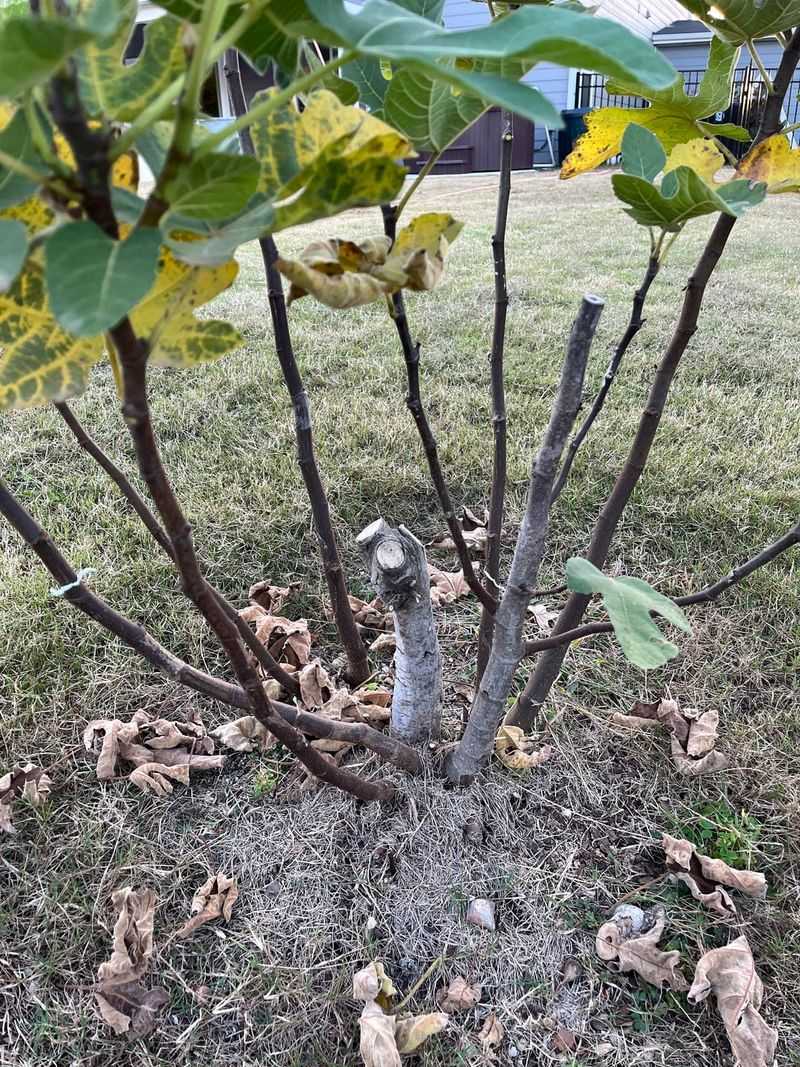
Surprisingly, the coldest night of winter isn’t always the biggest threat to your fig tree. In North Carolina, figs most often get hurt in January and February.
The trouble starts when a stretch of unusually mild weather is suddenly followed by a hard freeze.
Here’s what happens inside the tree. During a warm spell, figs start to lose some of their cold hardiness and slowly begin waking up. Their tissues soften as they get ready for spring.
Then the temperature drops fast. Tissue that was well protected just days earlier now gets damaged, because the tree let its guard down.
It’s a bit like stepping outside in shorts because the morning felt warm, only to get caught in an icy wind by afternoon.
Staying alert is your best defense. Keep an eye on weather forecasts during late winter warm spells. If a sharp freeze is on the way, cover young trees with frost cloth before the cold arrives.
Leave your mulch in place through early spring rather than pulling it back on the first sunny day. That layer keeps soil temperatures steady and protects the roots and lower trunk.
Choosing cold hardy varieties also lowers your risk. Trees like Chicago Hardy and Celeste handle these wild swings better than tender types.
Our state’s winters love to bounce between springlike afternoons and bitter nights. Knowing this pattern helps you step in at just the right moment and keep your figs safe.
8. Figs Often Regrow From The Roots After Frost Damage
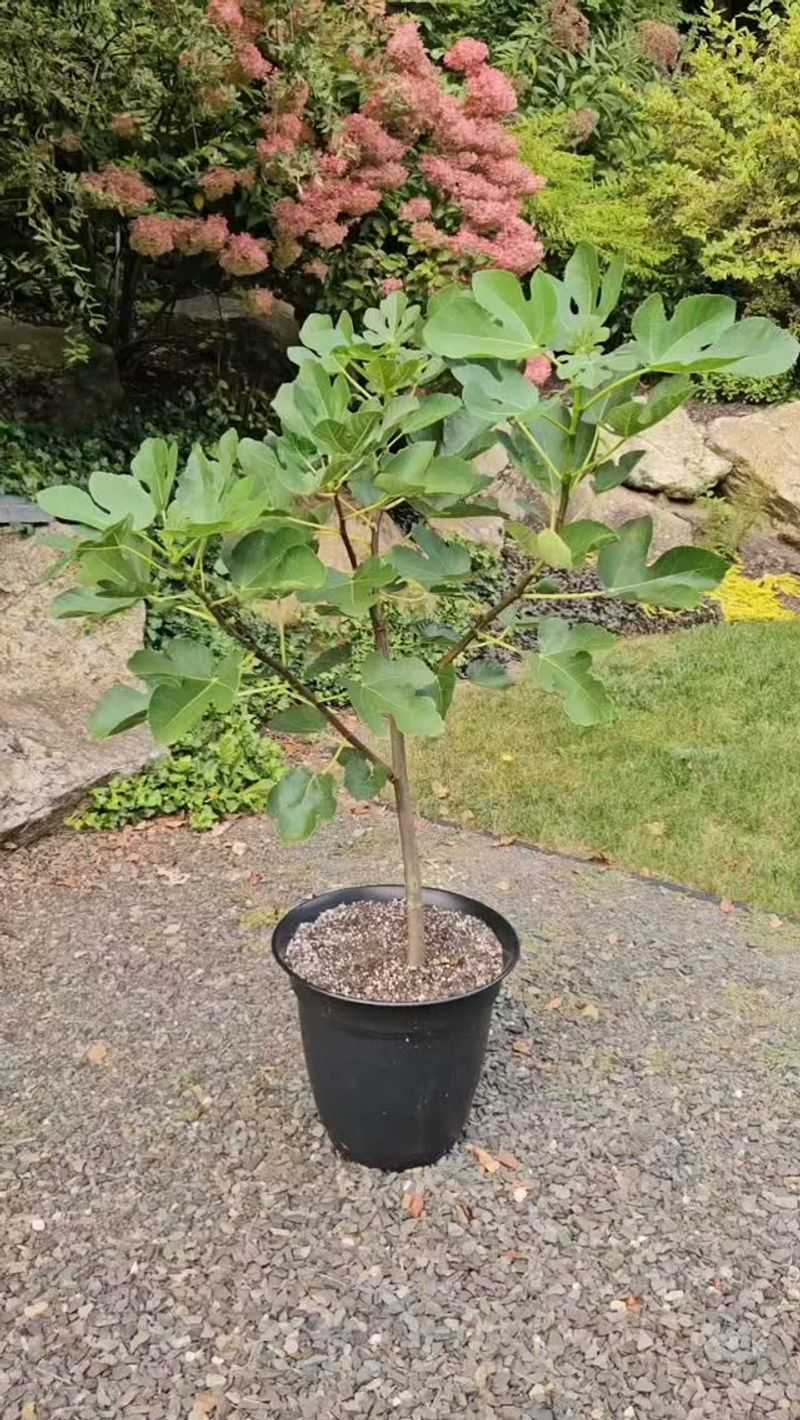
Don’t give up on a fig tree that looks rough after winter. Figs are champions at comebacks. Even when cold damages branches all the way to the ground, the tree often returns.
The secret lives underground. If the roots and lower trunk make it through winter, figs send up fresh shoots in spring.
Some varieties, like Chicago Hardy, can even produce fruit on that new growth the very same year.
That’s why protecting the base matters so much. Spread a thick layer of mulch around the tree before winter and keep it there until the weather settles.
Think of it as a warm quilt tucked around the part of the tree that counts most. Spring calls for patience. Wait until late spring to judge which branches are truly damaged, since figs can be slow to leaf out after a cold year.
Cutting too early could remove healthy wood. A simple trick helps. Use your fingernail to gently scratch a small patch of bark.
Green tissue underneath means the branch is still alive and well, while brown and dry tissue tells a different story.
Only remove wood that shows no new growth and no green under the bark. Make clean cuts just above healthy tissue.
In North Carolina, deep cold snaps do happen now and then. They can set a tree back a season, but they rarely end its story when the roots stay protected.
9. Planting Spot Makes A Big Difference In Winter
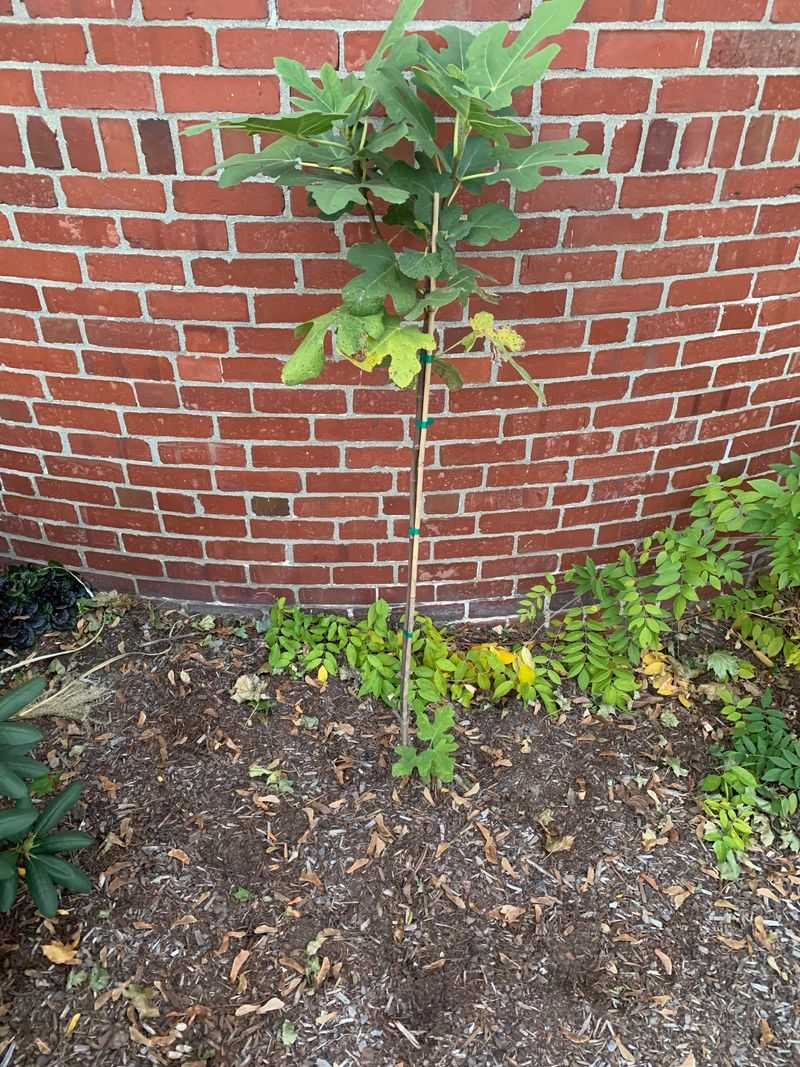
Location can matter just as much as the variety you choose. A fig planted in the right place might breeze through winter, while the same tree in an open field could struggle.
Walls, buildings, and fences act like natural heaters. They soak up warmth from the sun all day and release it slowly at night.
They also block chilly winds that dry out and damage branches. Low areas work the opposite way. Cold air is heavy, so it sinks and collects in dips and hollows on freezing nights.
Gardeners call these spots frost pockets, and figs planted there often take the worst hit. For the best results, plant your fig near a south or southeast-facing wall. That spot gives the tree full sun plus shelter from harsh weather.
A sunny corner of the house can become a cozy microclimate for your fig. Drainage deserves attention too. Figs decline in soggy ground, so choose soil that drains well after heavy rain.
If your yard holds water, try planting on a gentle slope or in a slightly raised bed. Take a walk around your property on a cold morning. Notice where frost lingers longest and where it melts first.
Those clues point you toward the warmest planting spots. Figs grow best in the Coastal Plain and Piedmont. In colder parts of the state, a sheltered location gives your tree the extra edge it needs for sweet summer harvests.