Why Georgia’s Popular Mimosa Tree Causes More Yard Problems Than Expected
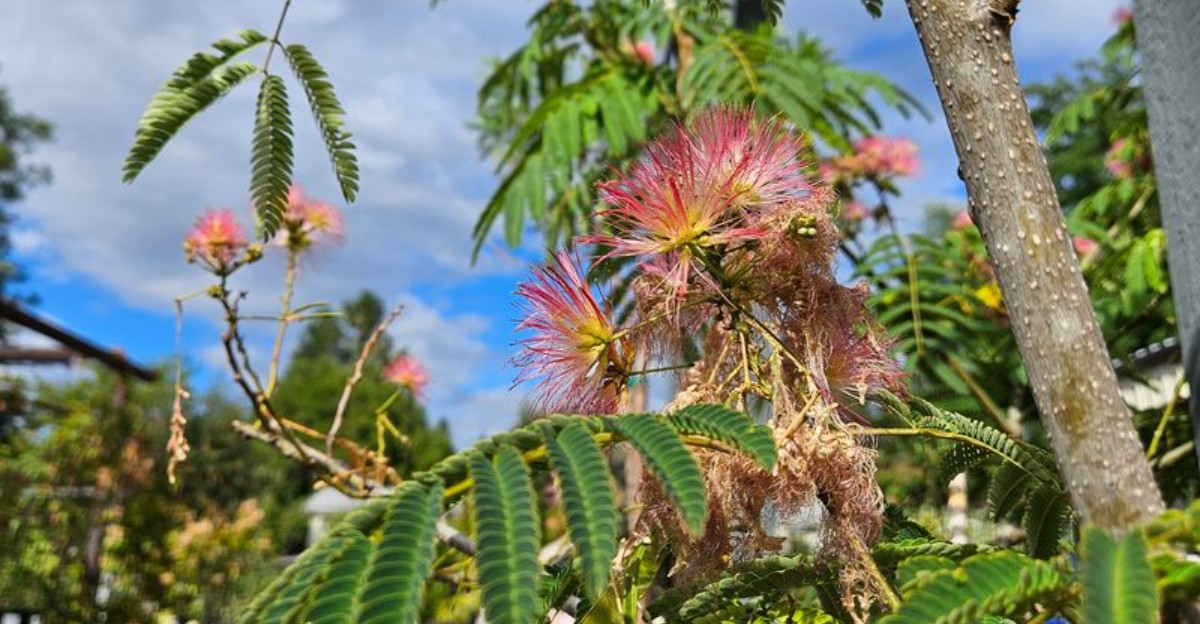
A mimosa in full bloom is hard to ignore, which is why so many end up planted beside homes and driveways.
The trouble tends to start after those pink flowers drop. By late summer, the branches are loaded with flat pods that later scatter everywhere.
Each of those pods carries seeds that sprout easily almost anywhere they touch bare soil.
You might pull a dozen seedlings in spring and find a dozen more a month later. Mowing over them rarely helps, since the roots keep pushing up new growth.
That stubborn spread is the main reason the tree now shows up along roadsides and woods all over Georgia.
Before you keep yours or plant a new one, take a closer look at what it may be doing to your yard.
1. Pretty Pink Blooms Come With Some Hidden Costs
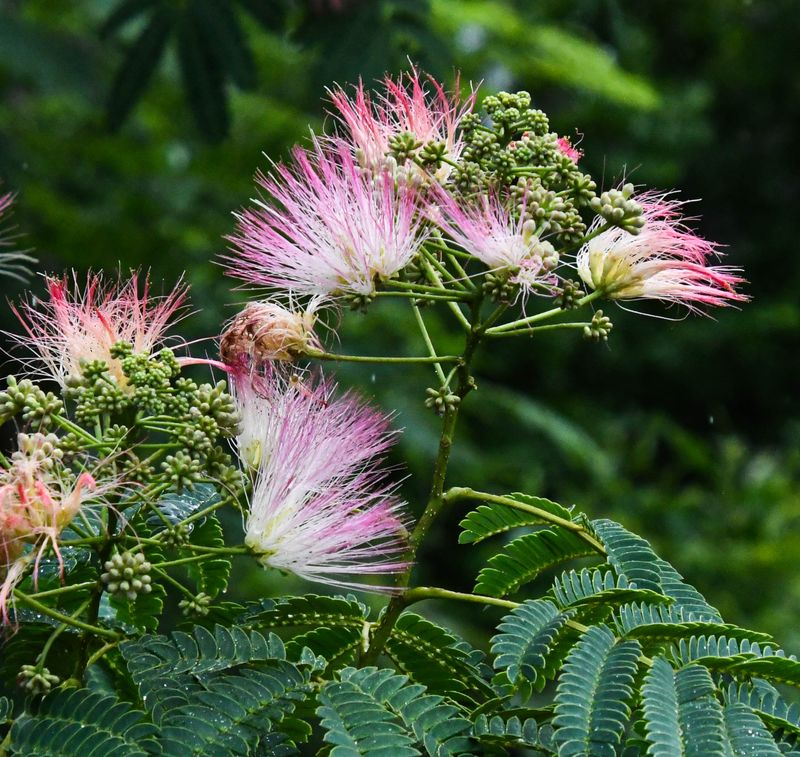
Few summer trees look as cheerful as a mimosa in full bloom. Those silky pink puffs can make a plain Georgia yard feel like a tropical getaway.
Beauty like that often hides a longer list of chores and risks than most buyers expect.
Mimosa, or Albizia julibrissin, came from Asia and was planted widely across the South for its looks. Over time, it escaped into fields, roadsides, and woodland edges.
Several southern states now list it as an invasive plant, which says a lot about how easily it spreads.
Inside a yard, the costs show up in quieter ways. You may spend more time raking, pulling sprouts, and trimming weak limbs than you planned.
Short life span is another surprise, since many mimosas start declining within a couple of decades.
None of this means you must panic if one already shades your patio. It simply helps to know what you are managing, so small problems stay small.
A good first step is a slow walk around the tree to check for sprouts, split branches, and yellowing leaves.
Jotting down what you notice each season makes it easier to spot changes early and decide whether the tree still earns its spot.
2. Flowers And Seed Pods Create Plenty Of Cleanup
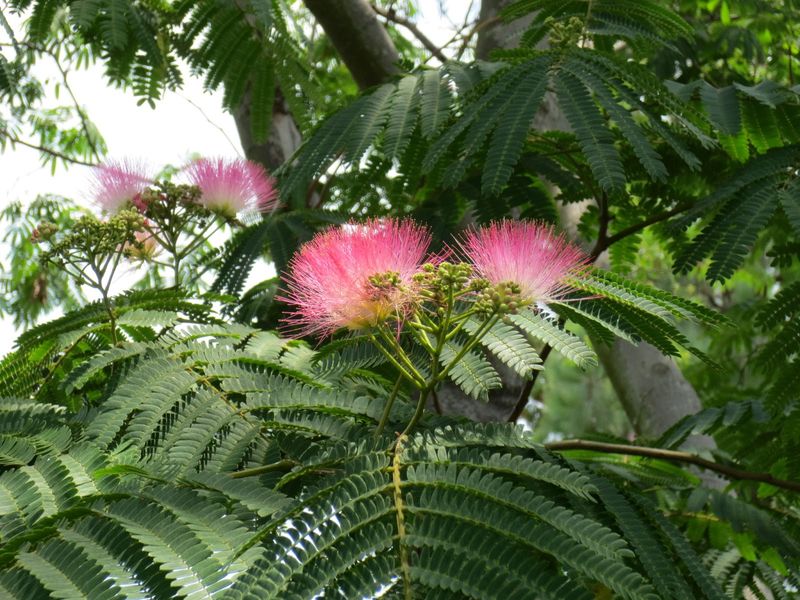
Sticky patios and clogged gutters are part of the deal with a mimosa. Once the blooms fade in summer, they drop in soft, stringy clumps that cling to decks and cars.
Pods come next, and by September they turn tan and papery on the branches.
Each flat pod holds several hard seeds, and a mature tree can produce a huge crop. Wind and rain shake them loose through fall and into winter, so the mess stretches out for months.
Pools and ponds take a real hit because petals and pods sink and gunk up filters.
Walkways can turn slick after rain when soggy flowers mash into the concrete. A quick sweep every few days works better than one giant weekend cleanup.
Bagging the pods instead of tossing them in a compost pile helps keep stray seeds from sprouting later.
If you live in Georgia and have gutters near a mimosa, plan on checking them in late fall. A leaf guard can help, though small flowers may still slip through some styles.
Your Georgia Garden Changes Every Week. Your Plan Should Too.
Gardening in Georgia changes quickly throughout the season. Every Friday you’ll receive a simple weekly plan showing exactly what to plant, prune, fertilize, harvest, and protect so you never miss the right timing.
Honestly, cleanup is manageable for some folks and a constant headache for others, depending on where the tree stands.
3. Quick Growth Often Means Weaker Branches
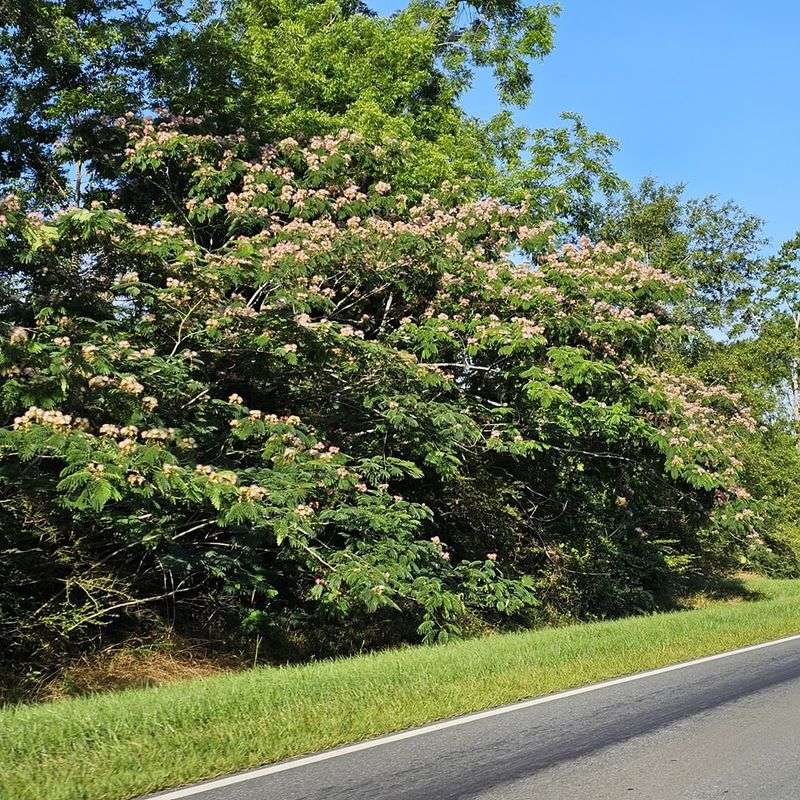
Fast shade sounds great until a limb cracks during a summer storm. Mimosas can shoot up several feet a year when young, especially in sunny spots with decent soil.
Speed comes at a price, since the wood tends to be soft and brittle.
Many mimosas also grow with several trunks or wide, spreading forks. Those narrow joints can split under wind, heavy rain, or the weight of a big seed crop.
Thunderstorms and the occasional tropical system in Georgia put that weakness to the test.
Planting location matters more than people think. A mimosa leaning over a driveway, roof, or play area deserves a closer eye than one at the back fence.
Look for cracks, hollow spots, mushrooms near the base, or limbs rubbing together.
Light pruning of crossing or damaged branches in late winter can help reduce risk. Removing too much at once can trigger lots of new sprouts, so take it slow.
For large limbs near structures, a certified arborist can give an honest opinion about whether the tree is safe to keep.
Keep checking the canopy after strong storms, since small splits can widen over time. Regular inspections can help catch structural problems before heavier branches become unstable.
4. Fungal Wilt Can Cut Its Life Short
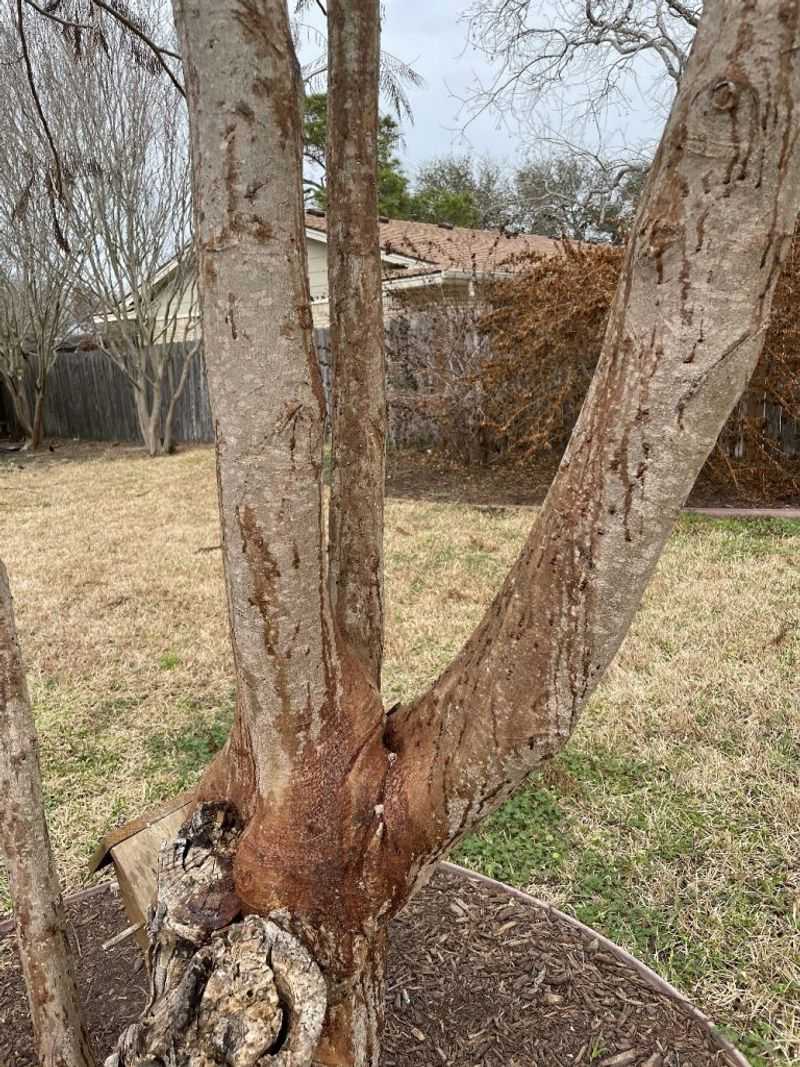
Wilting leaves in July might not be about drought at all. Mimosa wilt, caused by a soil fungus called Fusarium, is a common reason these trees decline across the Southeast.
The fungus enters through the roots and clogs the tree’s water-moving tissue.
Early signs include leaves that droop, yellow, and drop, often on one branch or one side first. Over a season or a few years, the decline can spread through the canopy.
A cut through an affected branch may show a brown ring in the sapwood.
Sadly, there is no reliable cure once the fungus takes hold. Watering during dry spells and avoiding mower or trimmer wounds near the roots may help a tree hold on longer.
Even with good care, results vary a lot based on soil and weather.
Because the fungus lives in the soil, replanting another mimosa in the same spot is a poor bet. Many Georgia gardeners choose a different species there instead.
If you are unsure what is causing the wilt, your local county Extension office can help you get a sample checked.
5. Webworms Can Quickly Take Over The Canopy
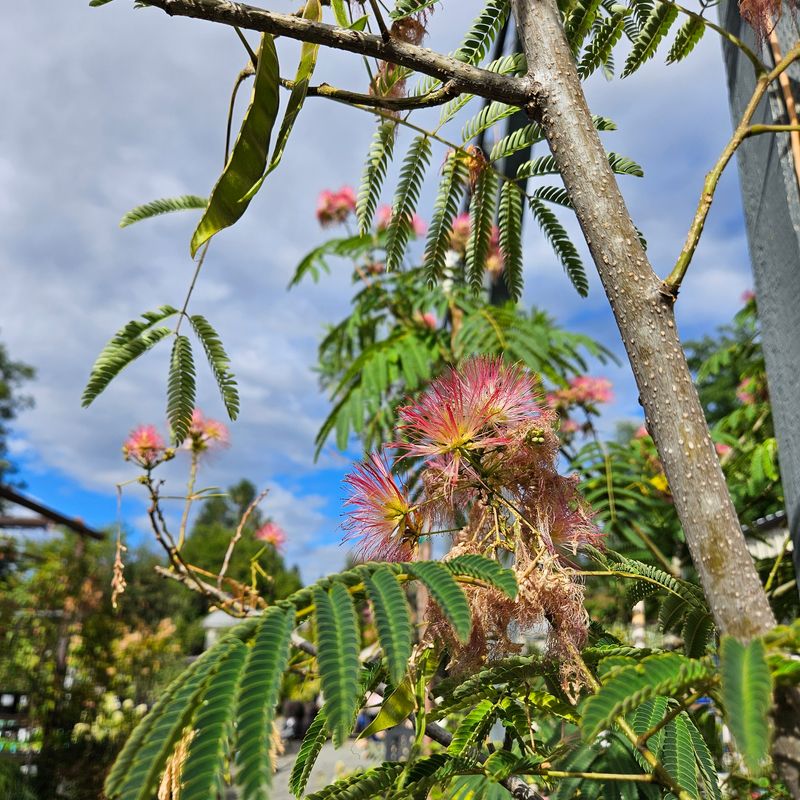
Brown, crispy patches in late summer usually mean mimosa webworms have moved in. These small caterpillars tie leaflets together with silk and feed safely inside.
From a distance, the tree can look scorched or rusty in spots.
In Georgia, there are often two generations a year, and the second one tends to cause the worst damage. By late August and September, heavy infestations can brown a large part of the canopy.
Honeylocust trees get hit by the same pest, so nearby ones are worth watching too.
Healthy trees usually leaf out again the next spring, but repeated feeding year after year adds stress. That stress can make other problems, like disease, harder to shake.
Spotting webs early gives you the best shot at control.
Small nests within reach can be pruned out and bagged. For bigger outbreaks, products with Bt work on young caterpillars when sprayed on the webs early.
Timing and coverage matter a lot, so treatments may not help much once the caterpillars are large.
Raking and removing fallen leaves in fall can reduce the pupae hiding under bark and debris over winter.
6. New Seedlings Can Keep Appearing For Years
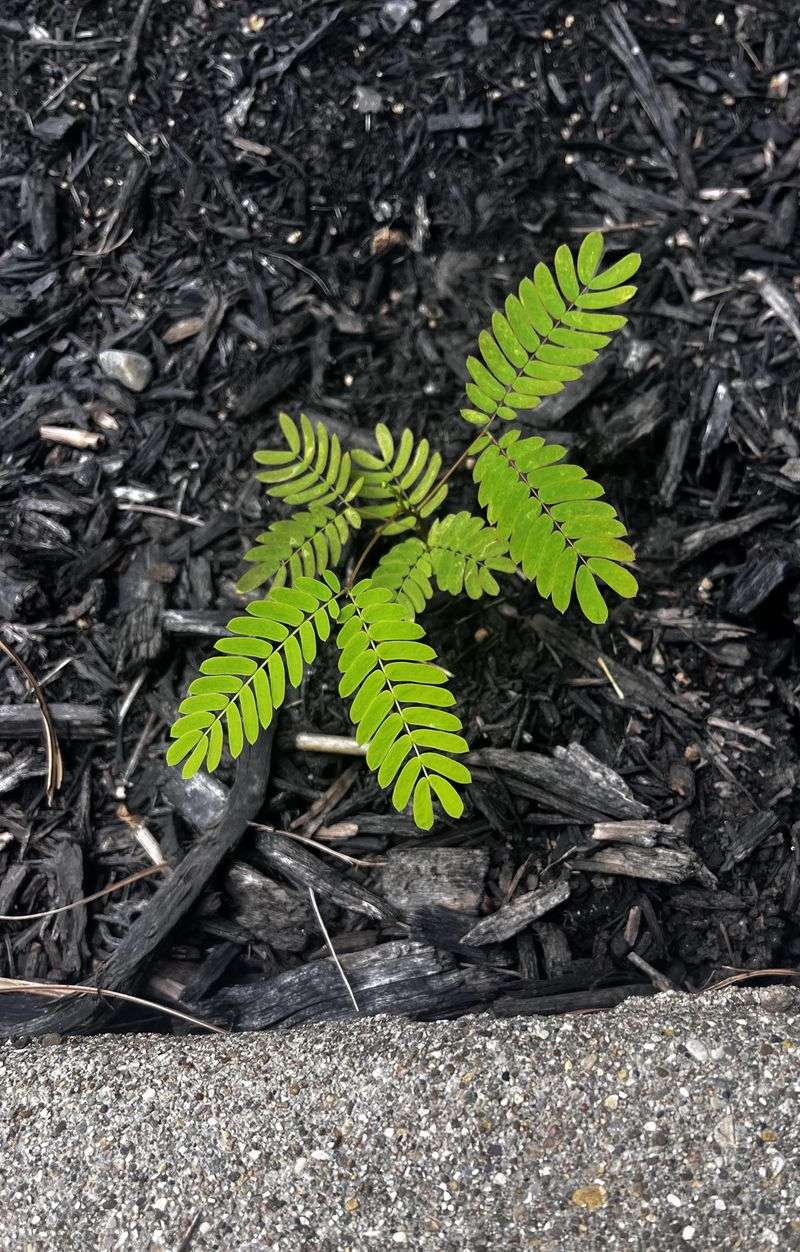
Pull one sprout, and it seems like three more show up next month. Mimosa seeds have tough coats that let them wait in the soil for years before sprouting.
That seed bank is why the problem can linger even after the parent tree is gone.
Seedlings pop up in flower beds, along fences, and in the cracks of sidewalks. They also sneak into shrubs, where they can grow a few feet before anyone notices.
Cut or damaged trees may push up root sprouts too, which adds to the crowd.
Young seedlings pull out easily when the soil is moist, so tackling them after a rain helps. Try to grab the whole root rather than snapping the stem at the soil line.
A layer of mulch in beds can cut down on the number of new sprouts reaching light.
Across Georgia, birds and runoff can carry seeds to nearby woods and streams, spreading the tree well beyond your yard. Keeping sprouts in check is a small way to help local natural areas.
Expect a few seasons of weeding before the seedling flush slows down.
7. A Native Replacement Can Be A Better Fit
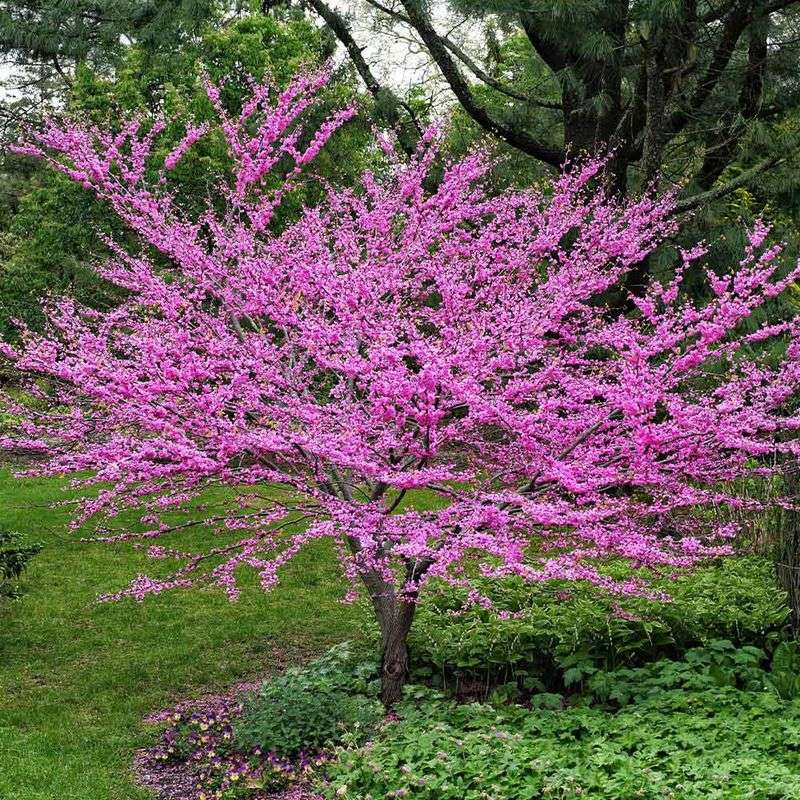
Swapping a troublesome tree for a native one can feel like trading drama for a steady friend.
Georgia has plenty of small trees that bring color and pollinators without the weedy spread.
Fall, including September and October, is a great time to plan and plant in much of the South.
Eastern redbud offers bright pink-purple blooms in early spring and heart-shaped leaves. Fringetree, sometimes called grancy graybeard, puts on fluffy white flowers that smell sweet.
Both stay fairly small and fit most suburban lots.
Want summer flowers like the mimosa gave you? Sourwood blooms in midsummer with drooping white sprays and later turns brilliant red in fall, though it prefers acidic, well-drained soil.
Native trees also support local caterpillars, which feed songbirds raising their young.
Removing a mature mimosa may take patience, because stumps often resprout. Grinding the stump or treating fresh cuts, following label directions, can help limit regrowth.
Checking with a local nursery or Extension office is a smart move before buying. They can suggest trees that match your soil, sun, and space, so the new pick has a fair chance to thrive.