Here’s What It Means When Deer Start Eating Your North Carolina Garden In Late Summer
Your tomatoes deserved better than this. Overnight damage like this rarely happens without reason. Shredded leaves and bare stems point to hours of feeding. Nothing about this touches on accidental garden luck.
North Carolina gardeners like you see this spike every late summer. Hunger drives most of the behavior aimed at your rows tonight.
Bodies change, food sources shift, and your garden becomes the obvious target. Neighborhood plots near you turn into fair game as food grows scarce.
Across North Carolina, this seasonal shift can catch your garden off guard. Few natural food sources remain as summer wears on, pushing hungry wildlife straight toward your rows. You are about to learn why this keeps happening and how to stop it.
Why This Feeding Pattern Shows Up Now

Your garden did not suddenly become more delicious. Something shifted in the deer’s world, and your yard is paying the price.
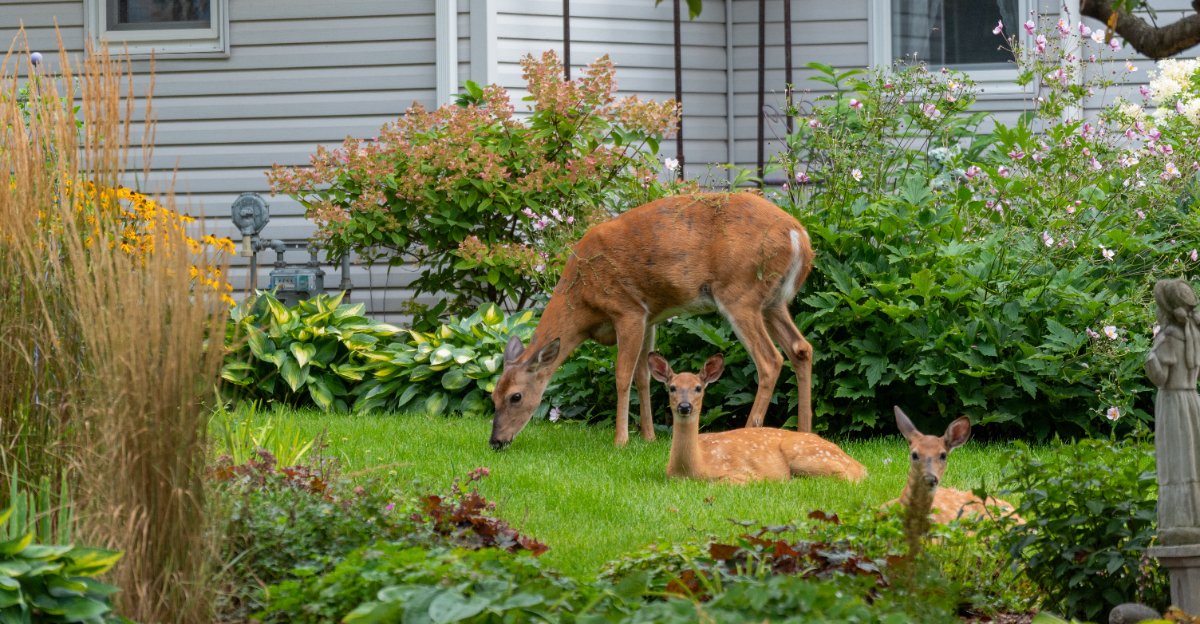
Late summer triggers a biological countdown for white-tailed deer. Bucks are building body mass before the rut, and does are still nursing fawns born in spring.
Both groups need serious calories, and they need them fast. Natural food sources in the woods start thinning out as summer heat scorches undergrowth and grasses dry up.
Your irrigated garden stands out sharply against a dry landscape. Deer are smart enough to remember where easy food lives, and they return to the same spots repeatedly.
This pattern often starts subtly, with just a few nibbled leaves or a missing pepper plant. Within a week, entire rows can disappear if nothing changes.
The timing also lines up with longer nights, which give deer more cover to browse undetected. They move earlier in the evening and linger longer before dawn.
Recognizing that this is a seasonal pattern, not random bad luck, is the first step toward managing it. This kind of feeding pressure signals that their natural environment is under stress too.
Understanding the “why” behind the behavior helps you anticipate it next year and get ahead of it before the damage starts. Your garden can survive this, but only if you take it seriously now.
Signs That Confirm Deer Are The Culprit
Blame the right animal before you set a single trap. Rabbits, groundhogs, and deer all damage gardens, but they leave very different clues.
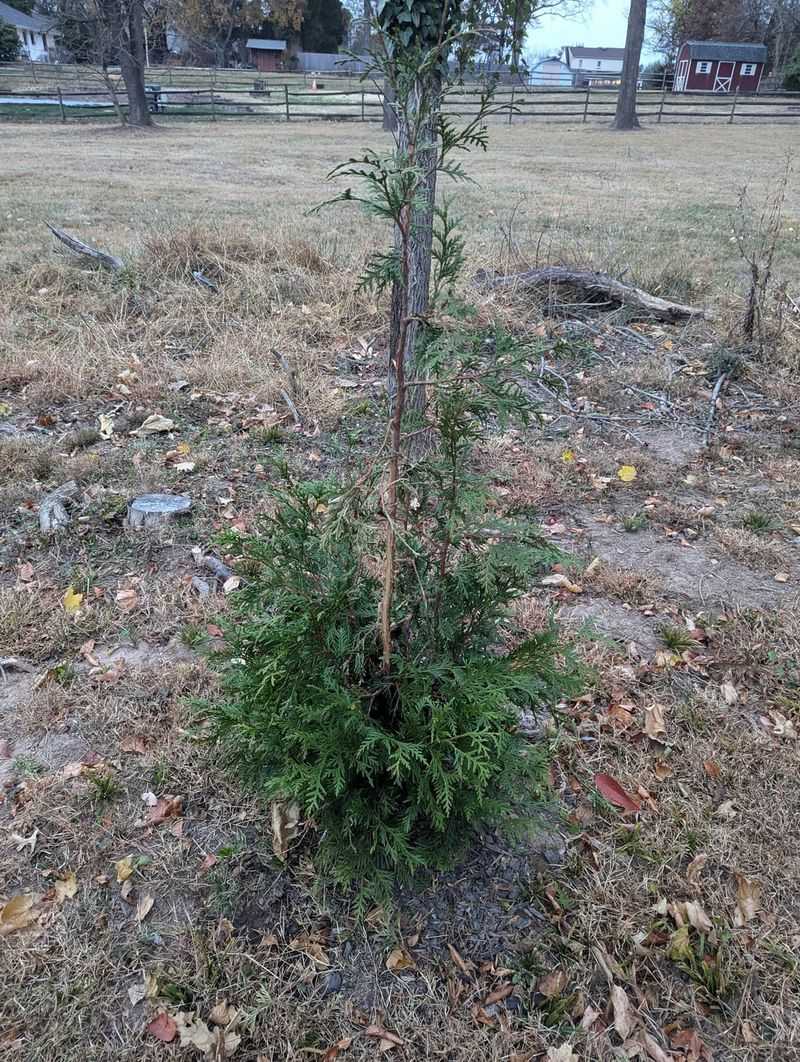
Deer do not have upper front teeth. They tear and rip plant material rather than cutting it cleanly, leaving stems with a ragged, shredded look.
Rabbits leave clean diagonal cuts, almost like scissors went through the stem. If your plants look torn rather than snipped, deer are almost certainly the cause.
Hoof prints are another clear giveaway. Look for heart-shaped tracks in soft soil, especially near beds, pathways, or muddy patches after rain.
Each print is roughly two to three inches long and splits into two pointed halves. A single deer walking through a garden leaves a surprisingly clear trail if you know what to look for.
Damage height is also a strong clue. Deer browse from the ground up to about five feet high, so missing foliage at mid-to-upper plant height points directly at them.
Your North Carolina Garden Changes Every Week. Your Plan Should Too.
Gardening in North Carolina changes quickly throughout the season. Every Friday you’ll receive a simple weekly plan showing exactly what to plant, prune, fertilize, harvest, and protect so you never miss the right timing.
Rabbits and groundhogs rarely reach above two feet. If your sunflower heads are missing but the lower leaves are untouched, deer were the visitors.
You might also notice scattered droppings nearby, small dark pellets grouped in clusters. Deer scat looks like small oval nuggets, darker and larger than rabbit droppings.
Once you confirm the culprit, you can stop wasting money on the wrong repellents and start using strategies that actually work against deer specifically.
Why Late Summer Triggers Increased Feeding

Deer bodies work on a biological clock that most gardeners never think about. Late summer flips several switches at once, and your plants suffer for it.
Bucks are in full antler growth during this period, which demands enormous amounts of protein and minerals. They need to consume far more than usual to fuel that development.
Does are simultaneously weaning fawns while rebuilding their own body weight. That combination puts intense nutritional pressure on every female in the local herd.
Natural mast crops like acorns and berries are not yet ripe in August. The forest pantry is essentially on a delay, leaving deer in a hungry gap between summer browse and fall abundance.
Heat also reduces the quality of wild grasses and forbs. Plants under drought stress produce less protein, which pushes deer to seek out greener, more nutritious alternatives.
Your irrigated garden stands out sharply against a dry, browsed landscape. Leafy greens, beans, tomatoes, and squash hold far more moisture and nutrients than anything in a stressed woodland.
Longer nights starting in late July give deer more darkness to move around safely. They push closer to homes and neighborhoods than they would during the bright, short nights of midsummer.
This feeding surge typically peaks in August and continues through September. During this stretch, their bodies run in emergency fuel mode, and your plants are the easiest solution they can find.
Plants Most Vulnerable During This Period
Not every plant on your property is equally at risk. Deer have strong preferences, and knowing them helps you prioritize your defenses.
Tomatoes top the list almost every season. Deer love the leaves, the fruit, and the tender stems, and they will strip a mature plant in a single night.
Green beans and pole beans are equally irresistible. The soft foliage is easy to chew, and the vines are accessible from ground level, making them a go-to target.
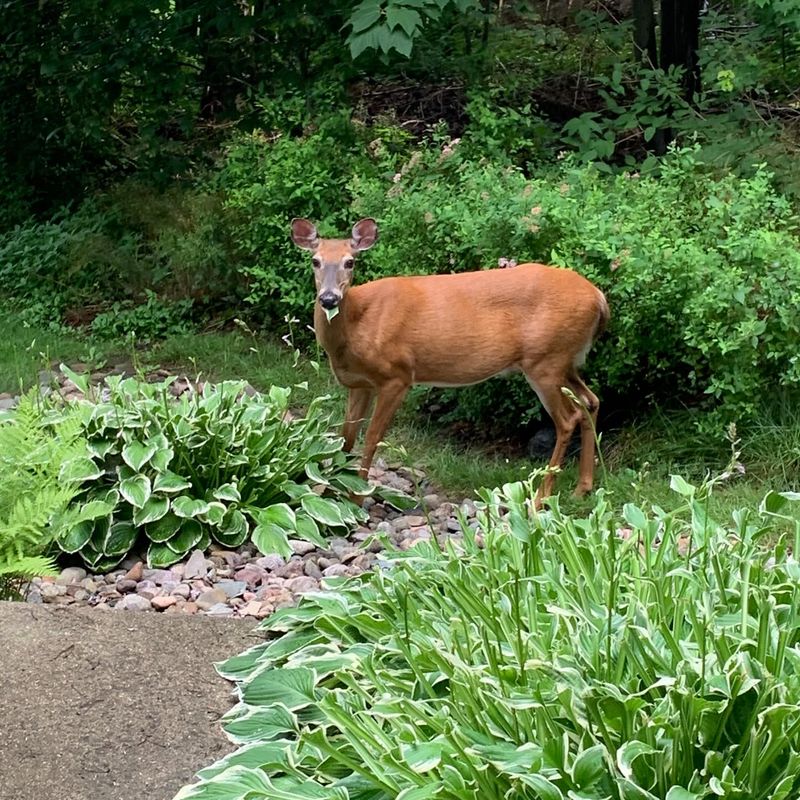
Hostas, often called deer candy by gardeners who know better, disappear overnight without warning. These shade-loving perennials are among the most consistently browsed plants in the Southeast.
Sweet potato vines, squash leaves, and pepper plants also attract heavy attention during late summer. Deer will sample almost anything when food pressure is high enough.
Sunflowers are particularly at risk once heads start forming. The seeds and petals are high in fat and calories, exactly what a deer craving nutrition is hunting for.
Herbs like basil and parsley, which some gardeners assume deer will avoid, are actually eaten regularly in late summer when pickier options run out. Hunger overrides preference.
Plants that tend to survive include strongly aromatic herbs like rosemary, lavender, and sage. Deer generally skip thorny plants like roses with heavy canes, though hunger can override even that aversion.
Knowing your most vulnerable crops lets you target your protective efforts efficiently and stop the most costly losses before they happen.
Effective Deterrents For This Time Of Year
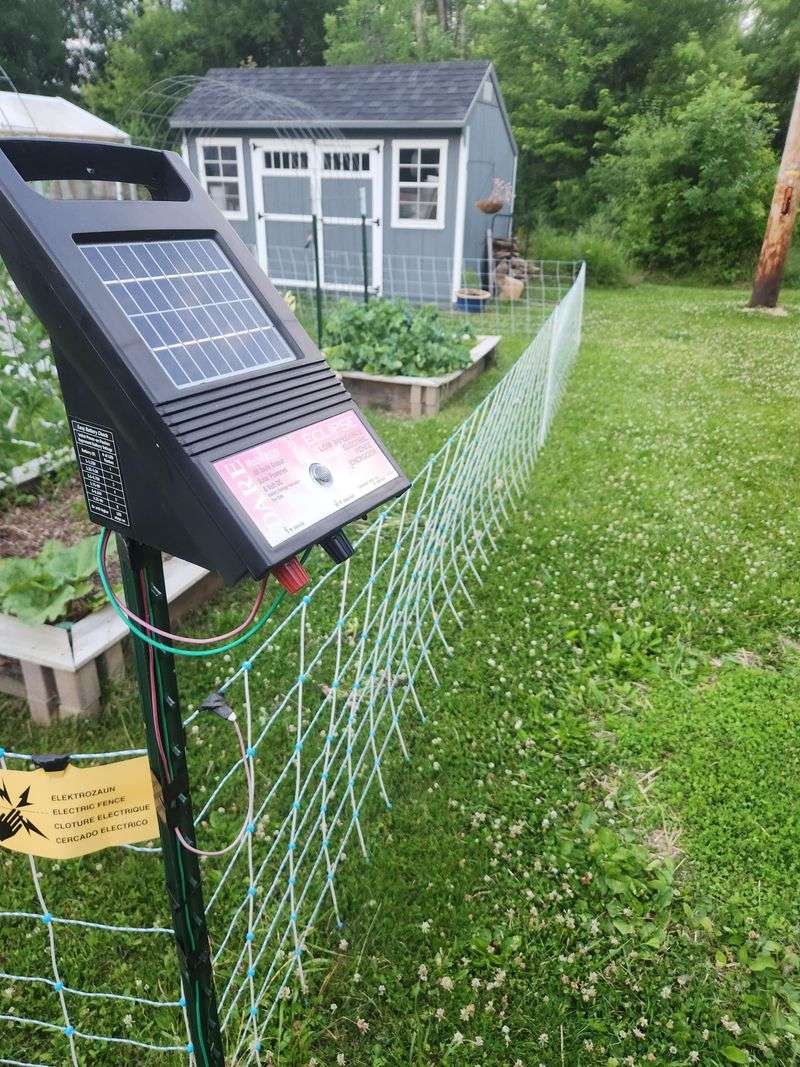
Stop deer before they make your garden a habit. Once a deer finds a reliable food source, breaking that routine takes real effort.
Motion-activated sprinklers are one of the most effective short-term tools available. The sudden burst of water startles deer without harming them, and the surprise factor keeps them on edge.
Deer repellent sprays work well when applied consistently. Products containing putrescent egg solids or predator urine tap into deer instincts and create a strong association between your garden and danger.
Reapply sprays every five to seven days, and always reapply after rain. Skipping applications gives deer the chance to test the area again and realize the threat is gone.
Physical barriers are the most reliable option when used correctly. A fence at least eight feet tall prevents deer from jumping over, since they are surprisingly reluctant to leap into a space they cannot see clearly.
Electric fencing with a peanut butter bait technique is a popular and effective choice in rural areas. Deer touch the bait, get a mild shock, and learn to avoid the fence entirely.
Predator scent deterrents, including coyote urine and even human hair clippings placed around the garden border, can create an invisible barrier that deer instinctively respect. Refresh these every week or two.
Combining two or three methods together works far better than relying on just one. Deer are adaptable, and rotating your strategies prevents them from adjusting to any single deterrent.
Long-Term Strategies To Protect Your Garden
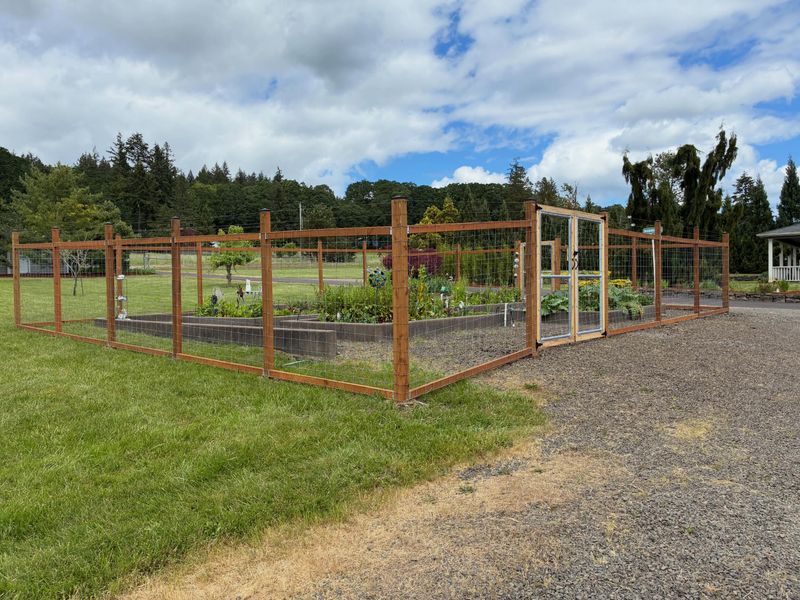
One bad season can teach you everything you need to protect future harvests. Smart long-term planning turns a vulnerable garden into a much harder target.
Start by mapping which areas of your yard see the most deer traffic. Placing your most valuable crops farther from treelines and entry points reduces exposure significantly.
Raised beds surrounded by sturdy fencing give you a controlled growing space that is far easier to protect than open ground. Pair the beds with hardware cloth on the sides to block smaller animals too.
Planting a perimeter of deer-resistant species creates a natural buffer zone. Lavender, catmint, Russian sage, and yarrow are all attractive to pollinators but deeply unappealing to browsing deer.
Building a deer-resistant border around your most prized beds forces deer to work harder for access, and most will simply move on to easier targets nearby. A hungry animal still weighs the effort.
Companion planting with strongly scented herbs like rosemary and thyme throughout your vegetable beds adds another layer of sensory confusion for deer. Mixing scents disrupts their ability to zero in on preferred plants.
Installing permanent fencing is the single most reliable long-term investment for serious gardeners. An eight-foot fence with a solid visual barrier is nearly impossible for deer to navigate confidently.
Next year, when the same pressure returns, you will be ready. Consistent effort, smart plant choices, and physical barriers together create a garden that protects itself season after season.