The Best Drought-Tolerant Trees To Plant In Central Texas This Fall
Fall planting in Central Texas is one of the best kept secrets in Texas gardening. While most homeowners wind down for the season, experienced gardeners are heading to the nursery with purpose.
Trees planted now establish through the cooler months, develop strong root systems before summer arrives, and handle their first heat season with a resilience that spring planted trees rarely match.
In Central Texas, where water restrictions are increasingly common and summer drought can be extreme, choosing the right tree matters more than ever.
A tree that survives and thrives without supplemental irrigation once established is a long term asset that protects itself and your investment through whatever the Texas climate delivers.
Here are the best drought tolerant trees to plant in Central Texas this fall and why each one earns its place in the landscape.
1. Texas Live Oak
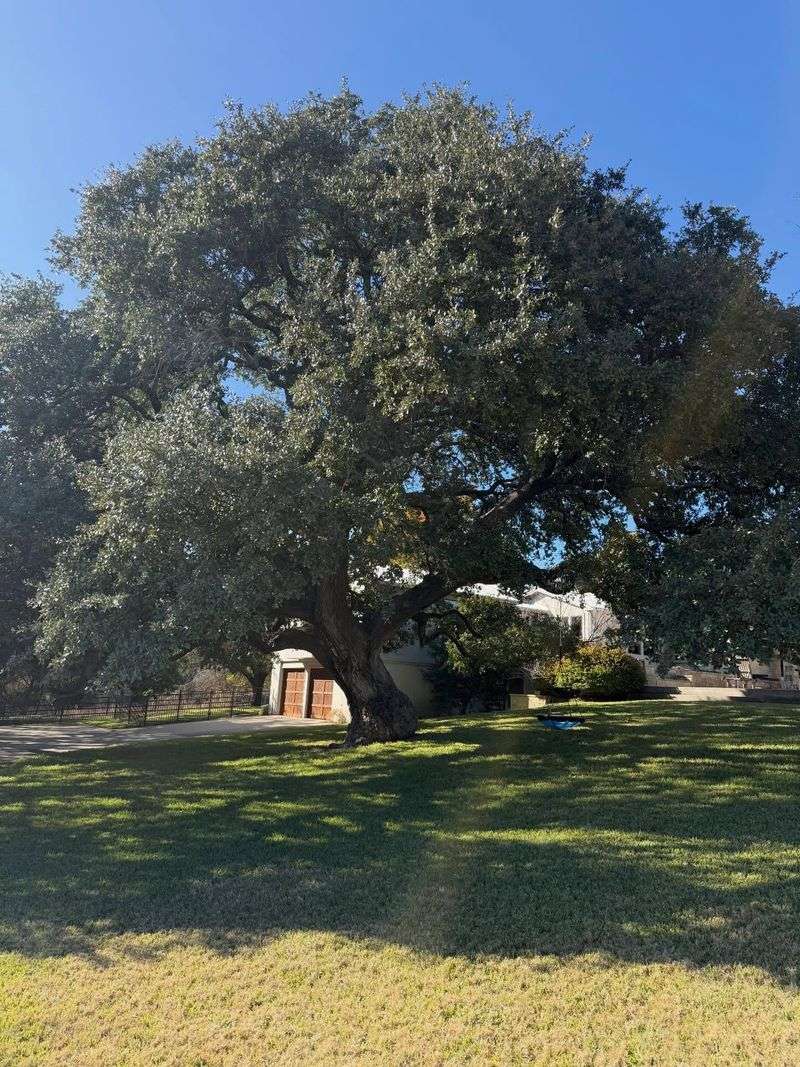
Few trees say Central Texas quite like the Texas Live Oak. You will spot these giants shading old ranch houses and busy city parks all across the region.
What makes them so special is their toughness. Once the roots grow deep, live oaks can handle months of dry weather without much fuss.
They keep most of their leaves through winter, so your yard stays green even in the cooler months.
Planting one in fall gives the roots a head start. Dig a hole twice as wide as the root ball but no deeper. Water it well for the first year, then slowly back off as the tree gets established.
Live oaks grow slowly, but patience pays off. Over the years, a single tree can spread its branches wide enough to shade an entire driveway. Some old live oaks in Texas are hundreds of years old and still going strong.
Keep an eye out for oak wilt, a disease that spreads between trees. Avoid pruning during spring, and always paint fresh cuts to protect the wood. A little care goes a long way here.
Fun fact: the Treaty Oak in Austin is thought to be over 500 years old. That kind of staying power shows just how well these trees fit our climate.
If you want one tree that offers shade, beauty, and lasting strength, the live oak is hard to beat. Give it room to grow and plenty of sunshine, and it will reward you for generations. Just be sure you have the space, because these trees get big.
2. Cedar Elm
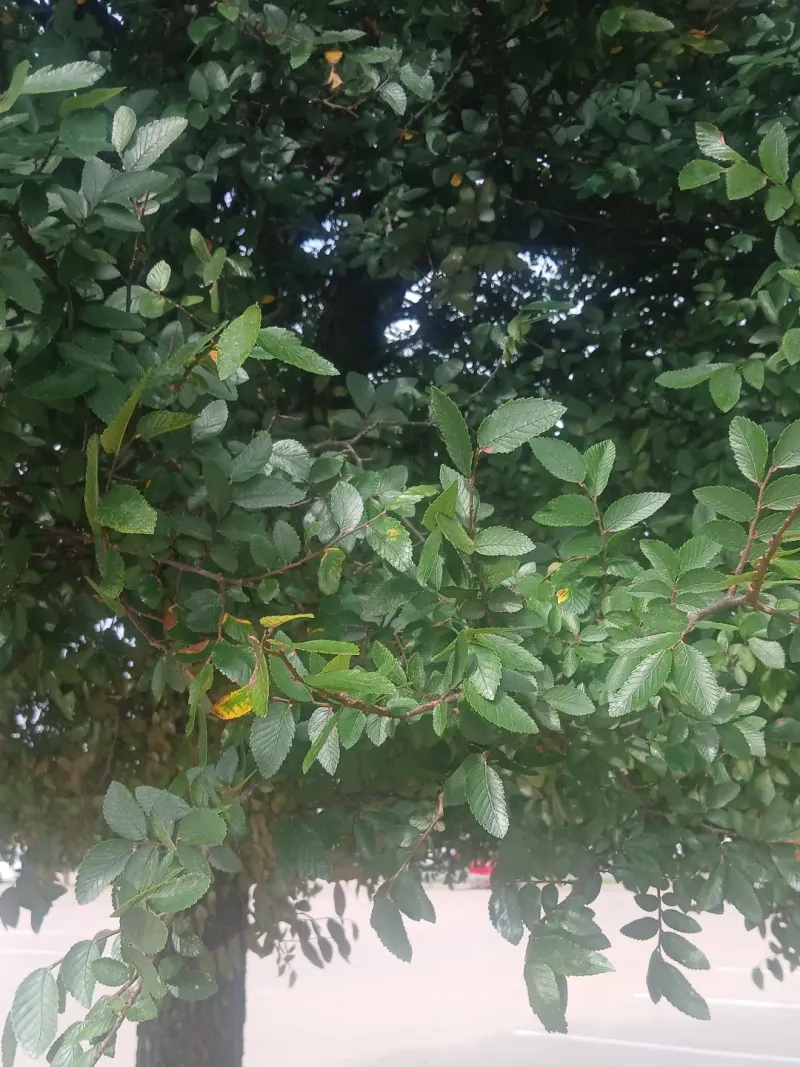
The Cedar Elm often gets overlooked, but folks who know Texas trees swear by it. This native beauty handles heat, poor soil, and stretches without rain like a champ.
One thing gardeners love is how easygoing it is. Cedar Elms grow in clay, rocky ground, or sandy patches, so you do not need perfect dirt to keep one happy. They shrug off the tough conditions that wear other trees down.
In autumn, the small leaves turn a warm golden yellow. It is one of the few trees around here that gives you real fall color, which is a nice bonus in a region known for staying green.
Your Texas Garden Changes Every Week. Your Plan Should Too.
Gardening in Texas changes quickly throughout the season. Every Friday you’ll receive a simple weekly plan showing exactly what to plant, prune, fertilize, harvest, and protect so you never miss the right timing.
Plant your Cedar Elm in fall so the roots can spread before summer heat returns. These trees grow at a medium pace, faster than a live oak but slower than some quick shade trees.
The wood is strong and rarely snaps in storms. Watering is simple. Give a young tree a deep soak once a week during dry spells. After a couple of years, it mostly takes care of itself, pulling moisture from deep in the soil.
Did you know Cedar Elms are the only native Texas elm that blooms in late summer instead of spring? That quirky timing sets it apart from its cousins.
With its arching branches and airy shape, a Cedar Elm brings graceful character to any yard. It stays healthy with little effort and provides dependable shade year after year. For a low-fuss tree that fits our climate perfectly, this one deserves a spot on your list.
3. Texas Mountain Laurel
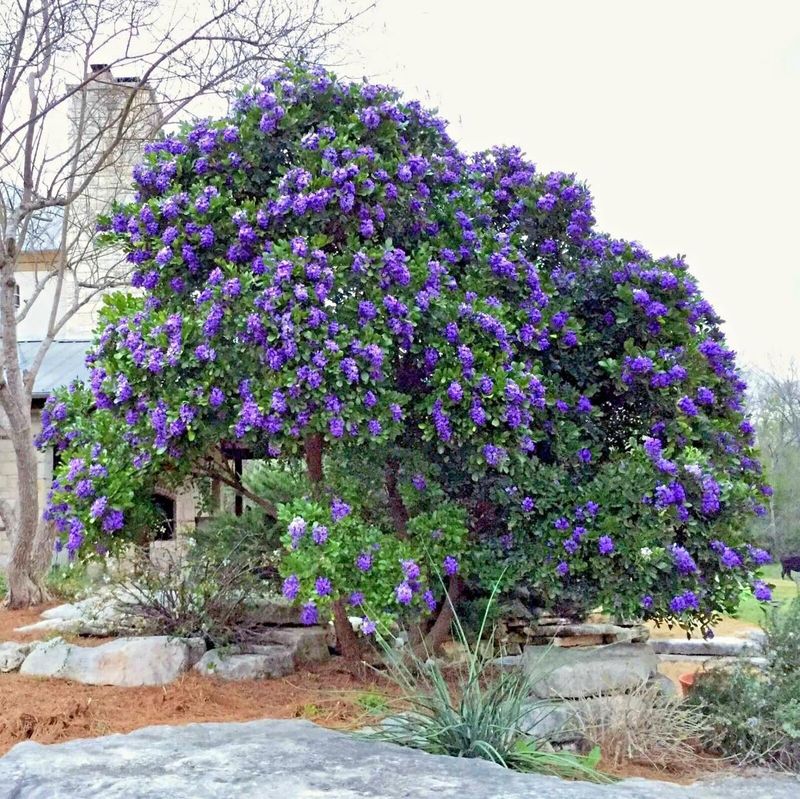
Imagine walking outside in early spring and catching a sweet smell just like grape soda. That is the Texas Mountain Laurel greeting you with its famous purple blooms.
This small tree is a treat for the senses. The glossy evergreen leaves stay green all year, and the dangling flower clusters draw bees and butterflies from all around. It stays compact, making it great for smaller yards.
Drought hardly bothers it. Native to rocky hillsides, the Mountain Laurel is built for dry, sunny spots where other plants struggle. Once settled, it needs almost no extra watering.
Plant it in fall in a spot with plenty of sun and good drainage. Soggy roots are the one thing it truly dislikes, so avoid low areas where water pools. Rocky or sandy soil suits it just fine.
Growth is slow, so buy the biggest one your budget allows if you want quick impact. The trade-off is a long life and very little upkeep once it matures.
A word of caution: the bright red seeds inside the pods are poisonous, so keep an eye on curious kids and pets. The hard shells make them tough to break, which offers some natural protection.
Some folks call it the mescal bean tree because of those colorful seeds. Native peoples once used them in ceremonies long ago.
For a tree that offers year-round green, unforgettable spring fragrance, and almost no thirst, the Texas Mountain Laurel is a standout.
Tuck one near a patio or walkway where you can enjoy that grape-soda scent every spring. It brings charm without demanding much in return.
4. Desert Willow
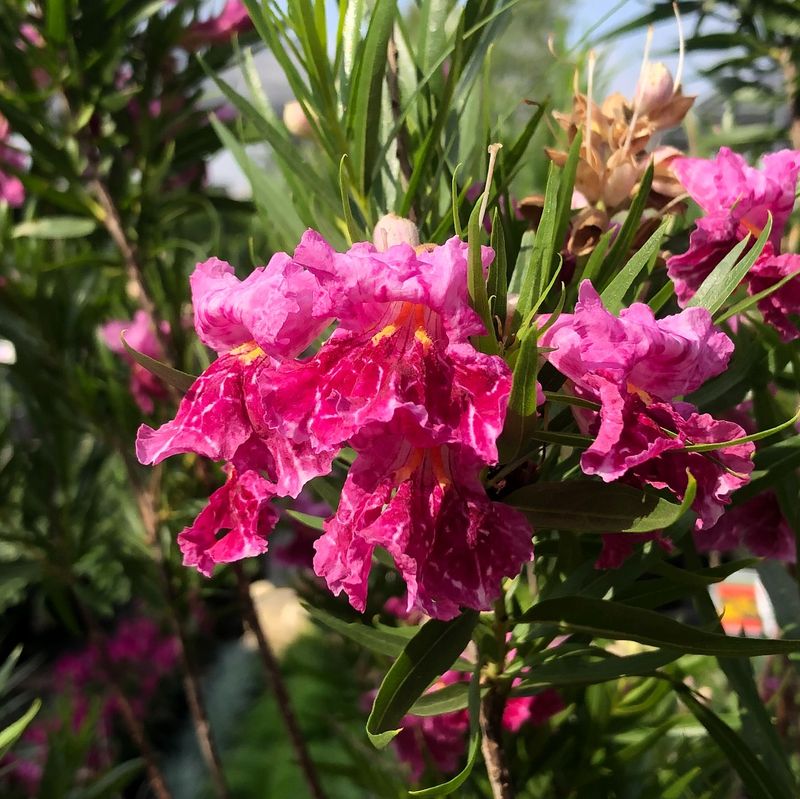
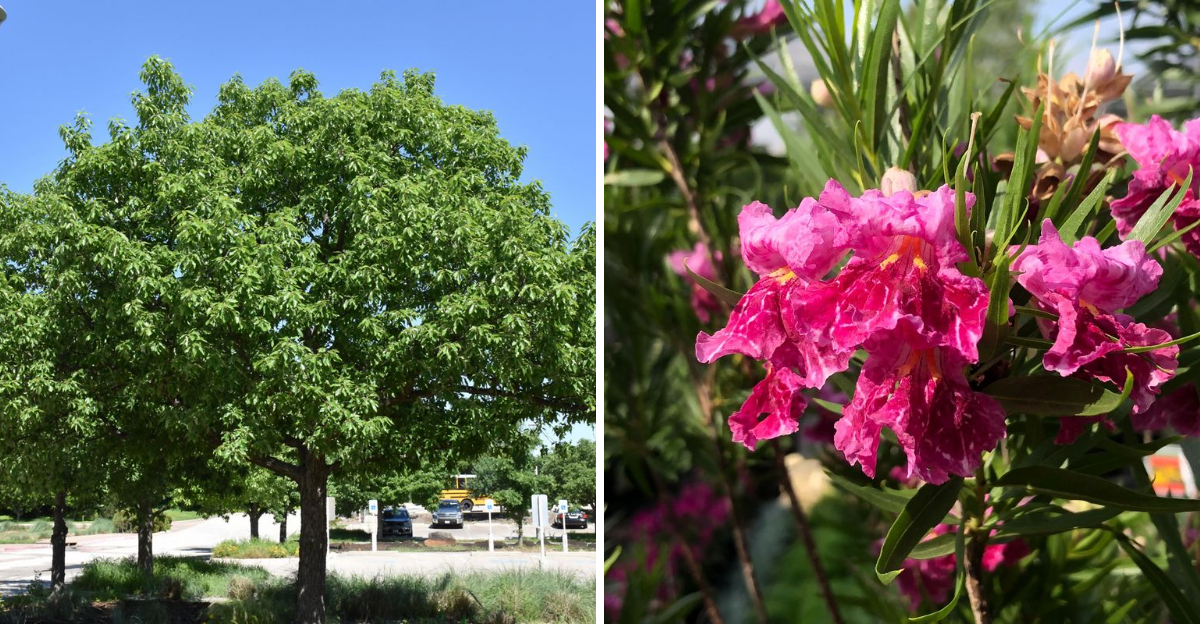
With flowers that look like tiny orchids, the Desert Willow adds a splash of color that catches everyone’s eye. Hummingbirds cannot resist those trumpet-shaped blooms.
Despite the name, it is not a true willow at all. The slim, graceful leaves just look a bit like willow leaves. What matters most is how well this tree handles our dry, hot weather.
Desert Willows come from the deserts of the Southwest, so heat and drought are old friends to them. They bloom from late spring all the way into fall, giving months of pink, lavender, or white flowers.
Fall planting works great. Pick a sunny spot with sandy or rocky soil that drains fast. These trees hate wet feet, so skip the low, mushy parts of your yard.
Watering should be light. Too much water actually cuts down on flowers, so let the soil dry out between drinks.
This is one tree where a little neglect keeps it blooming happily. Growth is quick for a drought-tough tree. You can enjoy a nice patch of shade within a few years. A yearly trim helps keep the shape neat and encourages more flowers.
Here is a neat detail: the seed pods look like long, skinny beans and hang on through winter, adding texture to the bare branches.
If you want a tree that keeps pollinators buzzing and your yard colorful through the hottest months, the Desert Willow delivers.
It stays small enough for tight spaces yet gives plenty of visual pop. Plant one where you can watch the hummingbirds gather each morning.
5. Chinquapin Oak
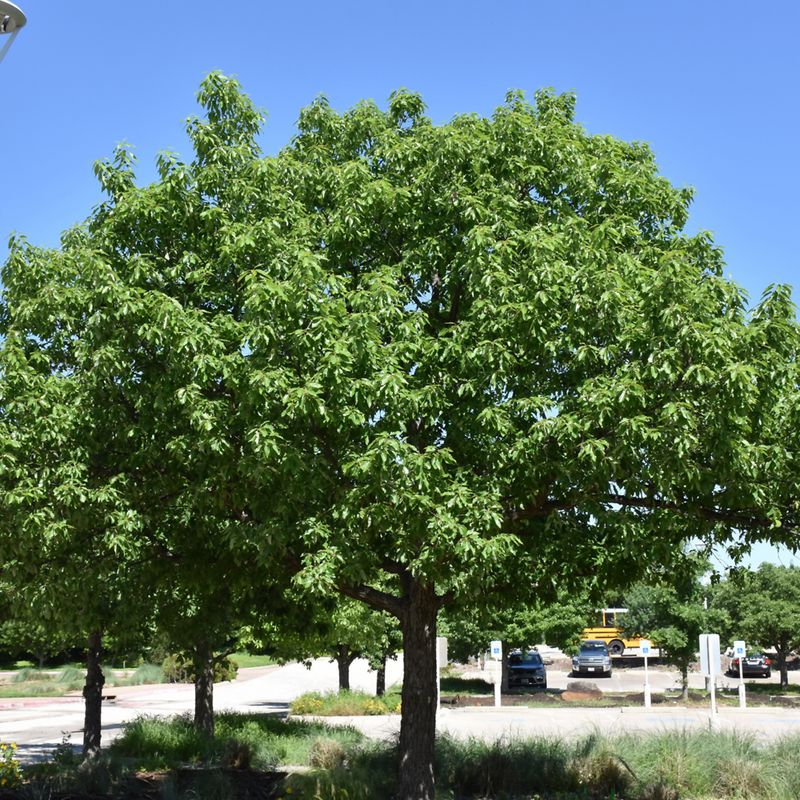
Gardeners searching for a big shade tree that laughs at limestone soil should meet the Chinquapin Oak. It thrives right where our chalky ground stumps other trees.
The leaves stand out with their pretty saw-toothed edges, almost like a chestnut leaf. In fall, they shift to warm shades of yellow and bronze before dropping for winter.
Toughness runs deep in this oak. It handles drought, alkaline soil, and blazing sun without complaint. Once the roots reach down, it rarely needs help from the hose.
Fall is a smart time to get one in the ground. Give it a wide hole and a good soaking, then keep the soil moist for the first year while roots spread out. After that, deep occasional watering during dry spells is plenty.
Growth is faster than many oaks, which is great news if you want shade sooner. The branches form a rounded, generous canopy that cools a yard nicely on hot afternoons.
Wildlife loves it too. The acorns feed squirrels, deer, and birds, so planting one helps the critters in your neighborhood.
Fun tidbit: the name comes from the chinquapin chestnut, since the leaves look so much alike. People sometimes mix the two up at first glance.
Because it stays healthy in tough spots and grows at a good clip, the Chinquapin Oak is a top pick for Central Texas yards.
It gives lasting shade, lovely fall color, and food for wildlife all in one package. If your soil is rocky and full of lime, this oak might be your best friend.
6. Mexican Sycamore
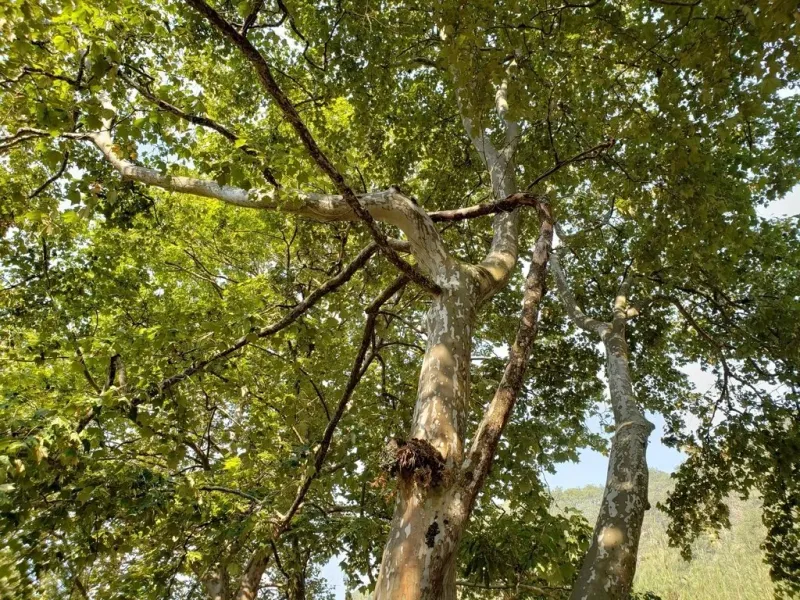
Big, bold, and fast-growing, the Mexican Sycamore turns heads with leaves the size of dinner plates. The silvery undersides shimmer whenever a breeze blows through.
This tree handles heat far better than the common American sycamore. It resists many of the pests and problems that trouble its cousin, staying greener and healthier through the hot months.
Speed is one of its best traits. Mexican Sycamores shoot up quickly, so you get real shade in just a few years. That makes them a favorite for folks who do not want to wait decades.
Plant in fall and give the roots room to stretch. These trees like a deep drink now and then, especially when young. Water deeply rather than often to encourage strong, far-reaching roots.
The bark peels away in patches, showing creamy white underneath. That mottled, patchwork look adds interest even in winter when the leaves are gone.
Keep in mind these trees get large. Plant them well away from houses, sidewalks, and pipes so the roots and branches have plenty of space. A big open yard suits them best.
One neat fact: those huge leaves make great natural mulch when they fall. Just rake them under the tree and let them break down into the soil.
For anyone with room to spare and a wish for quick, cooling shade, the Mexican Sycamore is a winner. It combines rapid growth, eye-catching leaves, and solid drought toughness.
Give it space and a few good soakings each summer, and it will tower proudly over your yard for years to come.
7. Texas Redbud
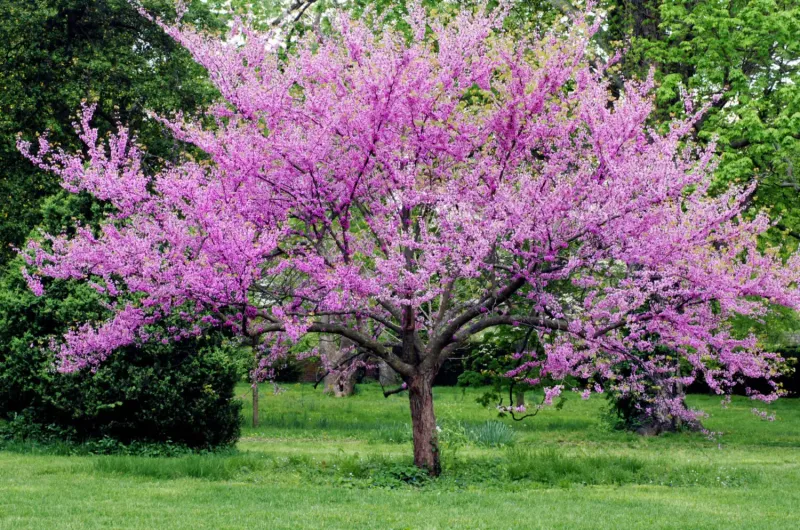
When spring arrives, the Texas Redbud puts on a show that stops people in their tracks. Bright pink-purple blooms cover every branch before the leaves even appear.
Small and charming, this native tree fits neatly into most yards. It rarely grows too large, making it perfect for spots near patios, fences, or the corner of a garden bed.
The Texas variety handles drought better than redbuds from wetter states. Its thick, glossy leaves hold up against heat and hold onto moisture through dry stretches. That tough foliage sets it apart from softer-leaved cousins.
Fall planting lets the roots settle before summer. Choose a spot with some afternoon shade in the hottest areas, though it can take full sun too. Water regularly the first year, then only during long dry spells.
After the spring flowers fade, heart-shaped leaves fill in and turn golden in autumn. Flat seed pods dangle from the branches, adding a little extra texture through the seasons.
Pollinators adore the early blooms. Since redbuds flower so early, they give bees a valuable meal when few other plants are blooming yet.
Here is something fun: the flowers are actually edible and add a slightly sweet, colorful touch to salads. Just make sure they have not been sprayed with anything first.
For a compact tree that bursts with color, feeds pollinators, and shrugs off drought, the Texas Redbud is tough to top.
It brings beauty to small spaces without demanding much water or care. Plant one where you can enjoy that dazzling spring display right outside your window.